Film review

A Separation

2011 · Directed by Asghar Farhadi · 2h 03m · MPA PG-13

In a sentenceEvery adult has an explanation; the children could use a quieter room

Drama

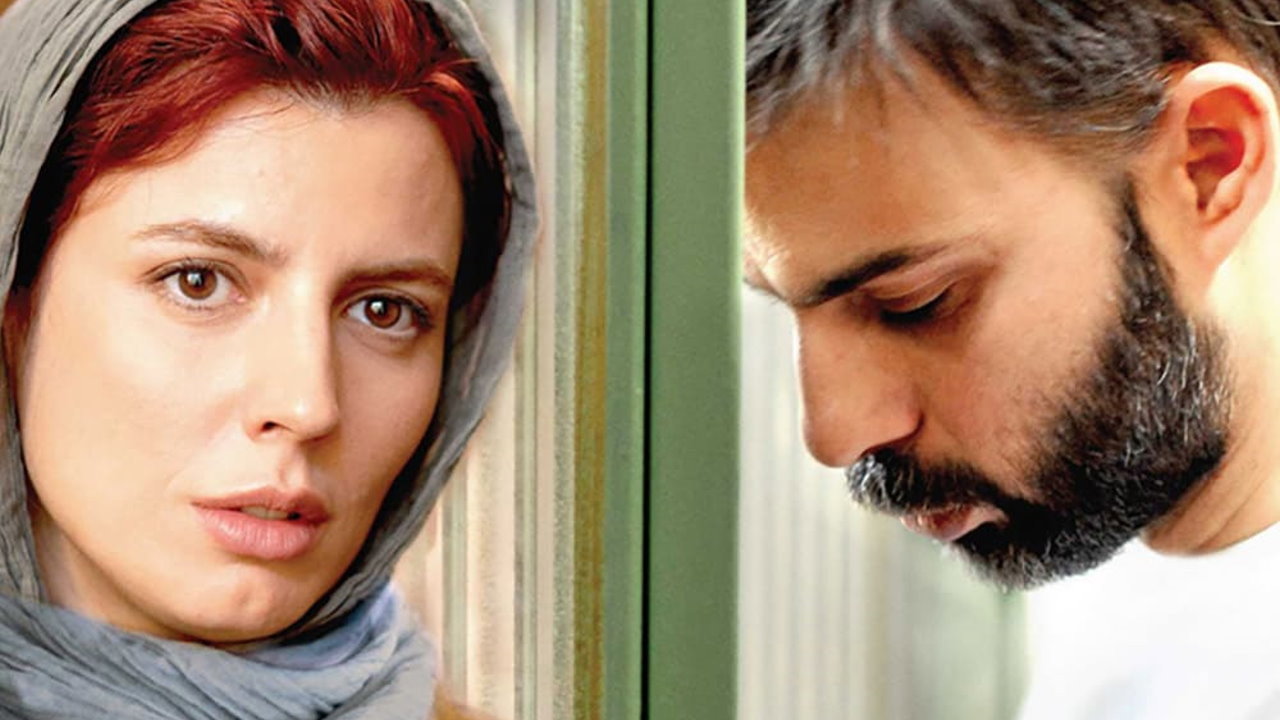
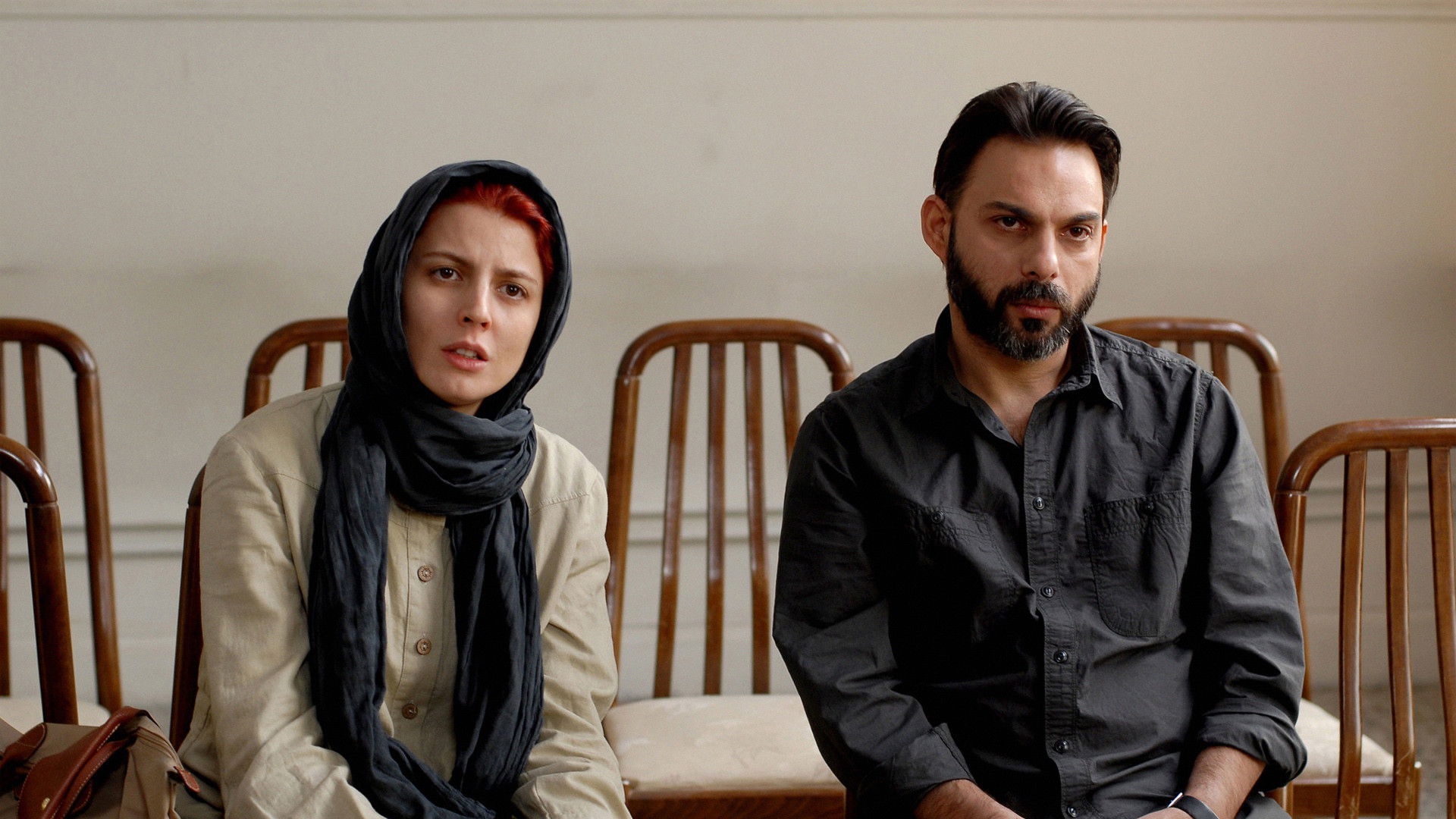
In Tehran, Nader (Payman Maadi) and Simin (Leila Hatami) are separating. Their daughter Termeh (Sarina Farhadi) is caught between them as a dispute over marriage and family obligations becomes entangled with a legal struggle. Razieh (Sareh Bayat) and Hojjat (Shahab Hosseini) are drawn into the conflict, which brings differences of class, religion and responsibility into the arguments between the adults. Razieh’s daughter Somayyeh (Kimia Hosseini) is also present as the families try to establish whose account should be believed. Each explanation asks the others to reconsider what they think they know.

Plays from YouTube when you press play; nothing loads from them until then.

Fi1m review

Asghar Farhadi’s family drama is gripping, upsetting and unusually fair to people behaving badly. A few plot complications look carefully placed, but we recommend it without hesitation for the actors and the uncomfortable attention paid to the children.

Asghar Farhadi’s A Separation makes a family dispute gripping enough to hold us through every change of mind. We would recommend it to almost anyone, including people who think they have had enough arguments at home. A separating couple, a child between them and a legal struggle give the writer-director plenty to untangle, but he keeps returning to the difficulty of getting another person to listen. Each explanation makes sense for long enough that we begin to accept it, then someone else gets a turn.

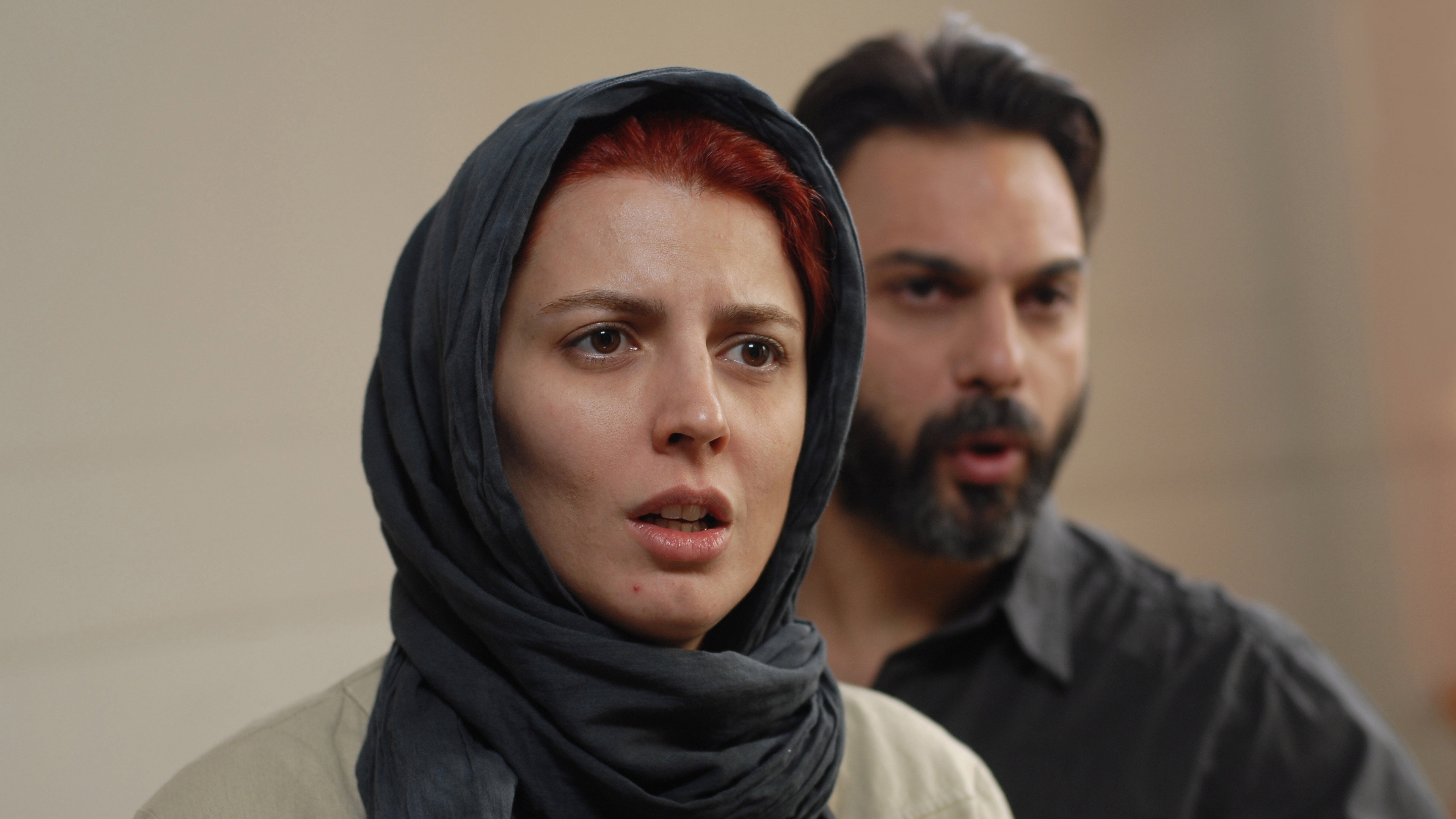
Payman Maadi’s Nader and Leila Hatami’s Simin are persuasive enough to frustrate any hope of choosing a side and staying there. Maadi makes Nader’s certainty uncomfortable: we understand how a person can be convinced of his own decency and still be difficult to live with. Hatami gives Simin equal force, and the marriage feels substantial enough for its unravelling to matter. Sareh Bayat’s Razieh and Shahab Hosseini’s Hojjat are just as carefully played, with differences of class and religion informing the quarrels without explaining away anyone’s behaviour.

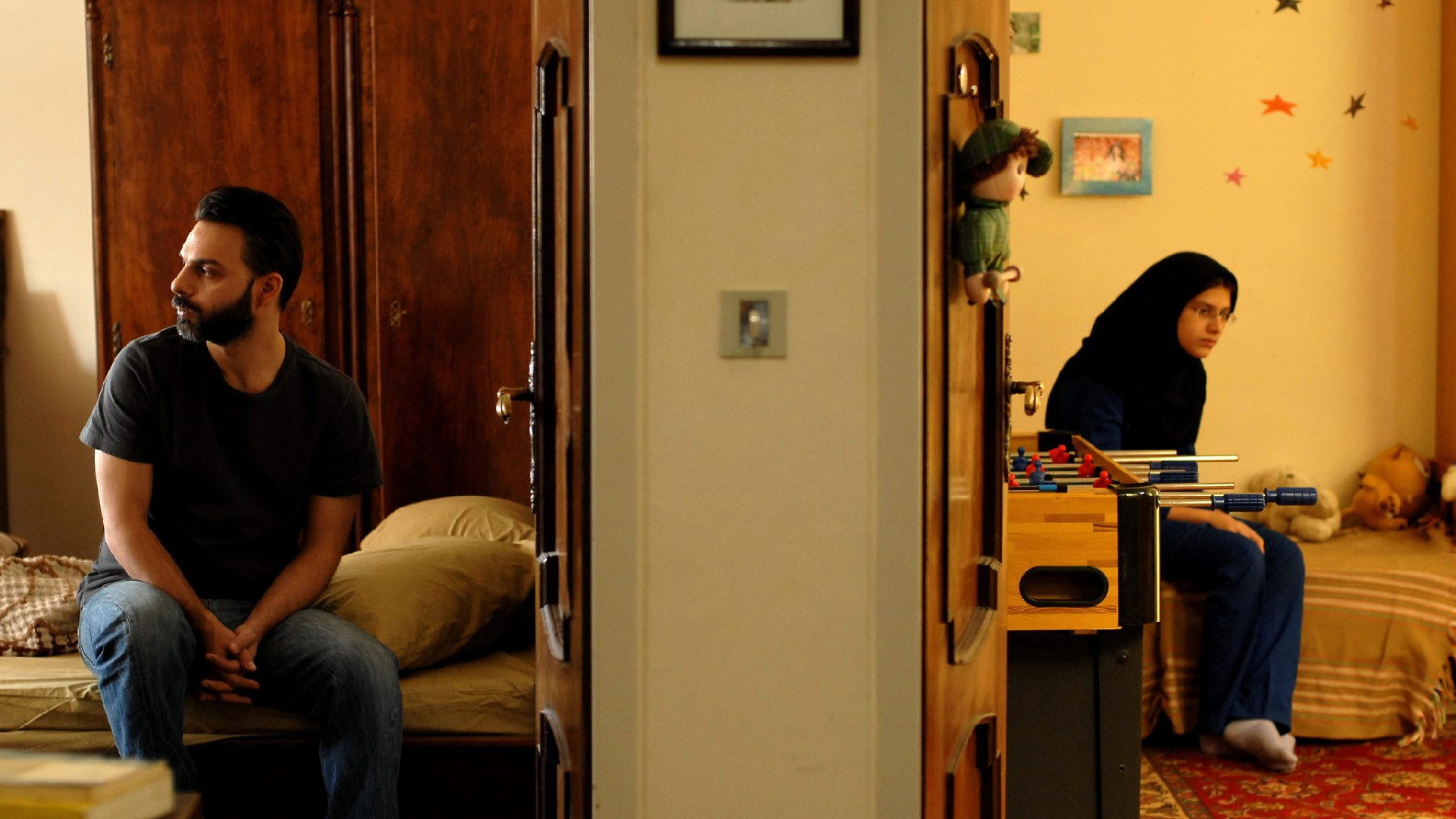
Mahmoud Kalari’s mobile camera makes us attend to the people around a speaker as well as the person speaking. The agitation suits the arguments, but the staging remains clear enough that we can keep looking for a response. Glass partitions in Keyvan Moghaddam’s production design allow Farhadi to keep people in sight even when they are physically divided. It is an effective use of an ordinary domestic feature, and it avoids making the home feel like a diagram of the family’s problems.

Hayedeh Safiyari’s editing keeps the dense plotting legible, an unglamorous achievement on which much of the suspense depends. We do occasionally notice how precisely Farhadi has arranged the complications; another difficult question can arrive just when the screenplay needs one. Those moments briefly make the people seem more obedient to the story than they should, though the actors soon recover the sense of ordinary, stubborn behaviour. Sattar Oraki’s music is restrained enough that we never feel instructed to forgive anyone, which is the right judgement for this film.

Sarina Farhadi’s quiet, watchful Termeh is the performance that stayed with us. We were upset by her attention to the adults, because their need to explain themselves keeps placing a burden on a child who did not cause the quarrel. She makes listening look tiring, and the film gives that tiredness time to register. The attention paid to the children prevents the disputes about truth and responsibility from becoming an exercise we can enjoy solving. Her quietness remains part of the scene even when an adult has our attention.

The suspense is strong enough to satisfy someone who usually avoids domestic drama. Farhadi understands how quickly a discussion becomes frightening when admitting a mistake might cost someone more than they can bear. At 123 minutes, it asks for sustained attention and earns it through the precision of the writing and the cast. Give it an evening when nobody needs cheering up, and leave time afterwards to disagree.

Critical consensus AI synthesised

83
Positive
10
Mixed
0
Negative
1

Most critics praise A Separation as a gripping domestic drama whose disputes expose divisions of class, religion, gender and generation. Praise centres on Farhadi’s precise writing and generosity towards competing viewpoints: the reviews repeatedly note how sympathy shifts without the film settling into easy judgements. The performances, particularly the daughter’s quiet watchfulness, draw admiration, while the mobile camerawork and staging reinforce the uncertainty over what each character knows. Several reviews find the children’s position especially affecting, giving the moral questions an immediate human cost.

The spread is strongly favourable, with one sharp dissent rather than a broad set of shared reservations. The New Yorker admires the opening but finds that visual tension fades, leaving schematic, plot-driven moral puzzles with too little resonance or imagination. That objection cuts directly across the prevailing view: most critics regard the intricate plotting as a source of suspense and complexity rather than a constraint.

Slant Magazine
30 September 2011 · ★★★★/4 · Nick Schager
100

The critic calls it a superb drama, noting its empathy for competing points of view. It is singled out for recognizing how facts, lies and self-interest are tangled without providing definitive statements.

Read the full review →
Evening Standard
10 April 2012
90*

The critic highlights the film’s profound moral depth and restraint, presenting a series of conundrums in a style close to documentary that makes viewers reconsider actions and consequences. The universal story of a child torn between separating parents is engrossing and wrenching.

Read the full review →
Film Comment
· Godfrey Cheshire
90*

The critic praises Farhadi as a major new auteur whose film stands out for its emotional and moral complexity, with sympathies shifting fluidly among characters in a layered domestic and class drama. The intricate staging with glass partitions and mobile camerawork is singled out as matching the story's shifting perspectives.

Read the full review →
The Guardian
30 June 2011 · Peter Bradshaw
90*

This powerful, complex Iranian drama centres on a conflict that cuts across boundaries of gender and class. Farhadi transforms an ugly quarrel into a contemporary tragedy, with the children bearing the heaviest burden.

Read the full review →
Empire
27 June 2011 · David Parkinson
85*

The critic praises Farhadi’s densely plotted, morally complex drama that exposes divisions throughout Iranian society through a legal struggle sparked by divorce and family obligations. Restless camerawork highlights unspoken suspicions in a nation far from united.

Read the full review →
Screen Daily
15 February 2011 · festival review
85*

The critic calls it a gripping moral and social drama that lifts Farhadi to the front rank of contemporary world directors. They single out the way it keeps compassion for the two children afloat while raising complex questions of responsibility and truth.

Read the full review →

Cast

Stills

Awards

Academy Awards, 2012

Nominated
Best Writing, Original Screenplay
Won
Best International Feature Film

International Submission to the Academy Awards, 2012

Nominated
International Submission to the Academy Awards

Asia Pacific Screen Award for Best Feature Film, 2011

Won
Asia Pacific Screen Award for Best Feature Film

Berlin International Film Festival, 2011

Won
Best Actor
Won
Best Actress
Won
Golden Bear

If you liked this, try…

About Elly poster

About Elly

2009 · Farhadi puts another group under pressure until their reassurances become difficult to trust.

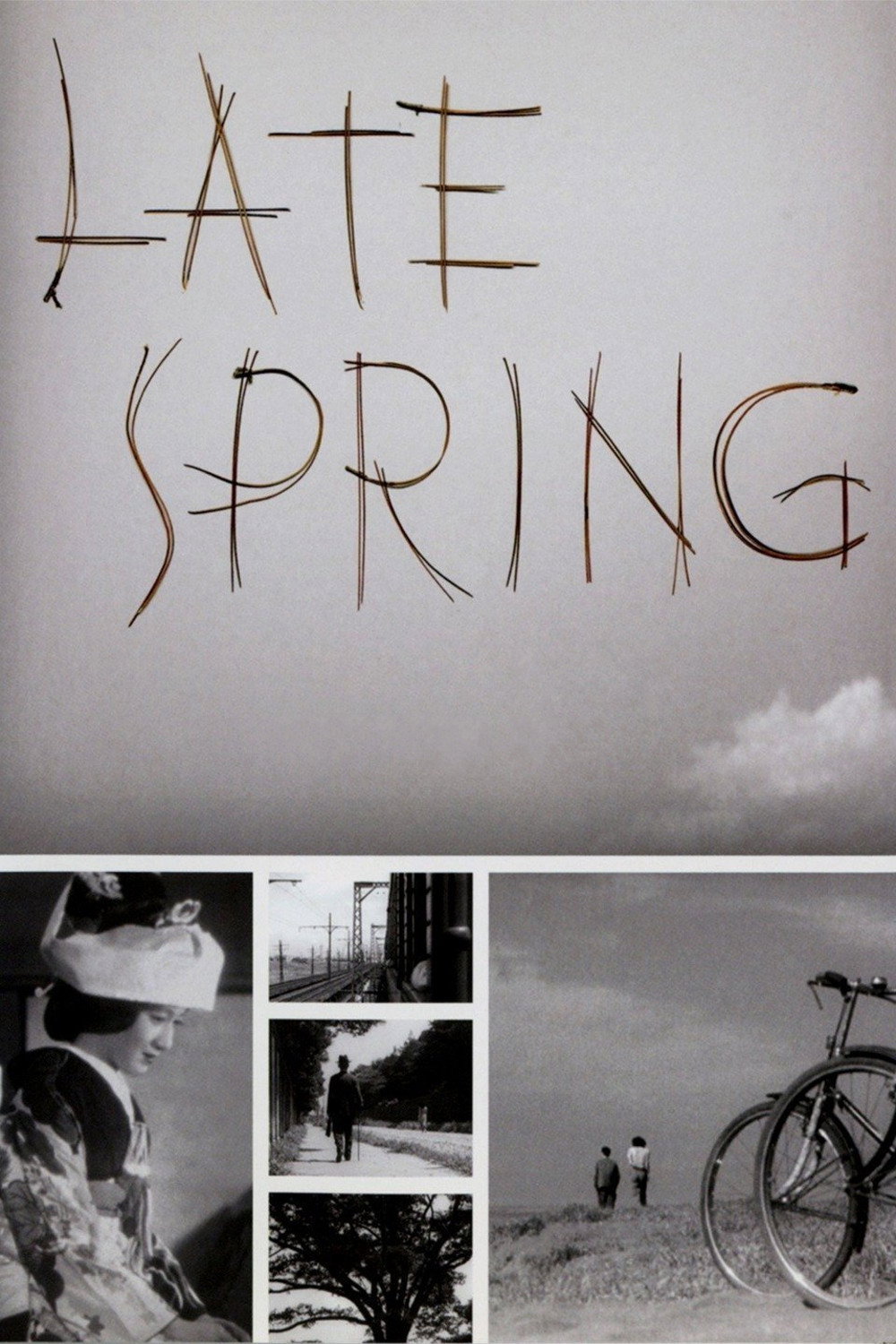
Late Spring poster

Late Spring

1949 · A father and daughter face family expectations with painfully careful politeness.

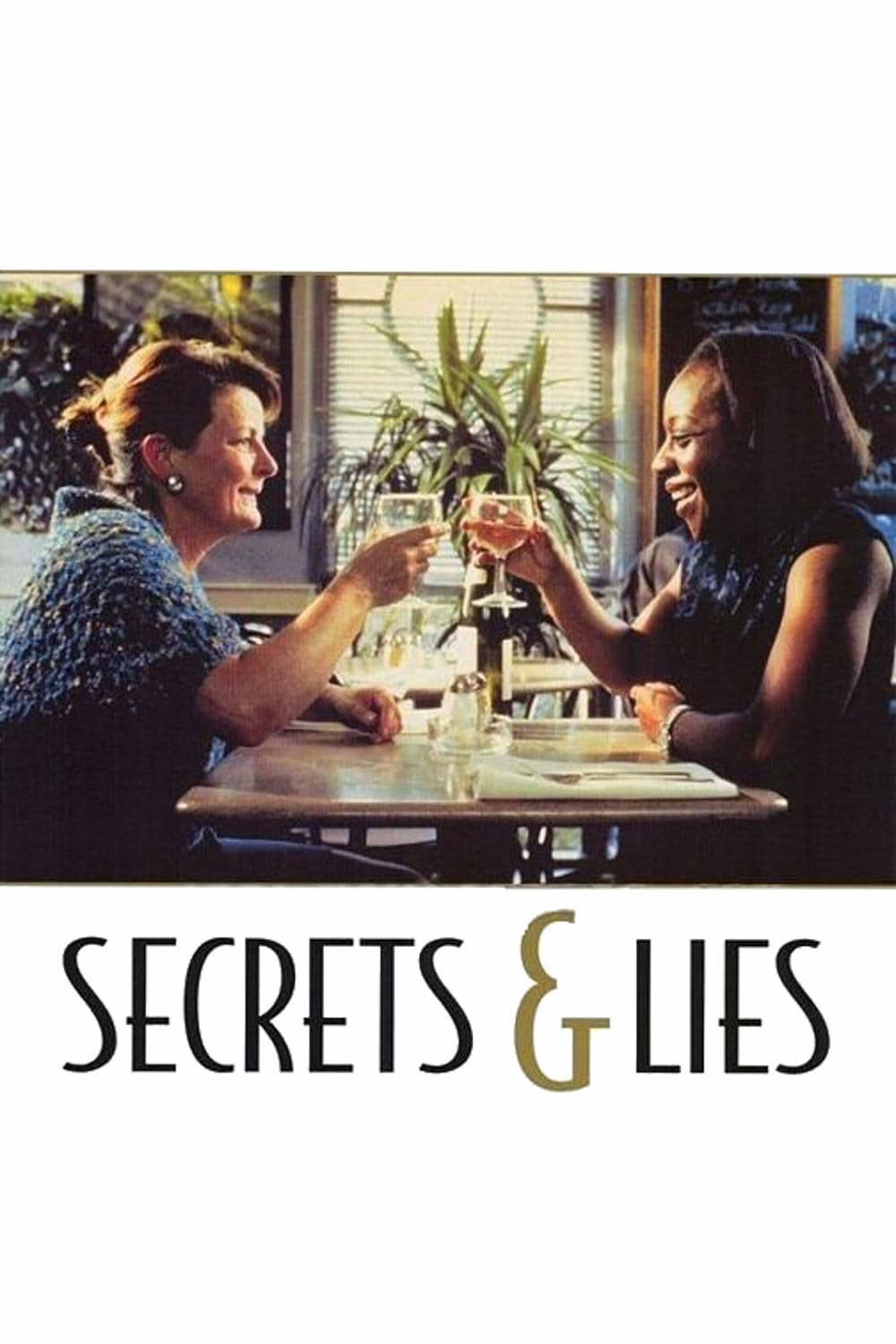
Secrets & Lies poster88

Secrets & Lies

1996 · Family secrets emerge through performances that make awkward conversations hard to leave.

The Child poster

The Child

2005 · A young father’s disastrous decision makes responsibility something immediate and uncomfortable.

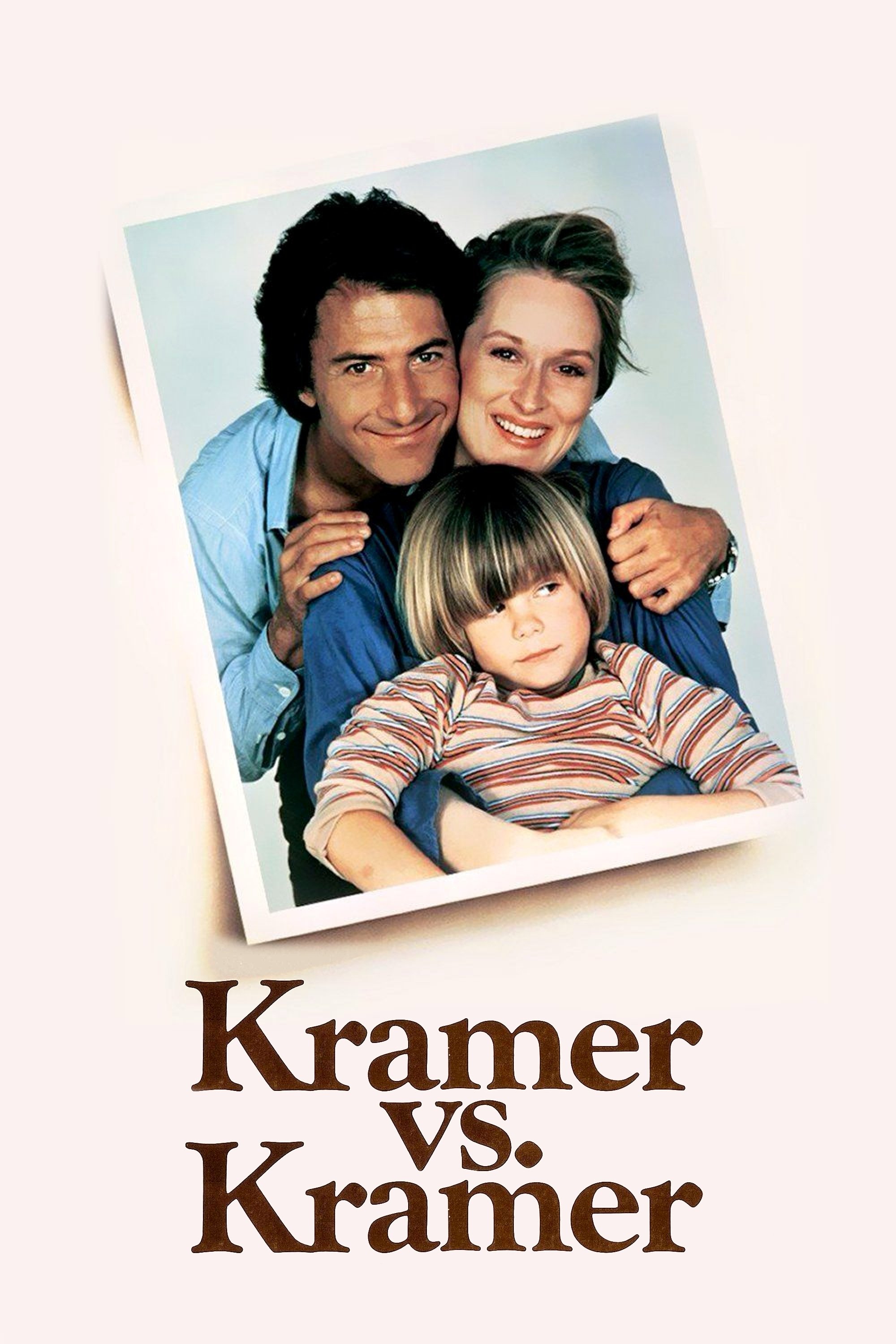
Kramer vs. Kramer poster

Kramer vs. Kramer

1979 · Another separating couple whose child pays for arguments neither parent can settle.