Film review

Kramer vs. Kramer

1979 · Directed by Robert Benton · 1h 45m · MPA PG

In a sentenceDustin Hoffman gets to learn fatherhood; Meryl Streep has rather more explaining to do

Drama

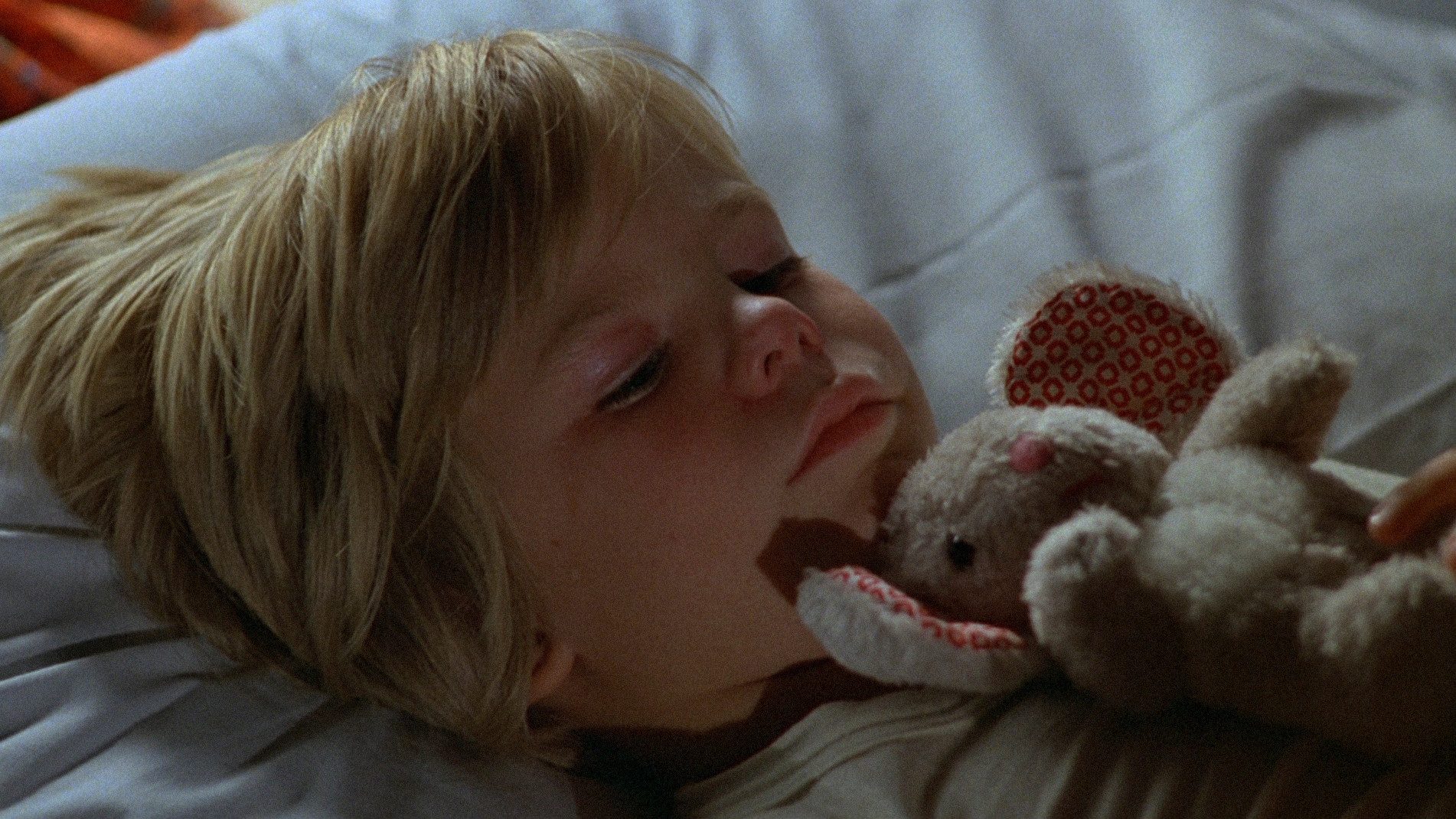
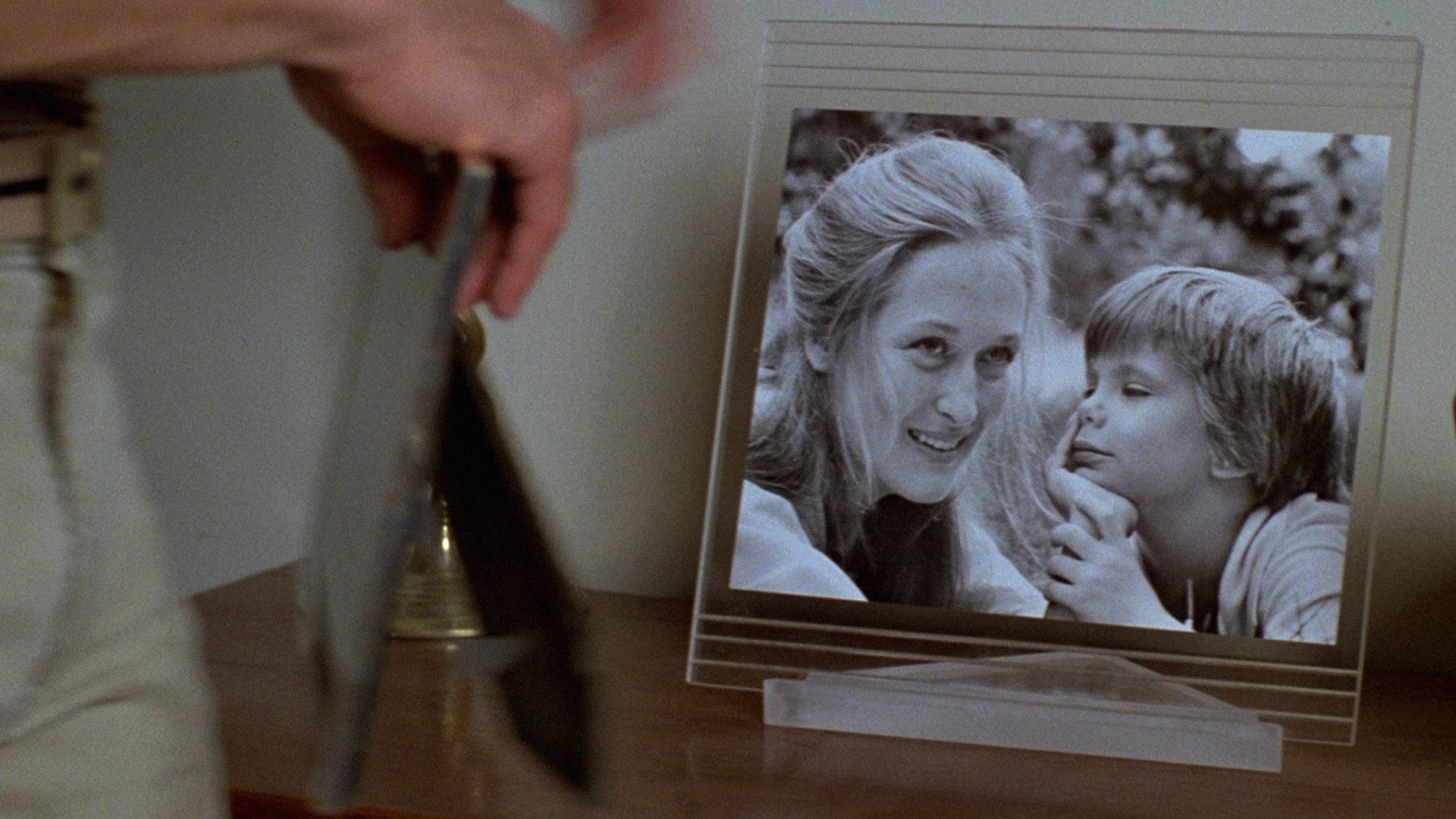
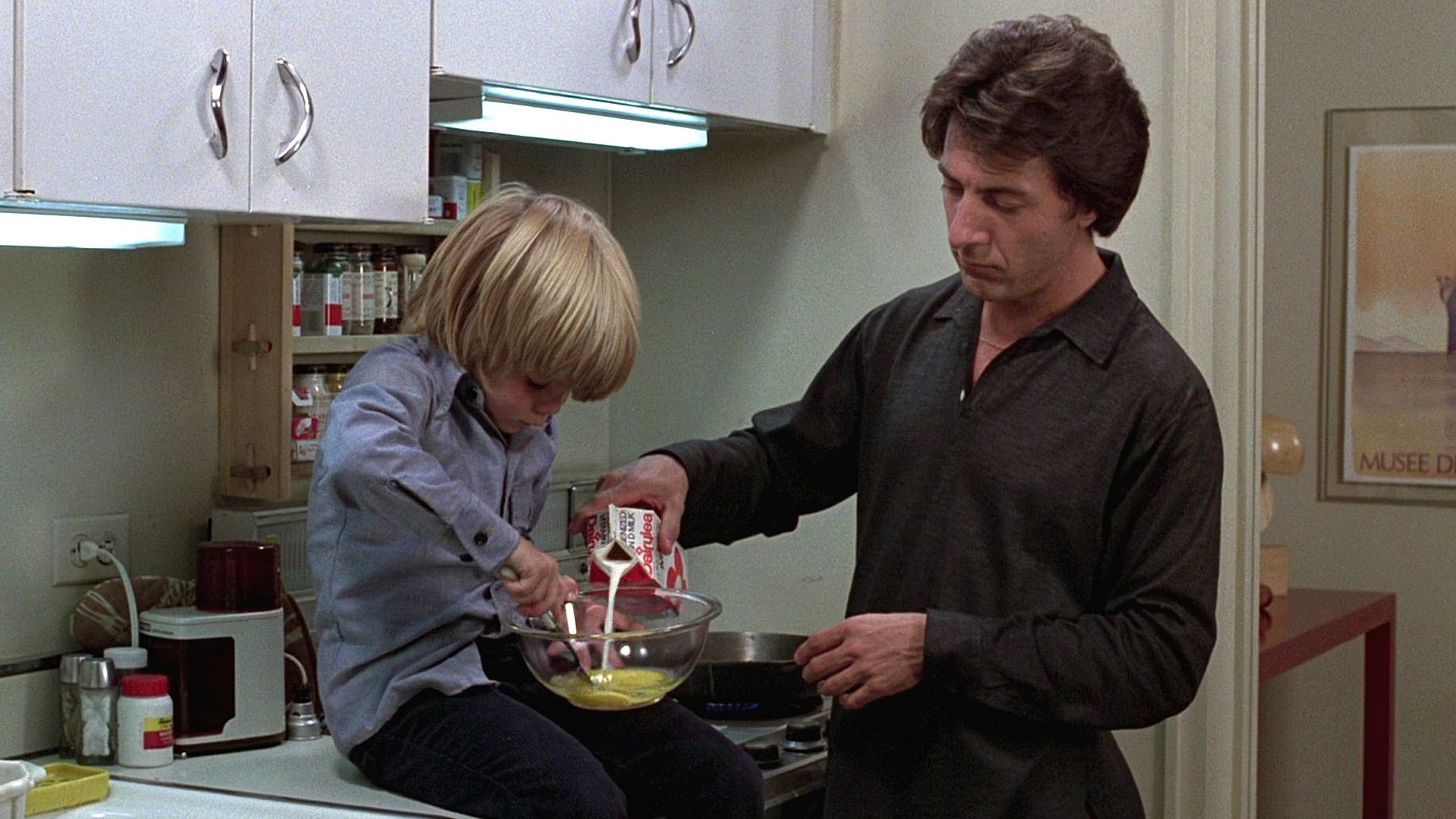
In Manhattan, Ted Kramer (Dustin Hoffman) faces the break-up of his marriage to Joanna Kramer (Meryl Streep). Their son, Billy Kramer (Justin Henry), needs looking after while the adults struggle with what being a parent requires of them. Ted has to learn how to care for Billy on his own as the family’s responsibilities change. He wants to build a workable life with his son, but his own habits stand in the way. As father and son adjust to each other, Joanna’s unhappiness complicates any simple account of who has failed whom.

Plays from YouTube when you press play; nothing loads from them until then.

Fi1m review

Robert Benton’s divorce drama earns its tears through Dustin Hoffman and Justin Henry’s closely observed father-son relationship. Meryl Streep makes the uneven sympathy harder to excuse, but the performances carry a persuasive, moving film.

Robert Benton’s Kramer vs. Kramer is a moving, persuasive family drama, though its sympathy for the father sometimes gets ahead of its understanding of the mother. We recommend it with that imbalance in mind. Adapted by Robert Benton from Avery Corman’s novel, it follows the break-up of Ted and Joanna’s marriage and the growing closeness of Ted and their son, Billy. Its strength is the attention paid to care as something an adult has to learn.

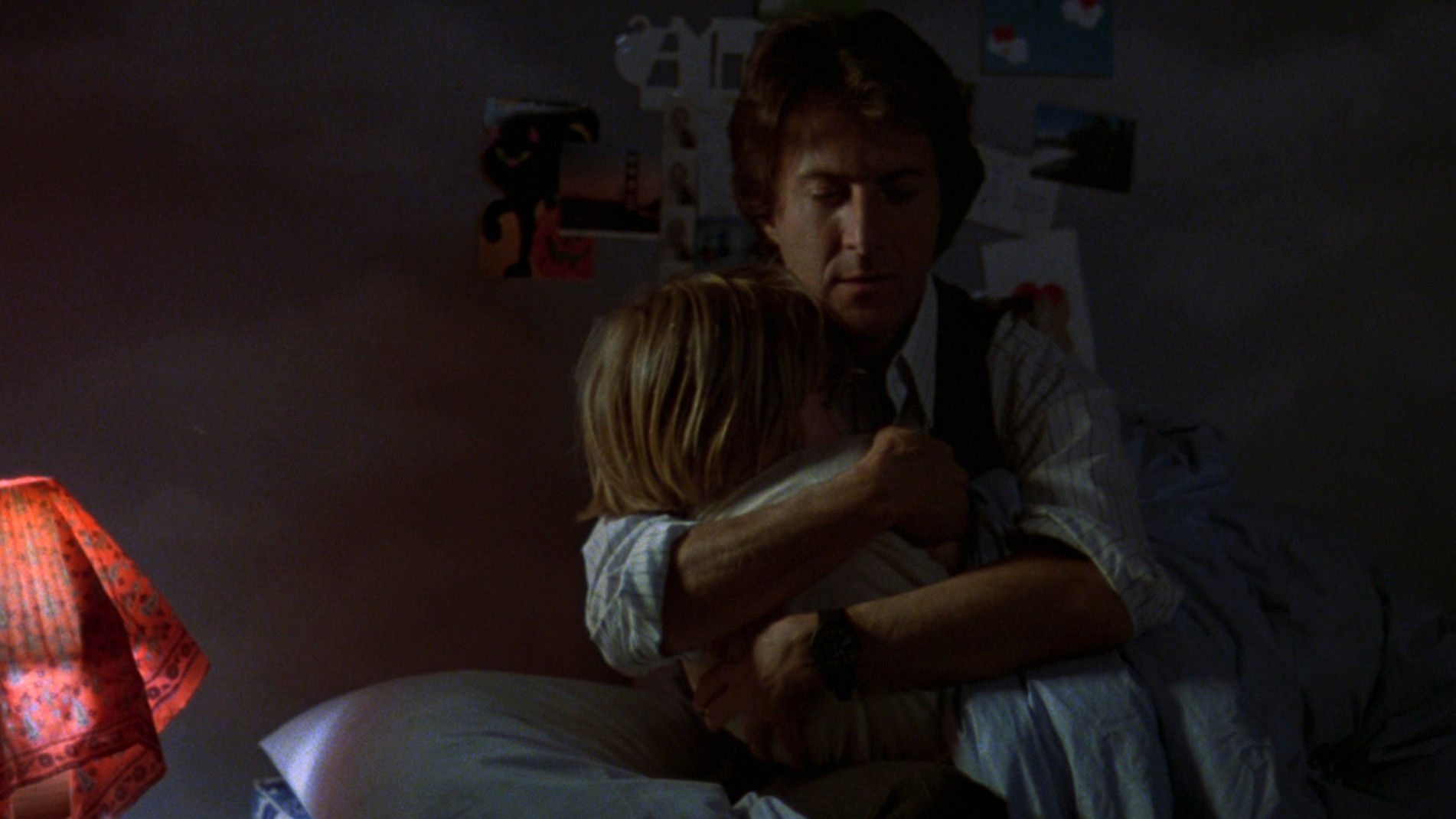
Dustin Hoffman makes Ted’s education convincing because he does not erase the man’s self-absorption as soon as sympathy becomes available. The father-son scenes depend on the uncomfortable business of an adult discovering that a child cannot be managed to suit him. Justin Henry gives Billy a child’s changing wants without the fixed sweetness that makes so many screen children difficult to believe. We were moved by their growing closeness, because Dustin Hoffman makes paying proper attention to Billy seem difficult before it begins to seem natural.

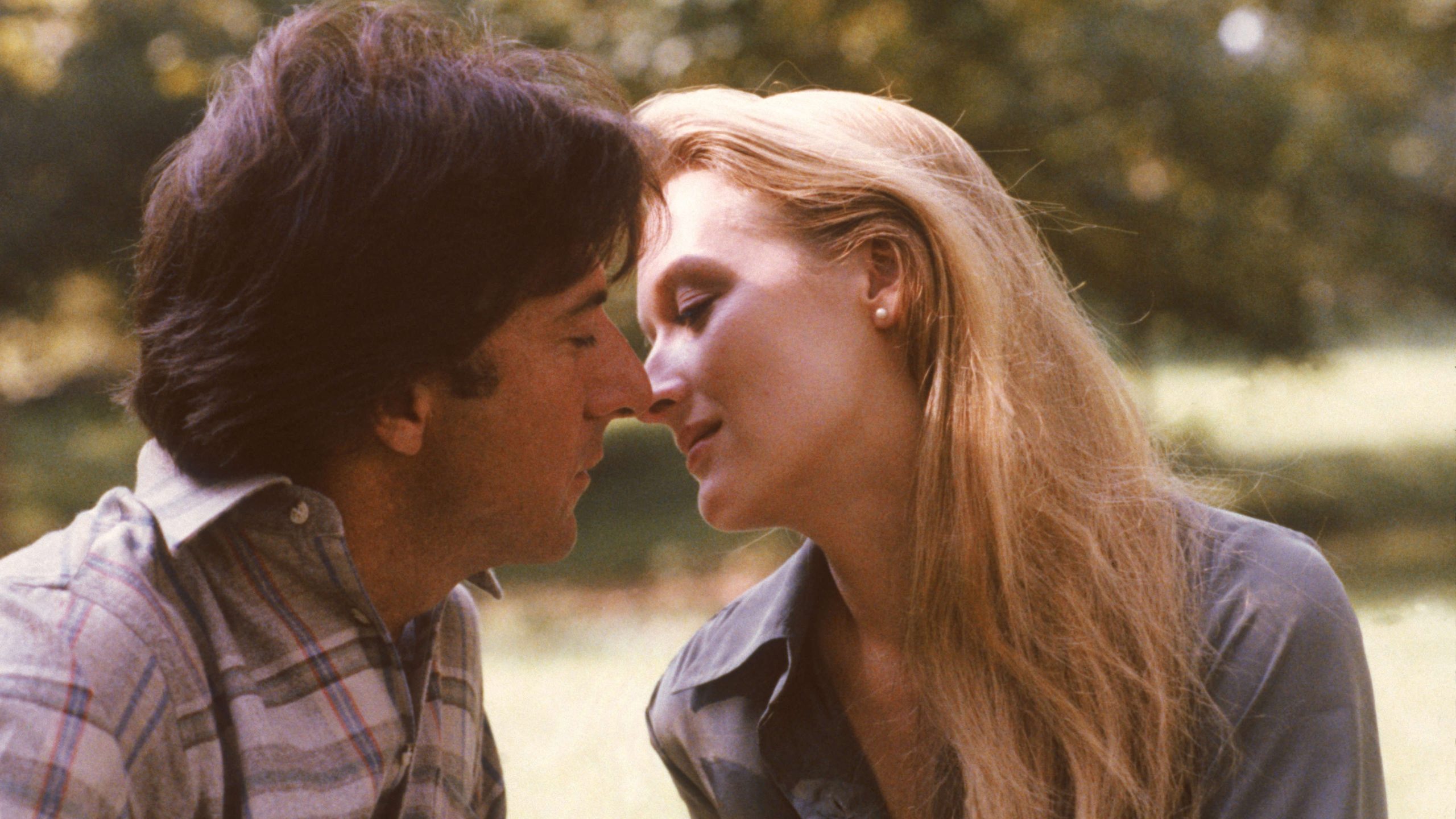
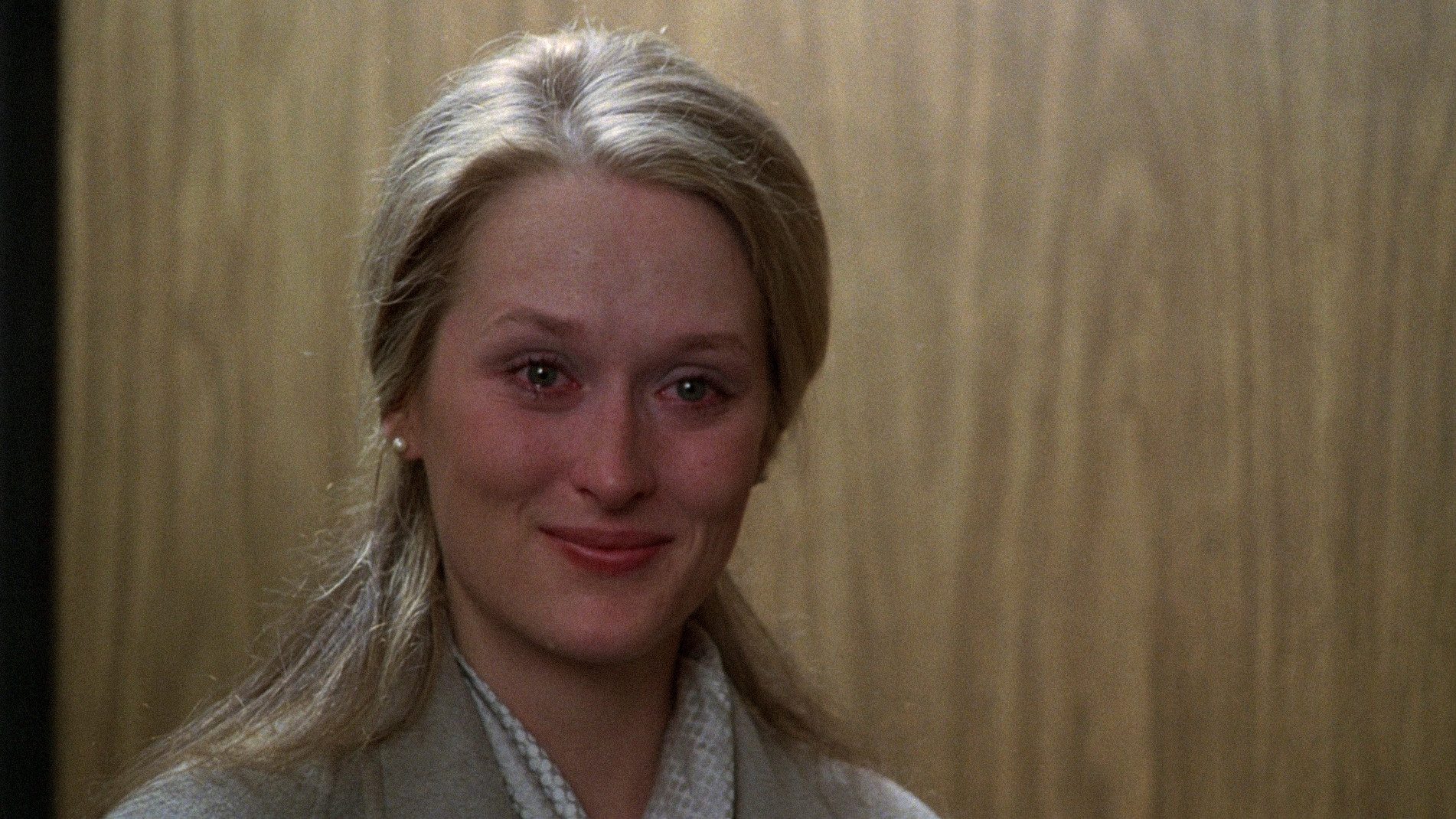
Meryl Streep gives Joanna an unhappiness that cannot simply be dismissed as selfishness. Her performance makes us consider what it costs to remain inside a family when the arrangement has stopped being bearable. She does not make every feeling agreeable, and the film is better whenever it allows her that difficulty. Alongside Dustin Hoffman’s more immediately inviting work, she keeps the marriage from becoming a straightforward account of a man discovering he was rather good all along.

Néstor Almendros’s cinematography makes the domestic scenes welcoming enough that we understand what is being lost. The warmth helps the father-son passages, though it also softens some of the ugliness of separation. Paul Sylbert’s production design gives the family a credible home, and its polish belongs to the same accessible approach. We can believe in these people’s shared life, even when the film makes their troubles look a little too well arranged.

Gerald B. Greenberg’s editing keeps the film moving without making Ted and Billy’s relationship feel hurried. At 105 minutes, it has room for changes of behaviour without treating every one as a major revelation. The music credited to John Kander and Herb Harris is restrained enough to leave the actors in charge. That restraint works: the changing way Ted and Billy respond to each other supplies the feeling without much help.

Robert Benton’s writing is less sure when it presses us to judge the parents. The film understands the practical education of a father in persuasive detail, but it can make a mother’s dissatisfaction seem like a problem that needs answering before sympathy can be granted. Meryl Streep does much to correct that imbalance without quite removing it. For a divorce drama so good at showing people struggling to manage ordinary responsibilities, it can be frustratingly eager to make their relative merits easy to assess.

We would leave time for a conversation afterwards. Anyone looking for an even-handed account of separation should be prepared to question the screenplay as well as the parents. Watch it with someone willing to argue Joanna’s side.

Critical consensus AI synthesised

80
Positive
9
Mixed
0
Negative
1

Most critics respond warmly to Kramer vs. Kramer, with nine of the ten reviews praising its treatment of divorce and parenthood. The strongest agreement concerns the performances: Dustin Hoffman and Meryl Streep receive repeated praise, while Justin Henry is also recognised for his contribution to the film’s emotional force. The reviews value Robert Benton’s intelligent, compassionate writing and direction, particularly the attention to credible behaviour and everyday family detail. Several find it deeply moving without needing a larger scale.

The reservations concern how convincingly the drama holds together beyond those performances. The Guardian admires the father-son scenes and Nestor Almendros’s cinematography but questions the courtroom portrayal and ending; The AV Club notes dated elements. The spread is wide chiefly because of Empire, the lone negative review, which regards the film as glossy soap opera despite admiring Hoffman and Streep. The disagreement is about dramatic substance rather than acting quality.

Los Angeles Times
16 December 1979 · Charles Champlin
95*

The film is as nearly perfect as can be in its size, with masterful performances and emotional wallop that make it the most satisfying picture of the year.

Read the full review →
The Hollywood Reporter
19 December 2016 · Arthur Knight
90*

The critic hails the film for its wisdom, insight, compassion, and sensitivity to contemporary family issues. Benton’s screenplay and direction, along with standout performances from Hoffman, Streep, and young Justin Henry, are singled out as making it an emotionally and dramatically satisfying event.

Read the full review →
The New York Times
19 December 1979 · Vincent Canby
90*

The critic finds Benton's adaptation fine, witty, moving and intelligent, a Manhattan story that speaks for a generation about fathers, sons, husbands and wives, with a central focus on the muddled mother.

Read the full review →
Vulture
3 October 2014
90*

The article calls the film great and an acting clinic, crediting Hoffman, Streep, and supporting players for its impact. It highlights the story’s emotional depth and the child actor’s performance as key strengths amid its discussion of the film’s box-office success.

Read the full review →
The New Yorker
17 December 1979 · Roger Angell
85*

The film excels in its attention to realistic detail and performances that chart major character changes; it is a nearly perfect miniature that is deeply moving despite modest ambitions.

Read the full review →
Variety
27 November 1979 · Dale Pollock
85*

The perceptive, touching and intelligent film about family dissolution is a tribute to Benton and the leads, focusing on credible people rather than stereotypes with strong box-office appeal.

Read the full review →

Cast

Stills

Awards

Academy Awards, 1980

Nominated
Best Cinematography
Nominated
Best Film Editing
Nominated
Best Supporting Actor
Won
Best Actor
Won
Best Director
Won
Best Picture
Won
Best Supporting Actress
Won
Best Writing, Adapted Screenplay

Silver nugget for the best foreign film, 1980

Won
Silver nugget for the best foreign film

If you liked this, try…