Noah Baumbach’s divorce comedy is painfully funny and alert to what children absorb from unhappy parents. Jeff Daniels makes an appalling father recognisably needy, though the film gives him more attention than anyone else.
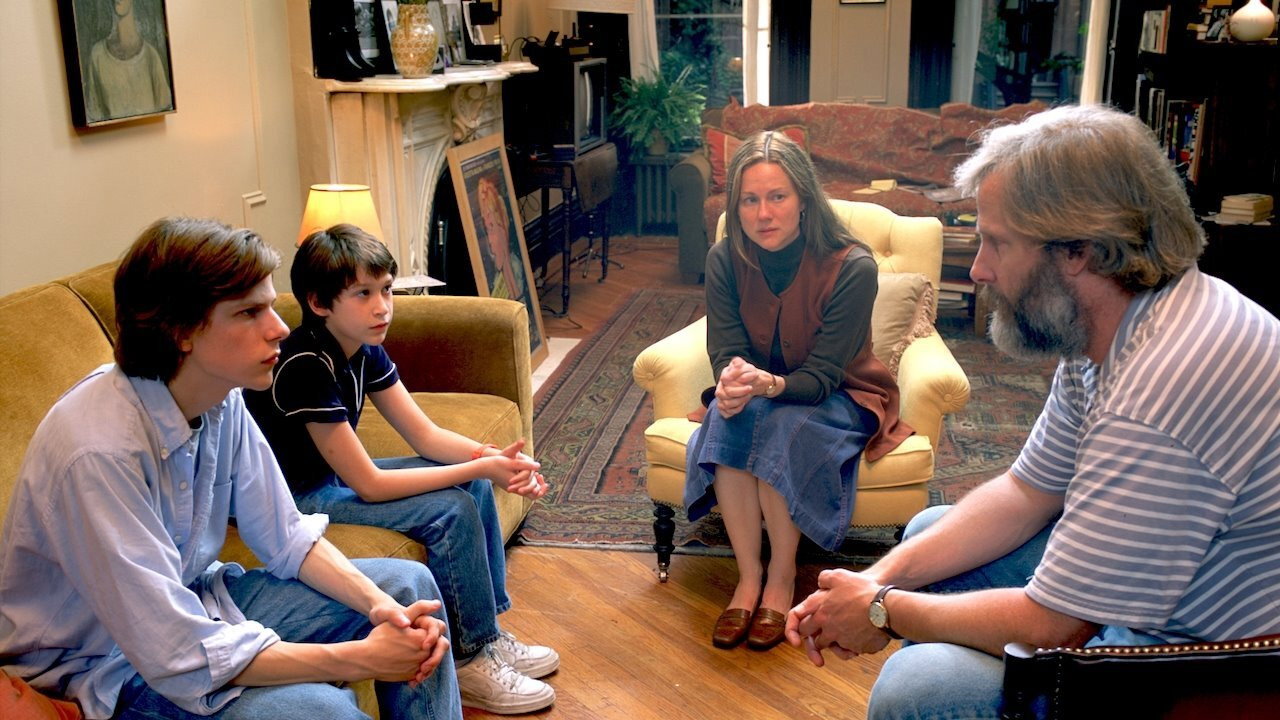
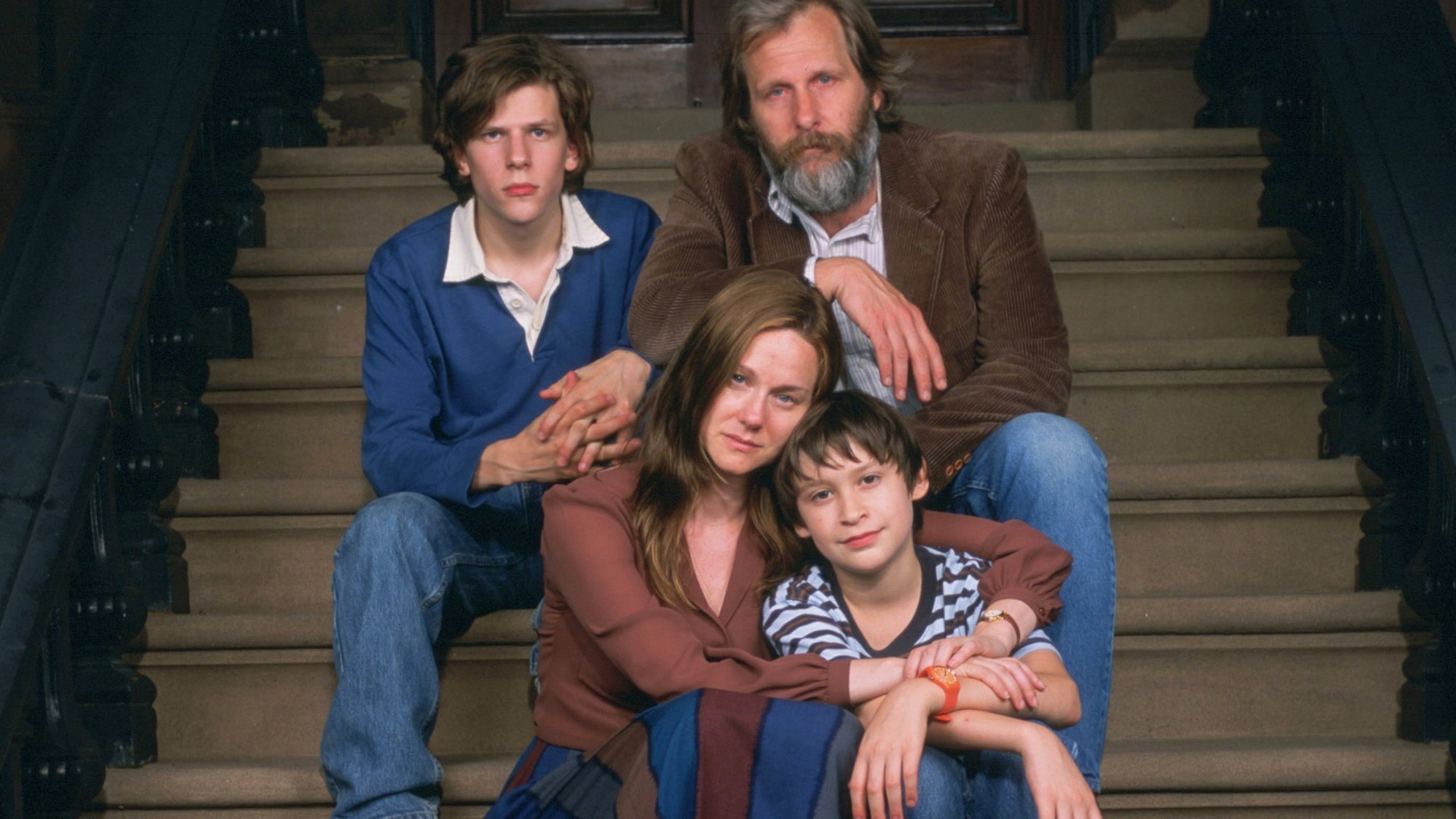
The Squid and the Whale is a sharply funny, painful divorce comedy that gives its most overbearing character a little too much attention. Noah Baumbach is interested in what happens when children have to judge parents whose opinions they have been relying on. He makes the humiliations funny without suggesting that anyone will simply laugh them off. Bernard and Joan Berkman are writers separating in 1980s Brooklyn; their sons Walt and Frank are caught between them.
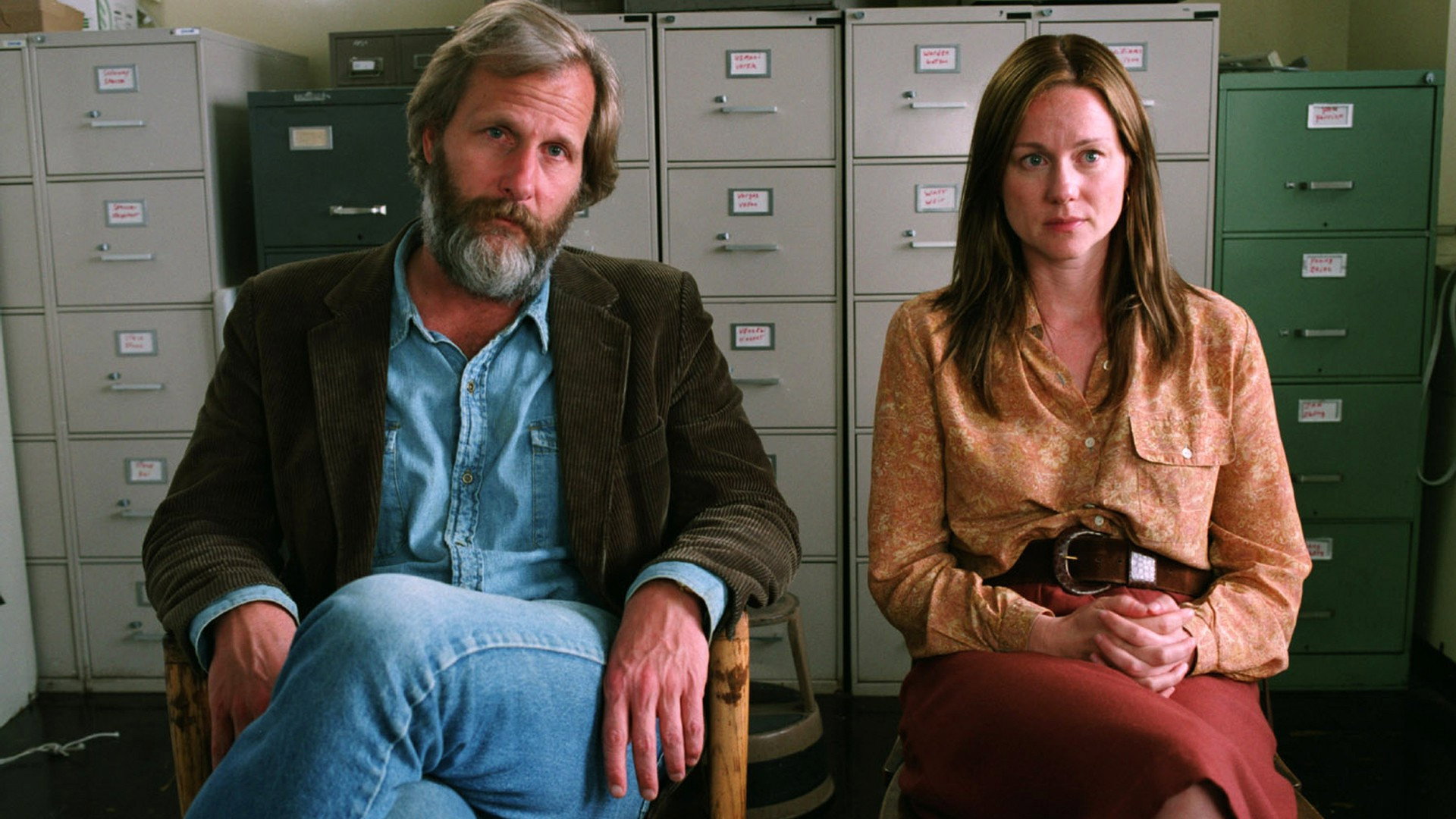
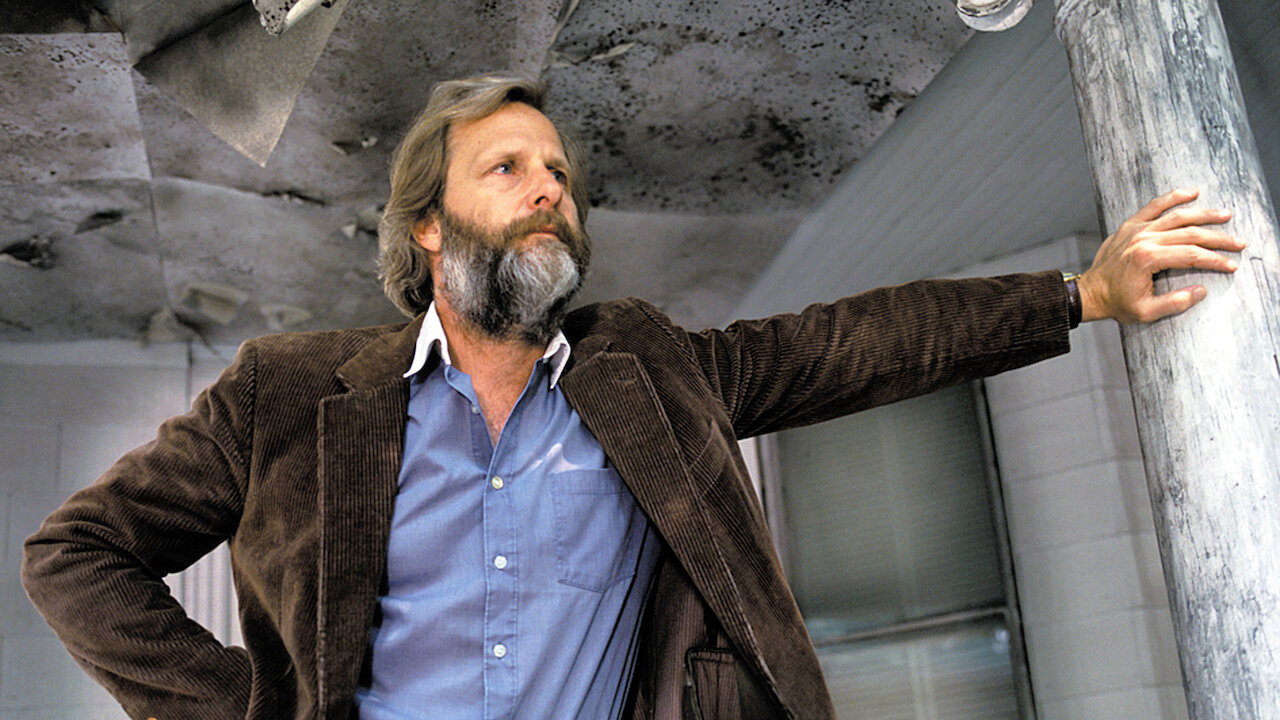
Jeff Daniels gives Bernard the exhausting certainty of a man who thinks being articulate makes him right. Daniels lets the pomposity run unchecked, while making the need for approval uncomfortably clear. We laughed at the family tennis match, then felt uneasy about how readily the adults made the children part of their competition. Baumbach’s writing is particularly good at letting a parent’s self-justification sound reasonable until we consider who is being asked to listen.
Jesse Eisenberg’s Walt and Owen Kline’s Frank make the consequences of that behaviour difficult to dismiss. Eisenberg gives Walt the eagerness of someone trying to sound grown-up before he has worked out what he thinks. Kline is less guarded, and the younger boy’s distress makes some of the comedy difficult to sit with. Baumbach allows both boys to be unpleasant, giving the actors more to do than look wounded while the adults talk.
Laura Linney gives Joan enough impatience and hurt to prevent her becoming the sensible parent supplied to offset Bernard. We wanted more time with her, though, and more room for the family to exist beyond his demands. Daniels is so commanding that the writing’s repeated attention to Bernard can start to feel indulgent, even when the joke is against him. The film’s brevity makes that imbalance more noticeable, since everyone has to establish themselves quickly.
Robert D. Yeoman’s cinematography suits the family’s awkward exchanges: the images feel close to the people, and the photography never makes their misery look precious. Anne Ross’s production design keeps the family’s surroundings ordinary, which makes Bernard’s grand opinion of himself funnier. The music credited to Dean Wareham and Britta Phillips leaves the embarrassment intact. Its restraint helps the sadder passages without insisting that we forgive anyone.
Tim Streeto’s editing keeps the quarrels brisk. At 81 minutes, the film has little room to repeat a quarrel simply because another good insult has occurred to the writer. The cuts keep comedy and discomfort close together, so a laugh seldom provides much relief. Baumbach and Streeto make the boys’ predicament felt without allowing the adults unlimited time to explain themselves.
Family-breakdown dramas can become awfully keen to demonstrate that everyone has a point. Baumbach lets these people be wrong, and still makes their unhappiness matter. We do not need to share Bernard’s opinion of himself to recognise his fear of becoming unimportant, or approve of the boys to care about them. That sympathy keeps the jokes from becoming a series of punishments. Do not choose it to settle an argument.