Mike Leigh’s family drama is funny, painful and worth an uninterrupted evening. Brenda Blethyn and Marianne Jean-Baptiste make these difficult conversations matter, even when the writing spells out feelings we have already understood.
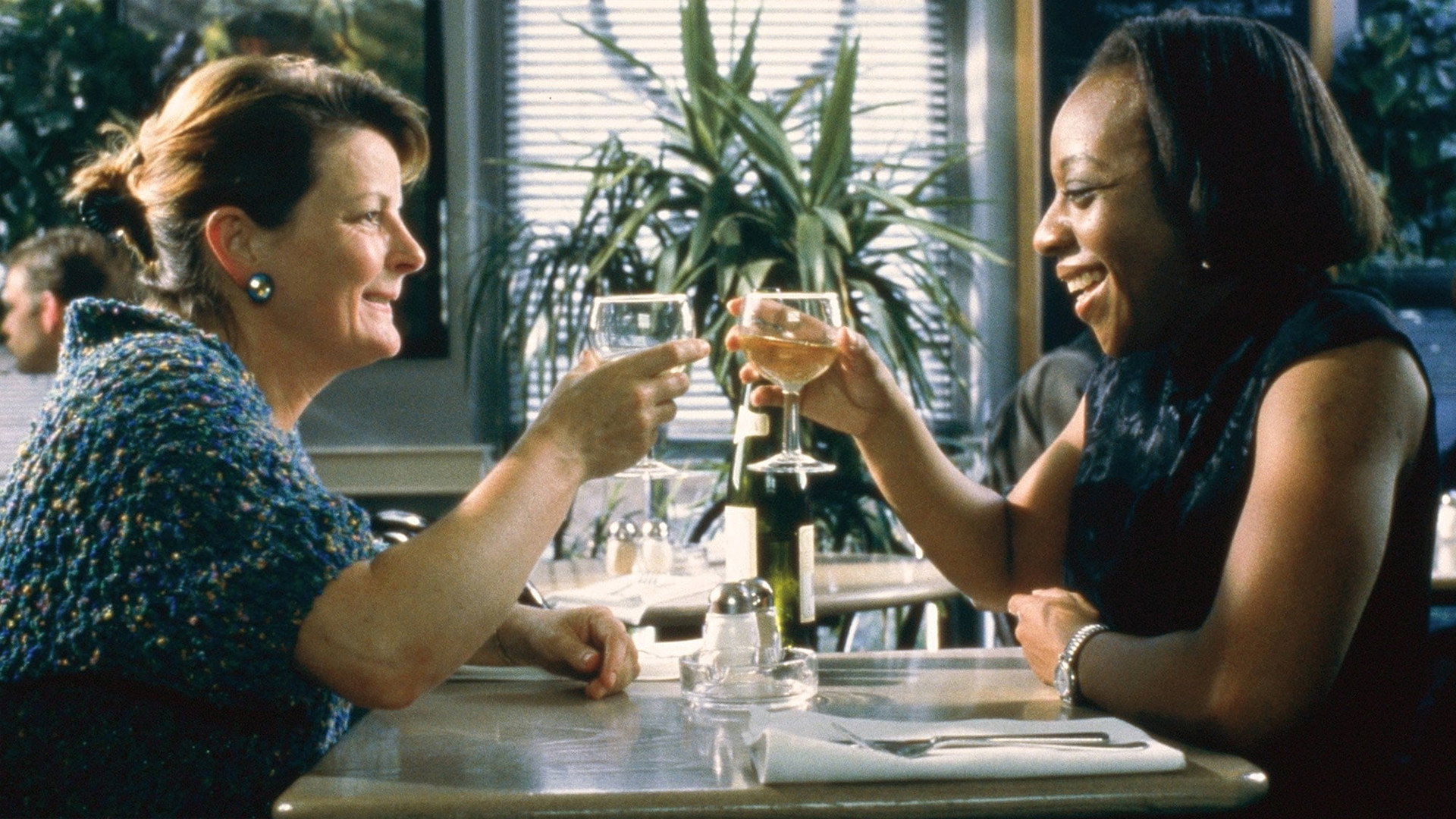
Secrets & Lies is a deeply moving family drama, though Mike Leigh sometimes presses an emotion his actors have already made clear. He takes family unhappiness seriously without expecting anyone to stop being difficult for our benefit. Cynthia is driven to distraction by Roxanne; Maurice does not speak to his niece; Monica cannot talk to her husband. Alongside these troubled relationships is Hortense, who has never met her mother.
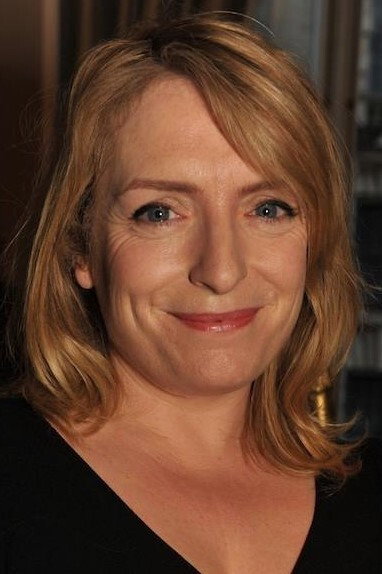
Brenda Blethyn gives Cynthia an exhausting nervous energy, and Leigh lets her be funny without dismissing her distress. Her exasperation with Roxanne can be unreasonable, and the performance does not ask us to pretend otherwise. We laughed at Cynthia’s fussing, then wished we had been kinder; Blethyn makes the hurt beneath it difficult to ignore. Claire Rushbrook gives Roxanne enough resistance to keep us from simply accepting her mother’s account of their difficulties.
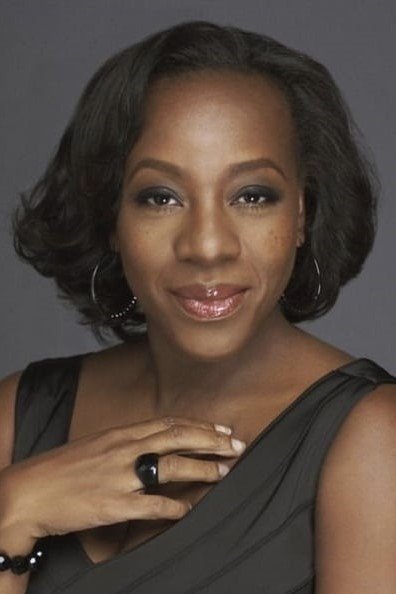
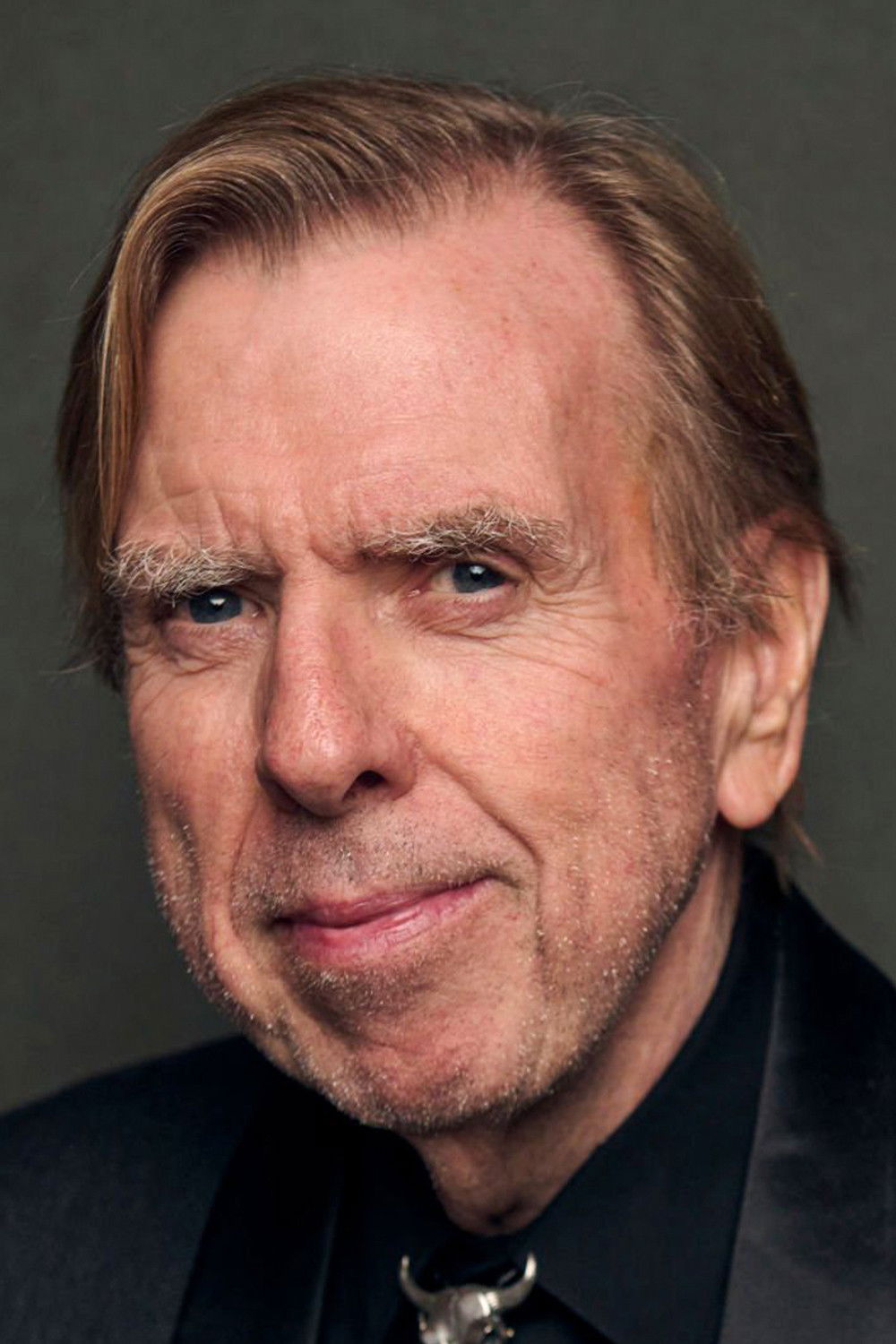
Marianne Jean-Baptiste gives Hortense a steadiness that is essential beside Blethyn, without suggesting that she has fewer needs or less at stake. She makes listening worth watching, so our attention need not follow whoever is making the most noise. Timothy Spall brings a burdened warmth to Maurice, whose distance from his niece is another instance of relatives failing to communicate. Phyllis Logan’s Monica makes the inability to talk to a husband feel painfully intimate, even before we try to account for it.
Dick Pope’s cinematography keeps our attention on the effort involved in facing another person. Faces are allowed to be awkward, and the images do not tidy up feelings the actors are struggling to express. Alison Chitty’s production design gives the class differences weight without making someone’s surroundings a complete explanation of their behaviour. The film looks inhabited, and we believe these people had lives before we arrived to watch them argue.
Jon Gregory’s editing is patient with difficult talk, and much of the film’s credibility depends on the time it gives the actors. At 142 minutes, however, it occasionally lets an exchange continue after its emotional point has reached us. Andrew Dickson’s music adds to the tenderness, but we find the extra encouragement less useful when Blethyn has already shown us the hurt. The actors are persuasive enough for Leigh to trust them a little more.
Leigh lets people be loving and irritating in the same conversation, which makes this more persuasive than many family melodramas. Nobody has to become pleasant before we take their unhappiness seriously. The humour helps, since a familiar complaint can be funny to everyone except the person making it. Leigh’s writing can strain when it insists on the importance of speaking honestly, but the performances keep returning us to the embarrassment and effort of actually doing so.
Set aside an evening when slow conversation will not feel like an obstacle. At home, this is a film to watch together without filling its pauses with talk of our own. The kettle can wait.