Film review

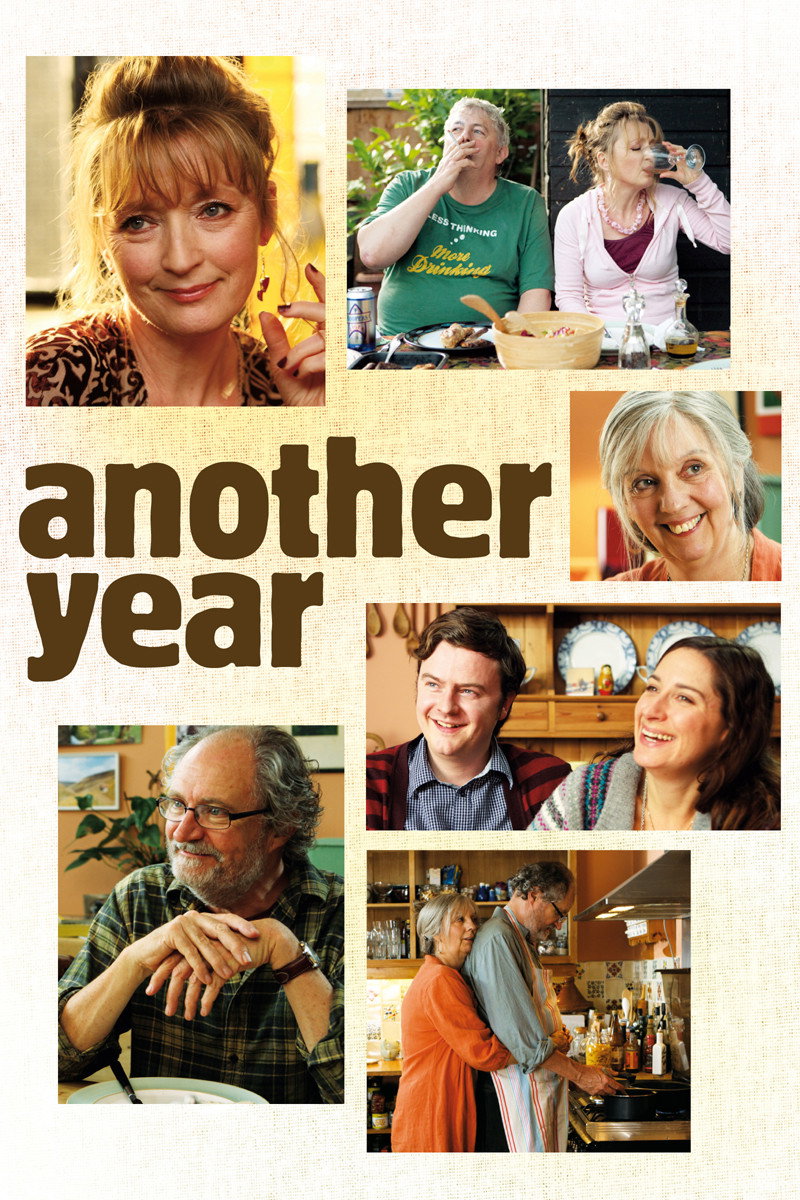
Another Year

2010 · Directed by Mike Leigh · 2h 09m · MPA PG-13

In a sentenceFour seasons at one kitchen table, and a guest who never quite knows when to go home

DramaComedy

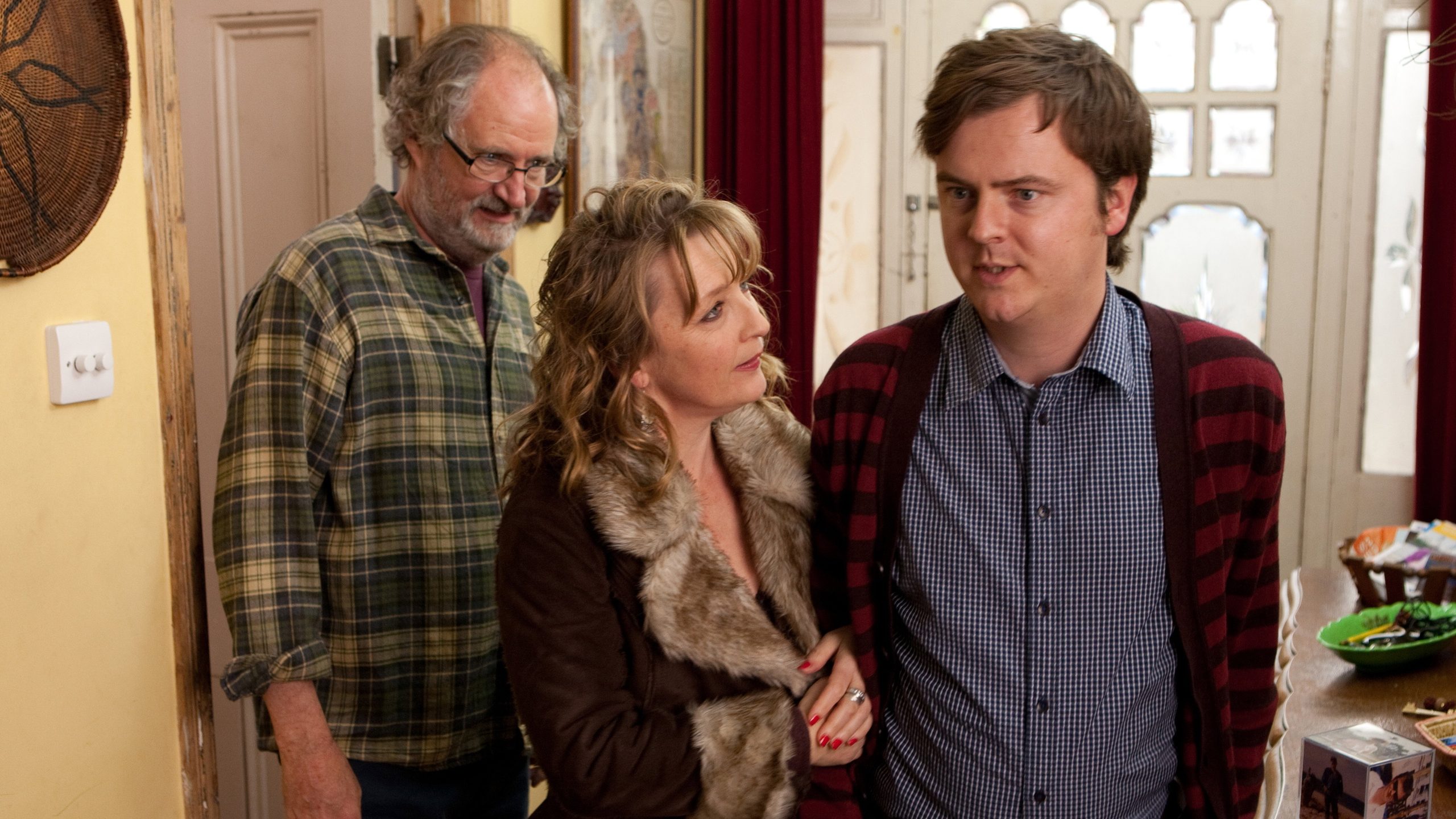
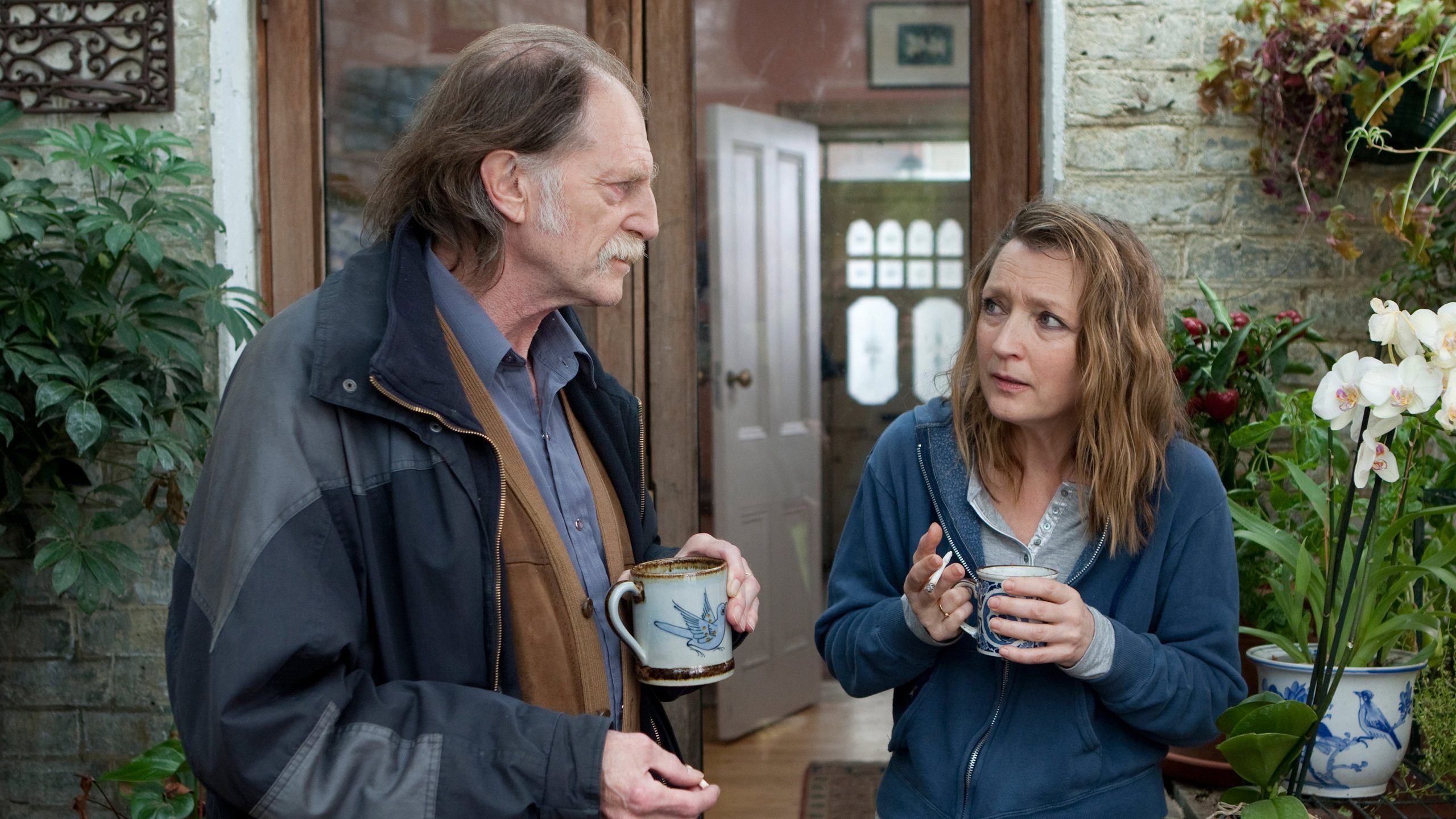
London, across one year. Tom (Jim Broadbent), a geologist who spends his days taking soil samples on building sites, and Gerri (Ruth Sheen), a counsellor at a doctors’ surgery, have been married for decades and are content: an allotment, a kitchen, a grown son, Joe (Oliver Maltman), who has not yet brought anyone home. In spring Gerri is handed Janet (Imelda Staunton), a patient who cannot sleep and rates her happiness at one out of ten. Then Mary (Lesley Manville), the surgery receptionist, comes round for dinner, drinks most of the wine, and talks about the second-hand car she is going to buy. In summer Tom’s old friend Ken (Peter Wight) arrives from Hull for the barbecue. Nobody wants to leave.

Plays from YouTube when you press play; nothing loads from them until then.

Fi1m review

Mike Leigh follows a contented London couple and the lonely people drawn to their kitchen over a year, and it is among his best. Lesley Manville’s Mary is unbearable and heartbreaking at once; our reservation is how sure Leigh is about who is to blame.

Mike Leigh has made angrier films than Another Year, and noisier ones. He has not made a kinder one, or a sadder one, and the two turn out to be the same thing. Tom (Jim Broadbent) and Gerri (Ruth Sheen) have been married a long time. He tests soil for a living; she counsels patients at a doctors’ surgery; they grow vegetables on an allotment and cook them. The film watches them through spring, summer, autumn and winter and asks a simple question: what happens to the people around a couple like that? We would send most people to see it, with the caveat that nothing in the usual sense happens.

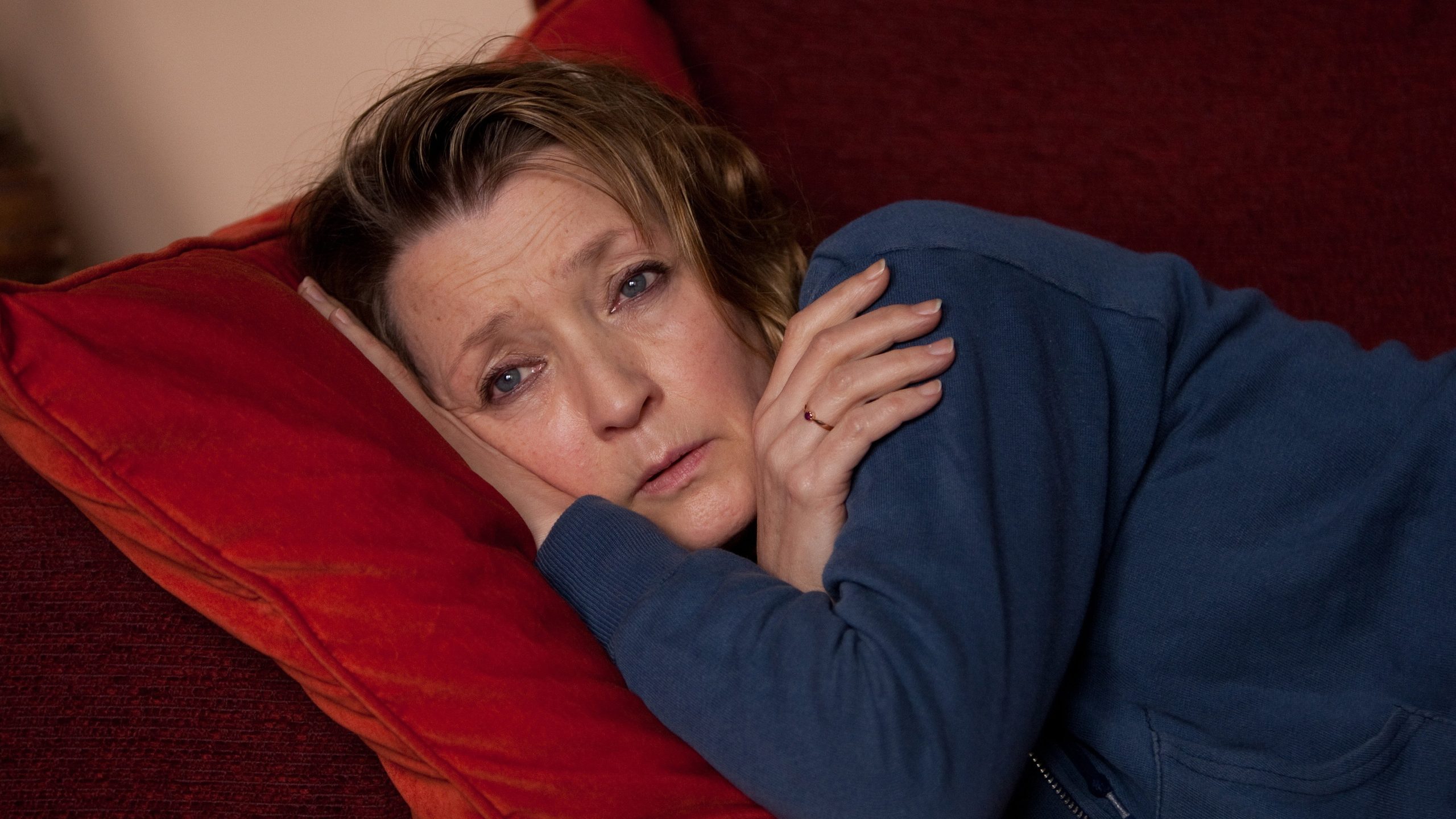
It opens on Imelda Staunton, who has perhaps five minutes as Janet, a patient who cannot sleep and will not say why. Asked to score her happiness out of ten she says one, and Staunton plays it without a flicker, as though the question were an insult. That is the pitch of the whole film. Then Mary arrives. Lesley Manville plays Gerri’s colleague from the surgery as a woman in her fifties who talks as if she is running to catch up with her own sentences, laughs before the joke has landed, and holds out her glass while insisting she is only having the one. She is going to buy a car. The car is going to change everything.

Dick Pope shoots each season in its own colour: the spring allotment a wet, cold green, the summer garden yellow and overexposed, the autumn a dull brown, the winter drained almost to grey. He does it without announcing it, and it is only afterwards that we noticed the year had gone by in the light. Simon Beresford’s kitchen is the film’s real location, cluttered and warm and not especially tidy, the sort of room people come back to. Jacqueline Durran puts Mary in short skirts and heels a decade too young for her and puts Gerri in shapeless cardigans, and the difference says most of what needs saying. Gary Yershon’s score is a thin, mournful line of woodwind and strings that comes in between scenes and stays out of them. Jon Gregory cuts slowly and holds long, particularly on faces.

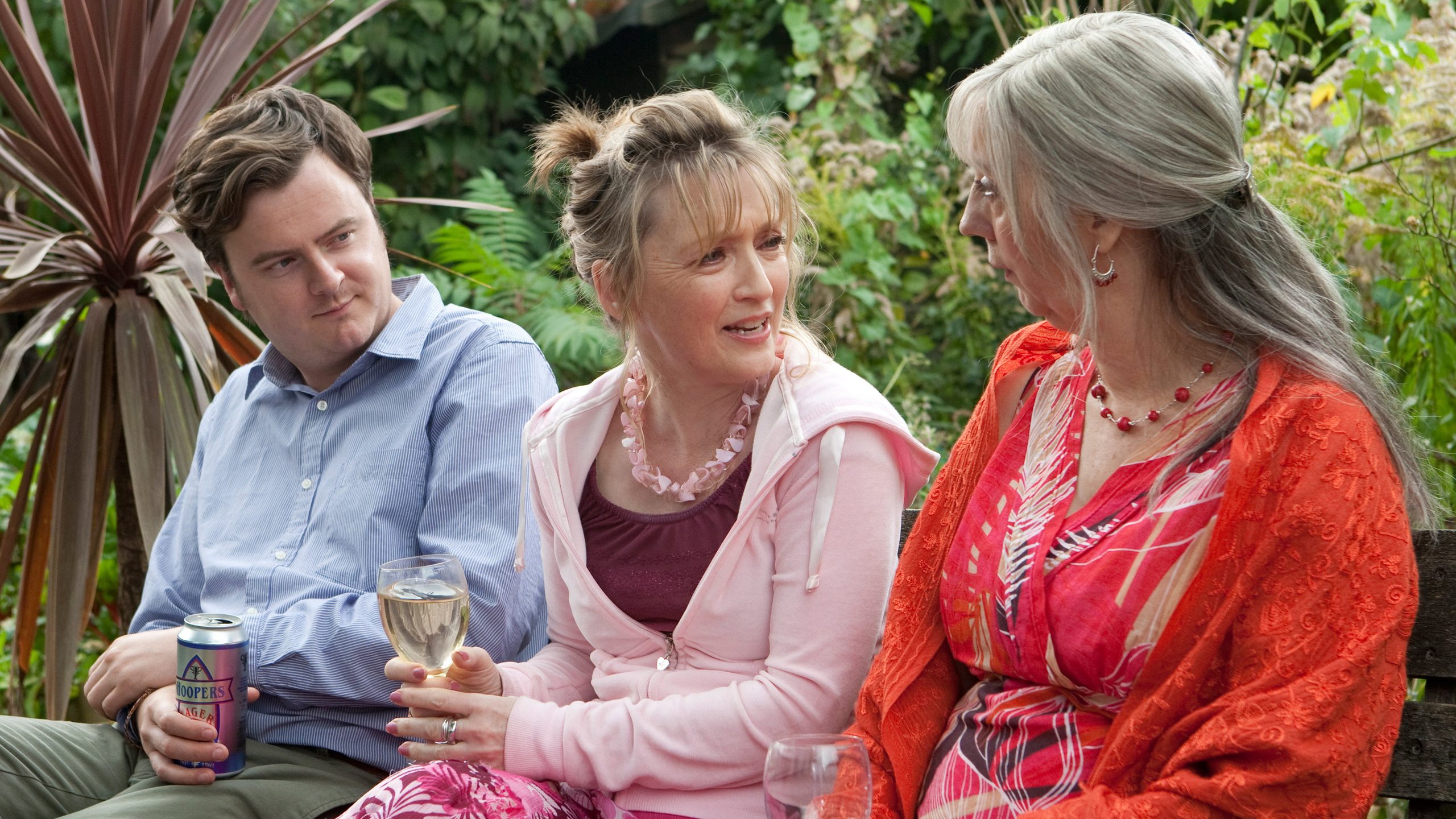
The dinner in spring is where the film had us. Mary, well into a second bottle, explains her plans to Tom and Gerri while they exchange the smallest of glances over her head. We laughed, and then we felt ashamed of ourselves, because Manville lets you see, under the chatter, a woman who knows exactly how she is coming across and cannot stop. Peter Wight’s Ken, who turns up in summer for a barbecue, is her male equivalent: overweight, drinking, crying into a garden chair about a job he hates. The scene in which he makes his feelings known to her, and she makes hers known to him, is as painful a piece of comedy as Leigh has staged.

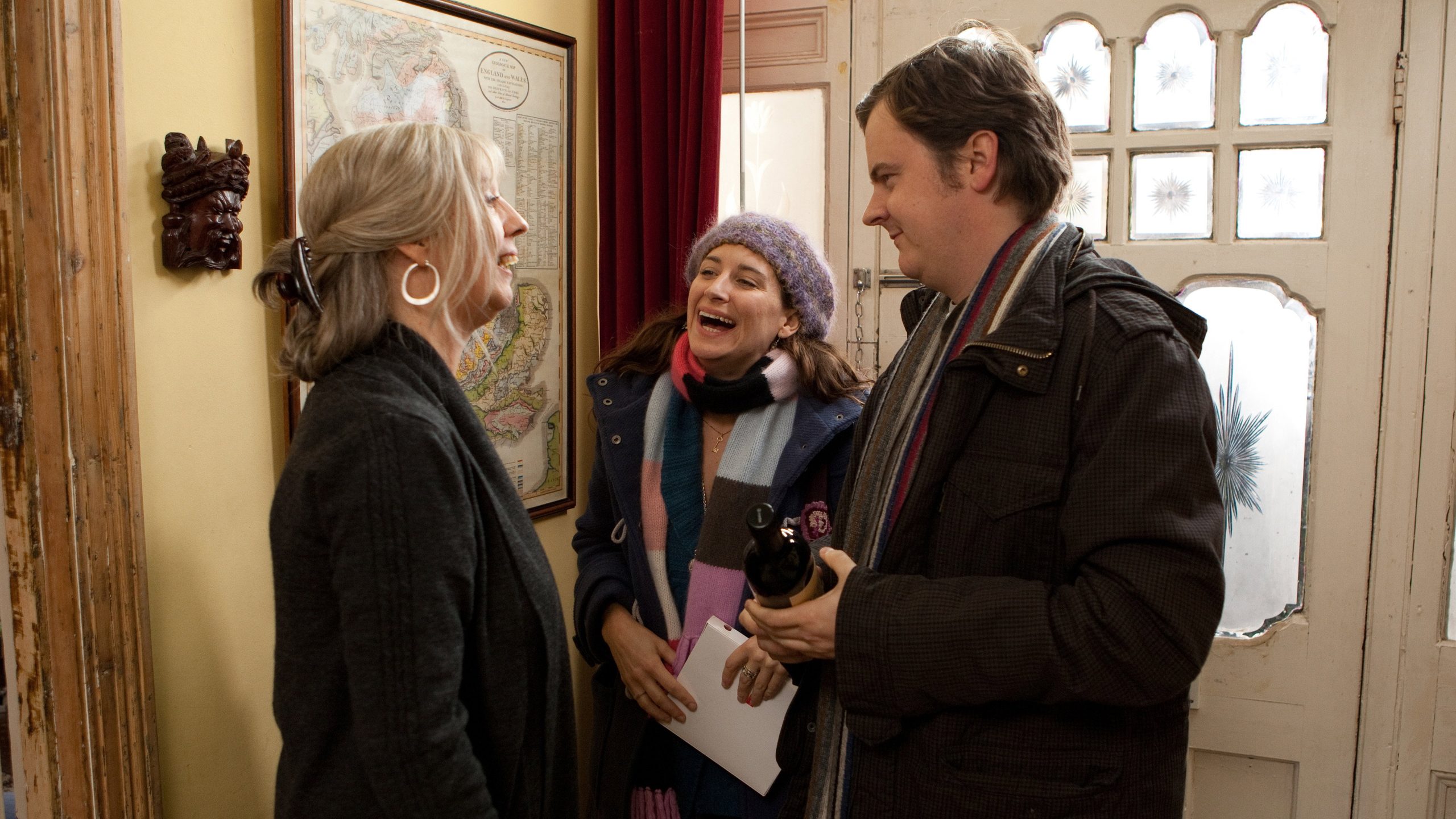
Our reservation is Tom and Gerri. They are good people, patient and generous, and the film never once wonders whether their patience might be its own kind of distance. Every lonely person in it is measured against their kitchen and found wanting, and the scheme, happy couple at the centre, miserable singles at the edges, is tidy enough to notice. Oliver Maltman’s Joe is pleasant and slightly blank until Karina Fernandez arrives in autumn as Katie, his new girlfriend, who is so cheerful that Mary can barely look at her. A few critics have complained that Leigh pushes the camera too close to Manville too often. We half agree; there is a shot near the end that holds on her longer than we could comfortably bear, and we suspect that was the intention.

The last season brings David Bradley as Tom’s brother Ronnie, who arrives late and says perhaps forty words in total, and Martin Savage as his son Carl, who says too many. We will leave the circumstances alone. It is enough to say that the film’s final movement is its best, and that Bradley, sat at the kitchen table with a cup of tea he has not asked for, does more with a stare than most actors do with a speech.

It runs 129 minutes and carries a 12A, and it is not a film for a night when you want cheering up. Watch it with someone you have known a long time. You will find yourselves counting, afterwards, how many of your friends still come round.
Critical consensus AI synthesised

80
Positive
13
Mixed
2
Negative
0

Most critics like Another Year a great deal, and the praise is unusually consistent. Thirteen of the fifteen reviews are positive, none negative. The reviews single out Leigh’s restraint: a film built around seasonal gatherings and everyday trivia rather than plot, which many find more mature and quieter than his earlier work. The ensemble draws the warmest words, with Broadbent and Sheen praised for their naturalism and Lesley Manville’s needy, half-aware Mary named again and again as the film’s tragicomic centre.

The reservations are few and mild. Several reviews note that the film takes time to build and offers no narrative hook, though most count that as the point rather than a fault. Slant finds the story lovingly told but not nuanced enough, and The New Yorker, the most reserved voice, finds the tone resigned, the close-ups intrusive and some characters easy to shrug off. The spread is narrow; nobody dislikes it.

Time Out
2 November 2010 · ★★★★★ · Dave Calhoun
100

Leigh's most mature work observes a happily married couple over a year with wisdom, restraint and cyclical contemplation that sets it apart from his more energetic earlier films. The stellar ensemble, led by Broadbent, Sheen and Manville, brings authenticity and quiet devastation to questions of caring, loneliness and family.

Read the full review →
Empire
31 October 2010 · Kim Newman
90*

The critic highlights the film's subtle, event-light structure centered on seasonal gatherings and everyday trivia, which reveals profound emotional depths through embarrassment and character interactions. Lesley Manville's vivid, tragic performance as the needy Mary stands out as a knockout amid strong ensemble work.

Read the full review →
Los Angeles Times
29 December 2010 · Kenneth Turan
90*

The critic praises the film as an extraordinary examination of everyday life and human psychology by a master filmmaker, highlighting the depth and naturalism of the performances by Broadbent, Sheen, and Manville.

Read the full review →
The Guardian
4 November 2010 · Peter Bradshaw
90*

Mike Leigh delivers another intimate ensemble drama about ordinary people with richly rewarding results. The film follows a contented middle-aged couple whose home attracts lost souls, with Lesley Manville's needy Mary singled out as a standout tragicomic creation.

Read the full review →
Evening Standard
10 April 2012
80*

The piece praises the superbly modulated performances from Leigh regulars and the story's multiple layers of subtlety and meaning beneath its slight surface. It singles out Lesley Manville's memorable portrait of a vulnerable, half-aware failure as the standout element.

Read the full review →
Little White Lies
4 November 2010 · 3/4/4 · Jonathan Crocker
80

Leigh delivers a quietly brilliant, talky portrait of a middle-aged couple whose stable marriage contrasts with the struggles of those around them. The performances, especially from Broadbent, Sheen and Manville, and the sensitive direction stand out for their naturalism and emotional truth.

Read the full review →

Cast

Awards

Academy Awards, 2011

Nominated
Best Writing, Original Screenplay

Amanda Award for Best Foreign Feature Film, 2011

Won
Amanda Award for Best Foreign Feature Film

Meeting Point Europe Award, 2011

Won
Meeting Point Europe Award

European Film Award for Best Actress, 2010

Nominated
European Film Award for Best Actress

European Film Award for Best Composer, 2010

Nominated
European Film Award for Best Composer

If you liked this, try…

Secrets & Lies poster88

Secrets & Lies

1996 · Leigh’s earlier family drama, with a tea-shop scene that is still unbearable.

Tokyo Story poster92

Tokyo Story

1953 · Ozu on ageing parents and grown children; quieter still, and just as cutting.

Still Walking poster

Still Walking

2008 · Kore-eda’s one-day family gathering, where the kitchen does the talking.

45 Years poster88

45 Years

2015 · Rampling and Courtenay’s long marriage is shaken in a week; patient and precise.

Make Way for Tomorrow poster

Make Way for Tomorrow

1937 · An old couple nobody has room for; McCarey’s saddest and least sentimental film.