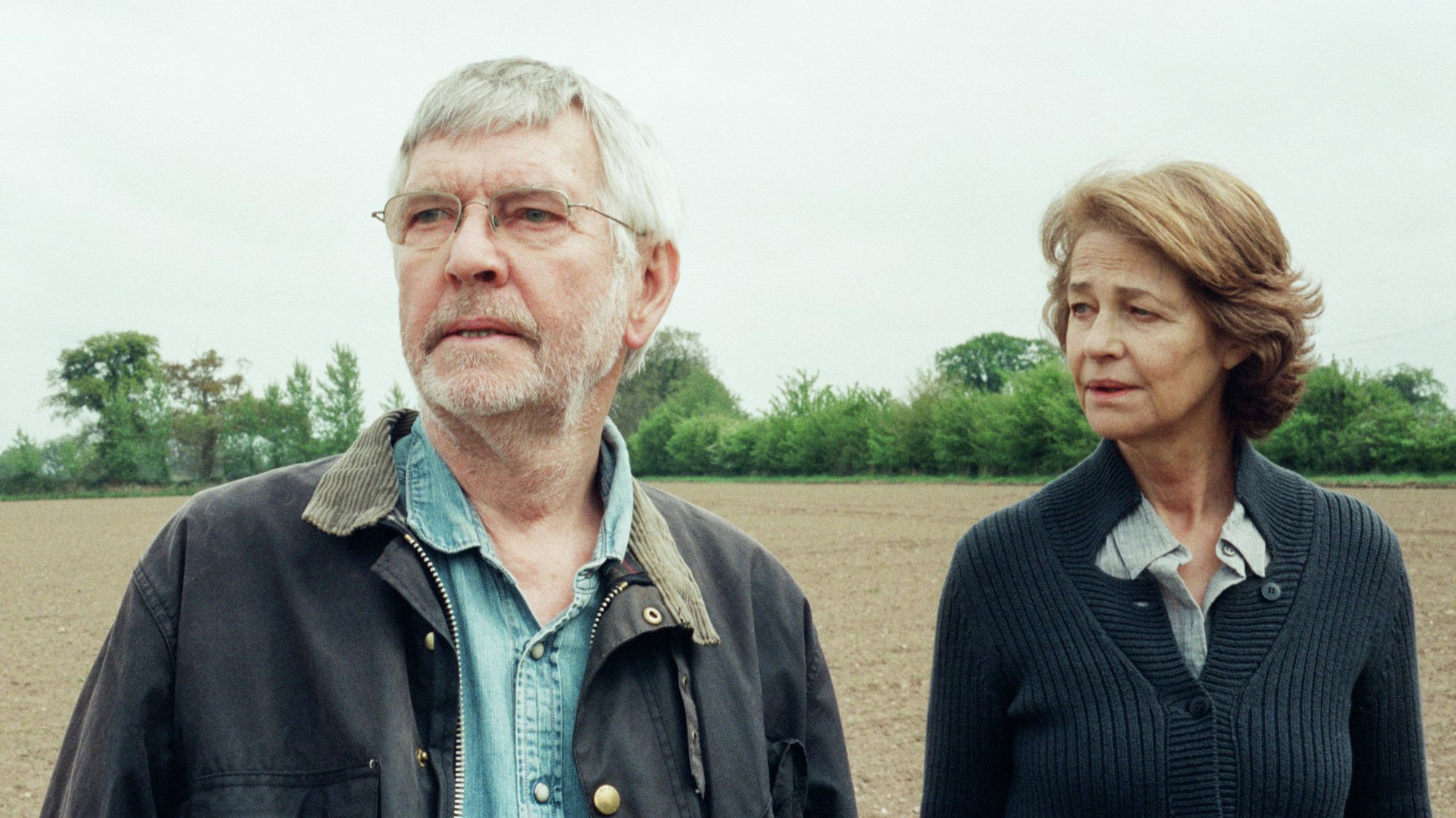
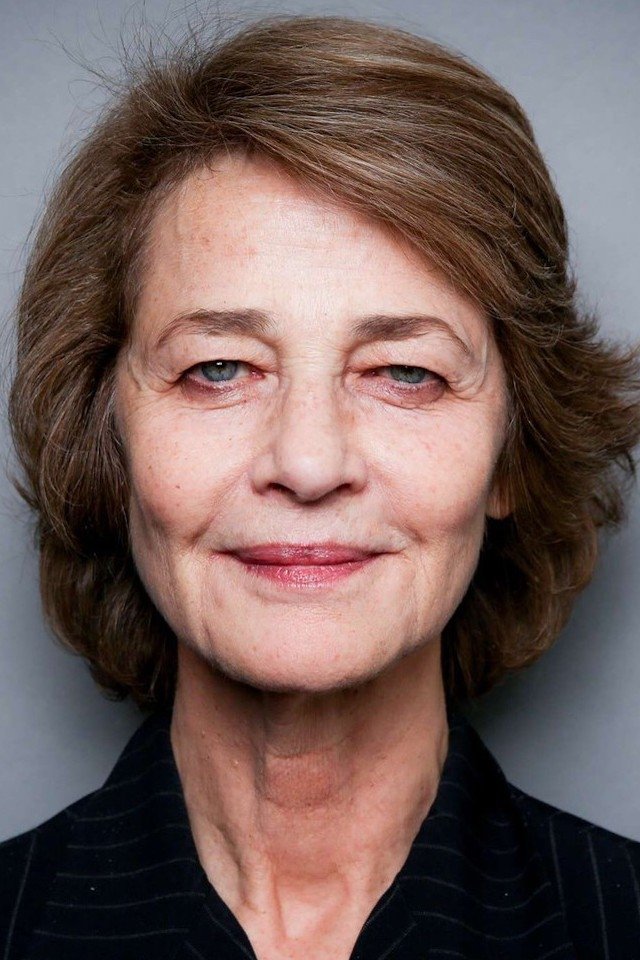
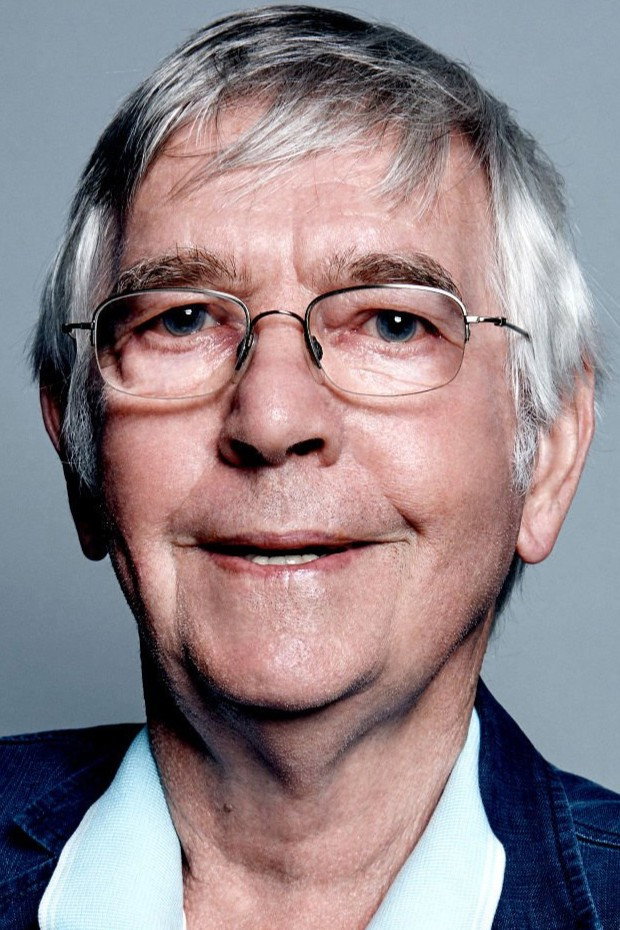
Charlotte Rampling and Tom Courtenay make 45 Years a painfully convincing marriage drama. Andrew Haigh trusts their smallest reactions for much of it, though the writing eventually explains more than we need.
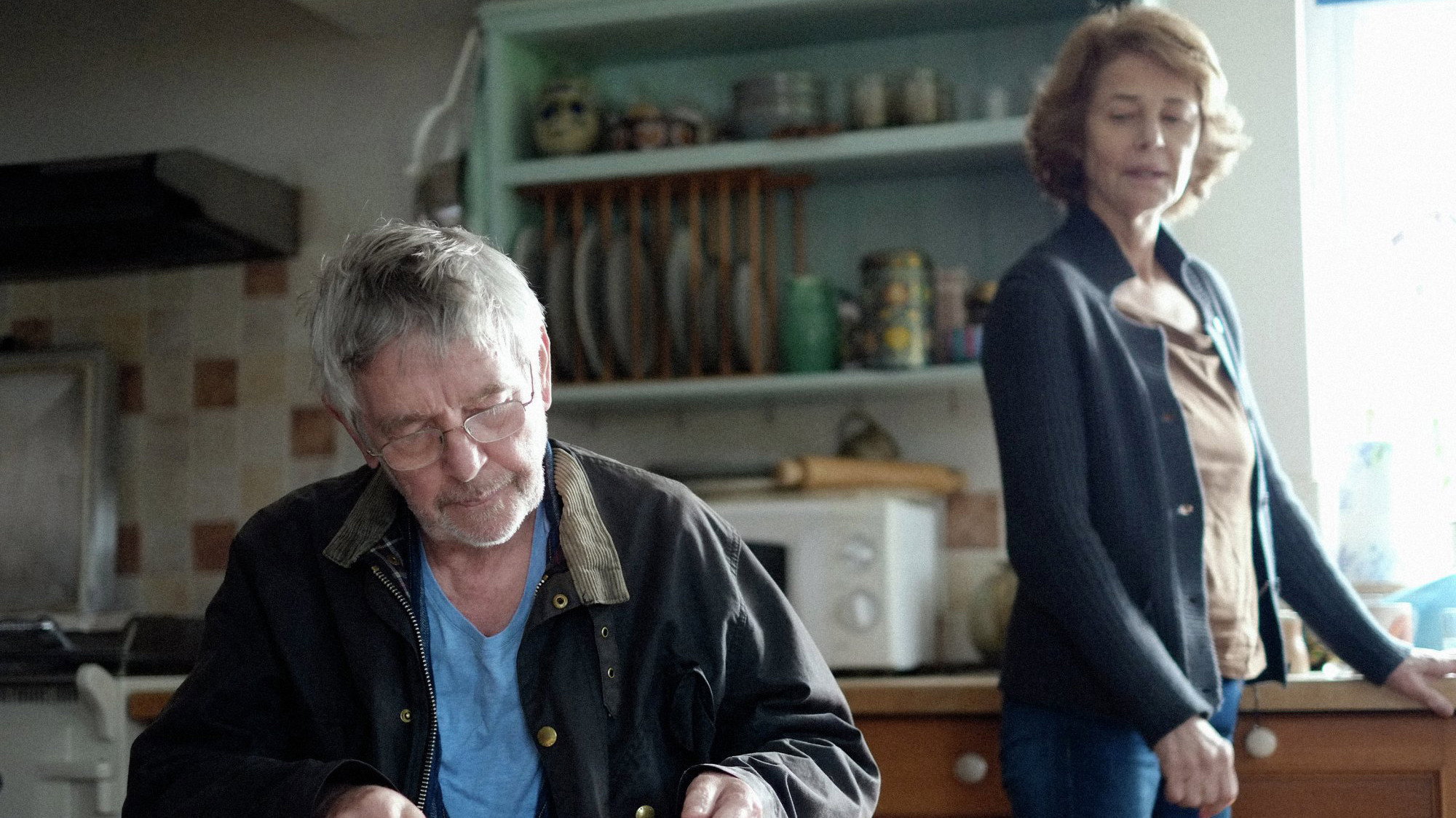
A letter arrives before an anniversary, and a settled marriage becomes difficult to take for granted. That is enough for Andrew Haigh to make 45 Years an absorbing, sometimes deeply upsetting drama about what people think they have agreed to when they marry. Kate Mercer and Geoff Mercer have the familiarity of a retired couple who no longer need to explain every small decision to each other. The news about Geoff’s former girlfriend makes that ease uncomfortable: Kate now has reasons to ask questions that might once have seemed unnecessary.
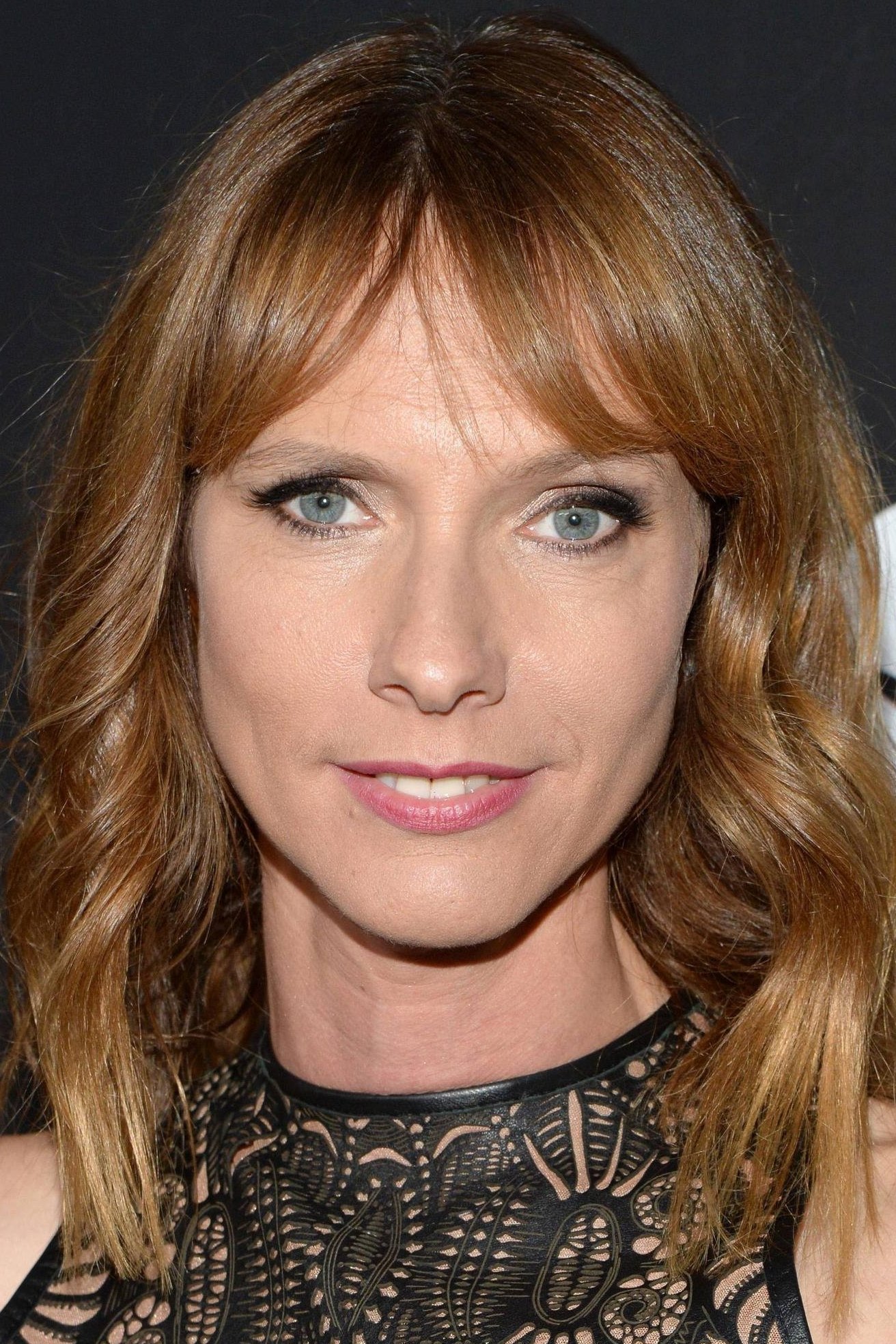
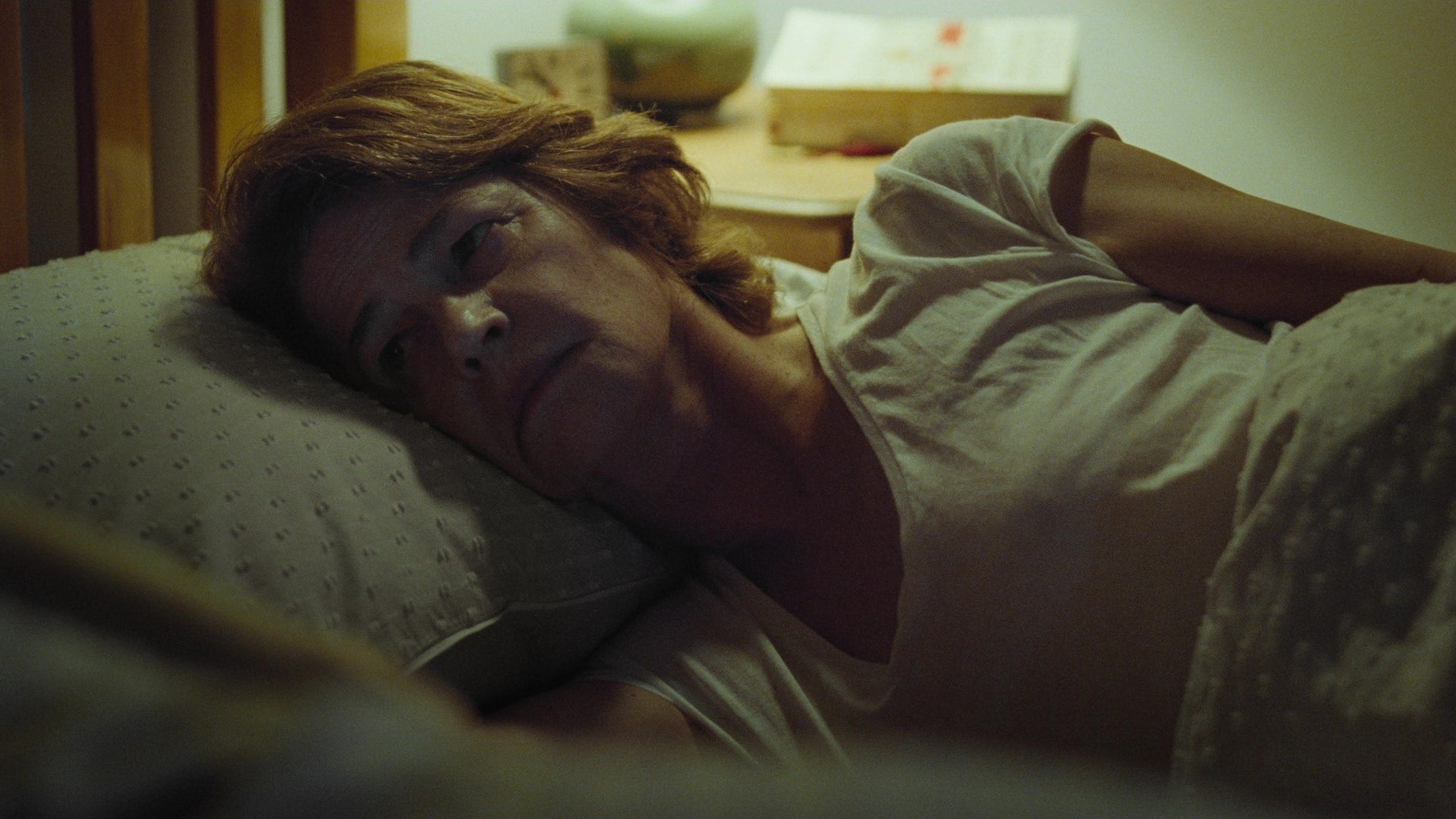
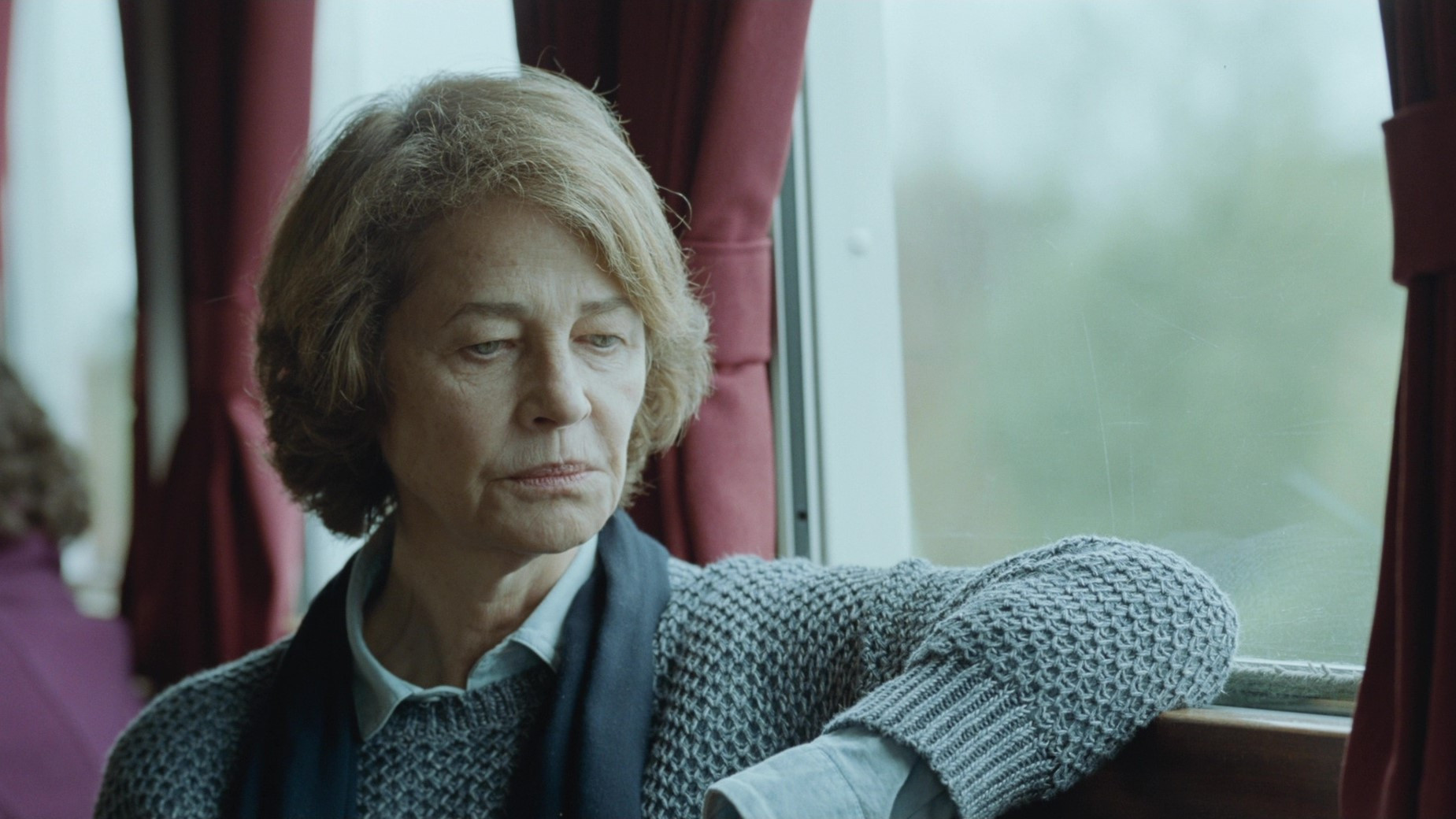
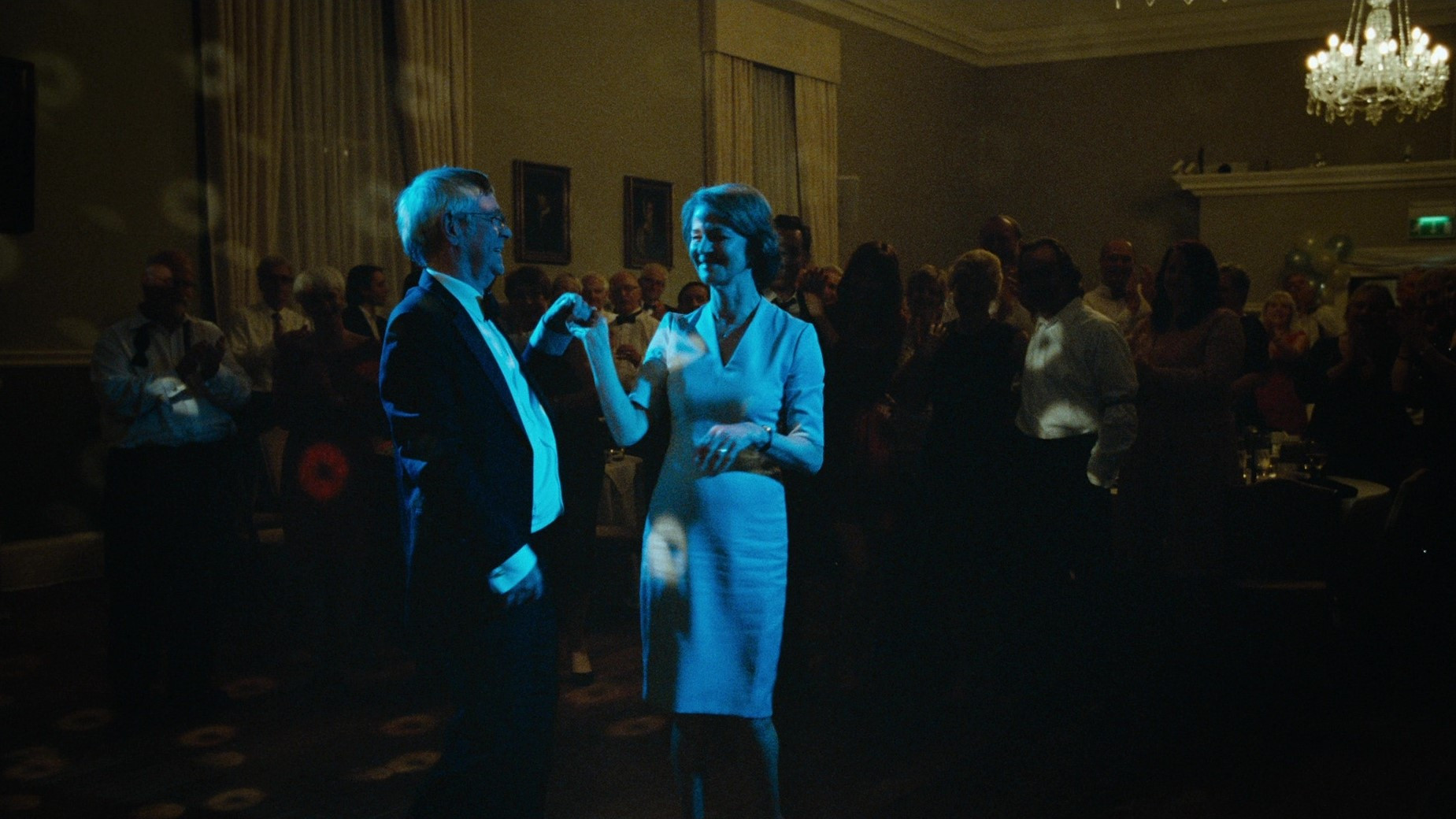
Charlotte Rampling makes Kate’s growing scrutiny painful to watch because she does so little to announce it. Her eyes and the small changes in her expression let us follow a thought without pretending we can know its exact wording. We felt protective of Kate as she absorbed the news about Geoff’s former girlfriend; the effort of listening is there in her face. The performance gives that feeling no easy release, and never asks us to mistake composure for a lack of hurt.
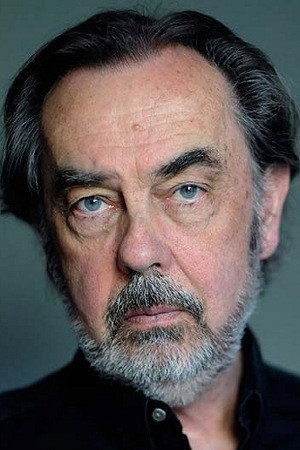
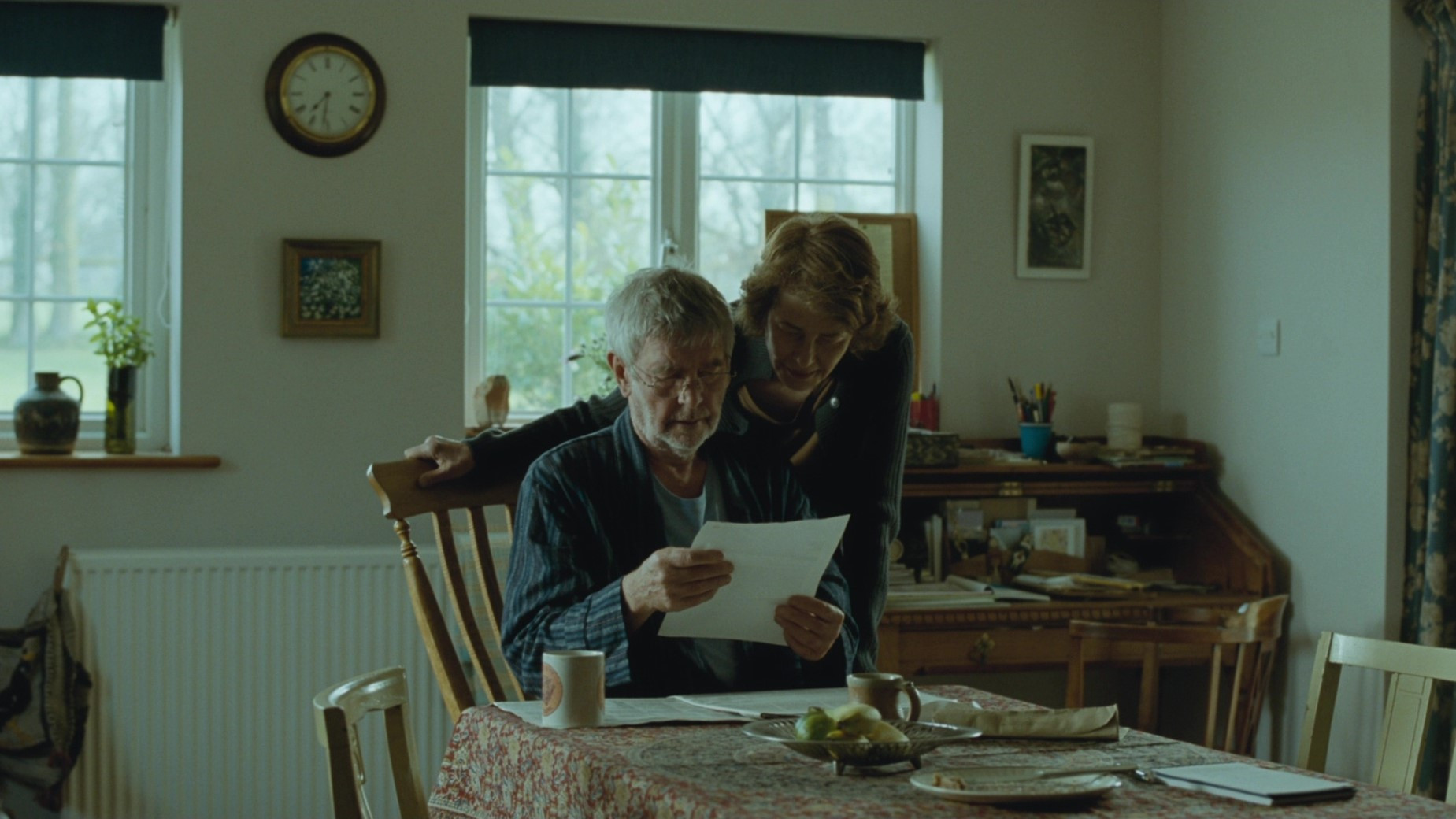
Tom Courtenay is essential to this, and it would be a poorer film if Geoff were simply a husband being exposed. His economical playing makes the couple’s long familiarity believable even as their understanding of each other starts to fail. We can see why Kate has shared a life with him, which makes her unease harder to dismiss as jealousy over somebody from long ago. Neither performance needs a conspicuous change of manner to make a conversation feel newly dangerous.
Lol Crawley’s cinematography is especially attentive to how much can happen in a face, without making every look demand an explanation. Sarah Finlay’s production design gives the comfortable home a persuasively settled feel; we accept that these people have spent years living together. That matters because the familiar surroundings offer Kate so little reassurance once the letter arrives. The house remains credible as a place to live, rather than becoming an exhibition of clues about an unhappy marriage.
Jonathan Alberts’s editing allows the pauses to become awkward, and mostly judges how long to leave us there. The deliberate pace suits people who are still trying to carry on with their ordinary lives, although a few stretches feel unnecessarily prolonged. The older songs are well used, too: music familiar enough to offer comfort becomes unsettling in this marriage. Their warmth gives us another reason to wish these two people well.
There is a limit to the patience of the writing, however. Andrew Haigh becomes more explicit than the performances require, narrowing possibilities that were more troubling when Kate had to work through them for herself. We would have preferred to remain less certain, because the film has already made uncertainty feel so credible. This is a small but consequential weakness in a drama that gets so much from letting us notice things without having them underlined.
Among marriage dramas, this film stands out for taking seriously the hurt that can arrive late in a shared life. It does not treat an older couple’s habits as proof that the difficult emotional work is finished, or make their age an invitation to fond amusement. At 95 minutes, it asks for concentration without demanding an entire evening. Watch it when there is time afterwards to talk, and no obligation to be cheerful.