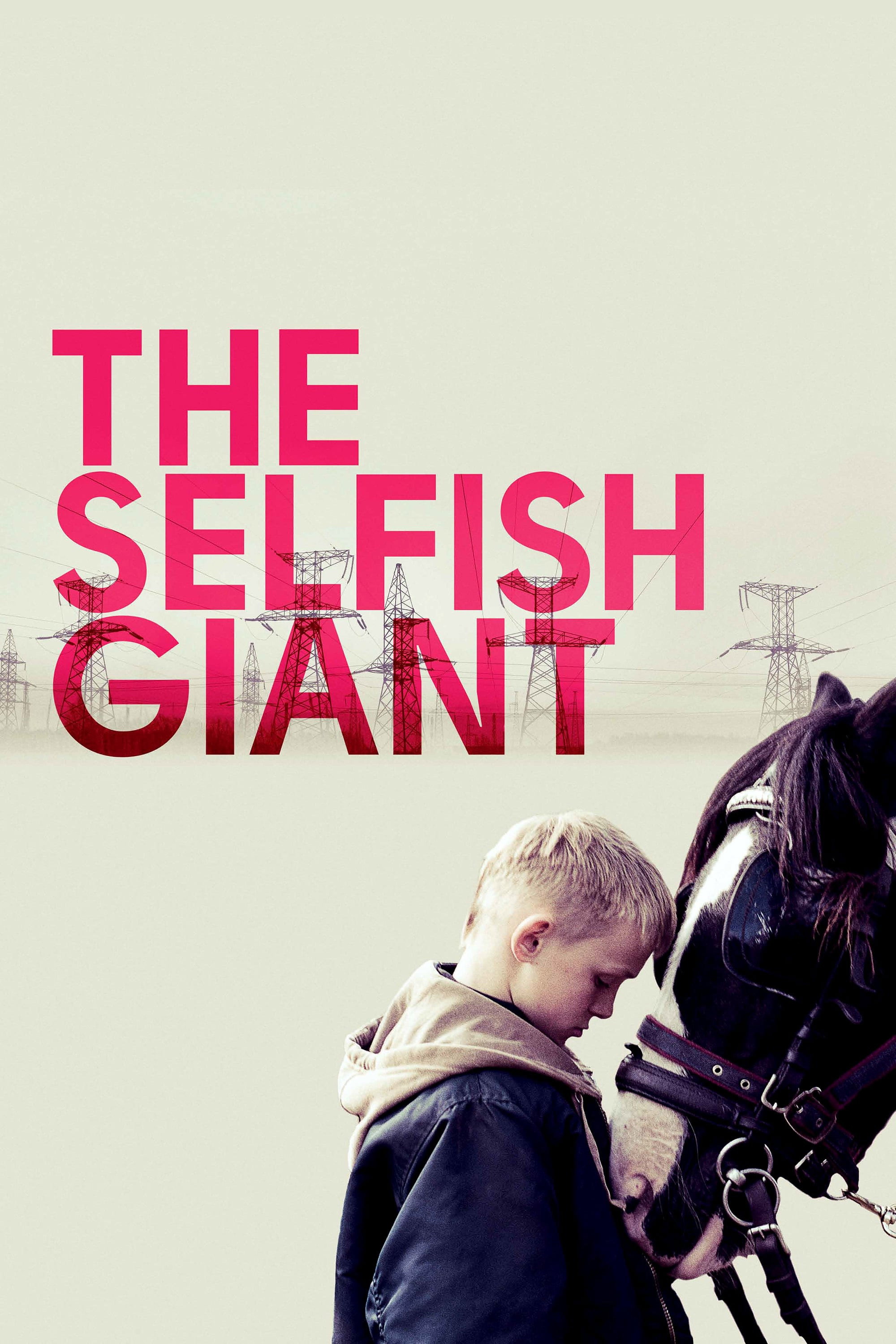
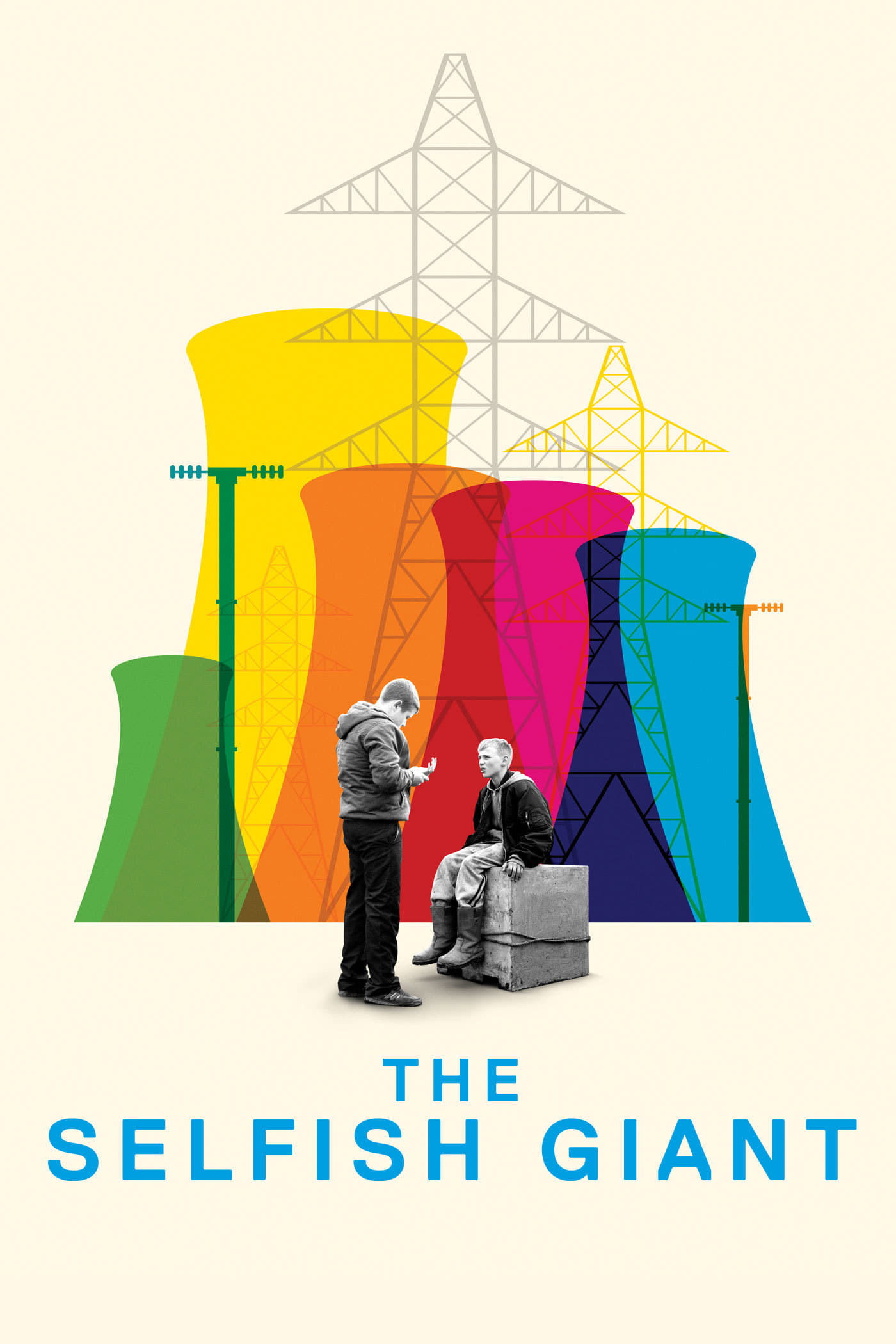
Clio Barnard’s The Selfish Giant is a moving drama about two Bradford boys collecting scrap metal. The plotting sometimes feels too familiar, but Conner Chapman and Shaun Thomas make the friendship difficult to forget.
Clio Barnard’s The Selfish Giant is a film we recommend warmly, though its account of childhood poverty sometimes follows a familiar course. It asks what an enterprising boy can do when the work available to him is collecting other people’s discarded metal. Arbor and Swifty see scrap as a way to earn, and the film takes that ambition seriously without suggesting it will make them safe. Neither boy has been made conveniently sweet for our benefit.
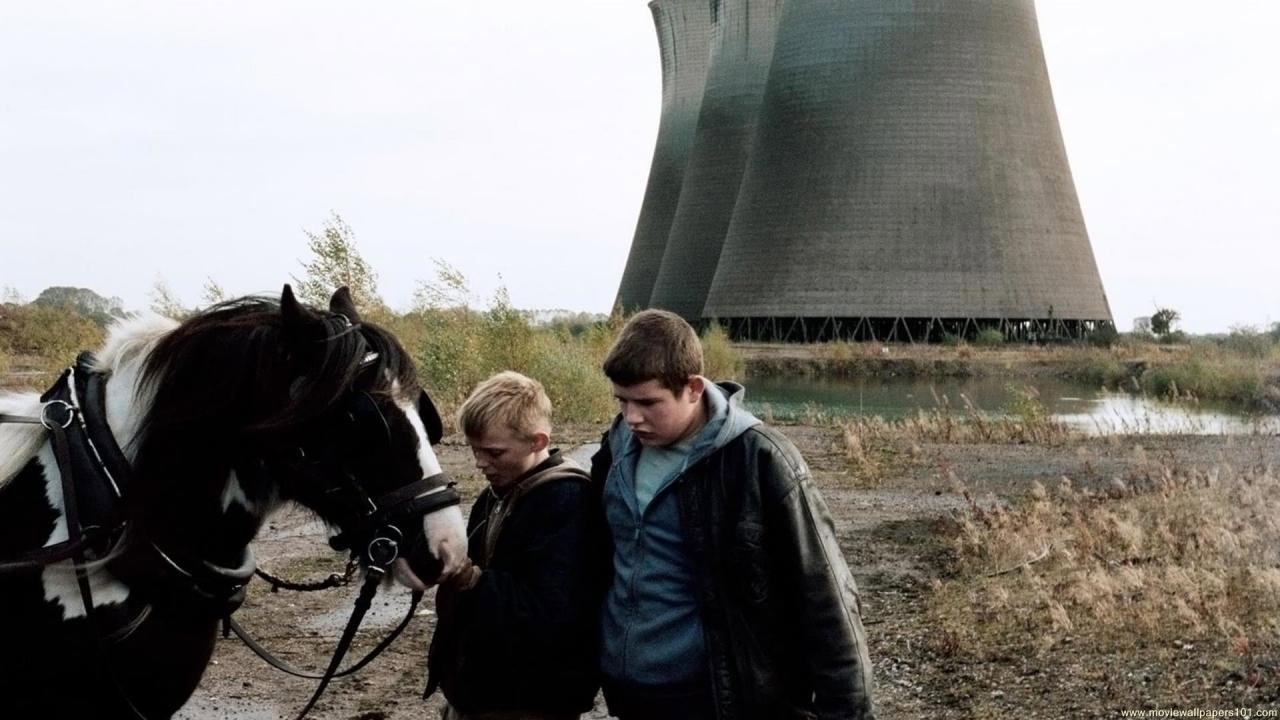
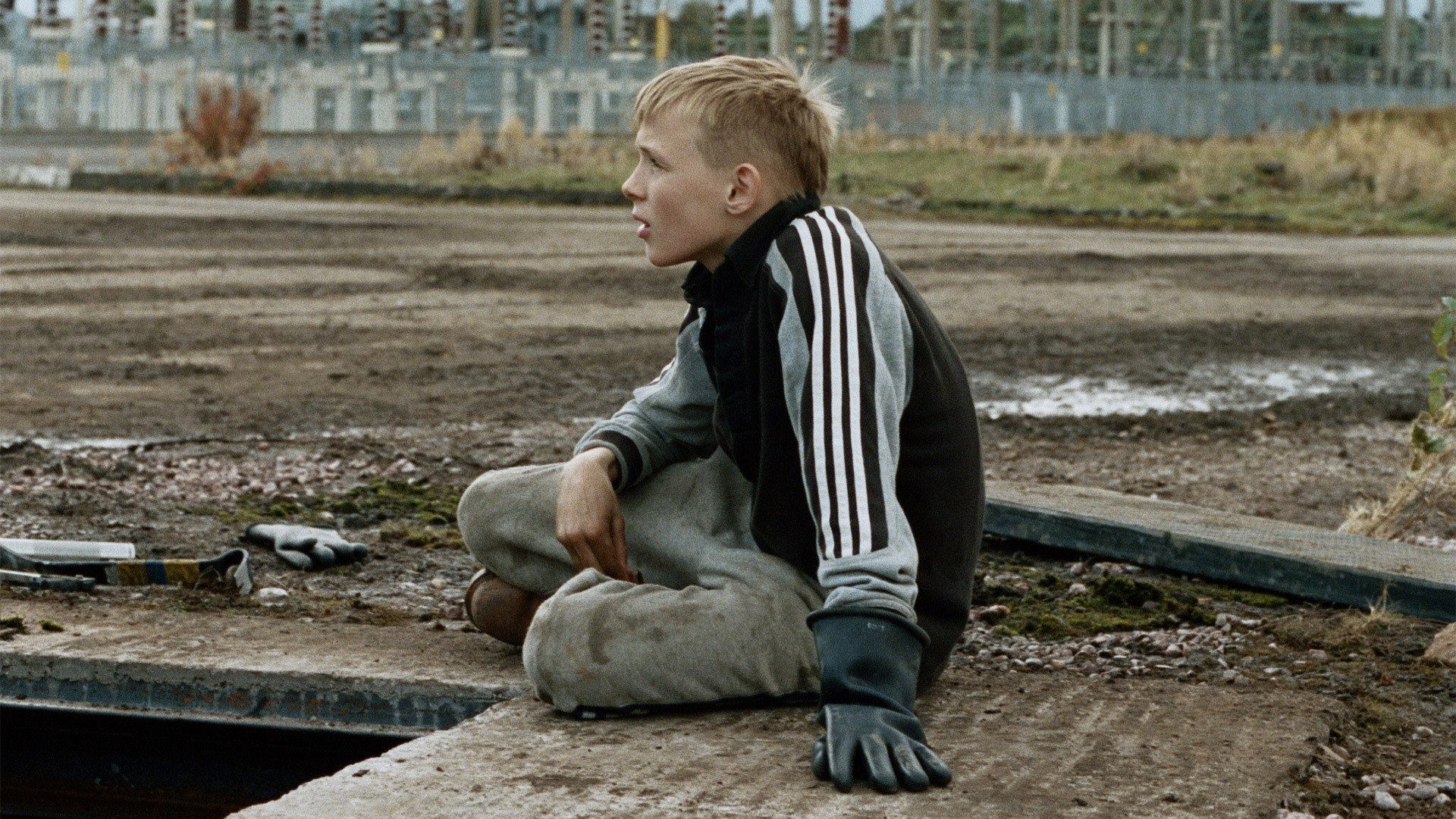
Conner Chapman plays Arbor with an energy that can be wearing, which is one reason the performance works: poverty has not made this child obliging. He takes the prospect of getting money seriously, and his eagerness makes sense even when his judgement does not. Shaun Thomas gives Swifty a gentler presence, allowing the friendship some breathing space whenever Arbor threatens to exhaust it. We were moved by the warmth between them in the scrap-collecting scenes, because they still find pleasure in each other’s company when earning money takes up so much of their attention.
Sean Gilder makes Kitten intimidating without turning him into a grand villain. The scrap trade offers something the boys can understand immediately: metal has a price, and collecting it earns money. Clio Barnard’s screenplay understands the attraction, so their early involvement does not feel like a writer simply manoeuvring children into trouble. We can see why they want the work, and how readily adults can profit from their willingness to take it.
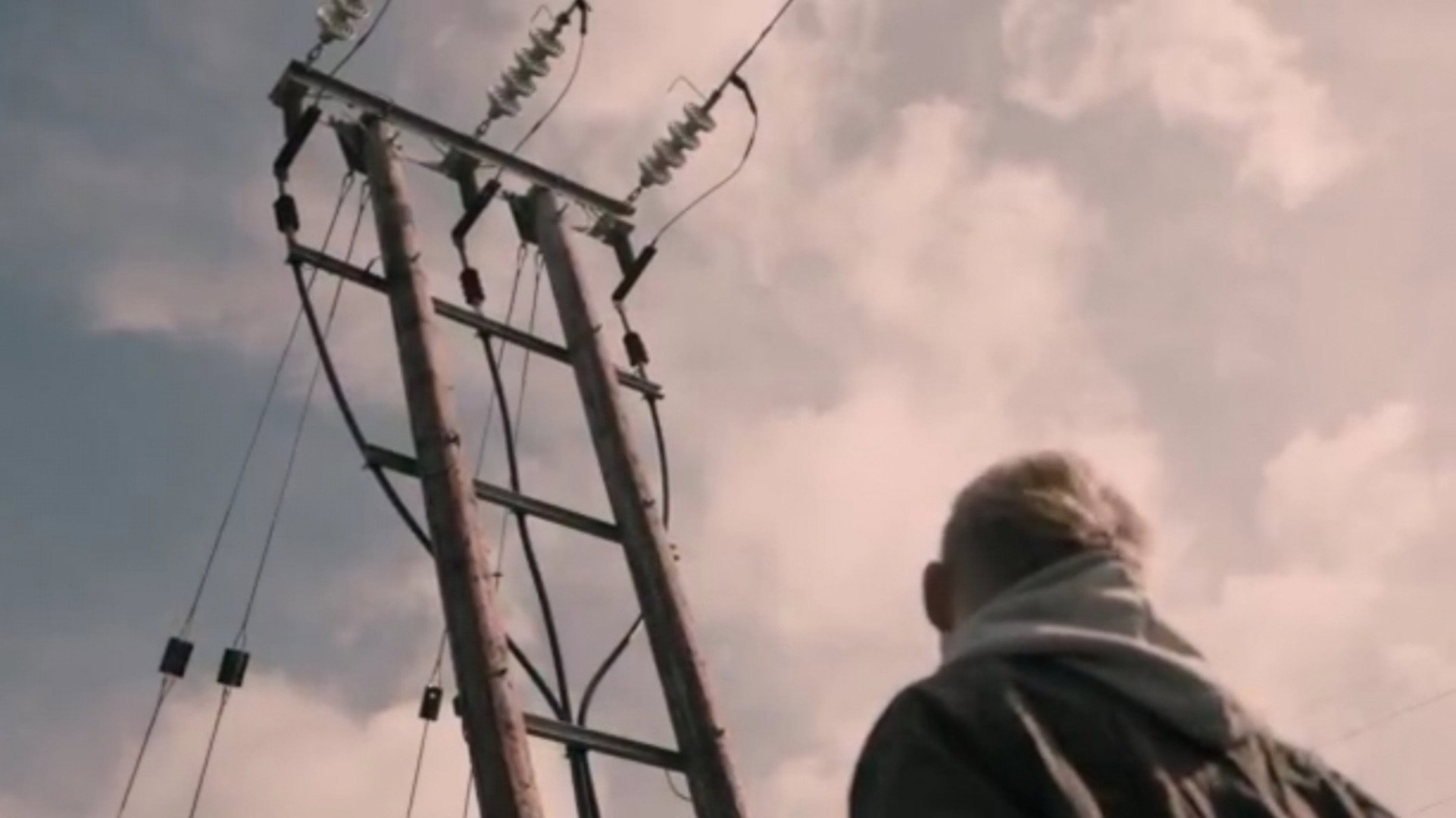
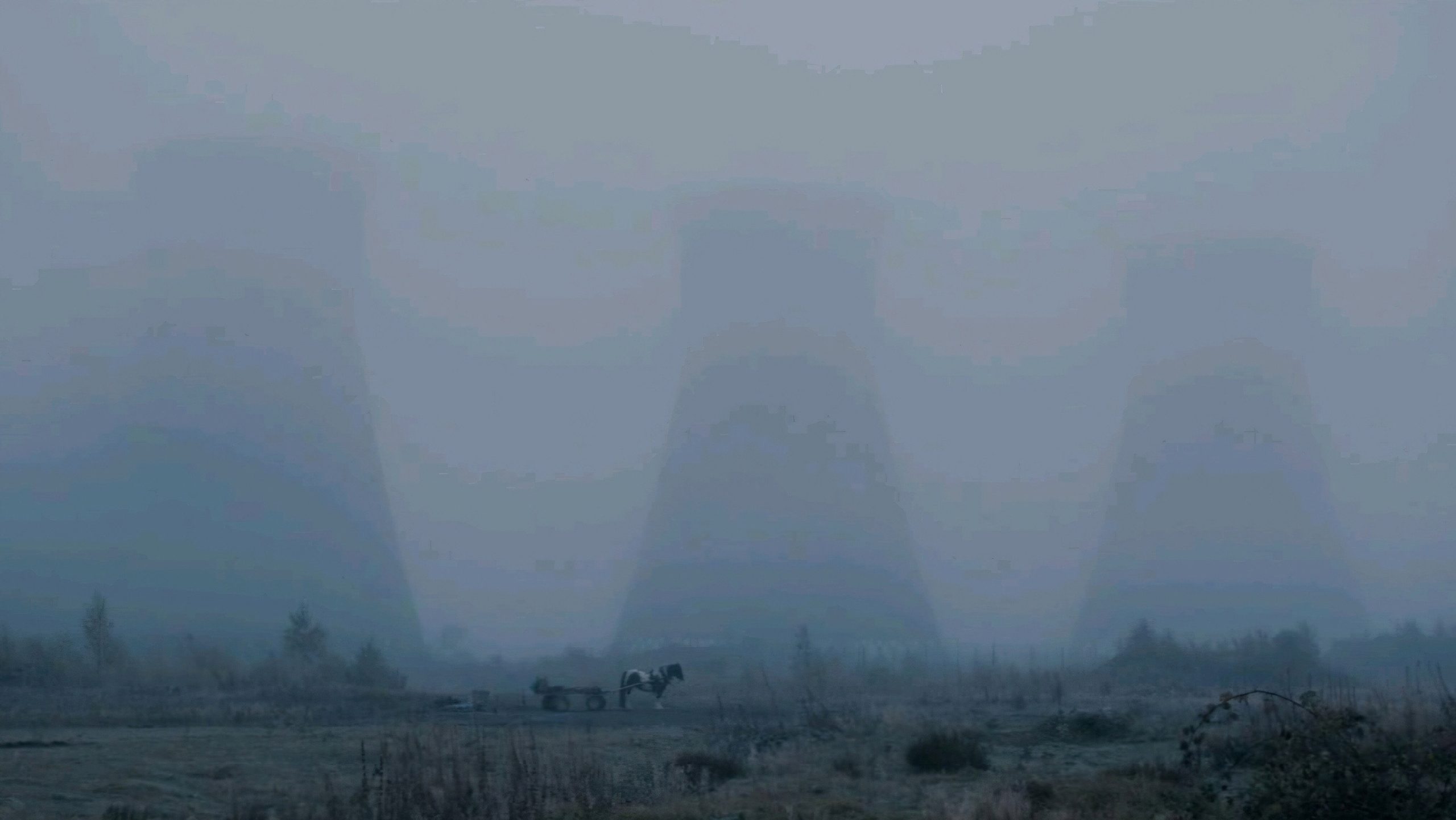
Mike Eley’s cinematography makes the Bradford estates and pylons worth looking at, even when we have plenty of reasons to want the boys elsewhere. The visual care never distracts from the hazards of the scrap collecting. Helen Scott’s production design makes this trade feel like work, with metal treated as something to collect and sell rather than picturesque rubbish. These surroundings help explain the boys’ choices: the possibility of earning is there in front of them, however little protection comes with it.
Nick Fenton’s editing is strongest when it gives the boys time together, letting their companionship count for as much as the next piece of trouble. At 91 minutes, the film has little room to drift, yet these passages do not feel hurried. Harry Escott’s restrained music leaves the young actors room to make us care without much prompting. That suits performances which already make plain how much the friendship matters.
The reservation is that we can sometimes recognise where this kind of social-realist story is heading before the boys can. When every opportunity looks liable to become another danger, the writing starts to feel too determined to prove how little chance these children have. That is a familiar weakness in dramas about poverty, and Clio Barnard does not always escape it. The boys’ humour and impatience do much to keep the film from settling into a succession of reasons to pity them.
Anyone wary of another drama that treats poor children as helpless will find more life here than that description suggests. These boys can be funny and difficult, and neither actor keeps asking us to approve of them. See it for their performances, but leave the lighter evening for another night.