Ken Loach’s drama about a boy and his kestrel is funny, bruising and unusually attentive to what interests a child. The rough edges occasionally distract, but David Bradley gives us a boy worth listening to.
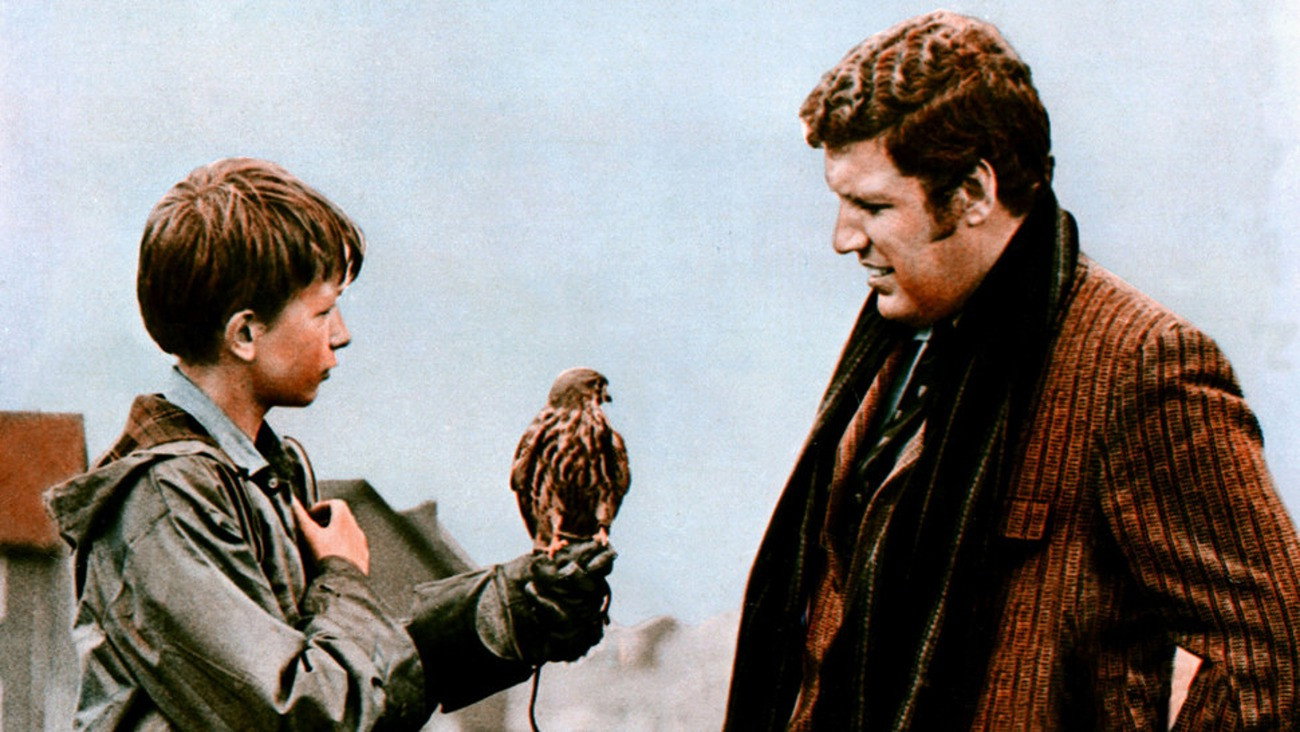
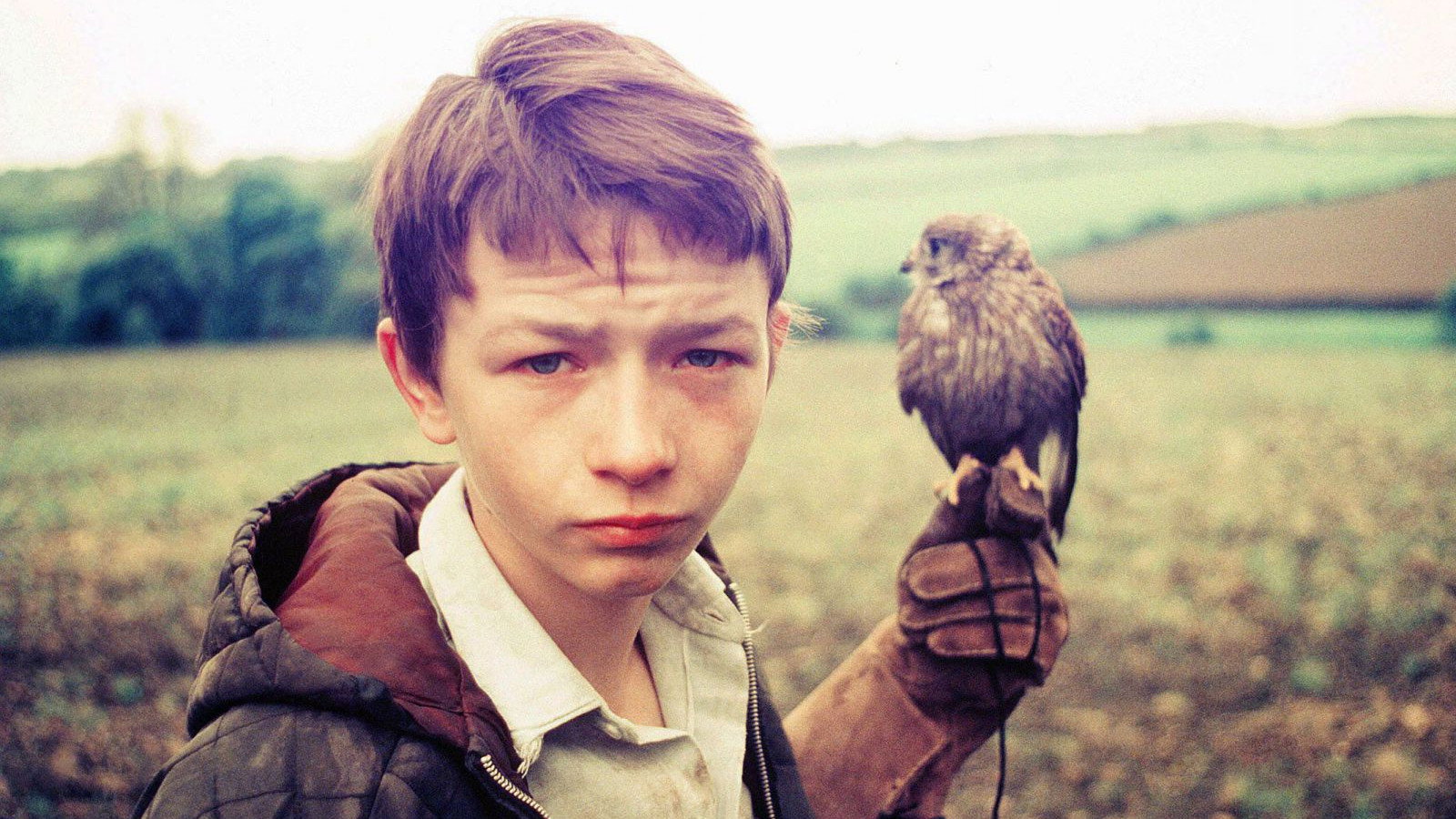
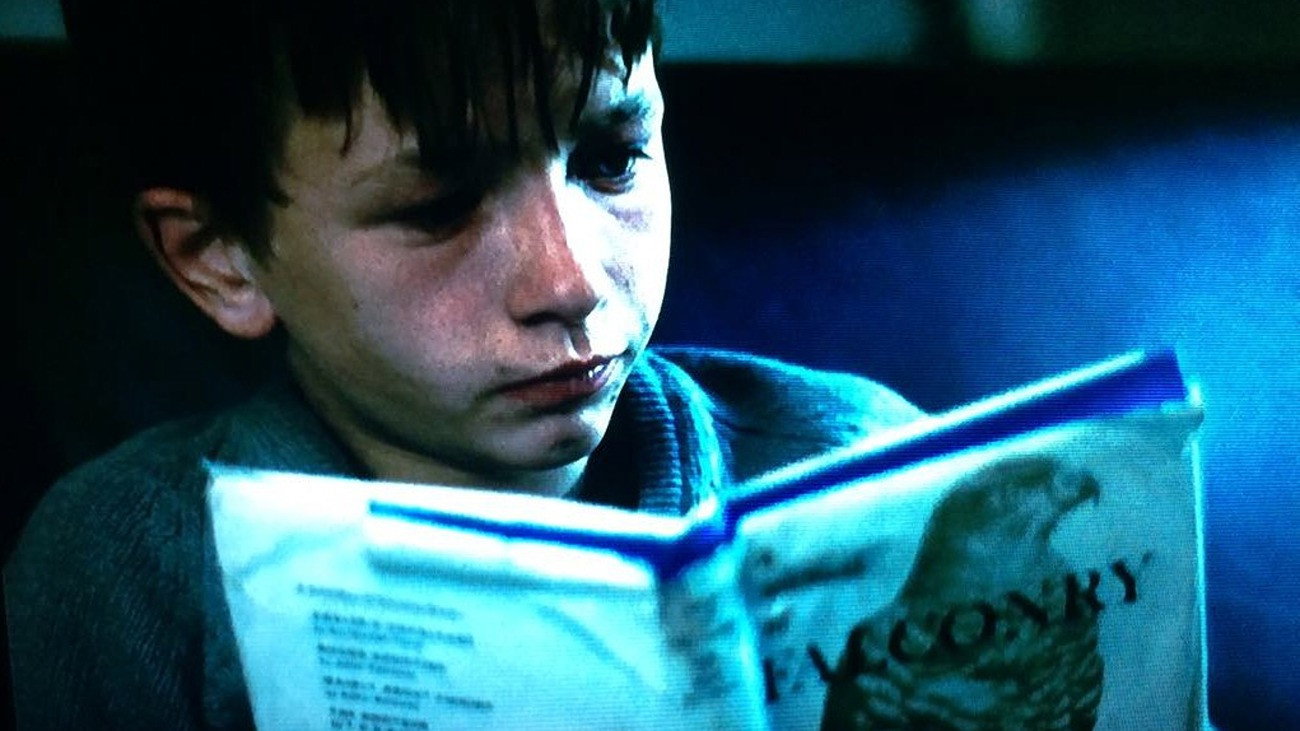
Ken Loach’s Kes earns our recommendation by giving a working-class boy the sustained attention he seldom receives from the people around him. Billy’s bond with a kestrel supplies the story, but the interest is in what caring for it allows him to do: learn, concentrate and take responsibility. Loach finds humour in this harsh upbringing without asking us to enjoy Billy’s humiliation. The film is moving because it lets us see how much there is to him before insisting on how badly he is treated.
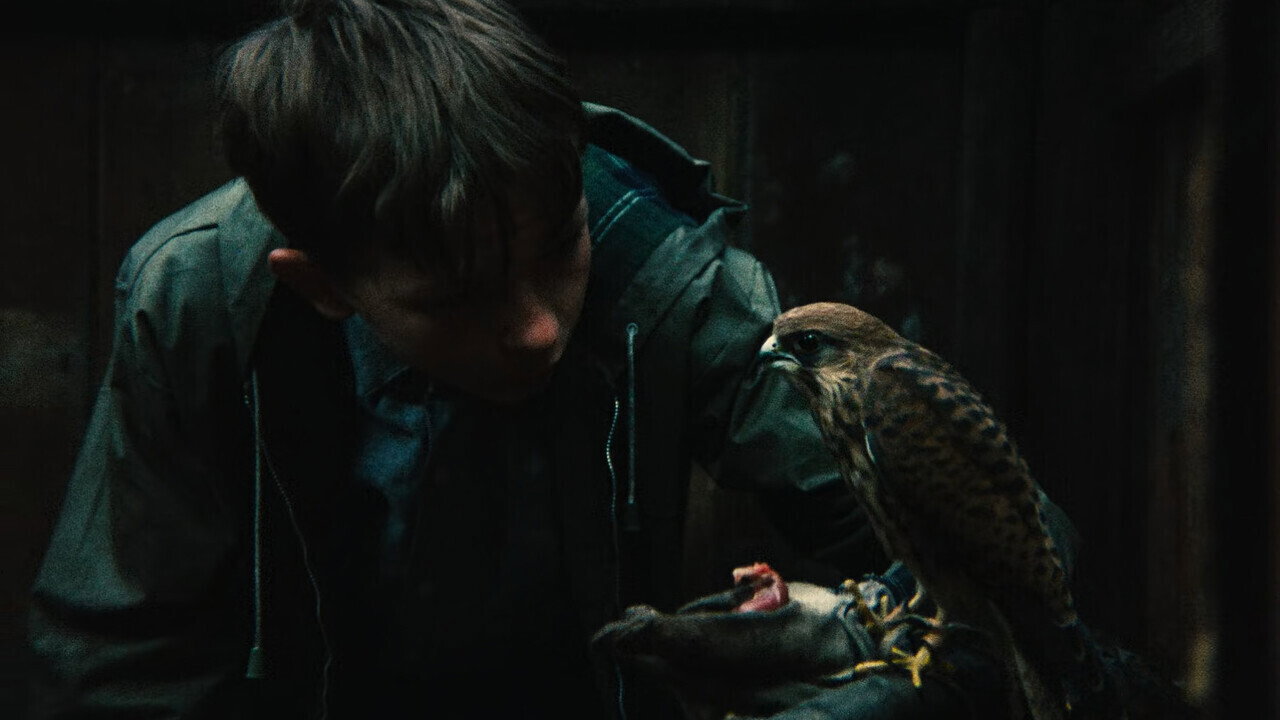
The danger with a part like Billy is that the performer spends the entire film asking to be pitied. David Bradley makes him too absorbed in the bird for that: the pleasure is in watching someone have a subject he wants to understand. We were moved by the care he gives the kestrel, because it shows a patience and appetite for learning that his treatment at school scarcely acknowledges. His interest gives us something to share with him beyond sympathy.
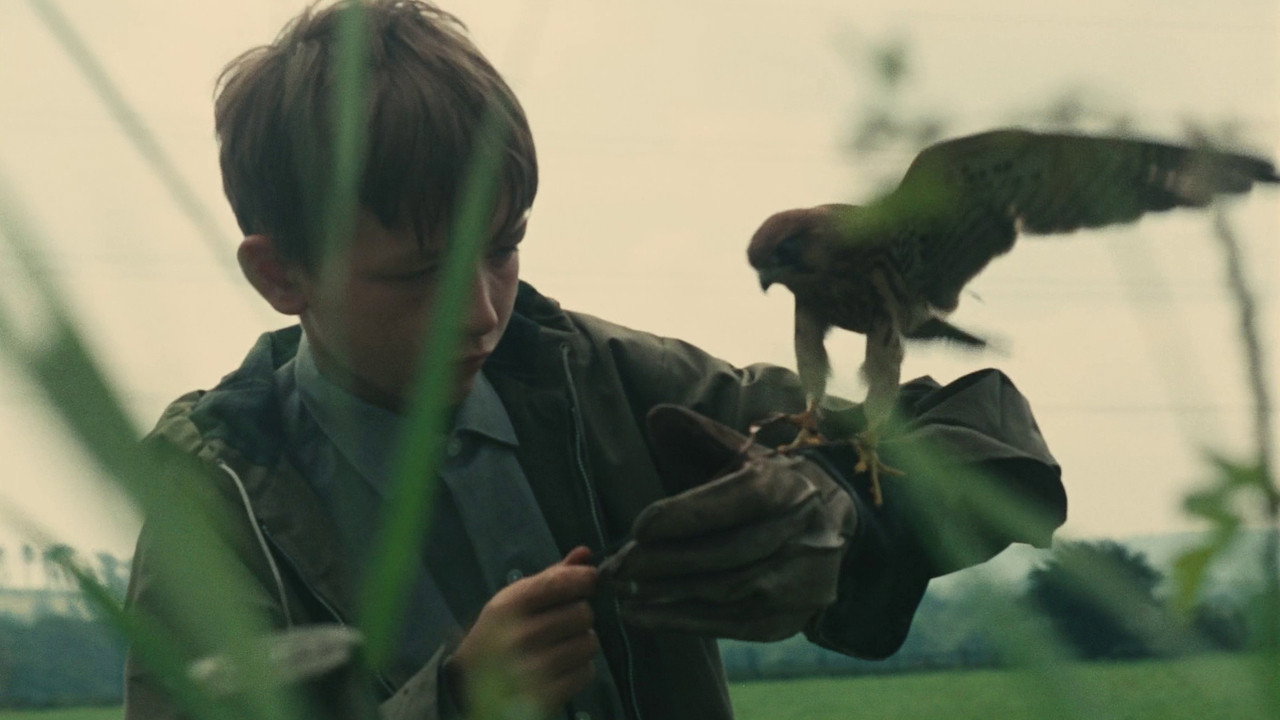
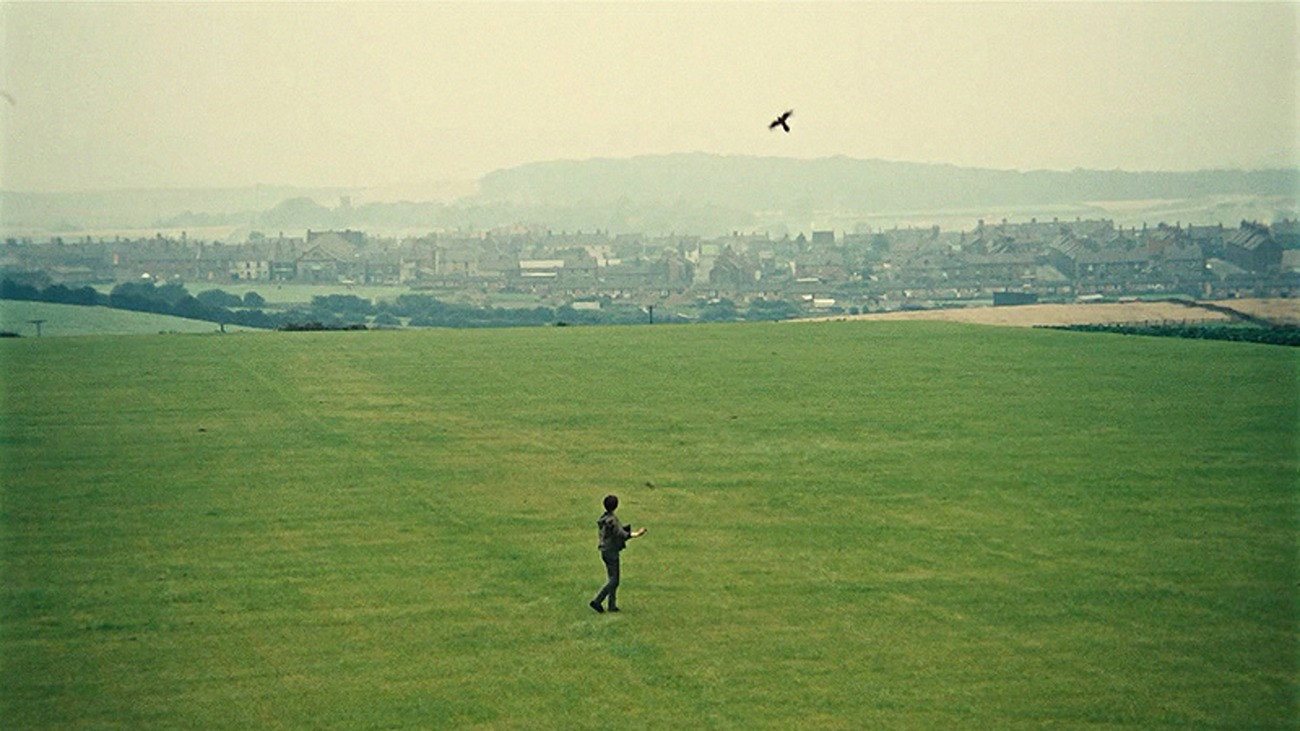
Chris Menges’s cinematography makes the countryside around Barnsley important without turning it into an advertisement for escape. The town’s industrial surroundings remain part of our understanding of Billy’s life, even when the boy and bird have our attention. Menges gives their time outdoors enough space for us to watch the relationship, rather than merely register that nature is good for him. Those passages are beautiful because there is something happening in them that matters to Billy.
Roy Watts’s editing is valuable for the time it gives that interest to become ours. The unhurried stretches with the kestrel allow us to settle into Billy’s concentration, and the film’s occasional ungainliness is easier to forgive there than elsewhere. John Cameron’s music supports the tenderness without becoming the main reason to feel it. We would credit Bradley and the time he is given ahead of the score; the boy’s attention is already enough to hold ours.
The performances around Bradley have a welcome variety of manner and speech, and Loach does not require everyone to sound equally polished. The use of non-professional performers helps, although naturalness alone would not make these people interesting. He listens to the local dialect without treating it as a novelty, and allows humour to exist alongside the grimness of home and school. That matters in a film about deprivation: Billy has to inhabit a recognisable community, with its own ways of speaking, for our concern to extend beyond the demands of the plot.
Our reservation is with Loach’s insistence on how thoroughly that community fails him. Some of the surrounding characters are drawn so broadly that their hostility becomes predictable, and the contrast with Billy’s absorption in the bird needs less emphasis than it receives. The rough joins can also pull us out of the story, particularly when the acting styles sit awkwardly together. Bradley keeps the boy particular even when the adults seem overdrawn.
A social drama can become so busy explaining what is wrong that it leaves its people little to do except suffer. Kes gives Billy the absorbing work of training the kestrel, and that makes the anger about his schooling easier to share. At 111 minutes, it asks for patience through some less assured passages. Give it that time, and do not mistake its U certificate for a promise of an undemanding family evening.