Lynne Ramsay’s childhood drama is tender, unsettling and sharply observed, with a fine performance from William Eadie. We recommend it warmly, though the story sometimes makes its young protagonist’s troubles feel too neatly arranged.
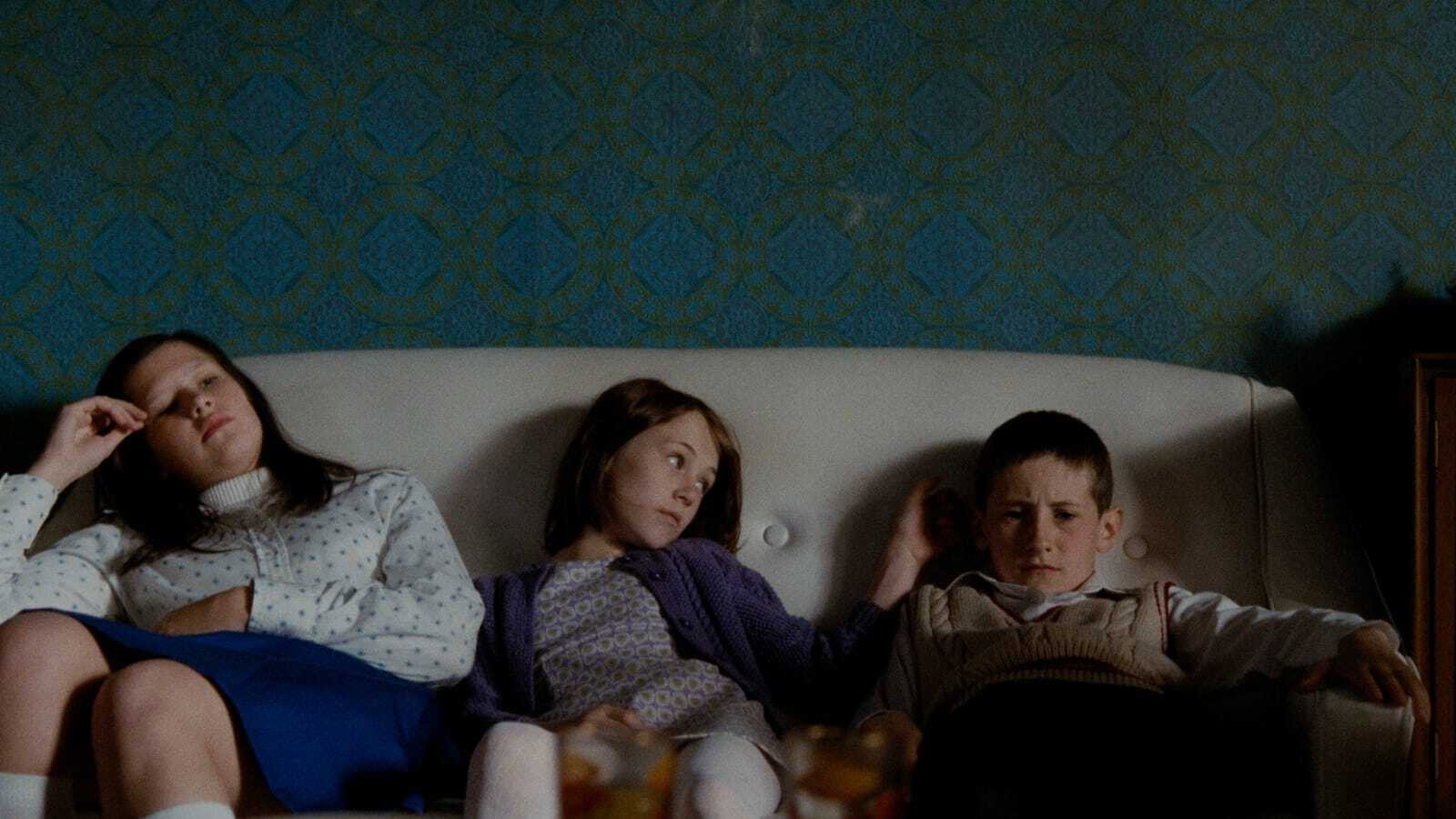
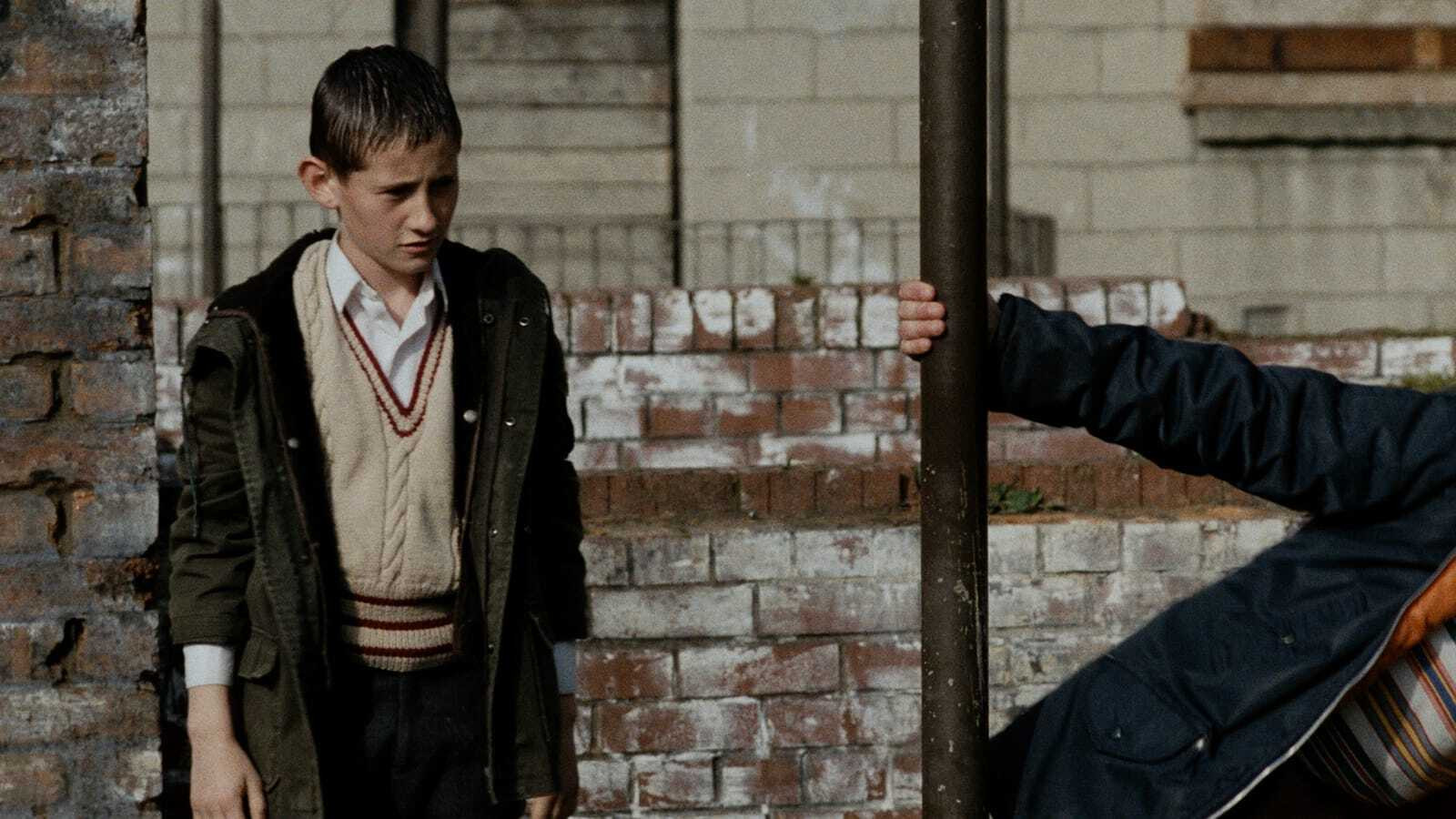
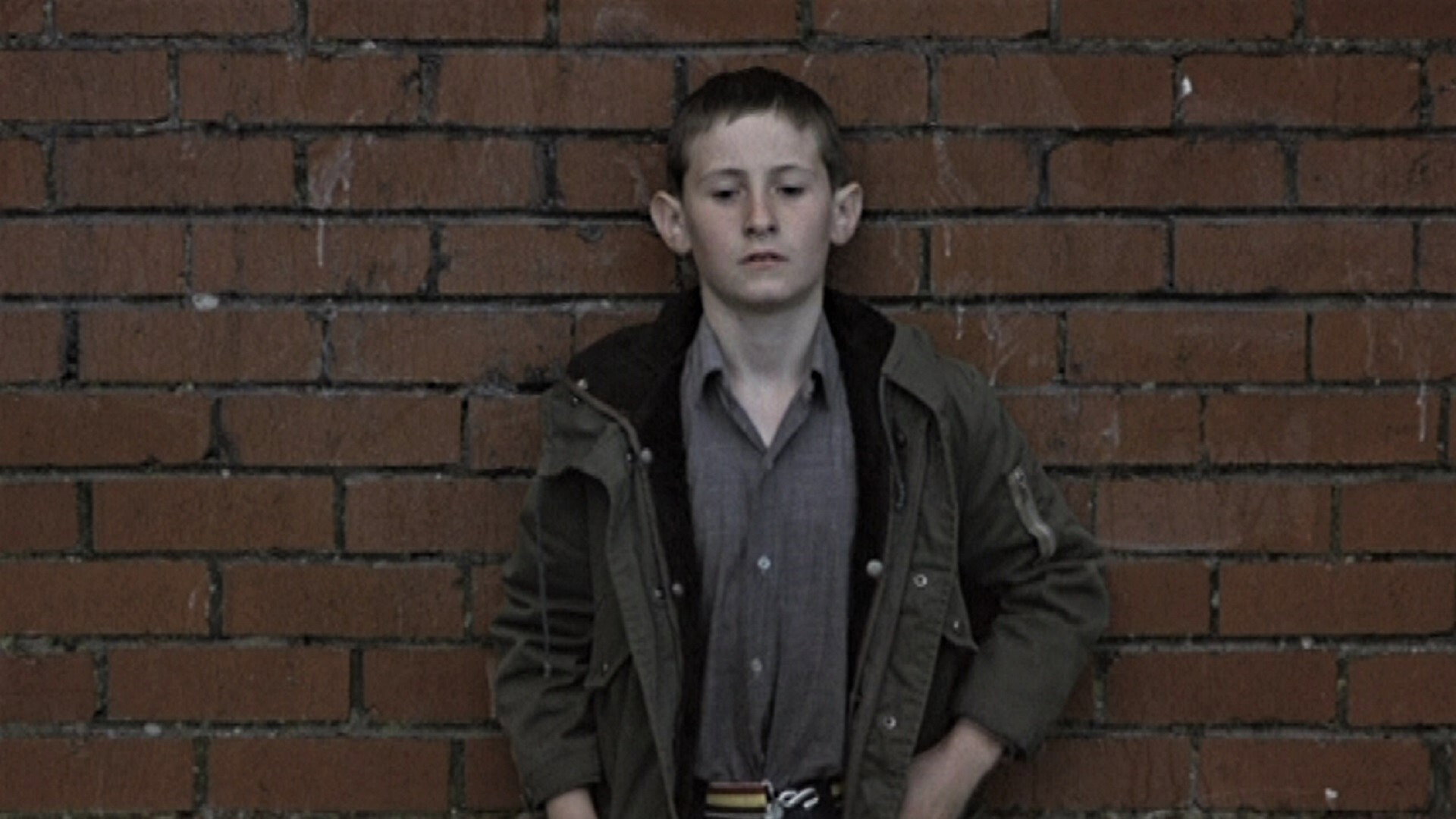
Ratcatcher is a quietly upsetting film about a child living among troubles he cannot put right, and it deserves an evening’s close attention. Lynne Ramsay sets James, played by William Eadie, amid Glasgow tenements during a 1970s bin strike. There is poverty, family unhappiness and a boy’s guilt, but she also makes room for humour and idle looking. She takes a child’s attention seriously, including the things an adult would consider beside the point.
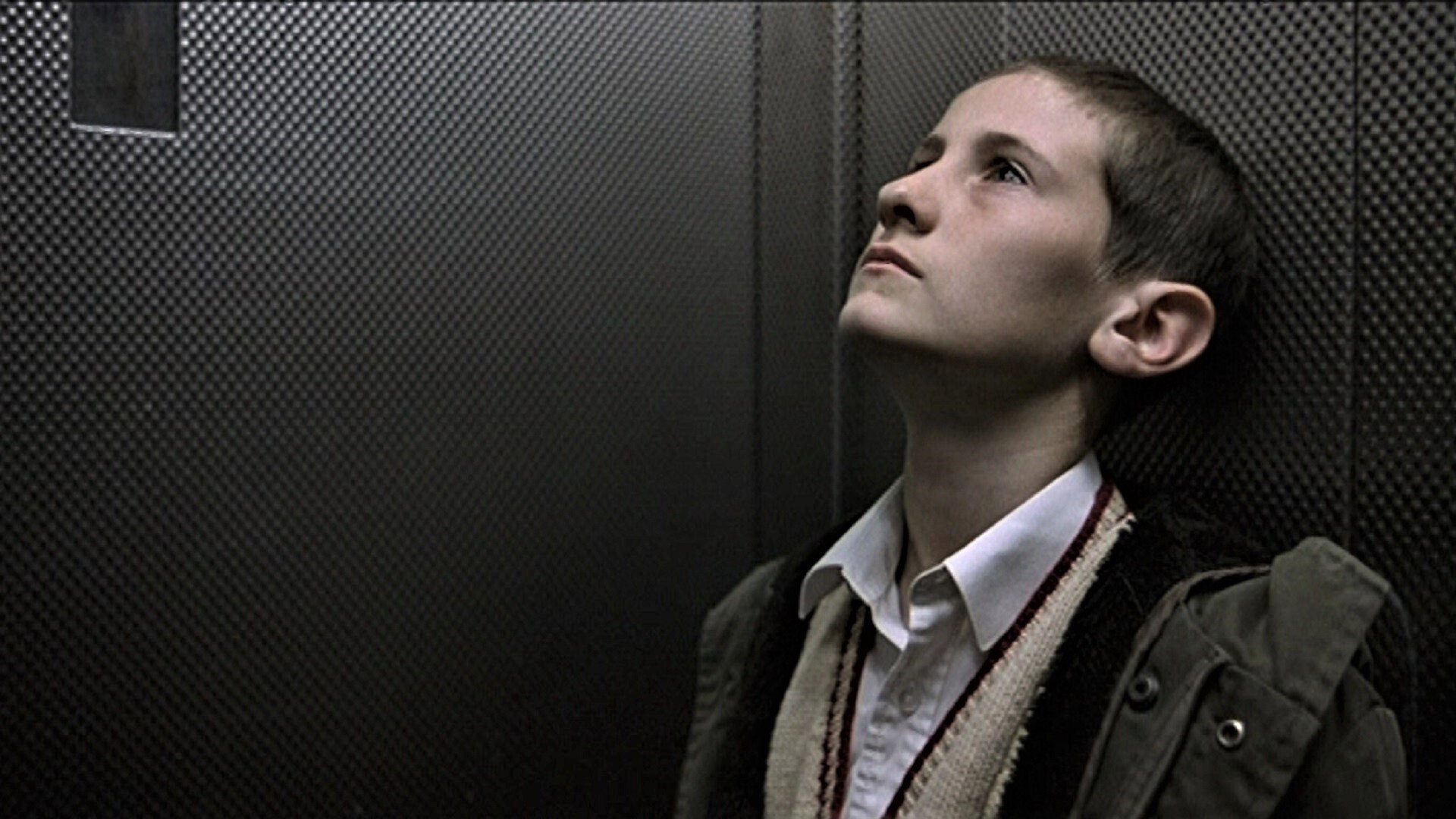
Eadie makes James hard to read without making him vacant. His naturalness matters: a performance that kept asking for sympathy would make this difficult material harder to bear. Tommy Flanagan’s Da and Mandy Matthews’s Ma help keep the family life untidy enough to be believable, with no easy explanation for everything that is wrong at home. Ramsay gives the young cast space to be funny, awkward and casually cruel, so the children never seem to exist simply to illustrate how hard their lives are.
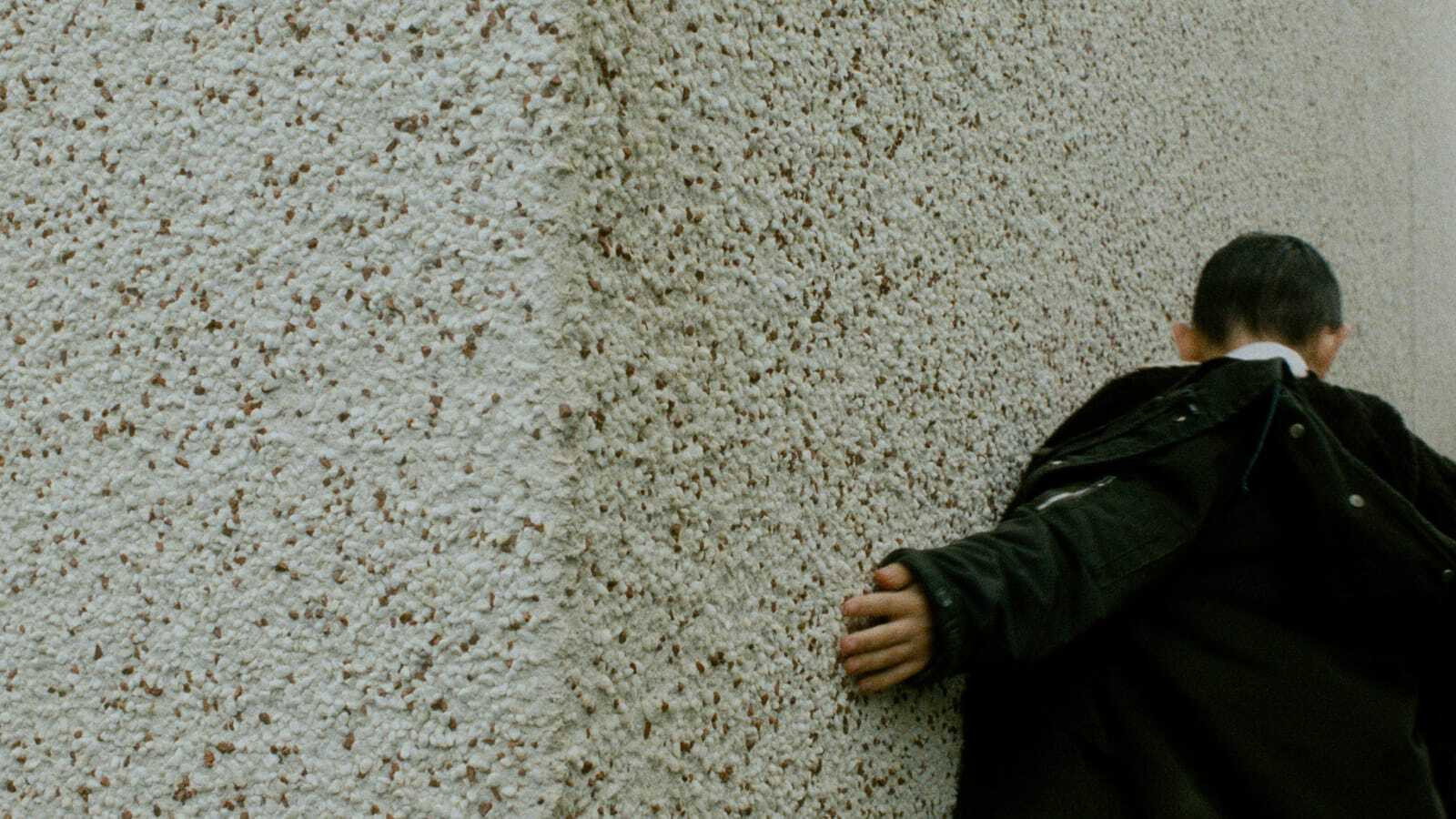
Alwin H. Küchler’s cinematography makes us notice fabrics, water and changes of light before we start looking for what a scene will tell us. Jane Morton’s production design gives the tenement surroundings a worn familiarity, so there is something to examine beyond the signs of hardship. The care taken over an image is evident, but it seldom distracts from the people living in it. Ramsay lets a child’s interest in his surroundings determine what is worth looking at.
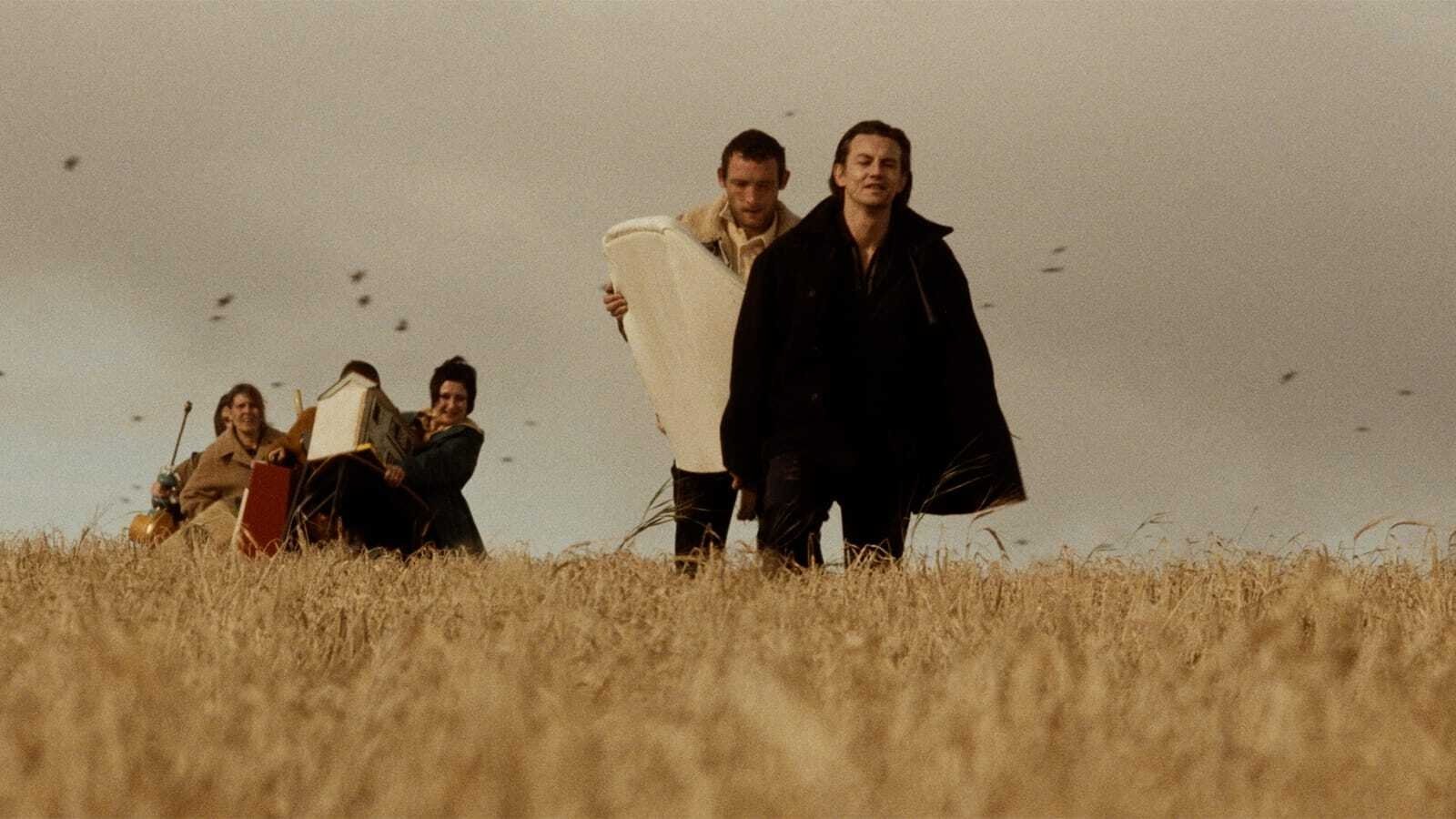
The passages away from the city are essential to that approach. We felt a physical relief at the sight of James in open countryside, because there was suddenly space around a child whose daily surroundings felt so oppressive. Ramsay allows these escapes to feel pleasurable without treating them as a solution. The humour helps, too, because it lets the children be amusing without pretending there is nothing wrong.
Lucia Zucchetti’s editing gives those changes of attention room, and the movement into more dreamlike passages seldom feels like an interruption. The pace stays unhurried across the film’s 94 minutes, allowing small changes in feeling to register. Rachel Portman’s music lends warmth to the gentler passages without making the sadness seem settled. It helps us stay with people whose company Ramsay has no interest in making consistently comfortable.
The weakness is in Ramsay’s writing, when characters’ choices seem arranged to sustain the unhappiness. At those points, even the natural performances cannot quite persuade us that a person would choose to act that way. It is a limited objection, but it matters in a film that otherwise observes behaviour so carefully. A little less insistence on keeping its characters in difficulty would have made their difficulties more convincing.
Childhood dramas can make their young characters so expressive that the adults have no excuse for misunderstanding them. Ramsay permits James to remain difficult to read, and Eadie rewards the patience she asks for. Choose it when you can give a quiet performance your full attention.