Film review

The Kid

1921 · Directed by Charlie Chaplin · 1h 08m · MPA NR

In a sentenceChaplin gives himself most of the jobs and still needs help from a small boy

ComedyDrama

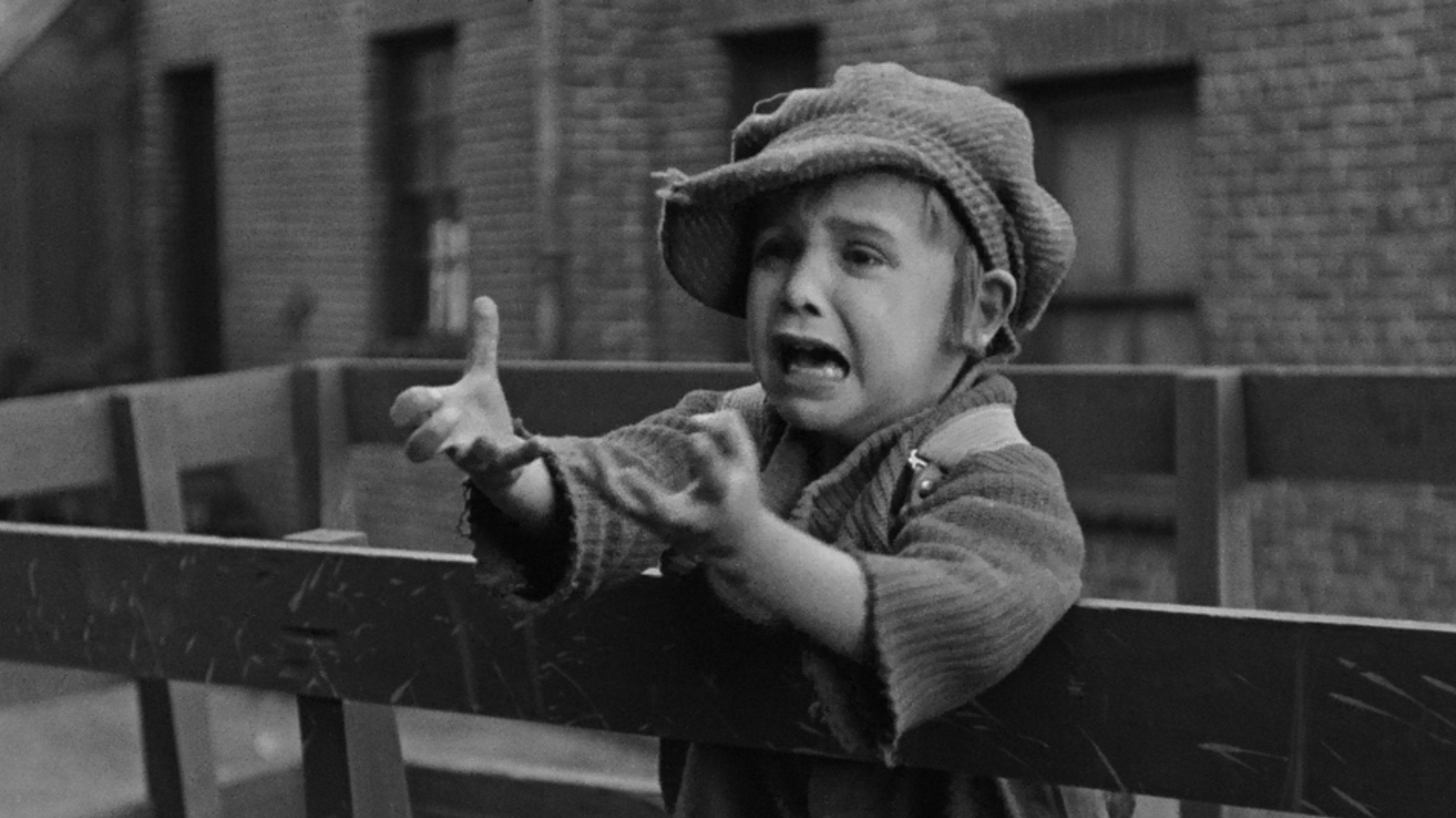
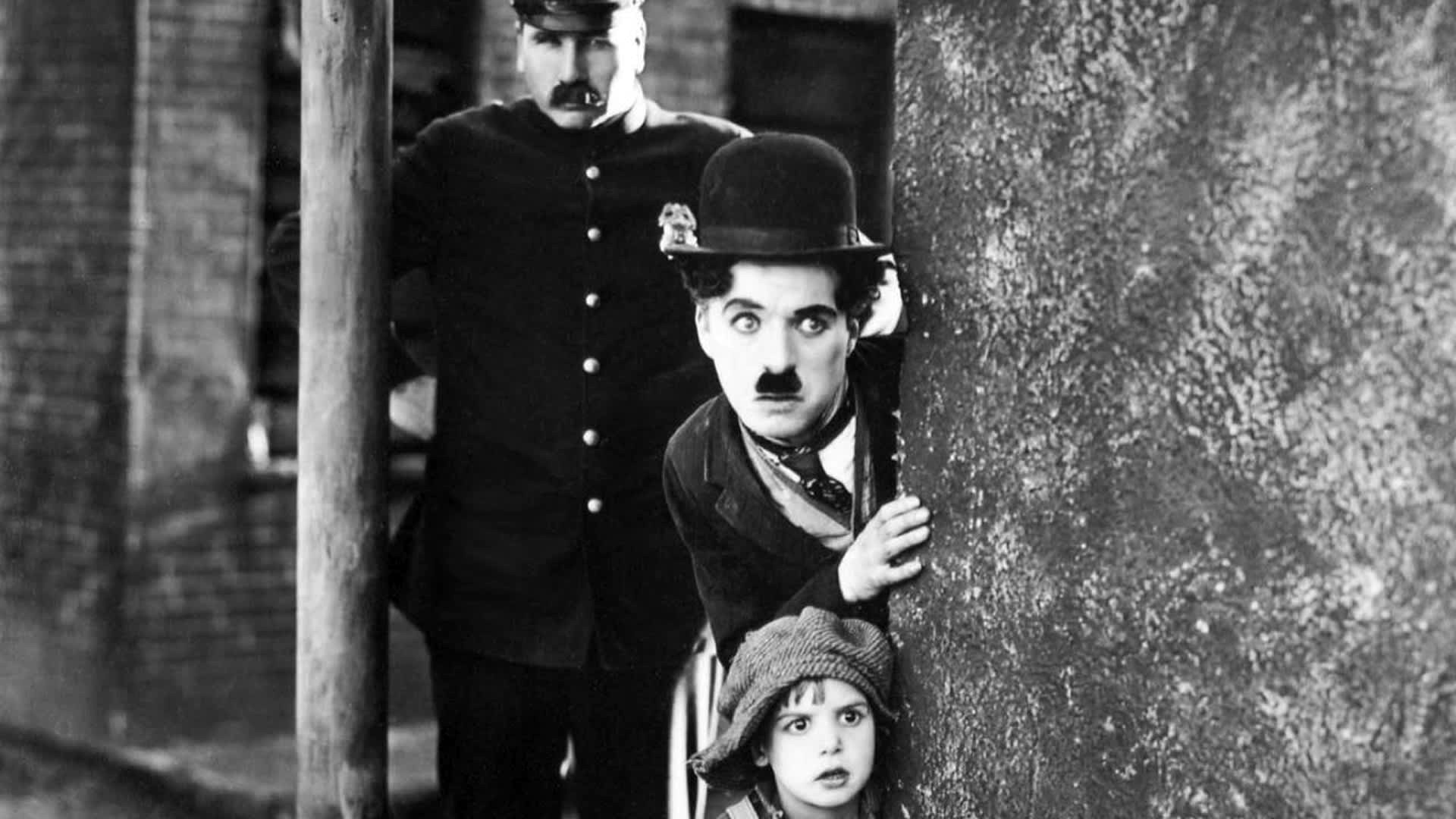
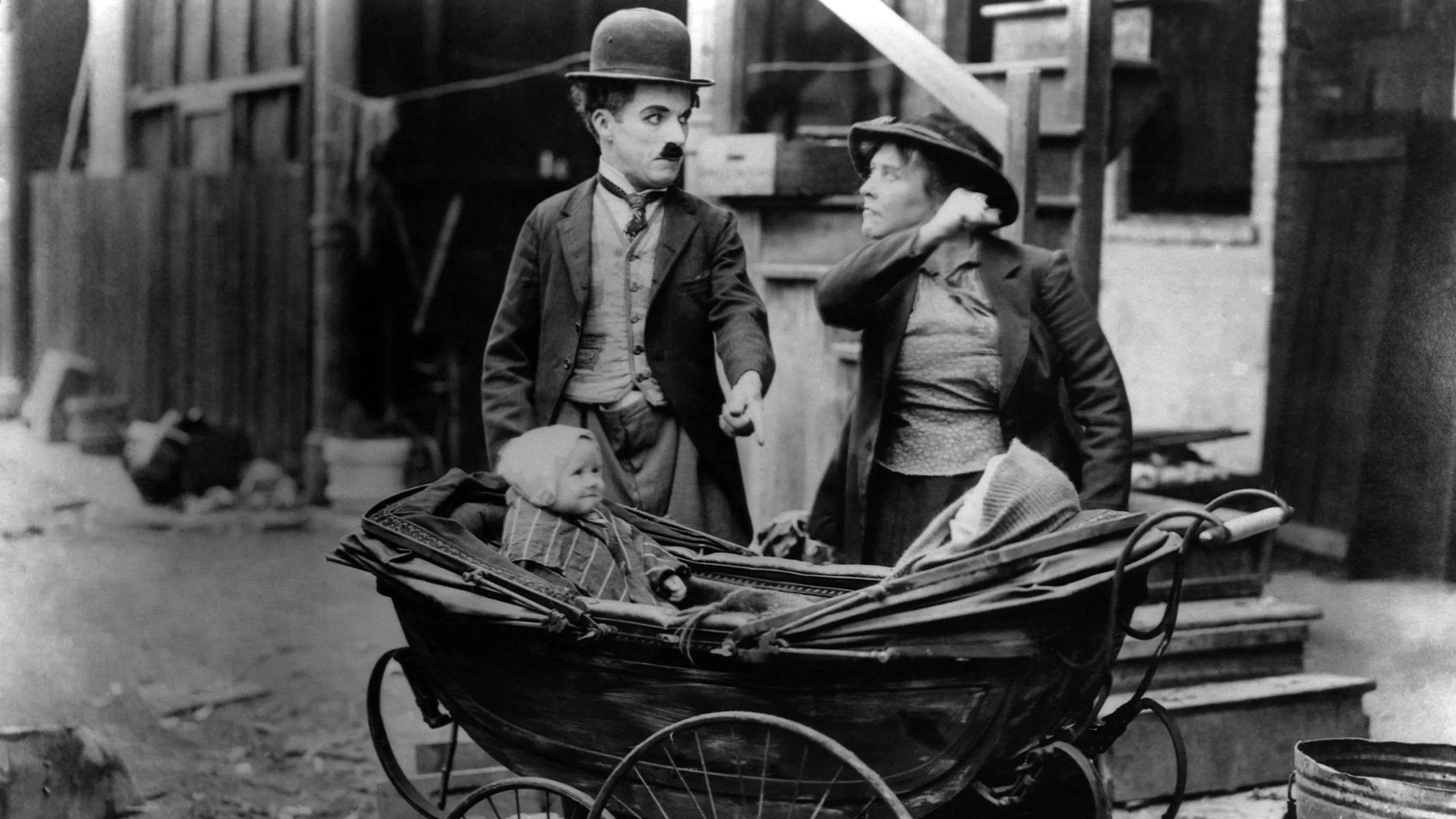
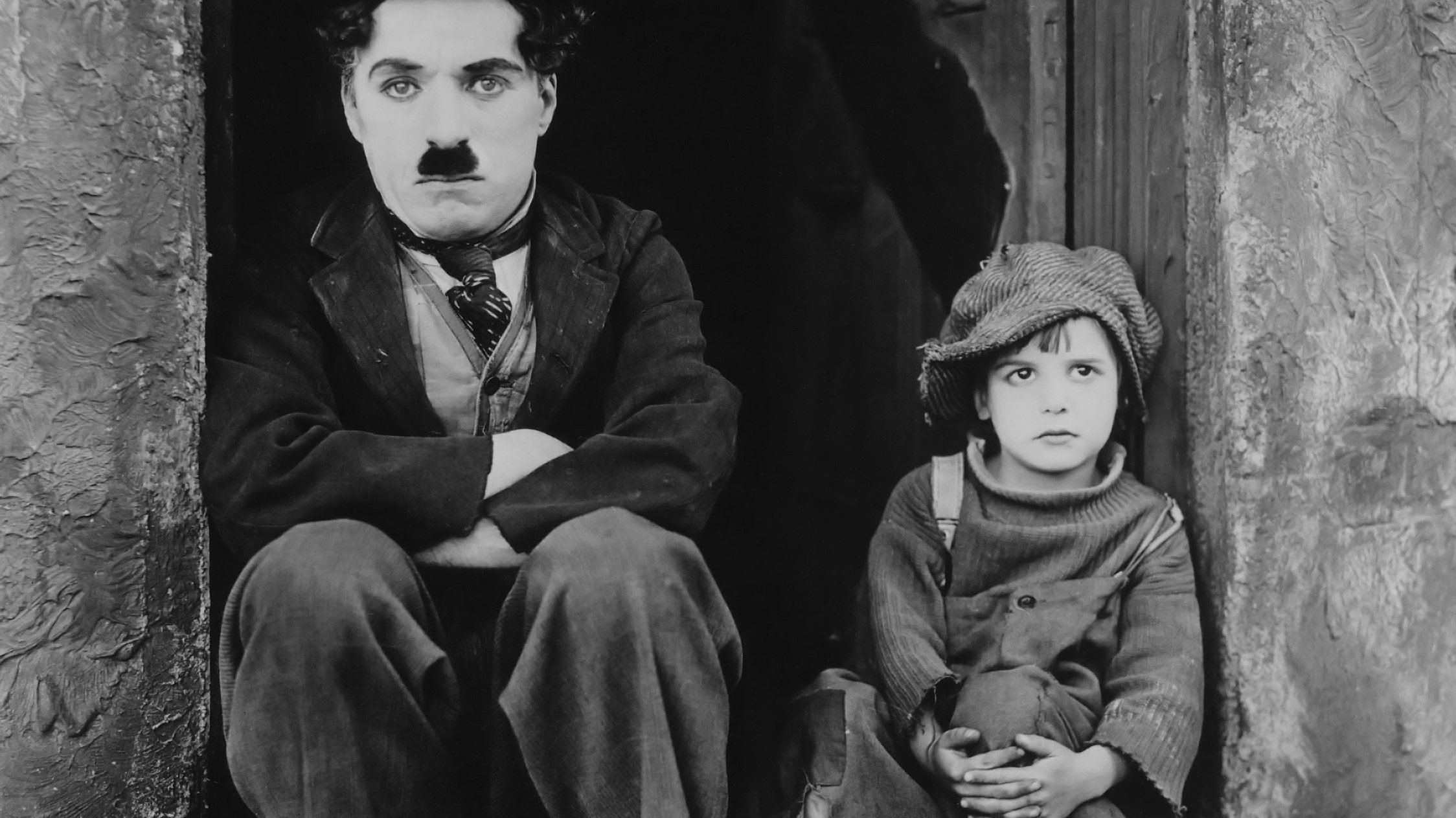
An abandoned baby comes into the care of a tramp, who takes on the work of raising a child despite his own poverty. Charlie Chaplin plays the Tramp, and Jackie Coogan is the boy who shares his makeshift home. Their daily life in the slums supplies the physical comedy as the pair forms a household with little to spare. The story follows the responsibilities and difficulties that come with looking after someone else. Edna Purviance appears as the Woman and Carl Miller as the Man in this comedy-drama about an improvised family.

Plays from YouTube when you press play; nothing loads from them until then.

Fi1m review

Charlie Chaplin’s The Kid is a warm, sharply judged comedy about caring for a child with scarcely anything to spare. Jackie Coogan makes the affection convincing, even when Chaplin’s fondness for sentiment gets the better of him.

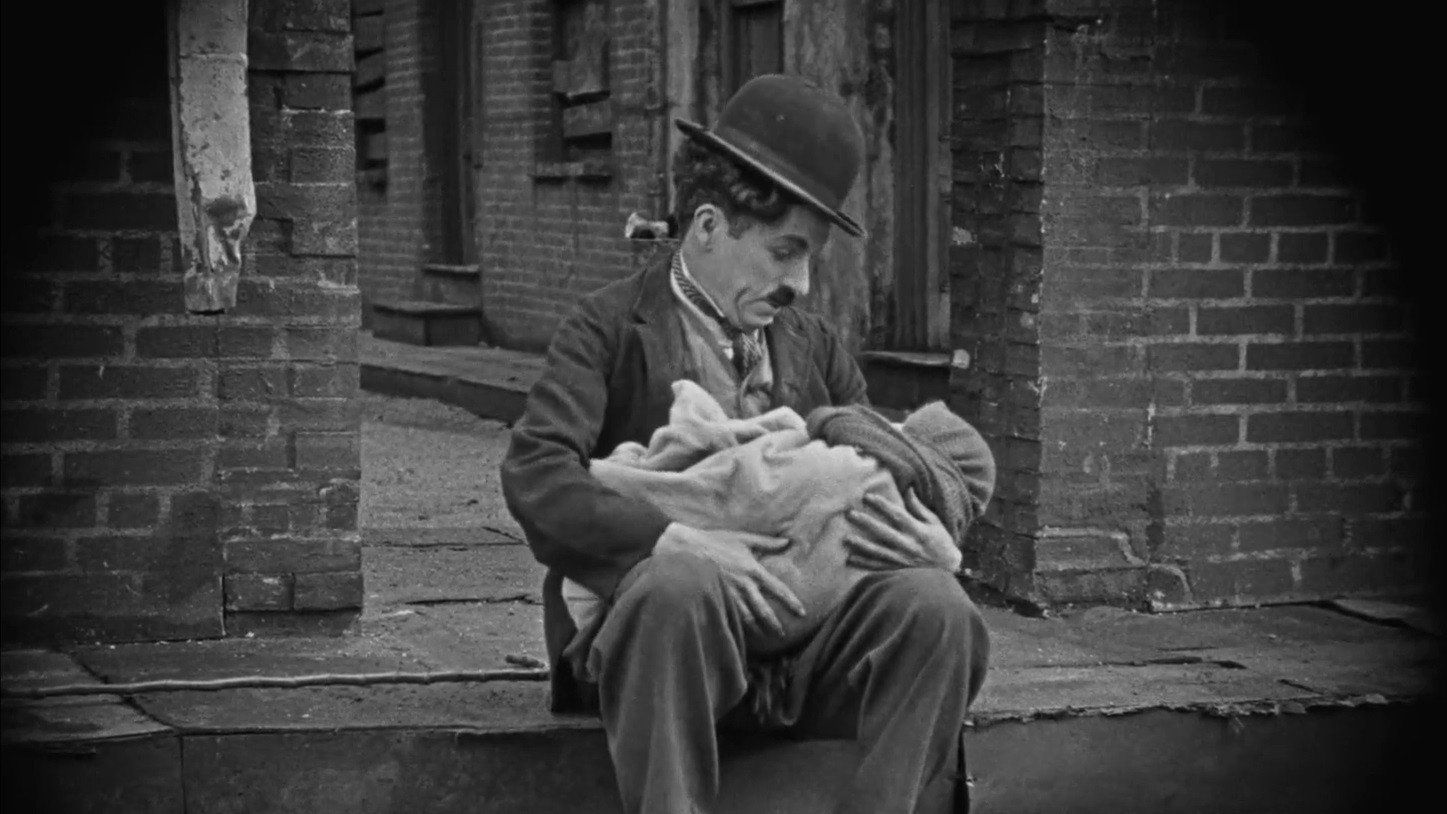
Charlie Chaplin gives the Tramp a child to look after, then finds comedy in the work of caring for him. The Kid is a fine, funny film whose affection survives some rather determined attempts to make us feel sorry for its characters. An abandoned baby comes into the care of a man who scarcely seems equipped for the job. Chaplin lets their life together become familiar enough that we begin to take the household as seriously as they do.

Jackie Coogan is essential because the boy gets to contribute to the comedy. His charm is considerable, but he also has something to do besides being cherished, and the shared routines give him a proper place beside Chaplin. We were moved by the sight of the Tramp simply getting on with looking after him. There is nothing grand about the care, which is why it feels convincing. Coogan makes the child seem comfortable in this company, and that ease holds their scenes together.

Roland Totheroh’s cinematography serves the physical performances well, keeping the Tramp’s movements clear within the detailed slum setting. The surroundings matter: they make it difficult to forget how little this household has, even when the comedy is at its lightest. The domestic spaces also give the performers something to work against, so the setting earns its place in the jokes. We can enjoy Chaplin’s grace while remaining aware that these are poor people trying to get through a day.

Chaplin’s editing gives the jokes time to register without repeatedly bringing the story to a halt. At 68 minutes, the film allows its central relationship to settle into a recognisable daily life. Chaplin is credited with the music too, and here the urge to help us feel becomes less welcome. The score’s tenderness can press a point the actors have already made, particularly when Coogan’s presence is sufficient to earn our sympathy.

The same problem affects the direction when Chaplin leans too hard on the child’s appeal. We are occasionally asked to feel sorry for the boy just when his comic independence has made him interesting, and the insistence reduces what Coogan has achieved. This never wrecks the film, but it does make the sadness feel arranged in places. The poverty around the pair supplies ample reason for concern, without further encouragement to regard them tenderly. For a family comedy, though, its detailed account of slum life is unusually unwilling to make poverty look cosy.

There is no need to approach The Kid as an improving encounter with early cinema. Come for the physical comedy and give the child as much attention as the man whose name occupies so many of the credits. We recommend it warmly, with a warning for anyone impatient with overt appeals to sympathy: Chaplin will make them, even after the boy has made them unnecessary.

Critical consensus AI synthesised

5 of 6
Positive
5
Mixed
0
Negative
0
The AV Club
13 February 2016 · A- · Ignatiy Vishnevetsky
90

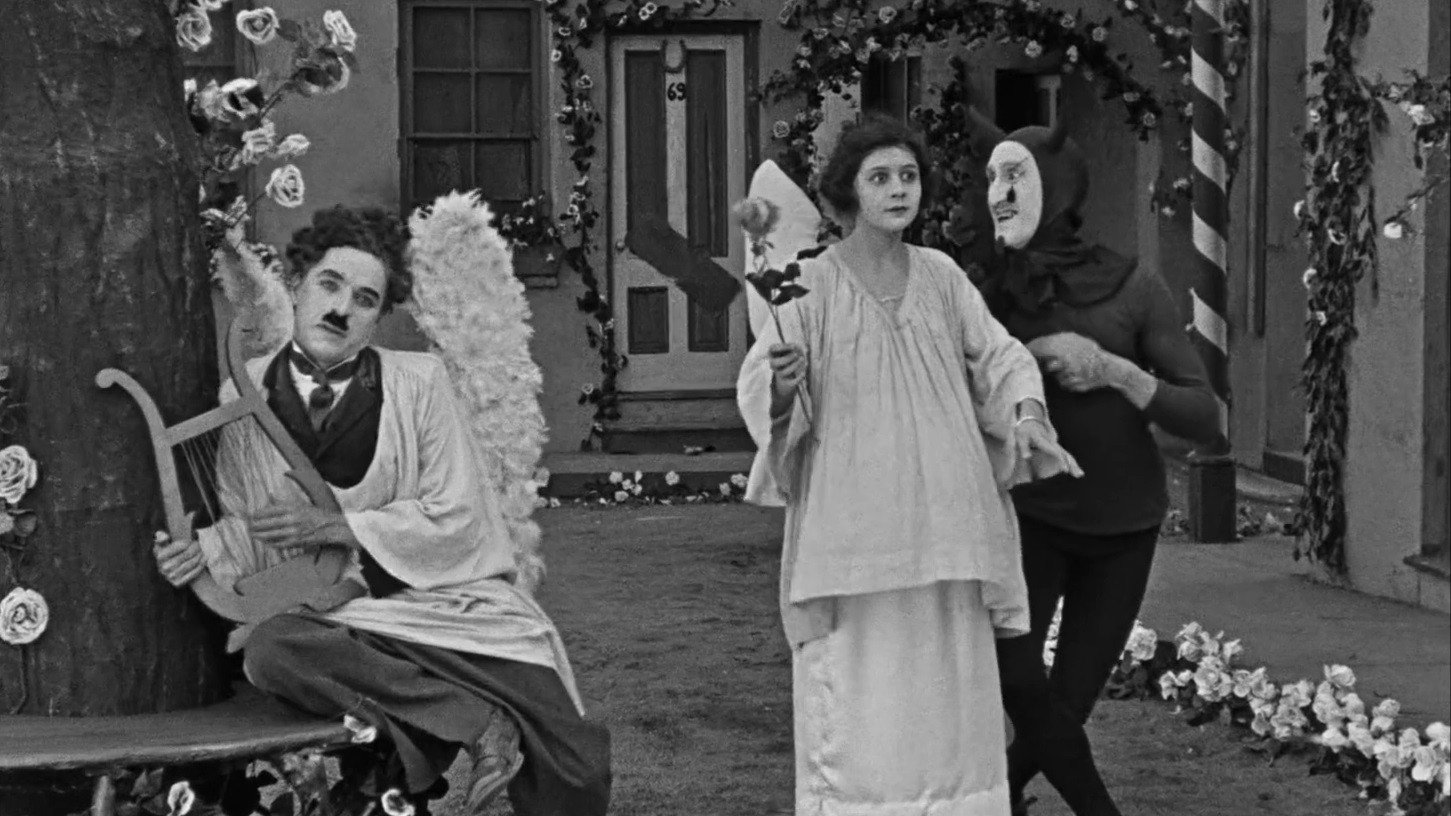
The critic highlights the film's enduring emotional power and Chaplin's skill at blending comedy with genuine feeling, especially in the Tramp's bond with the boy and the heavenly fantasy sequence. The review notes the work's personal resonance and technical ambition as a transitional piece in Chaplin's career.

Read the full review →
The New York Times
22 January 1921
85*

Chaplin returns at his best in a real comedy with plot, characters, and balanced fun and sadness. The standout is young Jack Coogan as the Kid, with effective laughs from situations and a well-timed story of a derelict caring for an abandoned baby.

Read the full review →
Slant Magazine
16 February 2016 · Clayton Dillard
80*

The critic emphasizes the film's blend of sentiment and social observation through the Tramp's makeshift domestic life with the boy, praising its autobiographical undertones and inventive physical comedy. The review singles out the rooftop chase and dream sequence for illustrating Chaplin's intuitive grasp of urban space and human emotion.

Read the full review →
Time Out
10 September 2012 · GB
75*

The critic describes Chaplin's first feature as a note-perfect mixture of humour and pathos in which sentimentality is balanced by harsh reality. They single out the Tramp's pantomimic grace and the detailed, Stroheim-like depiction of slum life.

Read the full review →
Empire
1 January 2000 · Nick Dawson
70*

The critic notes that Chaplin's first feature includes some wonderful comic sequences yet is slightly marred by heavy-handed sentimentality. Coogan's cherubic charm is singled out as making the film special.

Read the full review →
Variety
31 December 1920 · Variety Staff

The critic finds Chaplin more actor than buffoon here while retaining all his comedy, with no dull moments. The film delivers laughter, delight, and sympathy through its story and standout performances, especially from Jackie Coogan, highlighted by imaginative touches like the heaven dream sequence.

Read the full review →

Cast

Stills

If you liked this, try…

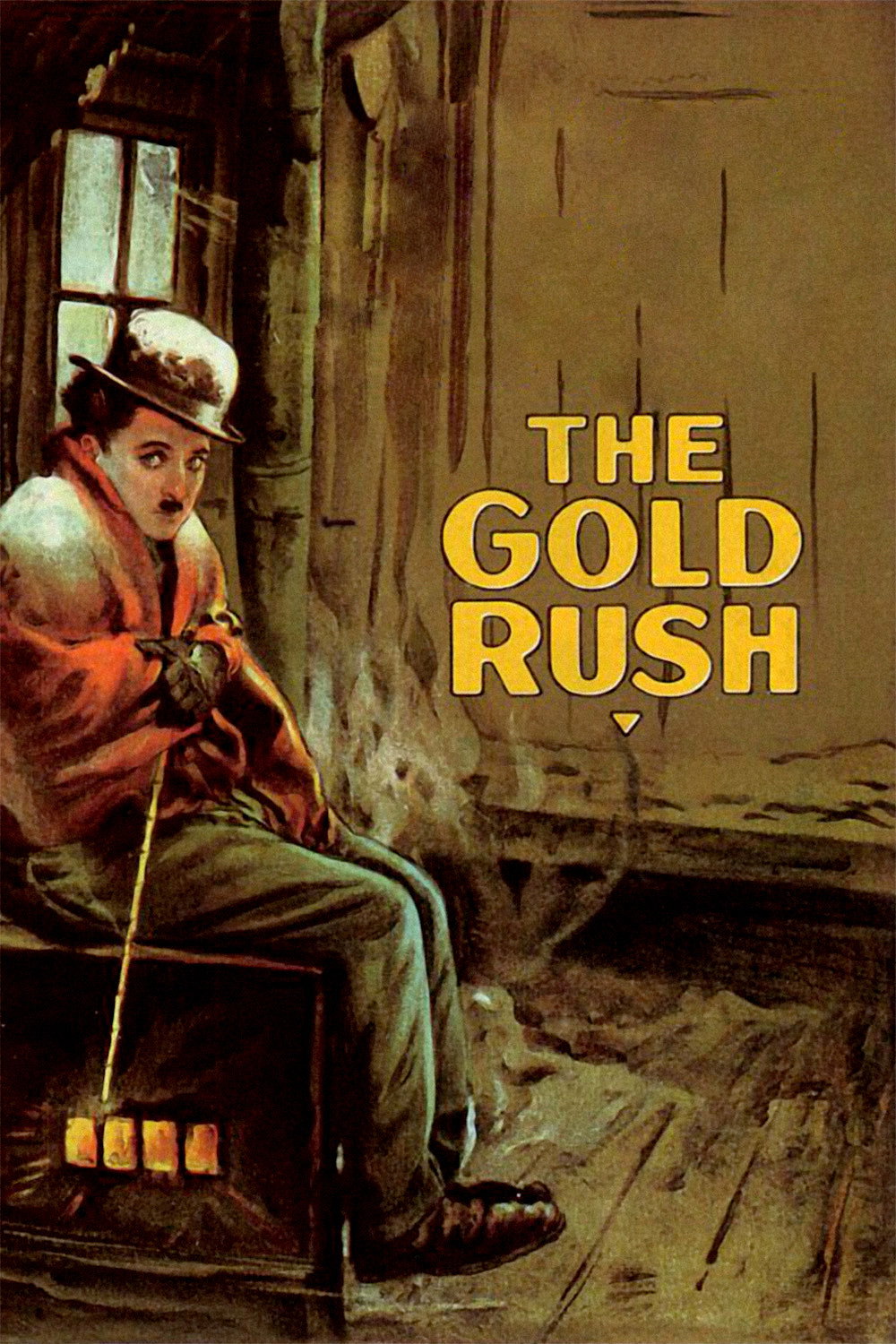
The Gold Rush poster

The Gold Rush

1925 · Chaplin gives hunger and loneliness comic routines without making either seem trivial.

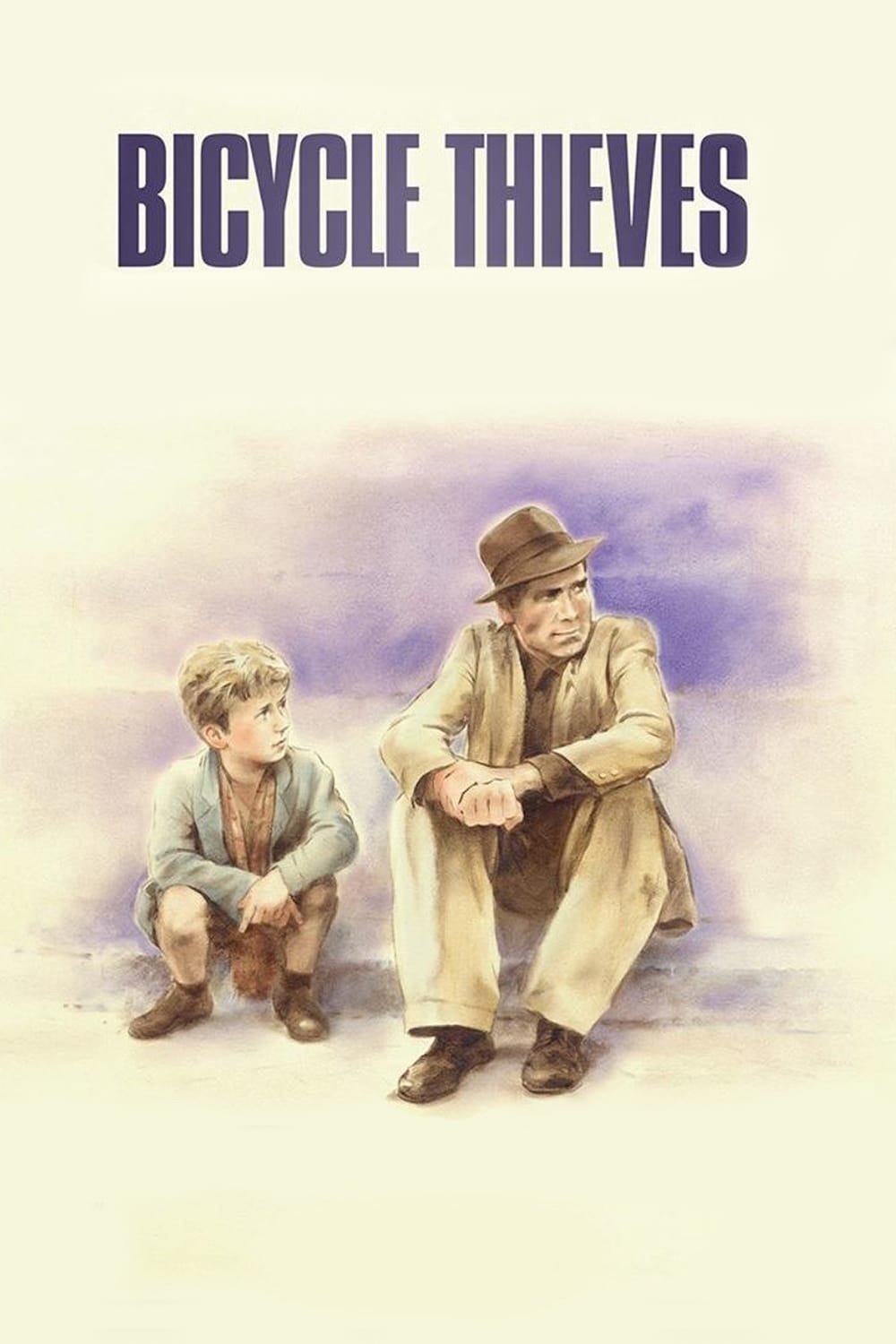
Bicycle Thieves poster92

Bicycle Thieves

1948 · A father and son face poverty together, with much less protection from comedy.

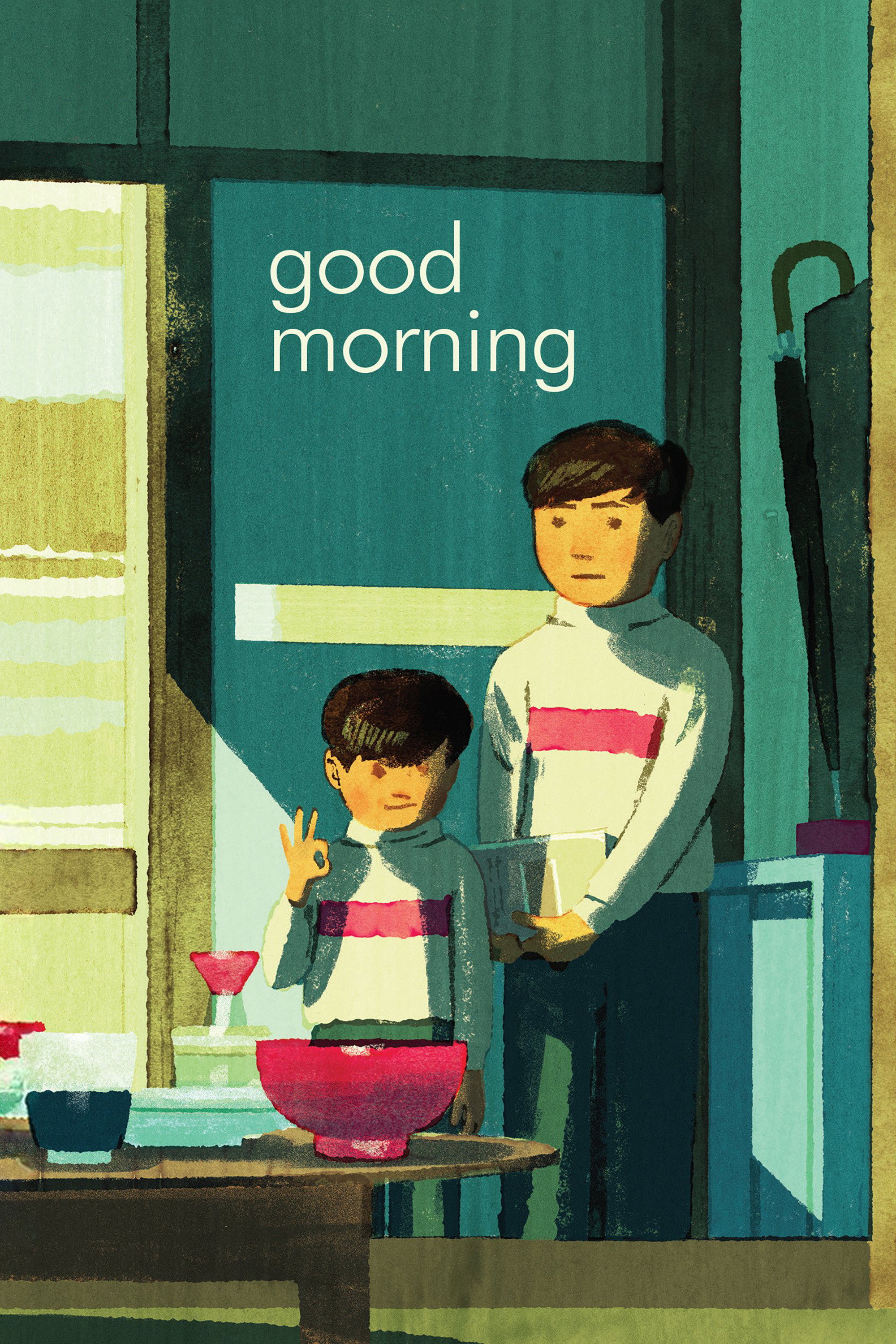
Good Morning poster

Good Morning

1959 · Children disrupt domestic routines in a gentler comedy about neighbours and family.

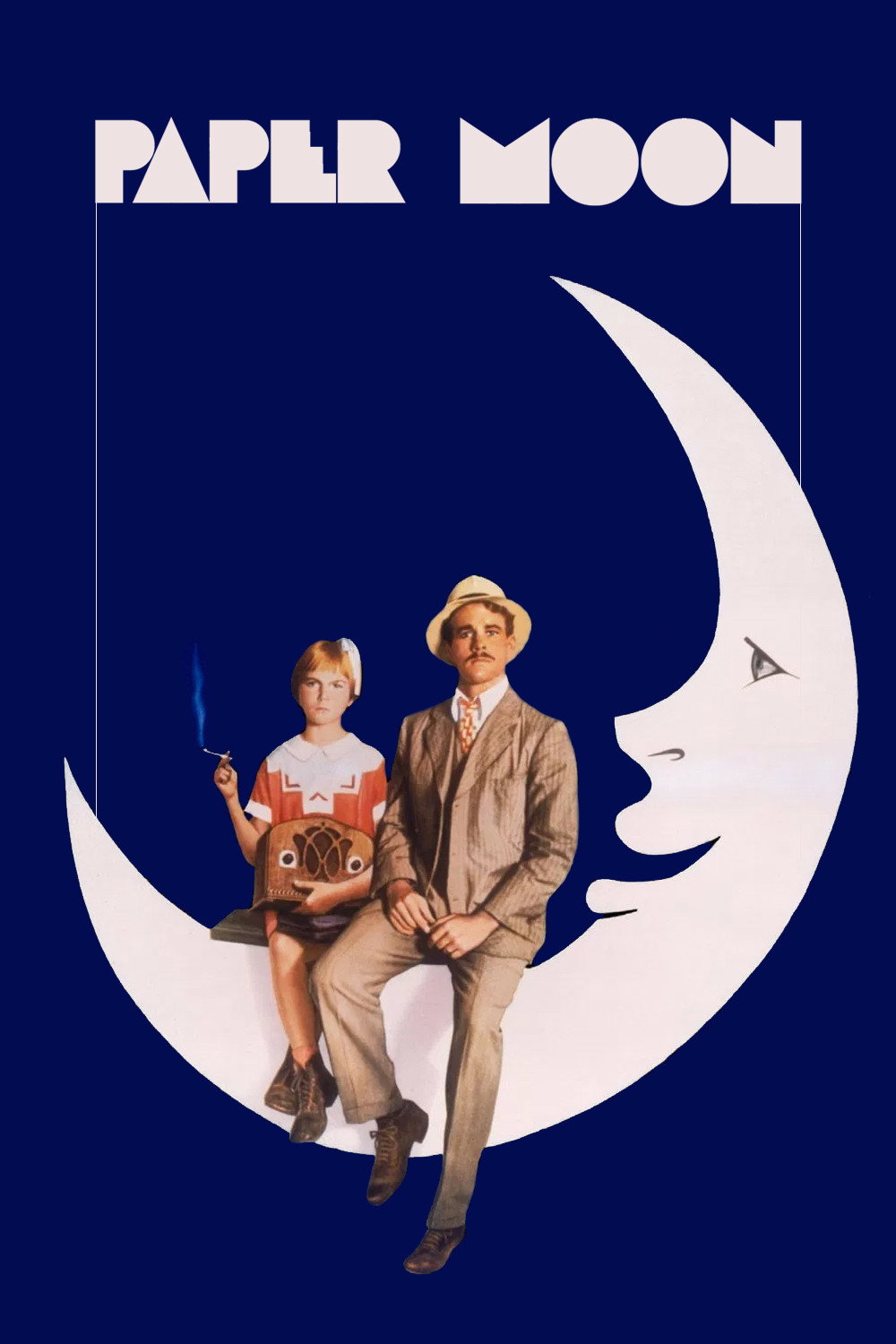
Paper Moon poster

Paper Moon

1973 · A child and an unreliable adult build an affectionate partnership through petty fraud.

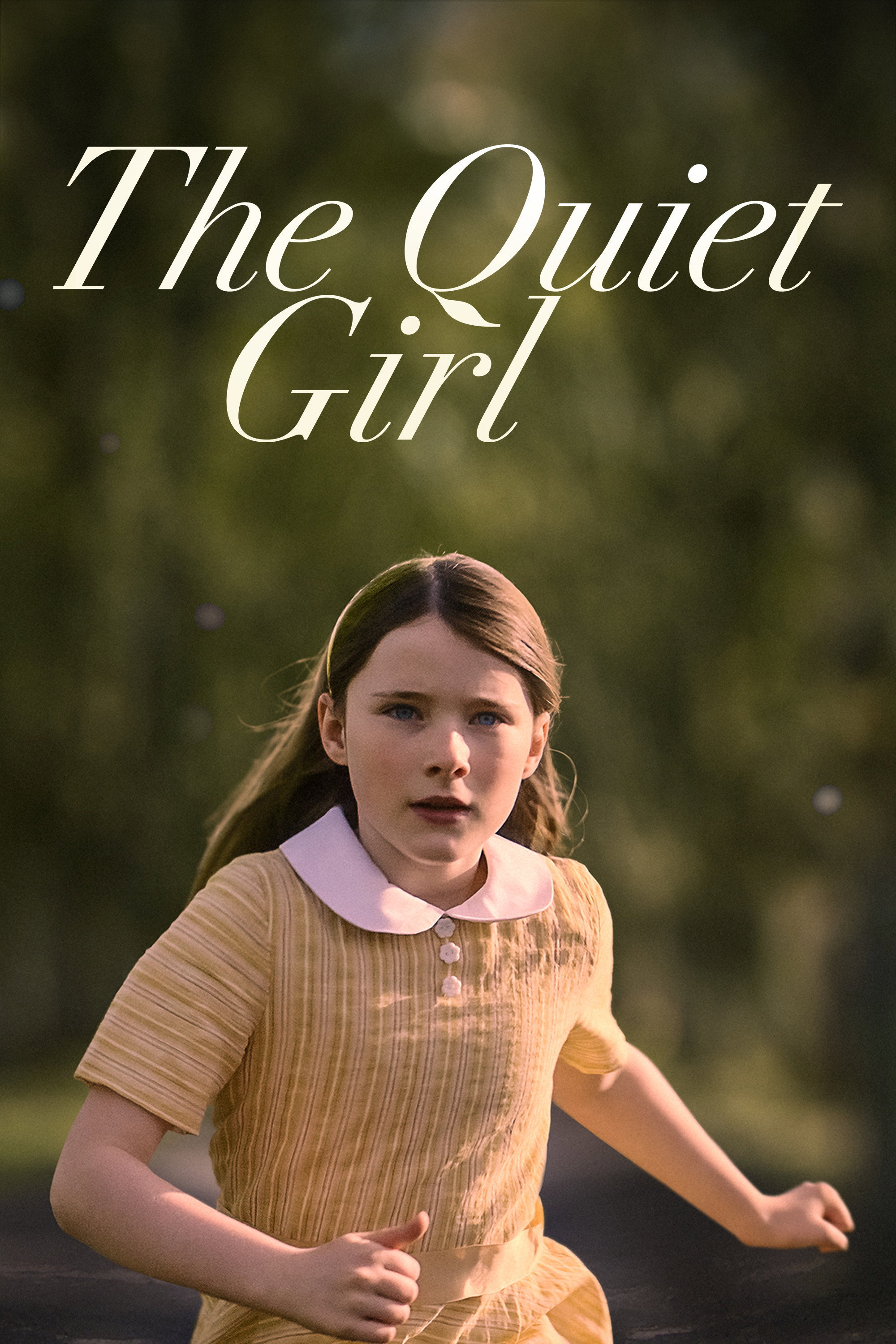
The Quiet Girl poster

The Quiet Girl

2022 · A neglected child finds care expressed through small, patient acts of attention.