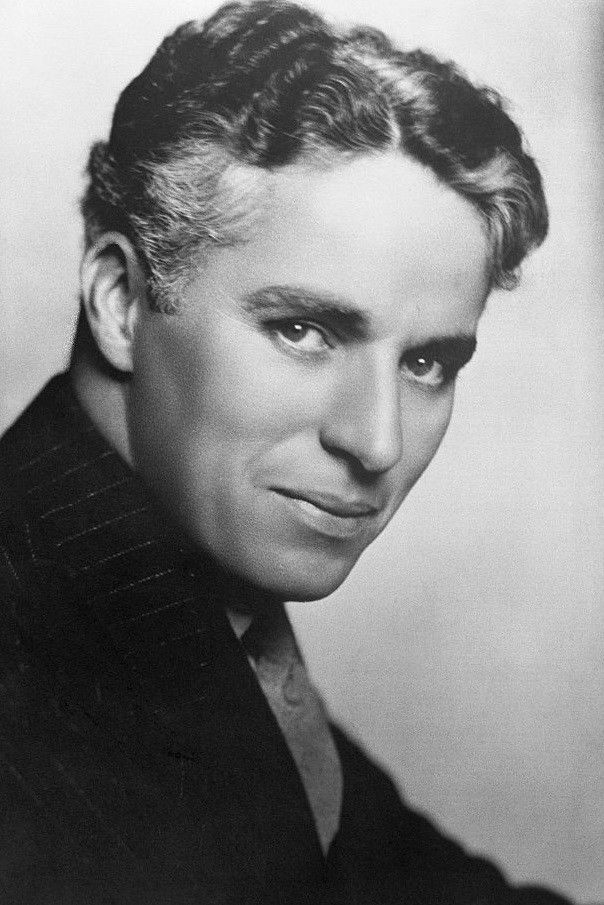
Charlie Chaplin makes the effort of keeping up painfully funny, and lets the discomfort show. We recommend him warmly for that precision and sympathy, with Modern Times also revealing how loosely he could join his routines together.
Fi1m perspective
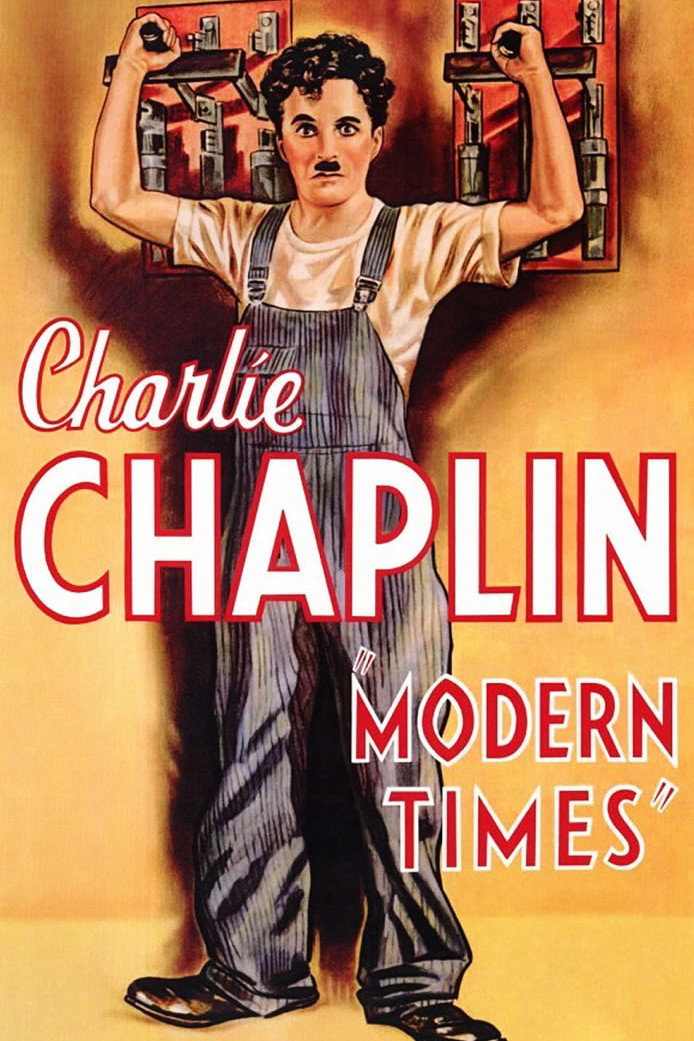
In Modern Times (1936), Chaplin’s factory worker repeats the movements demanded by a conveyor belt until keeping up becomes a struggle we can read in his body. The timing is exact, but he never makes the job look easy. We laughed at the feeding machine, then felt uneasy because the routine keeps showing how little the worker’s comfort matters. Chaplin lets that discomfort register without asking his Tramp to stop being ridiculous.
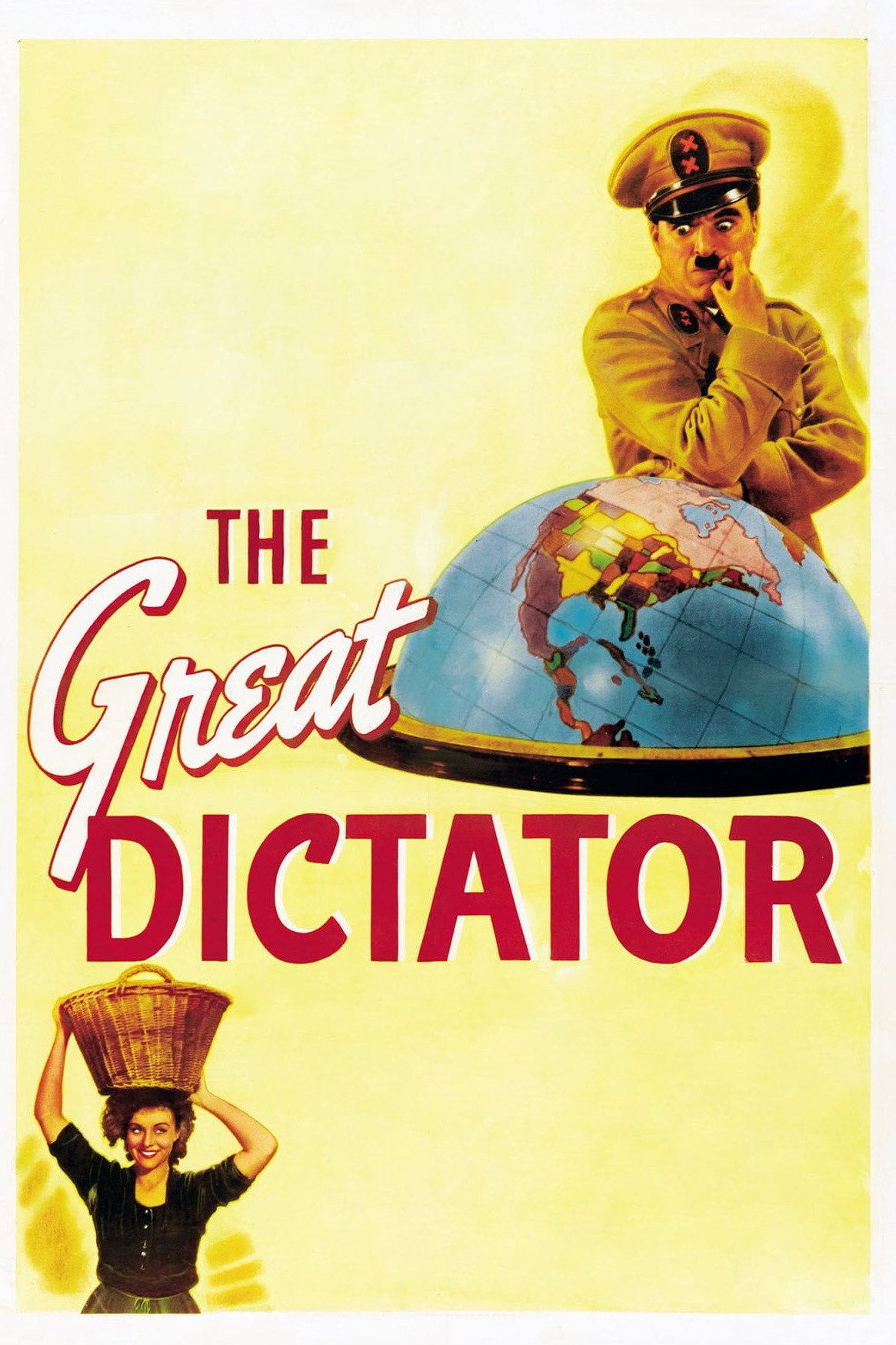
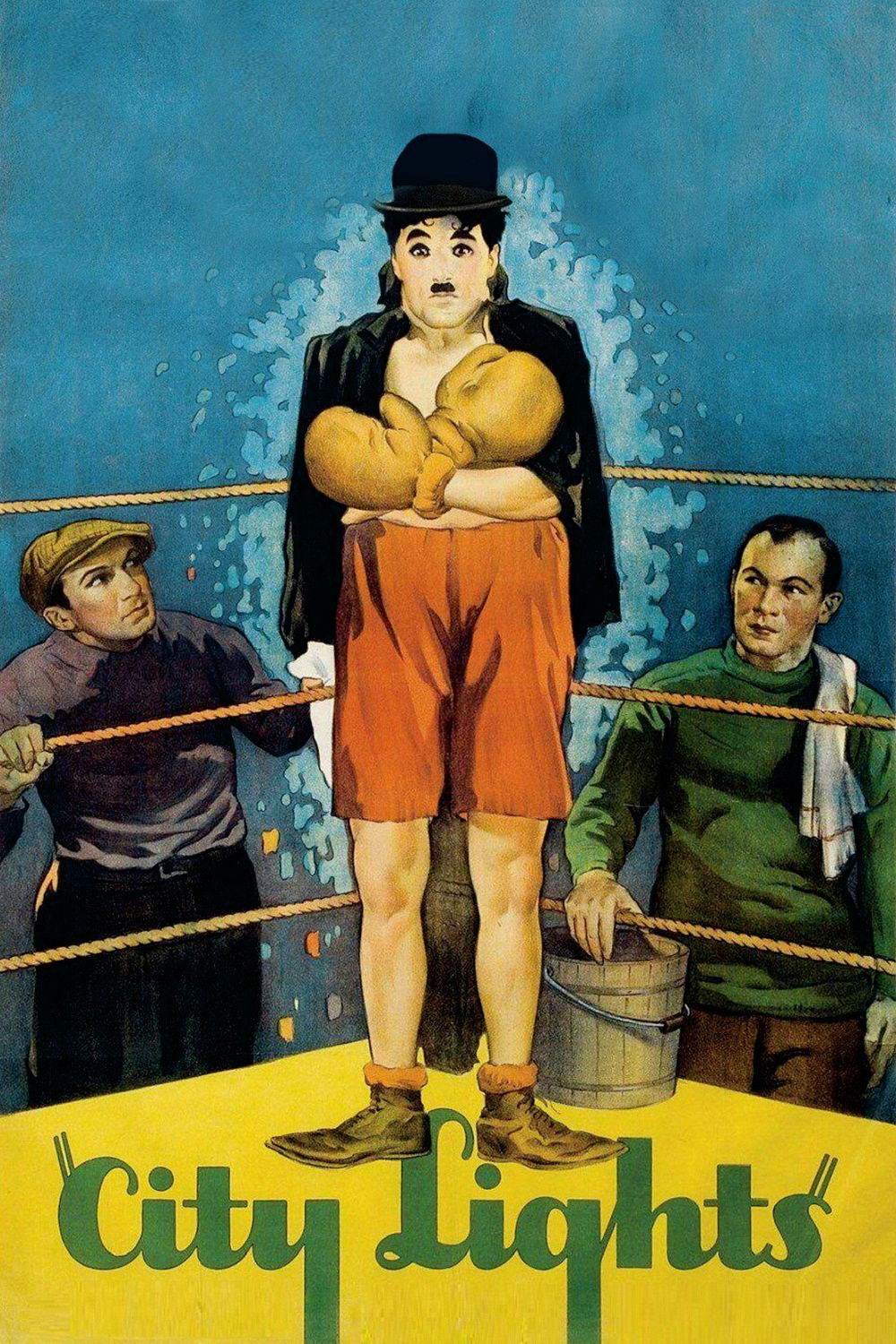
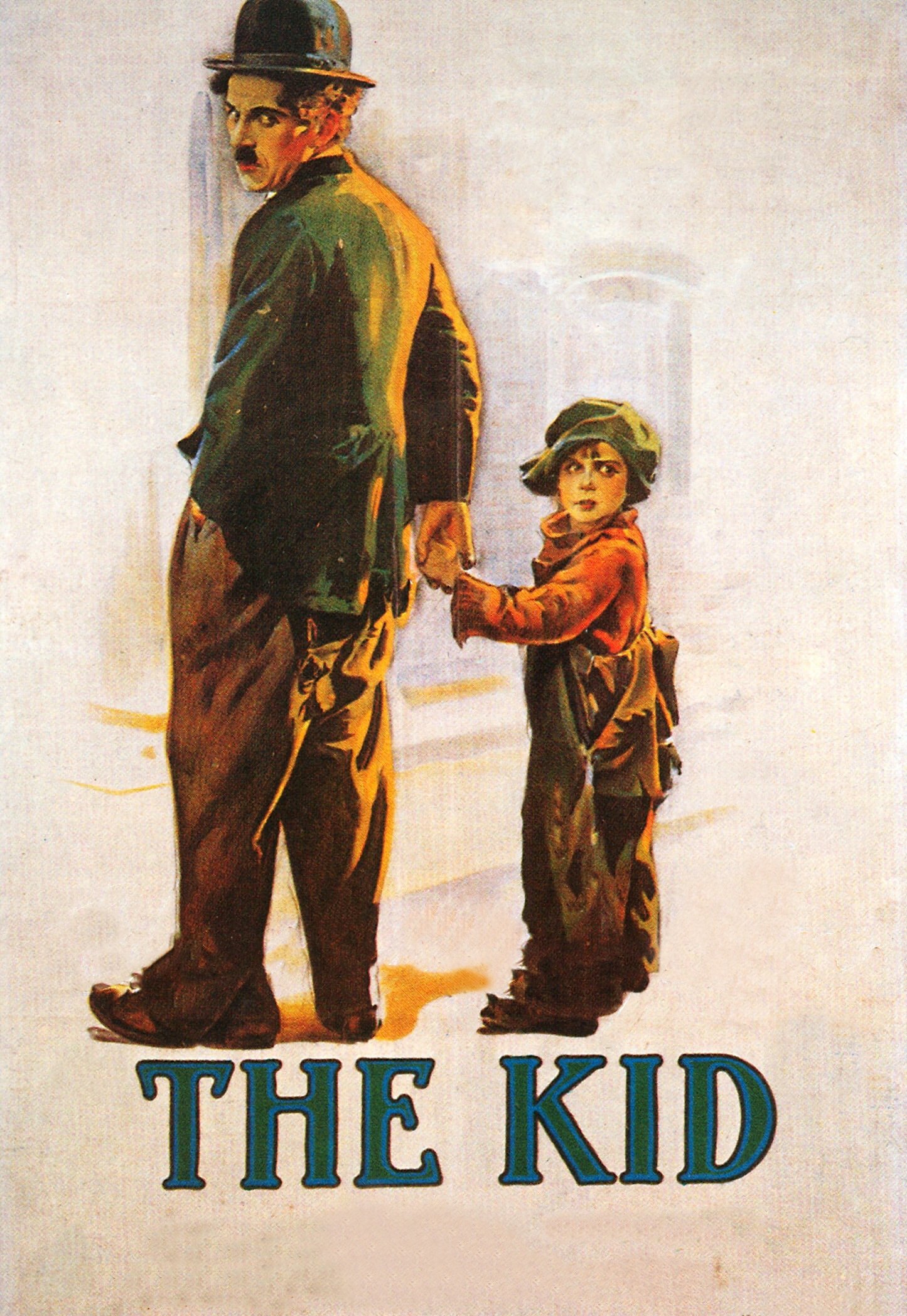
The Tramp, created in 1914, was shabby but fastidious, dressed in baggy trousers, a tight coat, a small hat and large shoes. The Kid (1921), his first feature, gave that figure a sustained story through his care for an abandoned child. By City Lights (1931), Chaplin was still building a silent film around the Tramp, this time through his relationship with a blind flower-seller. Modern Times marked the character’s final appearance; his first full talkie came with The Great Dictator (1940).
As a director, Chaplin favours a largely still camera and long takes that leave the movement to the performer. We see the sense of that restraint in Modern Times: the difficulty has to be legible before the response can be funny. Editing with Willard Nico, he gives each physical joke time to develop. There is little reason to move the camera when the actor is already doing so much. The greater reliance on talk and theatrical staging in Limelight (1952) is less persuasive.
The trouble is connecting those jokes, and Modern Times can feel assembled from favourite passages rather than carried forward by its story. Paulette Goddard’s Gamin meets his comic energy and makes companionship seem worth hoping for. Yet the screenplay, also Chaplin’s, gives their relationship less attention than it deserves. Their appeal makes us wish he had spent longer developing the romance. We would start with Modern Times, provided a wandering story is not going to spoil the evening.
Biography
Charles Spencer Chaplin was an English actor, director, screenwriter, producer, editor and composer. He was born on 16 April 1889 in London and died on 25 December 1977 in Switzerland.
Chaplin is credited as director, writer, producer, editor, composer and actor (as The Tramp, a factory worker) on Modern Times (1936). He is also credited as director, writer, composer and actor (as Adenoid Hynkel and a Jewish barber) on The Great Dictator (1940). He co-founded United Artists in 1919.