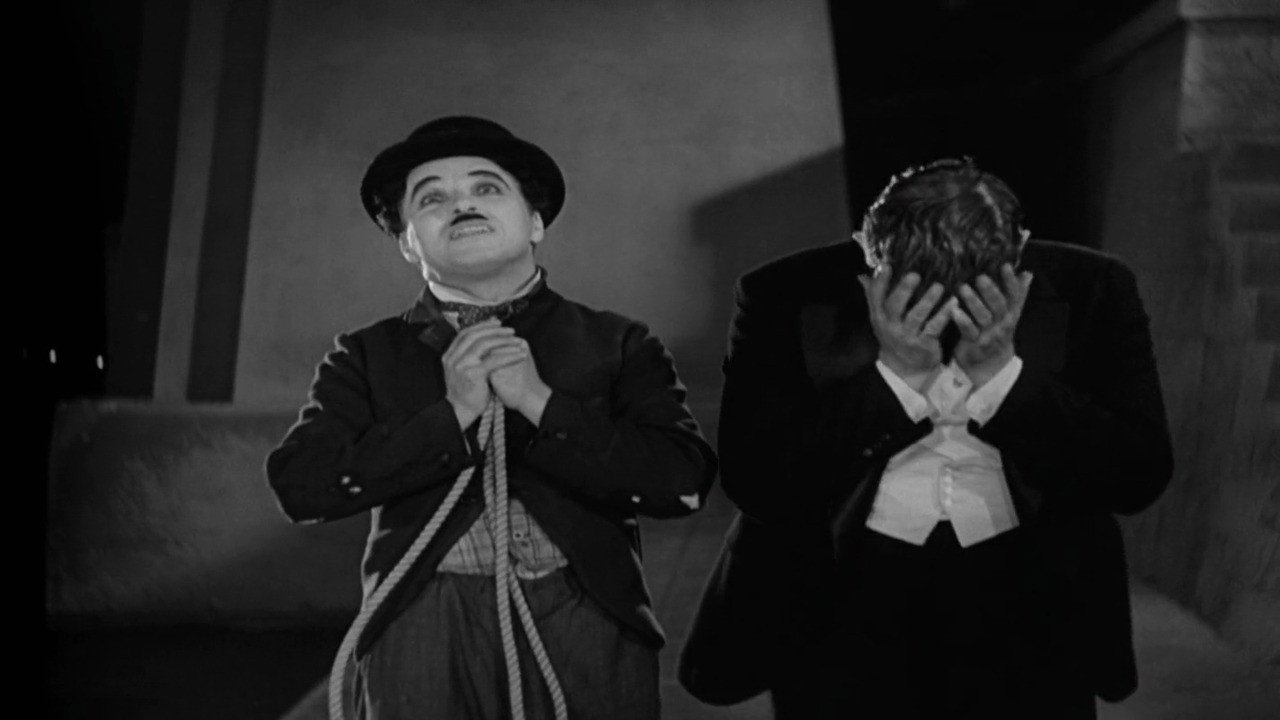
Chaplin’s City Lights is a funny, affecting romance whose physical comedy makes the tenderness convincing. The pace sometimes slackens, but we recommend it for the precision of the gags and the care it takes with its tramp.
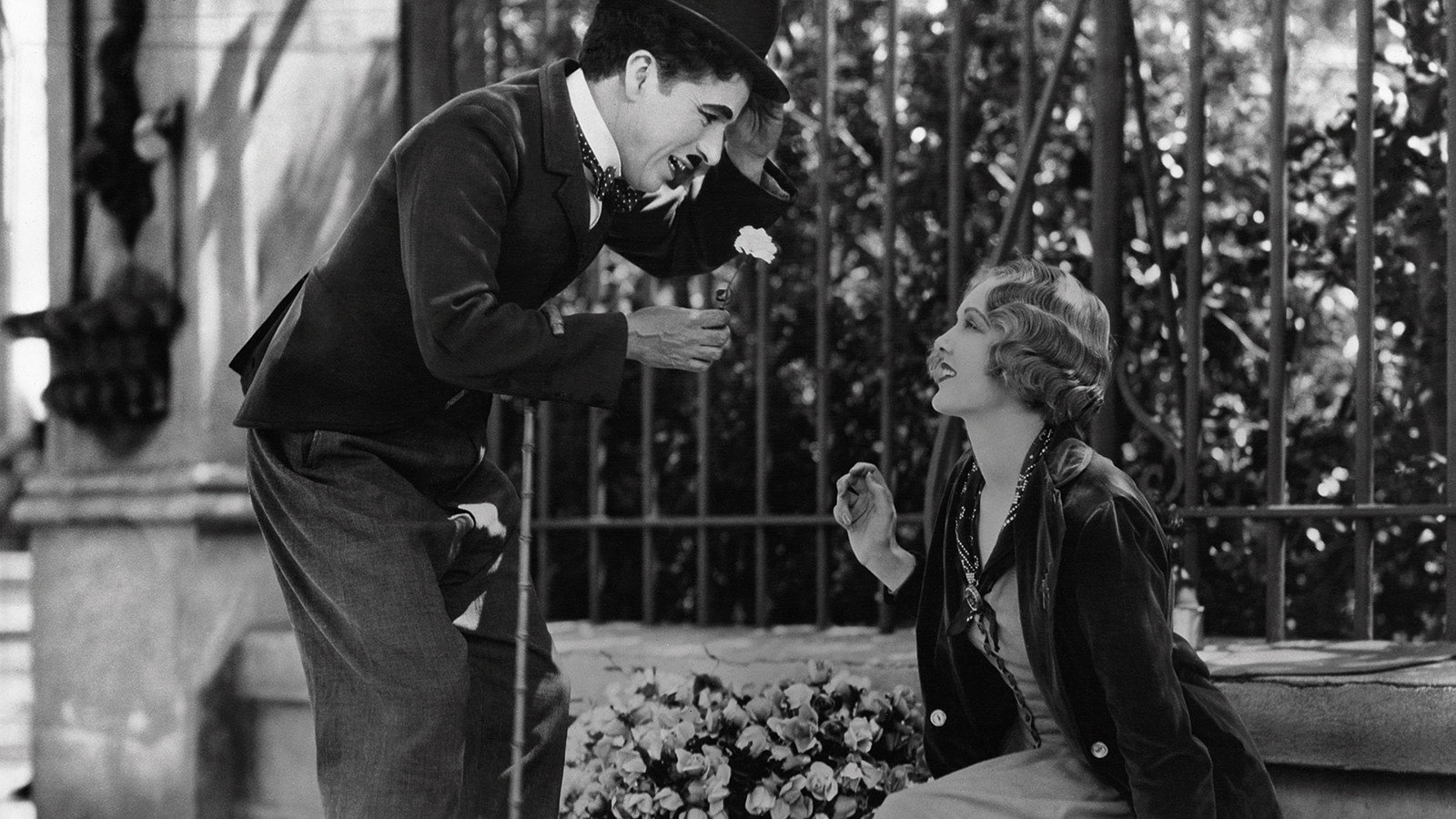
Chaplin makes the romance in City Lights matter because he never stops finding its hero funny. We recommend it, with a small reservation about how long it sometimes asks us to contemplate his sadness. A tramp’s love for a blind flower-seller could have become an exercise in pity, but Chaplin keeps giving us reasons to laugh. The tramp can want affection and still make a fool of himself in trying to get it.
We laughed at the opening mockery of talking pictures, because Chaplin gets his point across without giving the tramp a speech of his own. The joke also makes clear how much expression he can get from a body when words are taken away. His pantomime stays readable without making every feeling look like a demonstration for the back row. He gives us time to notice small changes in his behaviour, and that makes the comedy feel personal.
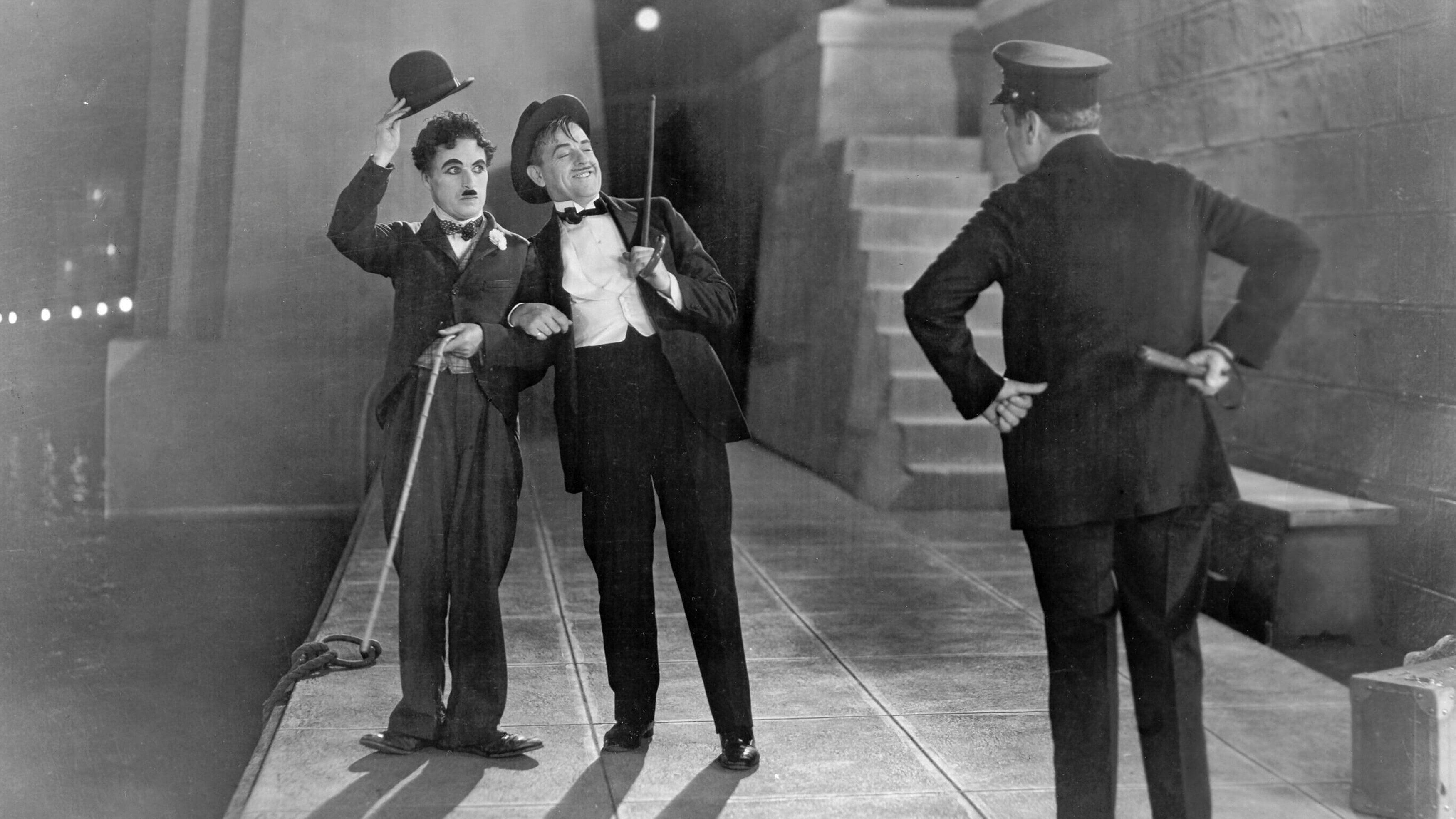
Roland Totheroh and Gordon Pollock’s cinematography serves that performance by letting us follow the physical business without straining to understand it. We can see Chaplin thinking as well as moving, and the photography gives us time to register both. Henry Clive’s production design makes the difference between the tramp’s circumstances and the millionaire’s easy to grasp. It supports the comedy about money without requiring the film to stop and explain who has it.
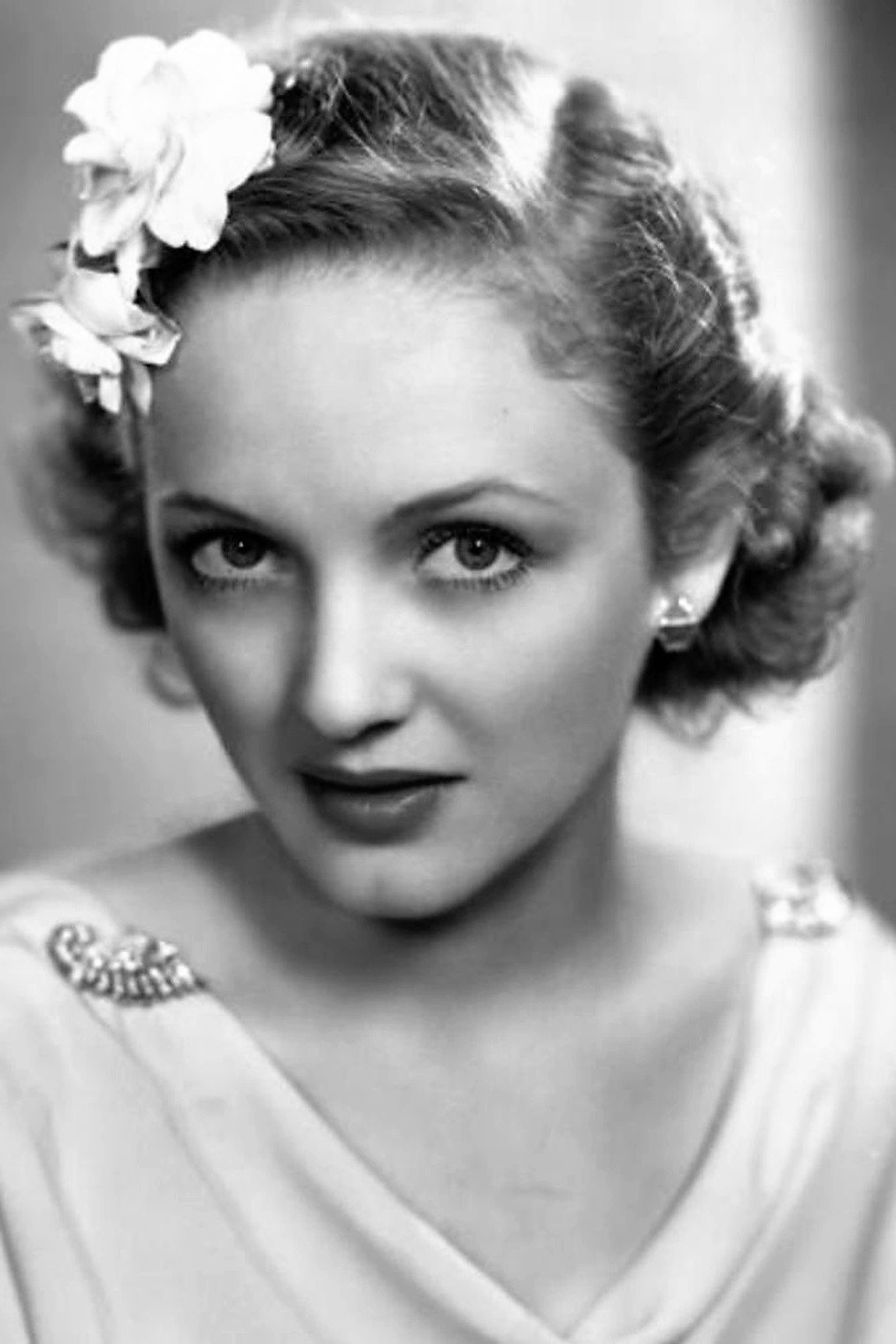
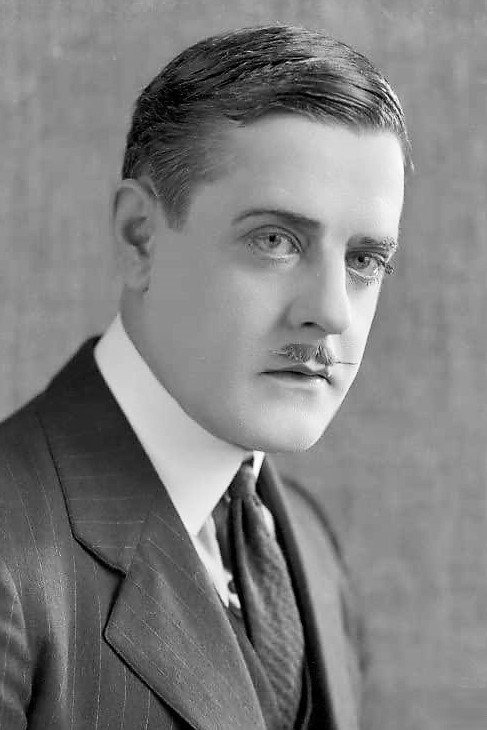
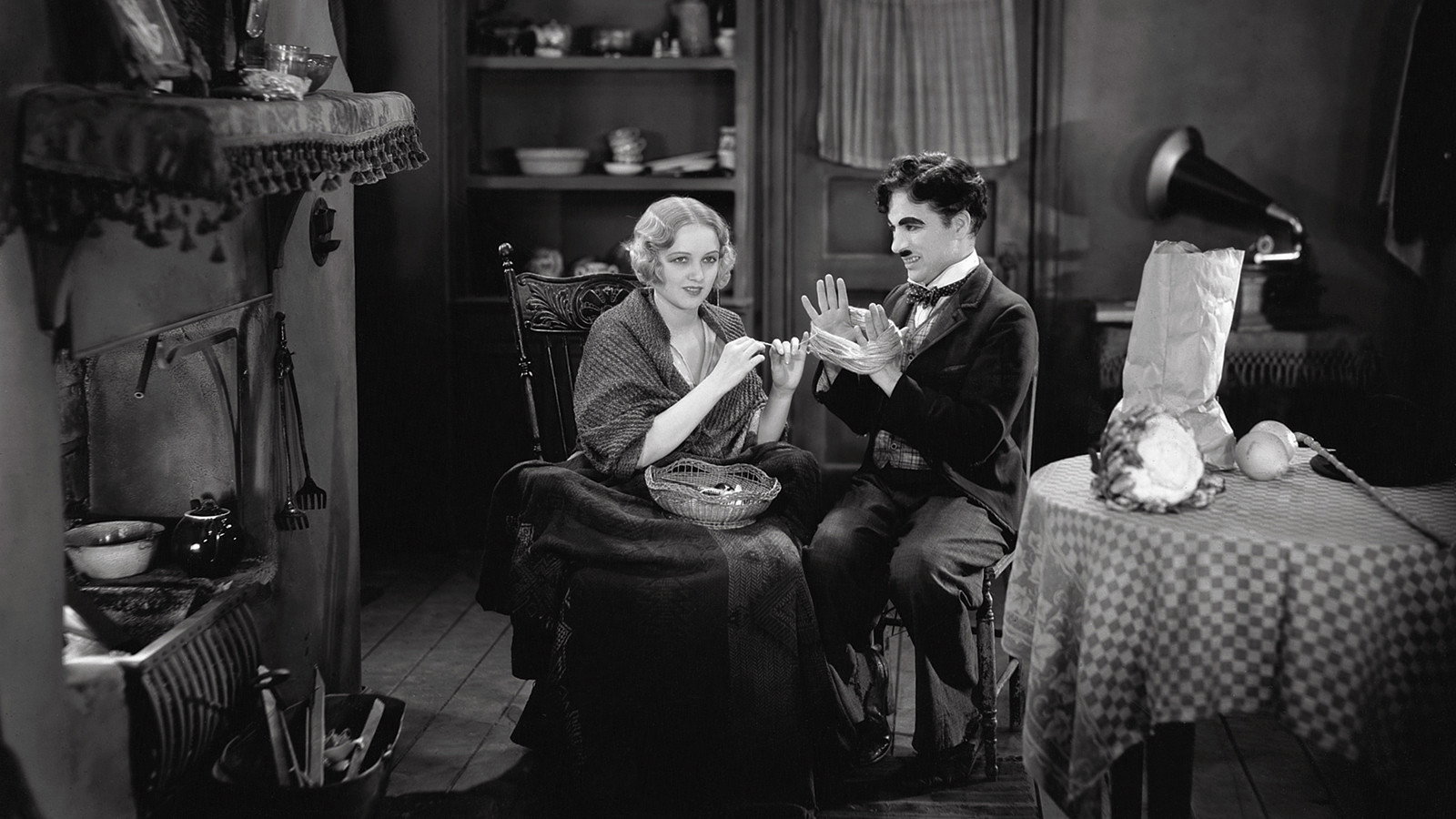
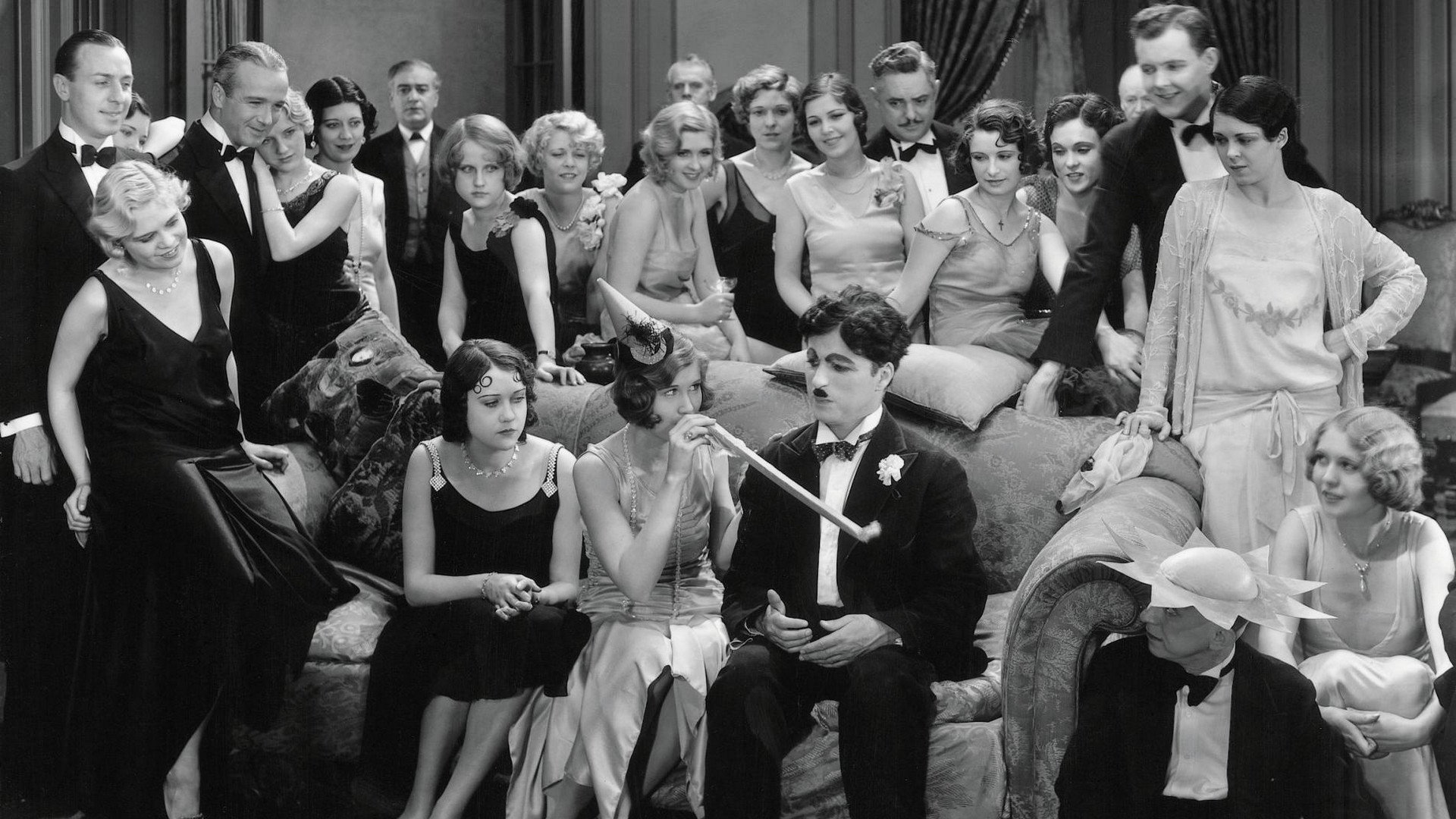
Virginia Cherrill gives the blind flower-seller enough quiet presence that Chaplin does not have to perform every feeling for both of them. The romance benefits from the difference in their energy; the film can slow down without immediately becoming solemn. Harry Myers, as the eccentric millionaire, gives the comedy a broader social reach. Putting him alongside the tramp lets Chaplin make money part of the joke rather than pretend that wanting to be loved cancels out being poor.
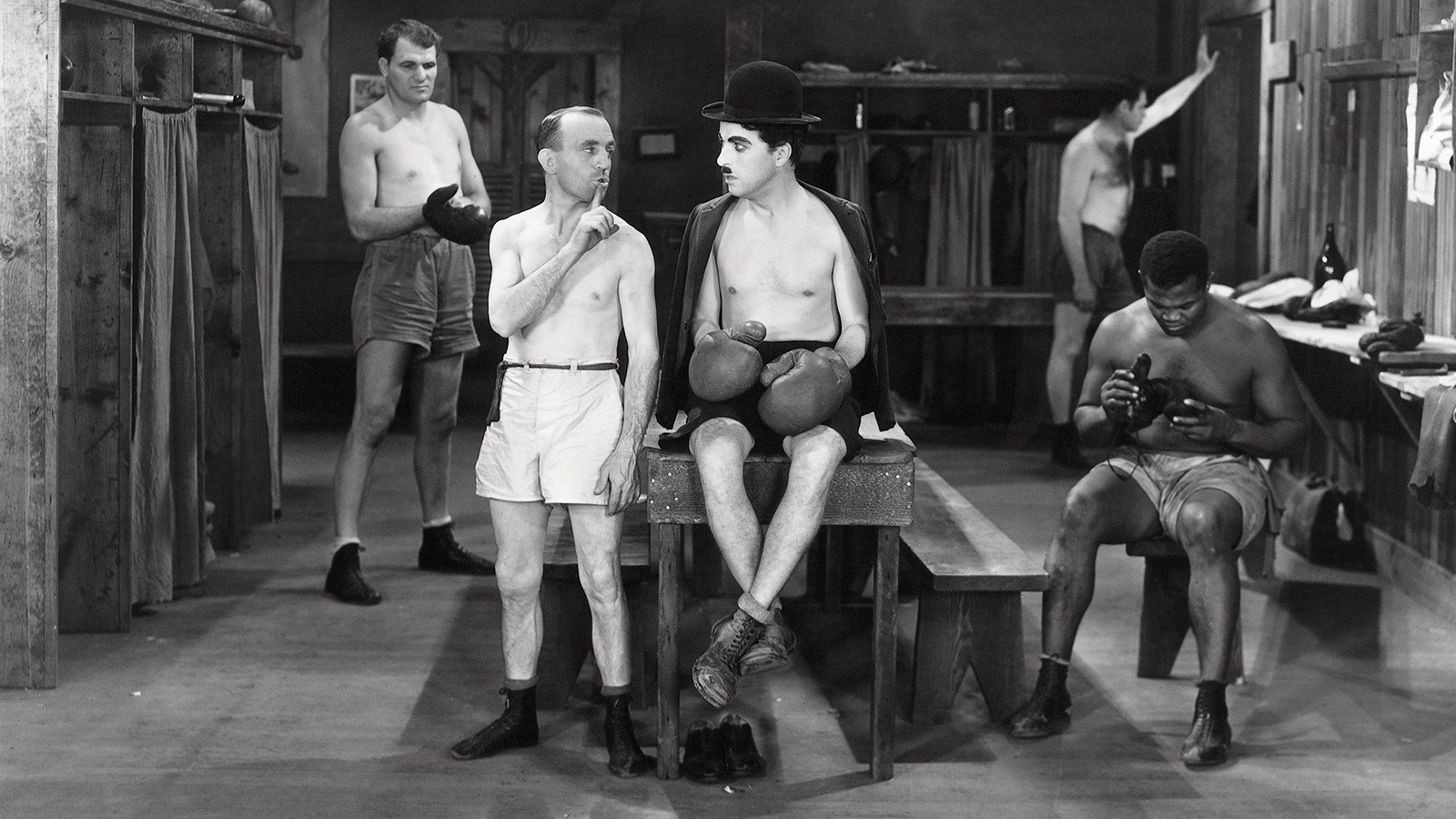
Chaplin and co-editor Willard Nico are sharper within individual gags than across the whole 87 minutes. The prize-fight sequence shows how much comedy depends on giving us time to understand a physical predicament before changing it. Between the set pieces, though, the film sometimes holds on to sadness after we have understood it. A little less insistence would have made the tenderness easier to accept, and the loose structure leaves room for that insistence to accumulate.
Chaplin’s score keeps the romance close even when the physical comedy takes over. The music does more than fill the gap left by speech: it encourages us to regard this awkward man tenderly. The sound effects can be brisk and mischievous, adding a comic interruption rather than explaining a feeling. We prefer that lightness to the moments when the score seems to ask for sympathy we have already given.
There is no need to make allowances for the lack of dialogue. The romantic-comedy test is still whether we want these people to find happiness, and Chaplin makes us care about the possibility. At 87 minutes, the film is short enough to risk even if pantomime is not usually your evening’s entertainment. Do not put it on as background company; Chaplin needs you to look at him.