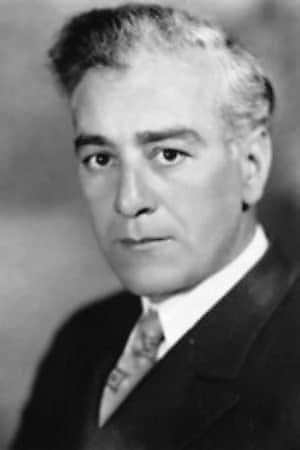
Al Ernest Garcia gives Chaplin's Tramp a useful opponent: authority with little interest in being kind. We value his stern supporting performances, especially the butler and factory president who make Chaplin's comedy feel less cosy.
Fi1m perspective
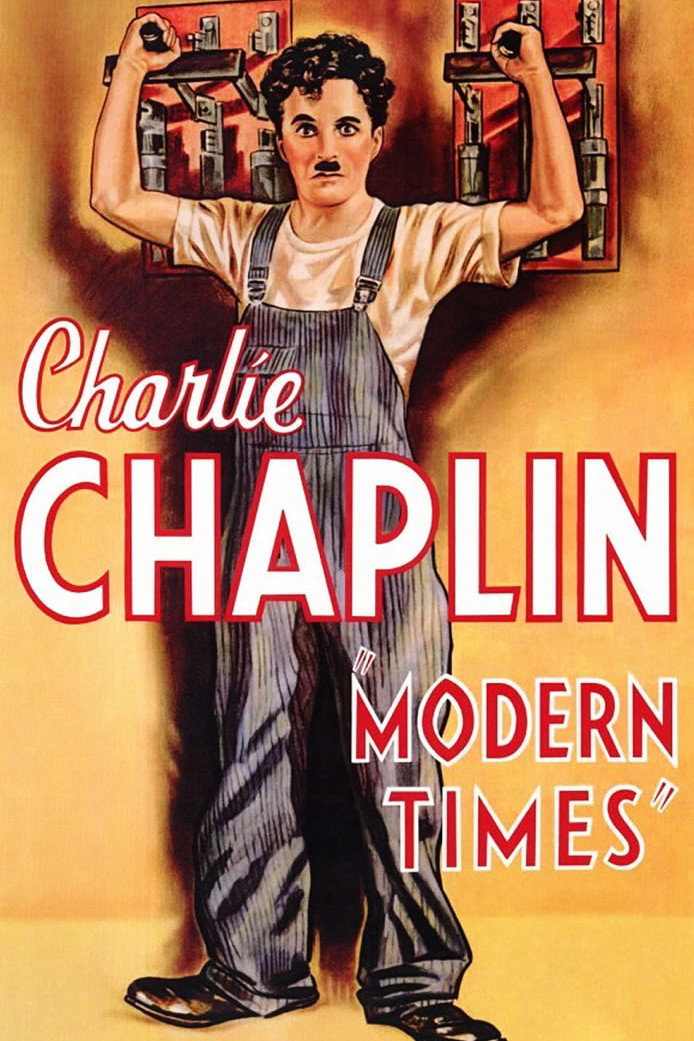
In Modern Times (1936), Al Ernest Garcia is the president of the Electro Steel Corp., putting a man in charge of the film's punishing factory. His sternness gives the machinery's cruelty a human representative. We laughed uneasily at the factory comedy, because Chaplin's precise physical gags make the cruelty of the work impossible to miss. Garcia helps establish why this workplace is so inhospitable to the Tramp. It is a useful performance in a film whose wandering story does not always match the precision of its gags.
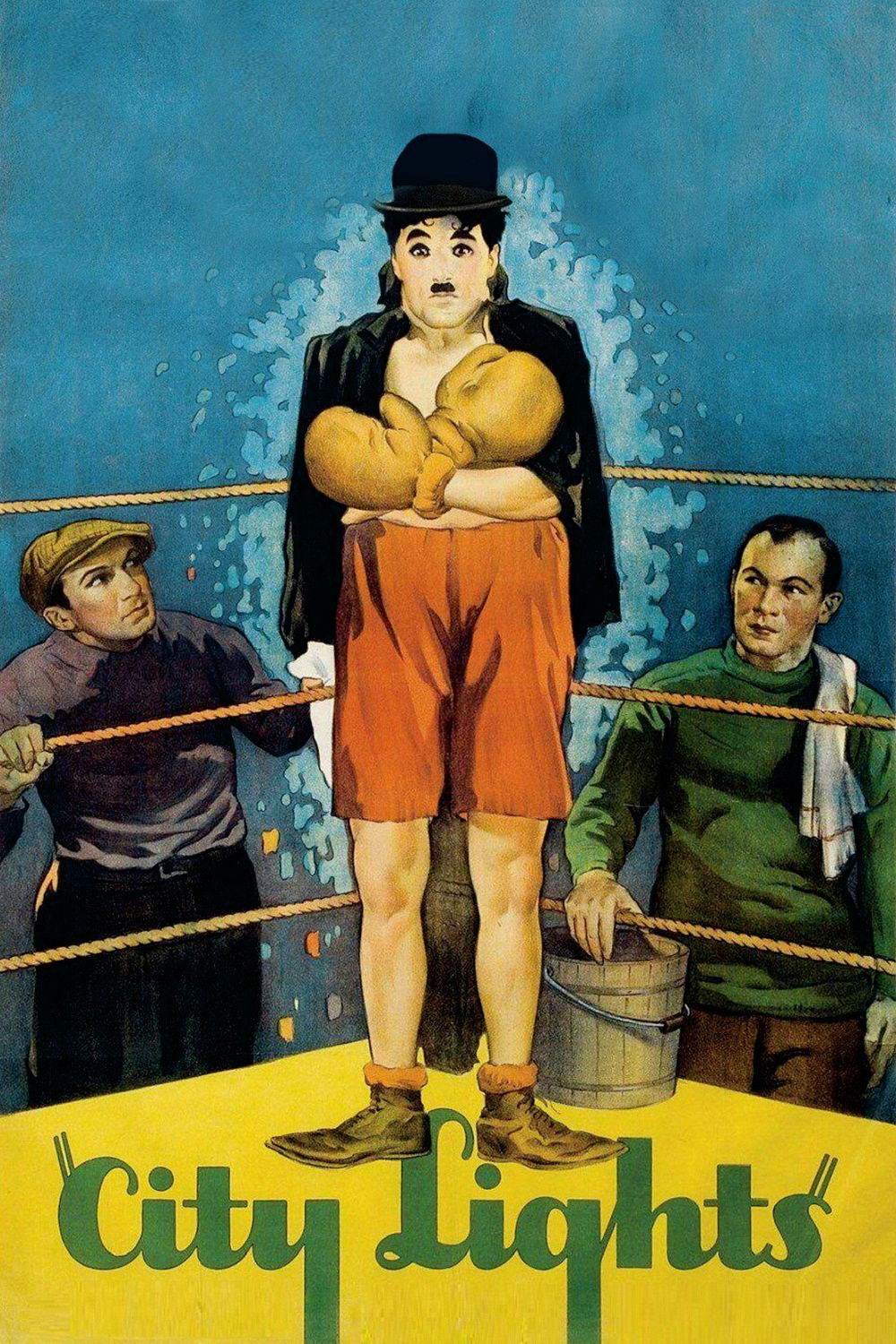
In City Lights (1931), Garcia is the millionaire's snobbish butler, a servant who takes social standing seriously. The joke is sharper for giving that attitude to somebody who is himself an employee. We value that severity, though the film's tenderness and physical comedy remain the chief reasons to see it. These are supporting performances in the proper sense. Their worth depends on what they let Chaplin do, and neither needs to become an attraction in its own right.
His six-film association with Chaplin stretched from The Idle Class (1921) to Modern Times. In The Circus (1928), Garcia's brutal proprietor and ringmaster made his usefulness as an antagonist particularly clear. The butler and factory president continued that line of authority figures, even as his roles became smaller with the transition to sound. There is a limitation here, too: these parts give us plenty of evidence of his severity, but less basis for judging what else he could do.
Garcia also served as casting director on The Circus, City Lights and Modern Times, a contribution beyond his appearances in them. That credit deserves notice, though it does not tell us which individual casting choices were his. Chaplin is the collaborator through whom we can most clearly appreciate his acting, particularly the contrast between Garcia's authority and the Tramp. Start with Modern Times for the factory comedy, and give the man in charge a little of the attention normally reserved for the man struggling with the work.
Biography
Al Ernest Garcia (also credited as Allan Garcia, Al E. Garcia and A.E. Garcia) was an American actor and casting director. He appeared in more than 120 films between 1911 and 1938, often in supporting roles in westerns and silent comedies.
Garcia is best known for his work with Charlie Chaplin, appearing in six films between 1921 and 1936. He played the circus proprietor and ring master in The Circus (1928), the millionaire's butler in City Lights (1931) and the president of the Electro Steel Corp. in Modern Times (1936). He also served as casting director (uncredited) on those three Chaplin productions. Other notable credits include uncredited roles in The Gold Rush (1925) and The Idle Class (1921).
In 1933 Garcia co-founded the Motion Picture Extras and Supporting Players Association, an organisation that campaigned for better pay and working conditions for supporting actors and bit players.