Film review

Modern Times

1936 · Directed by Charlie Chaplin · 1h 27m · MPA G

In a sentenceThe factory has considered every possible improvement except letting Charlie Chaplin eat his lunch in peace

ComedyDramaRomance

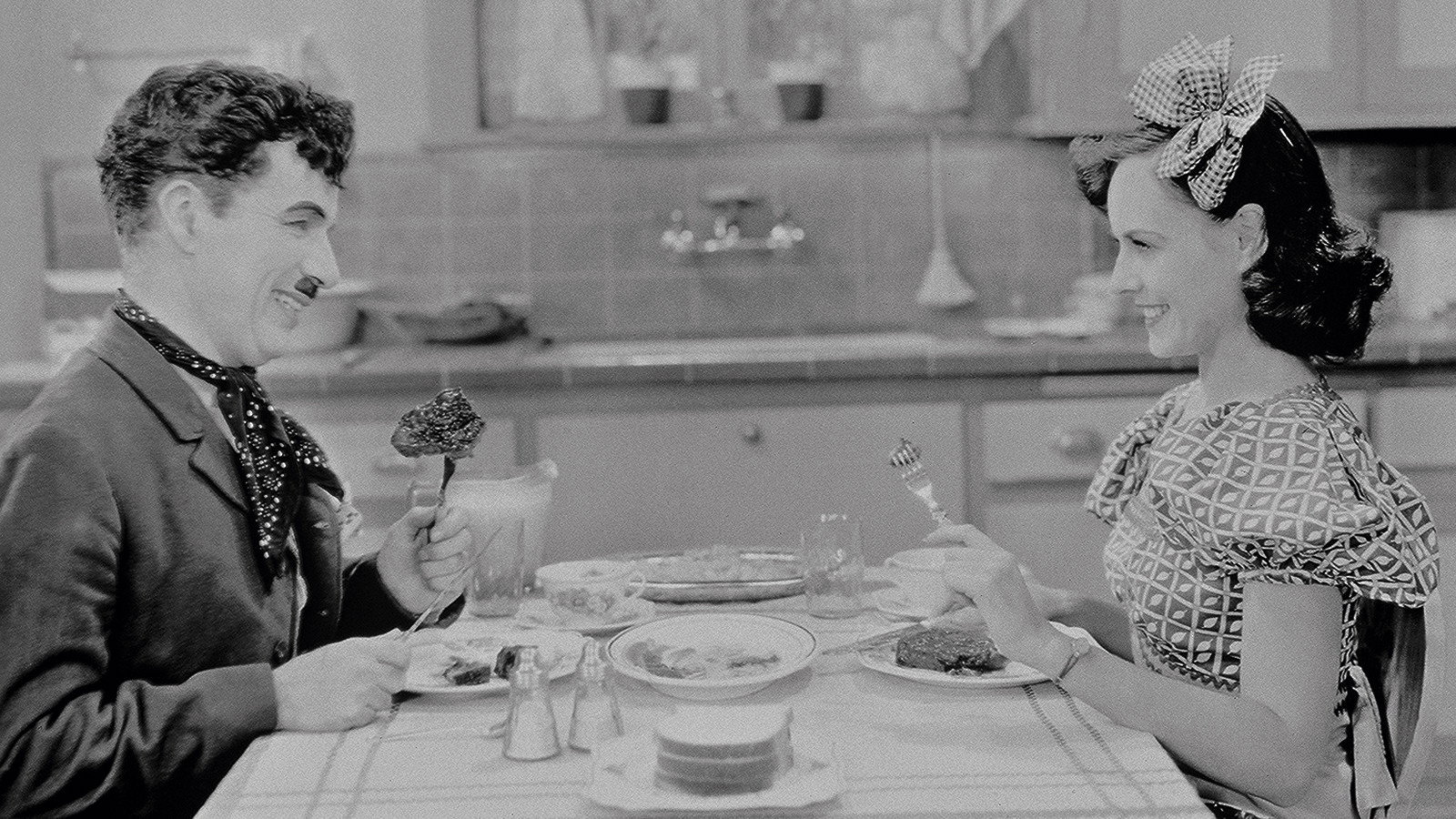
Charlie Chaplin plays the Tramp, a factory worker trying to keep pace with mechanised production and find a way through poverty. Work means keeping up with a conveyor belt; outside the factory, making a living brings its own difficulties. Paulette Goddard plays the Gamin, whose struggle to get by draws her towards him amid the hardship and unrest of the Great Depression. Modern Times follows their search for work, security and companionship, moving between industrial satire, physical comedy and romance. Having enough to eat is as pressing a concern as finding happiness.

Fi1m review

Charlie Chaplin makes factory work painfully funny, with physical comedy precise enough to expose the cruelty behind the machinery. The story wanders and the romance gets less attention, but we recommend Modern Times warmly.

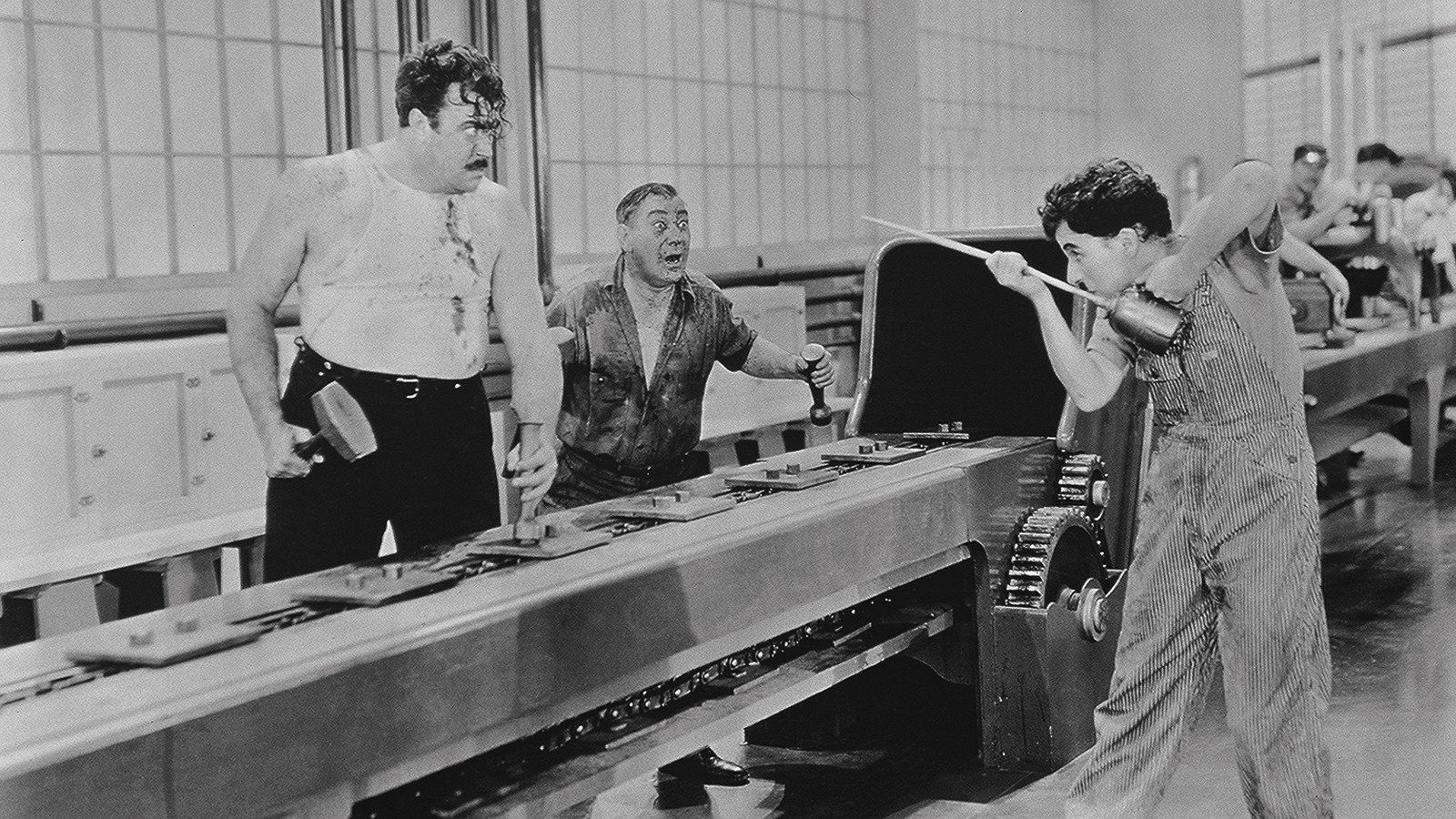
Modern Times is a sharp, funny film about how difficult it becomes to behave like a person when work demands that everyone behave like equipment. Charlie Chaplin, directing his own screenplay, gives the Tramp a factory job and makes the effort of keeping up the basis of the comedy. We recommend it warmly, though the story lacks the discipline of the individual routines. Its sympathy for the worker is clear without making him solemn, sensible or especially well suited to the job.

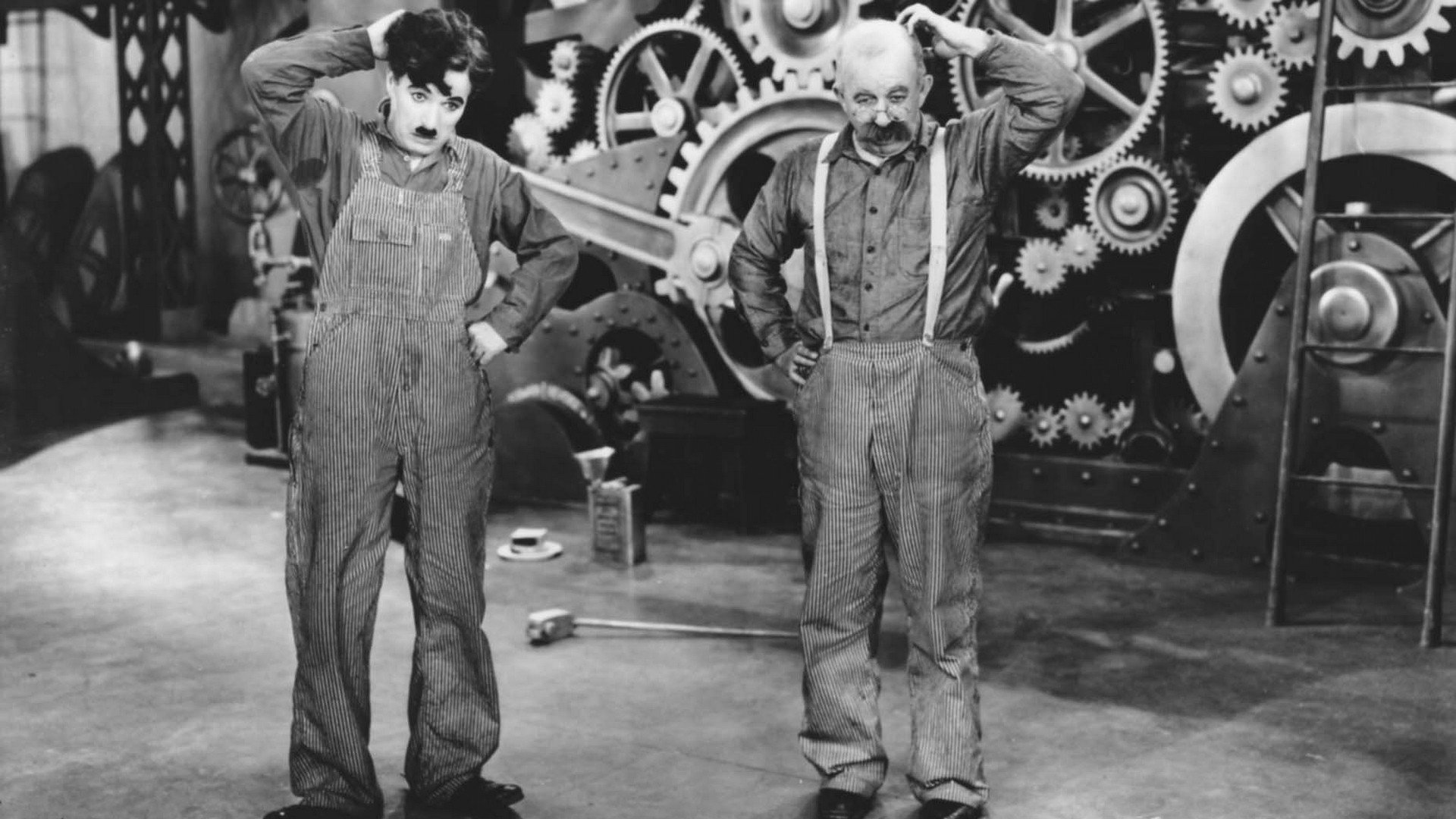
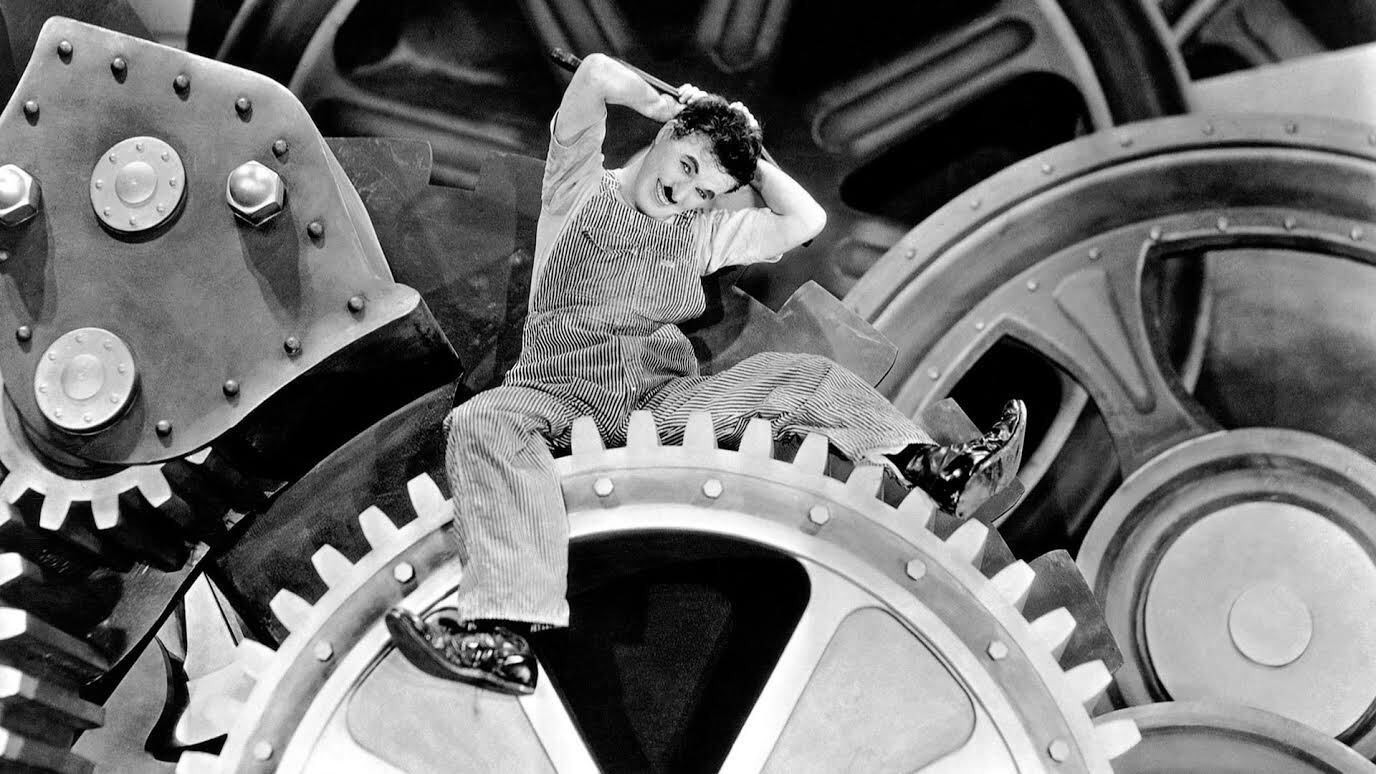
The conveyor-belt scenes depend on Chaplin making repeated movements funny without making them look effortless. His precision lets us see both the worker’s determination and the limits of what his body can manage. We laughed, then felt uneasy during the feeding-machine sequence. Watching a man subjected to a feeding machine makes the contempt for his comfort difficult to ignore. Chaplin keeps the joke going long enough for us to notice what we are laughing at.

The cinematography, credited to Bud Thackery, Ira H. Morgan and Roland Totheroh, serves those routines well. We can watch the performer in relation to the machinery, which matters more here than making the factory look impressive. Charles D. Hall’s production design gives the equipment enough presence to make the worker seem vulnerable without swallowing the performance. The factory scenes work because we can follow what the machinery demands of the body, and see the effort involved in trying to obey.

The editing, by Chaplin and Willard Nico, allows a physical joke the time it needs: we can recognise the difficulty before being asked to laugh at the response. The joins between episodes are less satisfying, and Chaplin’s screenplay does not sustain the concentration of the factory material. The film sometimes feels ready to start again with another routine when we want it to develop what is already there. At 87 minutes it hardly drags, but it can feel assembled from favourite passages.

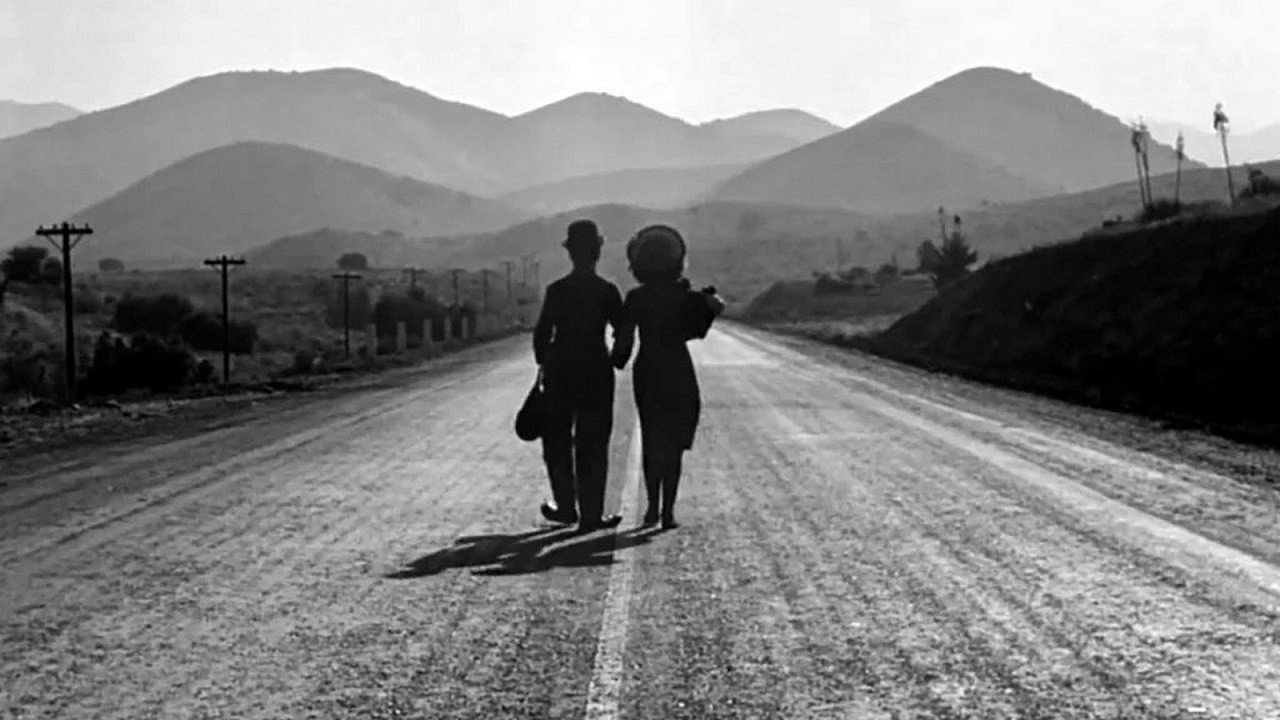
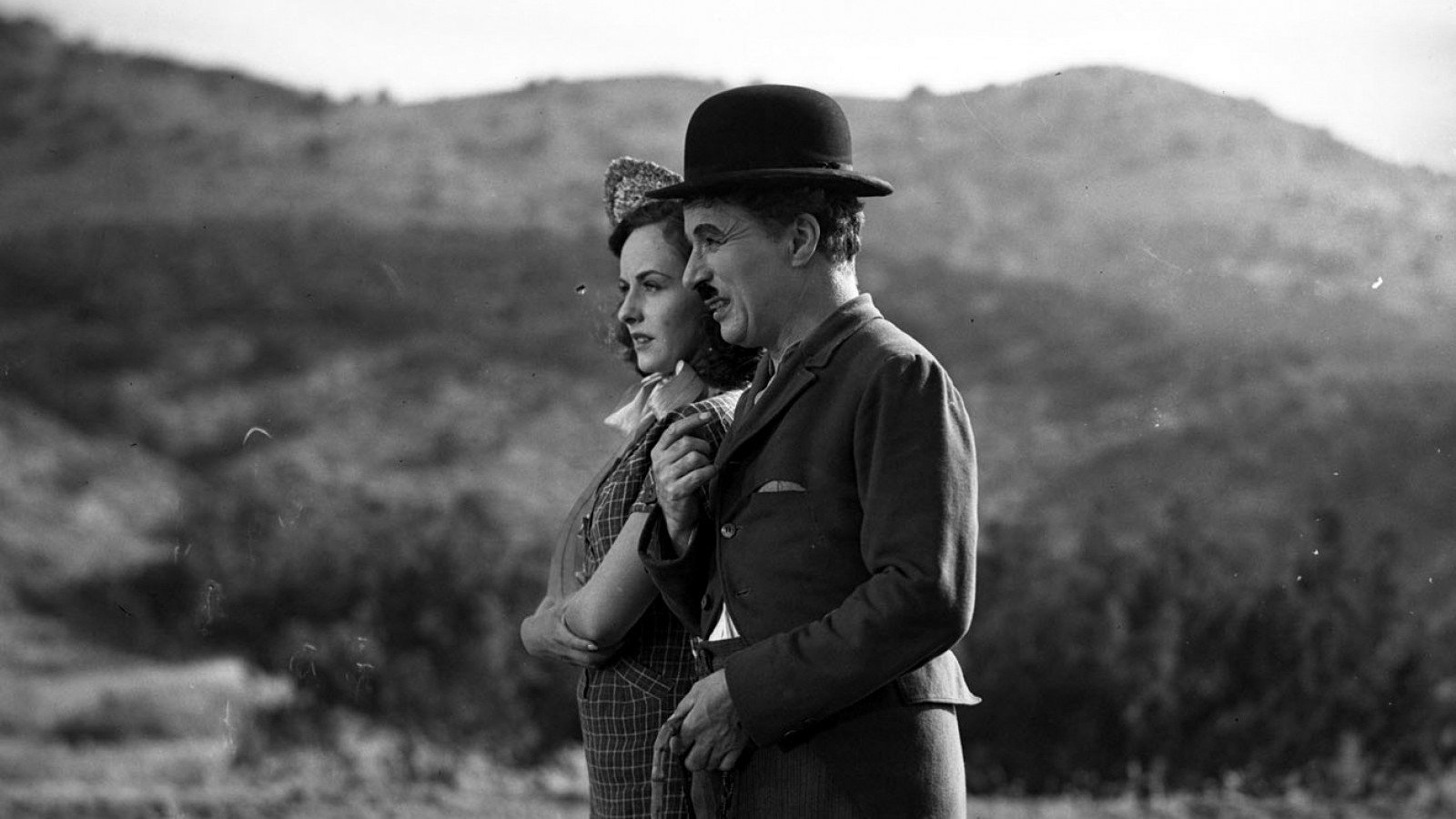
Paulette Goddard’s Gamin gives the concern with poverty a more personal purpose, and her presence makes the prospect of companionship matter. She meets Chaplin’s comic energy, and we can understand why these two people might want to face their difficulties together. Even so, the romance is thinner than the comedy, and the screenplay gives the pair less room together than their appeal deserves. Goddard is engaging enough to make that shortage noticeable whenever the relationship has to carry the film’s more tender feelings.

Chaplin’s score gives those tender passages some warmth without making the physical comedy feel heavy. It is useful work in a film whose shifts between industrial satire and romance are not always easy. Judged as physical comedy, this is unusually attentive to the effort involved in ordinary work, giving the elaborate routines something recognisable beneath their ingenuity. The humour never suggests that people deserve hardship because they cannot keep up.

Watch it in company, where Chaplin’s timing has a chance to work on several people at once. The wandering story is worth tolerating for the factory scenes alone. We would hesitate to suggest it for a staff training evening.
Critical consensus AI synthesised

5 of 6
Positive
5
Mixed
0
Negative
0
The AV Club
22 December 2010 · A · Scott Tobias
95

The critic praises the film's synthesis of comedy, politics, and romance, highlighting the Tramp's dream sequence with the gamine as particularly poignant. They note it views progress through jaundiced eyes and brings a face to the Great Depression.

Read the full review →
The Guardian
14 July 1936 · Robert Kemp
90*

The critic hails Chaplin as the greatest artist of the silent screen and deems Modern Times one of his very best films for its fresh comic inventions and satire of mass production.

Read the full review →
Slant Magazine
24 November 2010 · Bill Weber
85*

Chaplin's film is a treasure of Depression America's zeitgeist and the curtain call of the movies' first comedic icon. The review highlights the precise pantomime, social commentary on industrialization and the oppressed, and the piercingly sweet ending tableau of love and solidarity.

Read the full review →
Empire
1 January 2000 · David Parkinson
80*

The critic views Modern Times as an ambitious and frequently uproarious comedy that targets the dehumanising effects of mechanised industry and Hollywood's film factories. They single out the energetic factory conveyor-belt scenes and rollerskating sequence for particular praise.

Read the full review →
Time Out
10 September 2012 · GB
70*

The review presents Modern Times as the final outing for Chaplin's Tramp character, reviving antics from earlier shorts in a framework about humanity's pursuit of happiness amid factory perils, poverty and Depression-era unrest. It notes that the tramp survives these challenges, while observing that Chaplin's political and philosophical naivety now appears as striking as his pantomime skill.

Read the full review →
The New Yorker
8 February 1936 · John C. Mosher

The review finds 'Modern Times' mostly in the old Chaplin vein despite contemporary social commentary, with superb laughs from factory and other sequences. It complains that the poignance involving the gamin and her family feels less successful than the comedy.

Read the full review →

Cast

Stills

If you liked this, try…

The Cameraman poster

The Cameraman

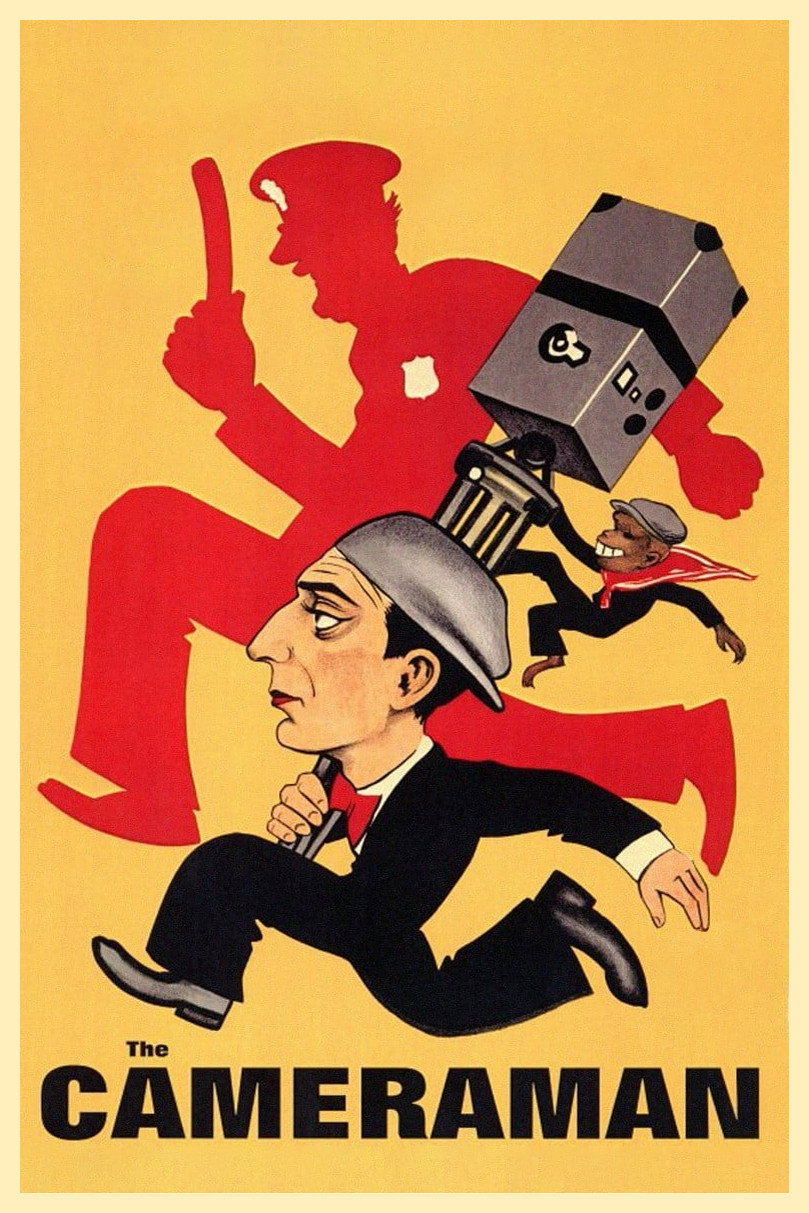
1928 · Buster Keaton turns another precarious job into a succession of exact physical jokes.

Playtime poster

Playtime

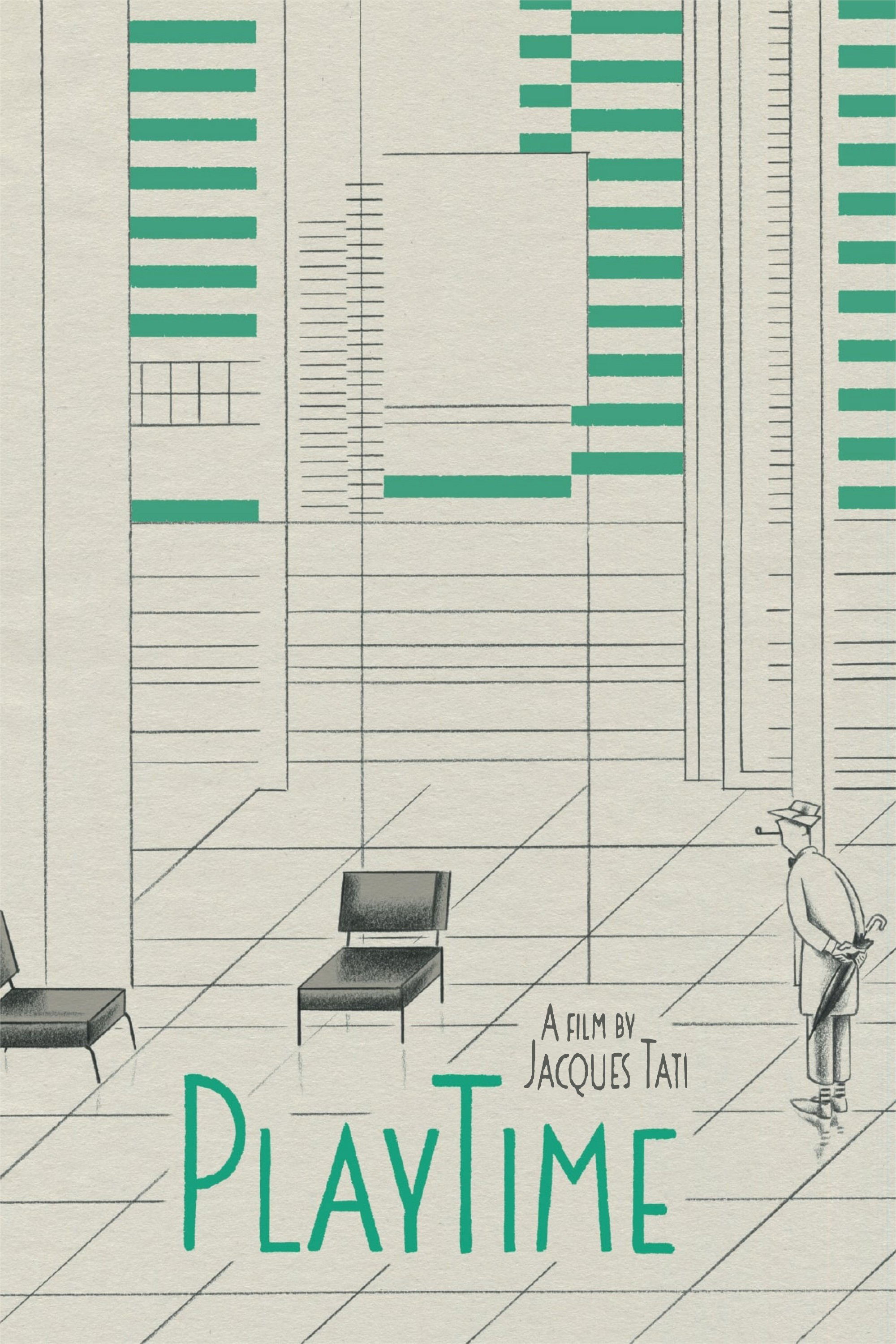
1967 · Jacques Tati lets modern buildings inconvenience everyone, with room to inspect each joke.

The Apartment poster91

The Apartment

1960 · Office hierarchy makes private happiness difficult in Billy Wilder’s bruised romantic comedy.

The Man Without a Past poster

The Man Without a Past

2002 · Aki Kaurismäki finds dry humour and companionship among people living with little.

Sorry to Bother You poster

Sorry to Bother You

2018 · Workplace ambition leads somewhere considerably stranger in Boots Riley’s angry, inventive satire.