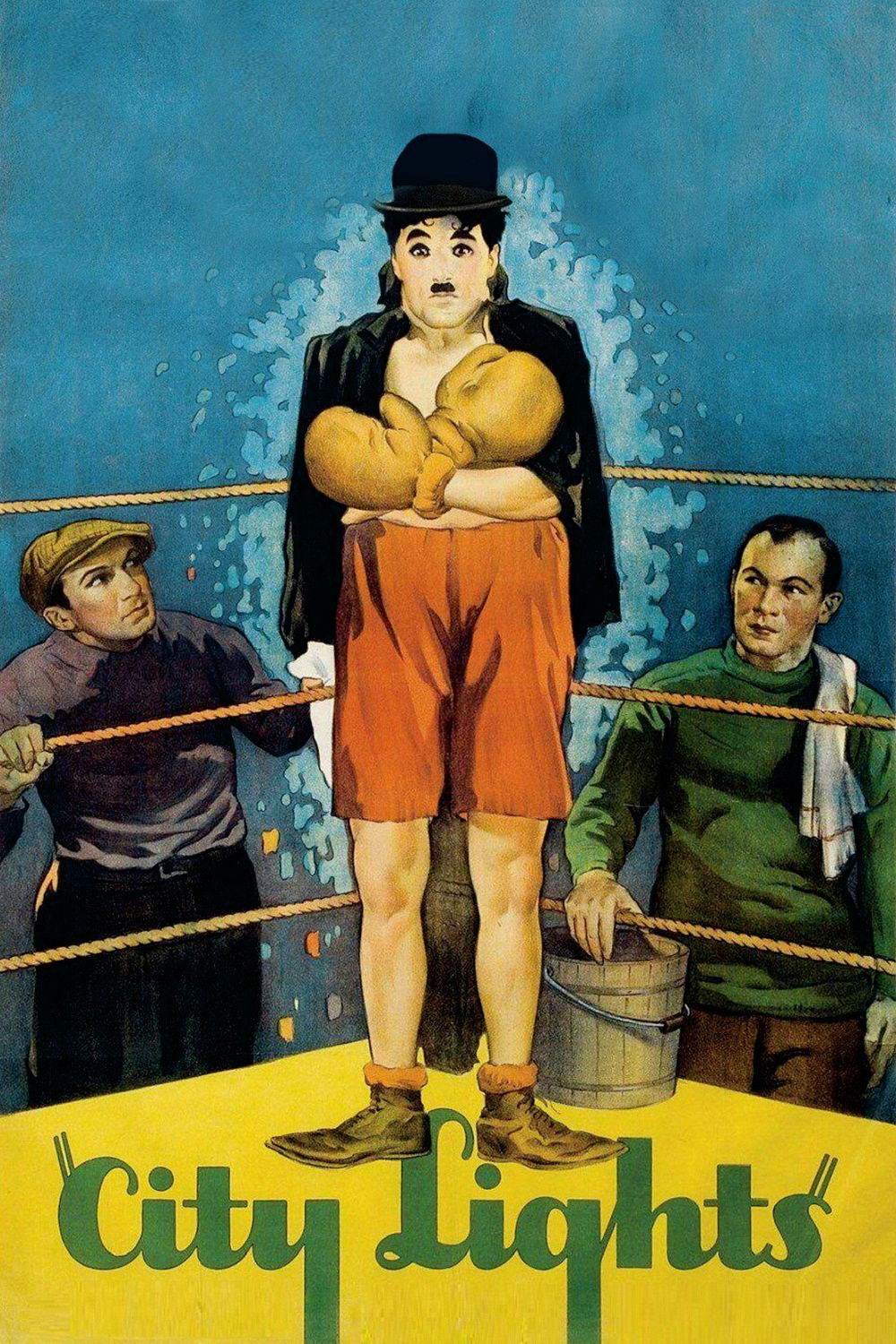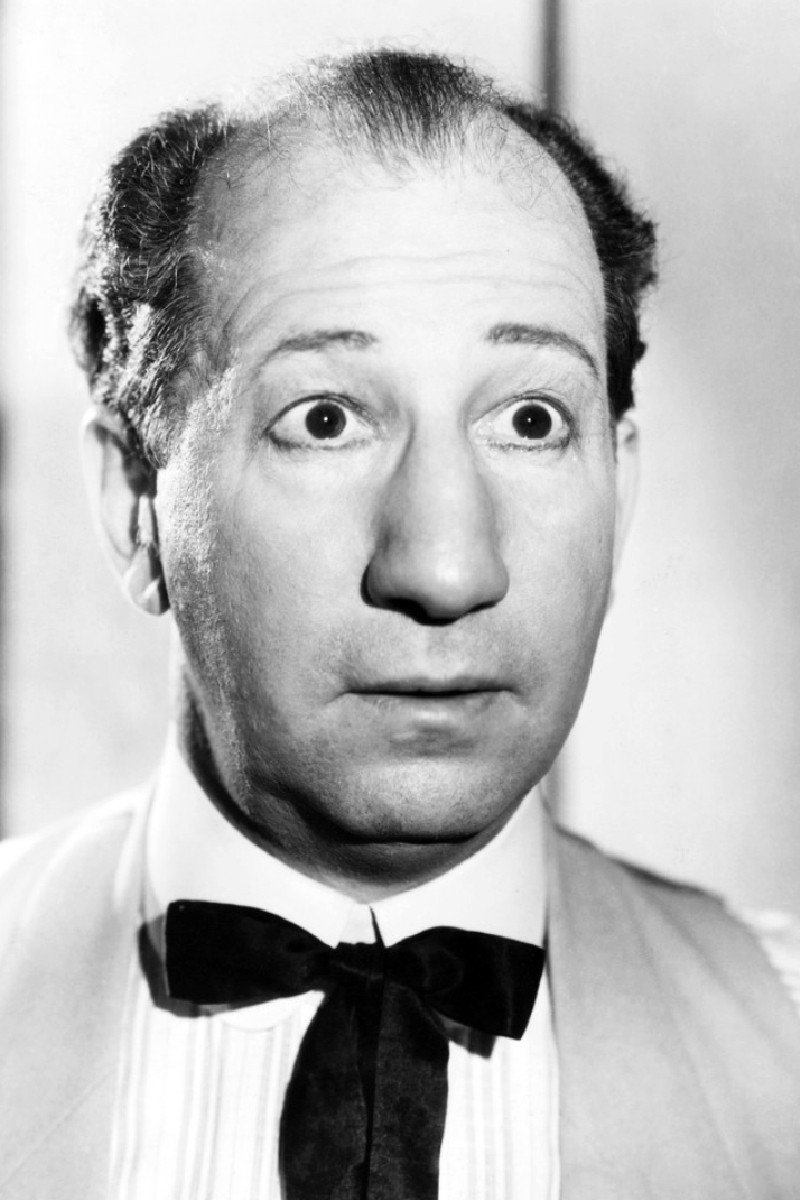
Hank Mann makes a comic opponent worth watching in his own right, as his prizefighter in City Lights shows. We value the timing more than the long list of appearances; the smallest parts tell us little.
Fi1m perspective
Watch Hank Mann's prizefighter in City Lights (1931) for the timing: a boxing opponent has work to do in a comedy, too. We laughed at the boxing sequence, and Mann's timing opposite Charlie Chaplin is part of the reason. The comedy needs both performers, and Mann deserves credit for its precision even when Chaplin is the reason we are watching. It is the clearest place to appreciate him as a comic performer, rather than merely recognise a face in the cast.
He had been a leading comedian before becoming a recurring supporting player for Chaplin. An original Keystone Cop working for Mack Sennett, Mann came out of the chaotic chases and physical slapstick of the early shorts, then starred in his own L-KO and Fox series during the 1910s. The push-broom moustache and bashful eyes supplied a recognisable comic face; acrobatics and pantomime gave him more to offer than the face alone. His later move into supporting and bit parts makes it worth looking beyond the familiar feature credits to those earlier comedies.
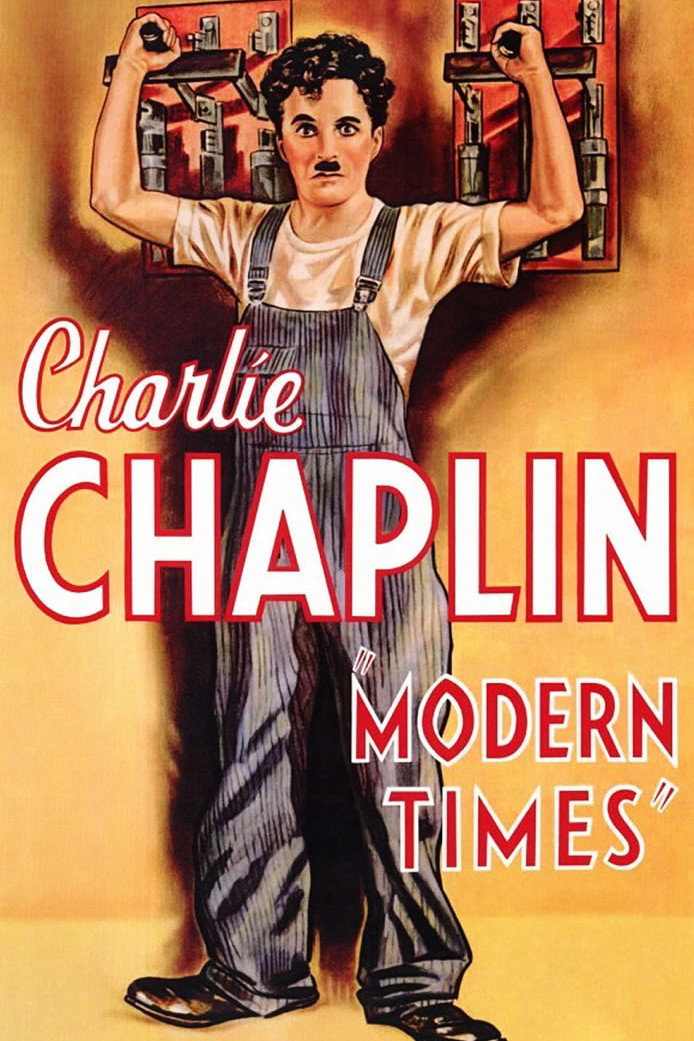
Modern Times (1936) casts him as a burglar, another supporting assignment for Chaplin. We recommend the film warmly for the precision of its physical comedy, though the story wanders and the romance gets less attention than it needs. That judgement should not be mistaken for a claim that Mann is its principal attraction. The part offers less to get hold of than the prizefighter, and we would not send someone to it expecting an equally revealing account of his comic skill.
The smaller assignments took him through comedies and dramas: a window glass installer in the Three Stooges short Men in Black (1934), an uncredited reporter in The Maltese Falcon (1941). These appearances tell us about the work he was getting, but a list of credits cannot explain how funny an actor is. With Mann, it is worth resisting the temptation to praise every appearance simply because we recognise him. Start with City Lights, where he has enough to do for the recommendation to mean something.
Biography
Hank Mann was an American actor and comedian. Born David William Lieberman, he entered films in 1912 and became one of the original Keystone Cops for Mack Sennett. He later appeared as a supporting player in several Charlie Chaplin films.
Mann played the prizefighter in City Lights (1931) and the burglar in Modern Times (1936). He took numerous uncredited bit parts in sound-era films including The Great Dictator (1940), Mr. Smith Goes to Washington (1939) and The Maltese Falcon (1941). The last survivor of the original Keystone Cops, he worked until around 1960.