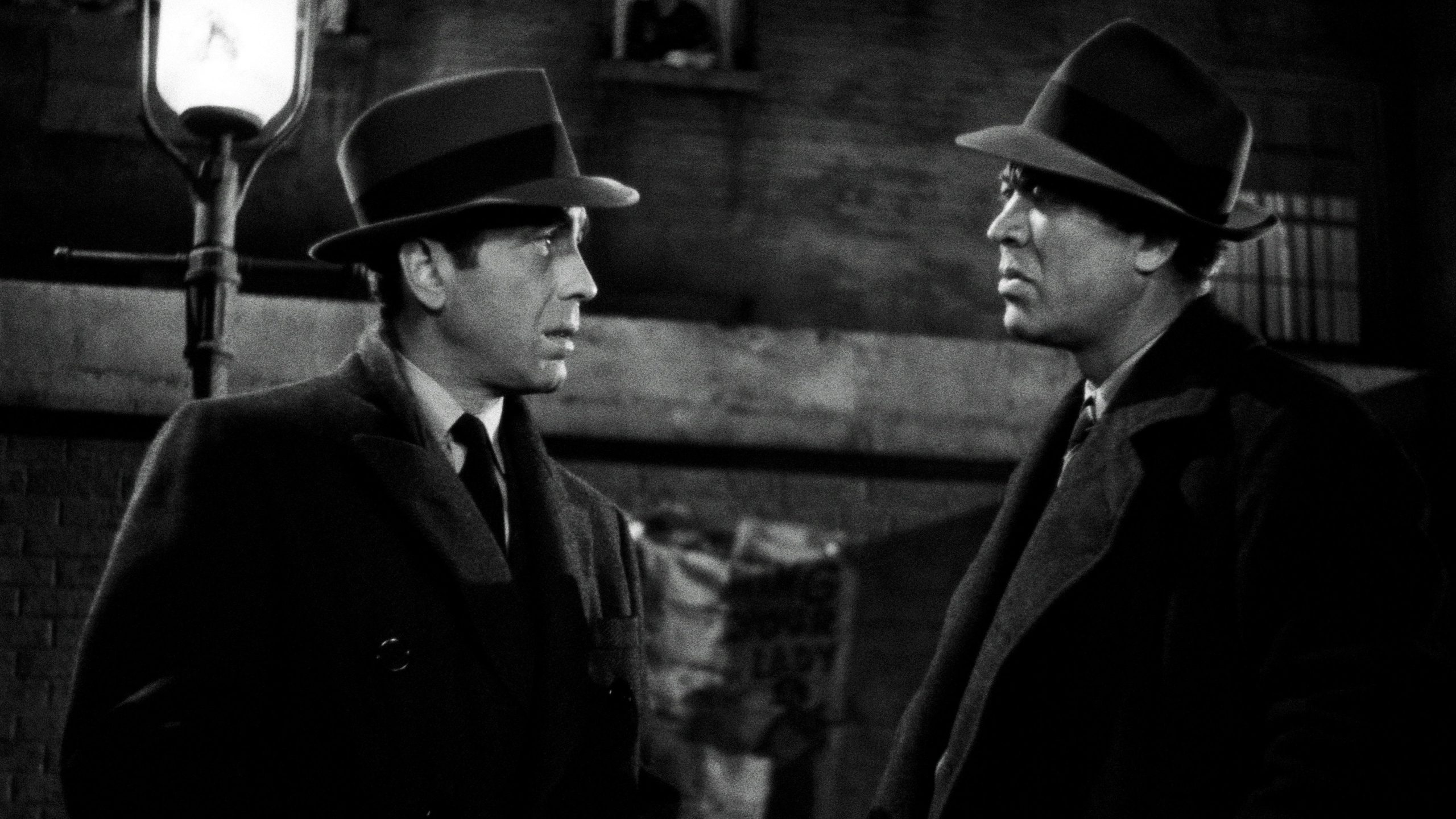
John Huston’s detective thriller is sharp, funny and properly cold, with Humphrey Bogart making every exchange feel risky. The plotting can feel cramped and the talk occasionally stiff, but the actors give us ample reason to keep listening.
We recommend The Maltese Falcon, with a warning that its pleasures depend on enjoying talk. John Huston directs his own adaptation of Dashiell Hammett’s novel as though a conversation deserves all the attention another thriller might give a chase. The mystery is intricate, but the people involved give us reasons to follow it. We want to know what they are after, and how far their charm will hold when somebody gets in the way.
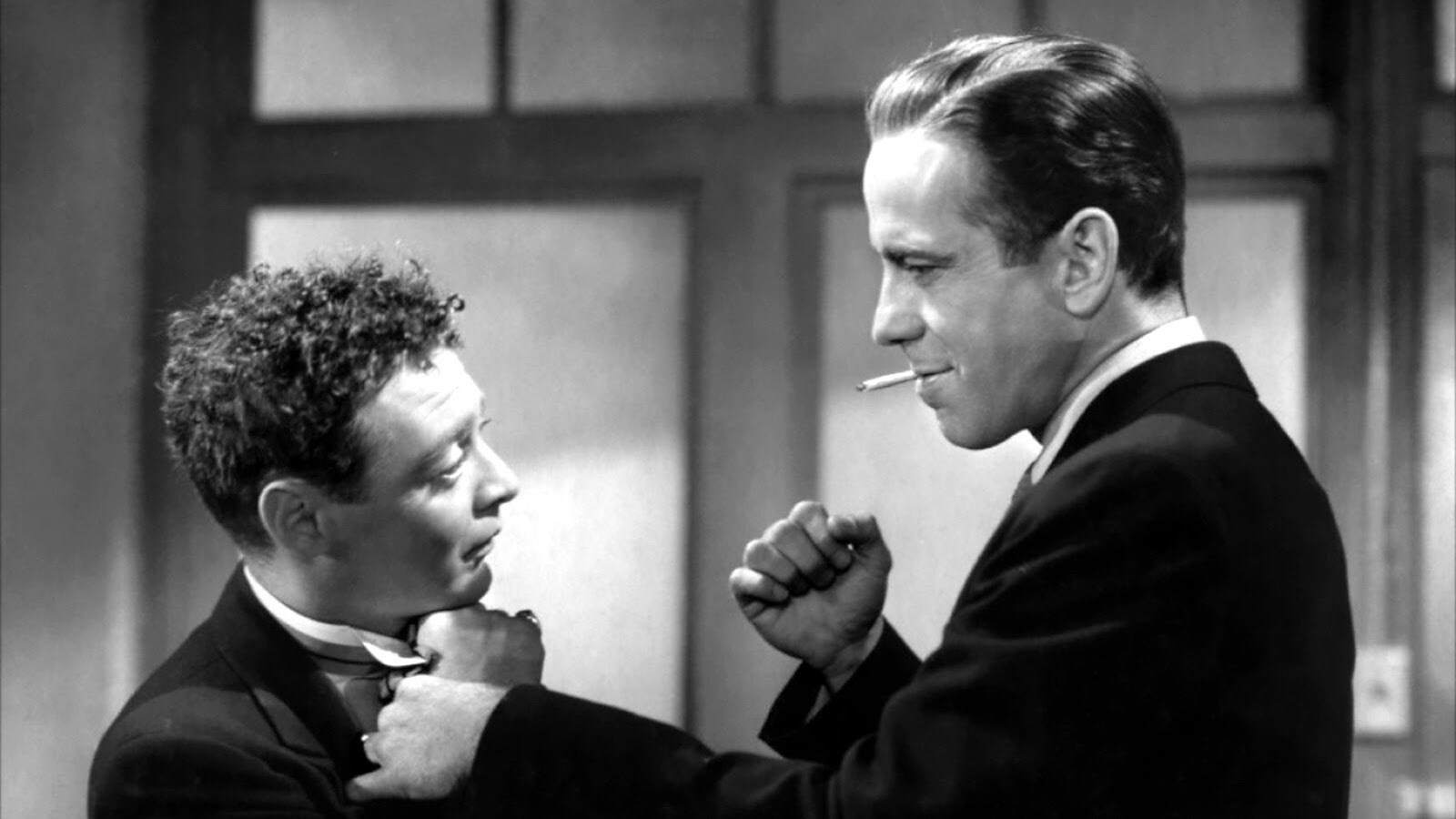
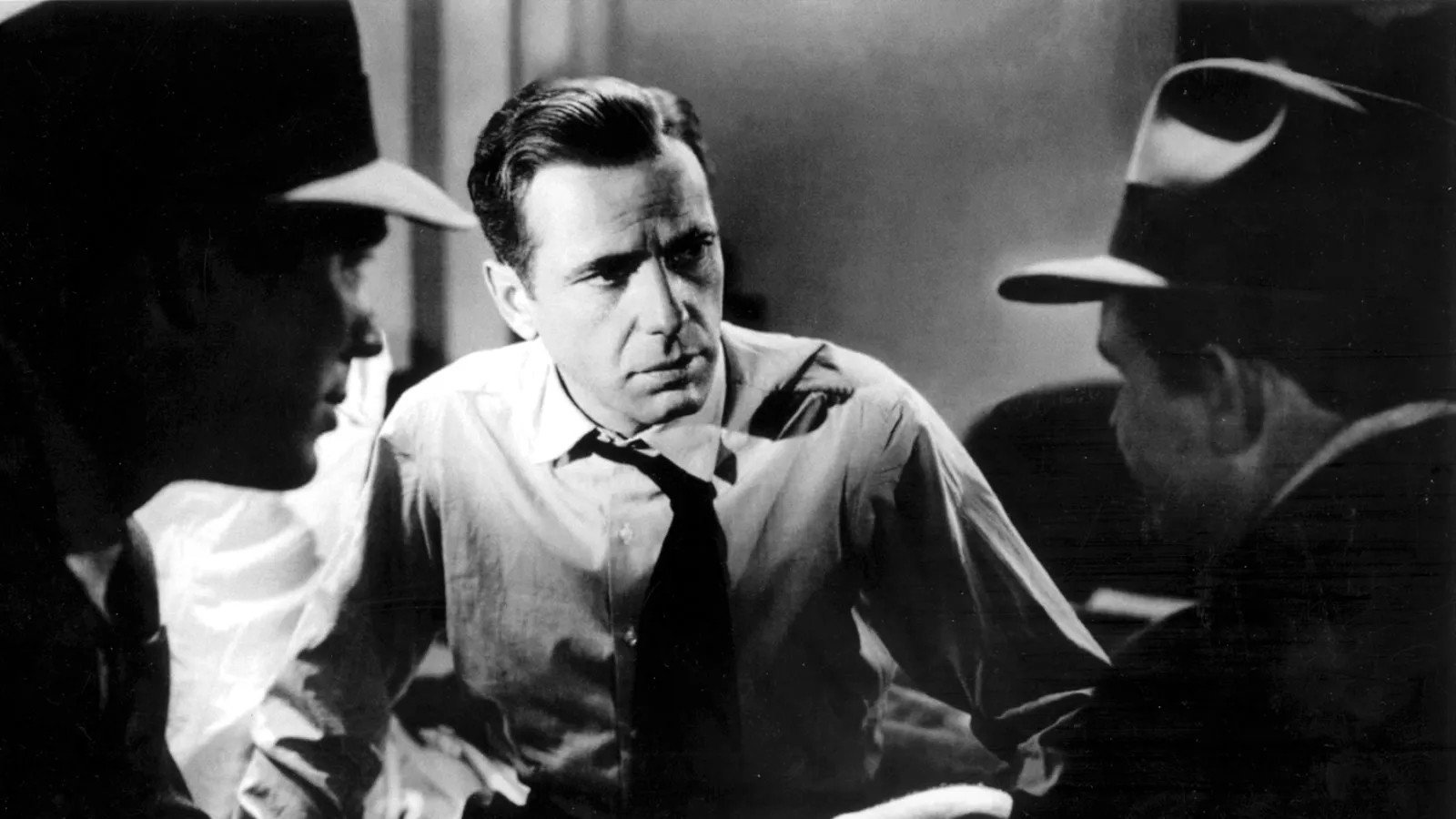
Humphrey Bogart plays Samuel Spade with a coldness that prevents his intelligence from becoming reassuring. Spade’s private code matters more than being liked, and Bogart keeps the performance from asking for our approval. We laughed at his wisecracks, then felt uneasy about how little warmth he allows them. We can enjoy listening to this detective without being sure we would want his attention turned towards us; Bogart makes that discomfort persist even when the dialogue is at its funniest.
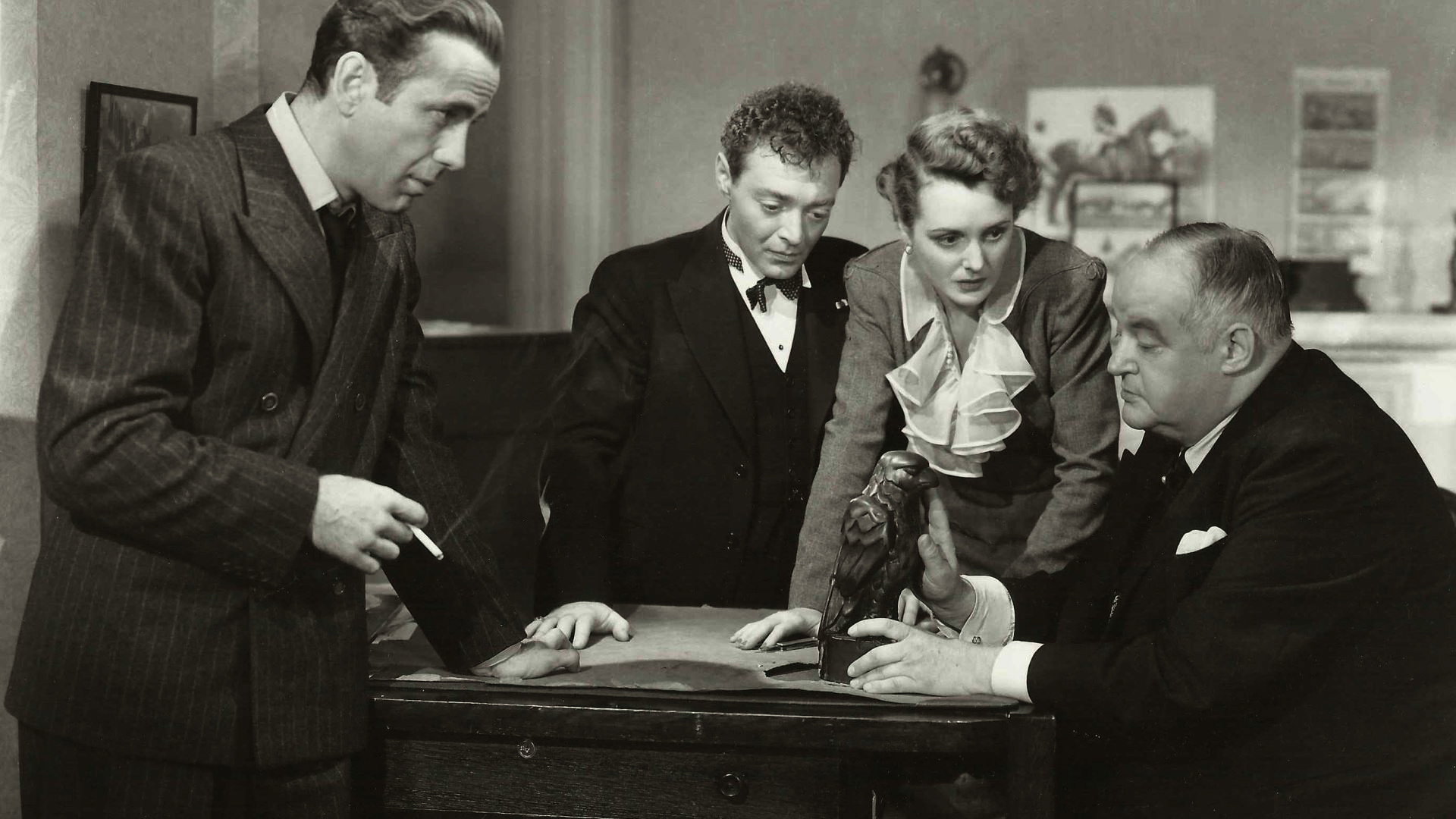
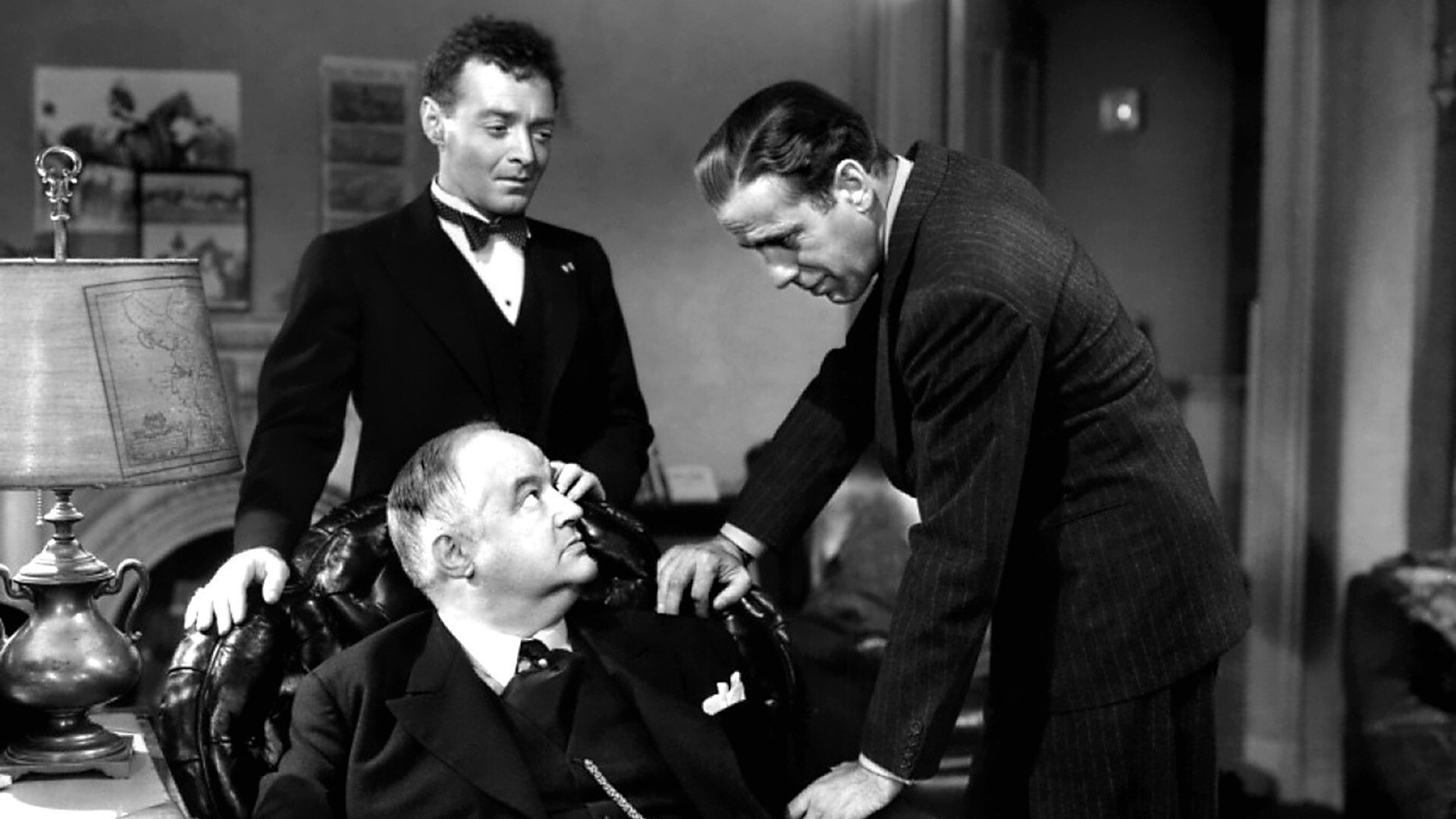
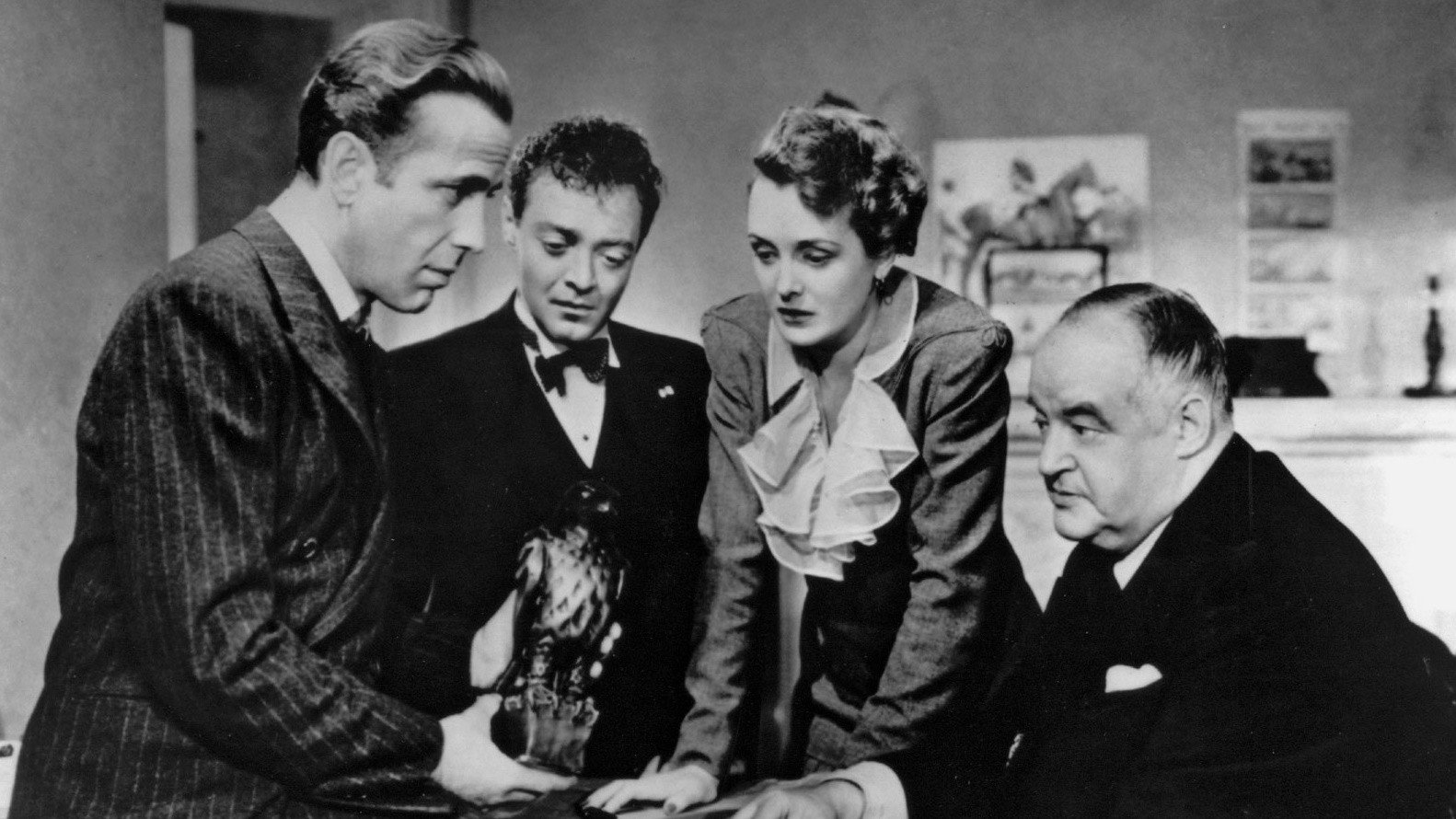
Mary Astor, playing Brigid O’Shaughnessy, holds her own against that scrutiny; her performance gives us plenty to question without making the character merely an exercise in suspicion. Peter Lorre’s Joel Cairo is a welcome source of uneasy comedy, while Sydney Greenstreet’s Kasper Gutman brings a more leisurely authority. The contrast makes their shared appetite for getting their own way particularly entertaining. Huston allows these personalities to occupy the film without letting their eccentricity make the threat seem harmless.
Arthur Edeson’s cinematography earns its praise through control: the longer takes leave us time to watch the people doing the talking. There is pleasure in being allowed to examine a face without a cut immediately telling us which reaction matters. Thomas Richards’s editing gives the dialogue pace without making the cast sound interchangeable, and the shifts of emphasis remain easy to follow. Together they make an intricate mystery legible, though that same tidiness can leave the film feeling a little too contained.
Adolph Deutsch’s music supports the suspense, though the actors’ voices are the more compelling sound. The reservation is with Huston’s tendency to keep everything so firmly under control. Some exchanges feel arranged to deliver the next piece of the puzzle, and the careful plotting can make us conscious of people having to explain themselves. The film remains clear, but it occasionally feels shut in, with too little room for a conversation to wander away from the business of the case.
Against the crime thriller’s usual promise of danger, the film offers a detective whose company is itself unsettling. Bogart’s performance makes us question the easy pleasure of siding with the cleverest person present, and Huston has the good sense not to soften him for our convenience. That severity gives the witty dialogue something to work against and keeps the film from becoming merely a display of verbal skill. Its 100 minutes reward attention; choose it for an evening when conversation can count as action.