Film review

The Great Dictator

1940 · Directed by Charlie Chaplin · 2h 05m · MPA NR

In a sentenceChaplin’s dictator has plenty to say, provided nobody asks him to use words

ComedyWar

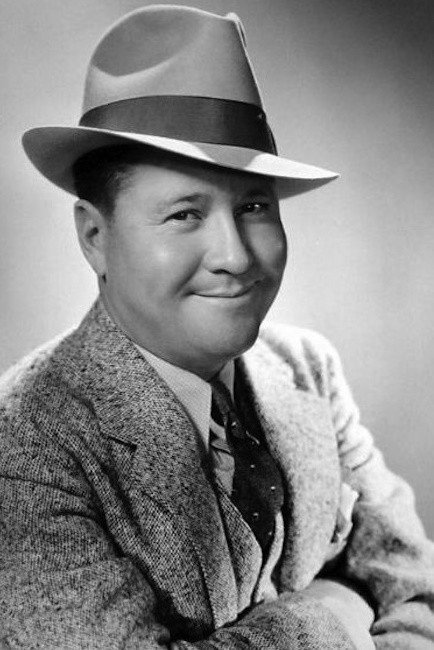
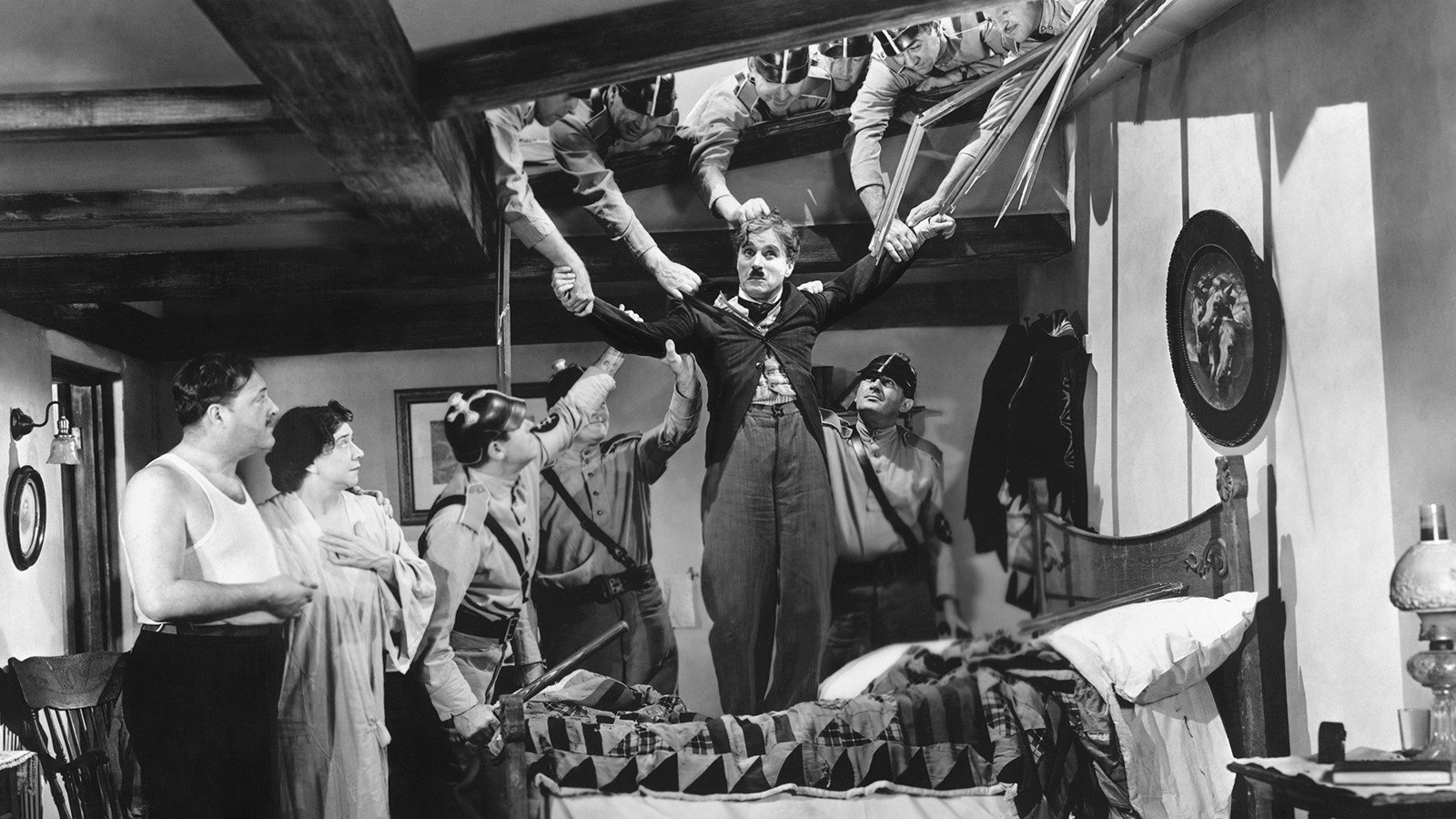
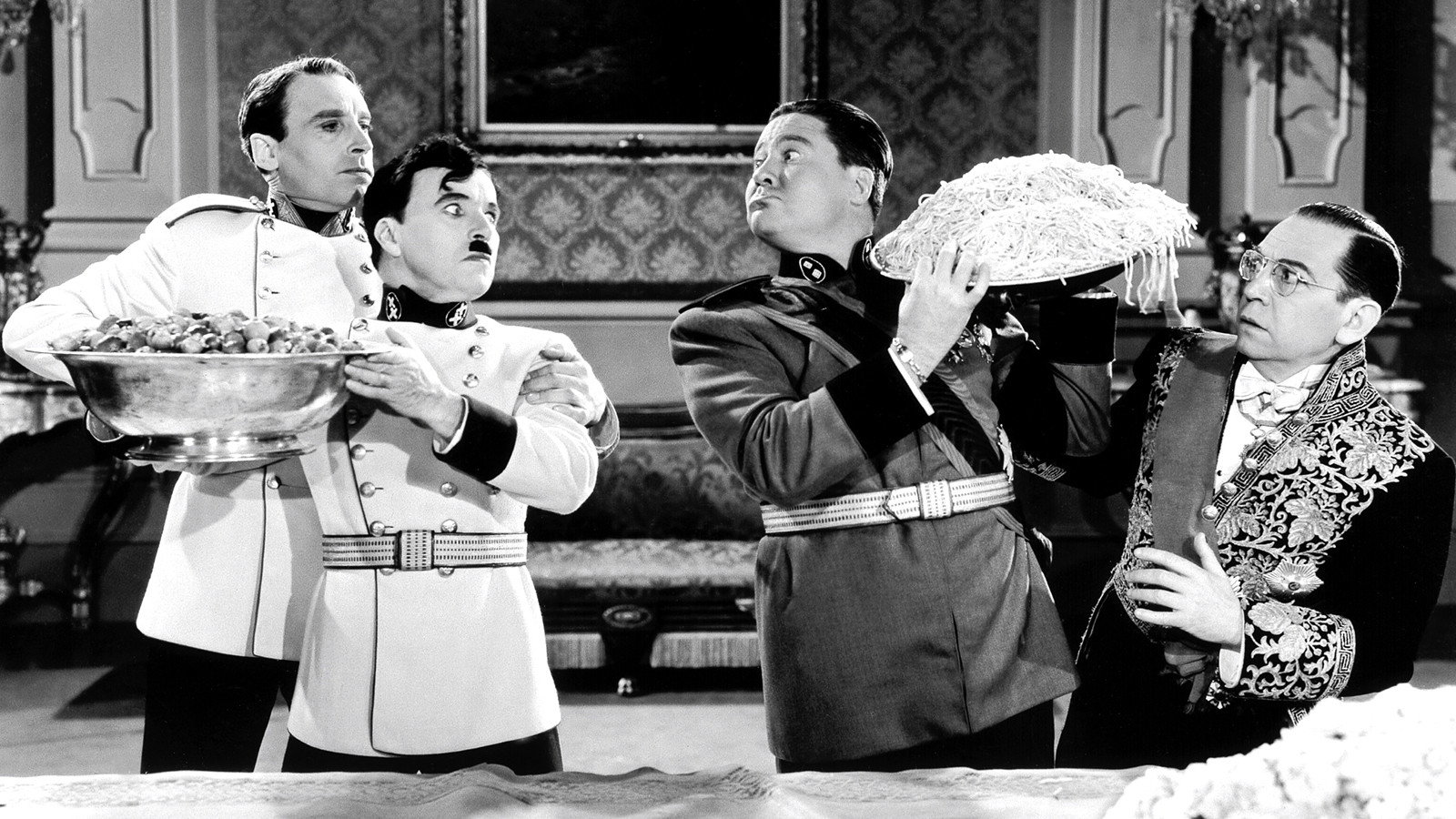
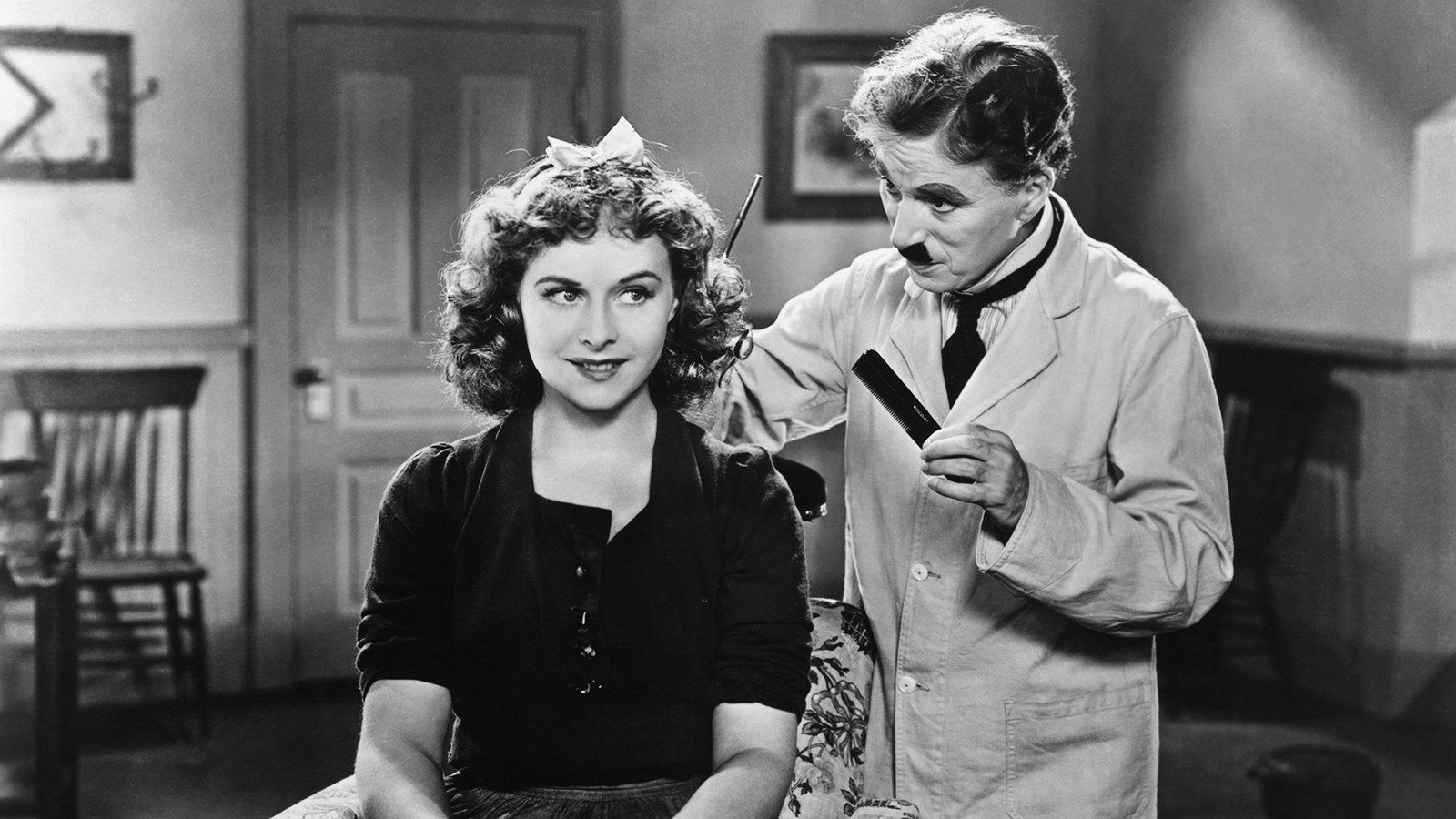
Charlie Chaplin plays Adenoid Hynkel, dictator of Tomania, and a Jewish barber in a comedy about life under fascism. Beginning with a First World War prologue, the film follows the barber, whose amnesia leaves him unaware of the political changes around him. Hynkel is the other focus, with his public speeches and ambitions for power. Paulette Goddard plays Hannah, while Jack Oakie appears as Benzino Napaloni, dictator of Bacteria. The story moves between the barber and the dictator, setting everyday life alongside the posturing of those who govern it.

Plays from YouTube when you press play; nothing loads from them until then.

Fi1m review

Charlie Chaplin’s attack on fascism is funny, angry and sometimes too broad. His two performances make the loose construction worth forgiving, though 125 minutes gives some of the lesser jokes more room than they need.

Charlie Chaplin wants us to laugh at a dictator and remain conscious of the people who have to live under him. The Great Dictator largely manages it, and we recommend it warmly, with a warning about its uneven pace and occasional heavy hand. Its comedy depends on Chaplin’s two roles, Adenoid Hynkel and the Jewish barber, which give sharply different uses to the same performer’s physical precision. The barber gives us someone to care about beyond the target of the ridicule.

The First World War prologue gives the film a long approach to its main subject, and the barber’s amnesia supplies a useful reason for him to encounter fascism without understanding what has happened. It asks us to make that discovery with him. Chaplin’s screenplay is good at making political change something that happens to a person, though the succession of subsidiary episodes can obscure where the story is going. At 125 minutes, the film gives its weaker passages more patience than they deserve.

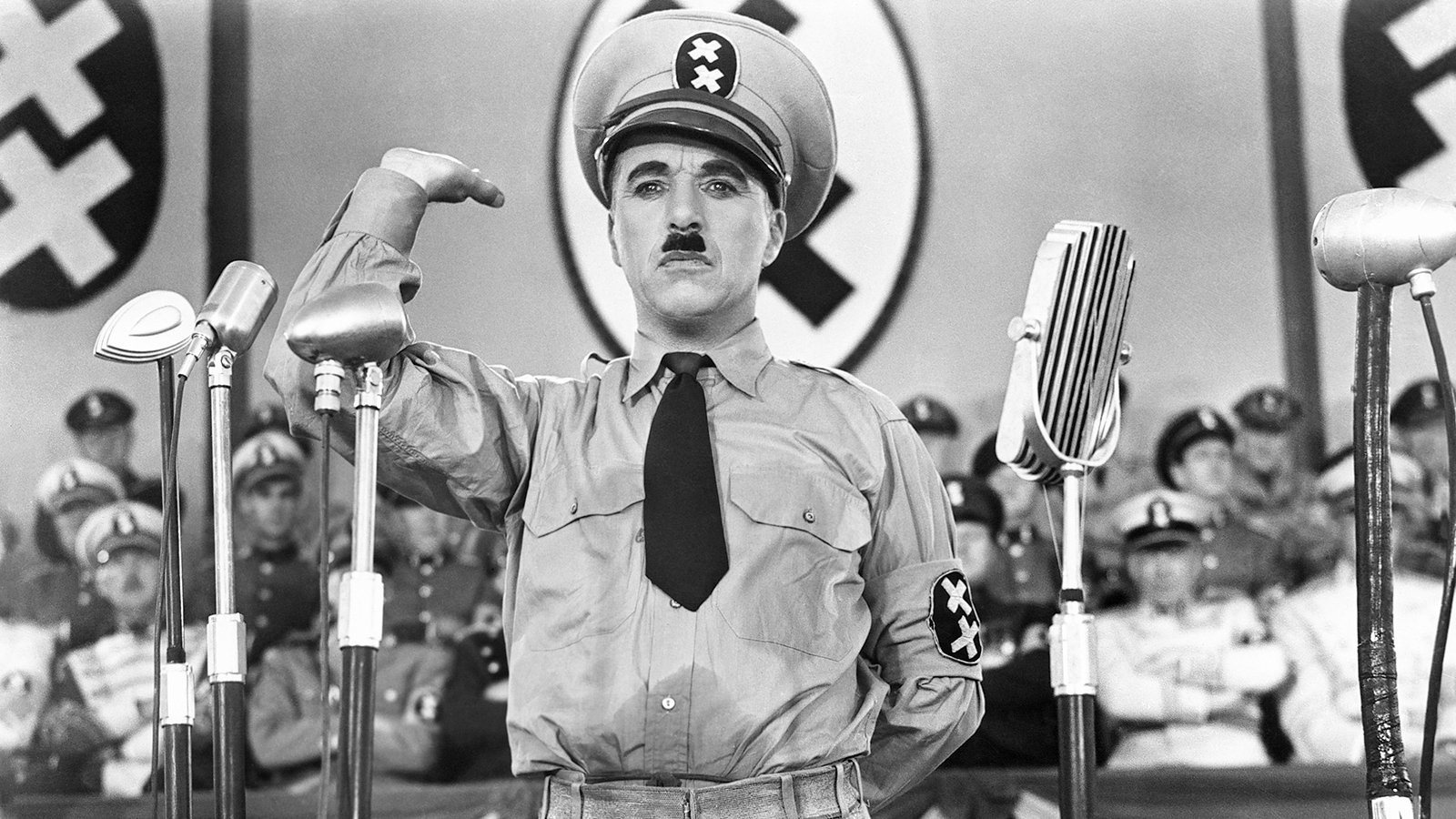
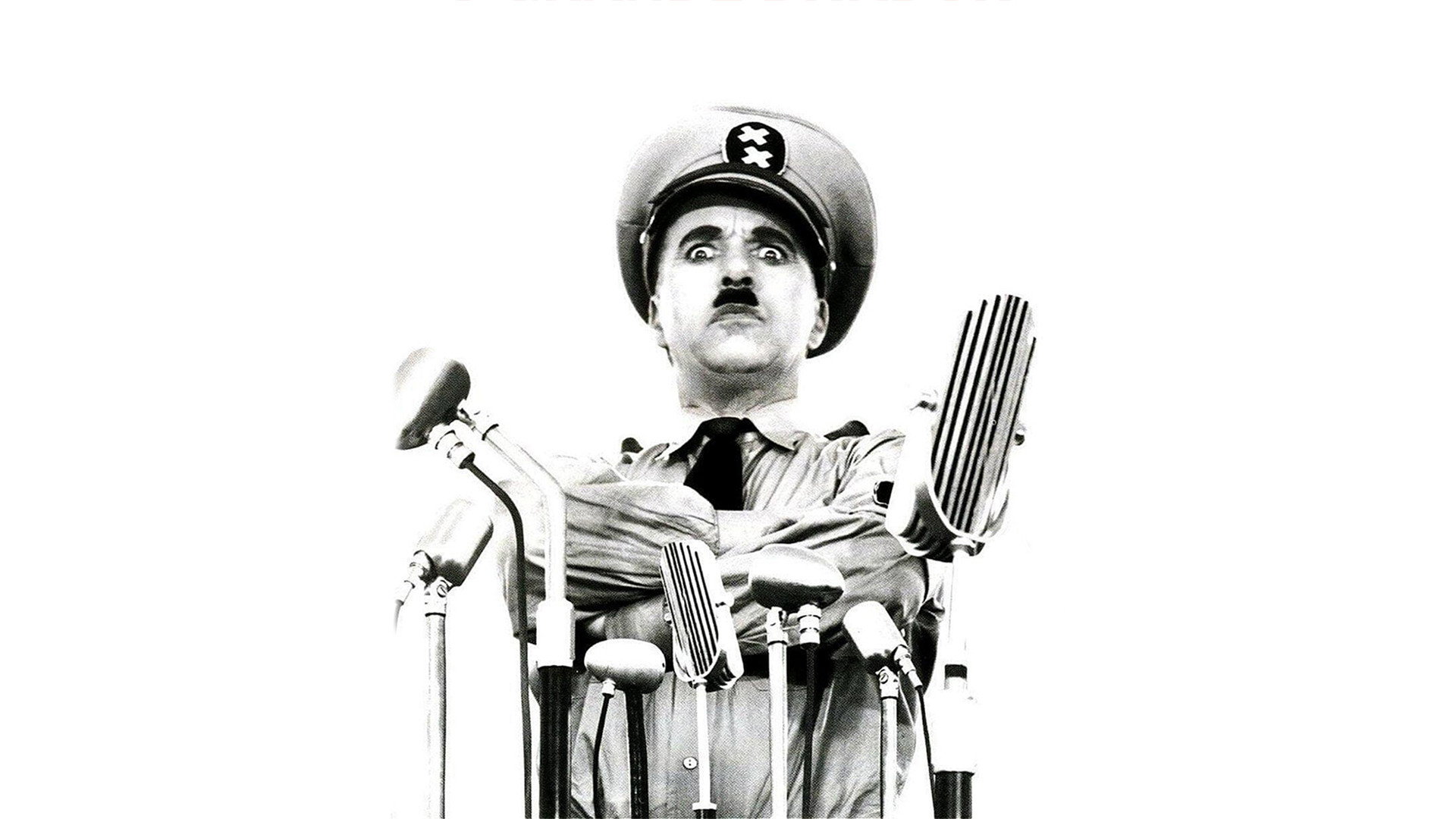
Hynkel’s gibberish speech is where the ridicule is most exact. Chaplin makes the delivery itself the joke: the voice demands obedience even when the words offer nothing to obey. We laughed, then felt uneasy about how little sense the speech needed to make. The performance catches something frightening about a leader whose audience is being asked to respond to force rather than meaning.

Karl Struss and Roland Totheroh’s cinematography serves that bodily comedy well. The theatrical staging gives us time to watch Chaplin’s movements, and the images are most effective when they let his behaviour supply the interest. There are stretches where the presentation feels stiff, but the formality suits Hynkel’s public performance and makes his ridiculousness easier to inspect. Much of the pleasure comes from watching how precisely Chaplin controls his bearing, especially when Hynkel is trying to command respect.

Willard Nico’s editing is surer with individual routines than with the whole story. The comic episodes have their own rhythm, but the film too often seems content to start another rather than move things along. The music by Chaplin and Meredith Willson matches the film’s open sentiment, sometimes providing more encouragement than the performances need. The emotional emphasis can become tiring when we already know whom we are meant to fear and whom we are meant to care about.

The difficulty is familiar in political satire: making a tyrant ridiculous can make him look less dangerous. Chaplin sometimes settles for a clown where a more cutting joke is needed. Yet treating dictatorship as something endured by a Jewish barber keeps the film from becoming merely a collection of impersonations. That second performance makes the cruelty harder to dismiss, even when the mockery is broad. See it for Chaplin’s physical comedy, and allow for a film that occasionally takes too long to make a point we have understood.
Critical consensus AI synthesised

5 of 6
Positive
4
Mixed
0
Negative
1
The AV Club
25 May 2011 · A- · Noel Murray
90

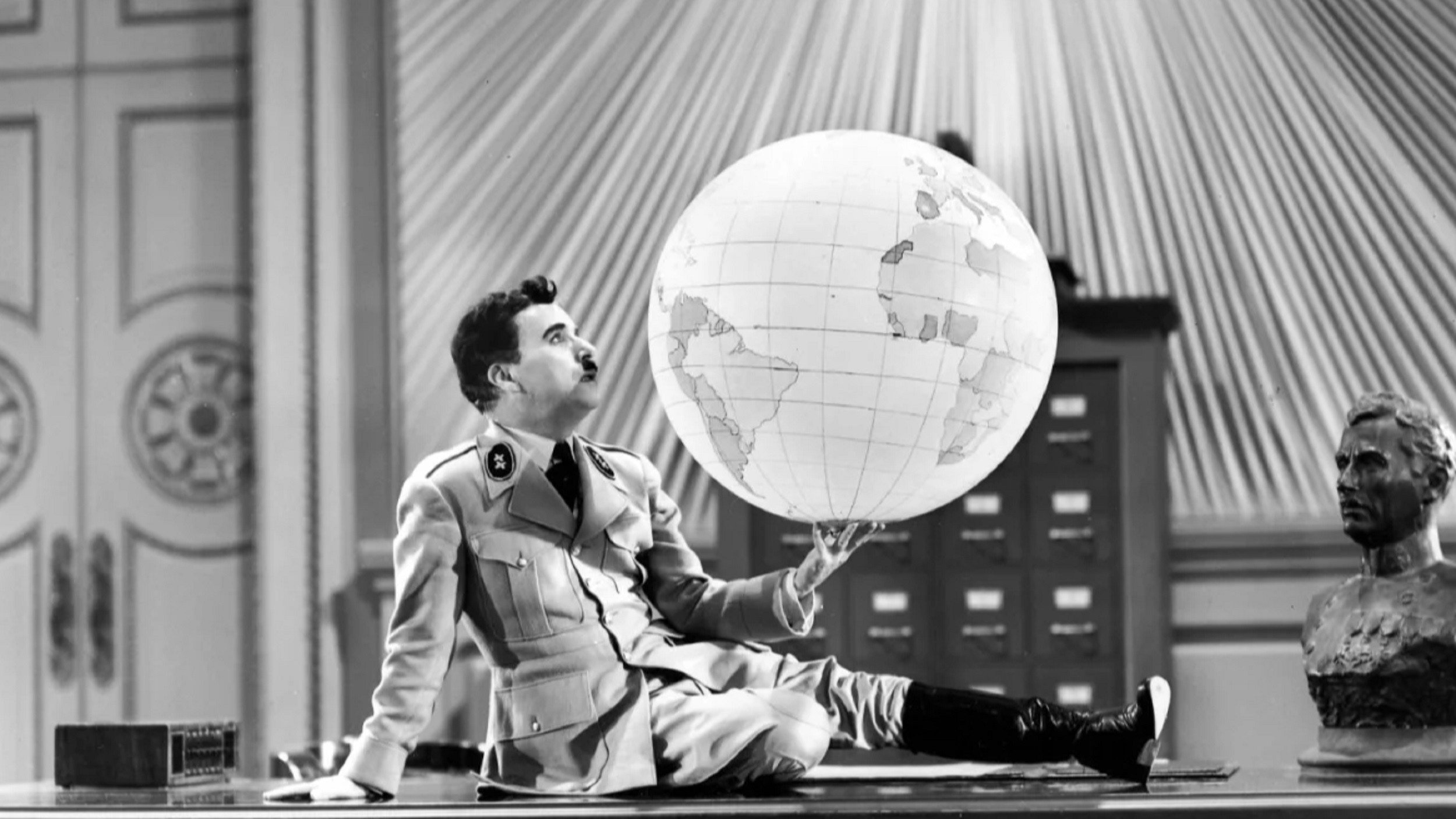
The critic finds the film’s comic inventiveness dazzling, especially moments like the gibberish speech and globe dance, while noting that the hero’s amnesia allows viewers to see fascism’s incremental rise. Some parody feels ham-fisted and the earnest ending speech inadequate given later historical knowledge.

Read the full review →
Slant Magazine
24 May 2011 · Christian Blauvelt
85*

The critic calls the film a scathing satiric masterpiece that deftly balances humor and horror, using theatrical staging and self-reflexive commentary on image and fascism to critique totalitarianism while urging action against it. The WWI prologue and globe sequence are singled out for their cinematic and symbolic power.

Read the full review →
Empire
1 January 2000 · David Parkinson
80*

The critic highlights the film's daring satire on fascism and Chaplin's skillful dual role as the Jewish barber and dictator Hynkel. It praises inventive comic sequences such as the globe-balancing routine and the barber's shaving scene, while noting the poignant final speech and the film's enduring appeal despite a mixed original critical response.

Read the full review →
Time Out
10 September 2012 · VG
40*

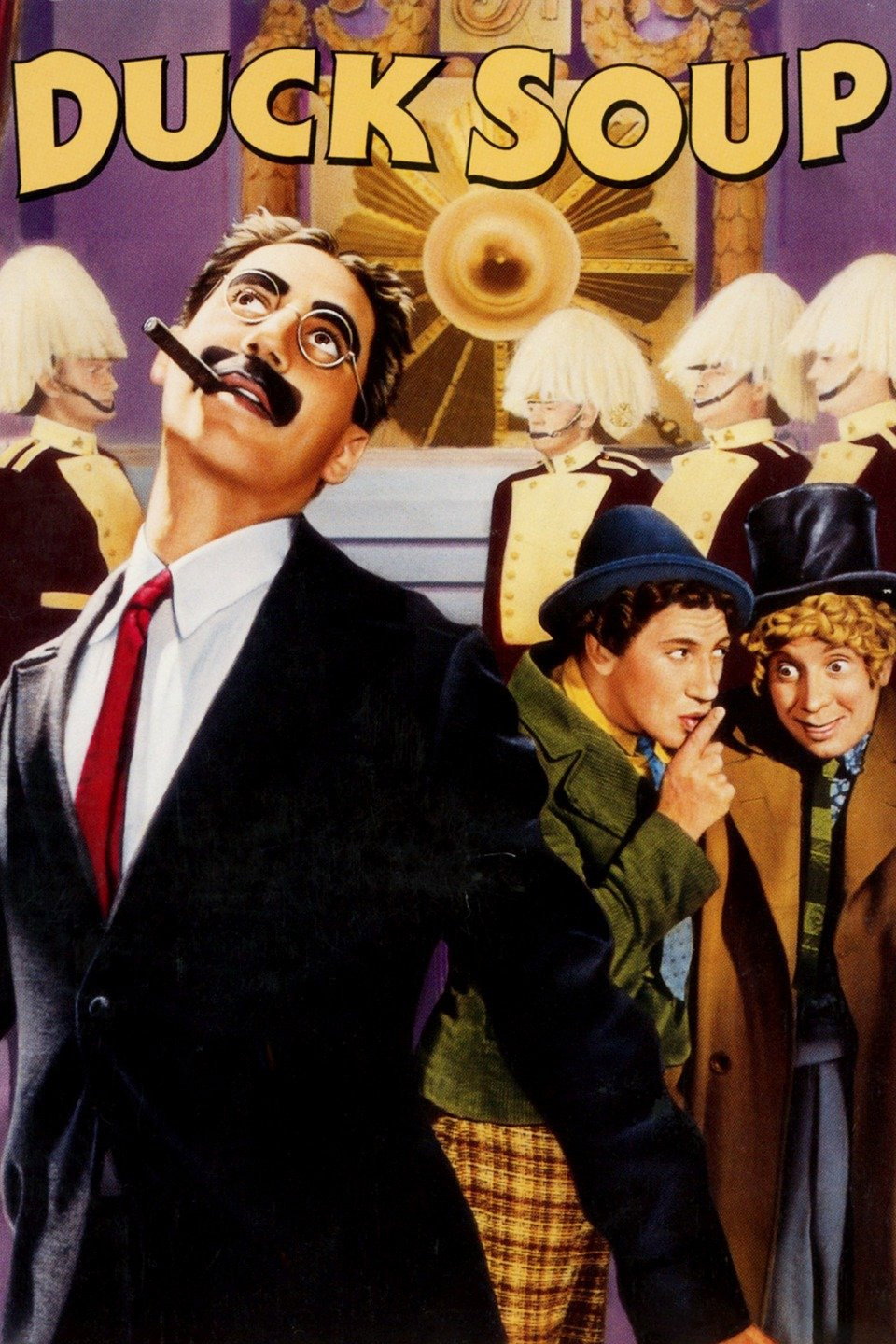
The representation of Hitler is vaudeville goonery all the way, but minus the acid wit and inventive energy that Groucho Marx managed in Duck Soup. Cue for an impassioned speech about freedom and democracy calculated to jerk tears out of the surliest fascist, in a manner startlingly similar to Hitler's very own delivery.

Read the full review →
Sight and Sound
1 December 1940

The many subsidiary episodes tend to obscure the general outline of the film, but in spite of its shortcomings as a work of art The Great Dictator raises the cinema to a new level as a force in World Affairs. While the film runs, the tide of Chaplin's genius carries all before it in alternate waves of humour and pathos.

Read the full review →
The New Yorker
19 October 1940 · John C. Mosher

Chaplin alone could have dreamed of this approach to current events and swung the fantastic conglomeration into something successful. The balloon dance scene is one of the most delightful bits he has ever given, saving the picture with its child-like fantasy, though the final speech creates a wrench from detachment to direct exhortation.

Read the full review →

Cast

Stills

Awards

Academy Awards, 1941

Nominated
Best Actor
Nominated
Best Original Score
Nominated
Best Picture
Nominated
Best Supporting Actor

New York Film Critics Circle Award for Best Actor, 1940

Won
New York Film Critics Circle Award for Best Actor

If you liked this, try…

Duck Soup poster

Duck Soup

1933 · More ruthless political nonsense, with leaders whose vanity makes catastrophe seem almost inevitable.

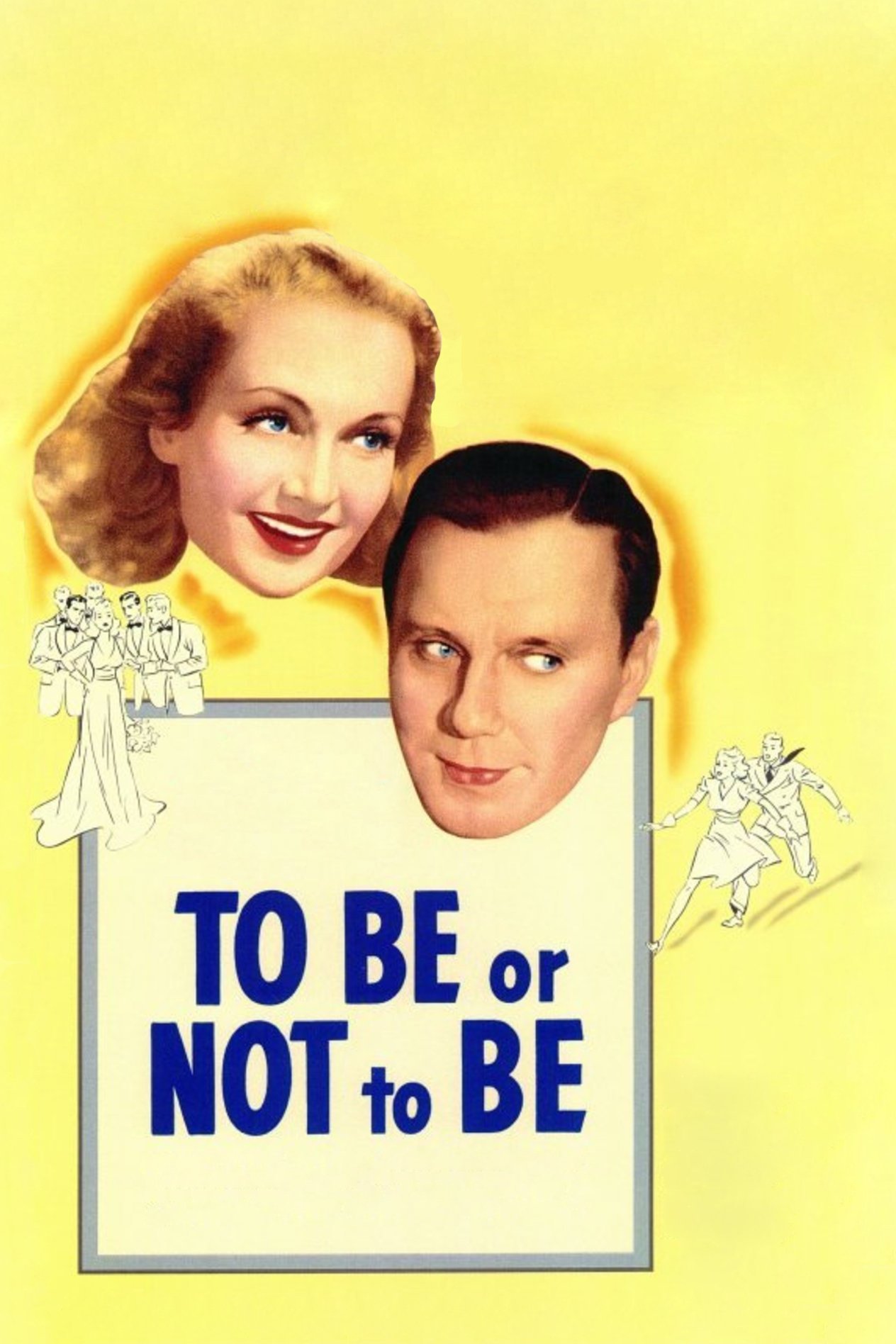
To Be or Not to Be poster

To Be or Not to Be

1942 · Actors confront Nazi power in a comedy where performance becomes a survival skill.

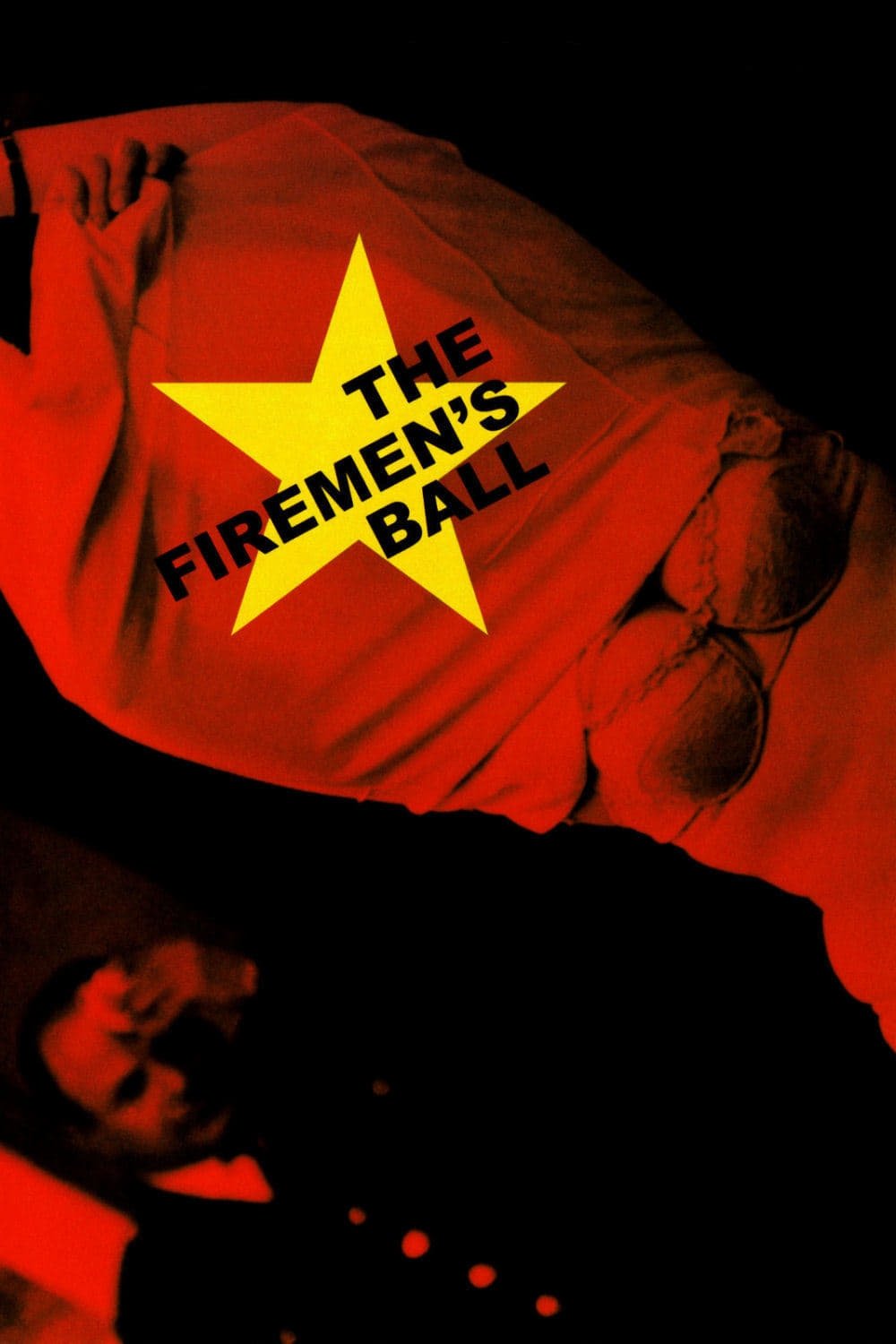
The Firemen's Ball poster

The Firemen's Ball

1967 · Petty officials mishandle a celebration in a comedy that needs no dictator to expose them.

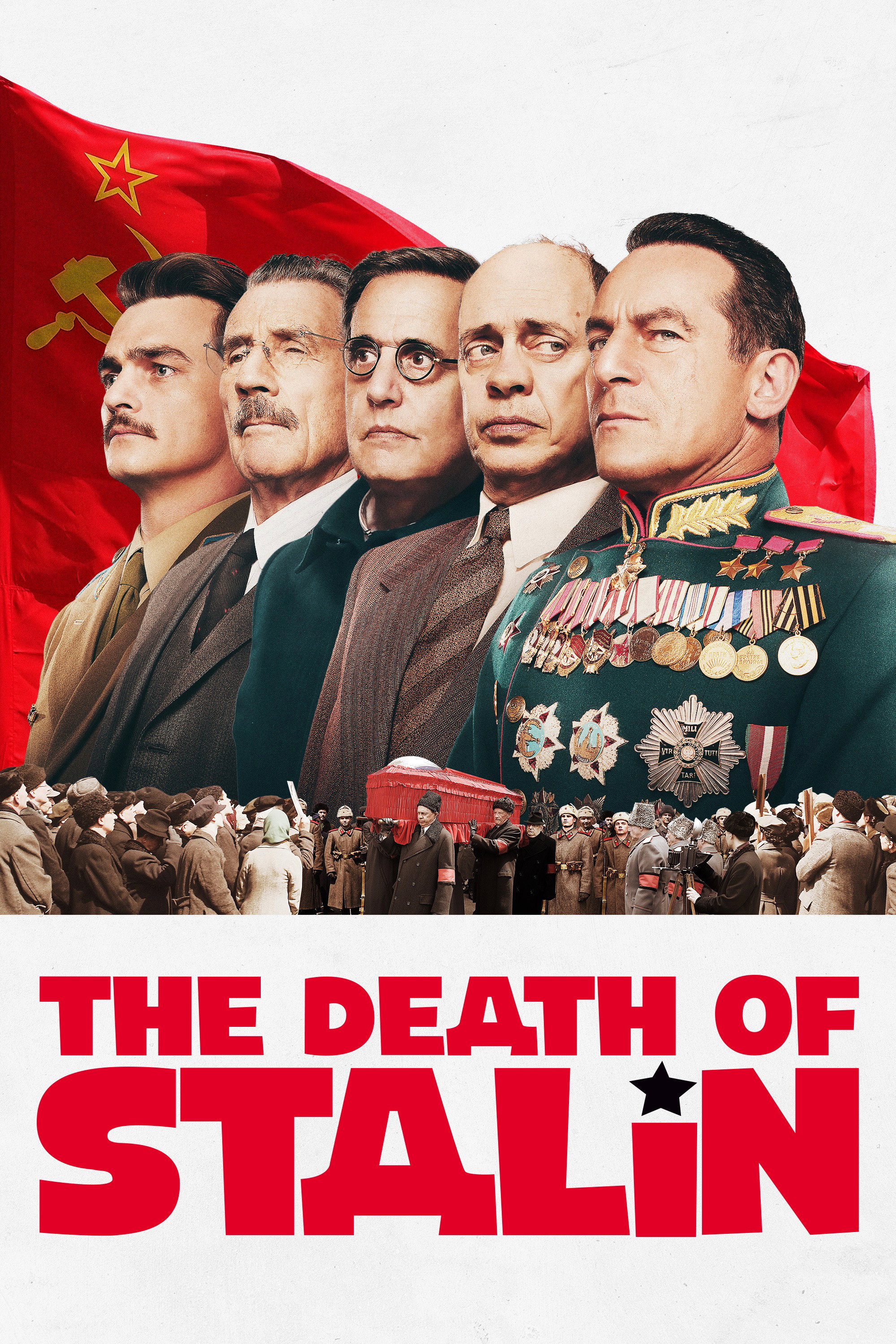
The Death of Stalin poster

The Death of Stalin

2017 · A nastier account of dictatorship, where every joke carries the possibility of punishment.

The Shop on the High Street poster

The Shop on the High Street

1965 · A much bleaker look at antisemitism, compromise and the everyday machinery of persecution.