Leo McCarey keeps Duck Soup brisk, rude and fiercely funny, with Groucho Marx making political vanity look impossible to cure. Some of the broader bullying wears thin, but the timing earns our patience.
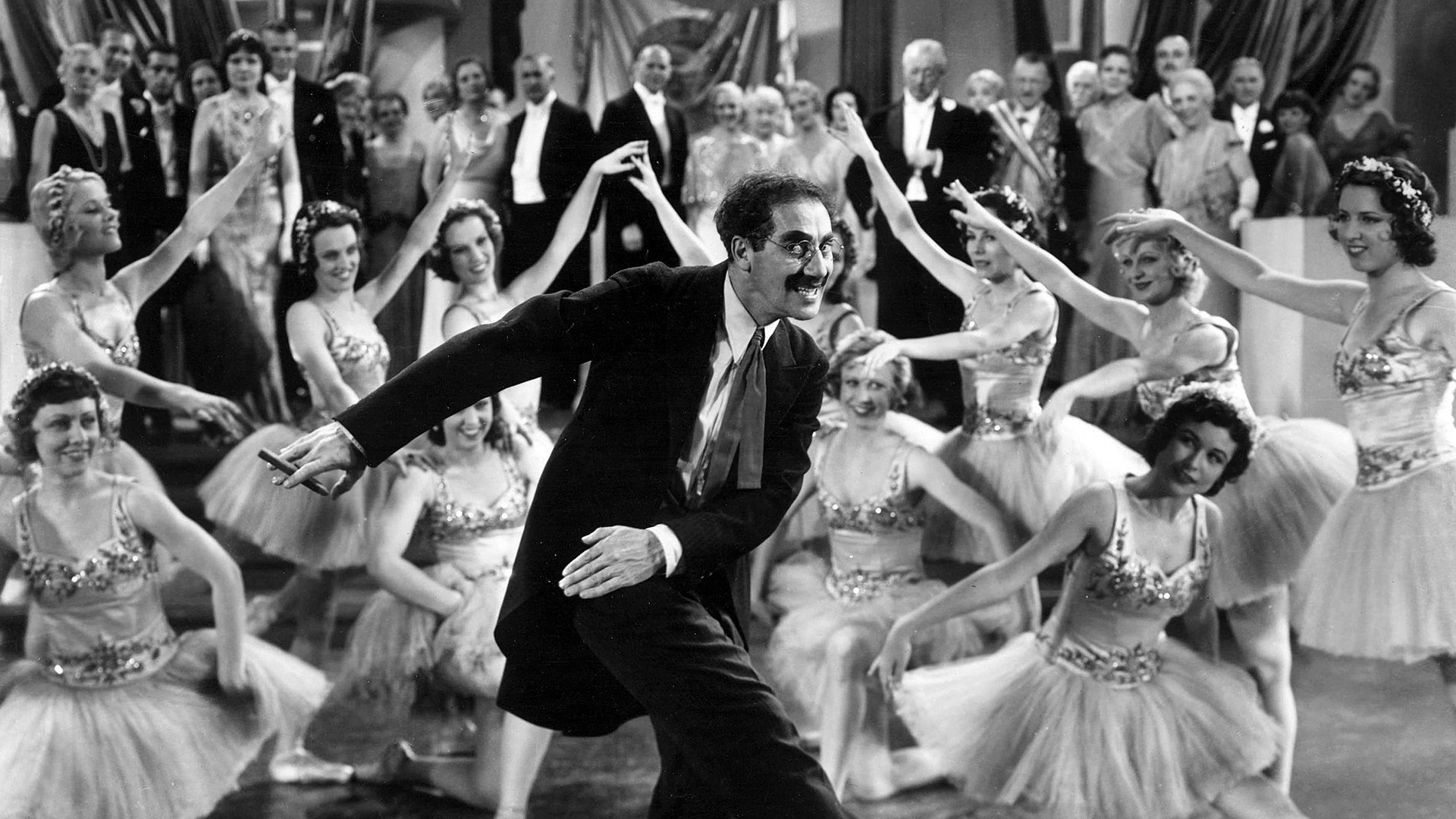
The useful thing about putting Groucho Marx in charge of a country is that he makes no attempt to look qualified. As Rufus T. Firefly, he treats other people as opportunities for a joke, and the business of leadership gets much the same attention. Leo McCarey’s Duck Soup is a sharply timed, often hilarious comedy about the vanity that passes for authority. We recommend it warmly, with a warning that the physical harassment can become tiresome before the film moves on.
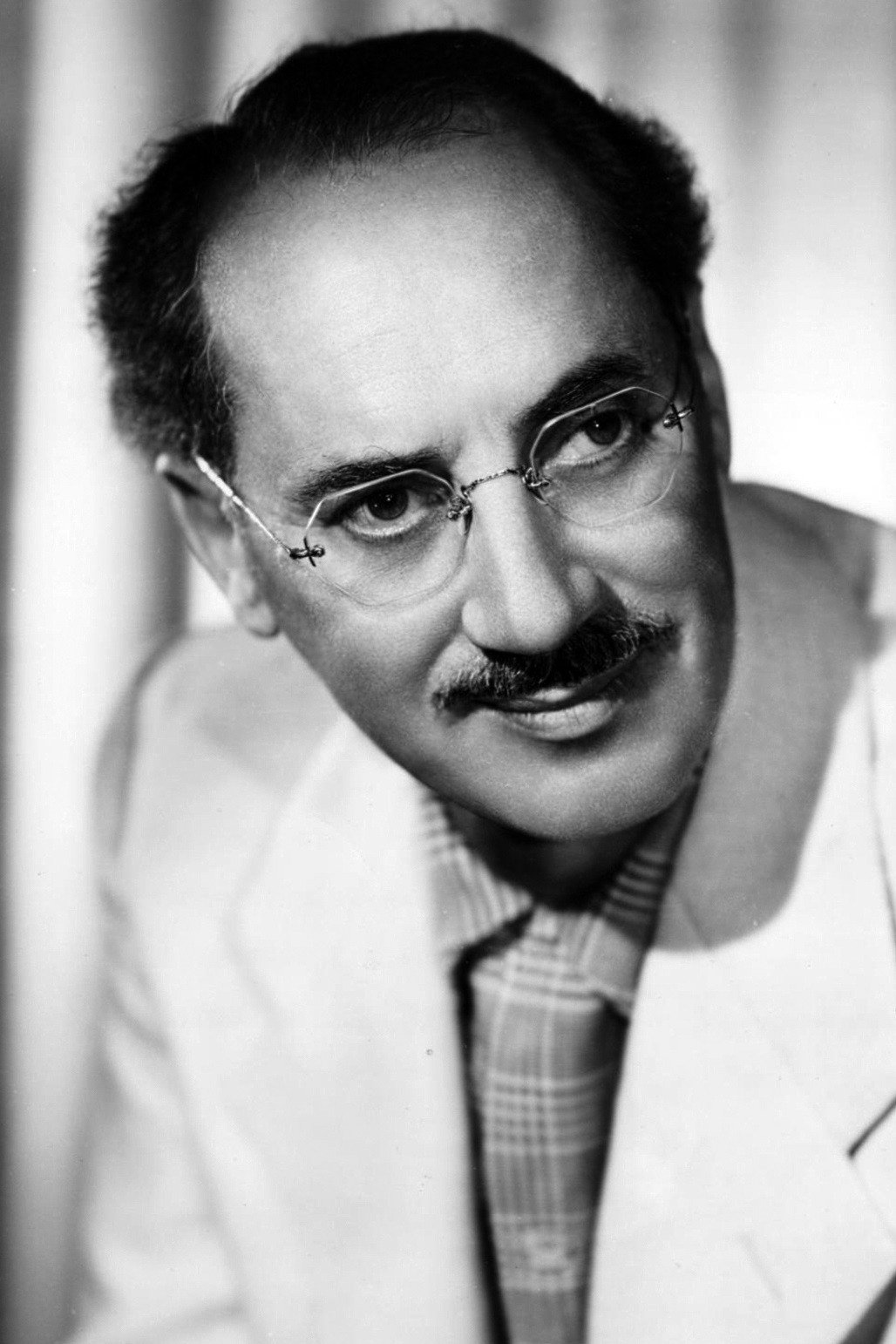
The writing credits bring together Bert Kalmar, Harry Ruby, Arthur Sheekman and Nat Perrin, but the jokes have a consistent impatience with anyone expecting to be treated properly. Groucho Marx delivers an insult as though he were supplying information requested by the recipient. A conversation barely establishes its subject before he has found an excuse to abandon it. That speed matters: the politics stay funny because the film gives us a man behaving badly, without stopping to explain how his behaviour represents a system.
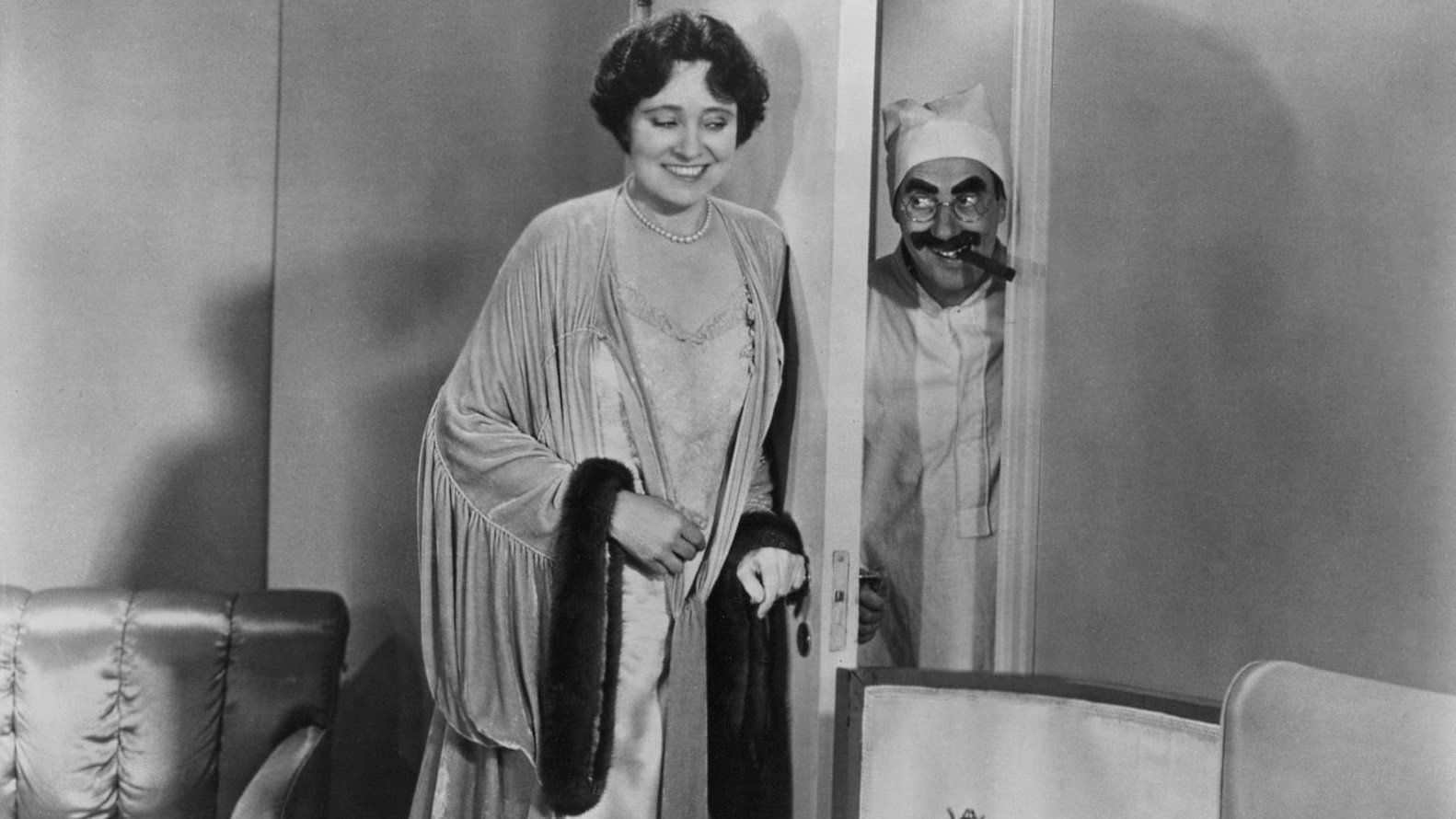
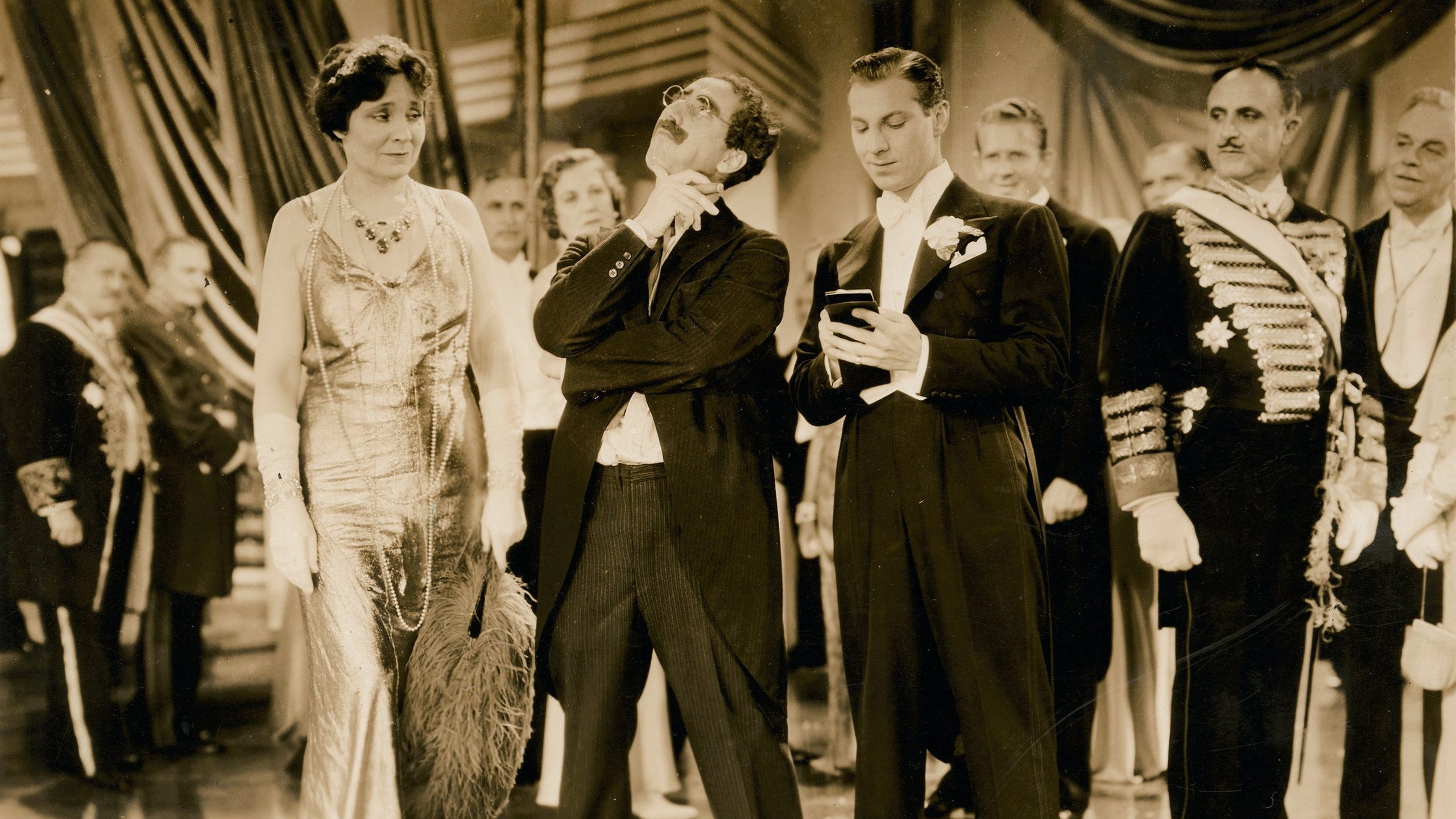
Margaret Dumont makes this possible by allowing Gloria Teasdale some dignity to lose. She does not perform the indignation in advance; she lets a remark arrive, registers it and tries to continue. We laughed aloud at their exchanges because she keeps allowing him another chance to behave. There is something touching in that persistence, though the director wisely avoids asking for sympathy while another insult is waiting.
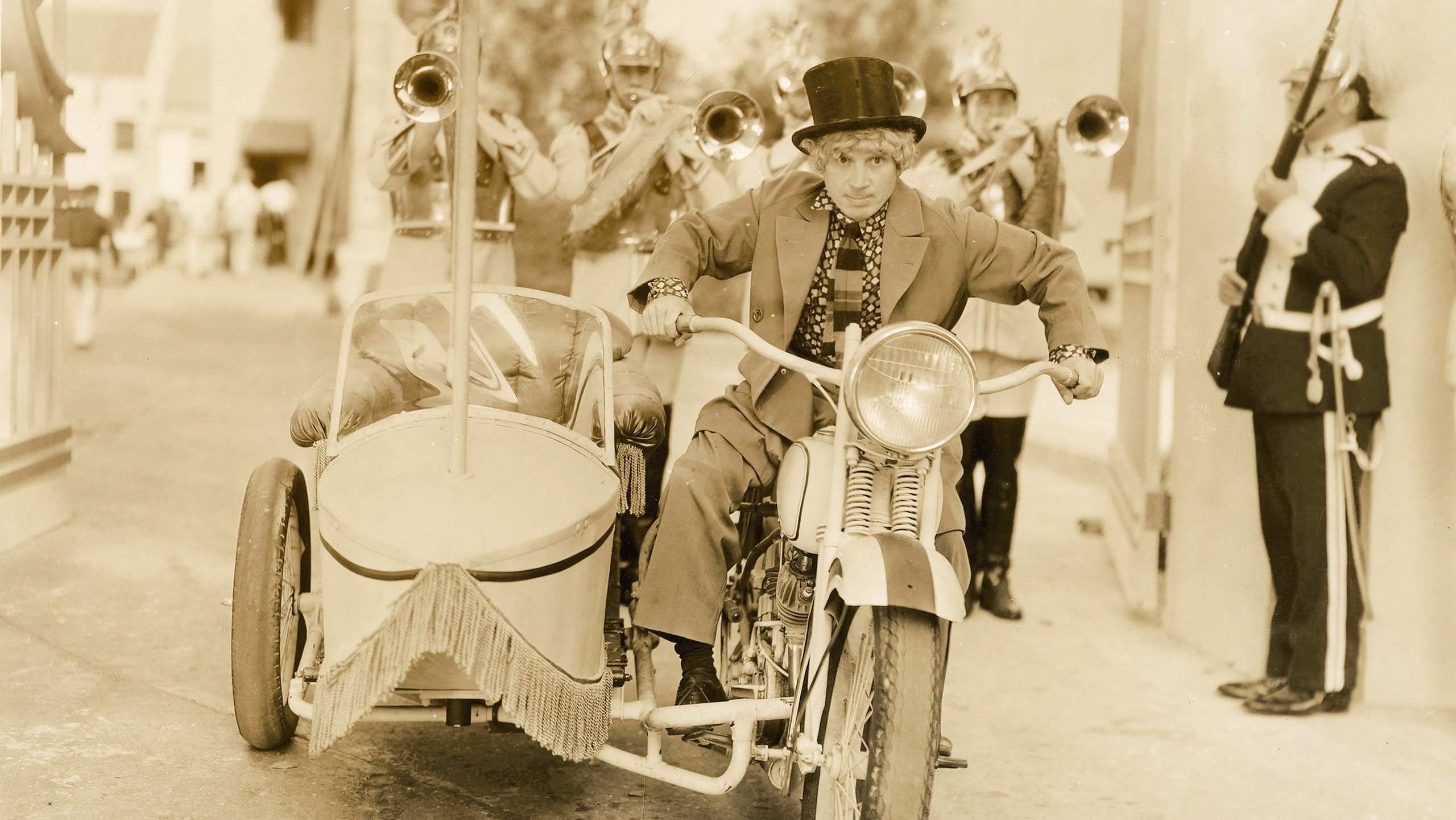
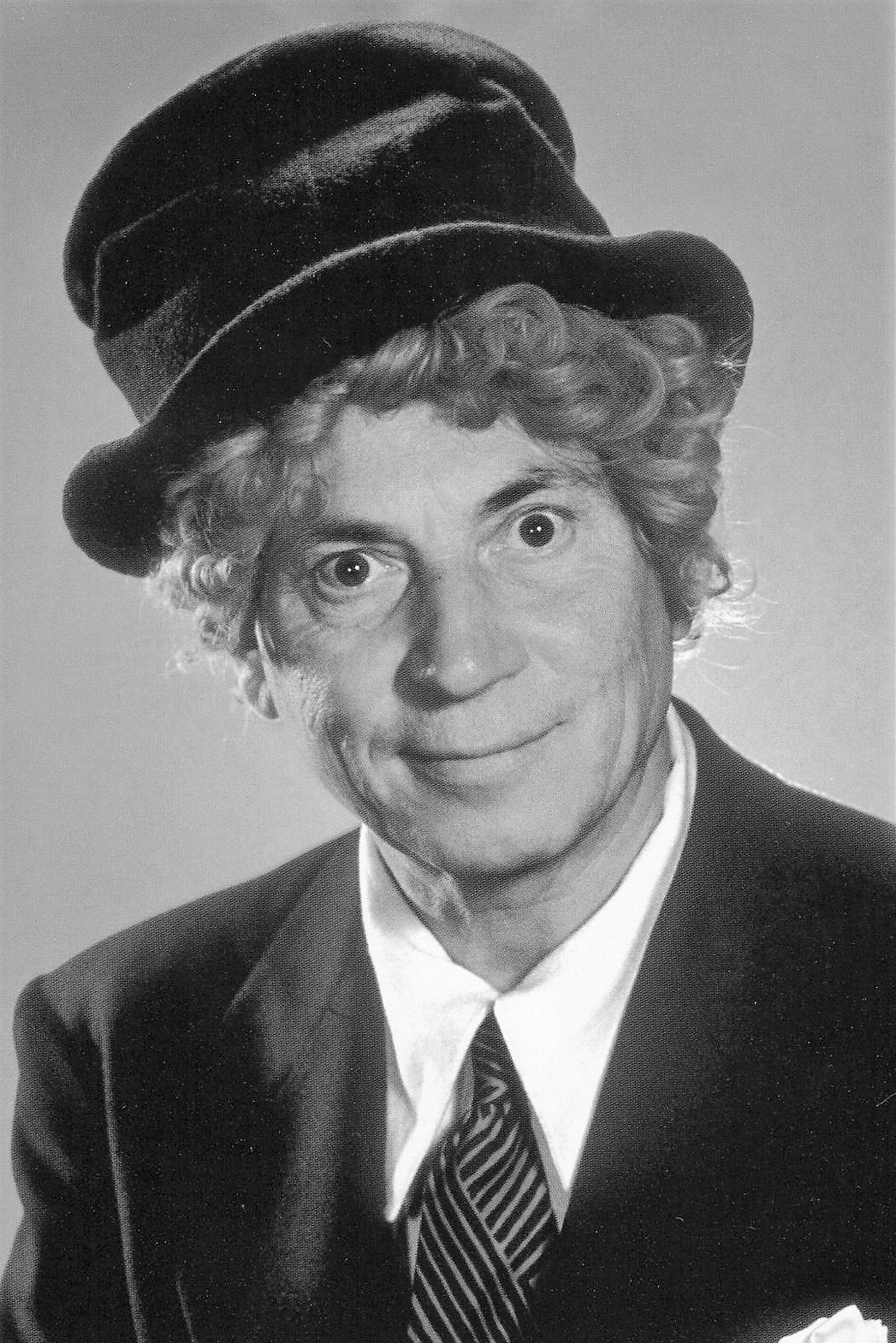
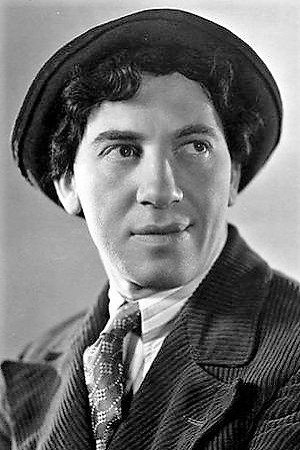
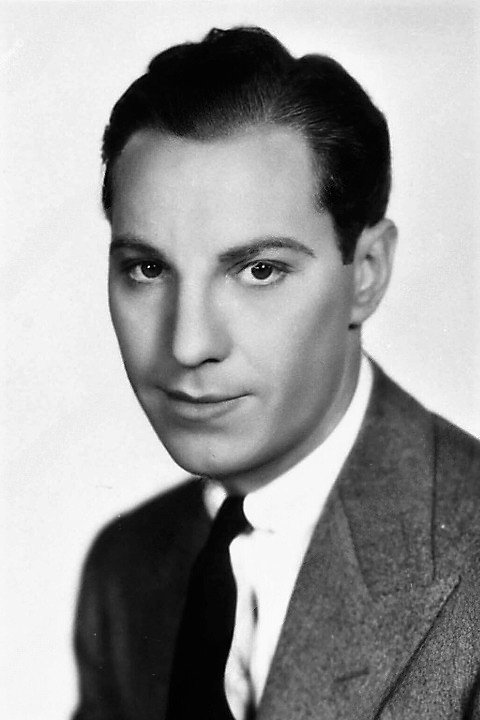
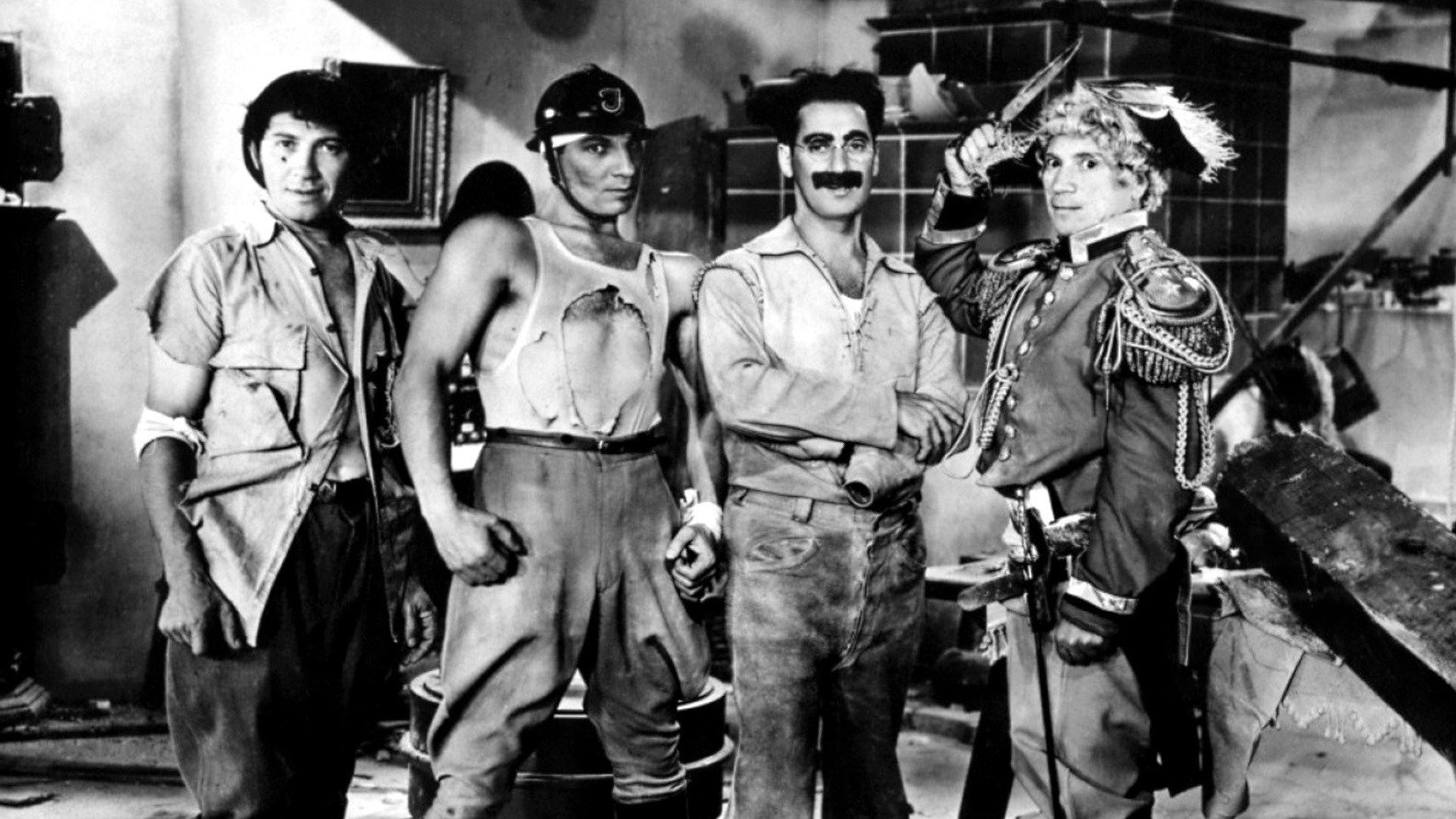
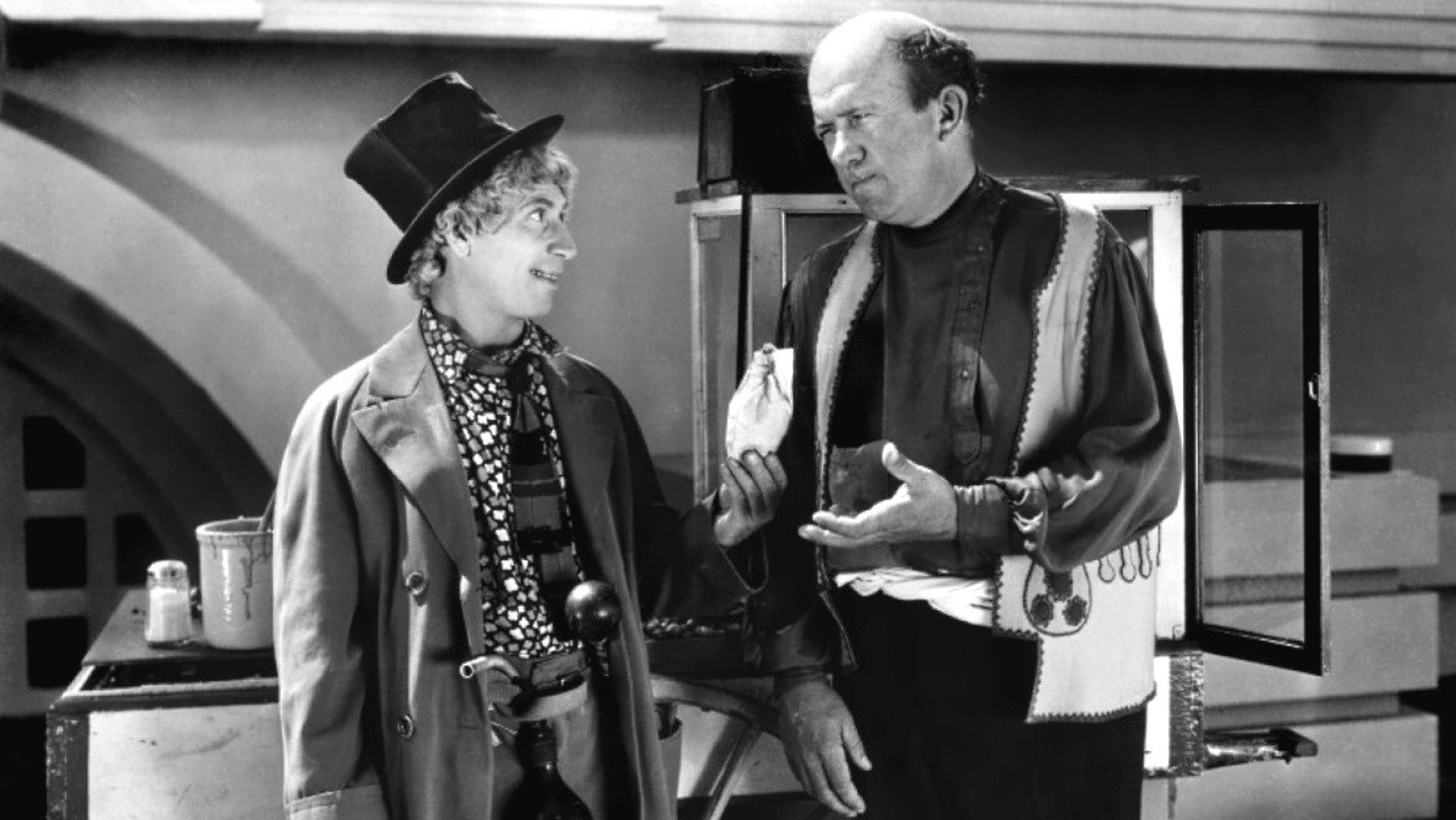
The physical comedy depends on a different kind of patience. Henry Sharp’s cinematography gives the performers the clarity their movements need, while LeRoy Stone’s editing keeps the interruptions from becoming a shapeless rush. Harpo Marx as Pinky and Chico Marx as Chicolini make ordinary exchanges difficult in ways that do not require Groucho Marx’s verbal speed. Leo McCarey gives their routines room to run, and the pleasure comes from seeing how long a simple piece of business can resist being settled.
The music, credited to Bert Kalmar, Harry Ruby, John Leipold and Arthur Johnston, is less distinctive than the speech. It contributes to the bustle, though the pleasure of listening comes chiefly from the performers’ exact sense of when to interrupt. That is where the film feels most controlled, however disorderly the conversation becomes. The dialogue is so quick that a slower or fussier treatment could easily have buried the jokes.
Harpo Marx and Chico Marx occasionally keep pressing a bit of physical business after the surprise has gone. Some exchanges become a prolonged exercise in making someone else put up with them, and the thin story offers little compensation when a routine misses. A little less repetition would have helped. At 68 minutes, though, the film usually gets back to something better before our goodwill runs out.
As political satire, Duck Soup does not require us to recognise a particular politician. Vanity, belligerence and the expectation that a title should command respect are enough to keep it occupied. Its willingness to be ridiculous is a relief beside comedies that seem anxious to prove how seriously they take the subject. Put it on when polite conversation has begun to wear thin.