Ernst Lubitsch makes theatrical vanity useful in a sharp, unnerving anti-Nazi comedy. Jack Benny and Carole Lombard give it its comic assurance, though the early stretches take longer than they should to find their pace.
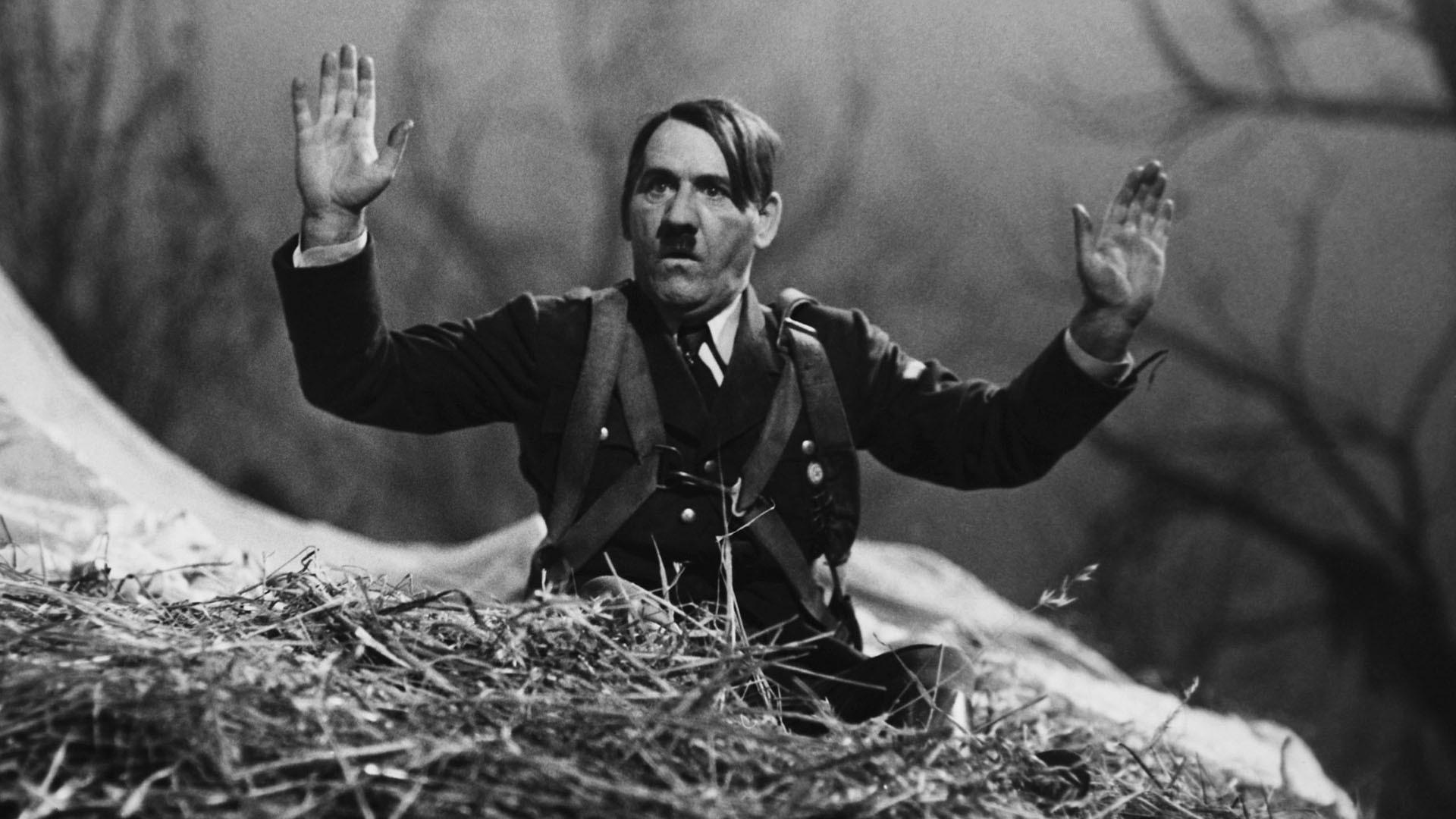
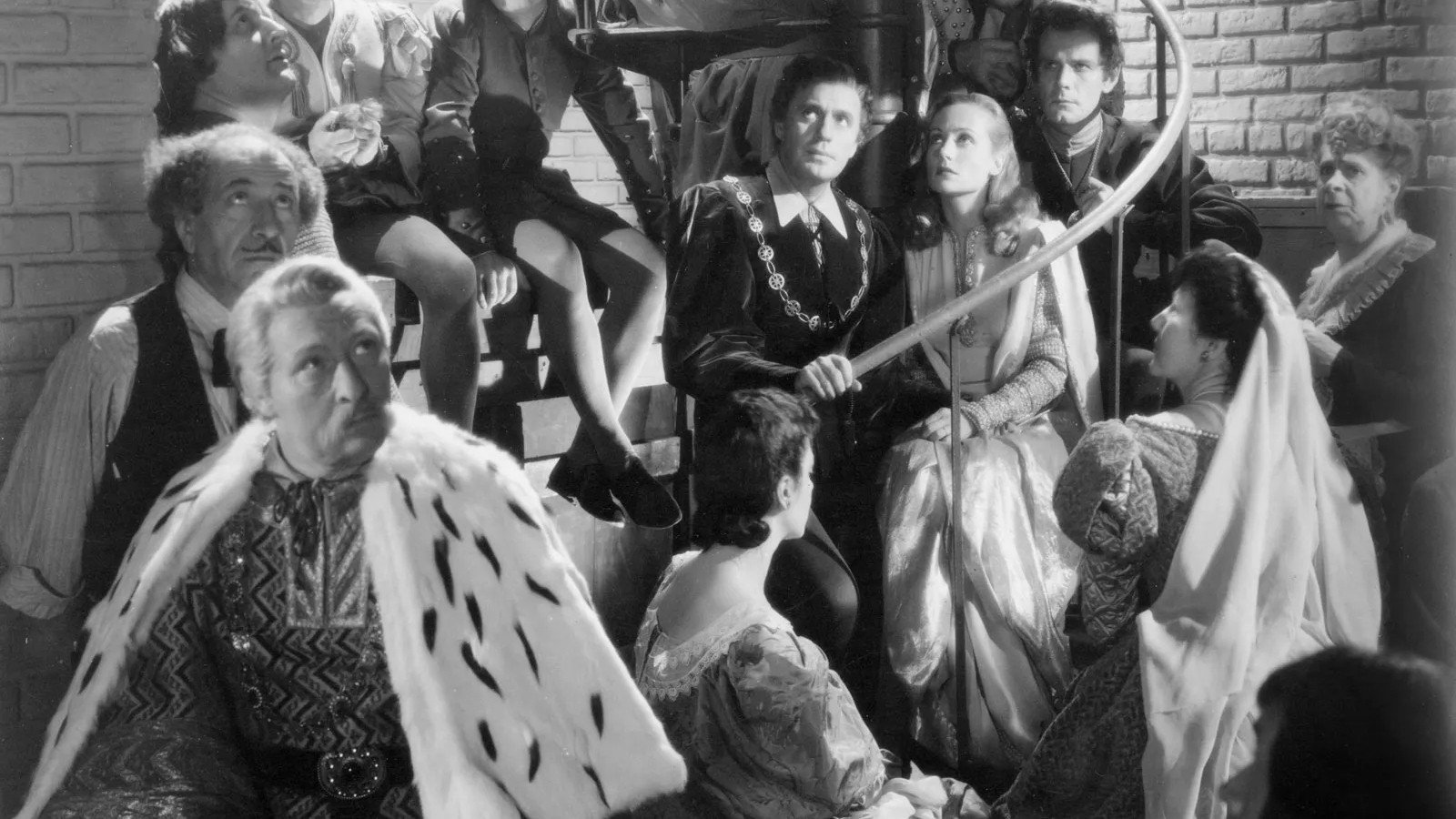
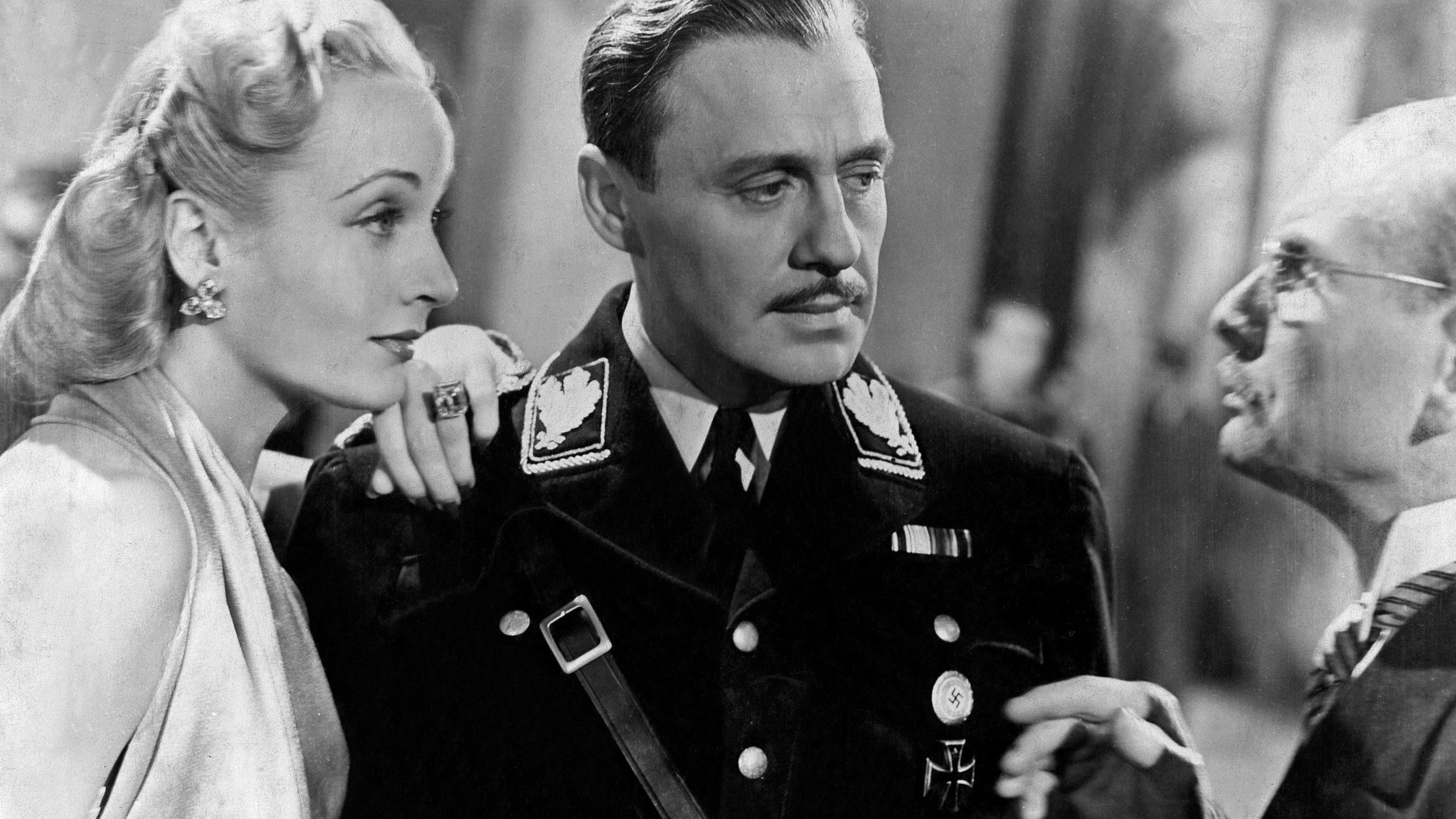
To Be or Not to Be is a sharp, unnerving comedy about actors confronting Nazis, with enough faith in a joke to let it sit beside fear. Ernst Lubitsch makes the performers’ vanity central to their usefulness: people who insist on being watched must learn to judge their audience. Released in 1942, the film treats fascism as a present danger, giving the play-acting an urgency that a comfortable historical setting would lack. The first half is uneven, but we recommend it with that reservation.
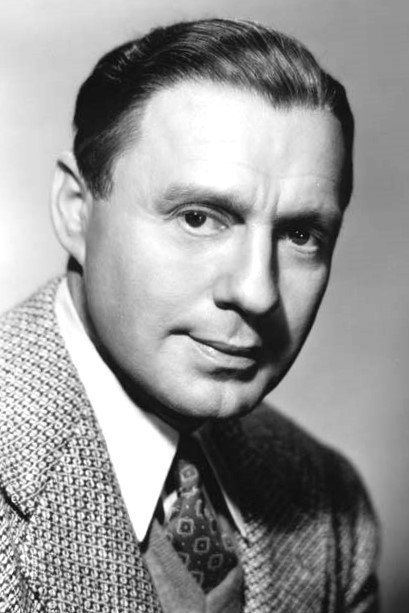
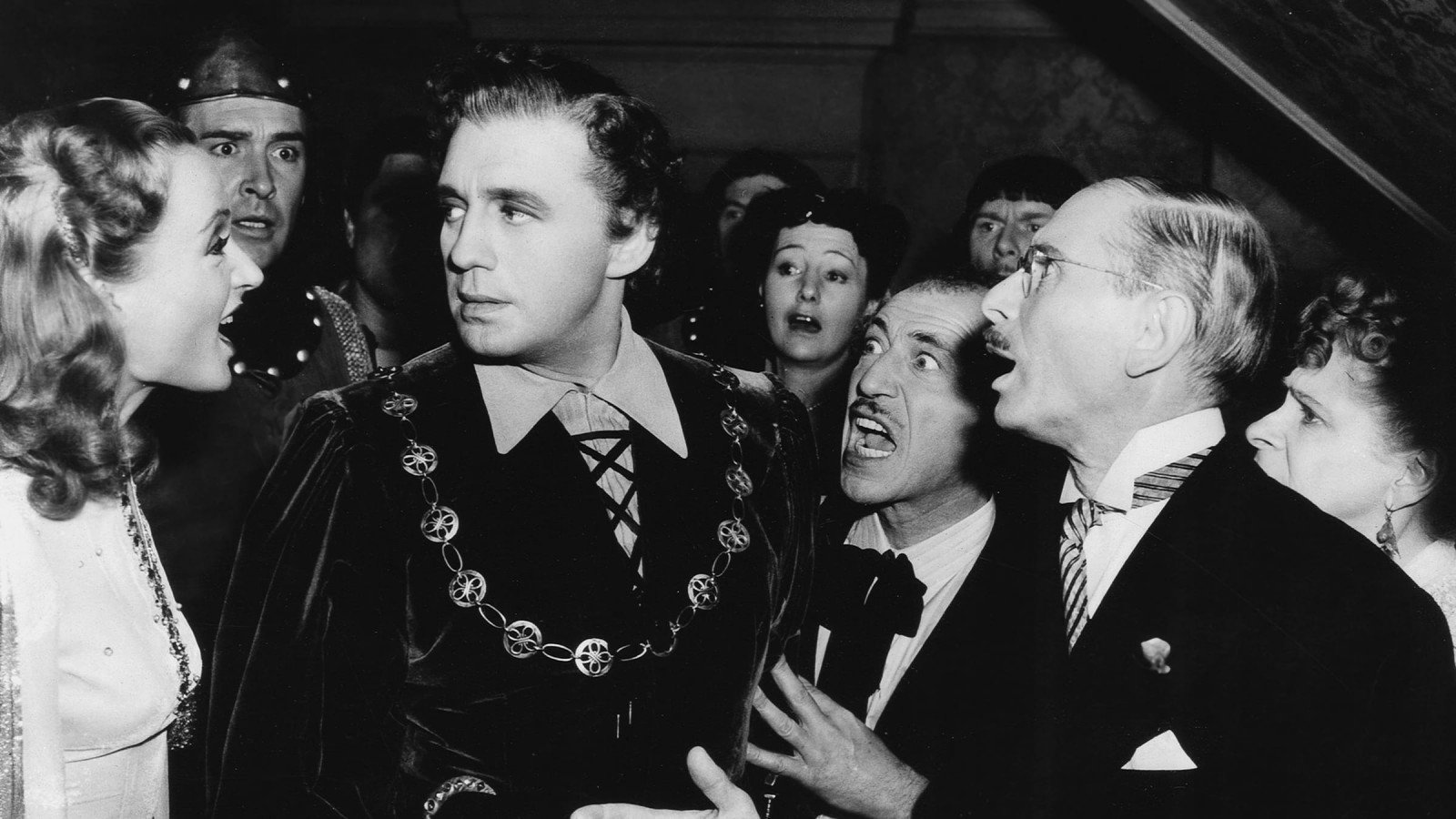
Edwin Justus Mayer’s screenplay, from a story by Melchior Lengyel, gives Joseph Tura the sort of self-regard that can make a colleague exhausting and an audience grateful. Jack Benny makes him funny without asking us to excuse him as a misunderstood talent. The pleasure is in the misplaced priorities, the sense that professional pride can survive circumstances which ought to have made it irrelevant. When the comedy demands more urgent improvisation, that same hunger to perform keeps the character recognisable.
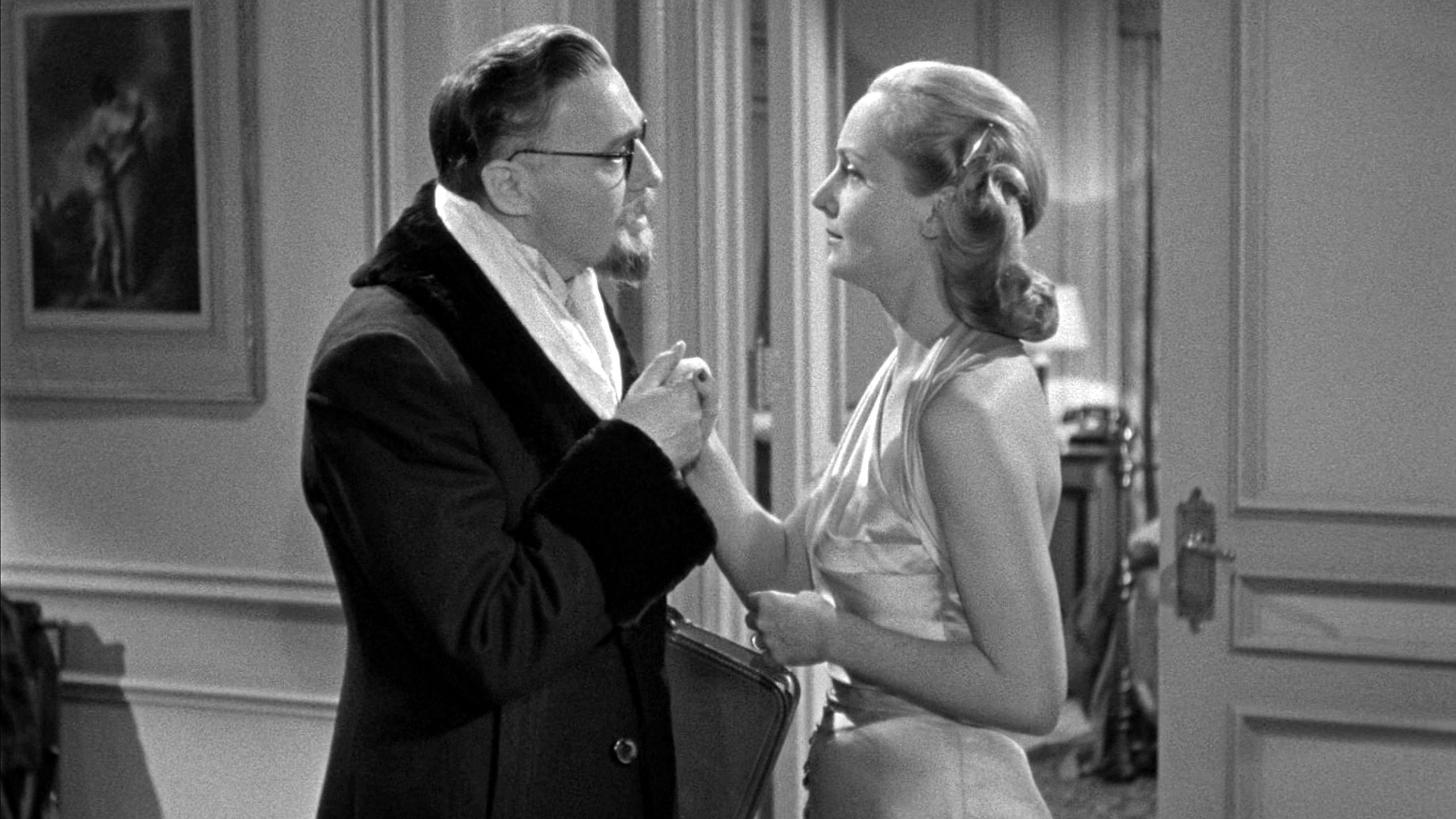
Carole Lombard is the necessary counterweight to all that male self-regard. As Maria Tura, she gives the romantic comedy enough confidence to belong beside the political mockery, rather than looking like something included to soften it. Her timing makes an exchange feel like a contest whose outcome she has already considered. The film needs that assurance, since a faltering performance here would make the changes between sexual comedy and danger look much clumsier.
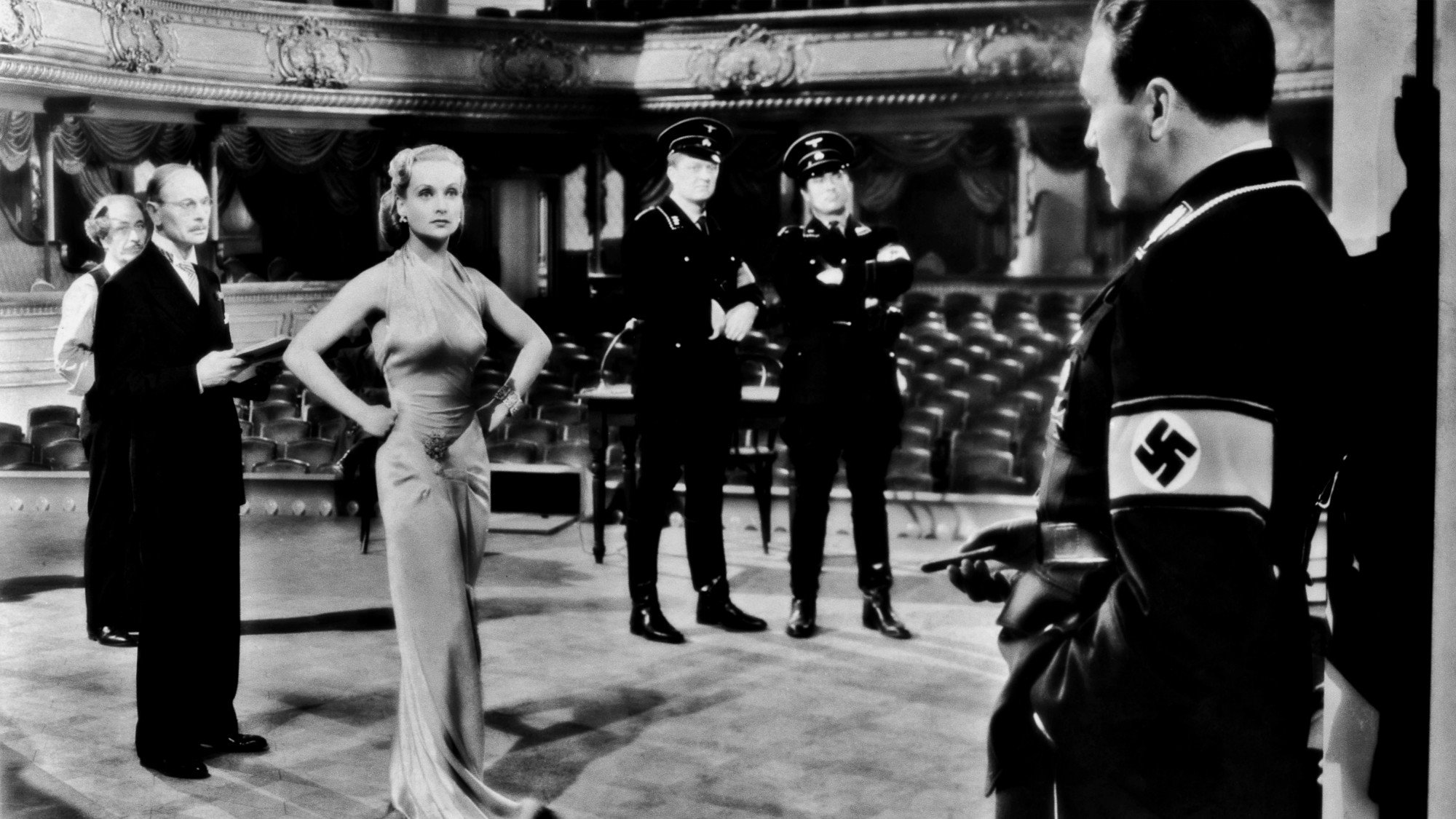
The clearest way to appreciate Rudolph Maté’s cinematography and Vincent Korda’s production design is to watch the doorways. These are working parts of a joke, and the clarity of the staging lets a small delay become an event. Ernst Lubitsch understands the anticipation of an entrance and the awkwardness of waiting for somebody to leave. We always have something specific to watch, even when the funniest thing happening is a pause.
Dorothy Spencer’s editing is crucial to that timing, allowing the joke to register before the next exchange starts. The cuts need not announce their cleverness when a slight delay can do so much. Werner R. Heymann’s music supports that movement without becoming the thing we listen for. What stays with us is the nervous interval between a confident line and the response it receives, particularly when confidence is all the speaker has available.
Edwin Justus Mayer’s script takes time arranging its mixture of romance and theatre, and some of the early business feels more like preparation than comedy. We can appreciate why the pieces are needed without finding each one equally funny. Once the performances themselves carry the danger, Ernst Lubitsch has less explaining to do and the jokes become more pointed. At 99 minutes, this is no endurance test, but the unevenness is noticeable.
For a war comedy, it puts unusual weight on the small humiliations people inflict in conversation. Its Nazis can be ridiculous without becoming harmless, although the attention to their social gracelessness occasionally makes the ridicule feel too comfortable. We found the doorway pauses surprisingly tense: the delay gives us time to fear discovery as well as anticipate the joke. Watch it when you can pay attention to the pauses as well as the punchlines.