Film review

The Lady Vanishes

1938 · Directed by Alfred Hitchcock · 1h 36m · MPA NR

In a sentenceA woman goes missing, and somehow the cricket still requires attention

MysteryThriller

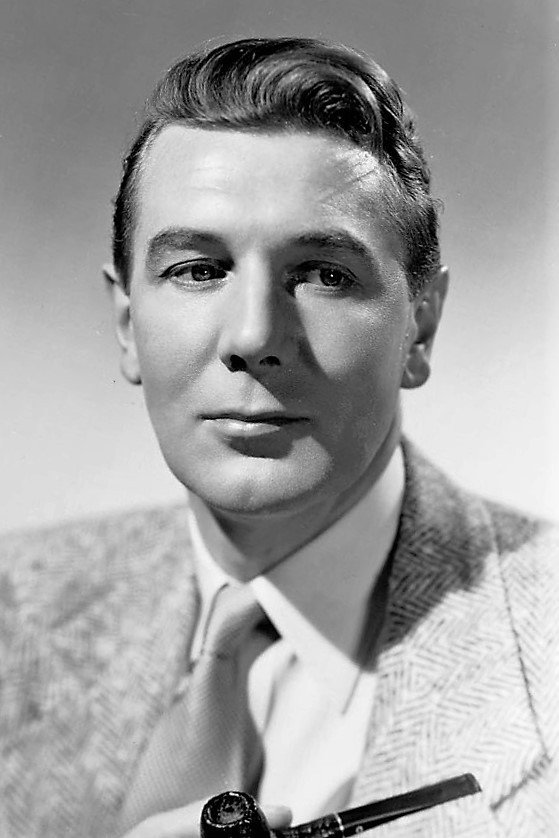
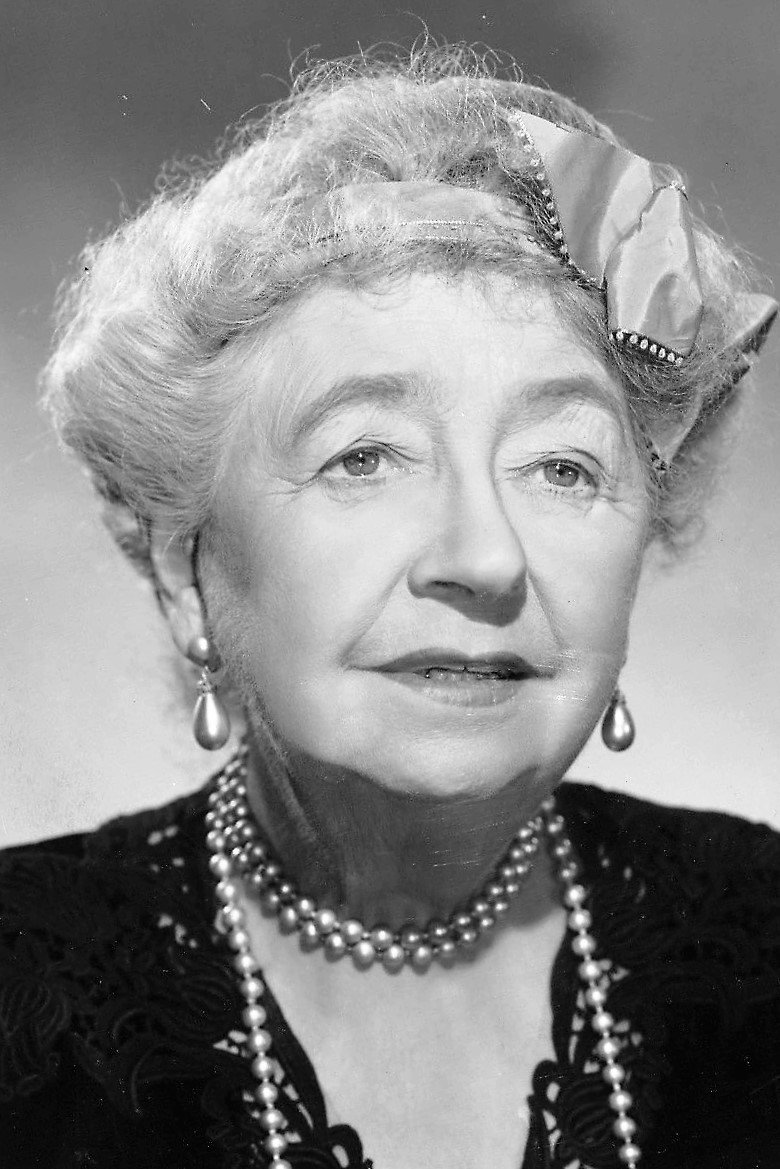
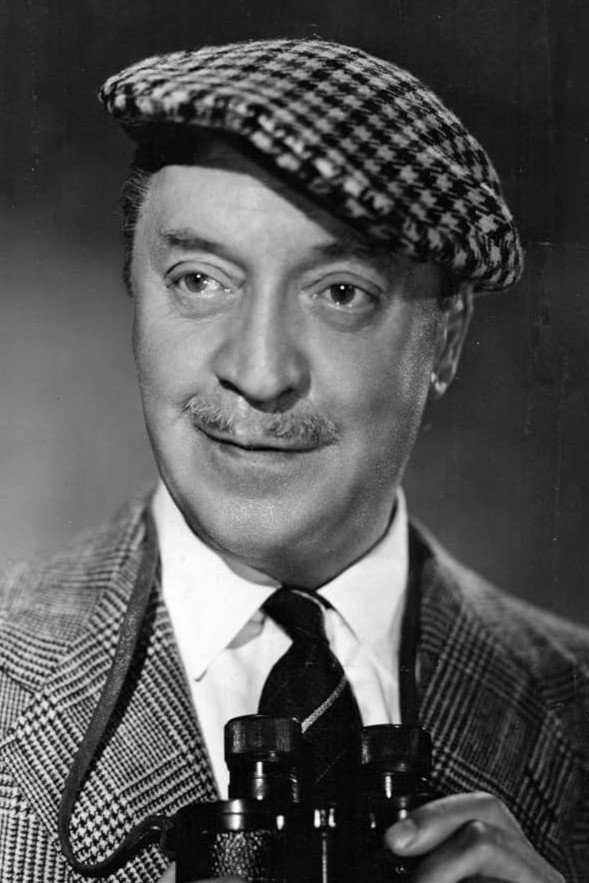
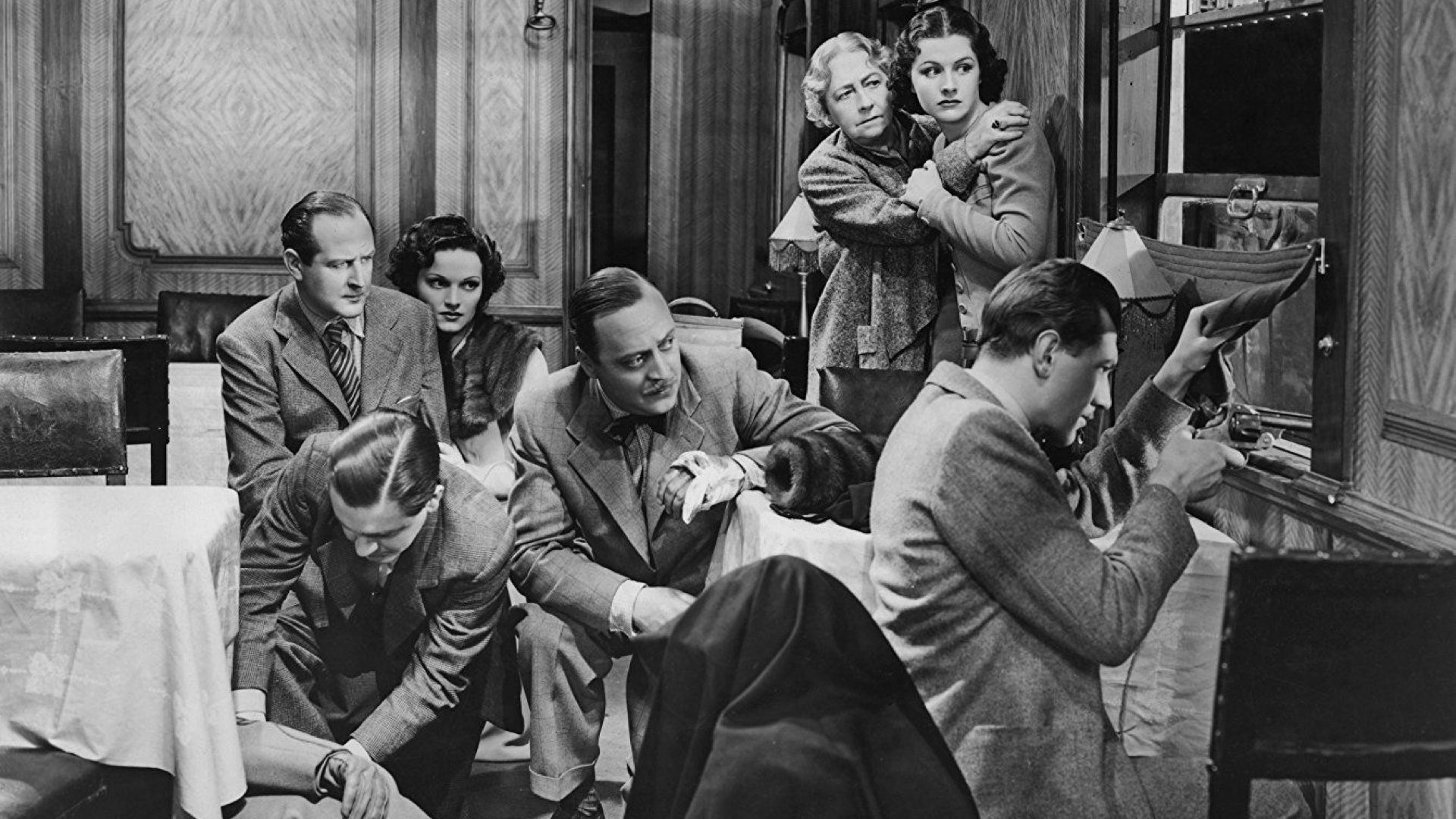
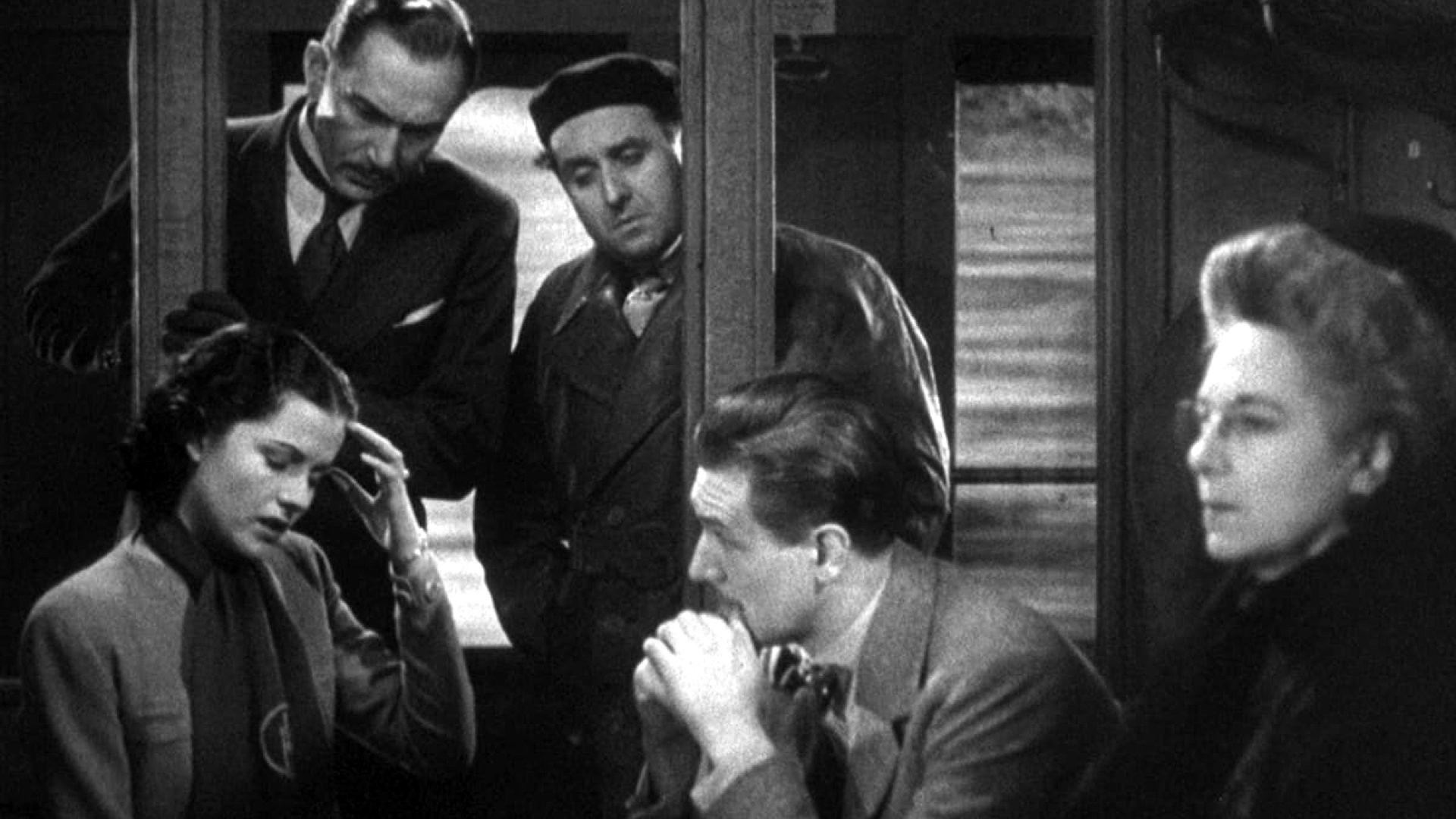
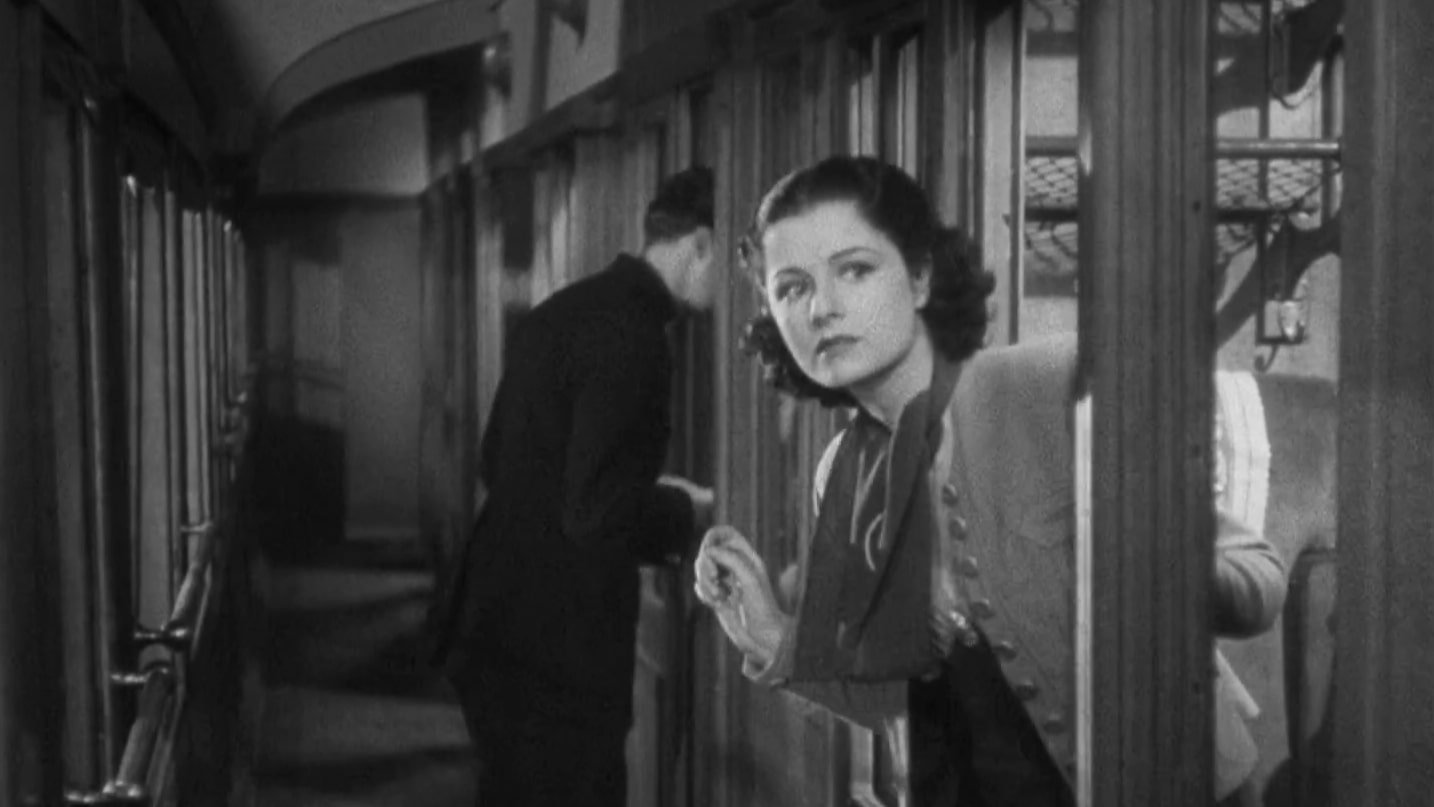
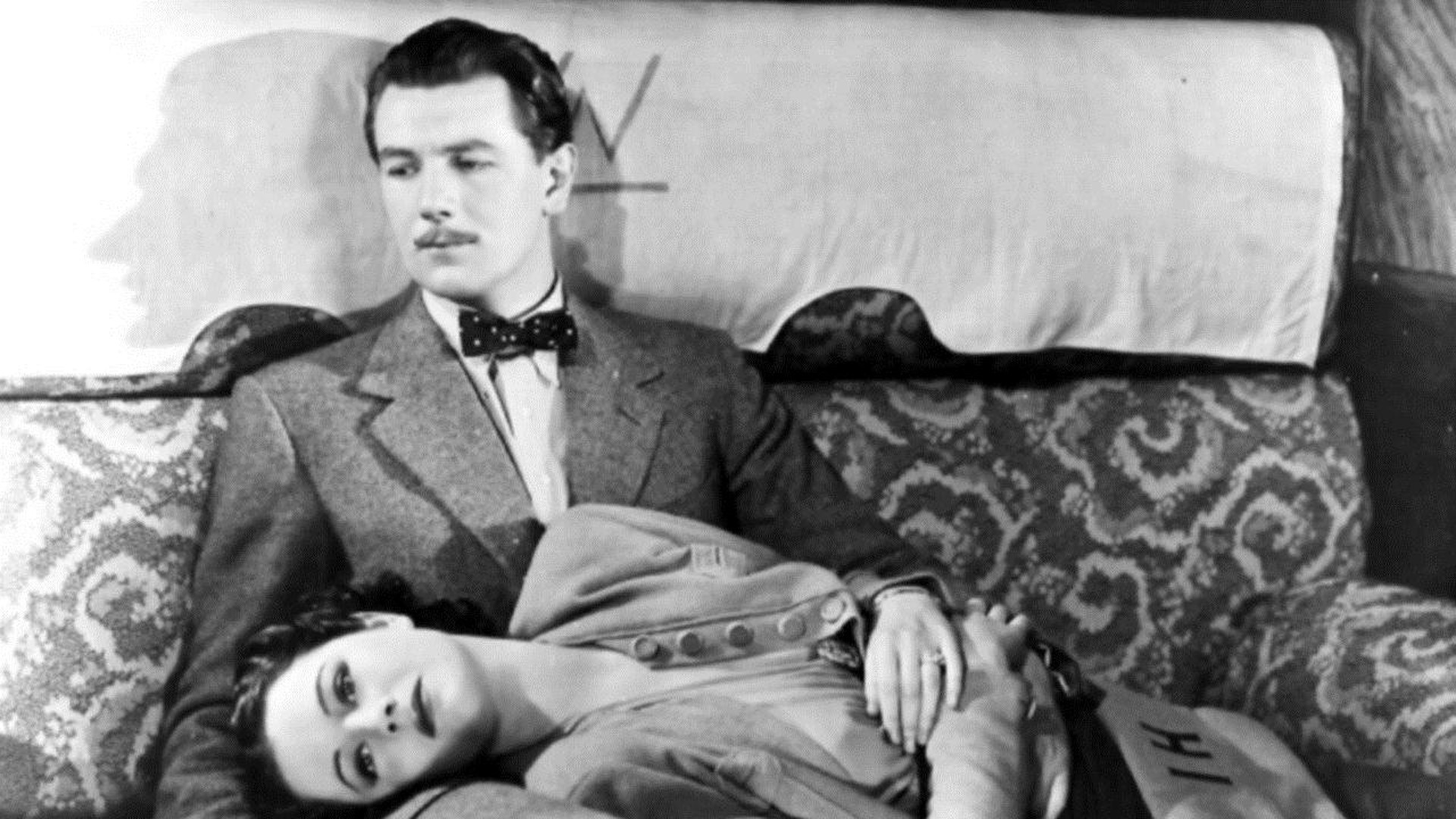
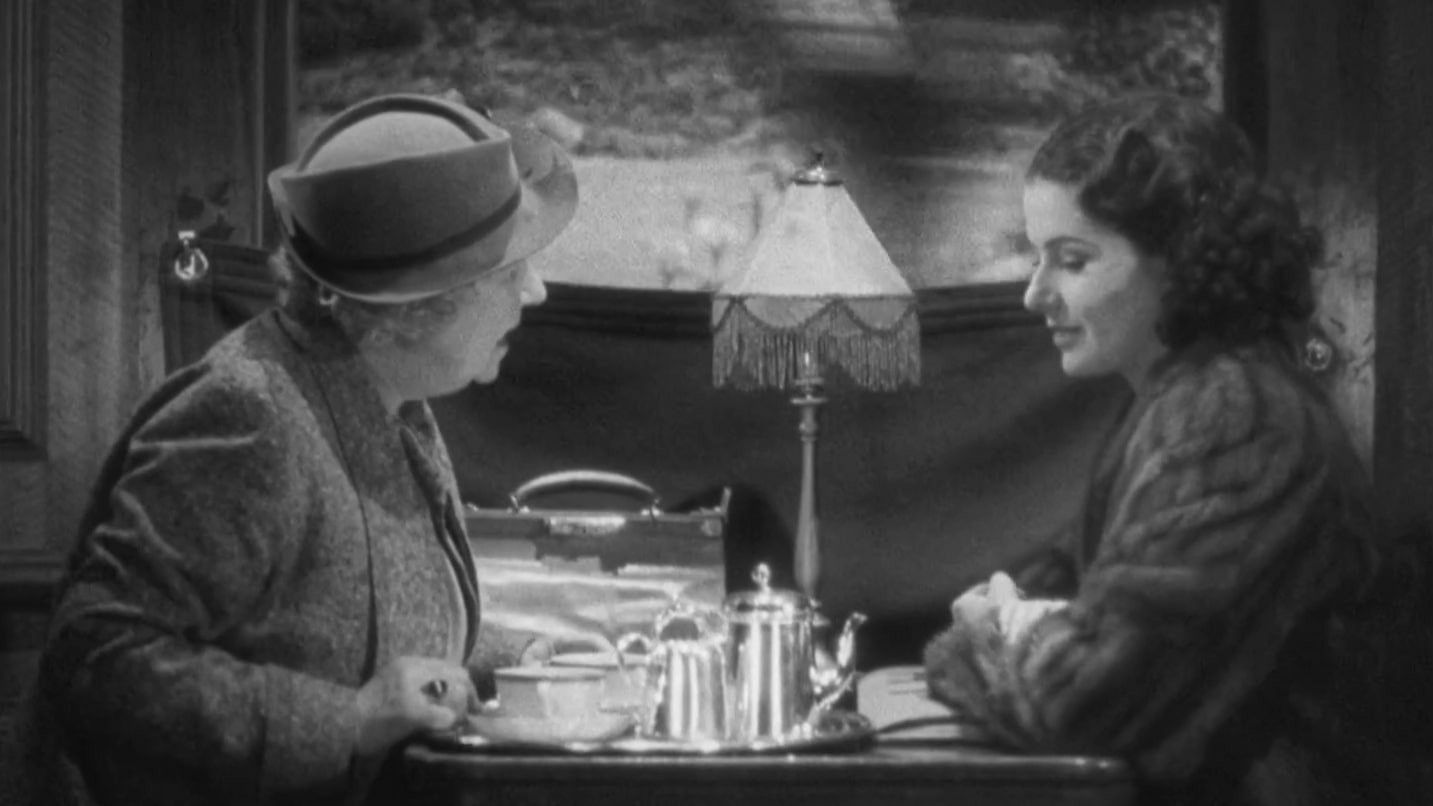
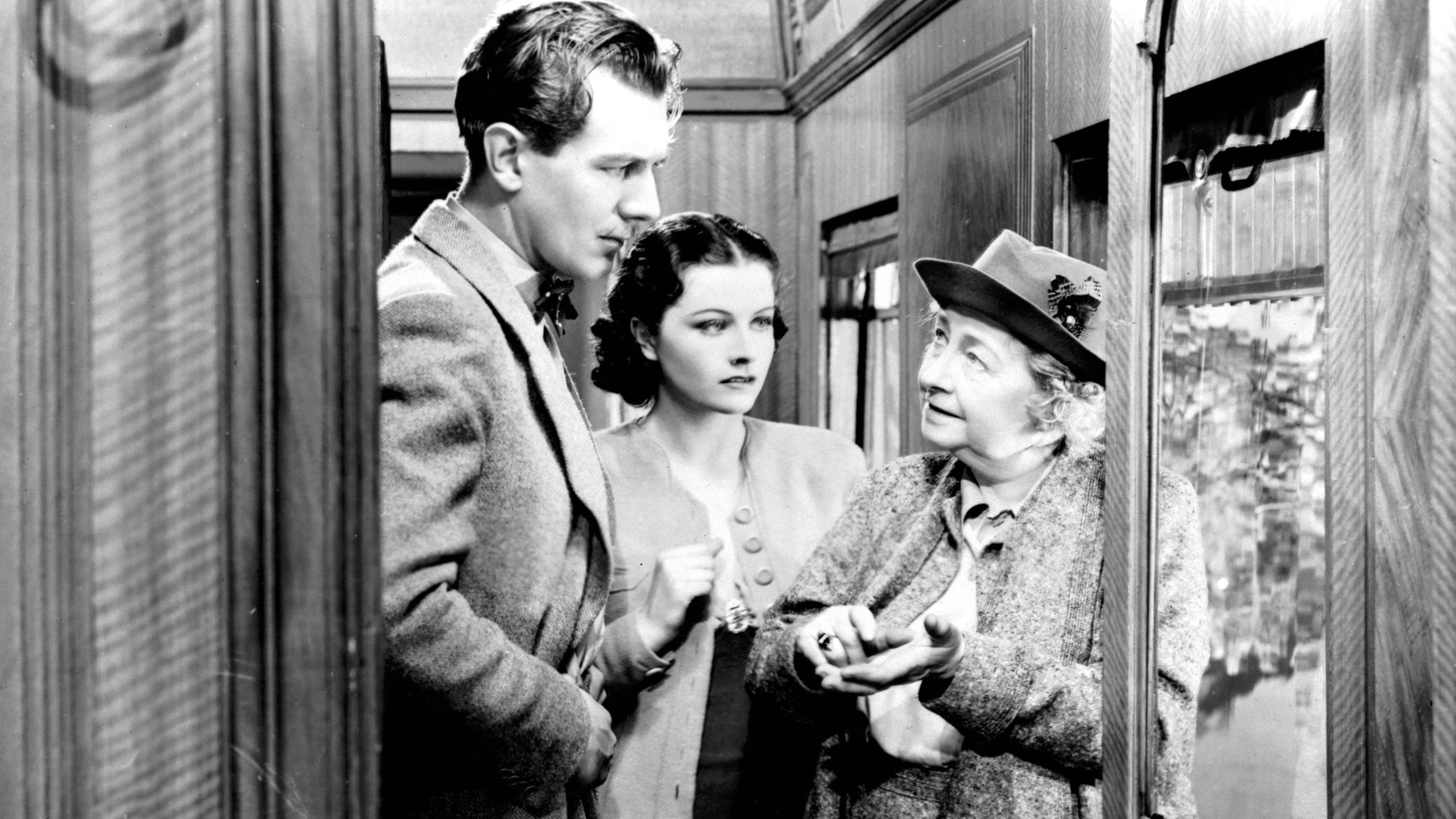
On a Balkan express train, Iris Matilda Henderson (Margaret Lockwood) searches for Miss Froy (May Whitty), a woman who has disappeared during the journey. Gilbert Redman (Michael Redgrave) joins her as she tries to discover what has happened. The carriages hold passengers with other priorities, among them Charters (Basil Radford) and Caldicott (Naunton Wayne), who are preoccupied with cricket. Iris wants to find the missing woman, but the people around her are distracted by their own concerns. Clues pass unnoticed amid the ordinary conversation of the train.

Fi1m review

Alfred Hitchcock’s railway mystery is tense, funny and alert to the excuses people make for ignoring trouble. Margaret Lockwood keeps it urgent even when the plotting becomes fussy.

Alfred Hitchcock’s The Lady Vanishes is a railway thriller in which the other passengers can be as obstructive as the mystery. It is also a comedy that gives those passengers enough room to be funny without forgetting the missing woman. We recommend it for the way those two kinds of scene work together: a conversation can amuse us and still make us suspicious of the people having it. The plotting occasionally becomes fussy, but the search keeps its urgency.

Margaret Lockwood gives Iris Matilda Henderson the determination the film needs. As she and Gilbert Redman, played by Michael Redgrave, search the Balkan express for Miss Froy, played by May Whitty, there is a practical task to follow beneath the complications. The two leads keep our attention on that task while allowing the comedy to remain part of the search rather than an interruption. Their exchanges make it possible to enjoy the company without settling down quite as comfortably as the passengers would like.

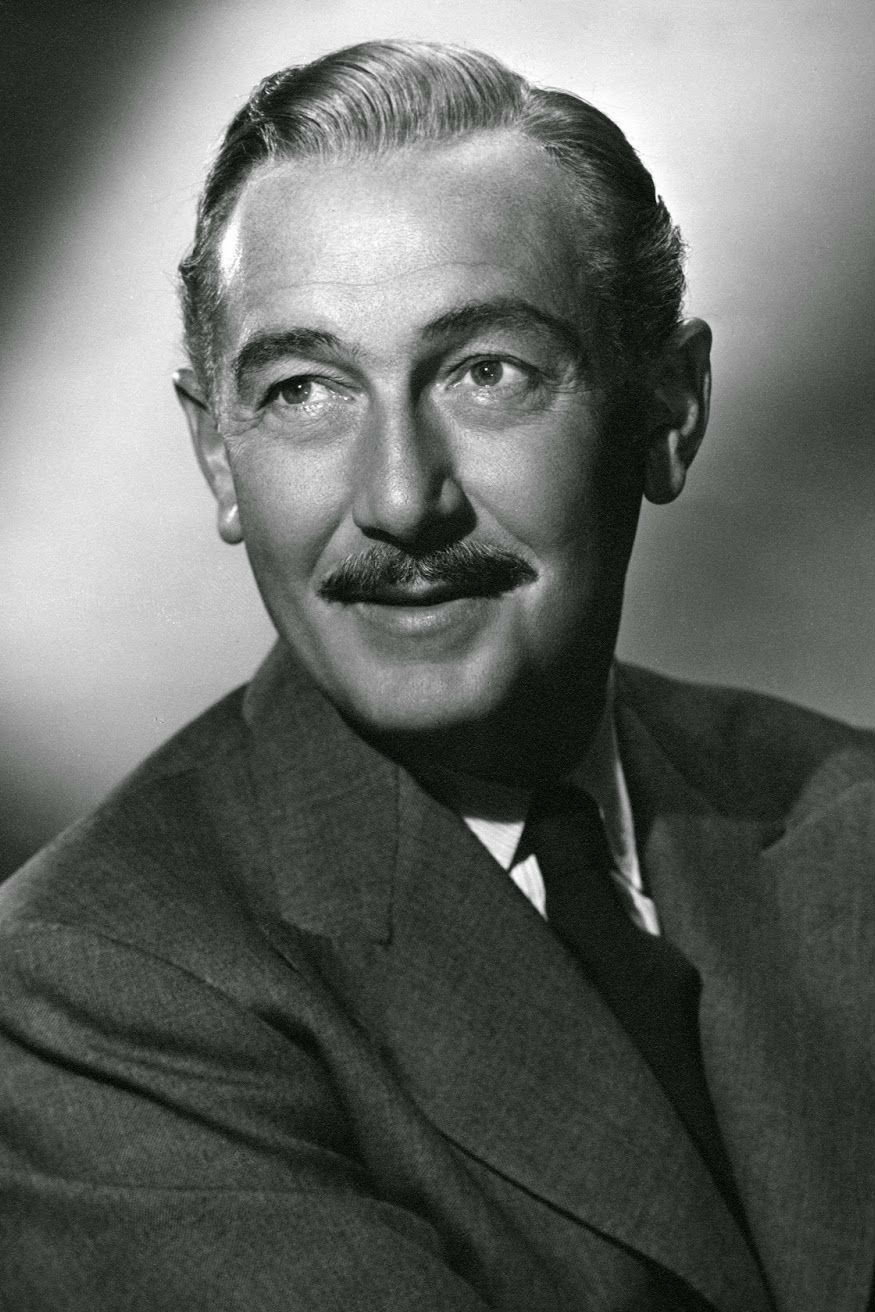
Frank Launder and Sidney Gilliat’s screenplay gives the supporting players interests beyond solving somebody else’s problem. Basil Radford’s Charters and Naunton Wayne’s Caldicott are occupied with cricket, which makes them funny company and doubtful assistance. We laughed at their preoccupation, then felt uneasy about how readily we had accepted it: a woman is missing and their attention is elsewhere. The joke works because their priorities are recognisable, even when their conduct is hard to defend.

Jack E. Cox uses the confined train spaces to make the search feel awkward and exposed. The carriages keep people close enough for ordinary chatter to distract from a clue, and Alfred Hitchcock makes us attend to conversations we might otherwise dismiss. R.E. Dearing’s editing gives the dialogue time to register while keeping the investigation moving. The geography matters here: we can understand the limits of the space without knowing what has happened inside it.

The music credited to Charles Williams and Louis Levy suits the changes between comedy and threat, though it is the dialogue we remember most clearly. The weaker passages come when the plotting needs more explanation than the characters’ behaviour can comfortably provide. Those complications are handled briskly, but a little impatience creeps in when we start attending to how the mystery has been arranged instead of the people caught in it. The broader melodrama is less interesting than the petty reasons for staying uninvolved.

The jokes about the British have particular force in a thriller released in 1938, when ignoring trouble beyond one’s own immediate concerns was hardly an innocent habit. But they work without asking us to supply a history lesson, because the passengers’ selfishness is clear in their conversation. Against the railway mystery’s familiar business of clues and suspects, these competing priorities give us more to watch than the puzzle. At 96 minutes, it asks little patience for its occasional complications. Watch it with someone who enjoys a dry joke as much as a disappearance.

Critical consensus AI synthesised

87
Positive
12
Mixed
0
Negative
0

The reviews are uniformly positive about The Lady Vanishes, with praise clustering around Hitchcock’s control of suspense and a witty script that makes room for comedy and romance. Critics repeatedly single out the use of confined train spaces, inventive camerawork and an ensemble in which Charters and Caldicott draw particular affection; Margaret Lockwood also earns praise. Several see the humour as pointed political satire, finding British insularity and reluctance to confront danger beneath the mystery and dry exchanges.

The differences concern the degree of enthusiasm and which pleasures matter most, rather than any substantial divide over its merits. Variety offers the clearest reservations, noting plot complexities and a turn towards melodrama while praising the direction and performances. Eye for Film places more emphasis on its appeal to admirers of Hitchcock’s early comic work, whereas the broader consensus treats the balance of wit and tension as a central strength.

Radio Times
★★★★★ · David Parkinson
100

A close second behind The 39 Steps as the best film of Alfred Hitchcock's British period, this sublime comedy thriller has no wasted frames as the leads search a Balkan express train for the missing woman, with first-class support playing throughout.

Read the full review →
Time Out
7 January 2008 · ★★★★★ · Dave Calhoun
100

This 1938 Hitchcock is very much of its time in a good way, with debates over appeasement and engagement scribbled lightly all over it while remaining funny, creepy and always entertaining thanks to a witty and playful script.

Read the full review →
The AV Club
6 December 2007 · A · Tasha Robinson
95

The film serves as an ideal introduction to Hitchcock's signature elements like twisty plots, innovative camerawork, and suspenseful sequences where characters overlook obvious clues amid ordinary chatter. It stands out as wryly anti-British satire with dry comedy from blinkered characters and taut, stylish direction that confounds expectations.

Read the full review →
RogerEbert.com
14 August 2013 · Brian Tallerico
90*

The critic praises Hitchcock's original as riveting filmmaking that deftly blends romantic comedy, social commentary, and suspense. Comparisons to later remakes only highlight its superior pacing, wit, and influence.

Read the full review →
Empire
1 January 2015 · David Parkinson
85*

The critic praises Hitchcock's masterful use of confined train spaces for the kidnap plot and the sparkling dialogue and characters, especially the comic relief from Charters and Caldicott, that make the film mischievously gratifying.

Read the full review →
Slant Magazine
26 December 2007 · Arthur Ryel-Lindsey
85*

Hitchcock's film is a lively companion to The 39 Steps, distinguished by its genuine purpose as a comic satire on British insularity and blindness to the rising German threat before WWII. It excels through thrilling visuals, effortless performances, dry English humor, and symbols underscoring the elite's detachment, while remaining entertaining and technically bold.

Read the full review →

Cast

Stills

If you liked this, try…

The 39 Steps poster88

The 39 Steps

1935 · Another brisk pursuit with reluctant allies, dry humour and danger close behind.

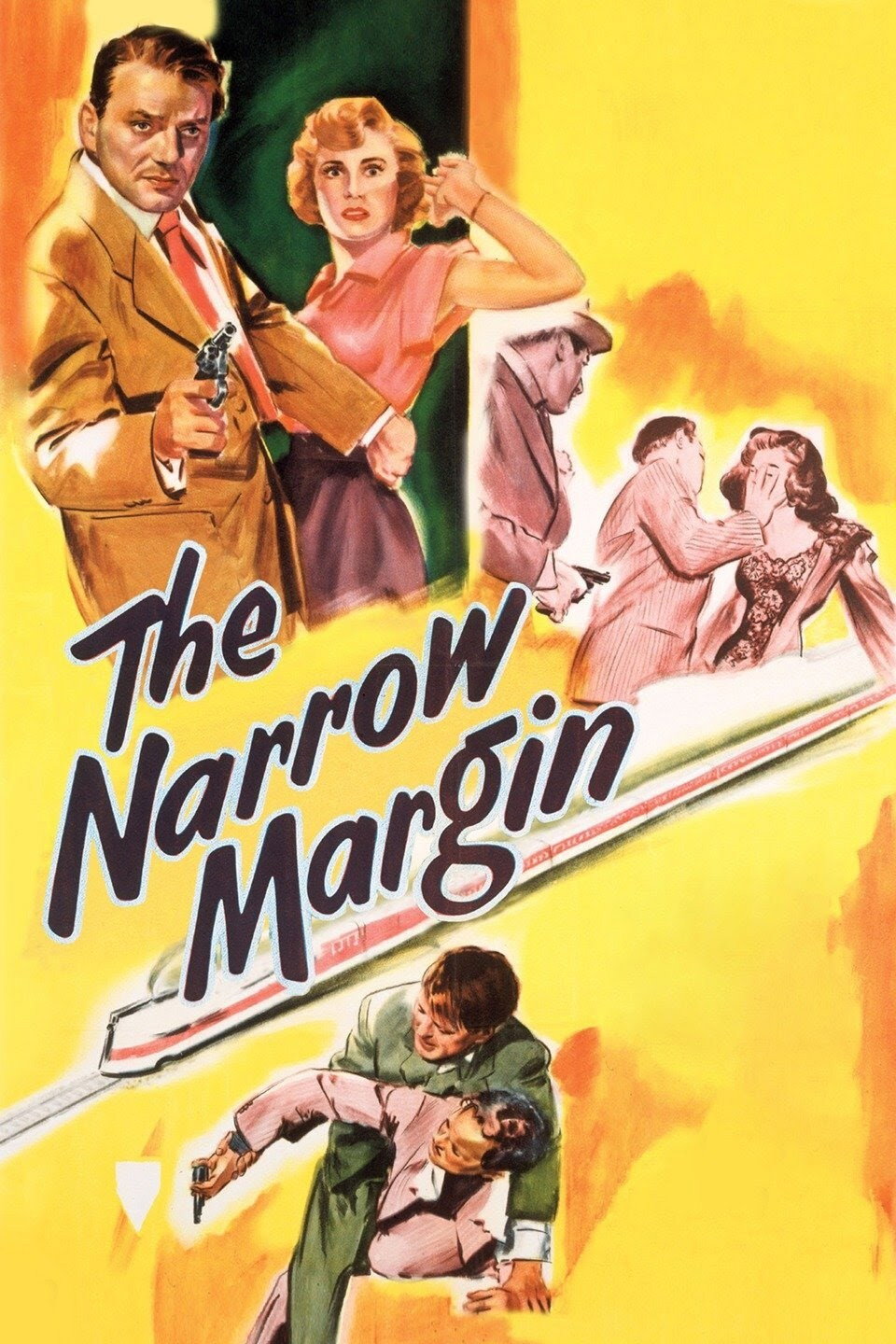
The Narrow Margin poster

The Narrow Margin

1952 · Another train, tighter quarters, and a harder edge to the danger.

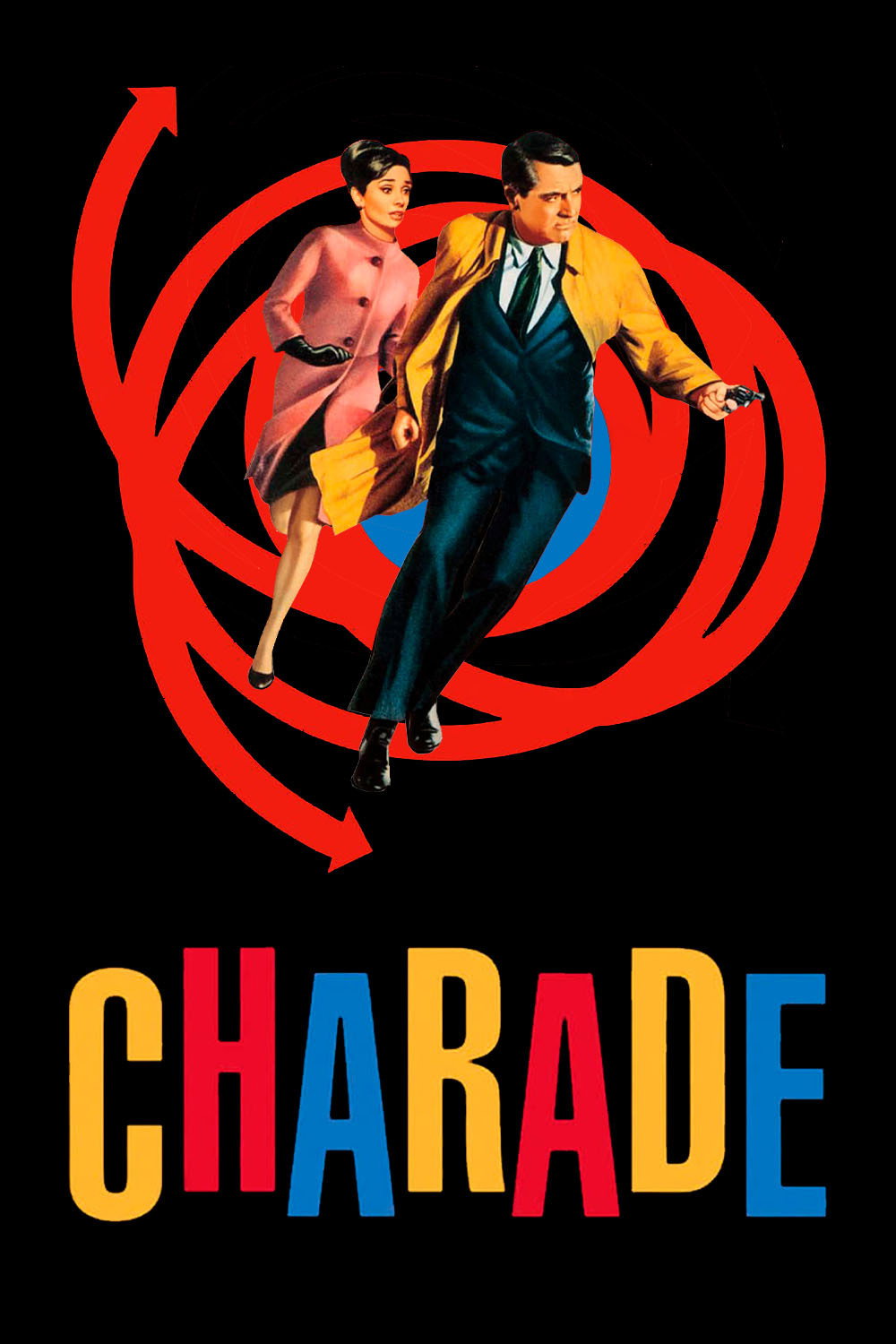
Charade poster

Charade

1963 · Romance and suspicion share the conversation, with room for proper jokes.

The Vanishing poster

The Vanishing

1988 · A missing-person mystery that steadily removes every possibility of easy reassurance.

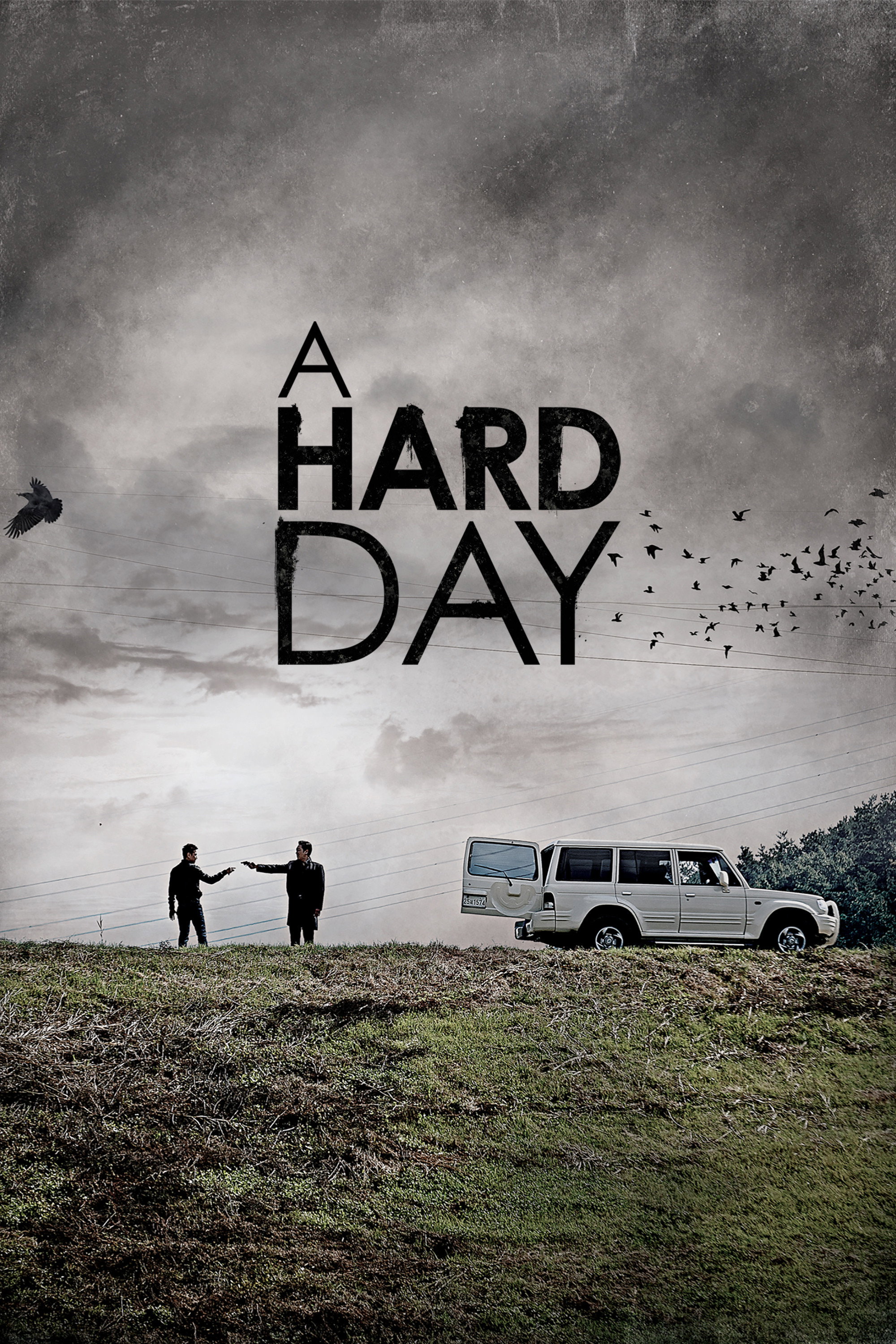
A Hard Day poster

A Hard Day

2014 · A police thriller whose mounting panic leaves room for some cruel jokes.