Film review

The 39 Steps

1935 · Directed by Alfred Hitchcock · 1h 26m · MPA NR

In a sentenceRobert Donat makes being hunted look like an awkward social engagement he might still talk his way out of

MysteryThriller

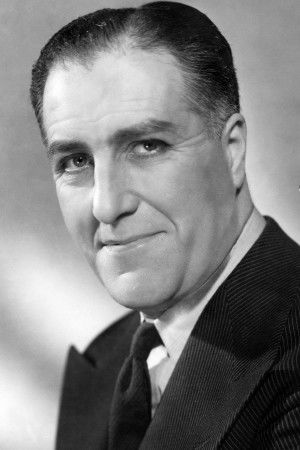
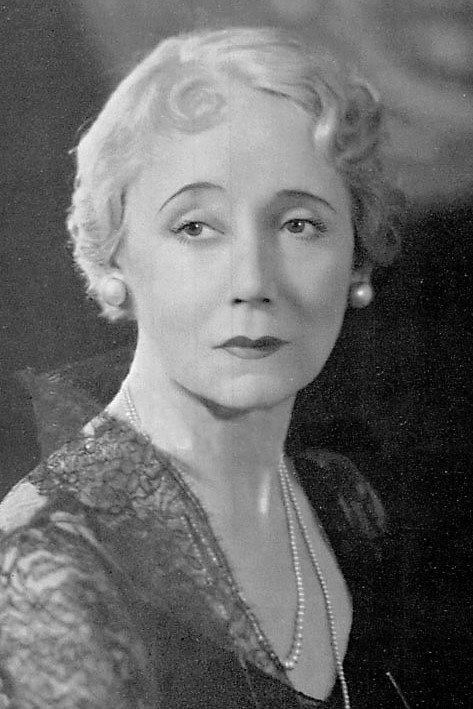
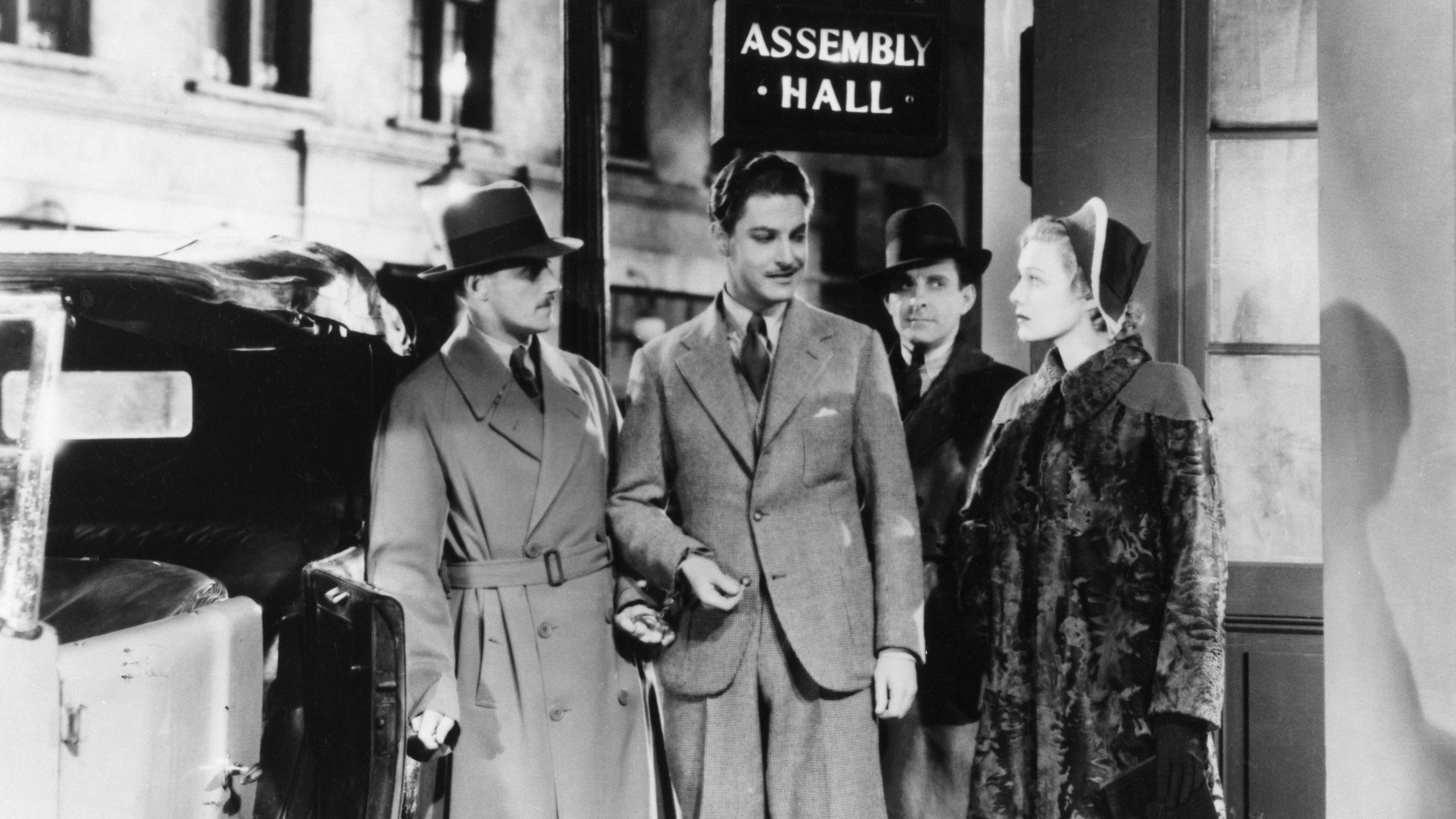
Richard Hannay (Robert Donat) is an innocent man on the run from police and spies, trying to escape without knowing whom he can trust. The people around him include Annabella Smith (Lucie Mannheim) and Pamela (Madeleine Carroll), but Hannay cannot count on being believed. He needs help from strangers, while their suspicion makes each encounter another obstacle. Pamela is particularly reluctant to accept his account. As the pursuit gathers pace, Hannay has to make his charm useful: finding assistance, persuading people to hear him out and keeping ahead of pursuers who have rather different reasons for wanting him caught.

Plays from YouTube when you press play; nothing loads from them until then.

Fi1m review

Alfred Hitchcock’s brisk chase thriller is a pleasure because Robert Donat makes charm look useful under pressure. The opening is stiff, but the pursuit and Madeleine Carroll’s resistance soon give it something better to do.

The 39 Steps is a nimble, funny thriller, with an opening that takes a little too long to get out of its own way. Alfred Hitchcock makes a pursuit by police and spies depend on the awkward business of persuading another person to believe an unlikely explanation. Richard Hannay needs help, and being personable is no guarantee of getting it. At 86 minutes, the film has room for suspicion, attraction and unexpected sadness without treating any of them as a diversion.

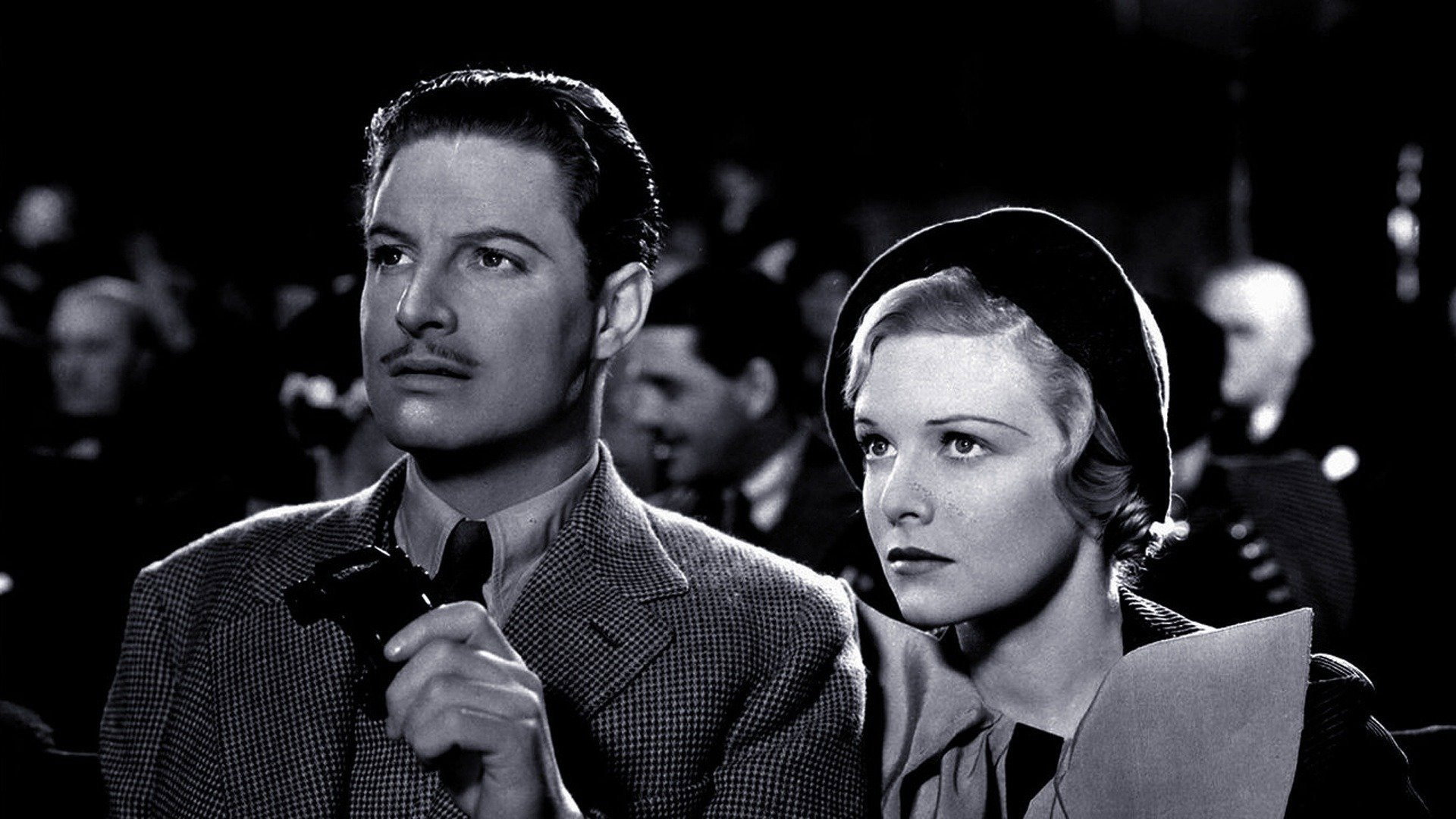
Robert Donat gives Hannay the easy manner of someone who expects a reasonable explanation to settle things. That assurance is funny under these circumstances, and the performance lets fear disturb it without throwing the character away. His changes from composure to alarm make the danger credible without stopping the comedy. They also keep us interested in how Hannay will manage the next encounter, even when the machinery of the spy story matters rather less.

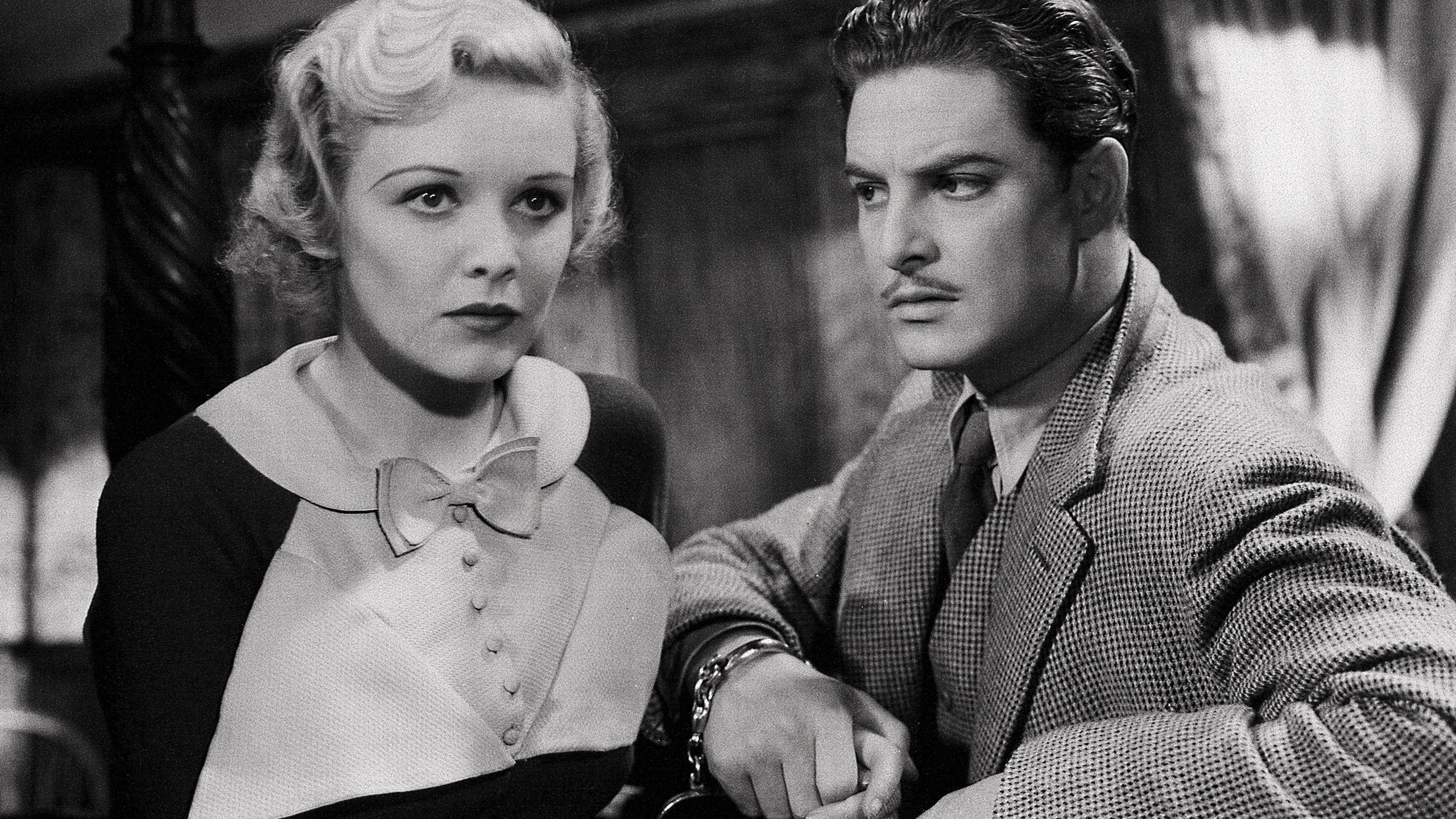
Madeleine Carroll’s Pamela gives that charm some welcome resistance. She does not make suspicion look like stupidity, which is crucial when the film asks us to enjoy a romance built around mistrust. The handcuffs are a blunt device for keeping the pair together, but the friction between the performances does the useful work. Some of the romantic presumption has aged less well than the bickering; the film is rather confident about what Pamela ought to feel. By romantic-comedy standards, though, there is unusual pleasure in watching charm fail to produce immediate agreement.

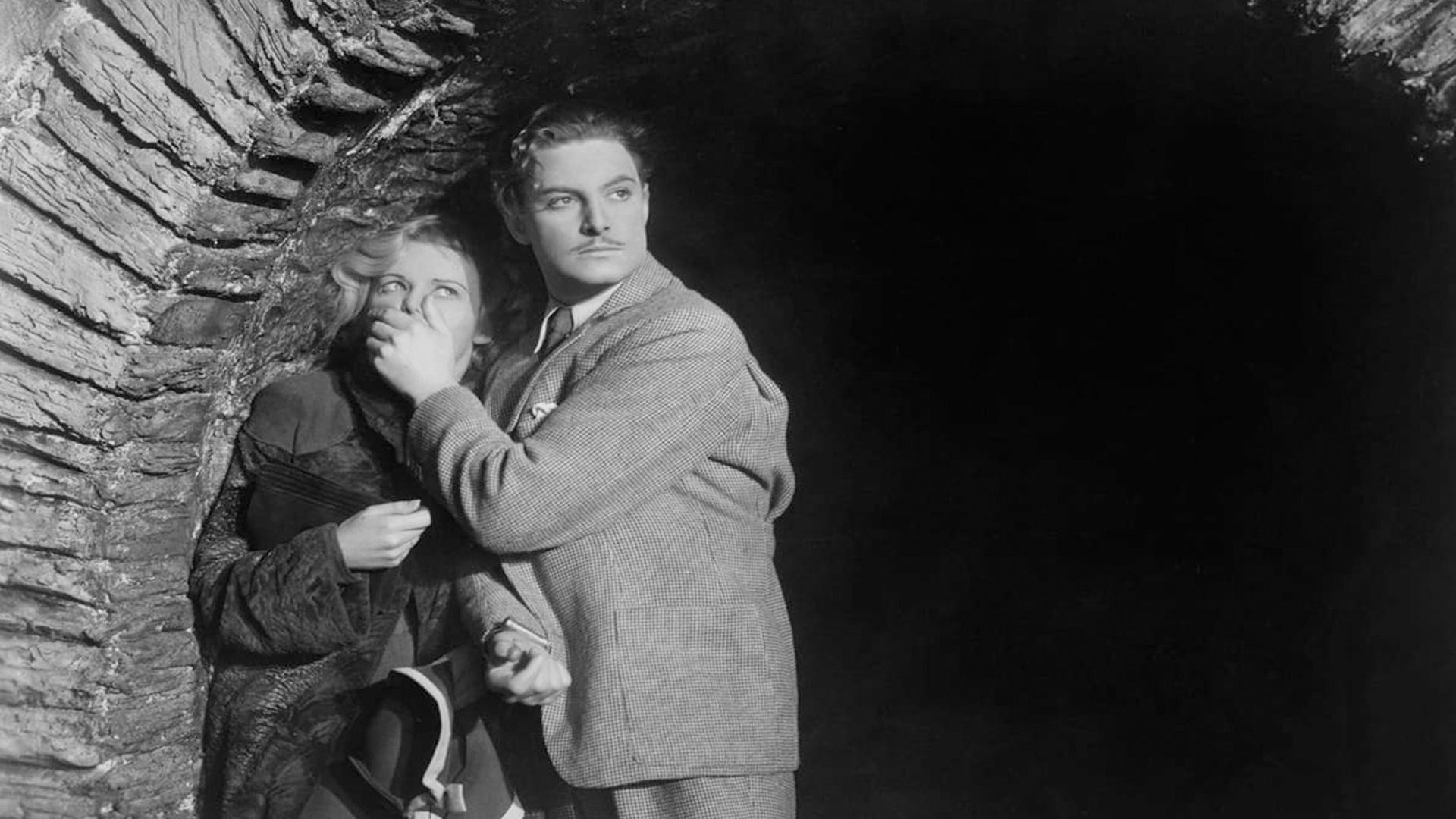
Bernard Knowles’s cinematography serves the changing locations well, giving the pursuit clarity without making the surroundings merely functional. Each place feels sufficiently distinct to renew our interest in the escape, rather than supplying another stretch of ground to cross. Editor Derek N. Twist keeps those shifts brisk without making the people disposable. There is enough time to register an encounter before the pursuit demands another departure, and that balance makes the speed enjoyable.

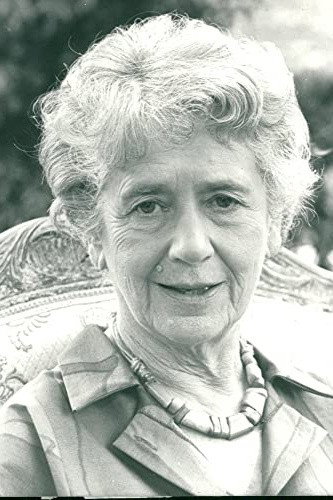
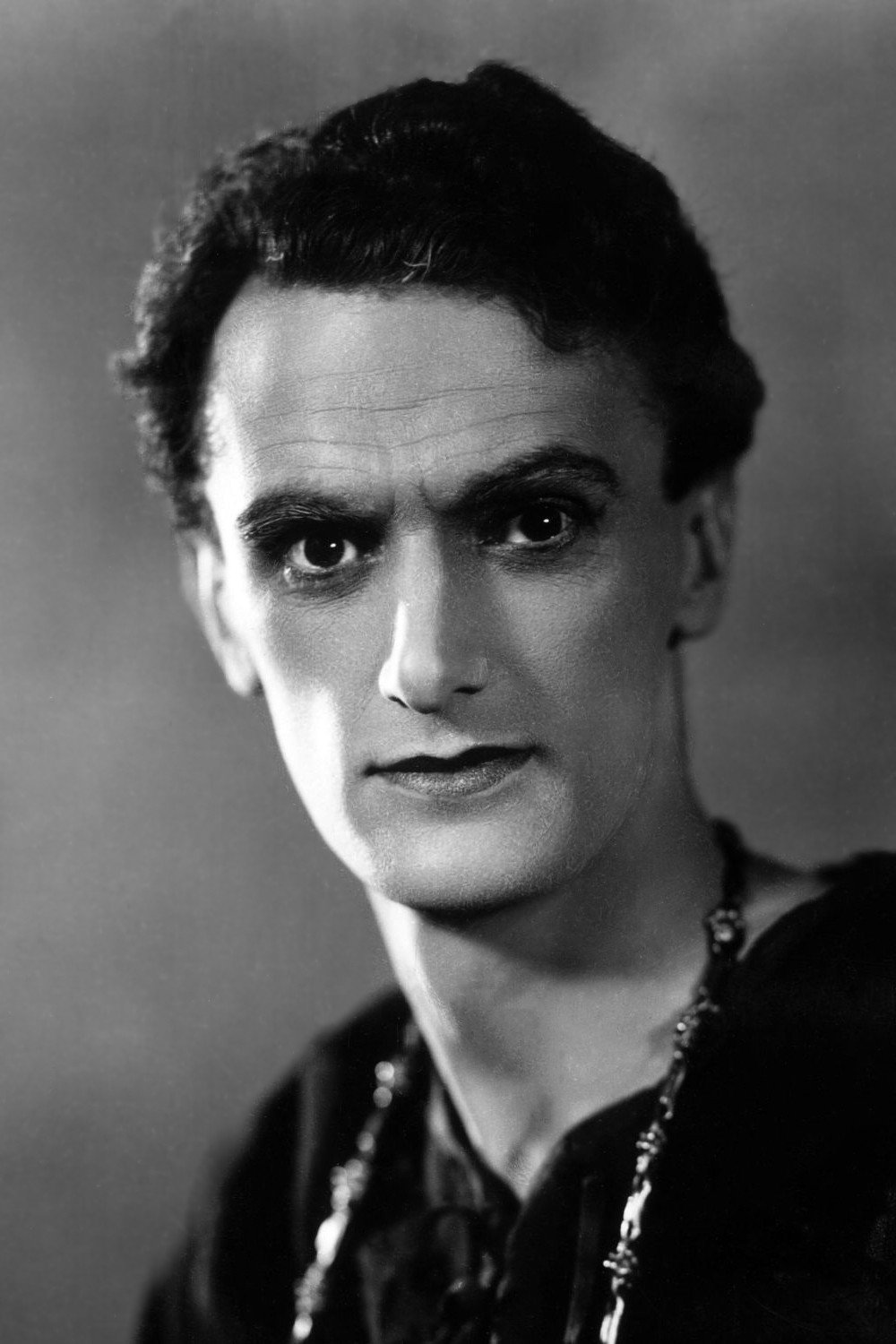
The crofter’s cottage is where that attention to people pays off. We were moved by Peggy Ashcroft’s performance there; her warmth makes the interruption to the chase feel worth every moment. Alongside John Laurie as John the Crofter, she gives the episode a weight the larger conspiracy rarely needs. The pleasure of an escape thriller can become rather selfish, with everyone measured by how useful they are to the fugitive. Here the people Hannay encounters briefly matter in their own right.

The music credited to Louis Levy and Jack Beaver is effective without being the chief source of excitement. It supports the urgency, but the changes of tone in the acting and the timing of the editing leave the stronger impression. The opening is less sure-footed: the intrigue needs arranging before the film can settle into the encounters it handles so well. This is a small but noticeable drag in a thriller otherwise so good at moving on. We recommend it readily, with a little patience for the opening and rather less agreement with its assumptions about courtship.
Critical consensus AI synthesised

89
Positive
11
Mixed
0
Negative
0

The reviews are unanimously positive, with praise centred on Hitchcock’s brisk direction and the ease with which the chase thriller accommodates romantic comedy. Critics repeatedly single out the handcuffed courtship and crofter’s cottage sequence, while Robert Donat’s performance earns approval for moving between humour and fear. His pairing with Madeleine Carroll is another recurring strength. Most critics also stress the film’s influence, finding the foundations of Hitchcock’s later thrillers in its wrong-man story, resourceful set pieces and mixture of suspense and wit.

Reservations are minor and the spread is narrow. The Guardian finds the opening creaky, while Eye for Film notes dated accents and dialogue delivery; neither considers these faults a serious obstacle to enjoyment. Differences are chiefly matters of emphasis: alongside the widespread appreciation of the entertainment, Slant Magazine draws attention to alienation and doubt beneath the charming spy adventure.

The AV Club
18 July 2012 · A · Scott Tobias
95

The critic calls the film the ultimate distillation of Hitchcock’s strengths and the genetic material for later masterpieces, praising its fat-free efficiency as a thriller infused with screwball romantic comedy that explores issues of trust with maturity and cool sophistication.

Read the full review →
Empire
17 August 2016 · Kim Newman
90*

The review celebrates the film's enduring influence on thrillers and action cinema, noting how Hitchcock's inventions have been borrowed repeatedly. It singles out the handcuffed escape sequence and the emotionally charged crofter scene for particular praise.

Read the full review →
Los Angeles Times
29 June 2012 · Andy Klein
90*

The review praises the 1935 film as a work of pure entertainment that out-Hollywoods Hollywood, with a thriller plot delivered in a comic, Capra-like tone of a bickering couple on the run destined to fall in love. It highlights the film's influential structure and the strong Criterion restoration transfer.

Read the full review →
Slant Magazine
15 July 2012 · Chuck Bowen
90*

The review presents the film as one of Hitchcock’s most deceptive great movies—a charming spy adventure that is really a sigh of doubt disguised as a slick pop bauble, highlighting its fleet and inventive direction, subtextual meaning in every shot, and humanist themes of alienation and the wrong-man plot.

Read the full review →
The New Yorker
9 July 2012 · Michael Sragow
90*

The piece hails the film as the source of contemporary escapist entertainment, praising its blend of paranoid fantasy and fulfilled fantasy in the handcuffed odd-couple courtship between Hannay and the cool blonde. It singles out the erotic tension and the director's shrewd formula as enduring strengths.

Read the full review →
Time Out
22 September 2014 · GB
90*

The critic praises it as a ripping good yarn with Donat's smooth Hannay on the run from police and spies, featuring set pieces like the crofter's cottage and handcuffed scenes with the heroine. It is described as great fun, an anthology of Hitchcock motifs drawn loosely from Buchan's novel.

Read the full review →

Cast

Stills

If you liked this, try…

North by Northwest poster89

North by Northwest

1959 · Another innocent fugitive discovers that good manners are inadequate protection against spies.

The Lady Vanishes poster

The Lady Vanishes

1938 · Suspicion and flirtation share a train, with neither inclined to behave.

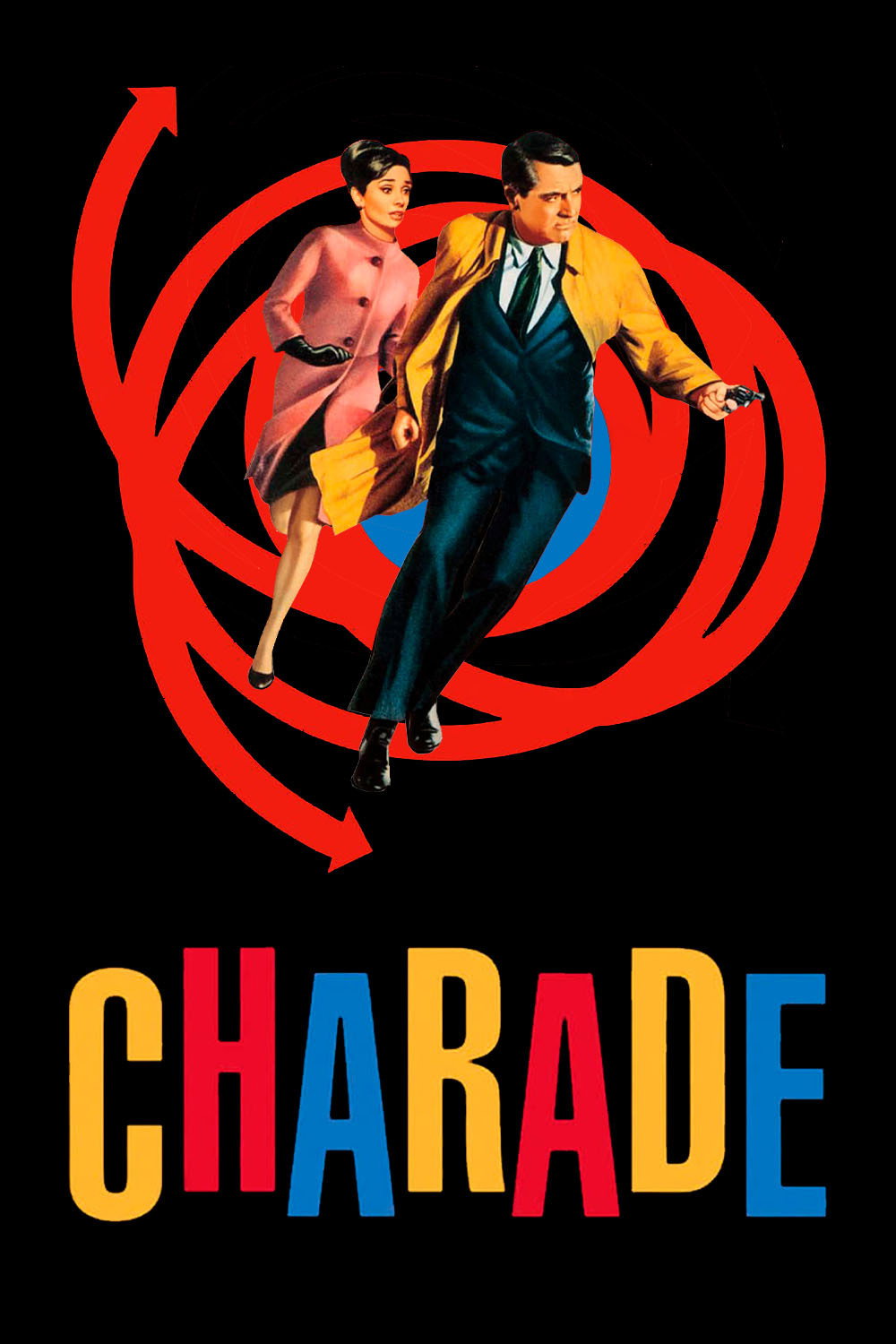
Charade poster

Charade

1963 · Romance becomes difficult when every helpful stranger might be after something.

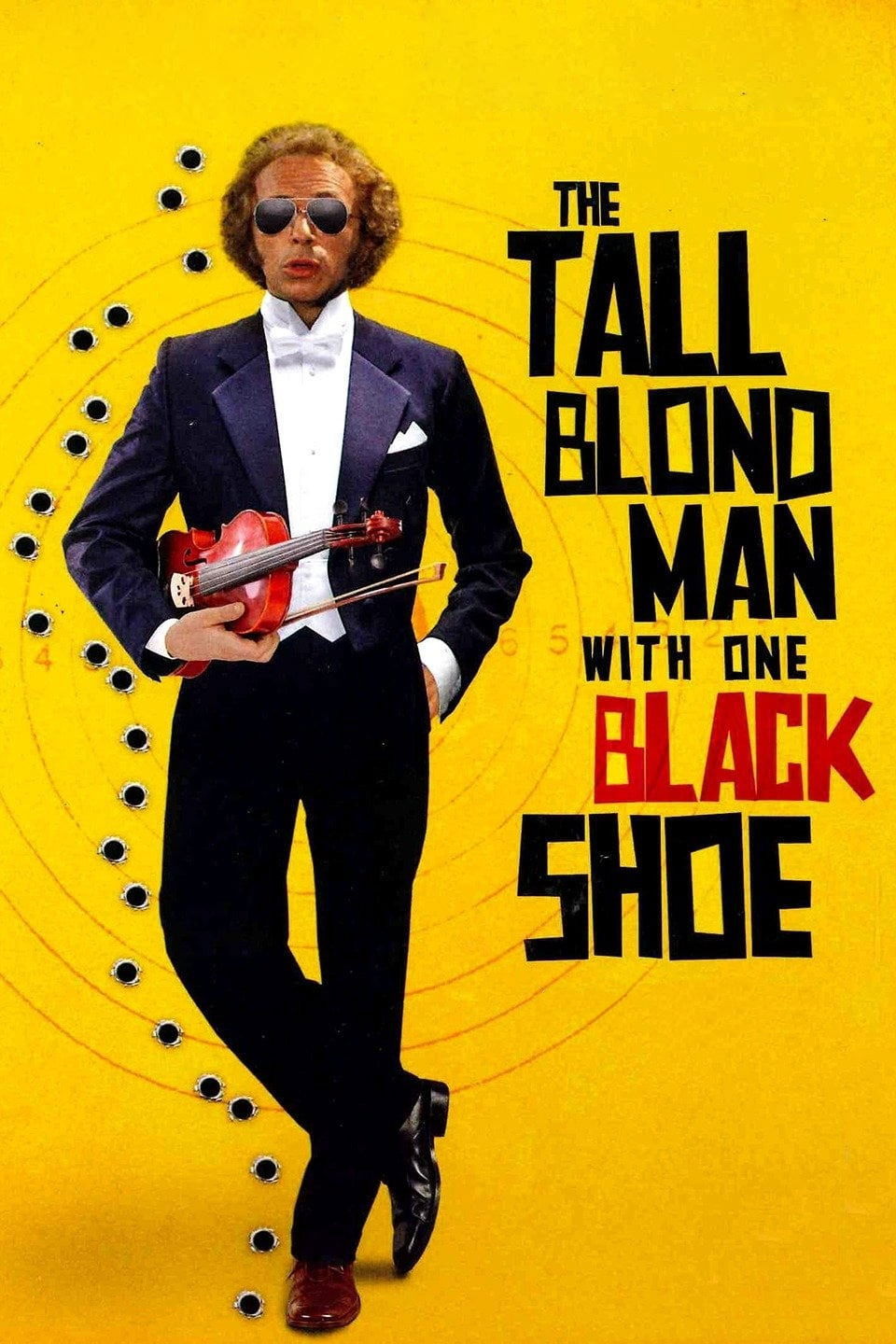
The Tall Blond Man with One Black Shoe poster

The Tall Blond Man with One Black Shoe

1972 · French espionage comedy in which professional suspicion creates its own ridiculous evidence.

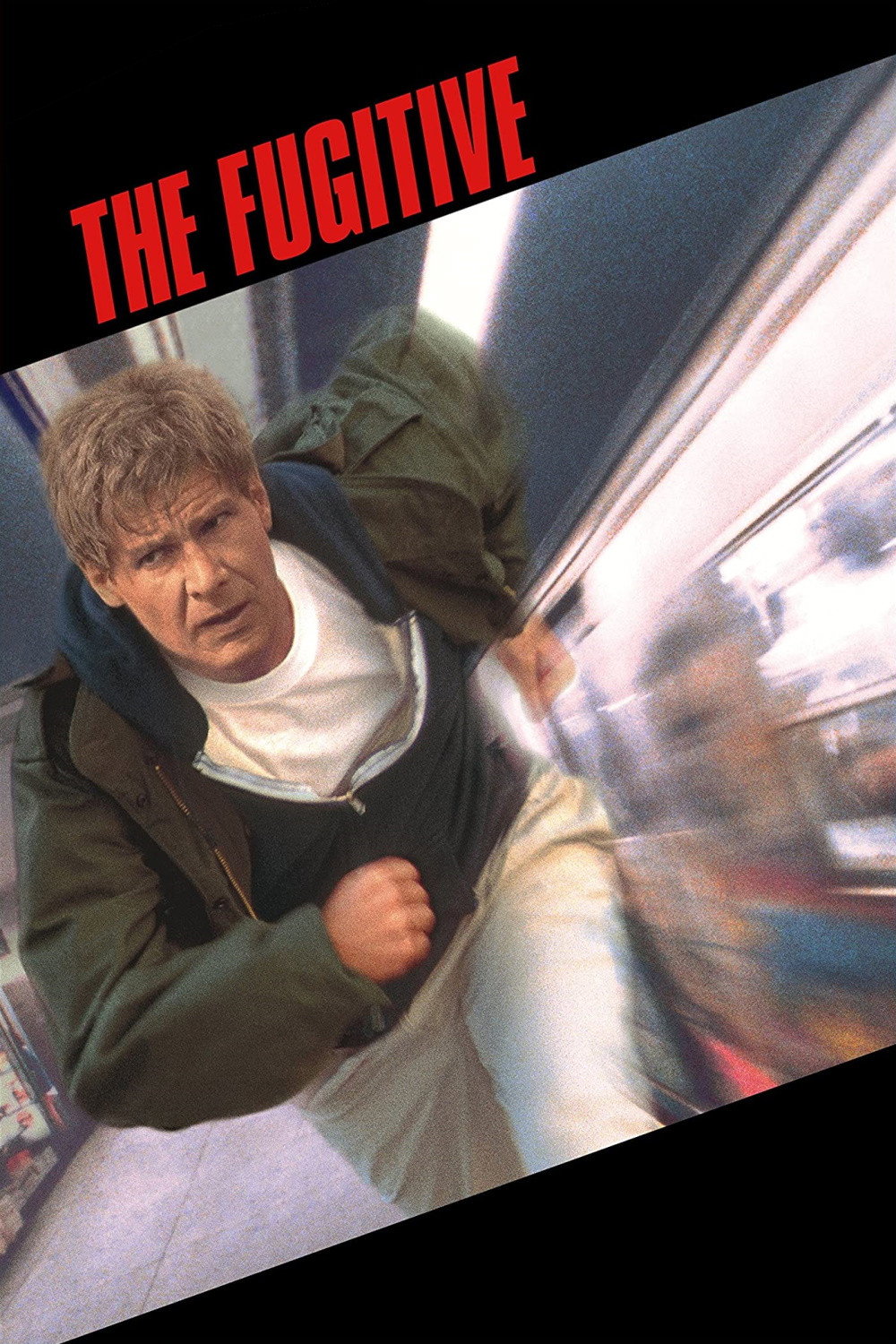
The Fugitive poster88

The Fugitive

1993 · A more muscular innocent-man chase, equally attentive to keeping the pursuit comprehensible.