Andrew Davis makes a familiar chase feel urgent by trusting Harrison Ford and Tommy Lee Jones to think as well as run. The plotting grows less convincing, and the music presses too hard, but we recommend it warmly.
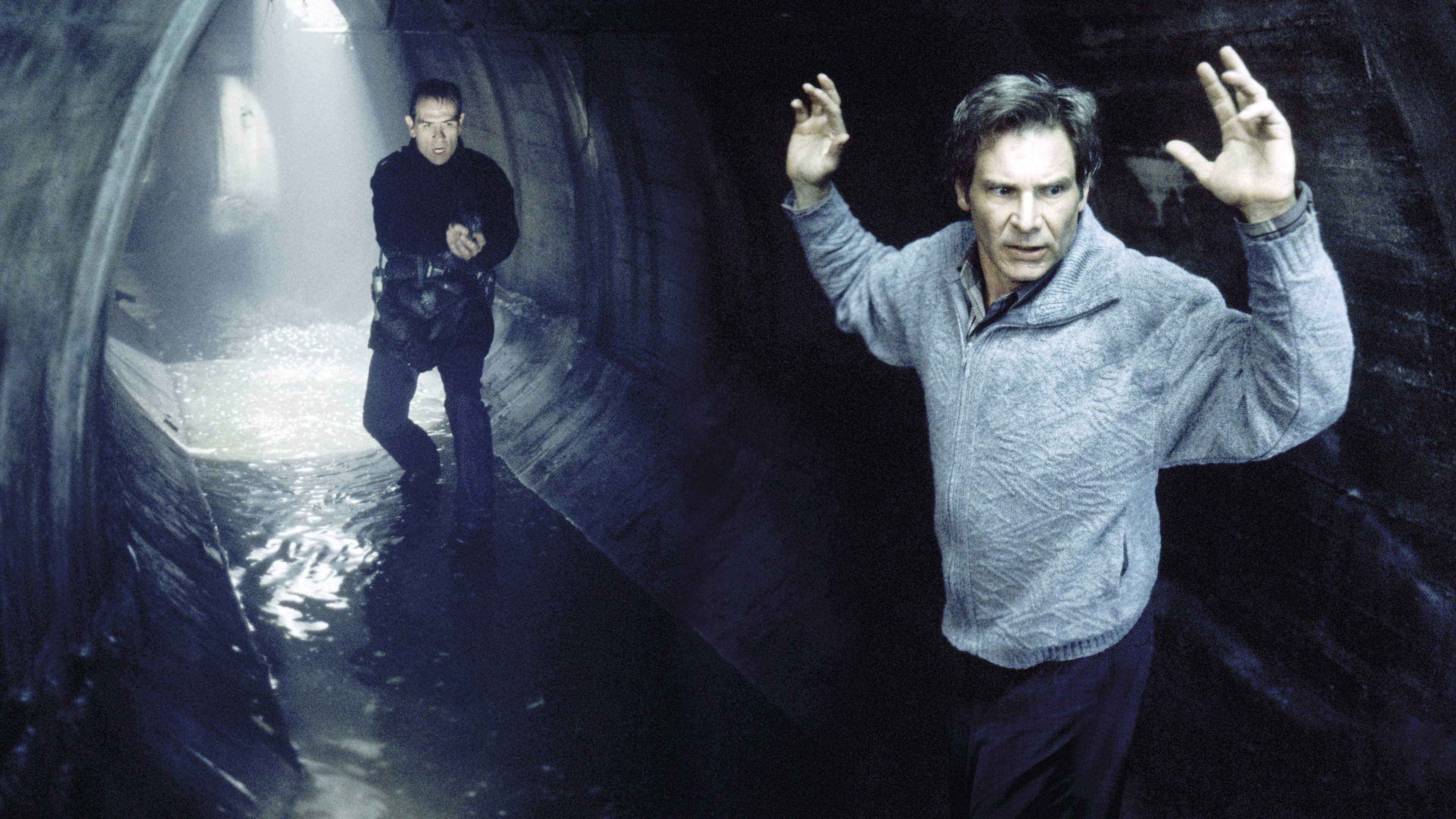
The Fugitive is an excellent chase thriller, with a few convenient answers and more insistence from the music than it needs. Andrew Davis understands the pleasure of watching capable people work under pressure, and gives Harrison Ford and Tommy Lee Jones enough room to make their decisions interesting. Kimble is trying to clear his name; Gerard is trying to catch him. That simple arrangement carries 131 minutes because neither actor treats the other man’s intelligence as an inconvenience to the plot.
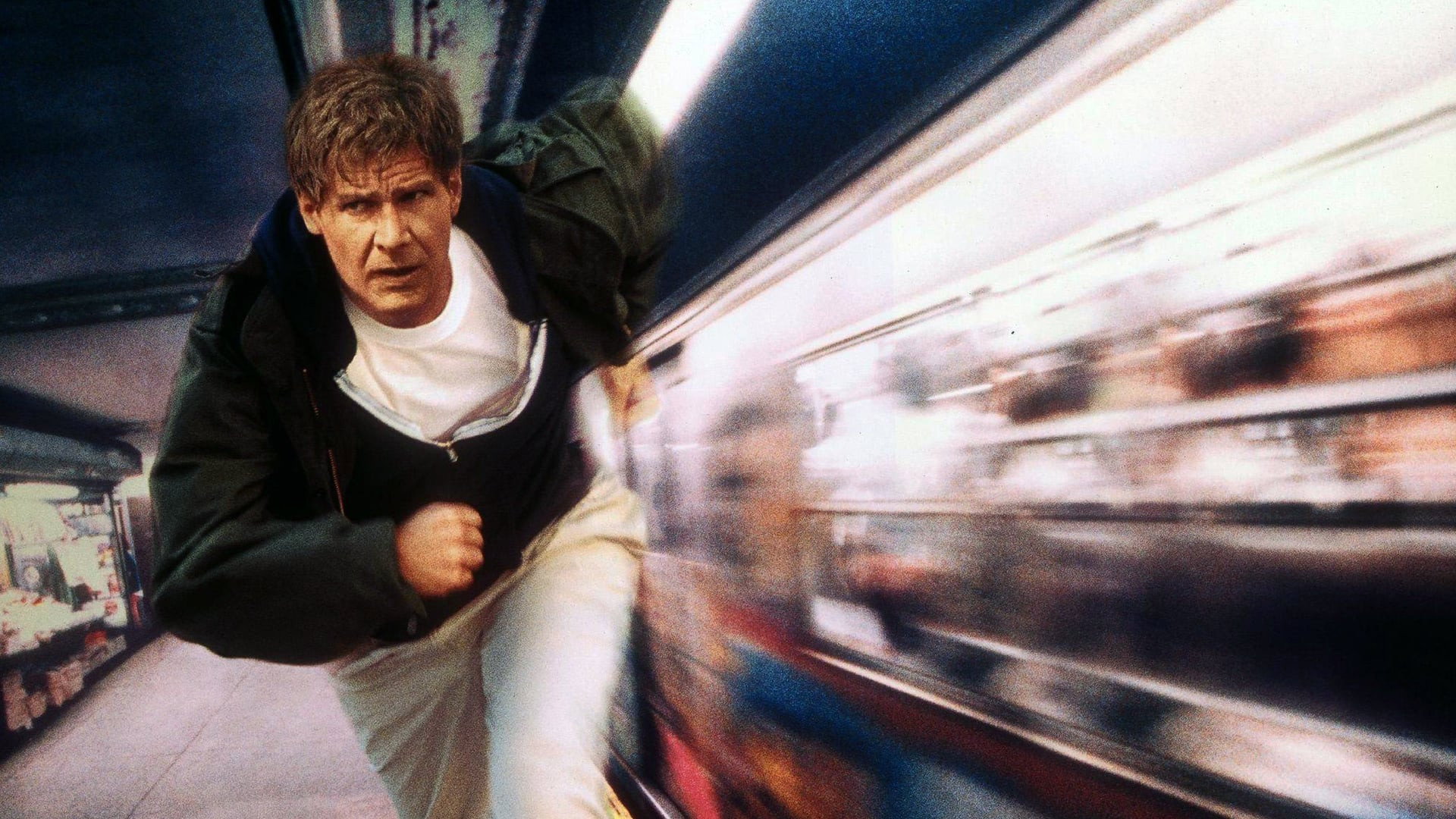
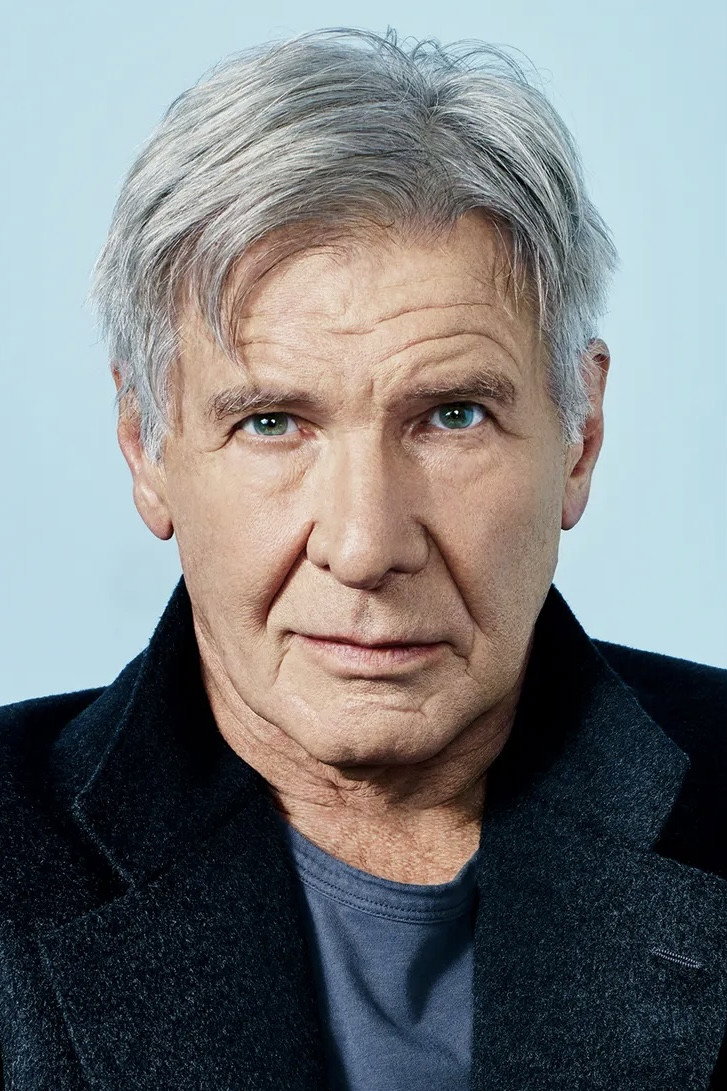
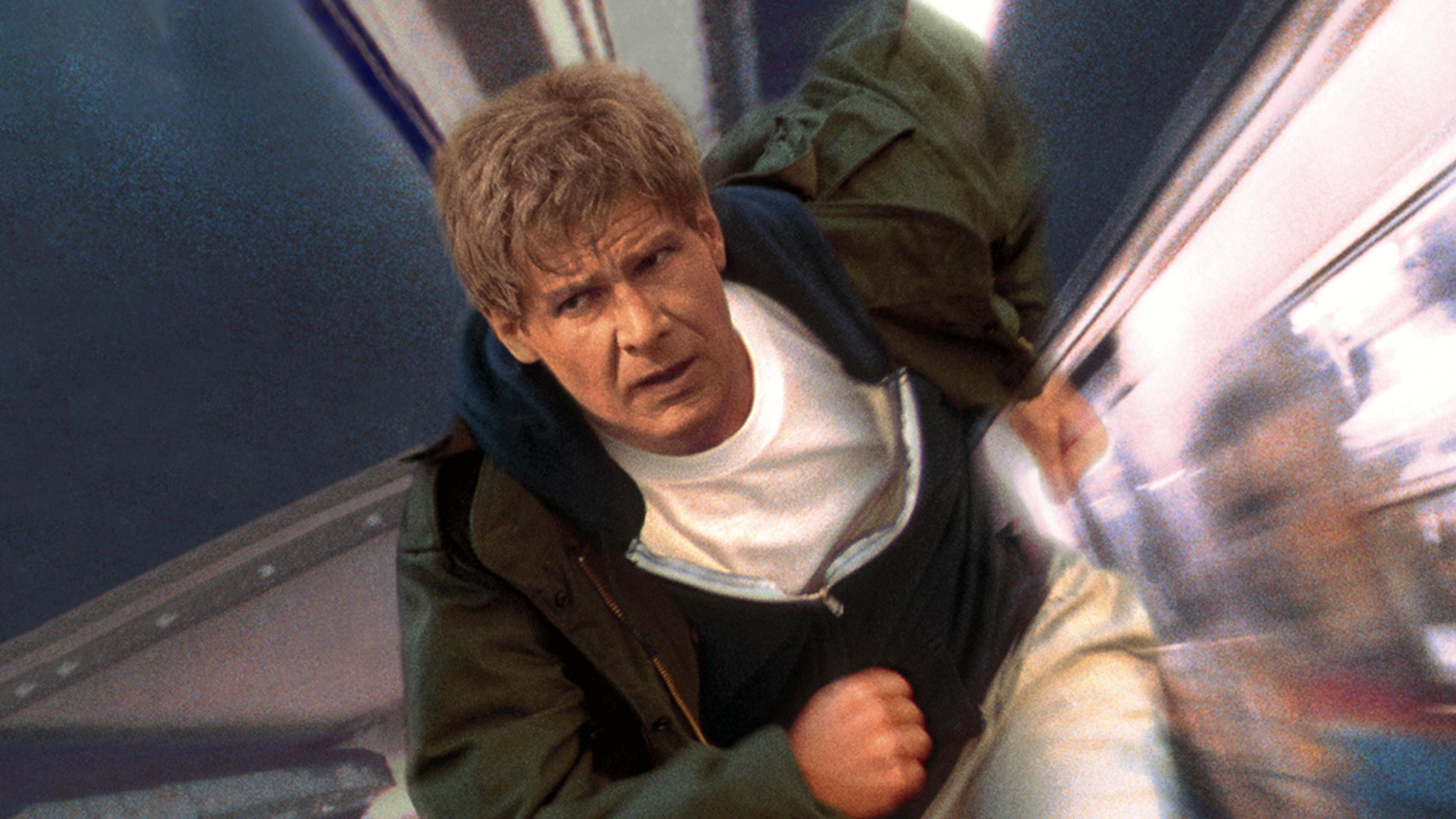
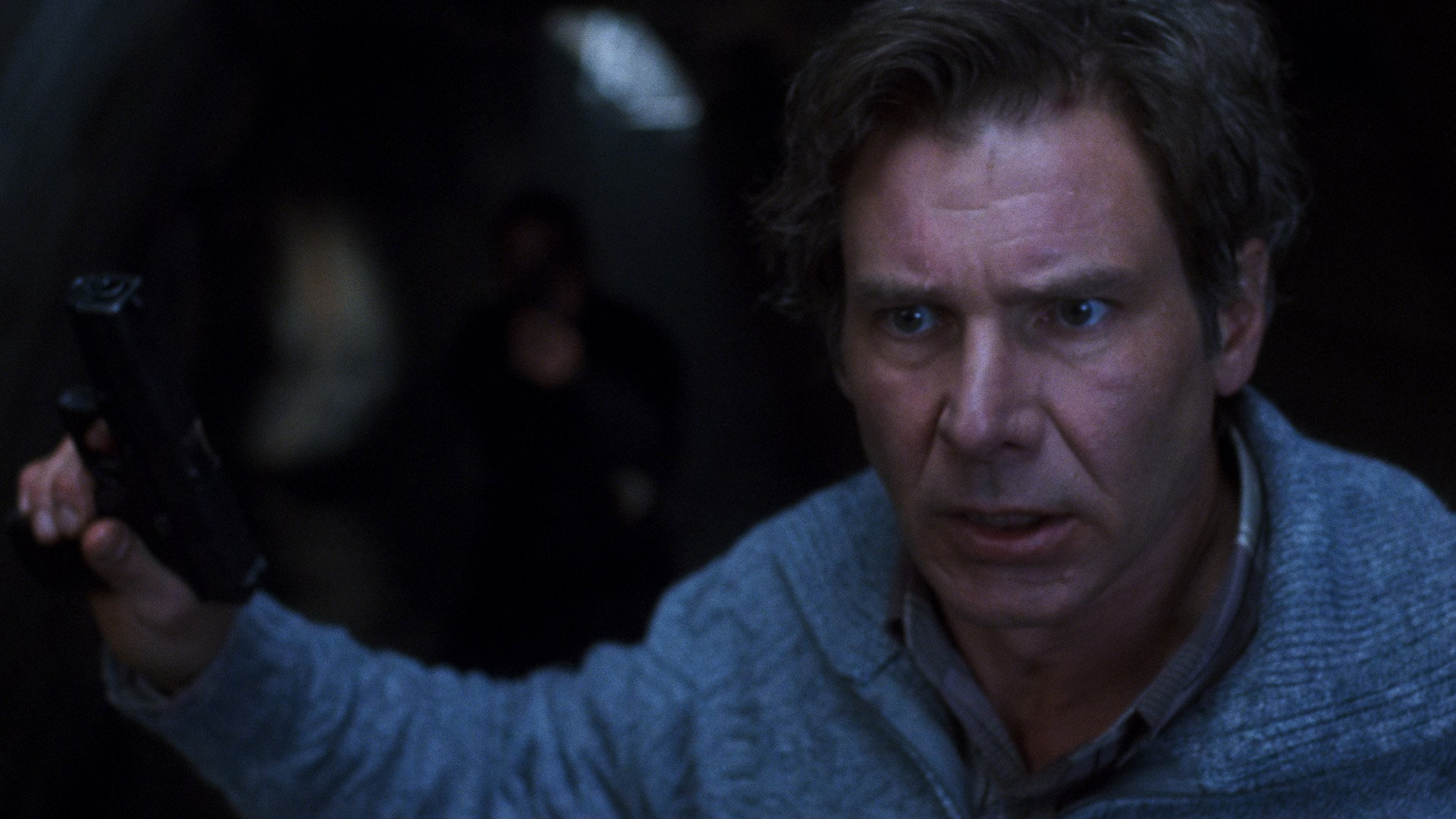
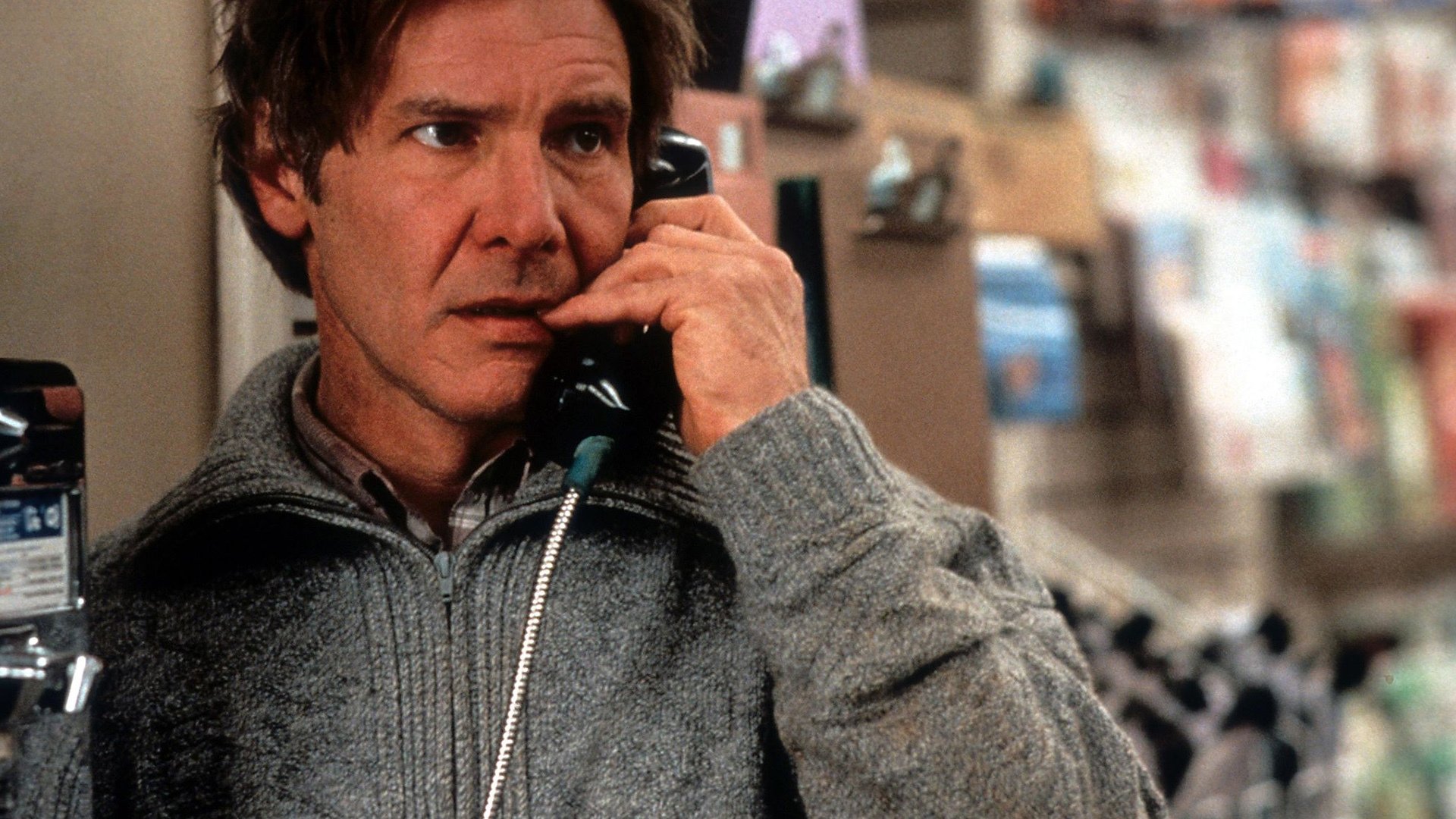
Ford gives Richard Kimble the fatigue of a man who cannot afford to stop. He makes Kimble’s efforts to think clearly under pressure convincing, without suggesting that intelligence can make the fear go away. We worried about him because the strain stays visible in his face. Michael Chapman’s photography makes that face easy to read amid the action, keeping our attention on what the pursuit is costing him.
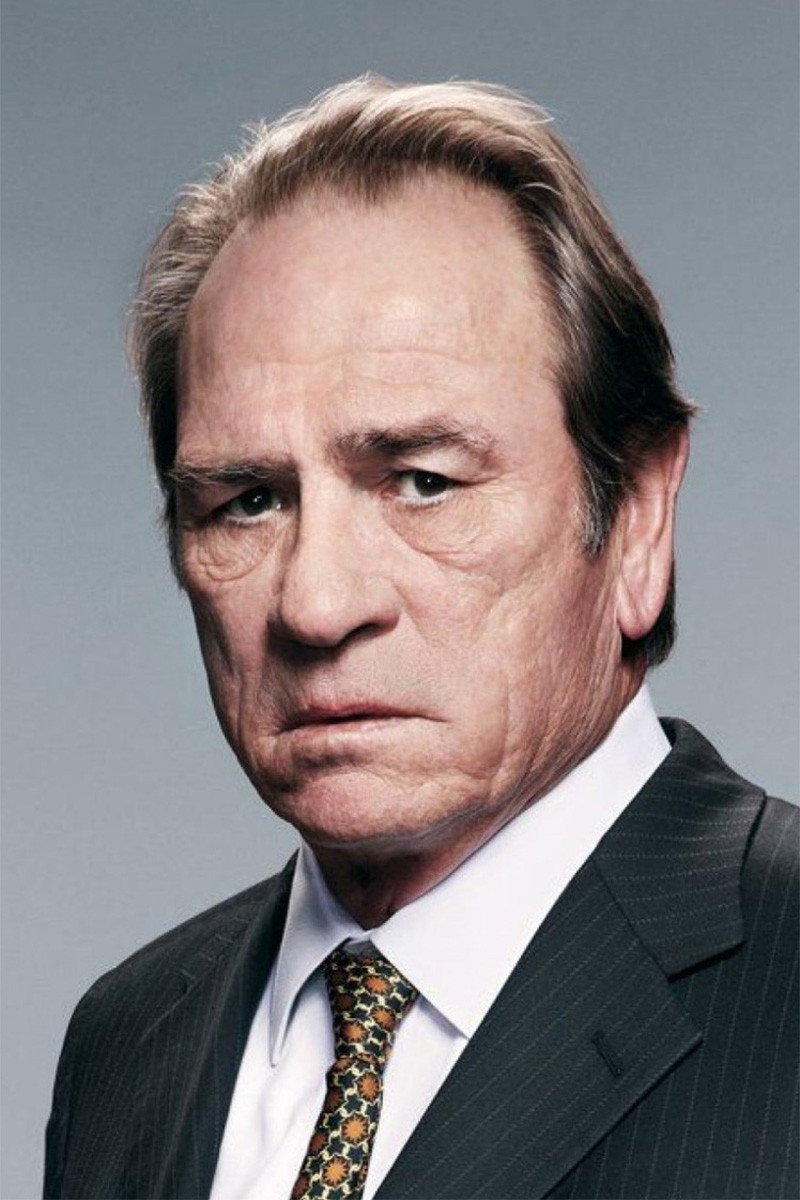
Jones gives Samuel Gerard enough impatience to be funny without making him a comic interruption. The pleasure comes from the sense that this man has already considered the obvious suggestion and would rather nobody made it. He is a formidable pursuer because Jones makes attention itself seem threatening: we believe he will notice whatever Kimble misses. Davis is sensible enough to let that intelligence compete with Ford’s, rather than giving all the cleverness to the fugitive. The chase remains interesting when the men are simply thinking.
The train crash is the large, noisy exception to any suggestion that Davis intends a restrained evening. J. Dennis Washington’s production design gives the wreckage an ugly weight, and we were gripped by the prospect of a person having to find a way through it. The scale threatens to overwhelm the story, but the danger still feels close enough to matter. Davis keeps the sequence attached to Kimble’s predicament, so the destruction does not become a separate attraction that we wait to finish.
Editors Dennis Virkler, Dov Hoenig, Dean Goodhill, David Finfer, Don Brochu and Richard Nord keep the pursuit clear when it could easily become a blur. They also leave enough space for the actors to seem to arrive at decisions, rather than merely appear wherever the chase needs them next. James Newton Howard’s score is less judicious. It presses the excitement too hard, adding emphasis to action that Davis and the editors have already made legible and urgent.
David Twohy and Jeb Stuart’s screenplay falters when it has to explain the crime. Some of the behaviour needed to make that explanation work is difficult to believe, and the speed cannot quite carry us past it. This matters because the two leads have encouraged us to expect people to act with some sense. The writing is sharp enough elsewhere that these conveniences feel avoidable, though they do not undo the more persuasive business of finding, evading and thinking a step ahead.
Chase thrillers can become tiring when every escape merely starts the next pursuit. Davis keeps us interested in how these men work, and allows Gerard to be good at his job without making Kimble any less worth our concern. Give it an evening, with some tolerance for the music telling you how exciting it all is.