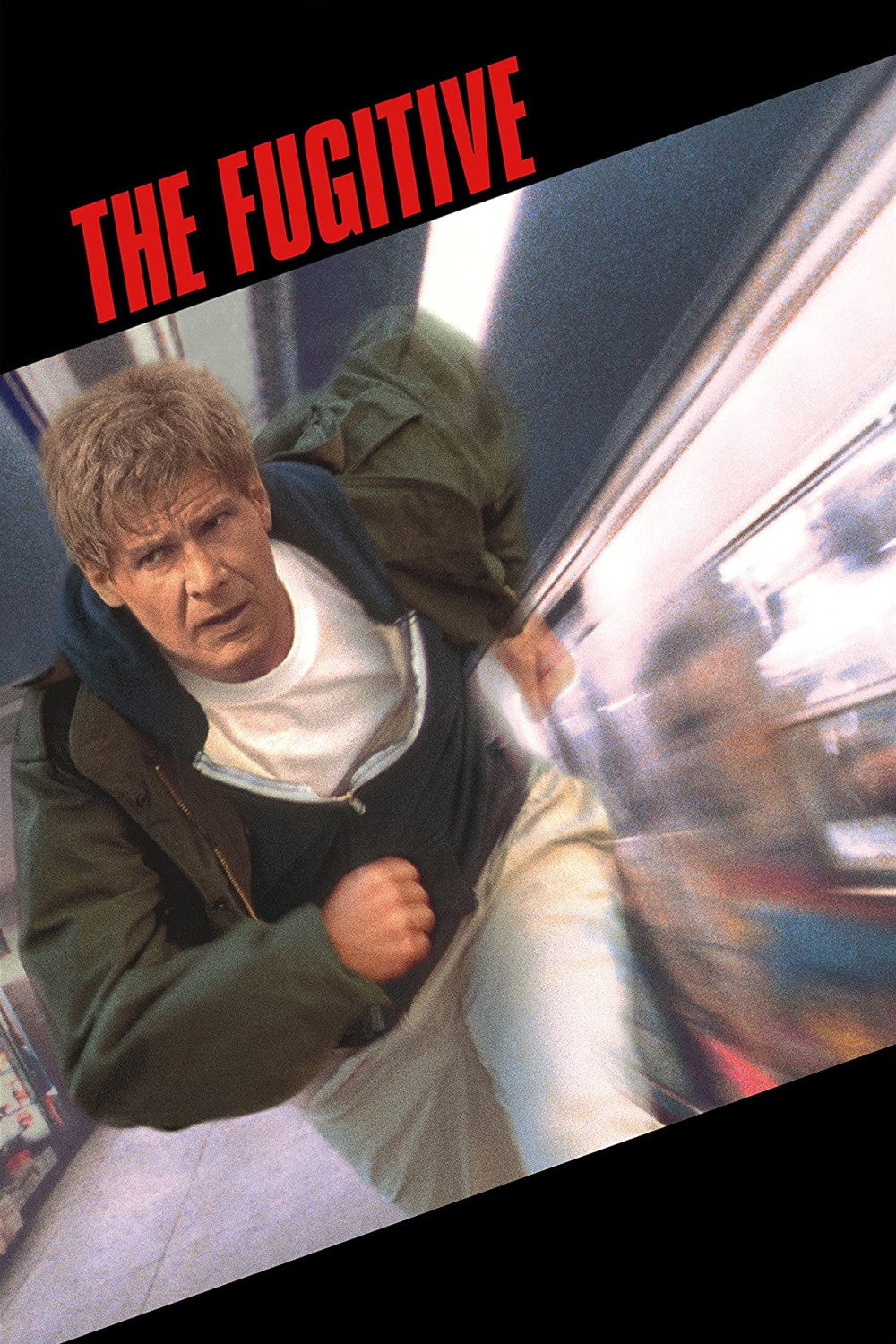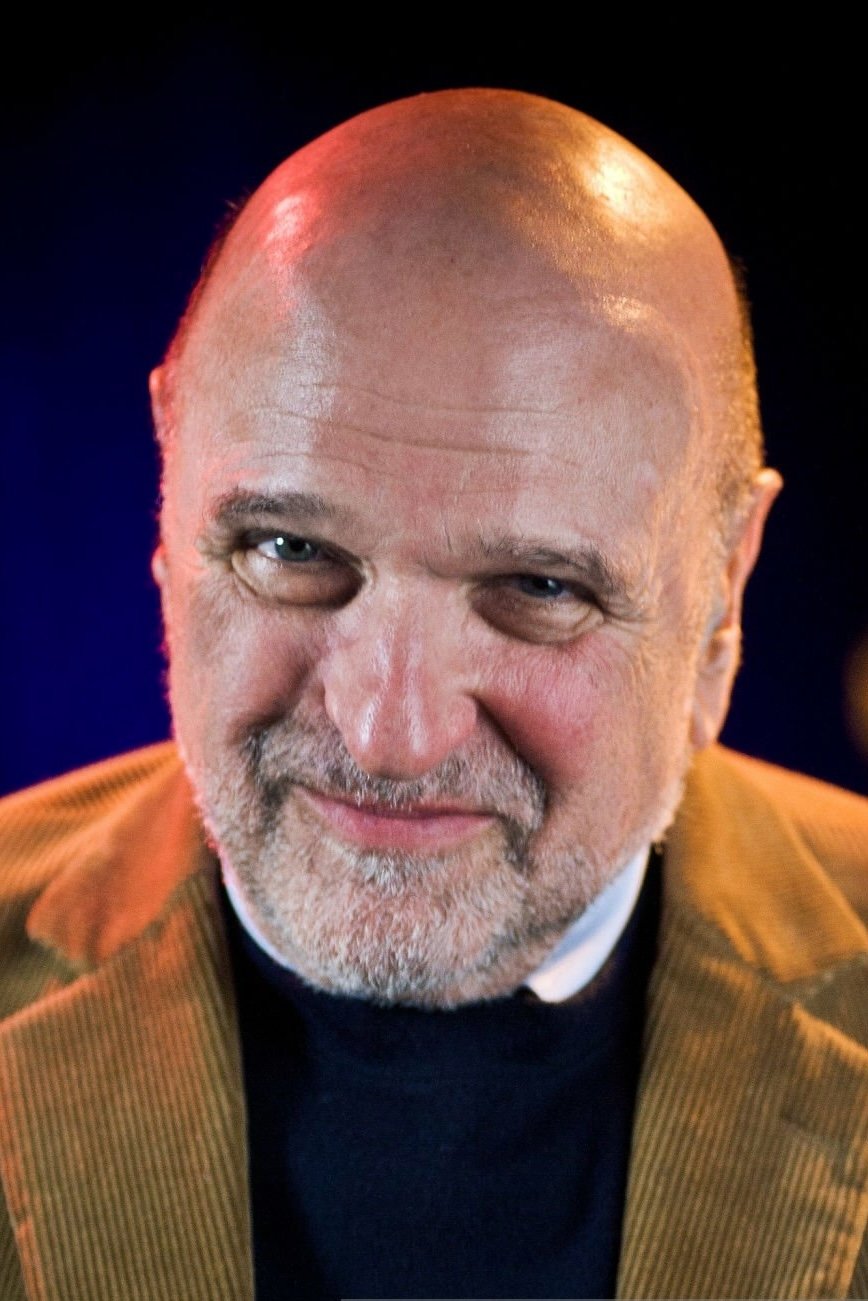
Andrew Davis is at his best when a chase gives two intelligent people something to work out. We recommend The Fugitive for that pleasure; its clear, character-led action matters more than its convenient plotting.
Fi1m perspective
A train crashes in The Fugitive (1993), and Davis keeps our attention on Kimble trying to get through the wreckage. J. Dennis Washington’s production design gives it an ugly weight that makes escape feel difficult. We were gripped by the danger to one person inside all that destruction. Davis can stage a large action sequence without making us impatient to get back to the people.
His work with cinematographer Haskell Wexler on Medium Cool (1969) preceded his directorial debut, the Chicago-set musical drama Stony Island (1978). Chicago remained a recurring setting. With Code of Silence (1985), Above the Law (1988) and Under Siege (1992), action became his principal business. Under Siege led directly to his hiring for The Fugitive, where the pursuit depends on two men being allowed to think. The later family-film adaptation Holes (2003) took him away from the action thrillers on which he had made his reputation.
Harrison Ford’s Kimble and Tommy Lee Jones’s Gerard have different jobs to do, and Davis gives both men’s decisions time to register. Jones makes Gerard’s impatience funny without stopping the chase for a joke; his attention is threatening because we believe he will notice a mistake. Ford is not asked to provide all the intelligence simply because Kimble is the man we want to get away. Dennis Virkler and his fellow editors keep the pursuit clear while leaving room for those decisions. Davis understands that watching someone work out what to do can sustain the suspense between bursts of action.
The limitations are audible as well as structural: James Newton Howard’s score pushes for excitement when Davis and the editors have already supplied it. The plotting also grows too convenient, and capable performances cannot make every answer convincing. Those faults matter, but they do not spoil the pleasure of following Kimble and Gerard at work. Start with The Fugitive, with some tolerance for a score that would rather we never relaxed.
Biography
Andrew Davis is an American film director, producer, screenwriter and cinematographer. Born in Chicago, Illinois, he studied journalism at the University of Illinois at Urbana-Champaign and began his career as a cameraman, working with cinematographer Haskell Wexler on Medium Cool (1969).
Davis made his feature directorial debut with Stony Island (1978). He is known for directing action and thriller films including Code of Silence (1985), Above the Law (1988), Under Siege (1992), The Fugitive (1993), Chain Reaction (1996), A Perfect Murder (1998), Collateral Damage (2002) and Holes (2003). His father, actor Nathan Davis, appeared in several of his films.