Film review

North by Northwest

1959 · Directed by Alfred Hitchcock · 2h 17m · PG

In a sentenceCary Grant runs for his life with the air of a man expecting an apology

ThrillerAdventure

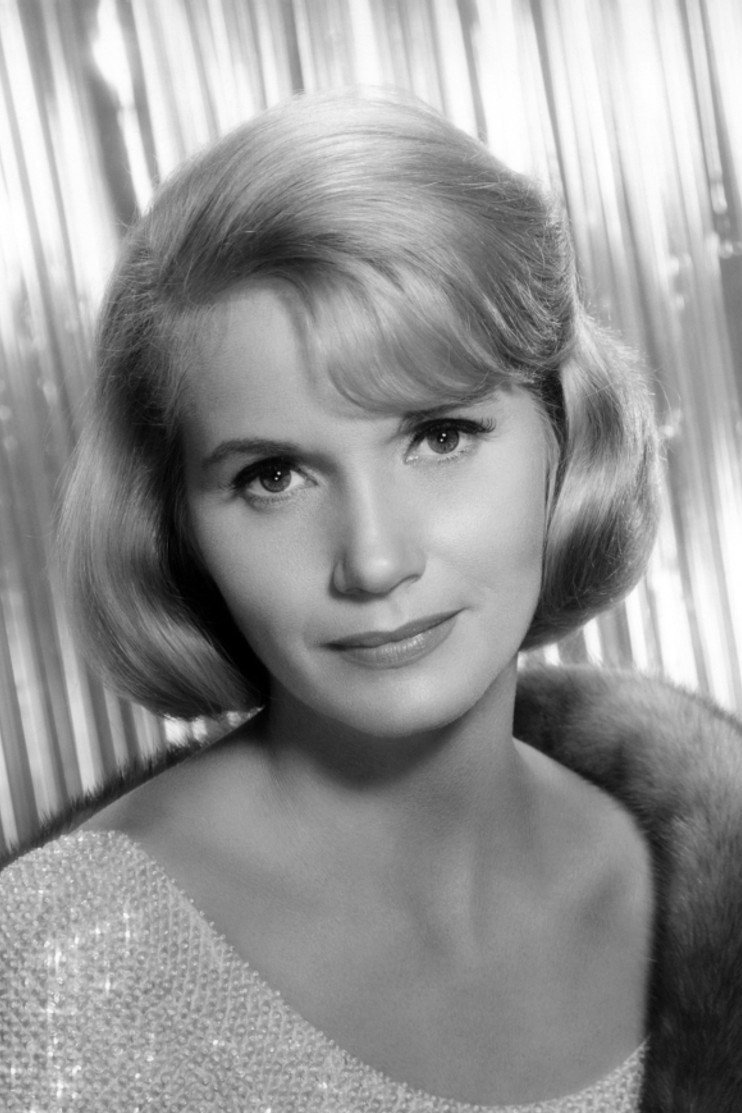
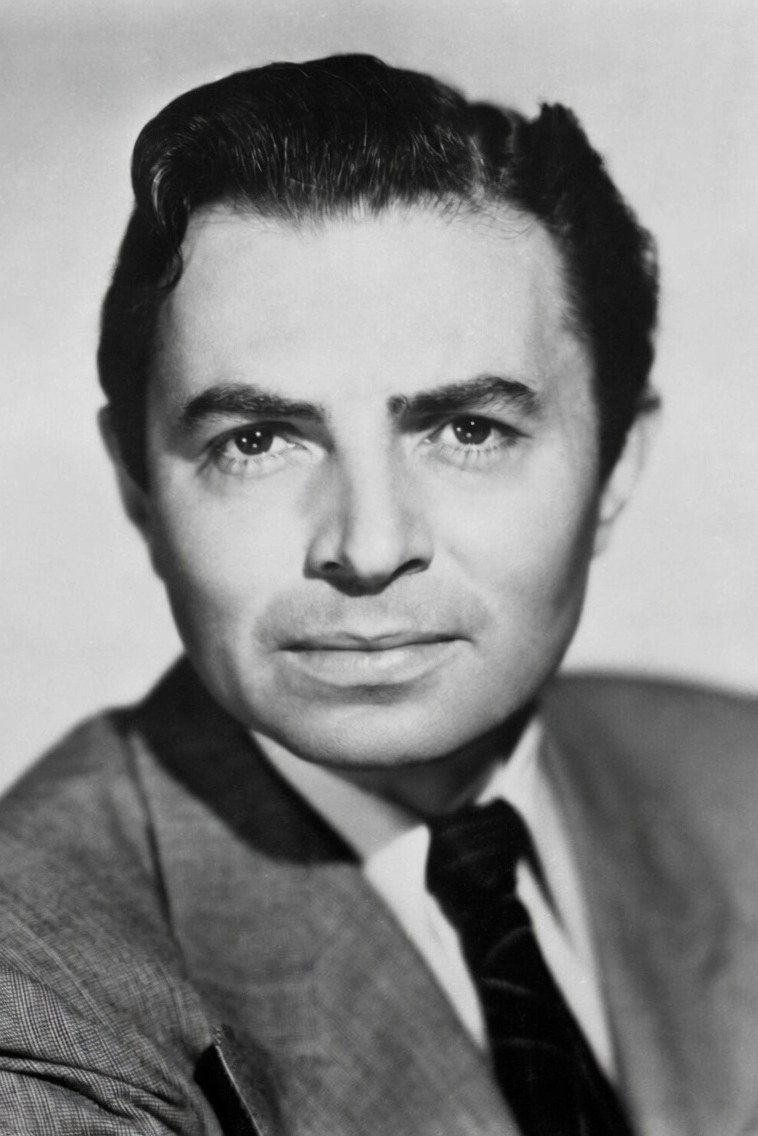
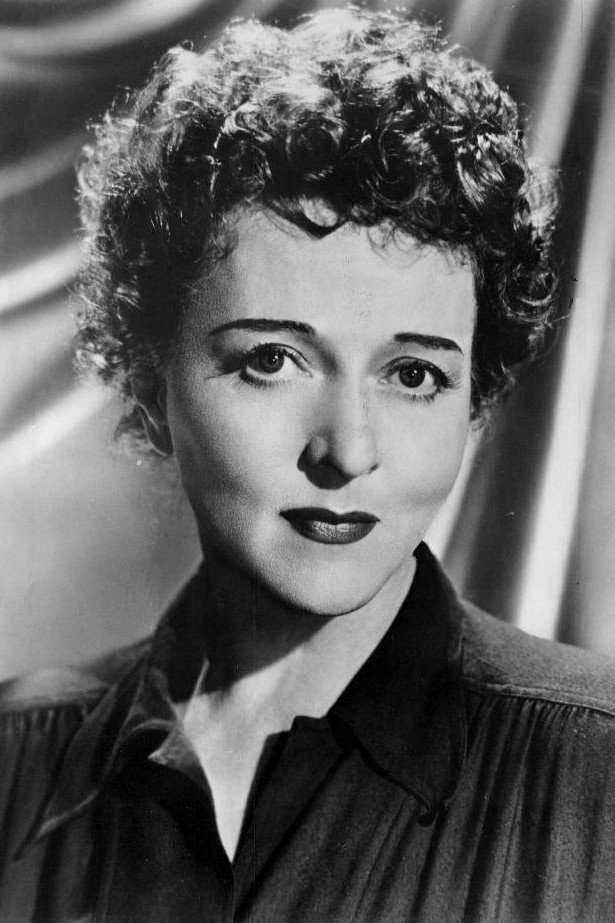
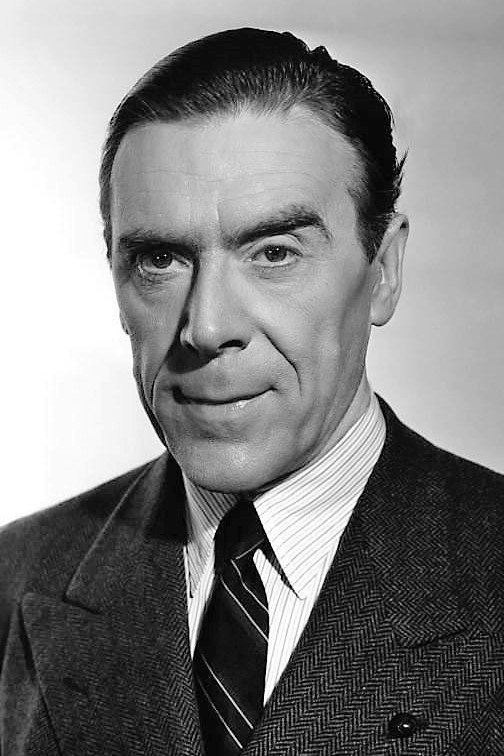
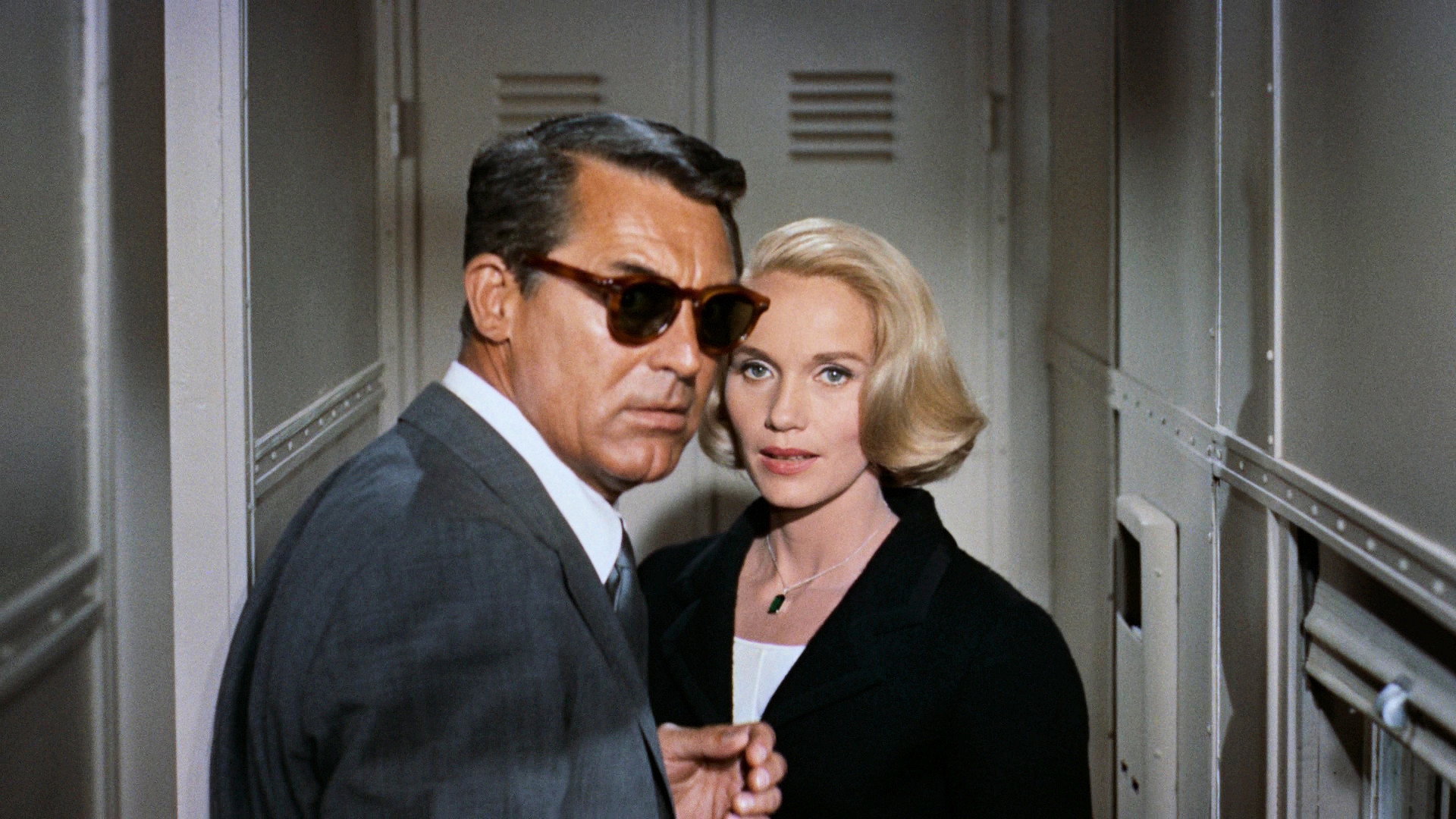
Cary Grant plays Roger Thornhill, an advertising man caught up in a case of mistaken identity. What follows is a pursuit across America, as his efforts to get clear of an espionage plot bring further danger. Alfred Hitchcock’s thriller combines a man-on-the-run story with comedy and Cold War suspicion. Thornhill has to navigate a situation in which being taken for someone else is enough to put his life at risk. Eva Marie Saint plays Eve Kendall, James Mason is Phillip Vandamm and Jessie Royce Landis appears as Clara Thornhill. Ernest Lehman writes the screenplay.

Plays from YouTube when you press play; nothing loads from them until then.

Fi1m review

A superbly controlled chase, with Cary Grant making panic funny without taking away the danger. The plotting needs indulgence, but Alfred Hitchcock makes that a small price for an evening this entertaining.

North by Northwest is a splendid chase thriller, provided we stop asking the plot to withstand cross-examination. Alfred Hitchcock directs it with a confidence that makes the absurdities part of the pleasure. Cary Grant’s Roger Thornhill, an advertising man caught in a case of mistaken identity, is an excellent person to put through this ordeal: he looks capable of handling ordinary trouble, which makes extraordinary trouble much funnier. Ernest Lehman’s screenplay gives the pursuit enough wit to keep panic from becoming monotonous. At 137 minutes, the film has room to enjoy itself.

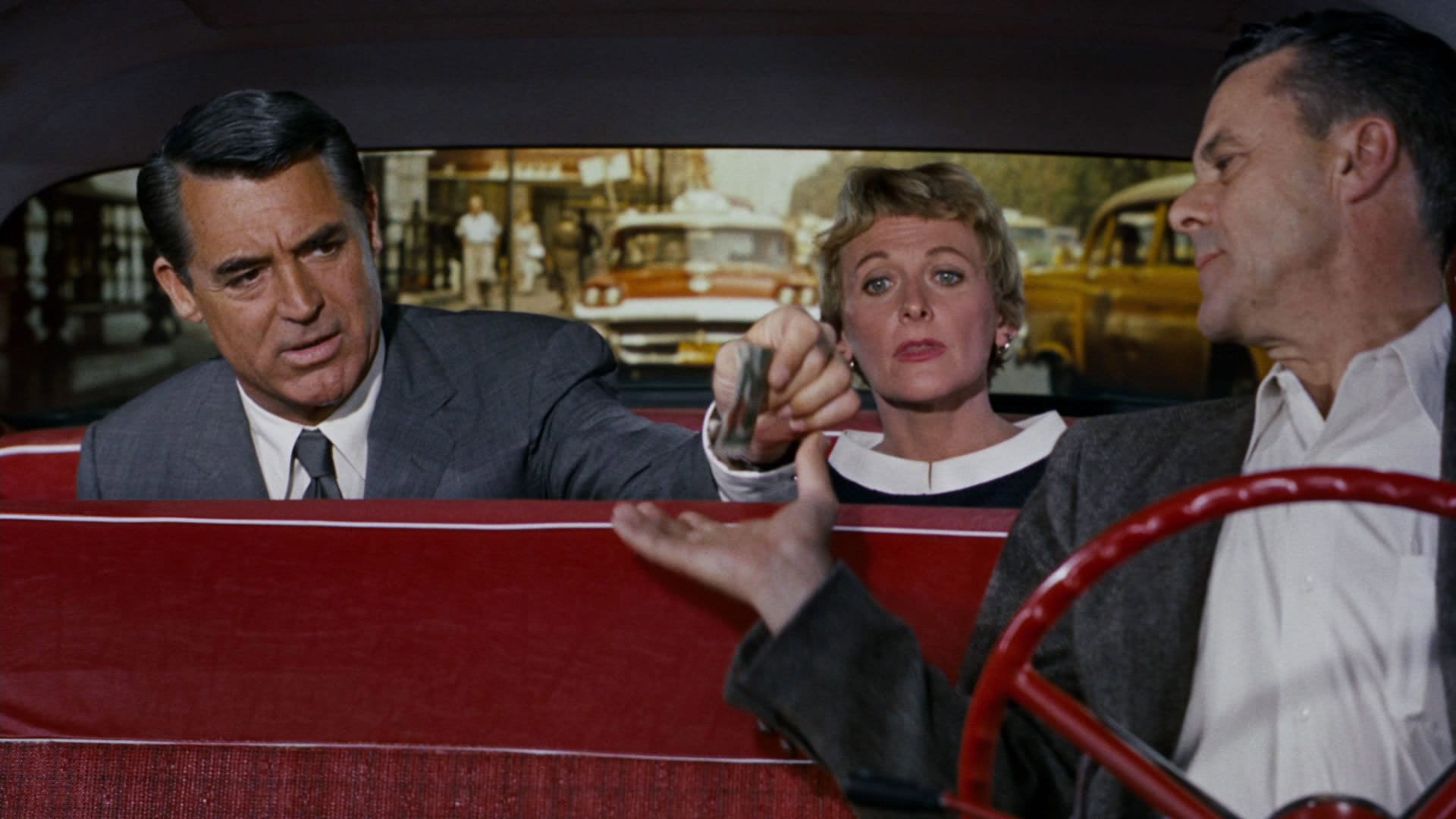
Grant does the difficult work. His composure is funny because the danger keeps making it harder to maintain, and he lets us enjoy the effort without asking us to believe Thornhill is fearless. We laughed at the drunken drive, then found ourselves properly frightened. Grant’s comic helplessness at the wheel does it: a situation that invites a laugh also makes him horribly vulnerable. Hitchcock allows both responses without letting the comedy make the danger seem harmless.

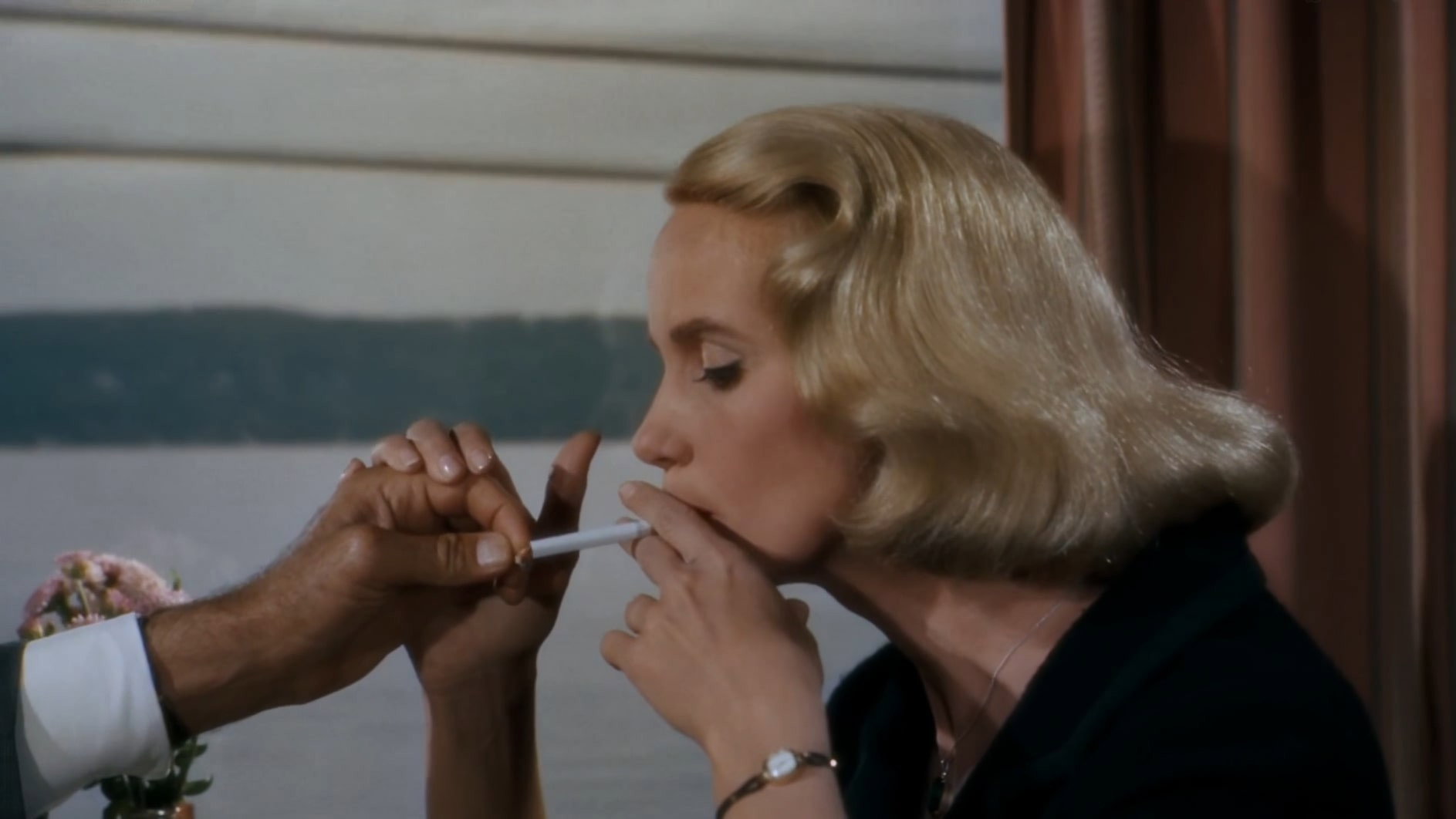
Eva Marie Saint, as Eve Kendall, gives Grant someone worth paying attention to when he is not attending to his own survival. Her poise keeps the film’s sophistication from resting entirely on him. James Mason’s Phillip Vandamm is an equally useful presence: Mason can make a measured delivery feel more troublesome than a raised voice. These performances suit a thriller in which manners remain important even when circumstances have become ridiculous.

Robert Burks’s cinematography makes the American locations inviting without letting the scenery take over the chase. The eye has somewhere to settle, and a person to follow, even when the film is enjoying the scale of its surroundings. Robert F. Boyle’s production design helps establish the polished, comfortable world against which Grant’s distress looks so conspicuous. We can enjoy the surfaces, but Hitchcock keeps making us watch the man who is having such a bad time among them.

George Tomasini’s editing gives the drunken drive its awkward double effect: there is time to register Grant’s comic helplessness, but not to settle into enjoying it. The timing lets a joke become alarming without a clumsy announcement that the mood has changed. Bernard Herrmann’s restless score supplies much of the urgency that Thornhill would prefer not to acknowledge. Its force is useful alongside a performance so concerned with maintaining composure.

The reservation is Lehman’s plotting, which sometimes requires more goodwill than the performances ought to have to supply. There are connections in this story that we accept because Hitchcock has already promised us something more enjoyable than an explanation. Anyone who needs the business of espionage to add up neatly may find the film too pleased with its own inventions. Nor does every stretch have the comic danger of the drunken drive. The charm can carry us through, but it cannot make every turn equally persuasive.

As an adventure thriller, it understands the value of being frightened for someone whose company we enjoy. We want Thornhill to get out of trouble partly because we want to see how he will behave afterwards. That is enough to carry a good deal of improbable espionage. Watch it for Grant, and allow Hitchcock a few liberties with common sense.
Critical consensus AI synthesised

87
Positive
6
Mixed
0
Negative
0

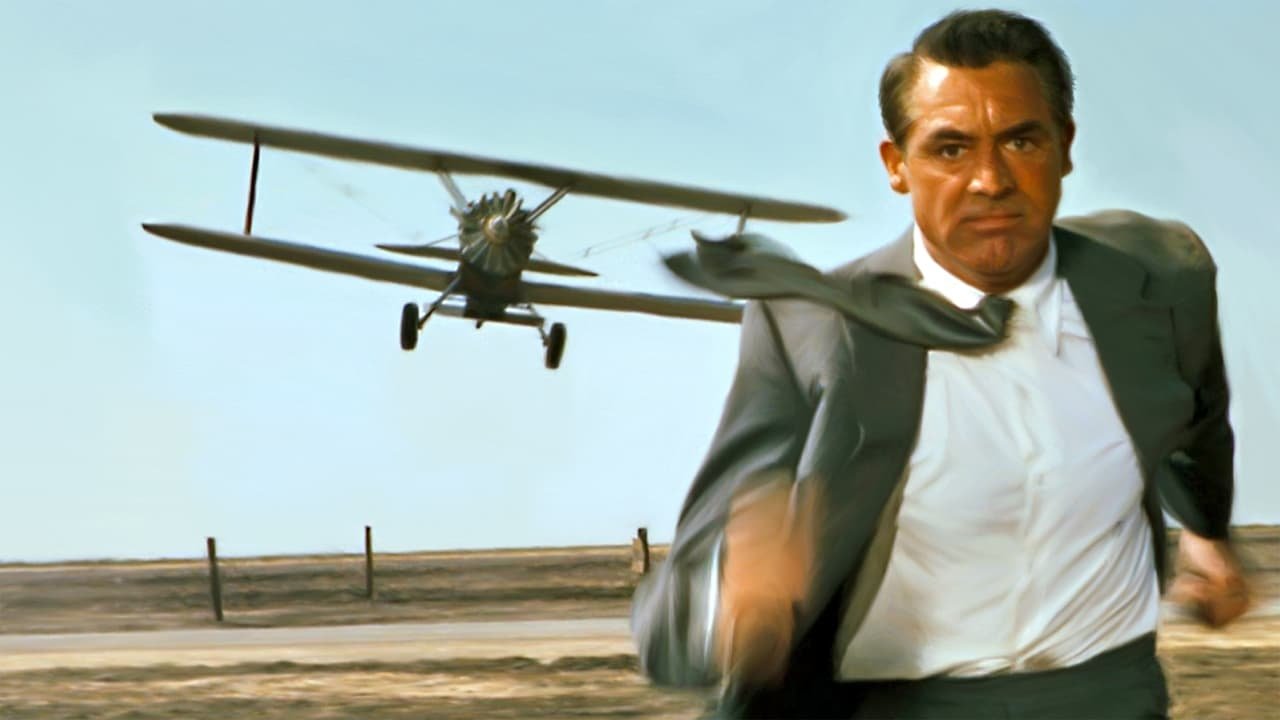
The reviews are consistently positive, with praise clustering around Hitchcock’s control of suspense, the wit of the chase and Cary Grant’s ease with both comedy and danger. Critics repeatedly single out the set pieces, particularly the crop-dusting pursuit, for their ingenuity and use of locations. The improbable spy story is largely accepted as part of the pleasure: Hitchcock’s lightness of touch keeps the action entertaining without asking that it be taken too seriously.

The differences concern how critics read that extravagance rather than whether they recommend the film. The New Yorker describes a bloated, colourful spectacle, but also sees Hitchcock deliberately exaggerating his familiar methods into self-parody, with the pursuits among its chief pleasures. Elsewhere, the emphasis falls on confident storytelling and sleek entertainment. Reservations are limited, and even the more qualified responses admire the humour, suspense and Grant’s performance.

Empire
1 January 2000 · Kim Newman
95*

The critic calls the film a justifiable masterpiece and certifiable classic, praising its slick suspense, wit, star power, and confidence in telling an absurd story, along with the iconic set-pieces and Cary Grant's performance.

Read the full review →
The Hollywood Reporter
30 June 1959 · Jack Moffitt
90*

The critic calls the film pure entertainment and praises Hitchcock's mastery of suspense that creates vicarious fear and identification with the characters. Grant's performance is singled out for its comedic and thrilling moments, especially the drunken drive and crop-dusting scenes.

Read the full review →
Variety
29 June 1959 · Variety Staff
90*

The film delivers Hitchcock's signature blend of suspense, intrigue, comedy, and humor more delectably than ever, making it a sure box-office hit. The critic singles out the brilliant use of real locations, especially the crop-dusting airplane ambush on the prairie, as a standout achievement.

Read the full review →
The New York Times
7 August 1959 · A. H. Weiler
85*

Hitchcock and screenwriter Ernest Lehman deliver a suspenseful, witty, and sophisticated Cook's tour of photogenic American locales in a brisk, genuinely entertaining style that never takes its improbable spy yarn too seriously. The critic singles out the film's scenic, intriguing, and merry chase sequences as the year's best.

Read the full review →
The New Yorker
8 August 1959 · Whitney Balliett
80*

Hitchcock has created a perfect parody of his own work, flawlessly reproducing his mannerisms before exaggerating them to the point of self-mockery in a bloated, colorful spectacle. The critic singles out the two memorable set pieces—the crop-dusting plane pursuit and the drunken car chase—as highlights where Hitchcock truly skewers his own style.

Read the full review →
Time Out
16 June 2009 · ★★★★ · Dave Calhoun
80

The review praises the film's sleek, witty take on Cold War paranoia and mistaken identity, highlighting Hitchcock's lightness of touch, Grant's charming performance, and the memorable set pieces from Grand Central to Mount Rushmore.

Read the full review →

Cast

Stills

Awards

Academy Awards, 1960

Nominated
Best Art Direction, Color
Nominated
Best Film Editing
Nominated
Best Writing, Original Screenplay

If you liked this, try…

The 39 Steps poster

The 39 Steps

1935 · Another Hitchcock fugitive, with brisker plotting and equally troublesome strangers along the way.

Charade poster

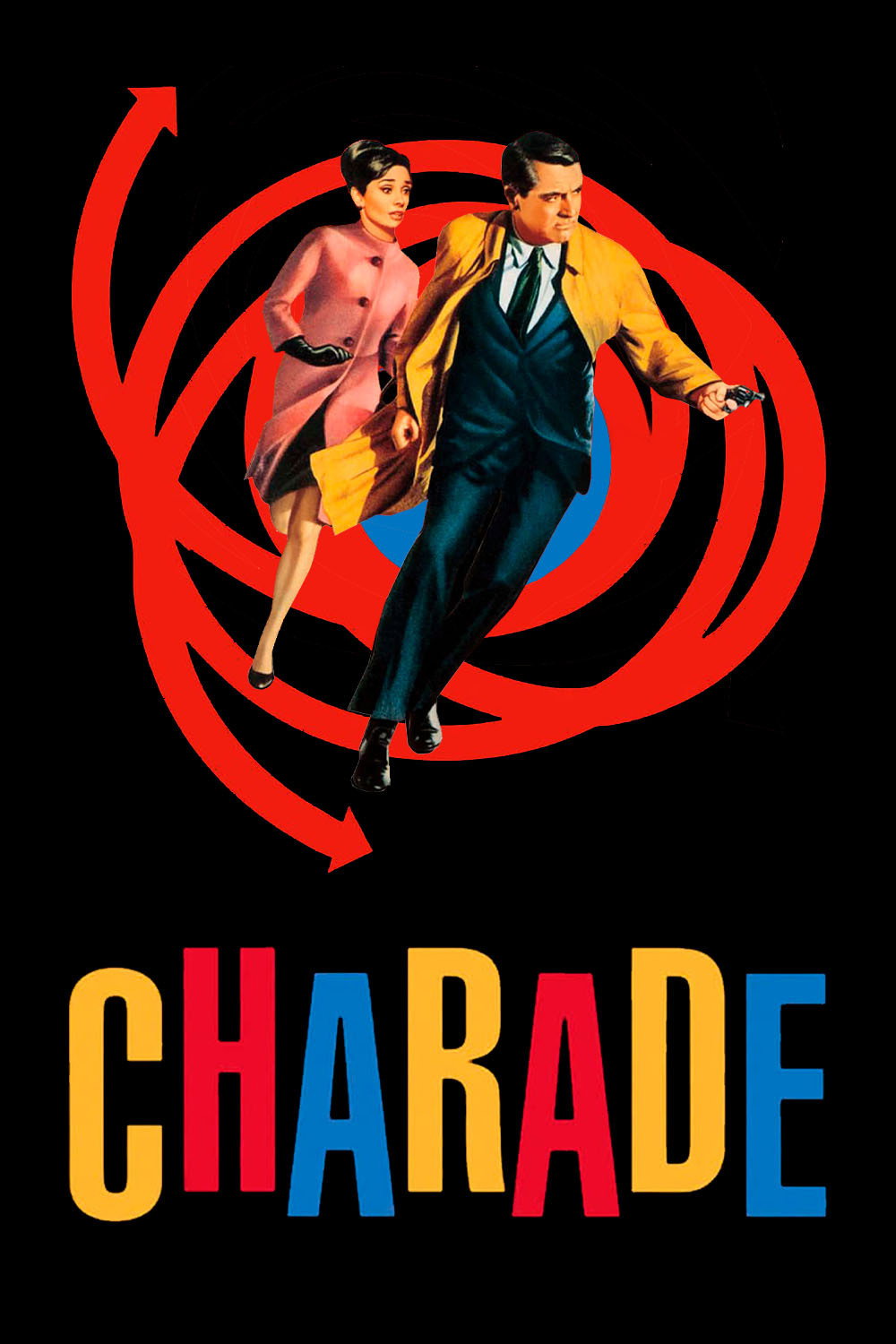
Charade

1963 · Romance and danger give Cary Grant another chance to remain suspiciously composed.

The Tall Blond Man with One Black Shoe poster

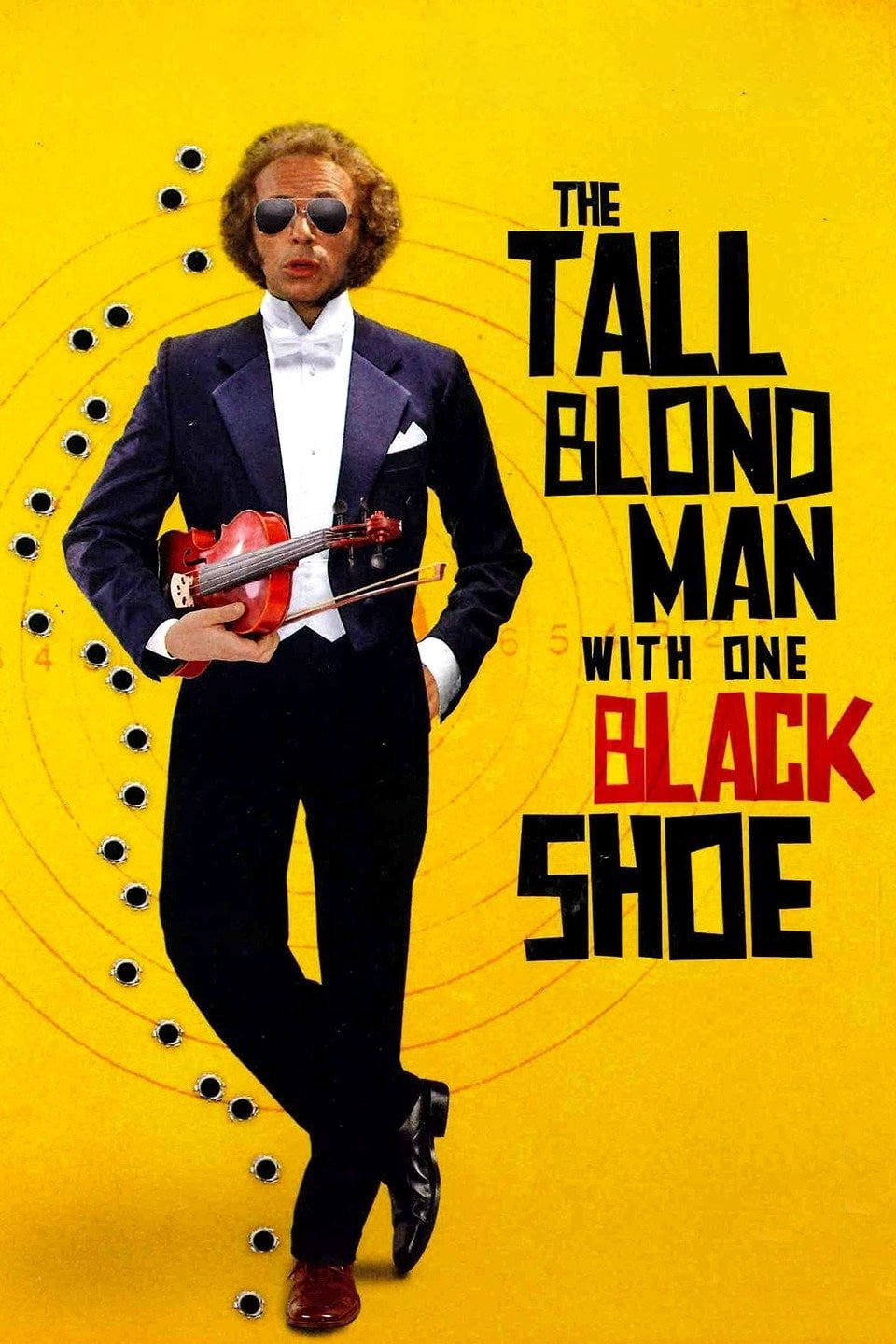
The Tall Blond Man with One Black Shoe

1972 · A bewildered man attracts spies who are much too certain of themselves.

Tell No One poster

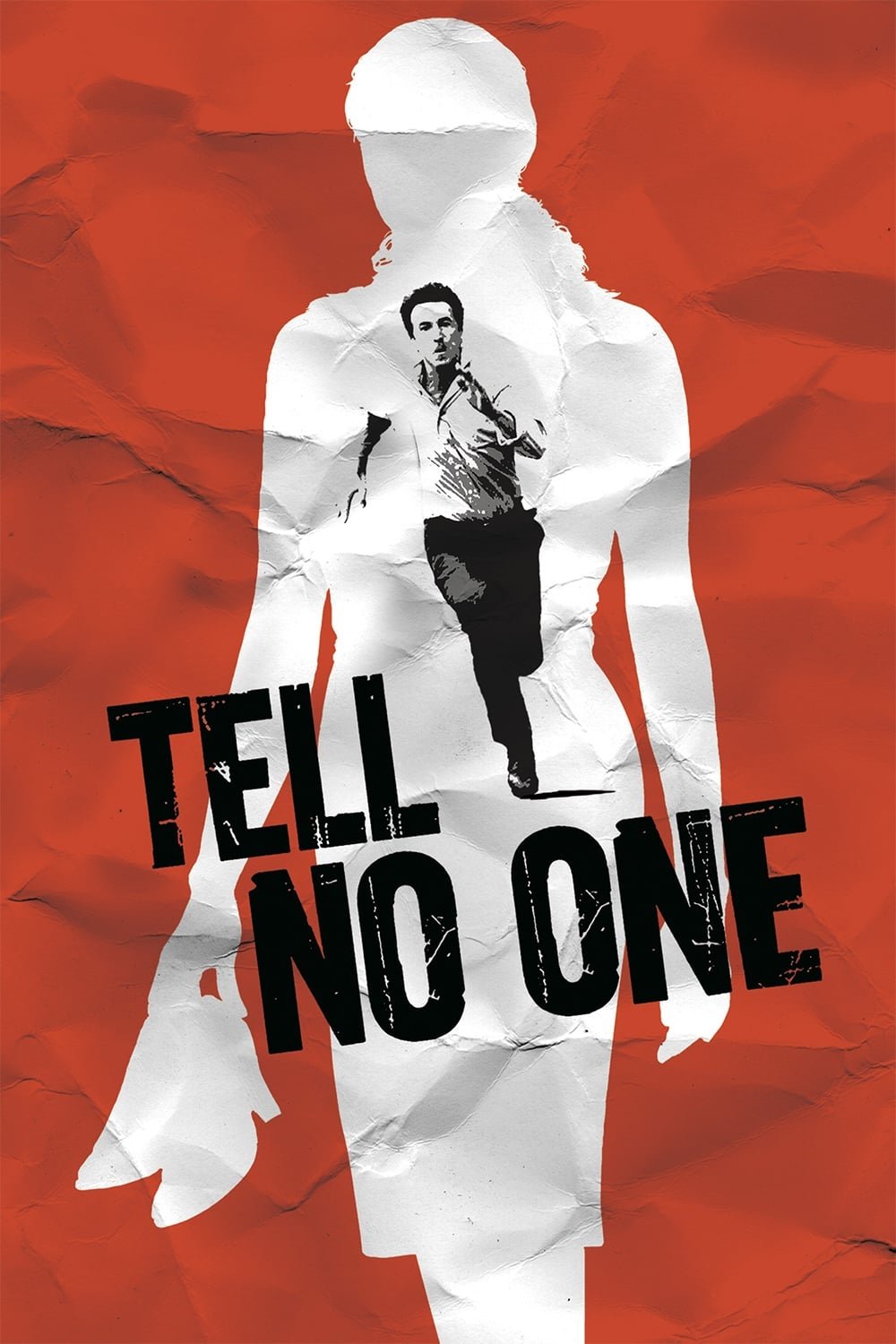
Tell No One

2006 · A more bruising pursuit, with romantic feeling beneath the twists and suspicion.

A Hard Day poster

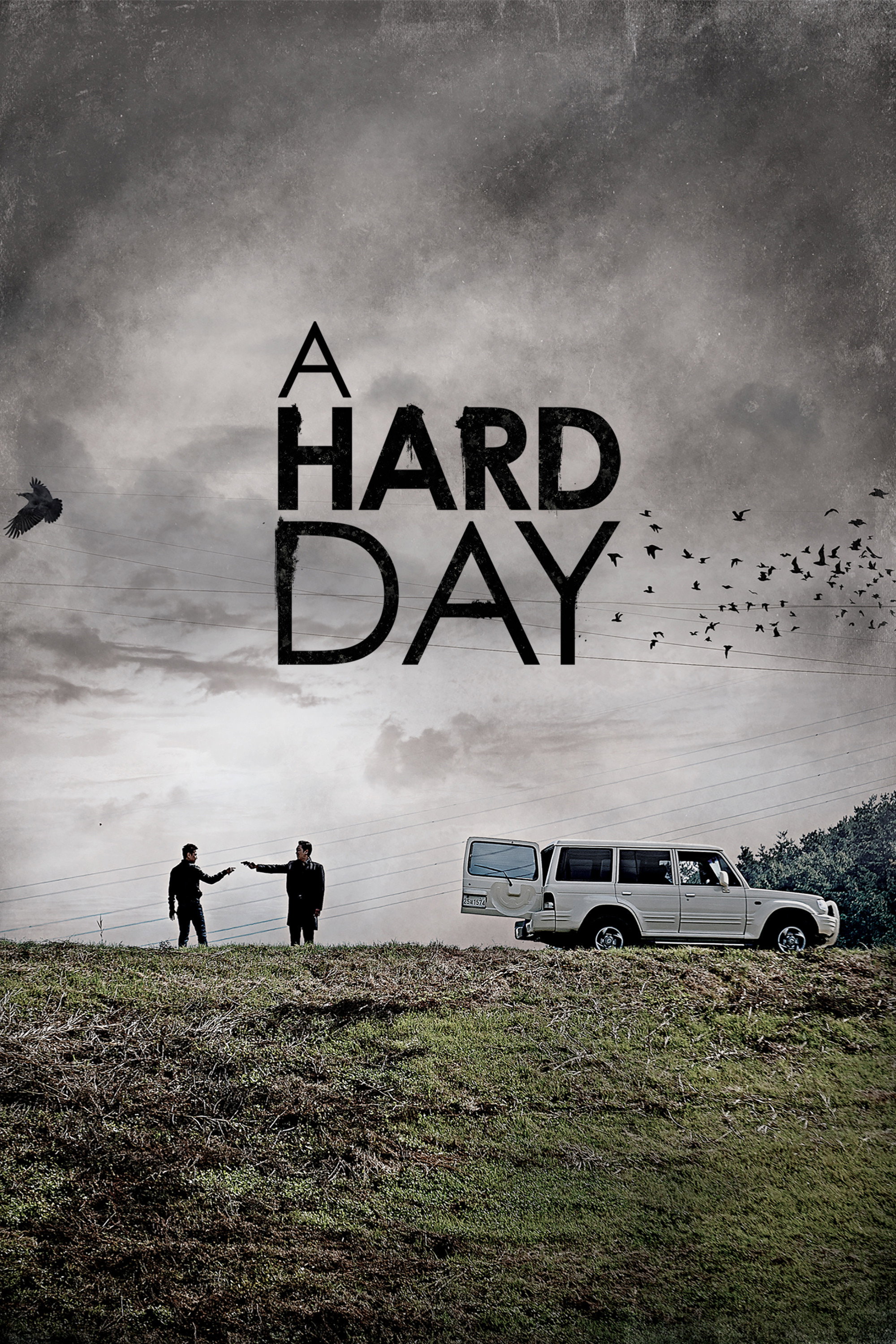
A Hard Day

2014 · A man’s frantic improvisations turn mounting danger into some distinctly uncomfortable laughs.