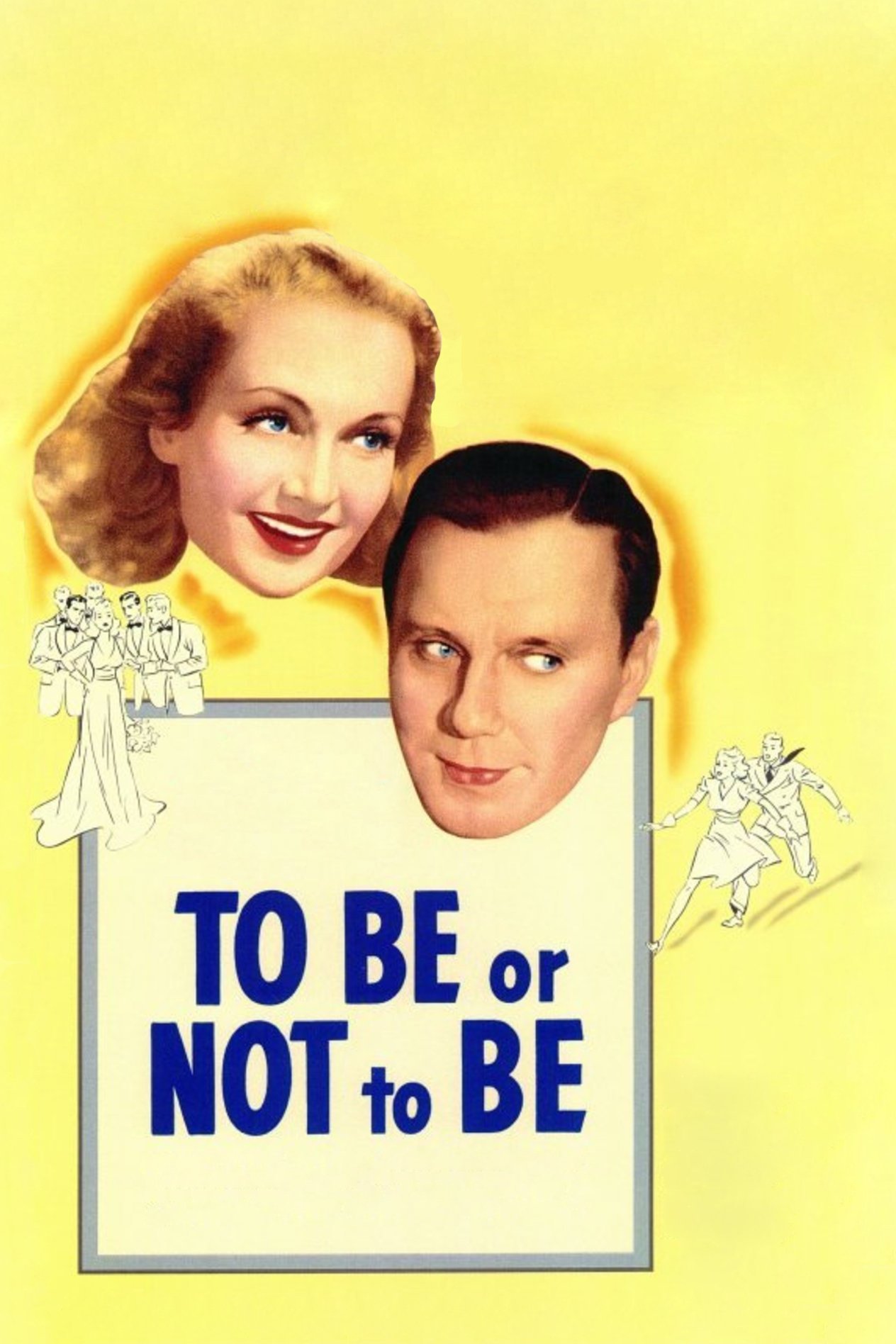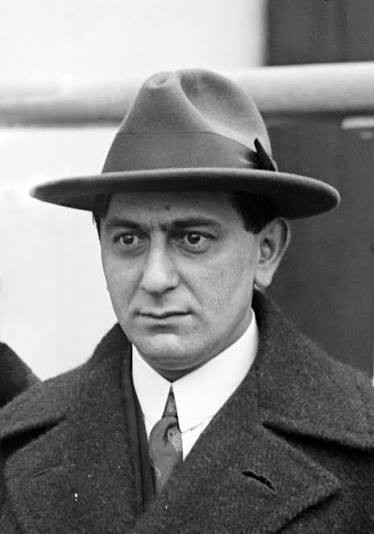
Ernst Lubitsch trusts us to understand what happens behind a closed door. We recommend his comedies for their precise staging and warmth, especially when the jokes have to survive alongside something frightening.
Fi1m perspective
Watch a doorway in To Be or Not to Be (1942): the joke may depend on someone arriving, or on someone taking too long to leave. Lubitsch makes waiting funny because we know exactly what we are waiting for. Cinematographer Rudolph Maté and production designer Vincent Korda give these entrances the clarity his timing needs. The pleasure comes from noticing the delay ourselves, without being told where the joke is. Elsewhere, a closed door or a cut can let us understand what Lubitsch has chosen not to show.
His sophisticated comedies were already taking shape in silent films. The move into sound brought musicals such as The Love Parade (1929), alongside the romantic comedy of Trouble in Paradise (1932). There is warmth in the satire of Ninotchka (1939), with Greta Garbo, and in the mistaken-identity romance of The Shop Around the Corner (1940). We would not reduce him to a specialist in discreet jokes about sex.
In To Be or Not to Be, Jack Benny and Carole Lombard give the comedy its assurance, while Lubitsch makes the performers’ self-importance part of what equips them to confront the Nazis. We laughed and felt uneasy because their vanity remains funny even as judging their audience becomes dangerous. Lubitsch lets a joke sit beside fear without stopping to apologise for it. The actors need attention, and the film finds a practical use for their understanding of how to hold it. He treats their foolishness generously, letting us enjoy it even when their circumstances become frightening.
The reservation is how long it takes to get there. Edwin Justus Mayer’s script spends an uneven early stretch arranging romance and theatre, and Lubitsch cannot make every piece of preparation entertaining. Knowing that a detail will be needed later does not make it funny now. Once the performances carry the danger, there is less to explain and the comedy sharpens. Start with To Be or Not to Be if the mixture of farce and fear appeals, but allow for a slow start.
Biography
Ernst Lubitsch (28 January 1892 – 30 November 1947) was a German film director, producer and writer. Born in Berlin, he began his career in the German film industry before moving to Hollywood in the 1920s.
He is known for directing Trouble in Paradise (1932), Design for Living (1933), Ninotchka (1939), The Shop Around the Corner (1940), To Be or Not to Be (1942), which he also produced, Heaven Can Wait (1943) and Cluny Brown (1946). His earlier German work includes The Doll (1919).
Lubitsch received an Honorary Academy Award in 1947 for his contributions to motion pictures.