Film review

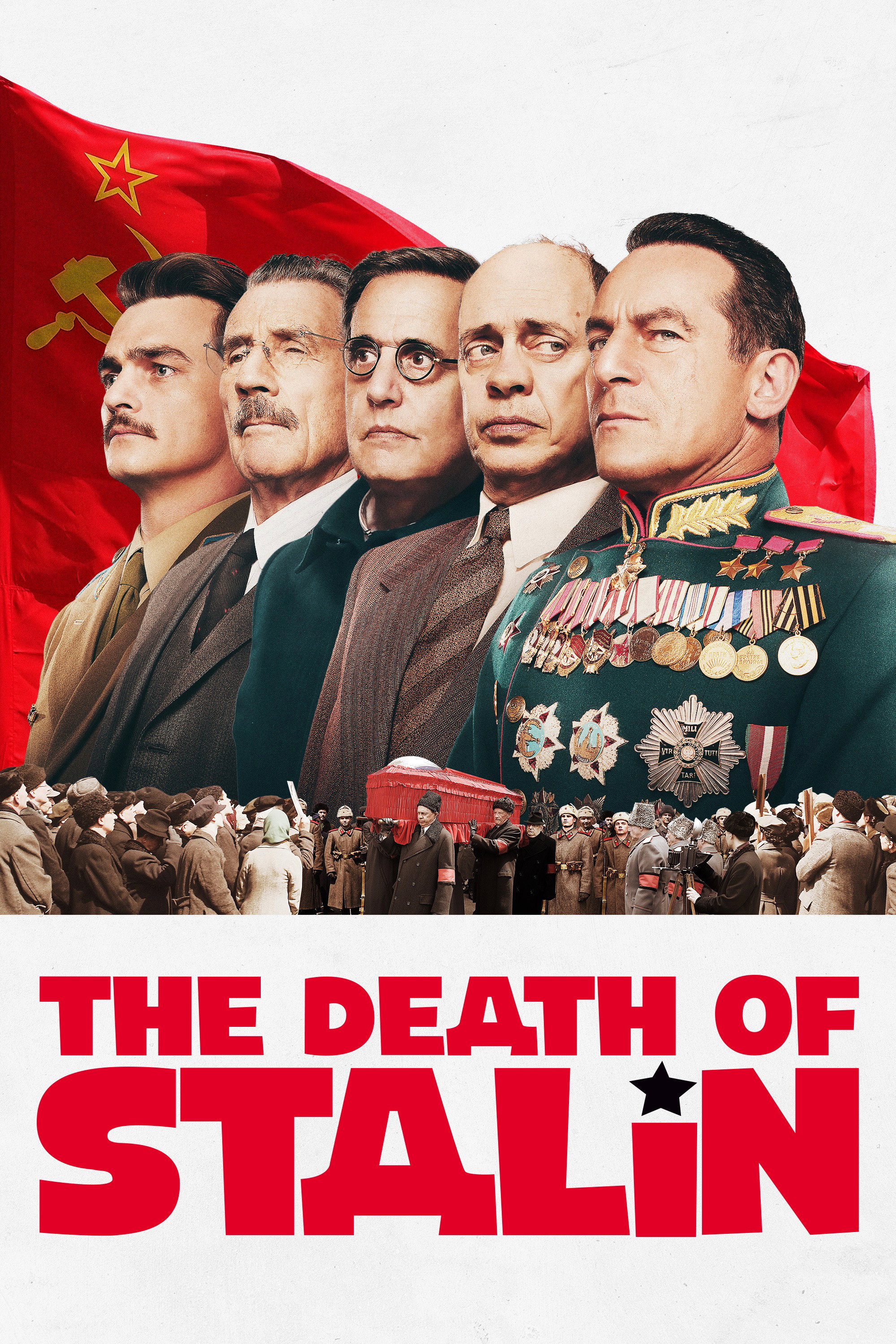
The Death of Stalin

2017 · Directed by Armando Iannucci · 1h 47m · MPA R

In a sentenceSimon Russell Beale makes us grateful that most office bullies only control the stationery cupboard

ComedyDramaHistory

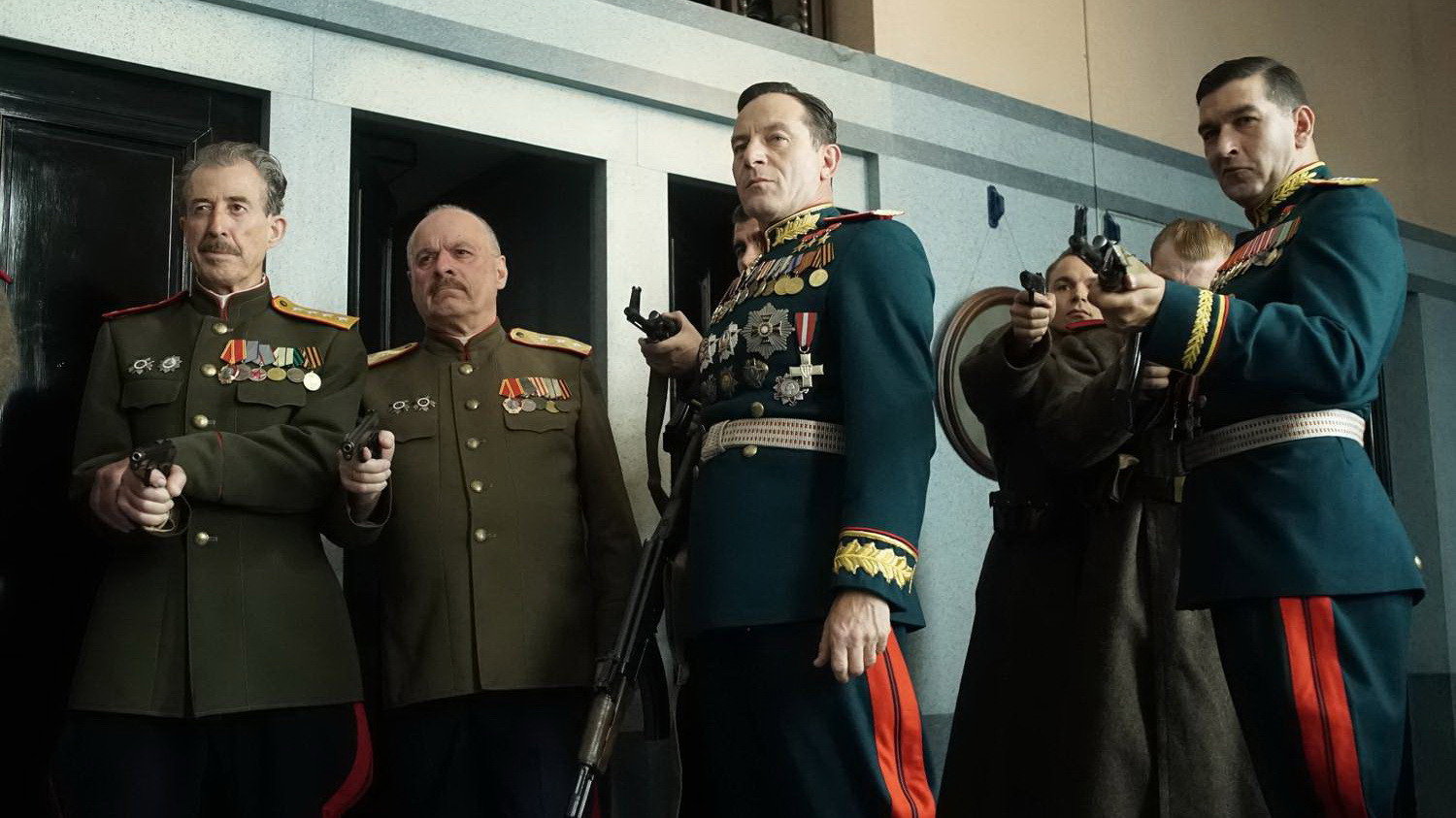
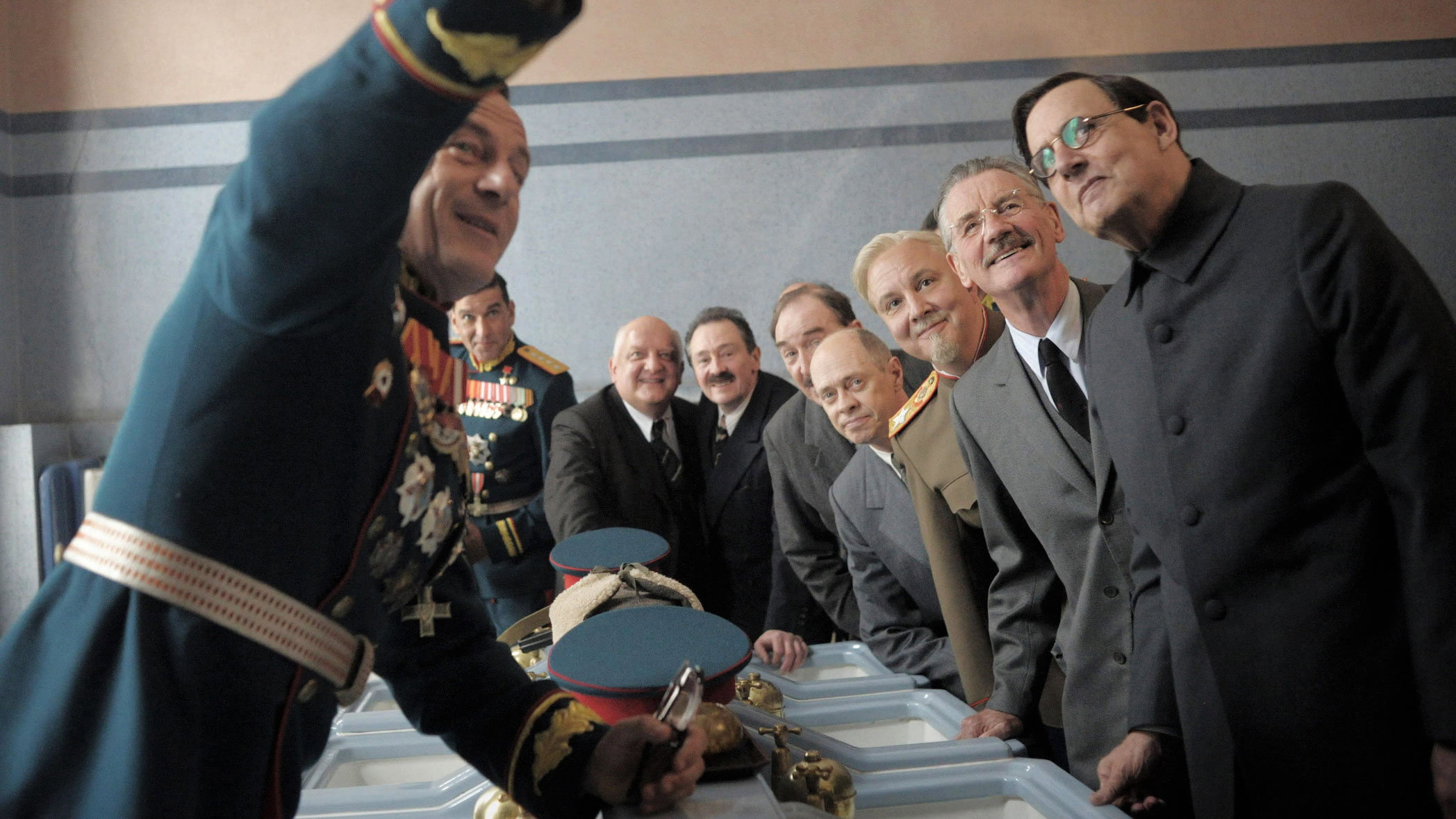
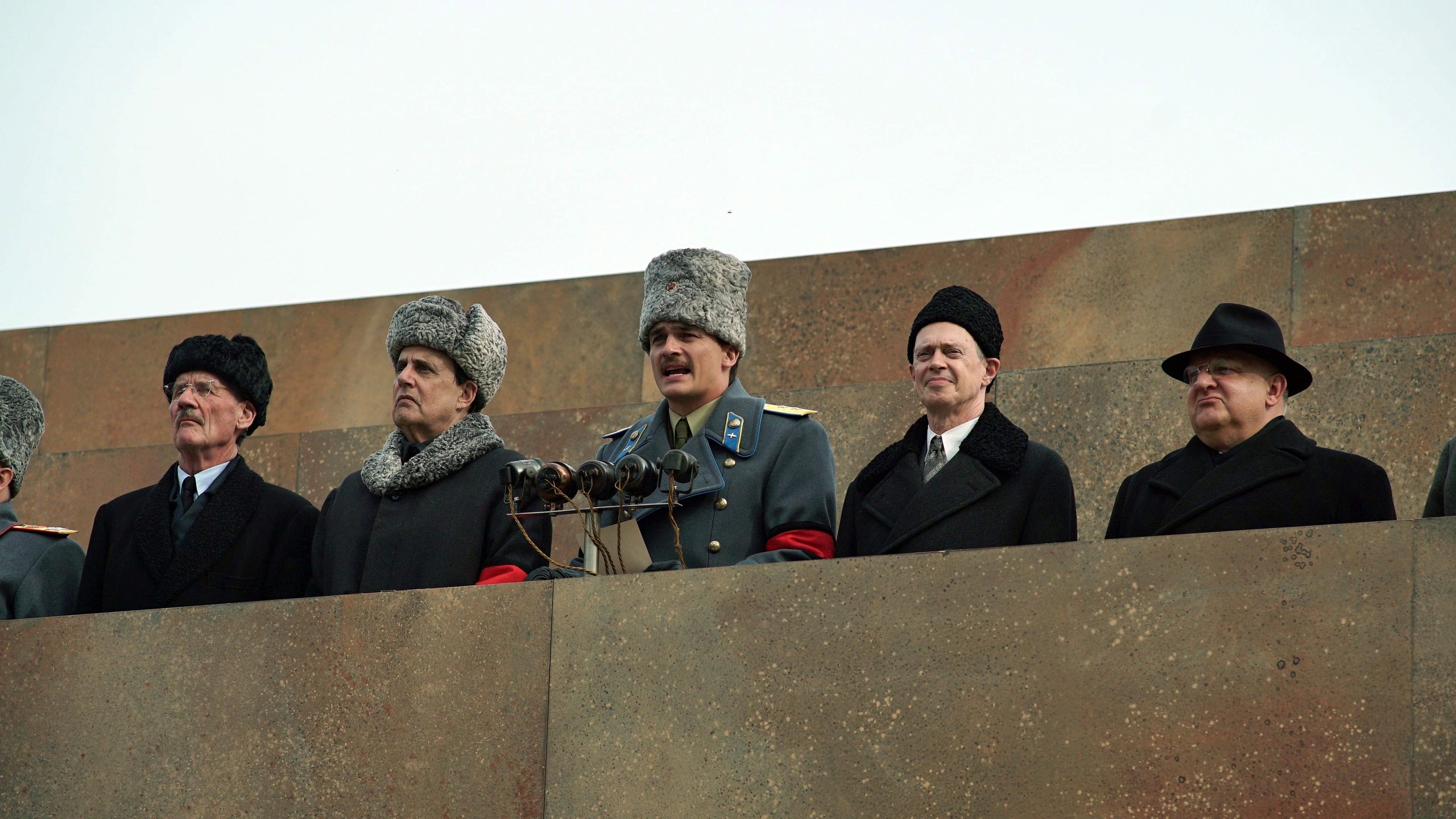
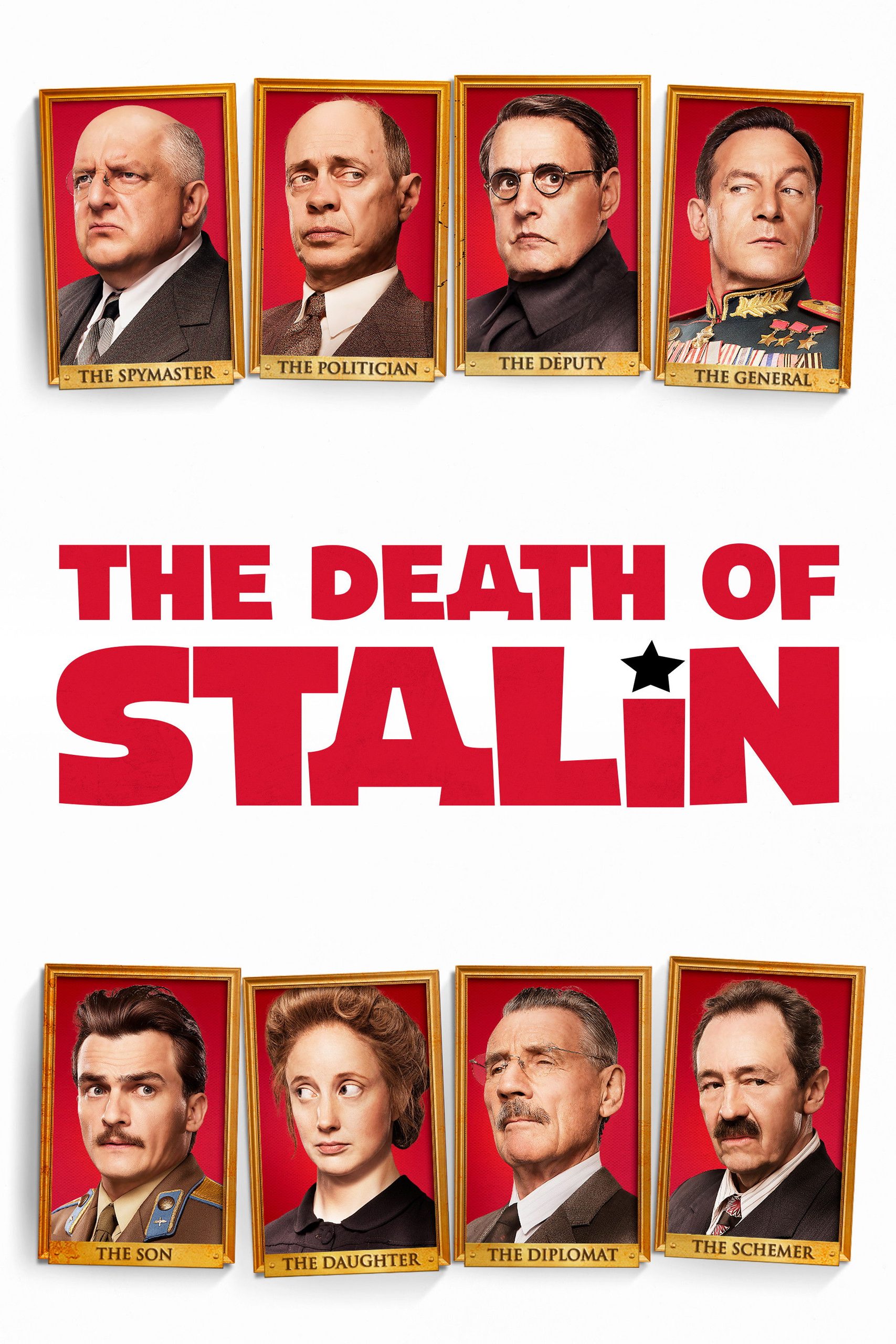
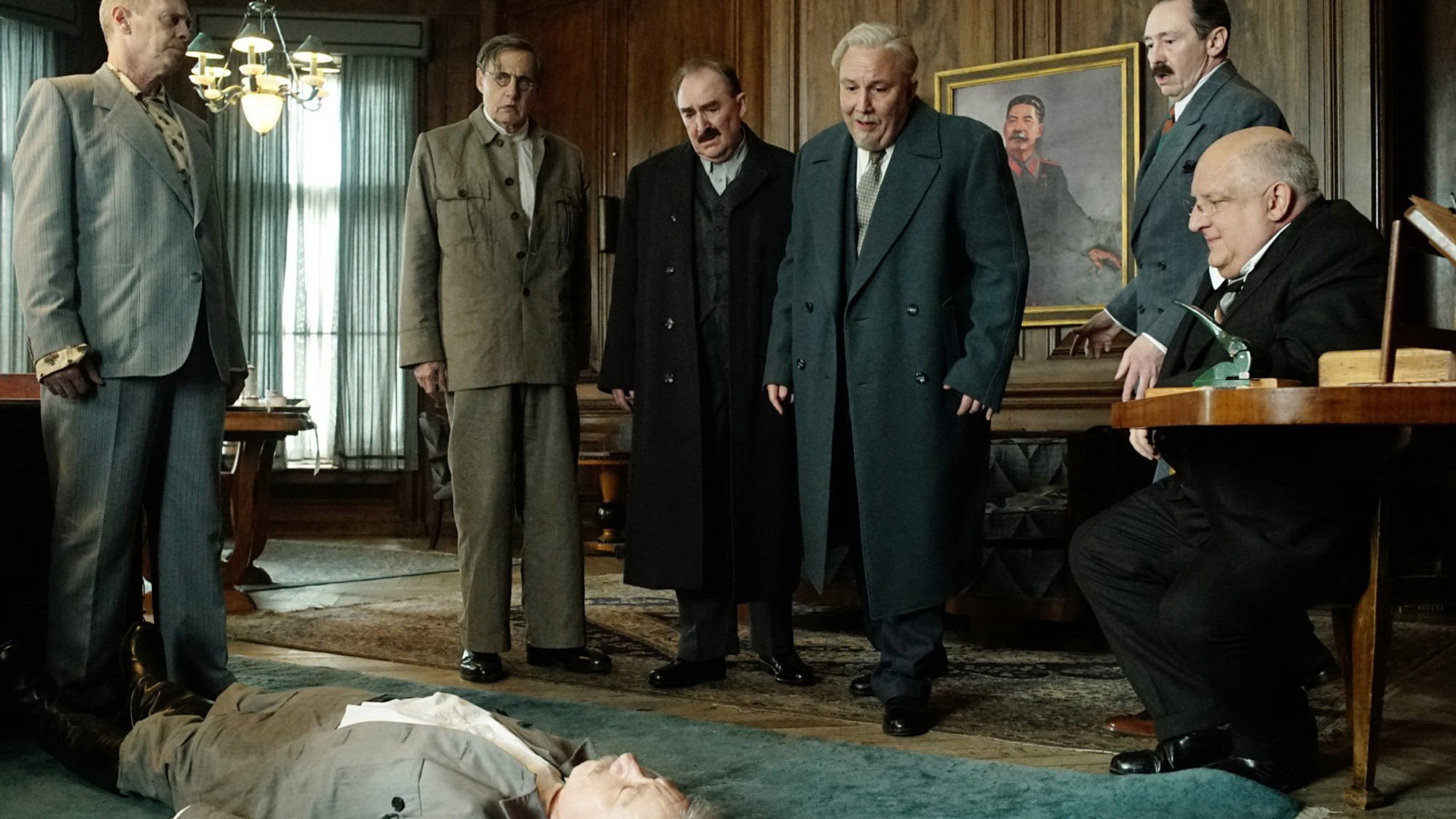
Josef Stalin (Adrian McLoughlin) dies, leaving his Kremlin colleagues to work out who takes charge. Nikita Khrushchev (Steve Buscemi) wants to secure his position, but Lavrenti Beria (Simon Russell Beale) has ambitions of his own. Georgy Malenkov (Jeffrey Tambor) struggles to look capable of leadership as his colleagues compete for advantage. The officials must negotiate a succession inside a system built around one man, where each is afraid of losing more than his job. Insults and displays of loyalty accompany the manoeuvring, with each man watching the others for signs of weakness.

Plays from YouTube when you press play; nothing loads from them until then.

Fi1m review

Armando Iannucci makes Stalin’s succession crisis funny without making its participants seem harmless. Simon Russell Beale is particularly unsettling, though the broader clowning occasionally makes the danger harder to believe.

The Death of Stalin finds its comedy in men trying to protect themselves while pretending to serve the state. Armando Iannucci makes their vanity funny and their scramble for power frightening, often within the same exchange. This is a sharp, sour political farce with an excellent ensemble, and we recommend it with a reservation about the broader clowning. The noisy foolishness sometimes makes the threat recede. A supporting performance is occasionally allowed to become one long comic turn.

The death of Josef Stalin, played by Adrian McLoughlin, leaves Nikita Khrushchev and Lavrenti Beria competing for advantage, with Georgy Malenkov struggling to look capable of leadership. The screenplay, credited to Armando Iannucci, Ian Martin, David Schneider and Fabien Nury, makes that competition legible through insults, evasions and frantic changes of position. The exchanges are funny because the men cannot speak freely even to their supposed colleagues. Each must judge how much certainty he can afford before somebody else decides that certainty is disloyalty.

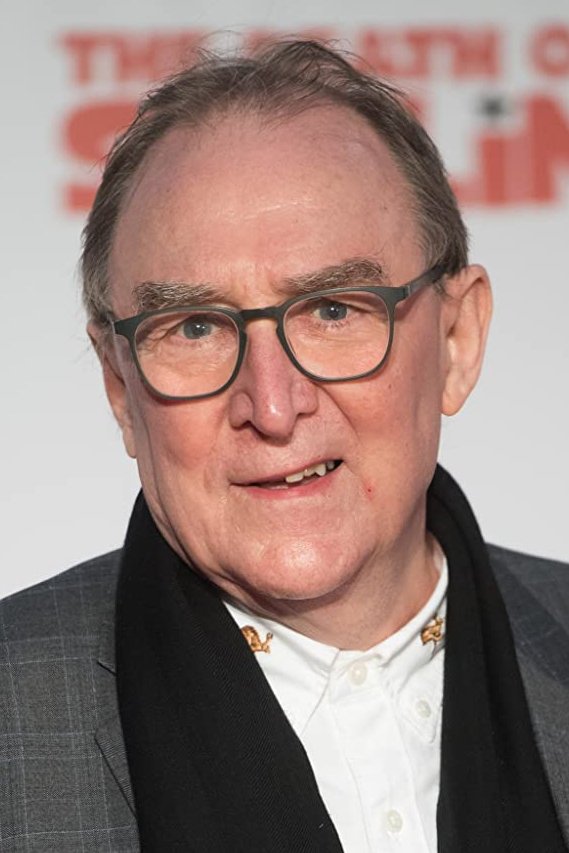
Steve Buscemi gives Khrushchev an impatience that makes his calculations easy to follow, without turning him into somebody to cheer for. Simon Russell Beale’s Beria is harder to read and much more disturbing. His composure makes the other men’s fuss seem especially foolish, as if he has grasped the business of power before they have finished arguing about it. The scenes between them work because both actors keep the desire to win close to the surface. Neither needs to underline the joke.

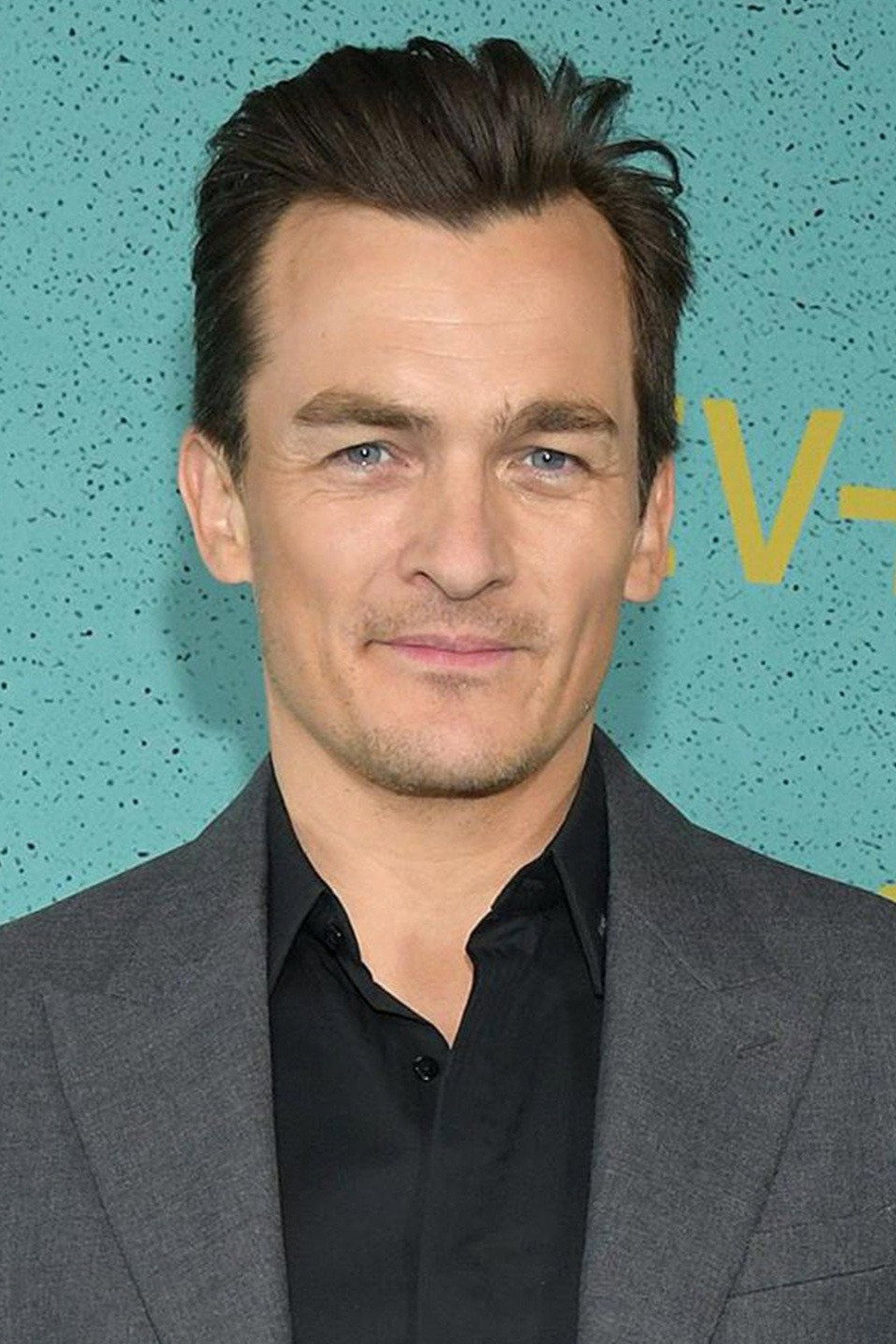
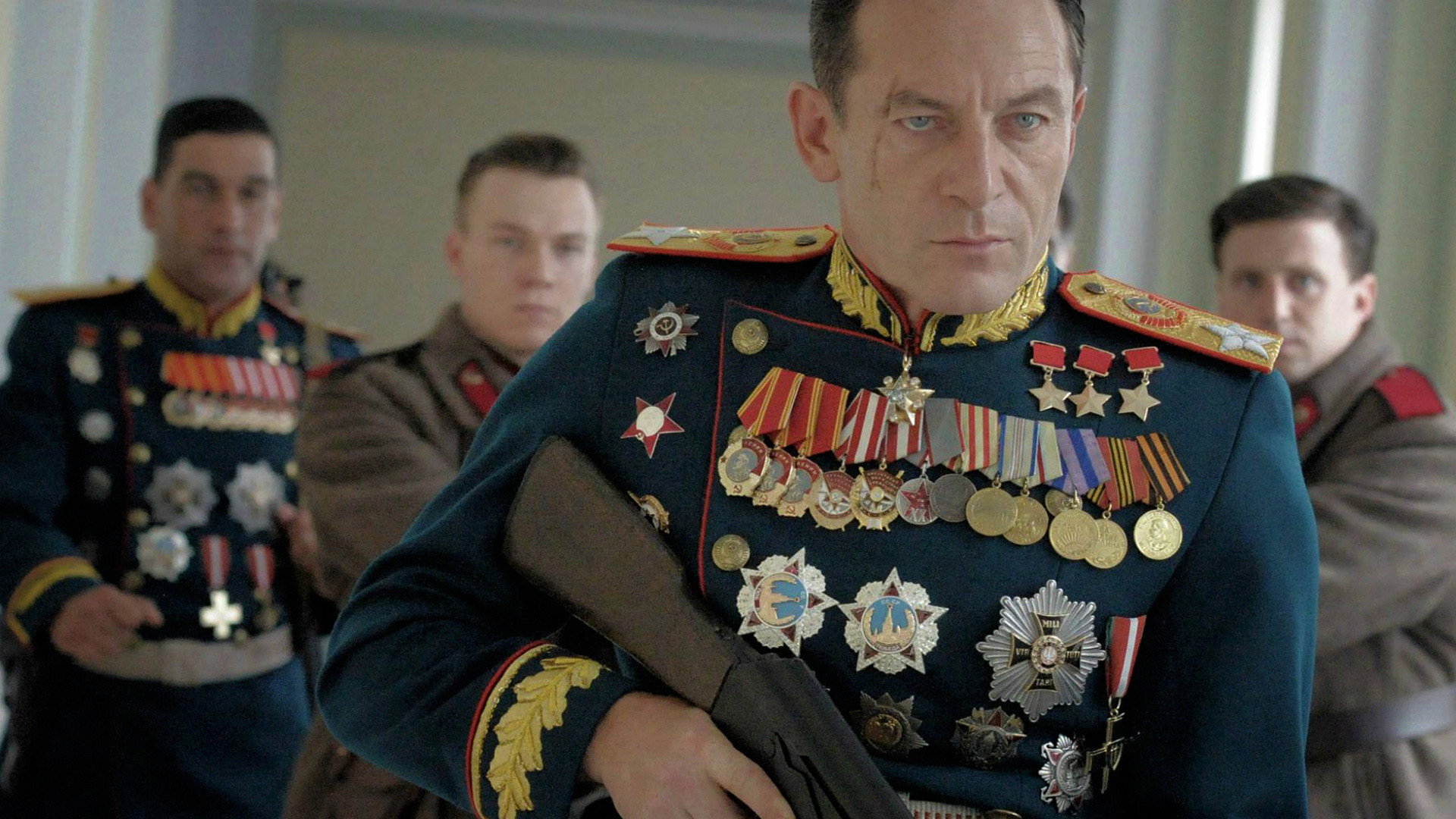
Jeffrey Tambor makes Malenkov’s vanity almost endearing, which is an uncomfortable achievement. We laughed at his efforts to look capable, then felt uneasy about how harmless he had begun to seem. Jason Isaacs gives Field Marshal Zhukov a swagger that supplies a welcome change of pace. Rupert Friend, as Vasily Stalin, has less room to vary his bluster. Here the broadness flattens the character, and after a while another outburst adds little.

Zac Nicholson’s cinematography keeps the group scenes readable, so a rival’s reaction can matter as much as the person speaking. Cristina Casali’s production design makes the Kremlin’s authority credible, even while the actors are busy making its occupants look ridiculous. Peter Lambert’s editing is alert to the pace of the exchanges, letting a line register before the next speaker tries to gain control. Together, those choices make the enclosed scenes lively, but they cannot entirely disguise how often another argument does the work of moving the story forward.

Christopher Willis’s music gives the danger weight, which helps prevent the comedy from becoming too comfortable. It suits a film that keeps the suffering caused by these men in view. The unpleasantness matters: if the officials were merely incompetent, their arguments would soon become tiresome. Their capacity for cruelty gives even the pettiest disagreement a reason to hold our attention.

Political farce often promises the pleasure of seeing someone exposed as a fool. Here, recognising the fools offers little reassurance, since they still have power over other people. At 107 minutes, the film gives the quarrelling enough time to become oppressive without exhausting the joke. Watch it for the cast, and avoid it if cruelty spoils a comedy for you.
Critical consensus AI synthesised

81
Positive
26
Mixed
2
Negative
0

Most critics warmly endorse The Death of Stalin, praising Armando Iannucci’s ability to make political terror funny without forgetting its victims. Praise clusters around the ensemble, particularly Simon Russell Beale and Steve Buscemi, and a script whose insults and petty manoeuvring expose the panic beneath the struggle for power. The reviews repeatedly credit the combination of verbal sparring, physical comedy and fear, with the varied accents widely seen as an asset rather than a distraction.

The disagreement concerns how securely the comedy sits alongside the suffering. Variety finds the tone inconsistent, while The Guardian finds the film more sombre and less caustic than Iannucci’s usual work, despite admiring the cast. Little White Lies also sees passages closer to stage farce and less reason to return than with his earlier work. The spread runs from enthusiastic approval to qualified admiration: reservations concern tonal control, with little dispute over the performances.

Time Out
16 October 2017 · ★★★★★ · Phil de Semlyen
100

Iannucci delivers a daring, quick-fire and appallingly funny comedy that lampoons Stalinist Russia with masterful control of tone, blending hilarity and revulsion. The critic highlights the superb cast and Iannucci's ability to tickle the funny bone while cutting through it.

Read the full review →
IndieWire
8 September 2017 · festival review · Eric Kohn
90*

The critic calls it a winning satire with one-liners coming hard and fast, a hilarious take on the Soviet power vacuum akin to Veep going to the Soviet Union.

Read the full review →
Los Angeles Times
8 March 2018 · Kenneth Turan
90*

The dazzling film is a comedy of terrors that creates laughs while never letting viewers forget the real human cost of Stalin and his circle. Iannucci’s take-no-prisoners style is perfect for this blackest of farces, cutting close to the bone.

Read the full review →
RogerEbert.com
25 March 2018 · Matt Zoller Seitz
90*

The film is the best thing Armando Iannucci has done, a hilarious take on a grim subject that finds authoritarianism itself to be a sick joke. It stands out for its sophisticated direction and the way it shows political choices having immediate horrible consequences.

Read the full review →
Sight and Sound
19 October 2017 · Lisa Mullen
90*

The critic praises Iannucci's sharp satire of Stalin-era power struggles and the cult of personality, highlighting its mix of hilarity and horror. She singles out the strong ensemble cast, especially Simon Russell Beale and Steve Buscemi, and the film's timely resonance.

Read the full review →
The New Yorker
9 March 2018 · Anthony Lane
85*

Iannucci’s film is a startling comedy that dares to make evil funny, with every gag girded by fear. It is funny far beyond what it has any right to be, matching outrage with outrage in its portrayal of the absurd power struggles after Stalin’s death.

Read the full review →

Cast

Awards

European Film Award for Best Comedy, 2018

Won
European Film Award for Best Comedy

European Film Award – People's Choice Award for Best European Film, 2018

Nominated
European Film Award – People's Choice Award for Best European Film

British Independent Film Awards, 2017

Won
British Independent Film Awards

If you liked this, try…

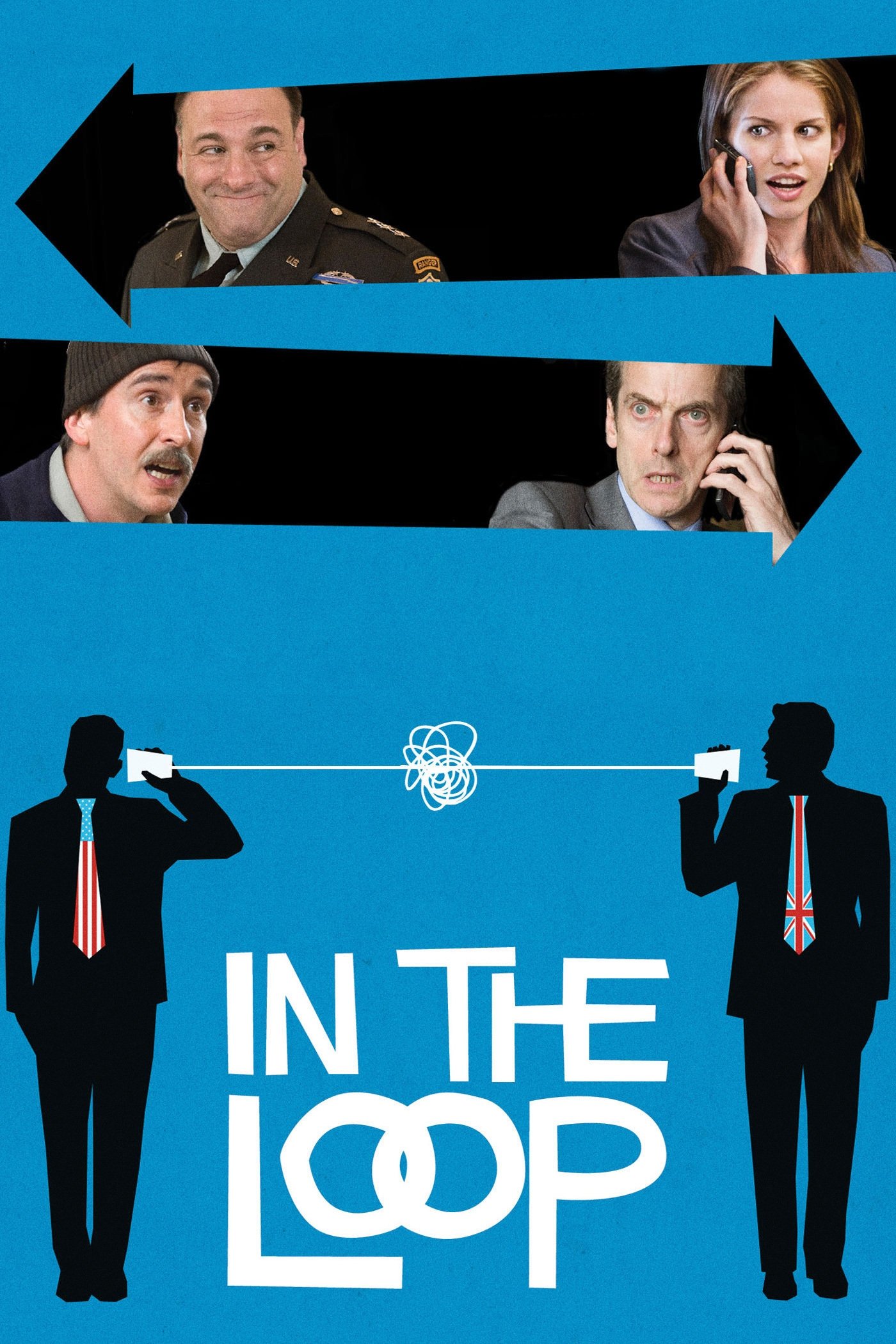
In the Loop poster86

In the Loop

2009 · Another scramble among officials whose command of insults exceeds their willingness to take responsibility.

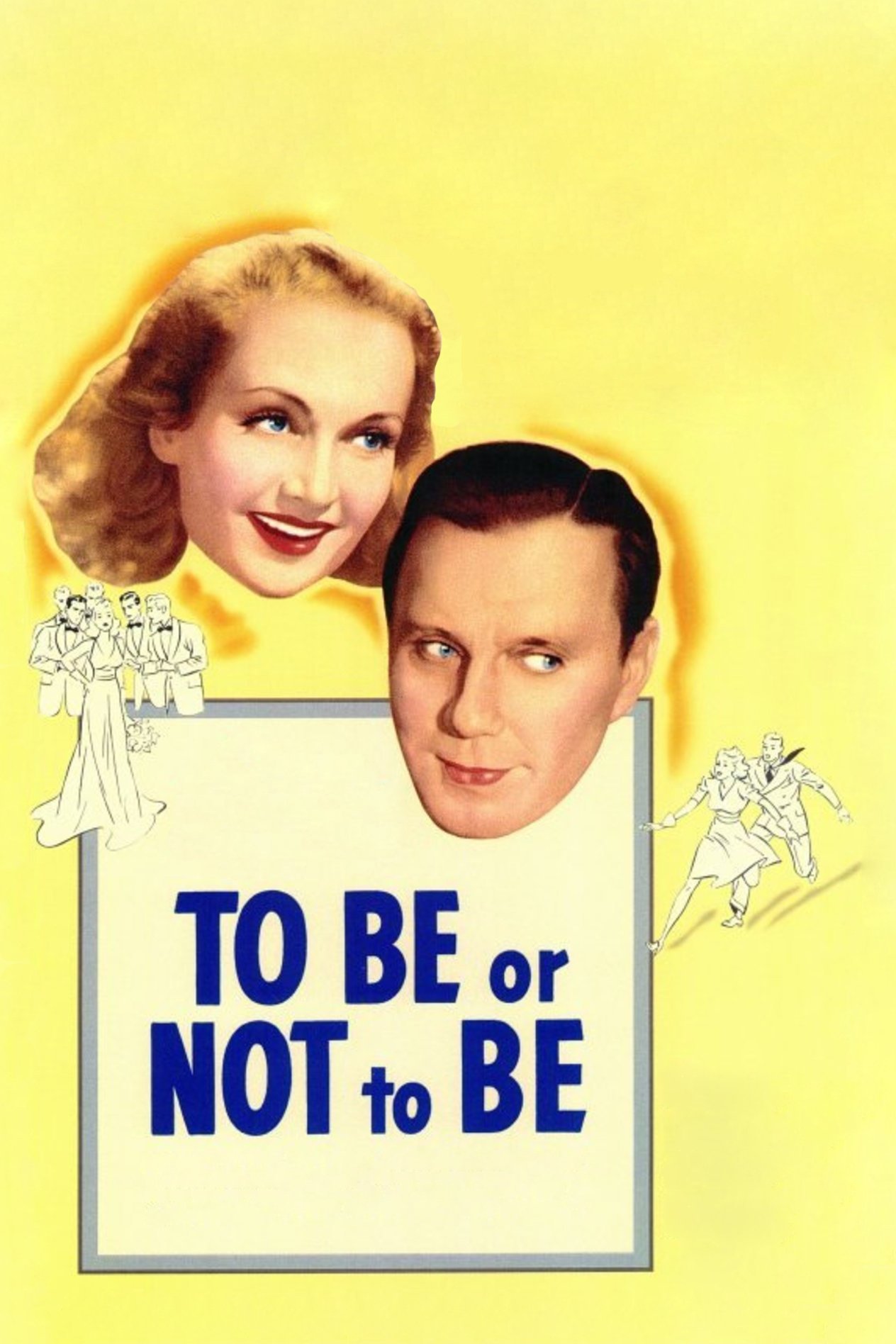
To Be or Not to Be poster87

To Be or Not to Be

1942 · Actors confront Nazi authority through theatrical vanity, quick thinking and elaborate acts of deception.

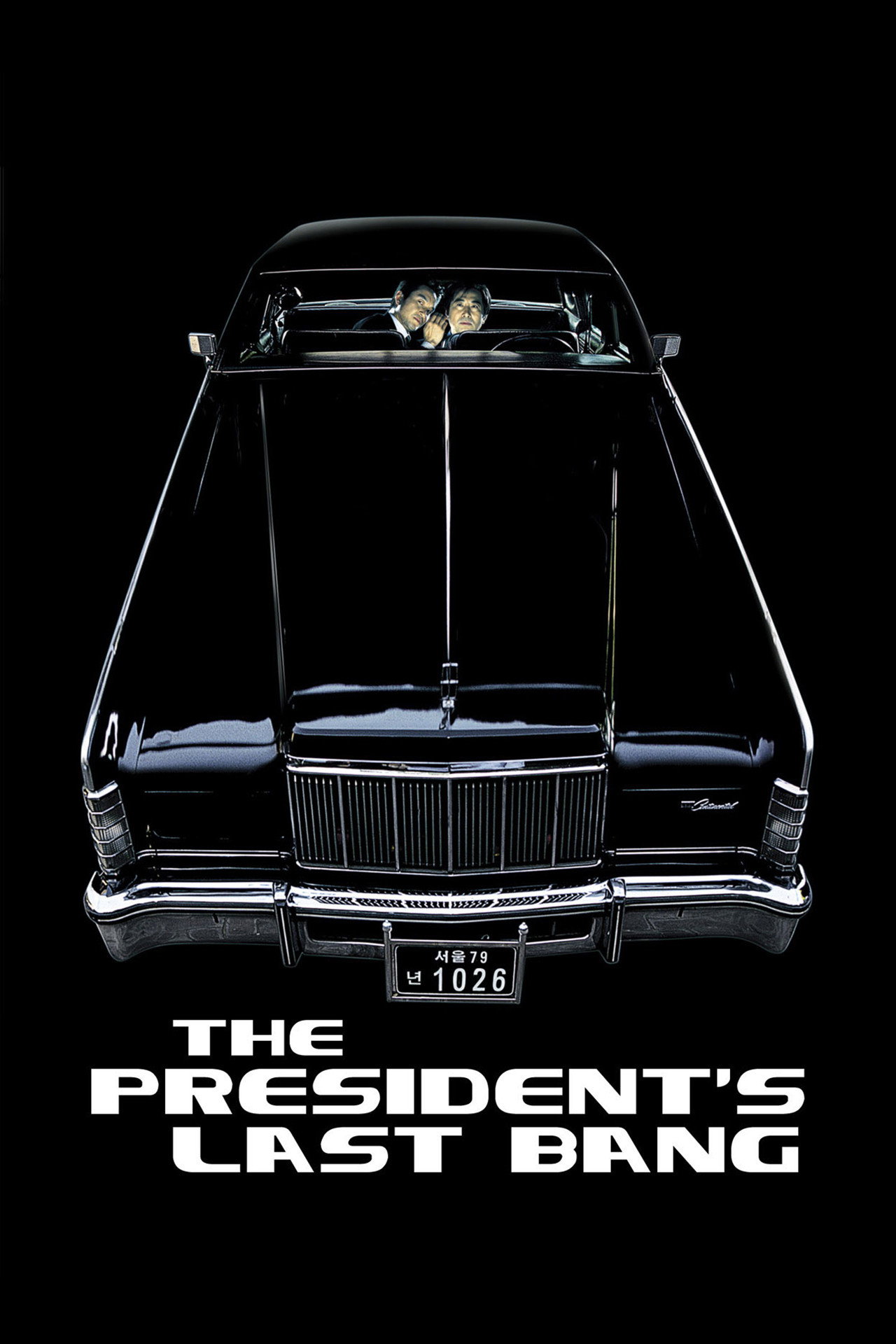
The President's Last Bang poster

The President's Last Bang

2005 · A political assassination becomes a sour comedy of panic, incompetence and disputed authority.

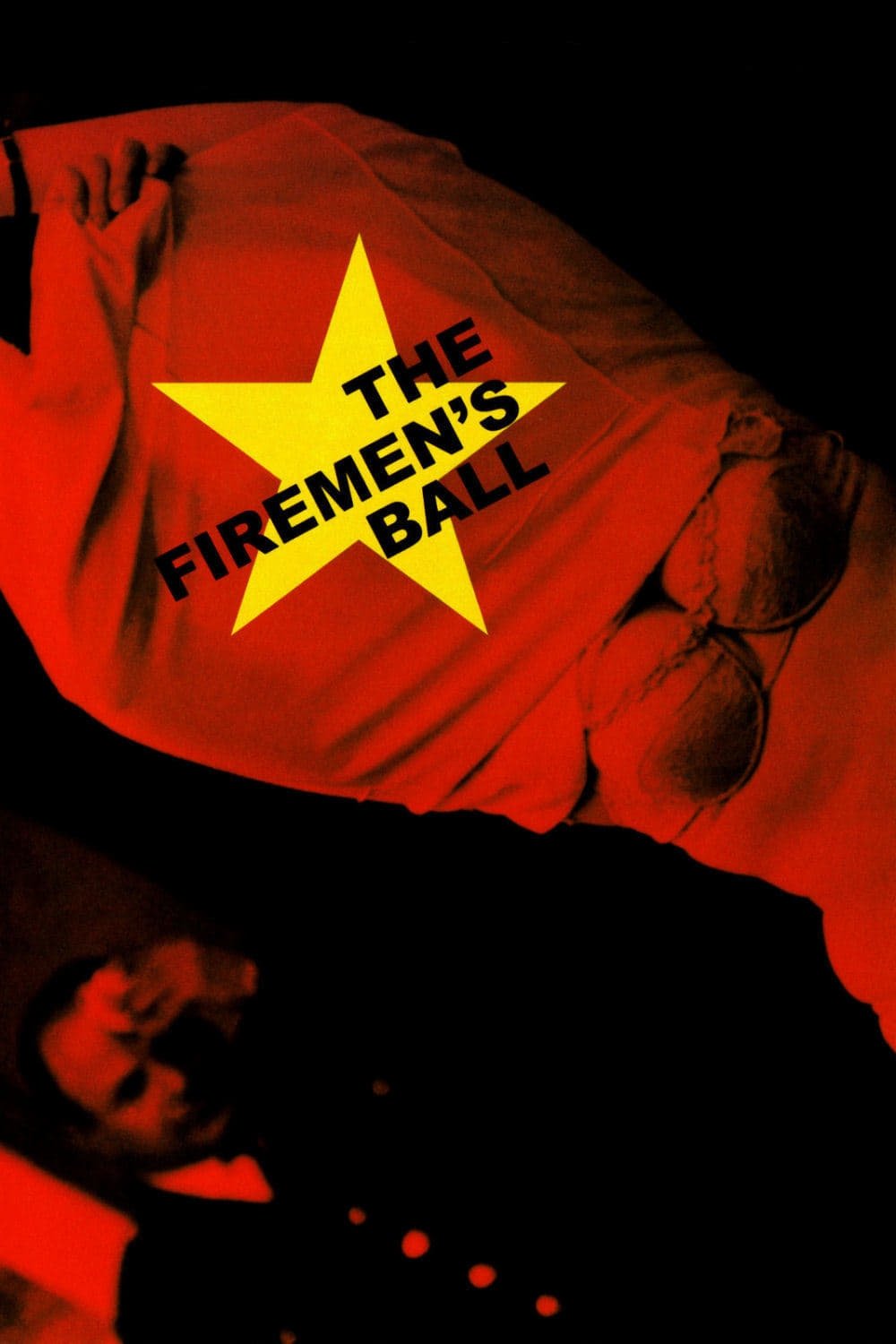
The Firemen's Ball poster

The Firemen's Ball

1967 · A small public celebration exposes officials whose incompetence is matched by their self-importance.

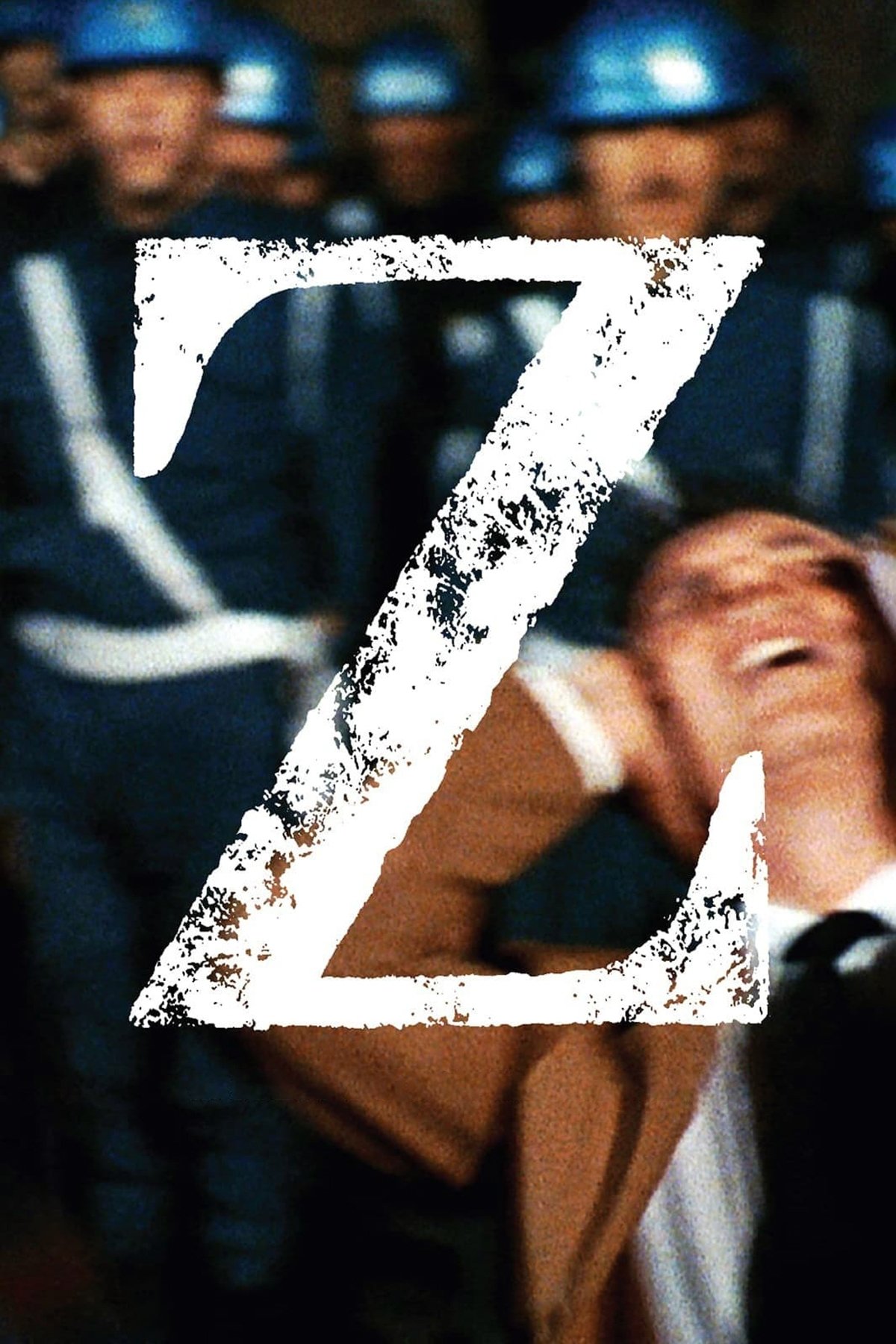
Z poster

Z

1969 · For the same anger at official corruption, with the comedy largely stripped away.