Armando Iannucci’s political farce is furiously funny about officials who let wounded pride shape the prospect of war. Peter Capaldi makes the bullying horribly enjoyable, though the relentless insults sometimes crowd out the people delivering them.
In the Loop is a political farce about officials edging towards war while worrying about who has slighted whom. Armando Iannucci makes that pettiness both funny and frightening, without asking us to mistake every incompetent person for a harmless one. We recommend it warmly, with a warning about the sheer volume of inventive abuse. The danger is clear enough even when the people discussing it seem chiefly concerned with their own standing.
The screenplay, by Jesse Armstrong, Iannucci, Tony Roche and Simon Blackwell, gives almost everyone something more urgent to attend to than the consequences of government. Professional ambition, wounded pride and personal grudges keep taking precedence, and the jokes are precise about how that happens. An insult changes who can speak with confidence; a piece of bluster gives a weak official another moment of authority. The speed matters because the characters have little opportunity to recover their dignity before someone else takes it away.
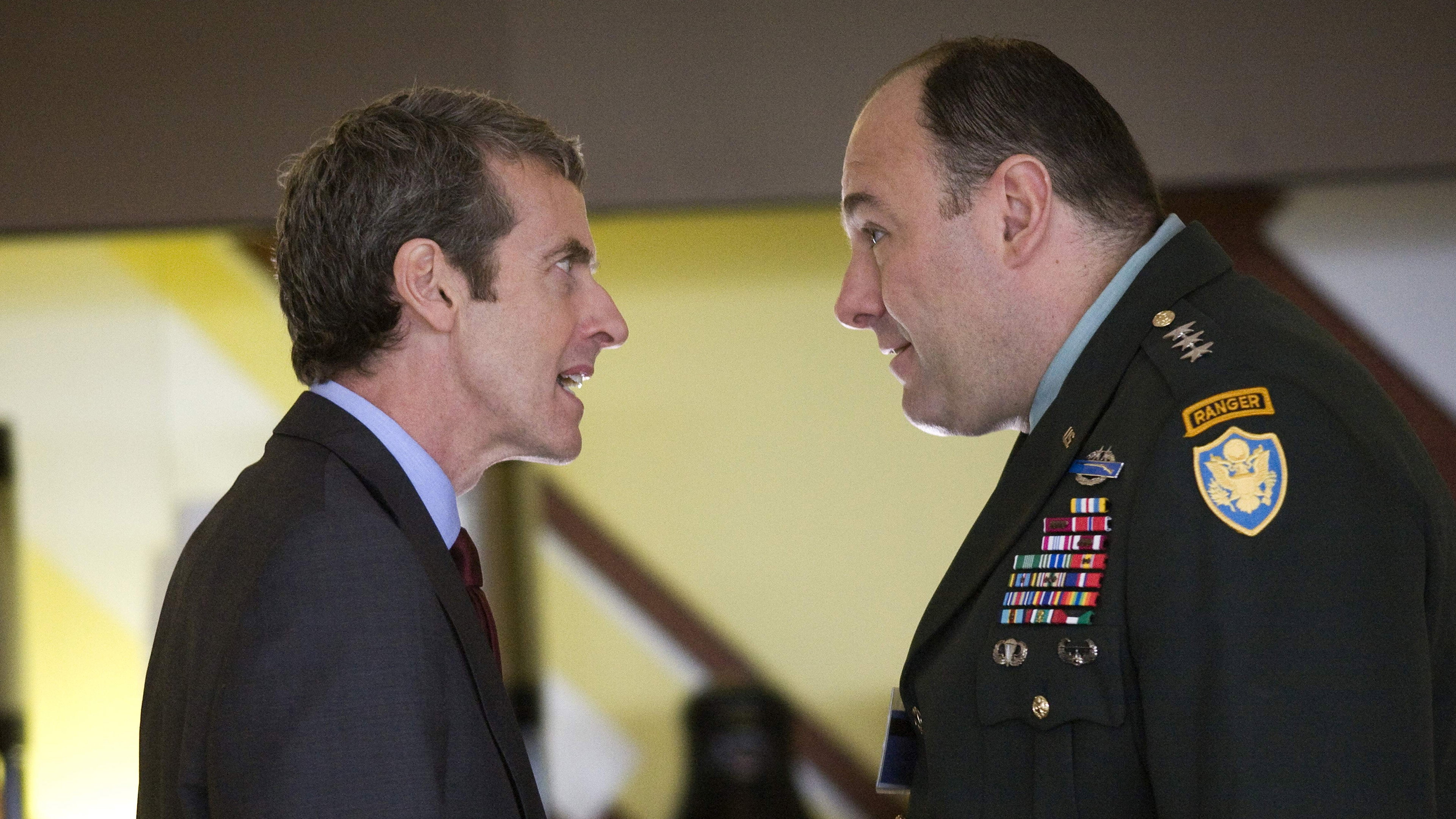
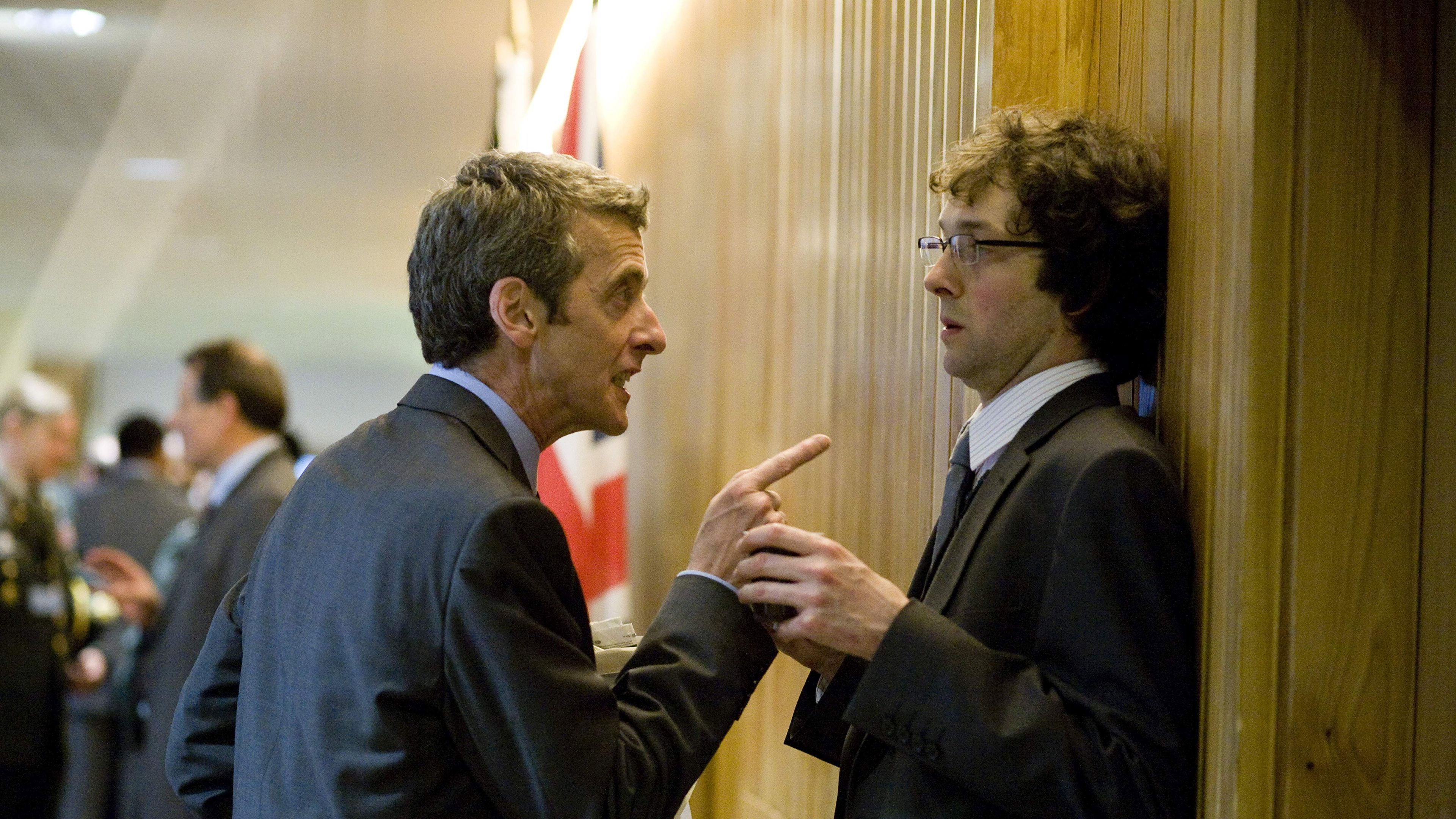
Peter Capaldi’s Malcolm Tucker is the chief pleasure and the chief source of unease. Capaldi makes his profanity sound purposeful, with the emphasis falling on exactly the word that will hurt, rather than merely the dirtiest one. We laughed at his bullying, then felt uncomfortable about how readily we had enjoyed it. The performance makes verbal aggression so entertaining that we briefly forget to consider what being on the receiving end would feel like.
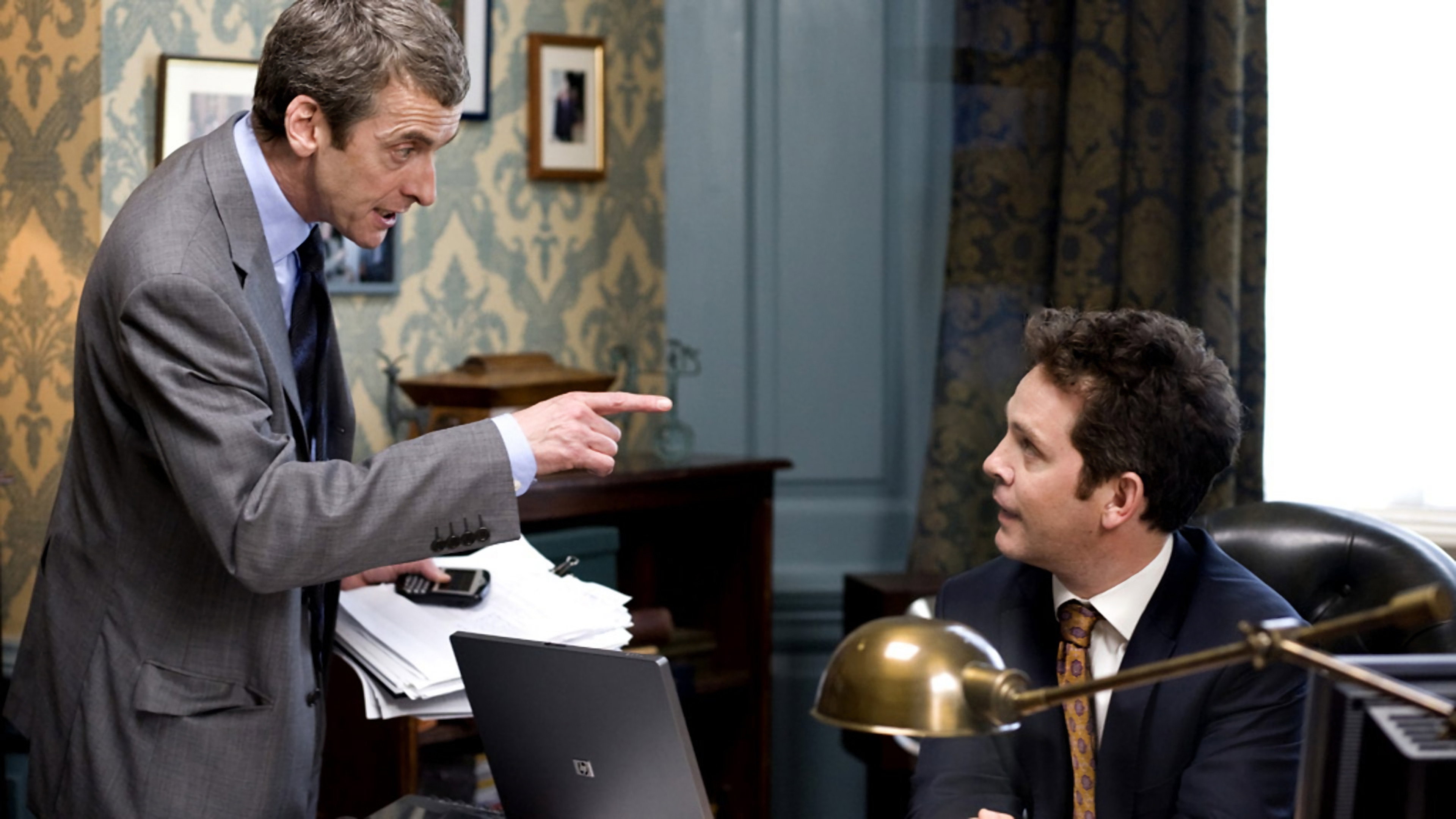
Tom Hollander gives Simon Foster the necessary vulnerability: his fumbling makes every attempt to appear authoritative feel risky. He is funny without having to compete with Capaldi for verbal force, and his embarrassment gives us something quieter to notice. The wider ensemble helps, too, with performers resisting the temptation to advertise that they are in a satire. Nobody needs to pause for a laugh when the people around them are so busy trying to gain an advantage.
Jamie Cairney’s cinematography suits Iannucci’s documentary-style direction, making the political manoeuvring feel observed at uncomfortable proximity. It is a useful choice for comedy built from people monitoring one another, though the restless approach can become tiring. Editors Anthony Boys and Billy Sneddon keep the exchanges moving fast enough that a joke seldom arrives with space reserved around it. The cutting serves the ensemble especially well: we have to listen across the group, rather than wait patiently for the star’s next line.
Cristina Casali’s production design and Adem Ilhan’s music have less conspicuous work to do, and their supporting place suits the film. We do not need the surroundings or the score to explain how absurd these people are when their conversations already make it plain. That modesty also helps the move from The Thick of It to a film. Iannucci takes in Whitehall and Washington without treating cinema as an obligation to make everything grander.
The reservation is that the insults occasionally become too enjoyable for the satire’s good. We start anticipating the next elaborate humiliation, and some of the lesser officials become little more than people waiting to administer or receive it. Against the standards of political comedy, the film is unusually alert to the way small grudges can influence large decisions, but less curious about anything its targets might sincerely believe. Watch it for the performances and the language; anyone hoping that laughter will leave them feeling better about government should make other plans.