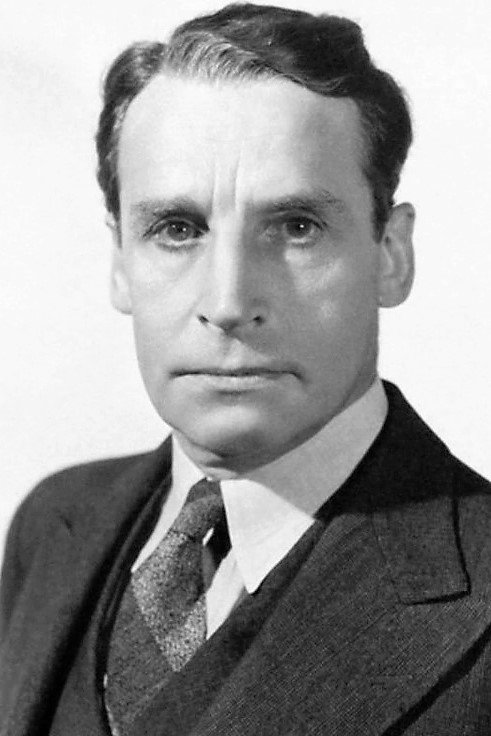
Henry Daniell's dry delivery gives elegant villains a persuasive certainty that everyone else is beneath them. We value the precision, though repeated casting as antagonists can leave too little for a performance to reveal.
Fi1m perspective
Henry Daniell can make a line sound like an objection to having been spoken to at all. His dry delivery suits men who expect deference, and he is persuasive enough in those parts to make their arrogance unpleasant. There is a limitation: repeated casting as antagonists can have us expecting trouble before a character has done anything. His Hollywood supporting career took hold in the mid-1930s, with Baron de Varville opposite Greta Garbo in Camille (1936) an early prominent role.
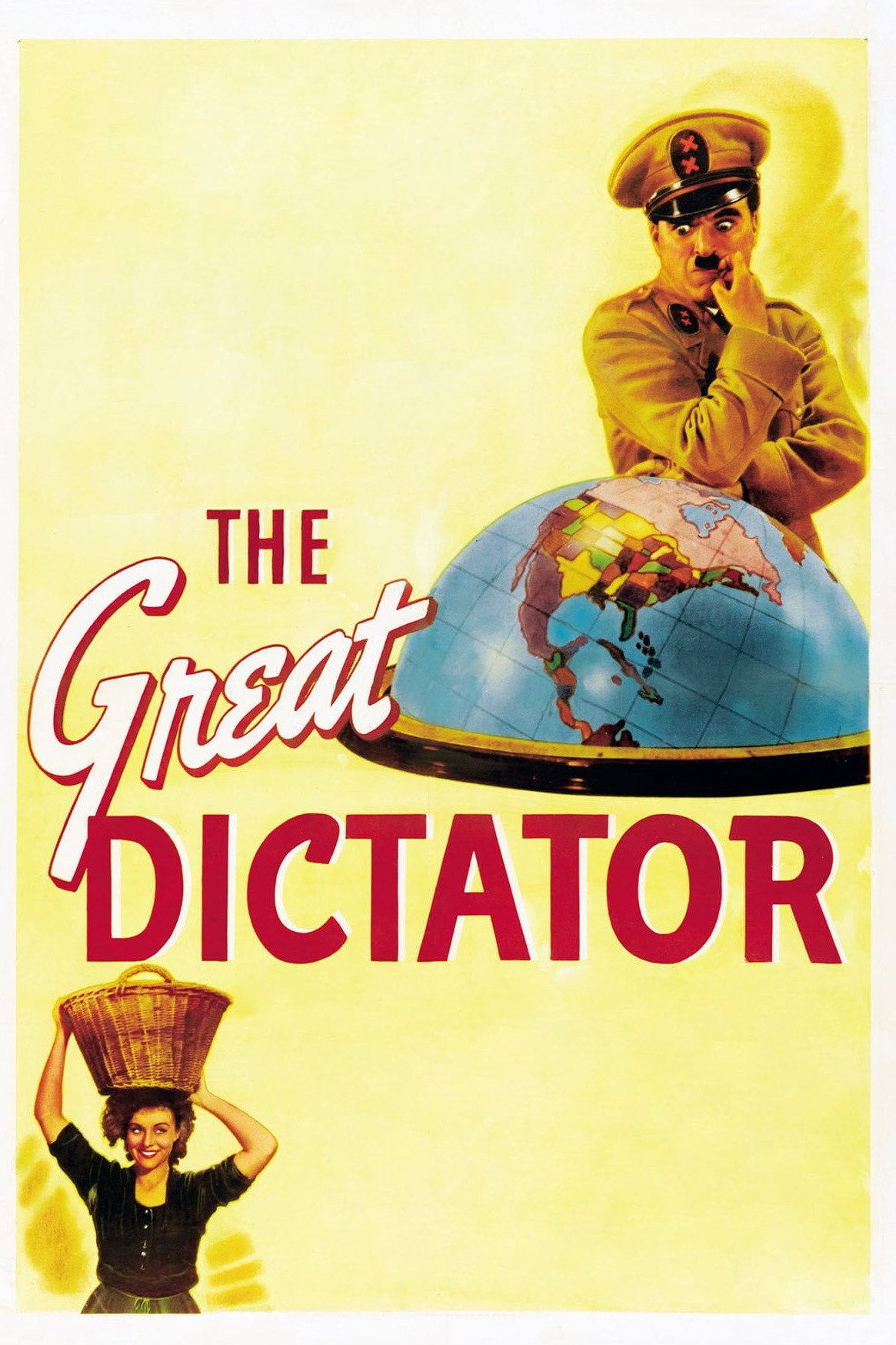
Charlie Chaplin's The Great Dictator (1940) makes comic use of that coldness in Garbitsch. We laughed at the dry delivery, because Daniell makes the character funny without making him seem remotely welcoming. Chaplin's two performances are the film's main attraction, but Daniell's sardonic manner provides a useful contrast to its broader stretches. We recommend the film with reservations about its loose construction and the time given to lesser jokes. His restraint matters in a comedy which sometimes lets a joke carry on after it has stopped being funny.
The villainous parts include Lord Wolfingham in The Sea Hawk (1940) and Professor Moriarty opposite Basil Rathbone in The Woman in Green (1945). The Body Snatcher (1945), with Daniell as Dr MacFarlane, offers another reason to value his incisive dramatic delivery. These are sensible next stops, though concentrating on the sinister parts risks making his work sound more uniform than it is.
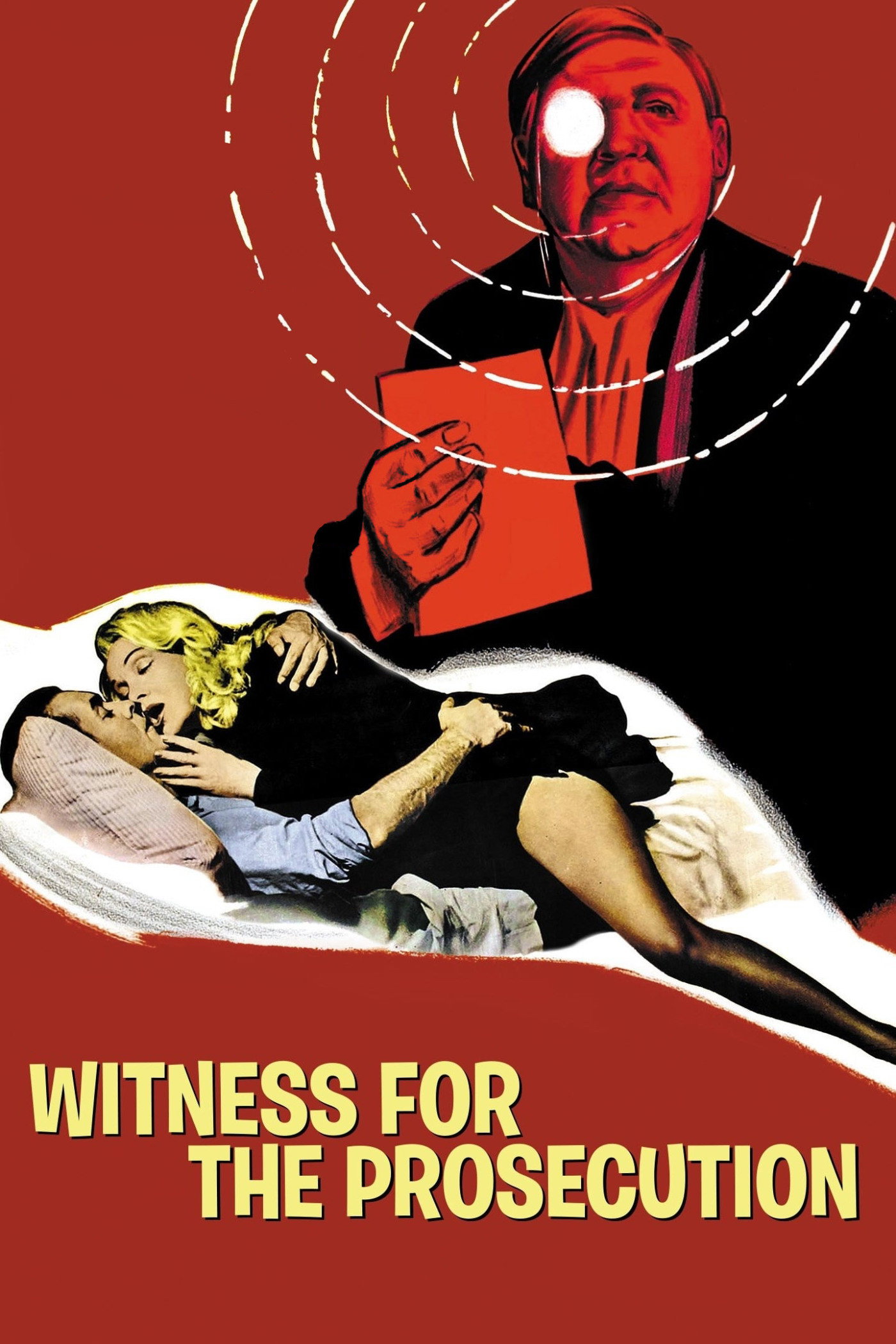
In Witness for the Prosecution (1957), he takes the later supporting part of Mayhew in Billy Wilder's courtroom thriller. Charles Laughton's barrister is the chief pleasure, but Daniell fits a sharply acted ensemble through the precision that also makes his less agreeable characters effective. We recommend it warmly, despite plotting that sometimes asks too much of the people required to carry it out. Mayhew gives us a reason to look beyond the aristocrats and villains when choosing which of his films to see. Go for Laughton, but pay attention when Mayhew has something to say.
Biography
Henry Daniell (born Charles Henry Pywell Daniell) was an English actor. He began his stage career in 1913 and made his film debut in 1929. He appeared in numerous Hollywood productions, often in supporting or villainous roles.
Daniell is known for his performances in Camille (1936), The Great Dictator (1940) as Garbitsch, The Sea Hawk (1940), The Philadelphia Story (1940), The Body Snatcher (1945), Witness for the Prosecution (1957) as Mayhew, and My Fair Lady (1964, uncredited). He had a long career on both stage and screen until his death in 1963.