George Cukor’s society comedy is funny, romantic and worth an evening for Katharine Hepburn, Cary Grant and James Stewart alone. Its treatment of Tracy Lord is harder to embrace, especially when forgiveness starts sounding like a duty.
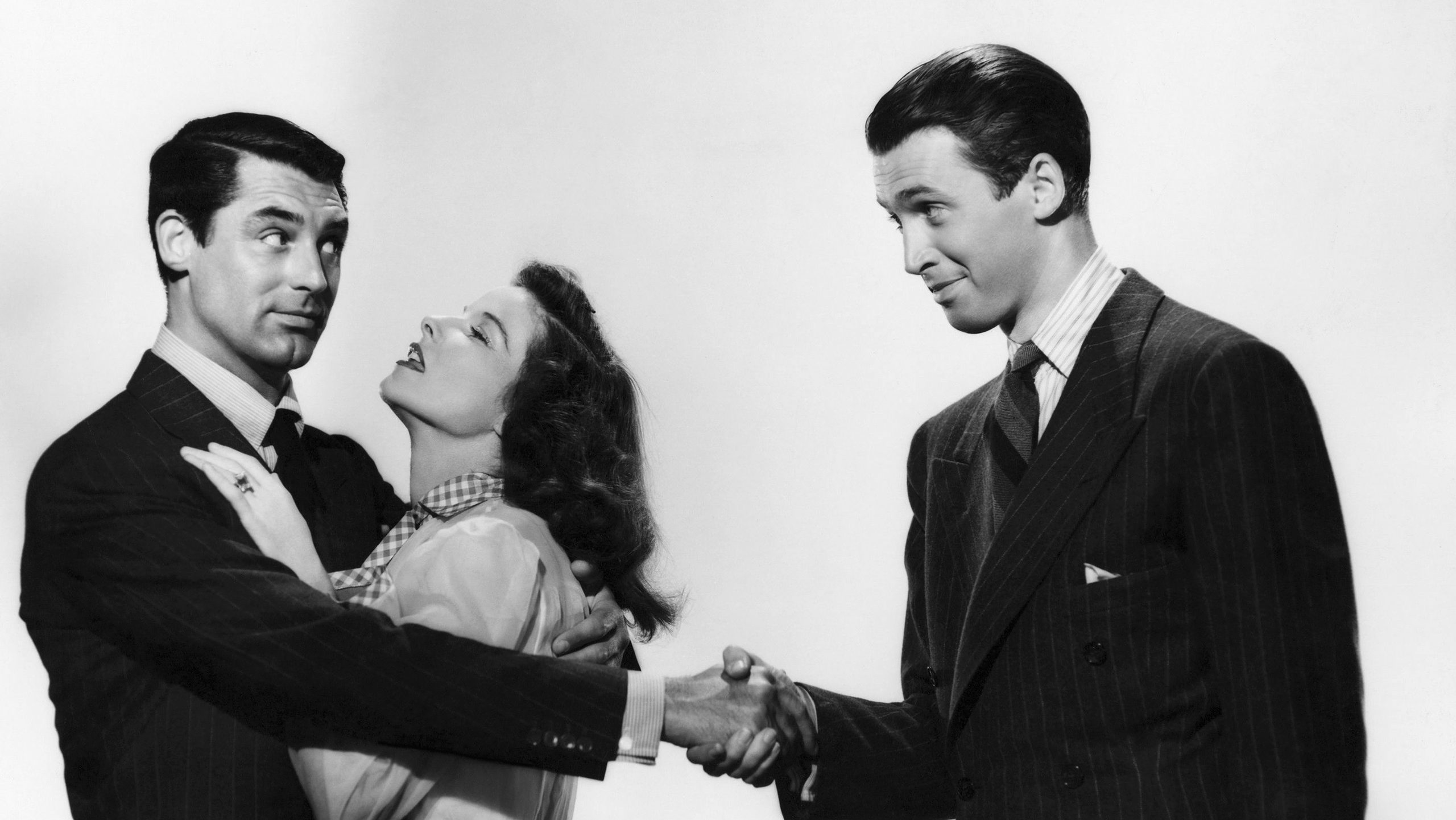
George Cukor’s The Philadelphia Story is a funny, persuasive romance with a substantial reservation: the men can be tiresome when they start explaining how its heroine ought to behave. Katharine Hepburn gives Tracy Lord enough spirit to keep those lectures from settling the matter. We recommend it for the wit and the attraction between people who can keep pace with one another. There are stretches when the conversation makes almost everything else seem unnecessary.
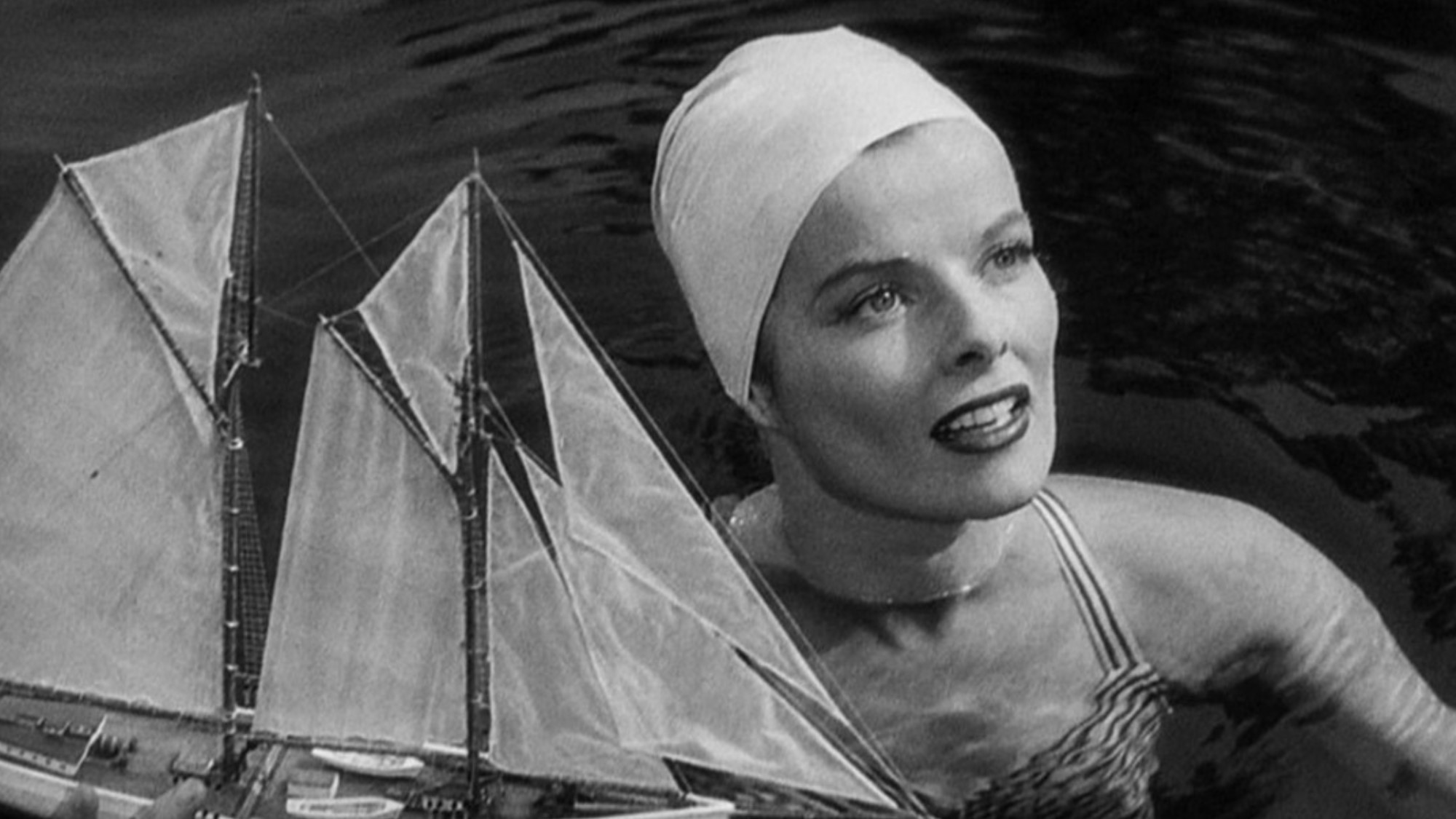
As Tracy Lord, Katharine Hepburn makes an heiress’s self-assurance enjoyable even when it is unreasonable. There is pleasure in the precision of her speech, in the sense that Tracy has considered the other person’s case before they have finished making it. The gentleness matters just as much, because it lets us see why people persist in trying to get closer to her. She never becomes so agreeable that we lose interest in what she might say next.
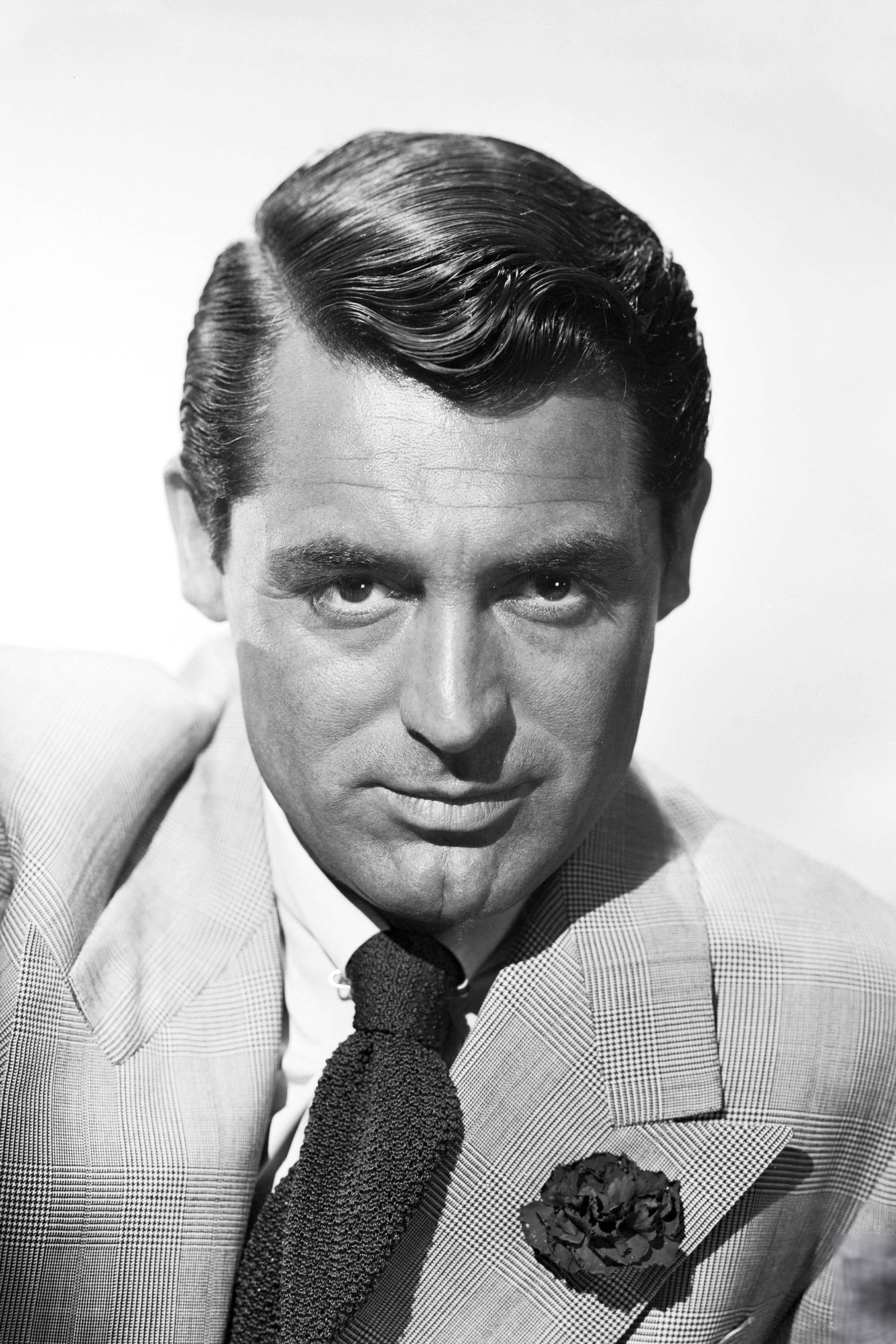
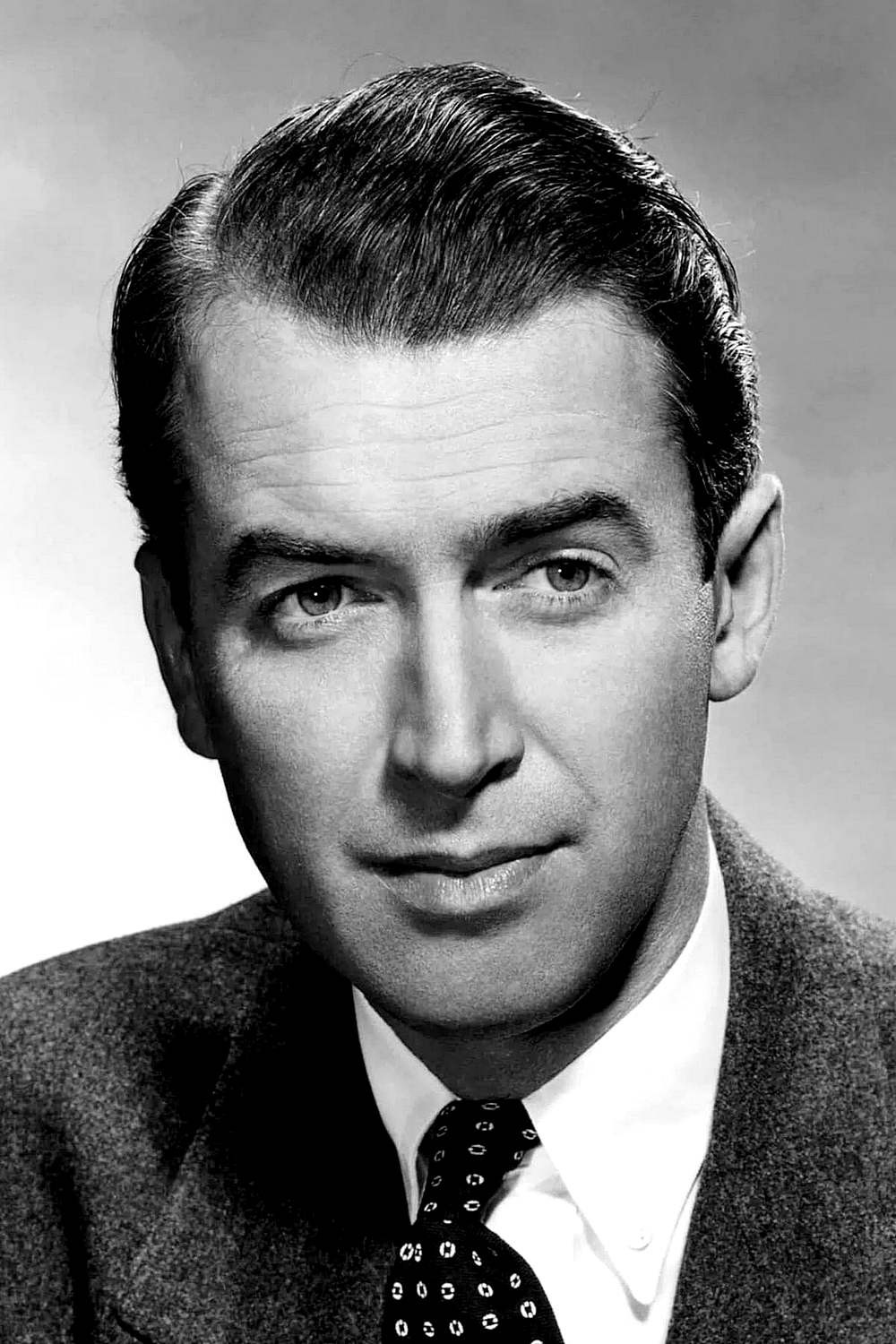
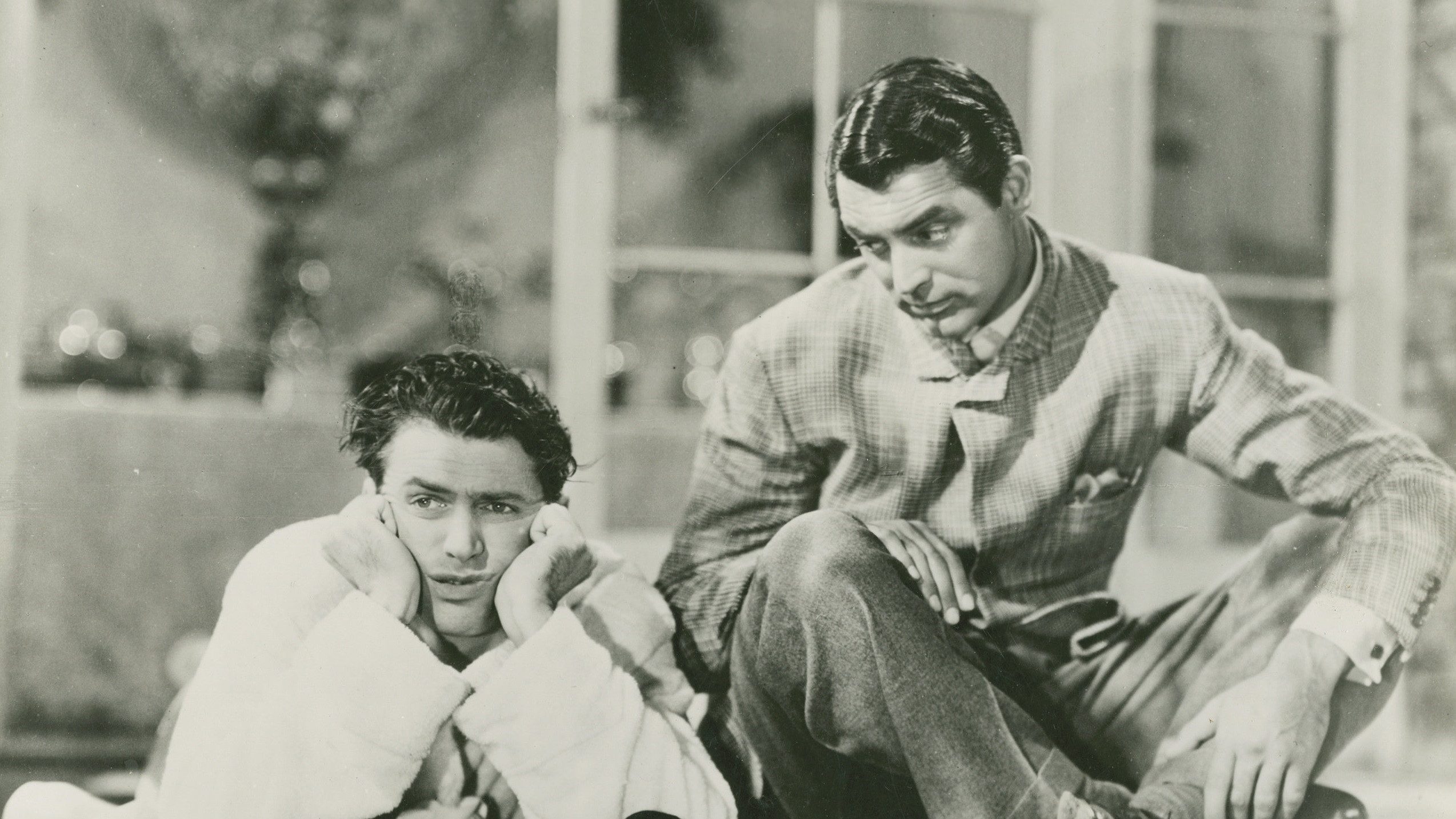
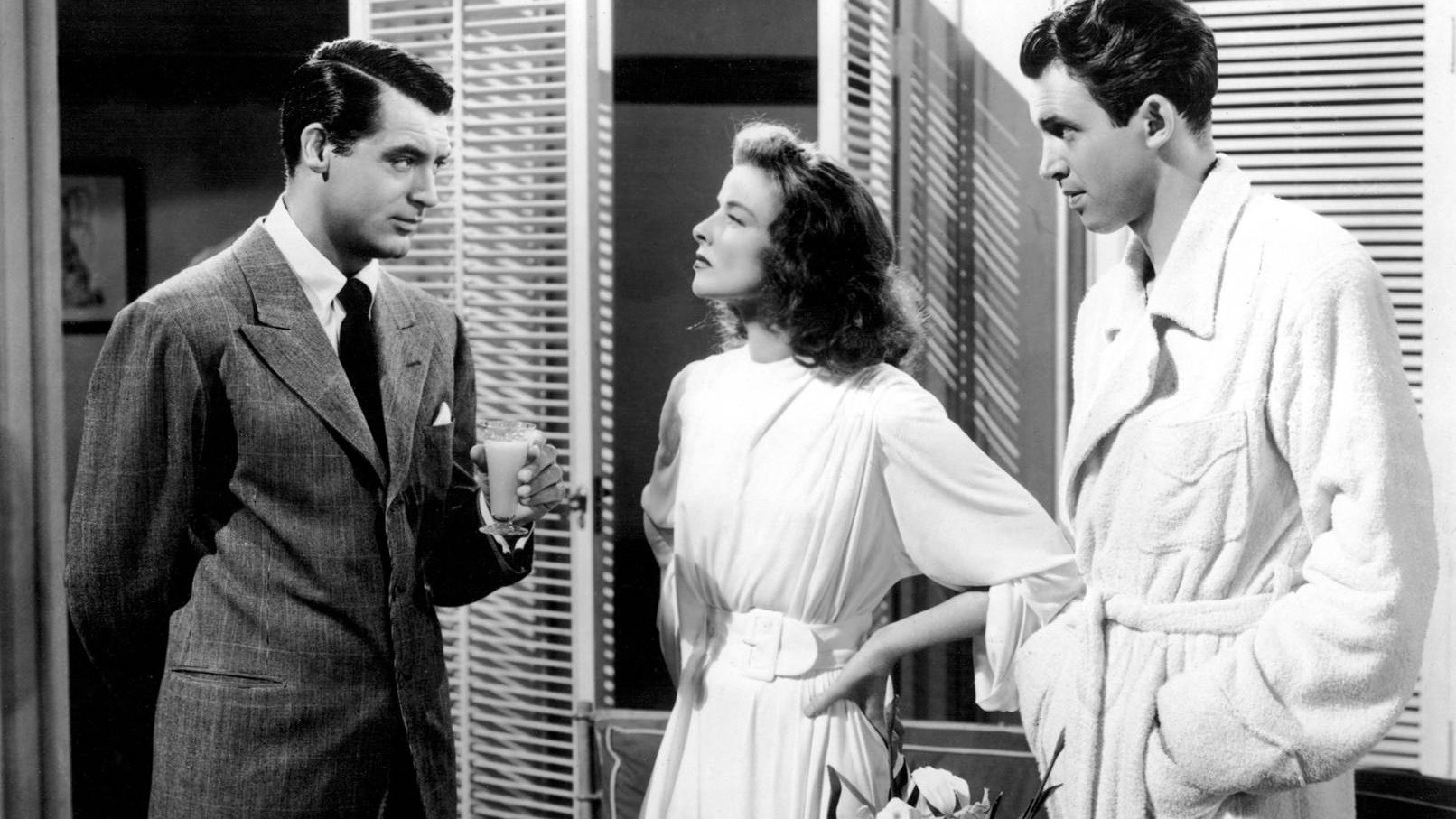
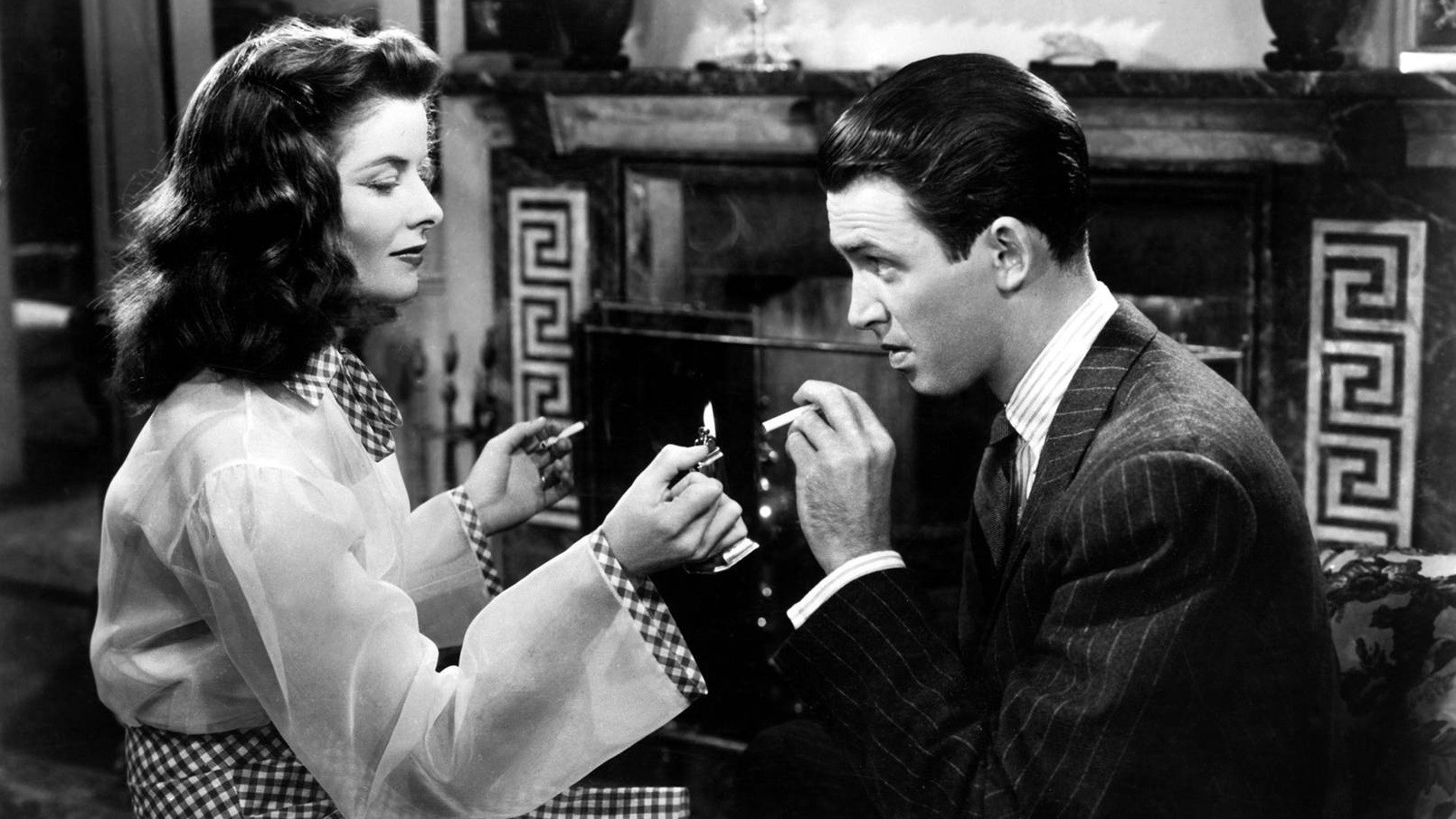
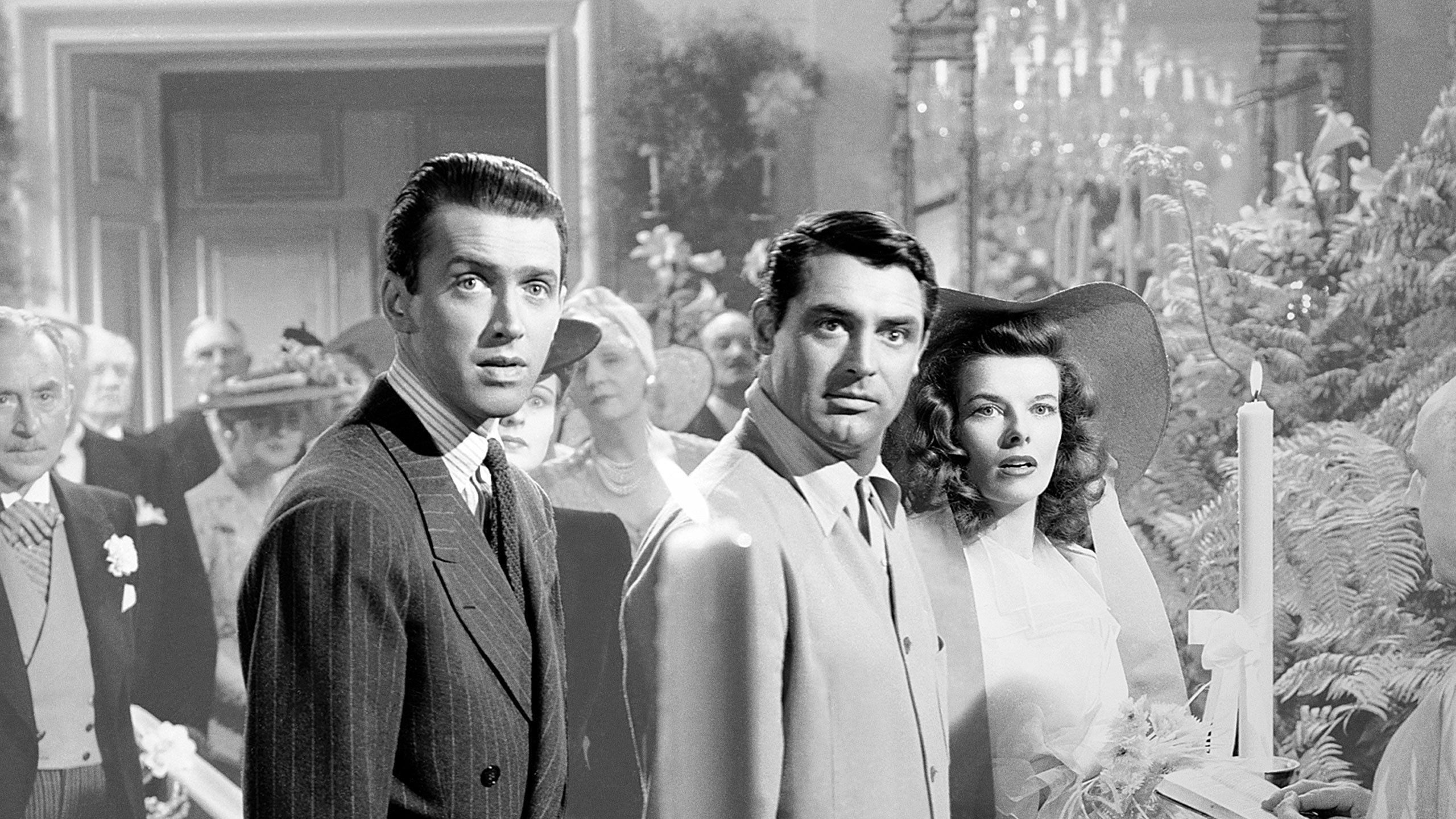
Cary Grant’s C.K. Dexter Haven provides an ease that gives Katharine Hepburn something firm to push against. James Stewart’s Macaulay ‘Mike’ Connor is less comfortable, particularly when his objections to wealth encounter his attraction to a wealthy woman. James Stewart makes that wobble funny without draining the flirtation of its seriousness. George Cukor gives these contrasting performances space to work, and the chemistry depends on the actors attending to each other: a reply can be as entertaining as the line that prompted it.
Joseph Ruttenberg’s cinematography gives the faces enough clarity for small changes of expression to count. Adrian’s costumes help make the society setting convincing, giving the characters the appearance of people accustomed to being looked at. Franz Waxman’s music supports the romance without becoming its chief source of feeling. The attraction is clearest in the voices, especially when James Stewart and Katharine Hepburn let uncertainty enter an otherwise confident exchange.
The screenplay by Donald Ogden Stewart and Waldo Salt is less assured when it pauses to discuss what these people ought to learn about themselves. Some of those conversations take longer to make their point than the point deserves. Frank Sullivan’s editing helps the replies land, but the mid-film discussions still slacken the pace. At 113 minutes, the film has room for both, though we occasionally wished it would get back to the people doing something.
We winced at the opening domestic violence, which is offered as a joke. It makes the demands for tolerance harder to accept, especially when so much attention goes towards correcting Tracy’s faults. Her own desires remain important, and Katharine Hepburn gives her too much presence to be reduced to an example of how a difficult woman should improve. Even so, the romantic-comedy business of learning to accept imperfection becomes less appealing when the advice keeps coming from men with plenty to answer for themselves.
Watch it for the pleasure of a romantic comedy whose actors make hesitation interesting. Give the dialogue your full attention; it is too dependent on the answering voice to reward distracted viewing. There is no obligation to take the suitors’ advice.