Film review

Witness for the Prosecution

1957 · Directed by Billy Wilder · 1h 56m · MPA NR

In a sentenceCharles Laughton treats a murder trial as a welcome excuse to argue with everyone

DramaMysteryCrime

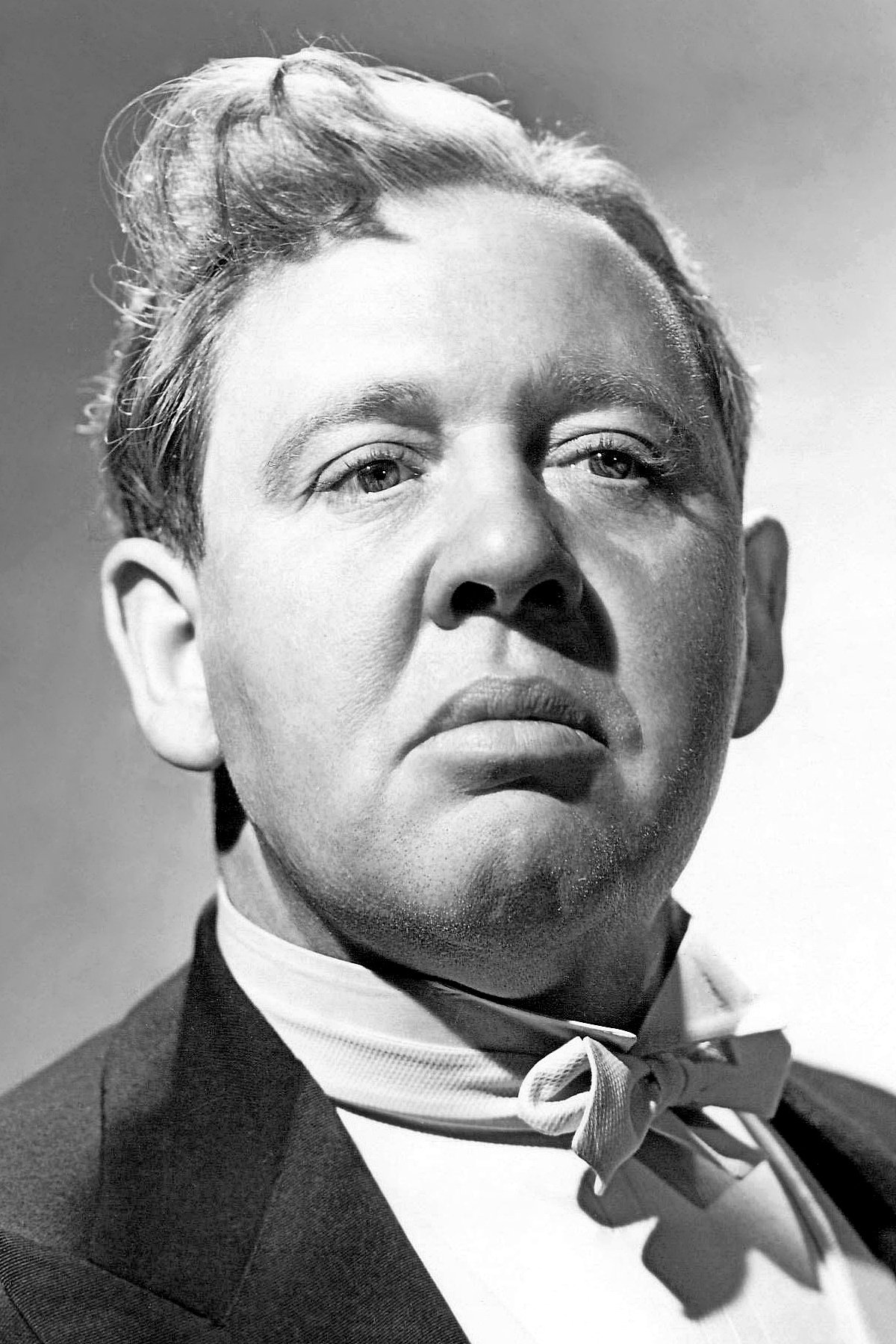
Sir Wilfrid (Charles Laughton), a barrister, takes on a murder case involving Leonard Vole (Tyrone Power). Christine (Marlene Dietrich), Vole’s wife, is drawn into the testimony, bringing their marriage into the proceedings. At the Old Bailey, the case develops through questioning, conflicting accounts and efforts to establish who can be believed. Sir Wilfrid also has Miss Plimsoll (Elsa Lanchester) to contend with, and their arguments run alongside the legal proceedings. Billy Wilder directs this courtroom crime drama adapted from the work of Agatha Christie.

Plays from YouTube when you press play; nothing loads from them until then.

Fi1m review

Billy Wilder’s courtroom thriller is sharply acted and consistently entertaining, though its plotting sometimes asks too much of the characters. Charles Laughton’s barrister is reason enough to watch.

Billy Wilder makes Witness for the Prosecution a briskly enjoyable evening of disputed testimony and bruised vanity, with Charles Laughton given ample room to be difficult. We recommend it, allowing for a plot that occasionally asks its characters to behave for the sake of a surprise. Wilder and fellow screenwriter Harry Kurnitz understand that a courtroom thriller needs more than a puzzle. We have to enjoy listening to the people doing the arguing.

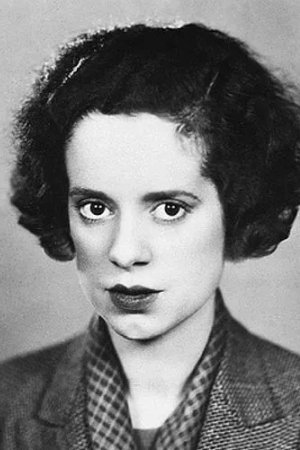
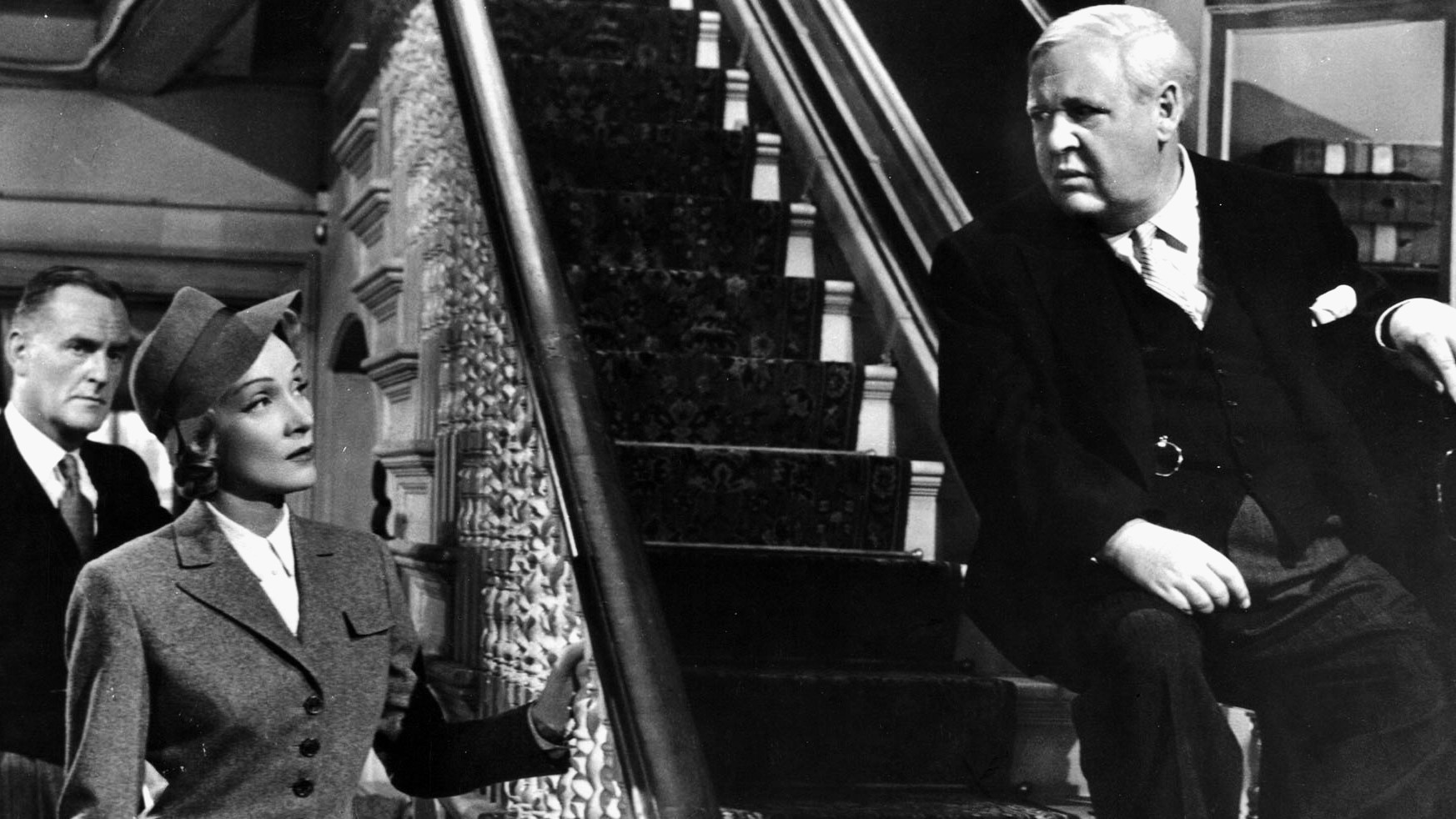
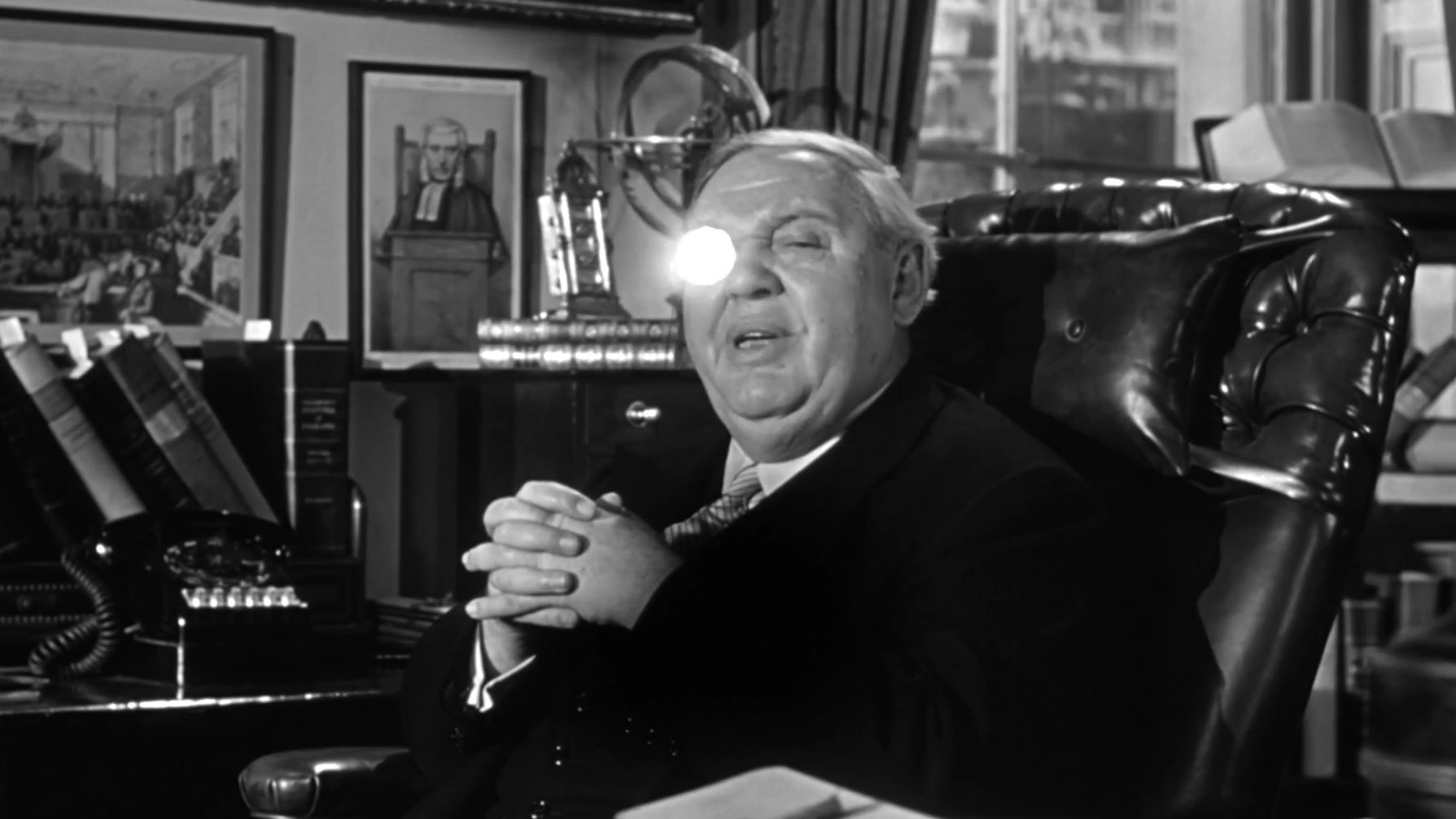
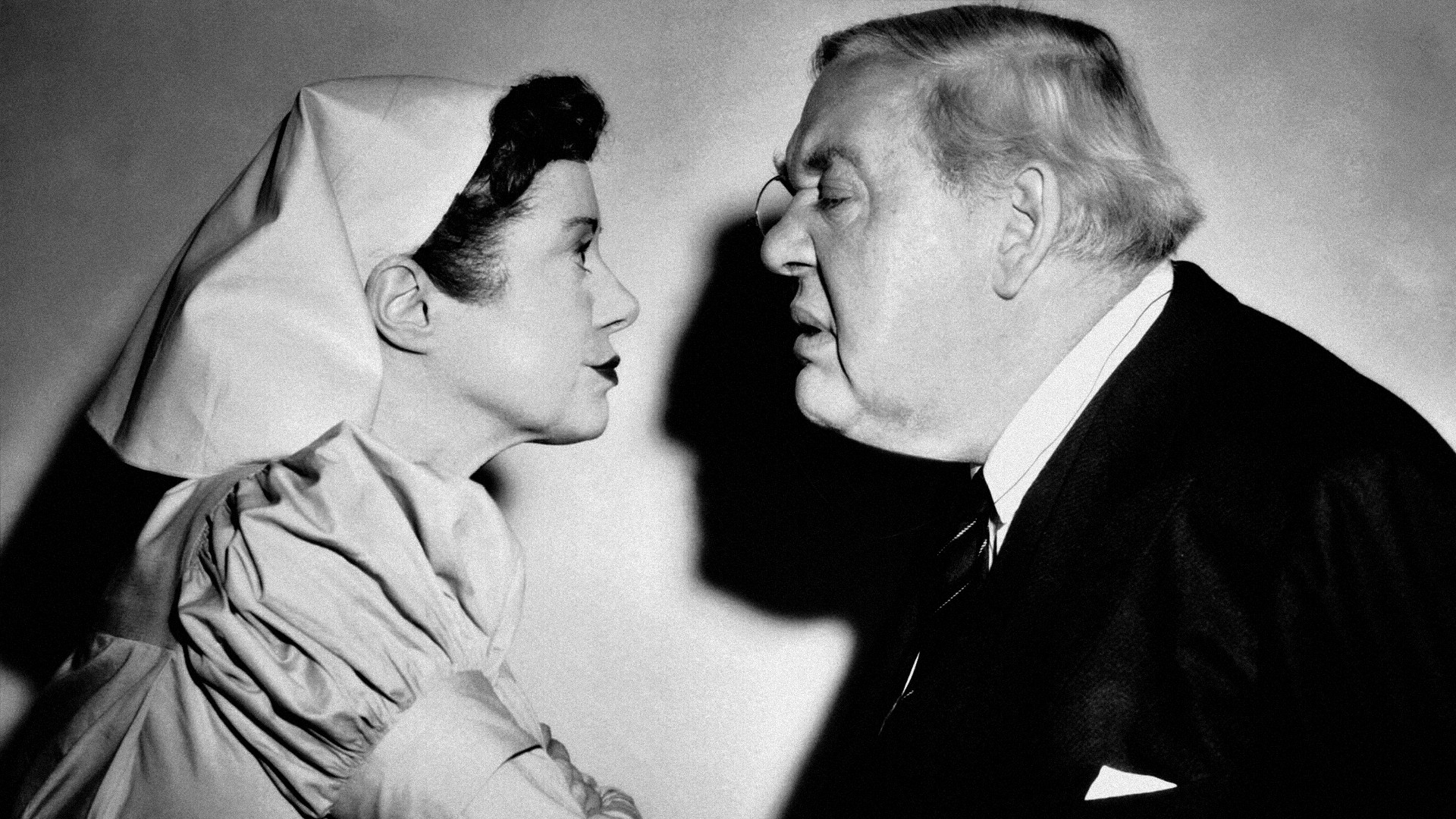
Laughton plays Sir Wilfrid as a man who enjoys his own intelligence and expects everyone else to find it equally rewarding. The performance is broad, sometimes insistently so, but its vanity is funny because the mind behind it stays busy. We laughed at his bickering with Elsa Lanchester’s Miss Plimsoll, whose refusal to be impressed makes his fussing funnier. Lanchester understands exactly how much force to give her replies, and the exchanges benefit from having someone prepared to argue back.

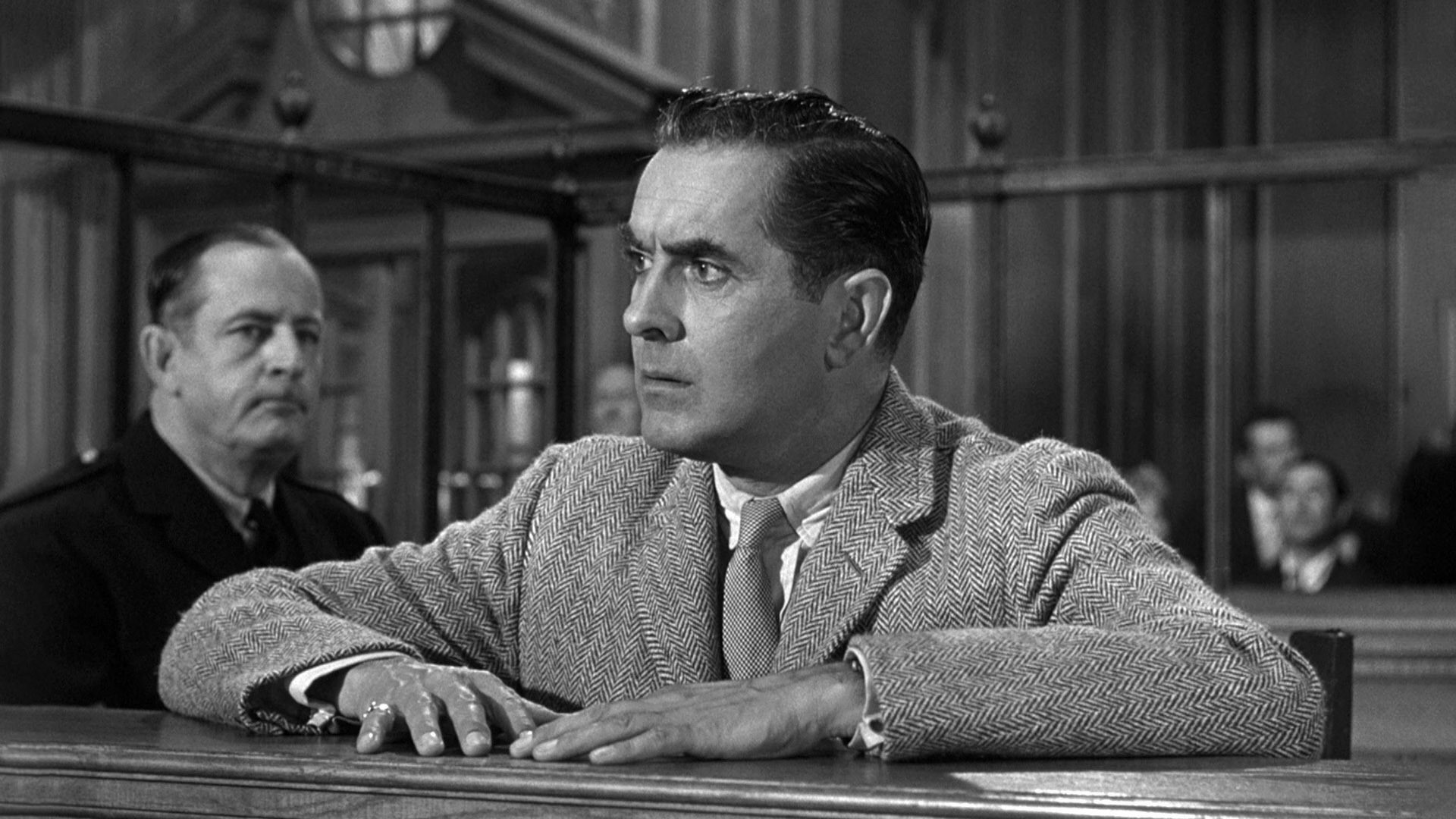
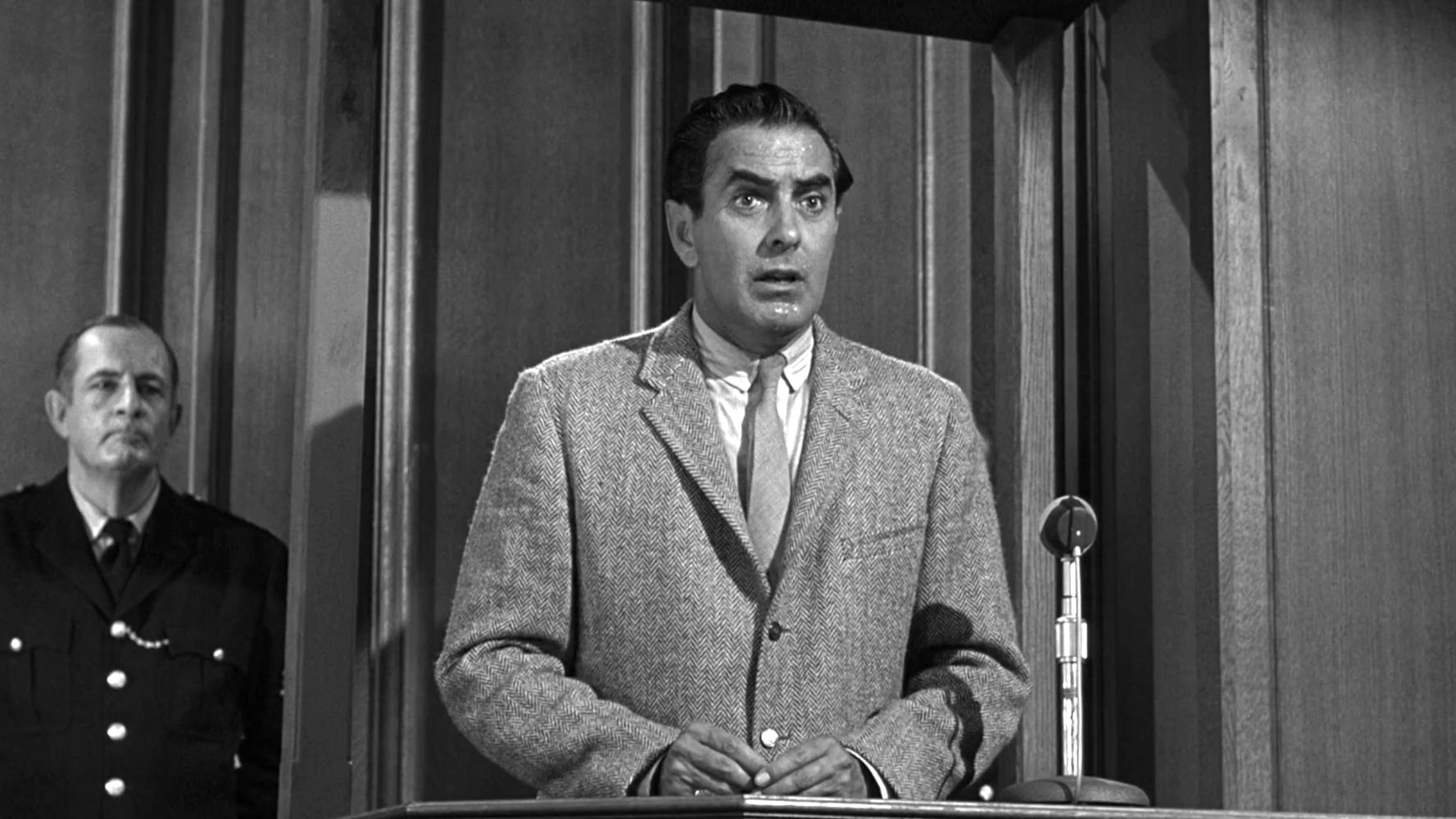
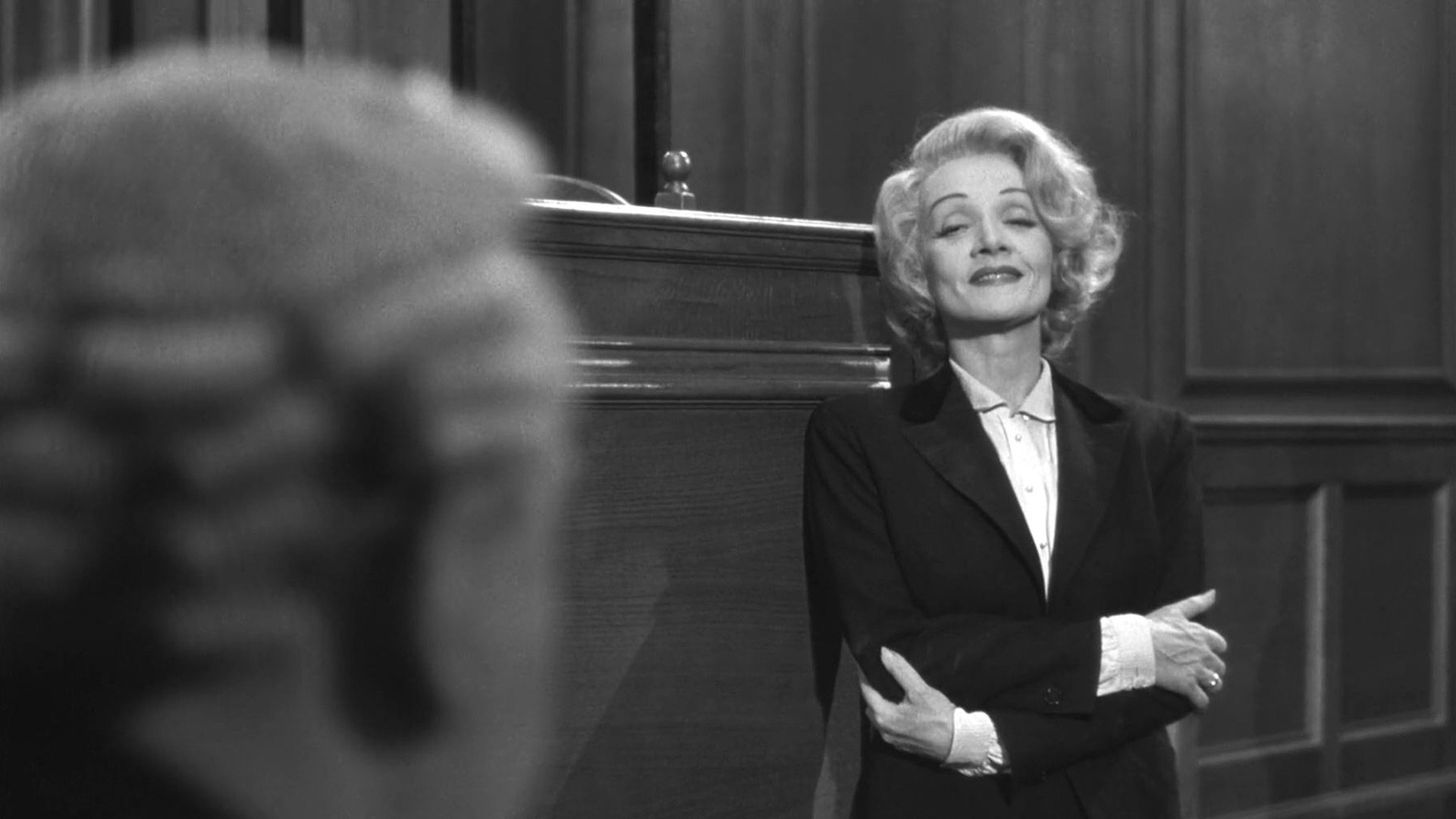
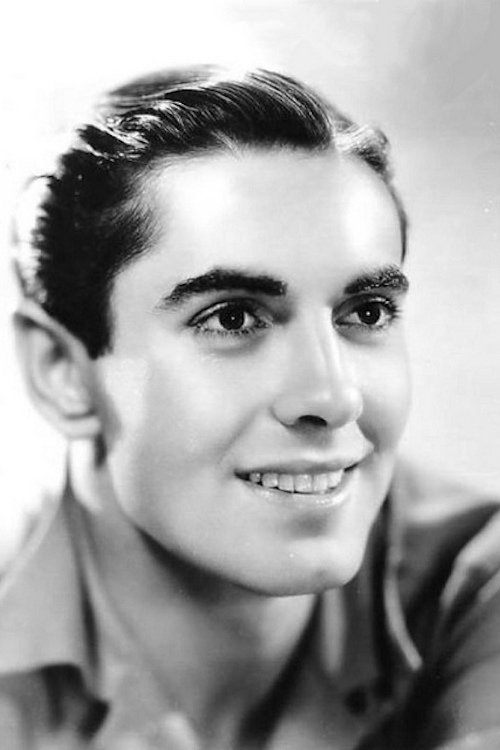
Tyrone Power has the less immediately rewarding task as Leonard Vole, a man whose involvement in a murder case invites us to inspect every word. He makes the character interesting enough to follow without competing with Laughton for the largest performance. Marlene Dietrich’s Christine is still more absorbing: we find ourselves considering what she means even when the dialogue appears straightforward. Wilder gives these actors time to complicate our first impressions, which matters in a story so dependent on testimony.

Alexandre Trauner’s recreation of the Old Bailey gives all this talking a substantial setting, with enough institutional grandeur to make personal vanity look faintly ridiculous. Russell Harlan’s cinematography makes good use of that scale without diminishing the faces we need to study. The film’s theatrical origins remain apparent, particularly when the dialogue does almost all the work of moving a scene forward. Wilder’s staging nevertheless makes speaking and listening sufficiently tense that the relative lack of physical action rarely becomes a problem.

Daniel Mandell’s editing is especially useful in keeping the comedy attached to the case. The exchanges have time to land, but they do not make the legal proceedings feel like an interruption to a separate comedy about Sir Wilfrid. Matty Malneck’s music supports the melodrama without competing with the dialogue, though little of it stayed with us afterwards. At 116 minutes, the film allows a generous helping of Laughton without letting his performance bring proceedings to a halt.

The reservation is the increasingly elaborate plotting. Wilder and Kurnitz keep the dialogue lively, but the people sometimes have to do what will produce the next surprise rather than what seems plausible for them. We will not describe the developments that expose this weakness; it is enough to say that the script gives the actors some awkward things to justify. The pleasure of watching it depends on accepting a few of those turns without demanding a full explanation.

Among courtroom thrillers, this belongs firmly with those that make an entertainment of the personalities conducting the case. Wilder allows their humour to occupy time that a more impatient film might spend hurrying to the next disclosure. Anyone chiefly interested in strict plausibility may find the comedy insufficient compensation, but we would happily sit through another argument with this company. Watch it with someone who can resist discussing their theory over the next line of dialogue.
Critical consensus AI synthesised

82
Positive
5
Mixed
1
Negative
0

Most critics warmly endorse Witness for the Prosecution, with praise clustering around Charles Laughton’s commanding, funny performance as barrister Sir Wilfrid. The reviews find Billy Wilder’s handling of Agatha Christie’s play sharp and assured, particularly in its dialogue, characterisation and courtroom storytelling. The barbed exchanges between Sir Wilfrid and Miss Plimsoll are a particular pleasure. Marlene Dietrich also earns strong notices, while the supporting performances help keep the legal proceedings lively.

Reservations centre on plot mechanics and the weight of the theatrical origins. Radio Times finds the intricate plotting slightly leaky without losing its enthusiasm. Time Out is the clear dissenter: it finds the drama heavy and argues that the plotting undermines Dietrich and Laughton’s credibility, while praising Tyrone Power and Alexander Trauner’s recreation of the Old Bailey. The spread therefore runs from wholehearted enjoyment to a mixed response, rather than outright rejection.

Radio Times
★★★★★ · Adrian Turner
100

This gleefully enjoyable film version of Agatha Christie's play from director Billy Wilder stars Tyrone Power and Marlene Dietrich in a tale of murder and testimony with an intricate, slightly leaky plot and trademark surprise ending. Wilder provides the broadest stage imaginable for Charles Laughton's epic, extravagant, inventive and hammy performance as the wily barrister.

Read the full review →
The Times
7 September 2018 · ★★★★★ · Kevin Maher
100

The critic calls it the definitive courtroom thriller with two startling final twists. They single out Marlene Dietrich’s naturalistic performance as the doting yet testifying wife and Charles Laughton’s commanding turn as the barrister.

Read the full review →
The AV Club
2 June 2021 · Gwen Ihnat
85*

The film is an odd, delightful standout in both Wilder’s and Christie’s careers. The critic singles out the humorous barbed interplay between Sir Wilfrid and Miss Plimsoll, along with Charles Laughton’s tremendous presence.

Read the full review →
Empire
1 January 2000 · David Parkinson
80*

The critic praises Billy Wilder's adaptation for its sharp dialogue, strong characterizations, and focus on Sir Wilfrid Robarts. Performances by Charles Laughton, Elsa Lanchester, Tyrone Power and Marlene Dietrich are singled out as particularly effective.

Read the full review →
Slant Magazine
13 February 2024 · Clayton Dillard
80*

The film is a triumph of effortless story execution, pinpoint humor, and acting masterclass, remaining vintage Wilder. The critic singles out Charles Laughton’s cunning, funny performance as the principled yet indulgent barrister Sir Wilfrid.

Read the full review →
Time Out
10 September 2012 · PH
50*

The undisputed star of this courtroom drama is Alexander Trauner's magnificent recreation of the Old Bailey, which is just as well since the theatrical origins give the movie a heavy, almost stolid flavour. Tyrone Power is surprisingly good, but the swift twists soon drain Dietrich and Laughton's roles of dramatic credibility.

Read the full review →

Cast

Stills

Awards

Academy Awards, 1958

Nominated
Best Actor
Nominated
Best Director
Nominated
Best Film Editing
Nominated
Best Picture
Nominated
Best Sound
Nominated
Best Supporting Actress

If you liked this, try…

Anatomy of a Murder poster

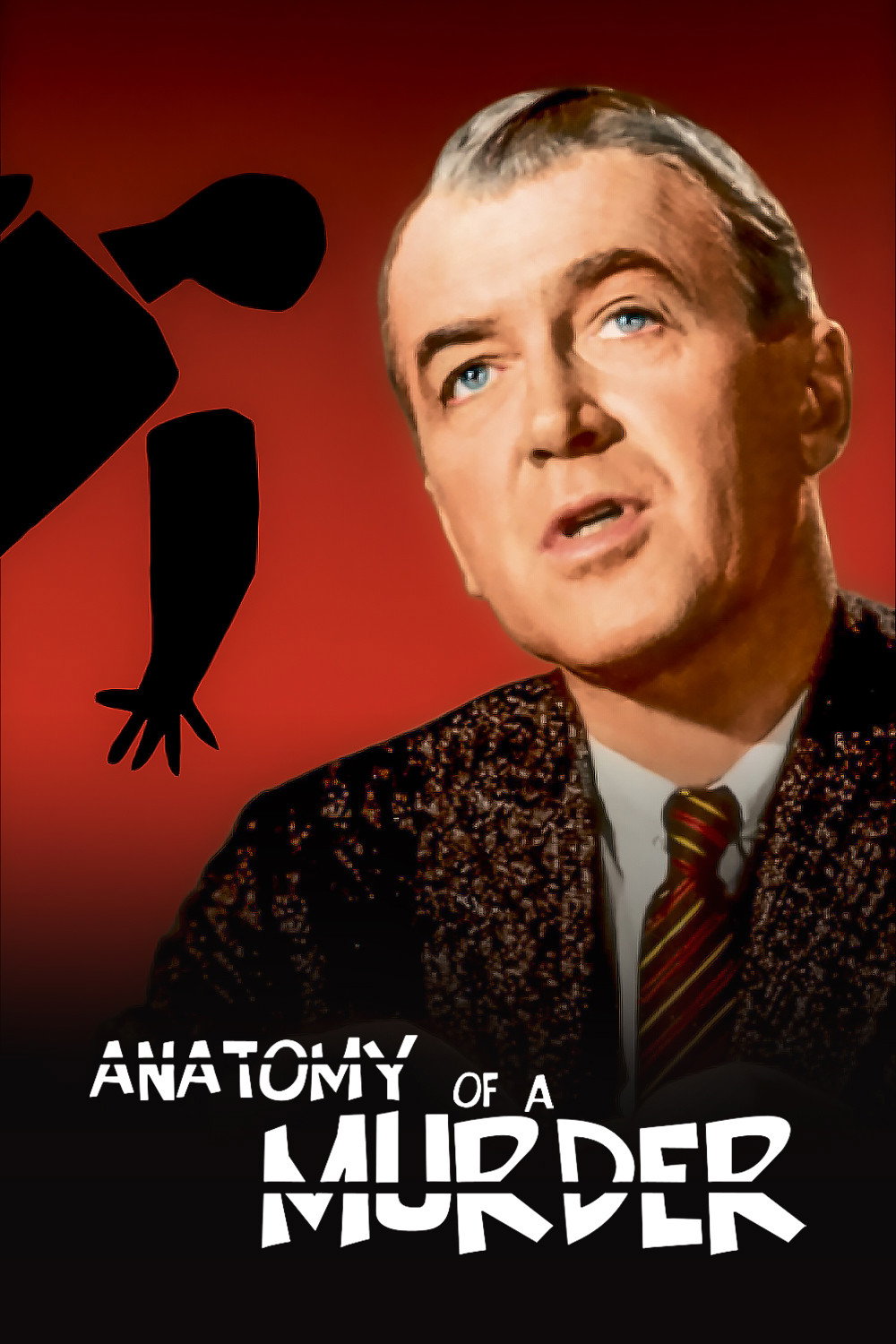
Anatomy of a Murder

1959 · For courtroom argument that rewards listening closely and distrusting easy explanations

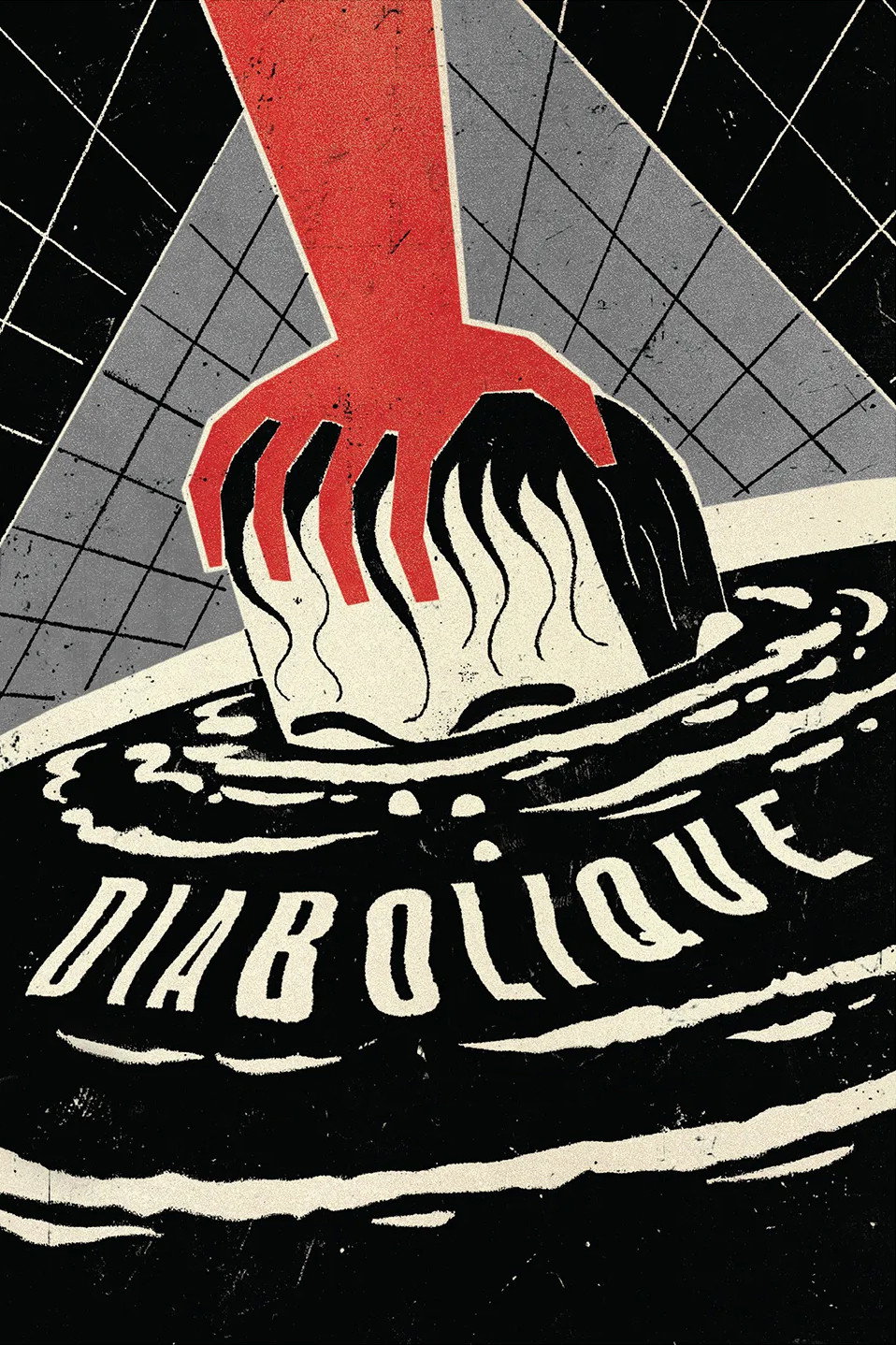
Les Diaboliques poster

Les Diaboliques

1955 · A darker mystery, equally alert to what a composed face can conceal

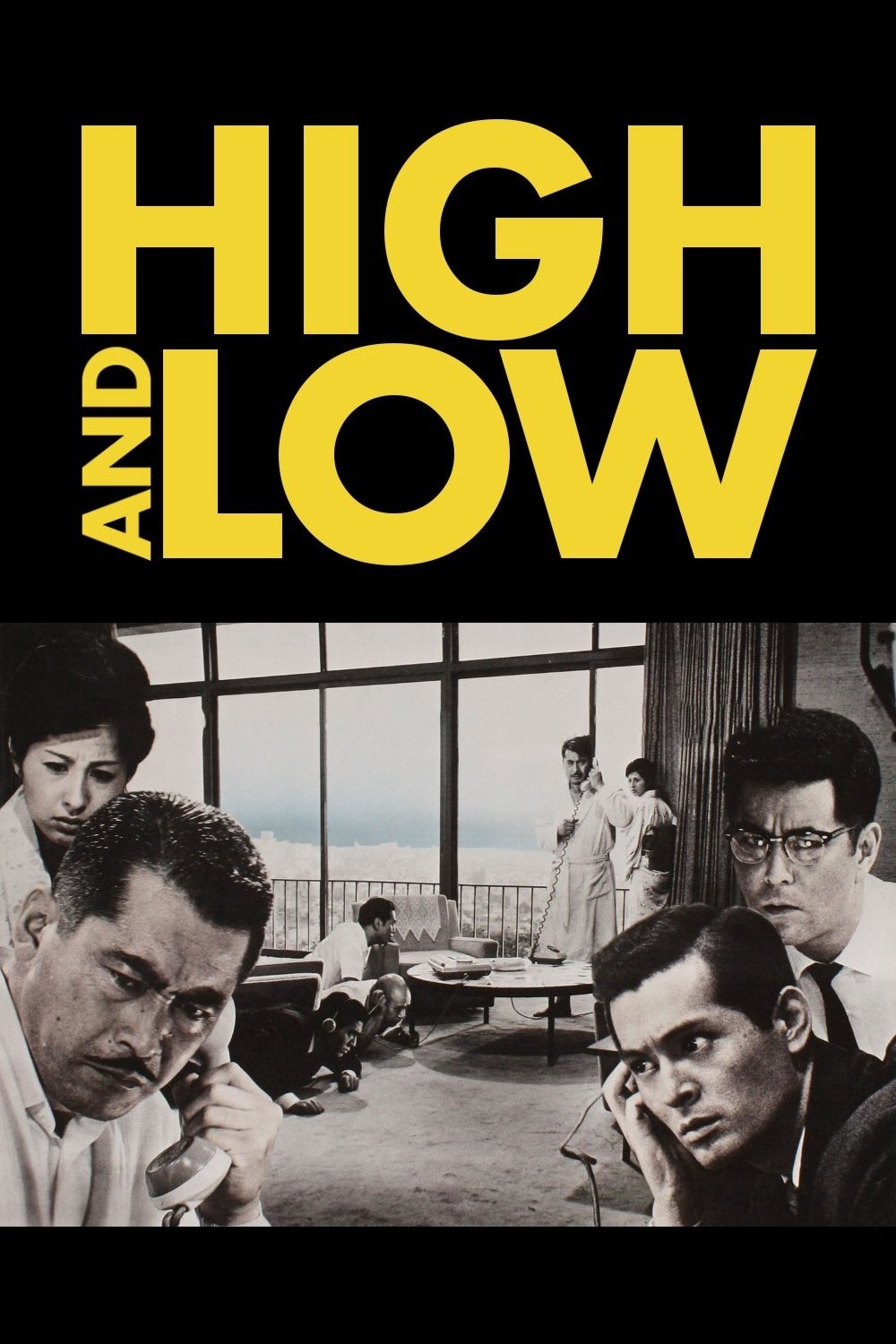
High and Low poster90

High and Low

1963 · A criminal investigation with exact staging and uncomfortable questions about respectable people

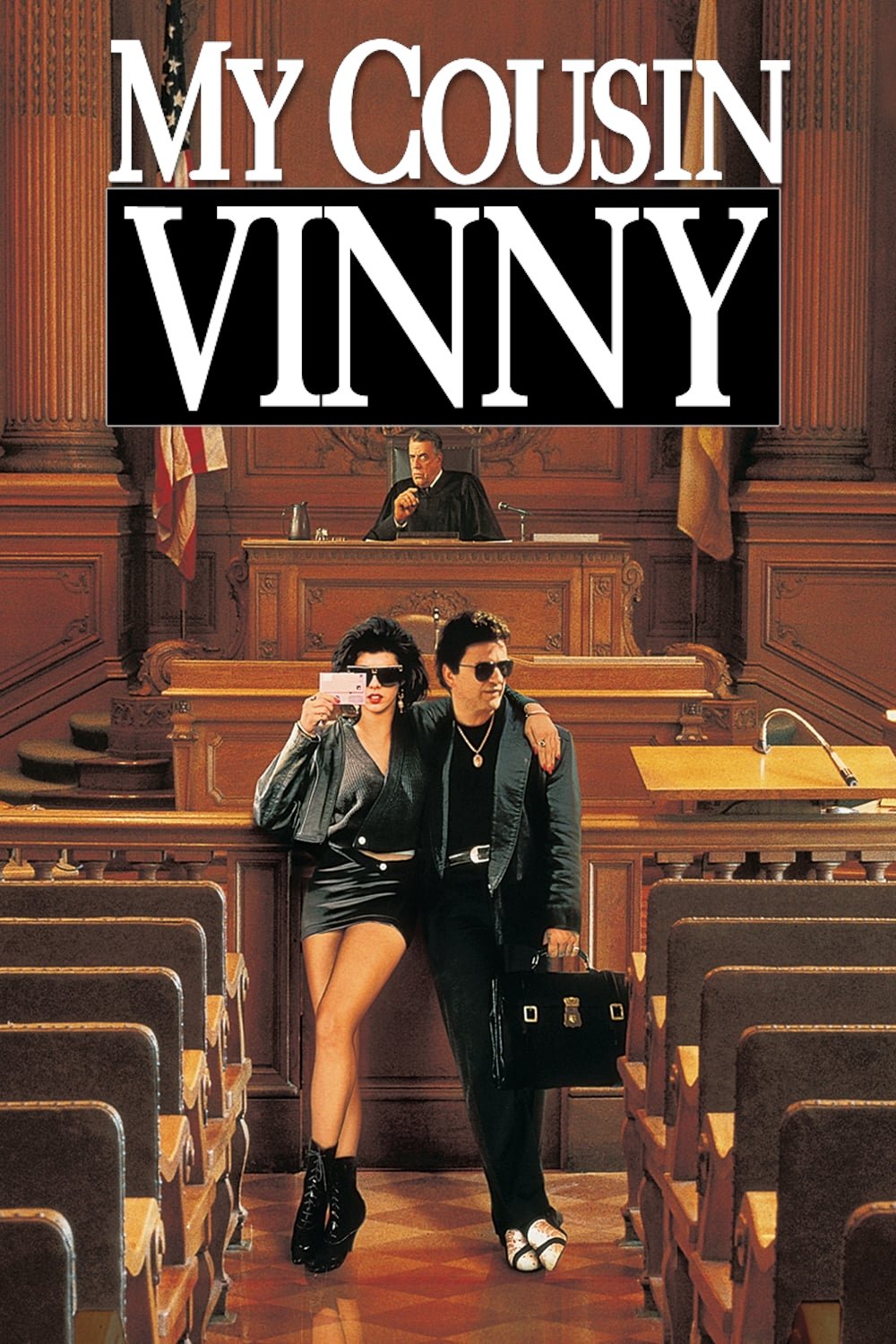
My Cousin Vinny poster

My Cousin Vinny

1992 · More courtroom bickering, with careful attention to evidence beneath the comedy

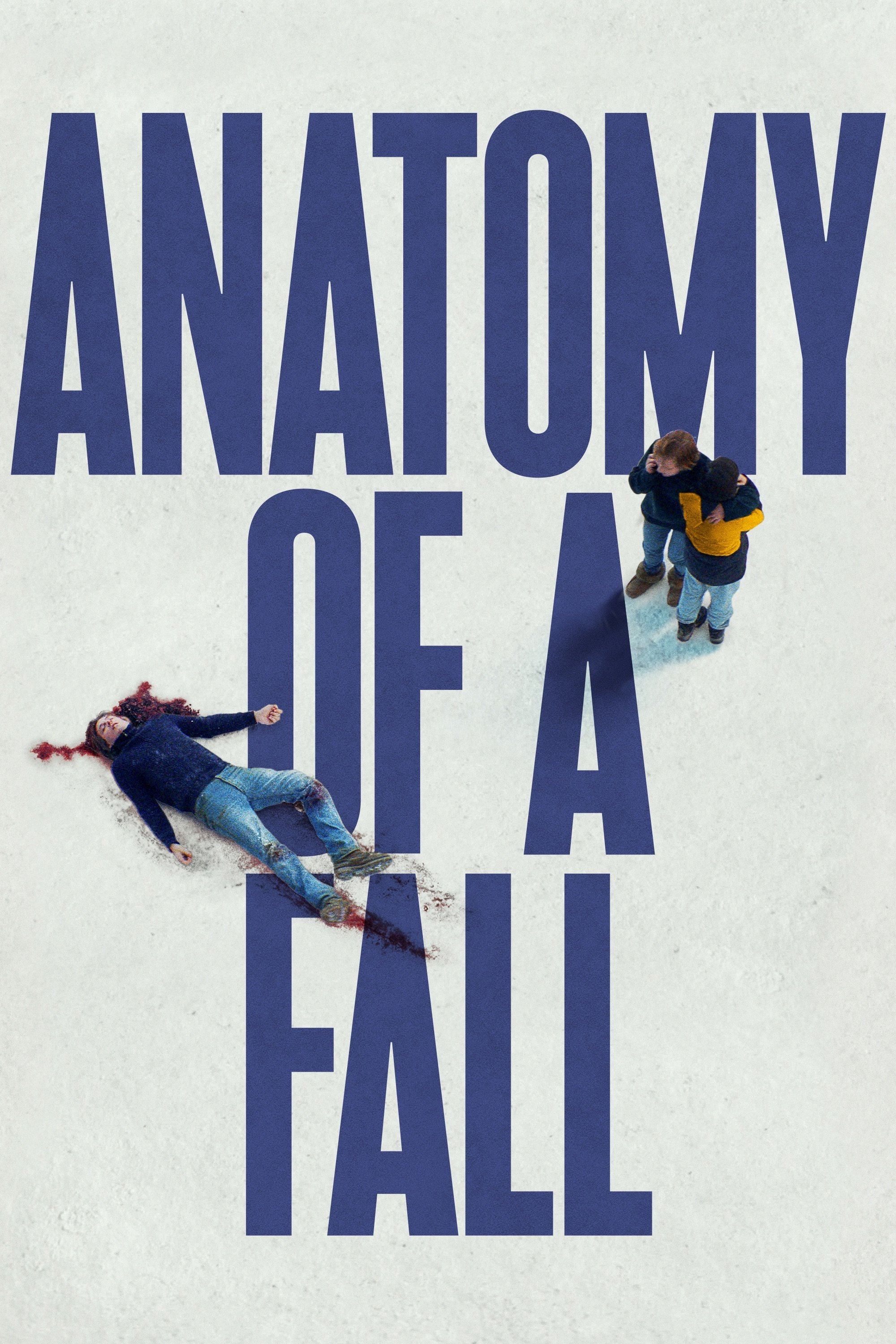
Anatomy of a Fall poster86

Anatomy of a Fall

2023 · Marriage comes under forensic scrutiny, and certainty proves difficult to earn