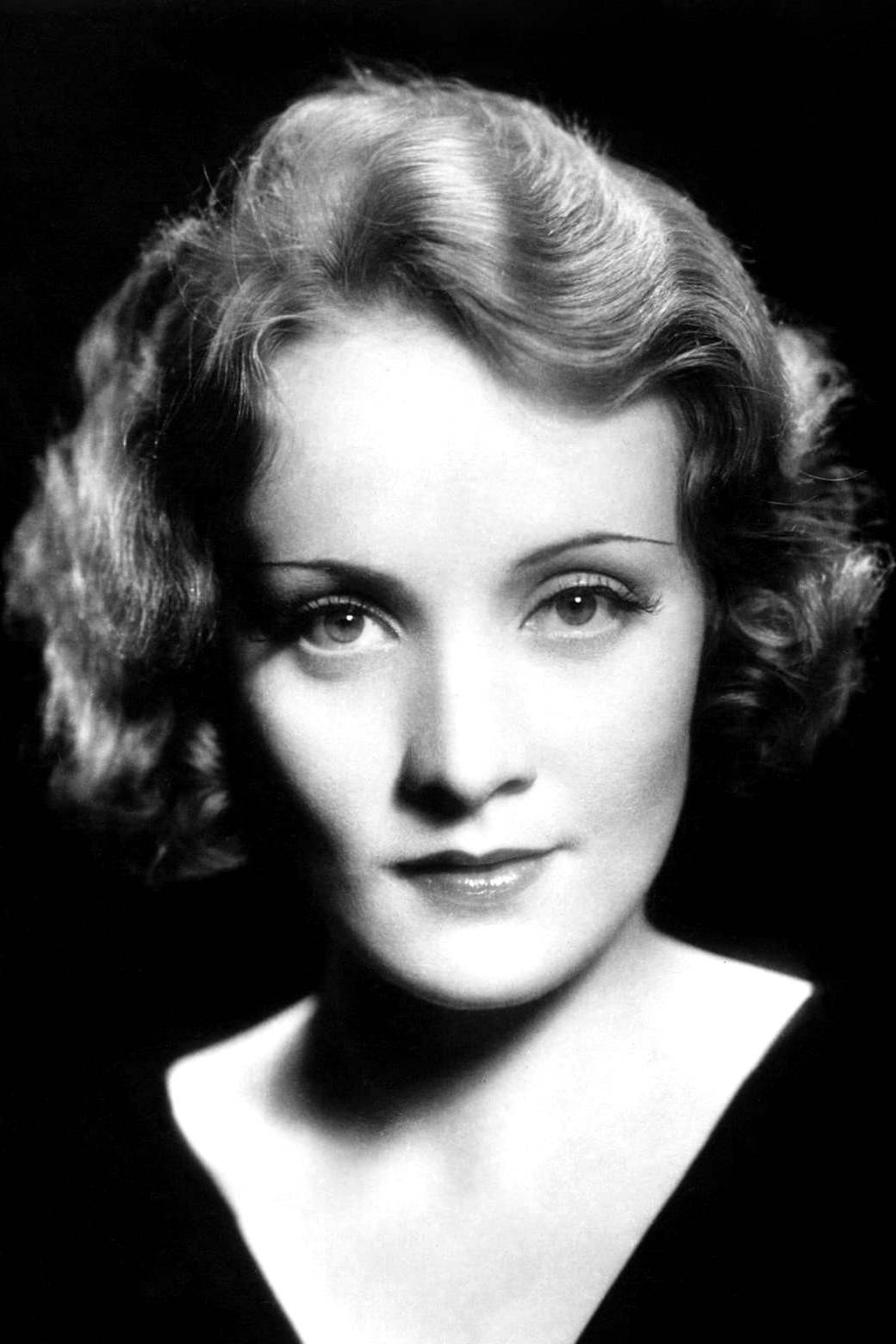
Marlene Dietrich makes straightforward dialogue sound as though it needs a second hearing. We value the uncertainty she brings to a part, especially when a director gives her more to do than look carefully arranged.
Fi1m perspective
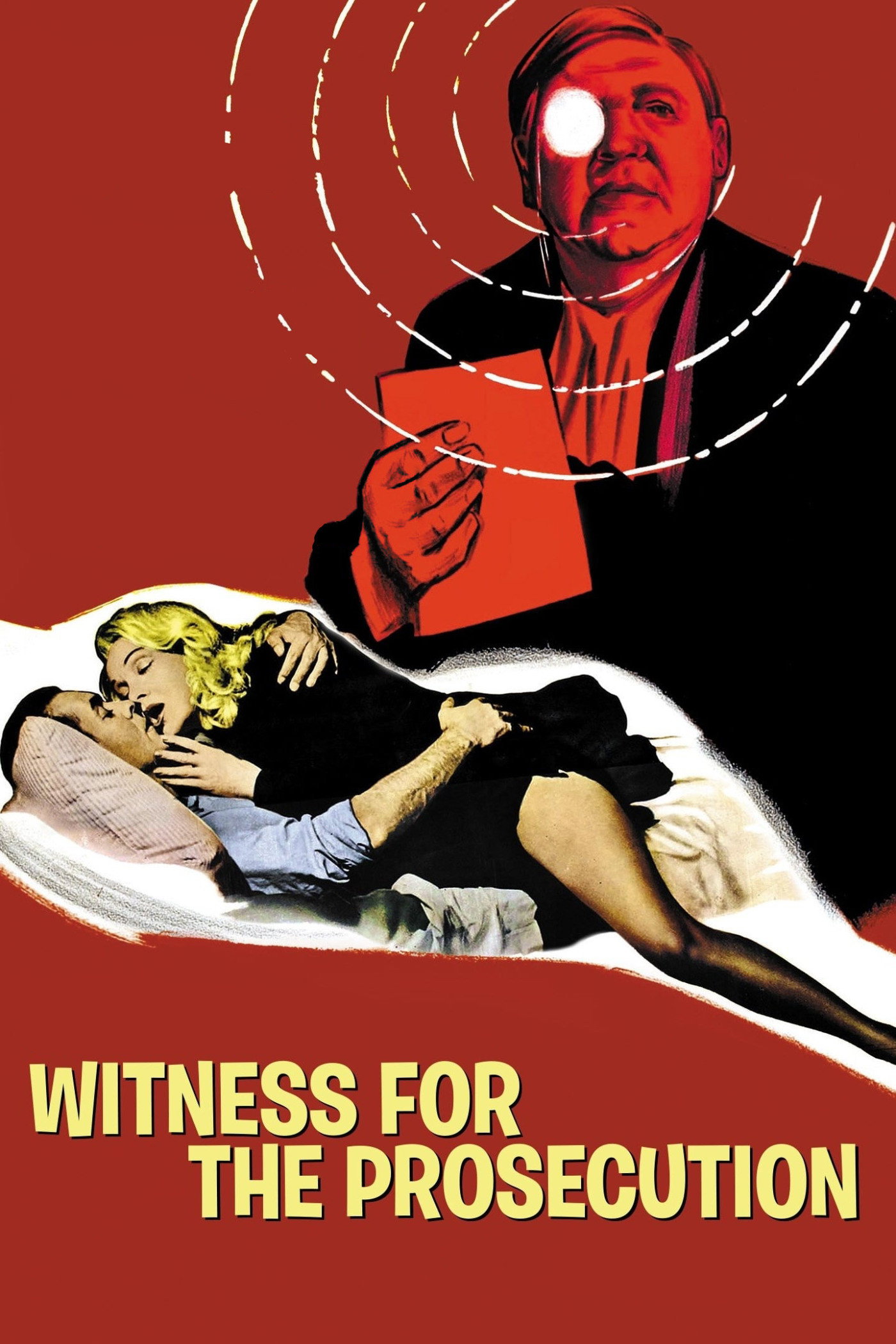
Christine speaks, and we find ourselves weighing more than the words. In Billy Wilder’s Witness for the Prosecution (1957), Marlene Dietrich makes apparently straightforward dialogue difficult to take at face value. We were absorbed by her because she kept us reconsidering our first impressions without needing the largest performance in the film. This is where we rate her most highly: keeping us interested in a character whom she gives us no easy way to judge.
The early screen image was more insistently arranged. Her breakthrough as Lola Lola in Josef von Sternberg’s The Blue Angel (1930) led to Hollywood. In Morocco (1930), the tailored suits and top hats helped establish an androgynous persona. Her husky singing voice and deliberate acting were just as important to the impression she made; nothing about that combination depended on appearing casual.
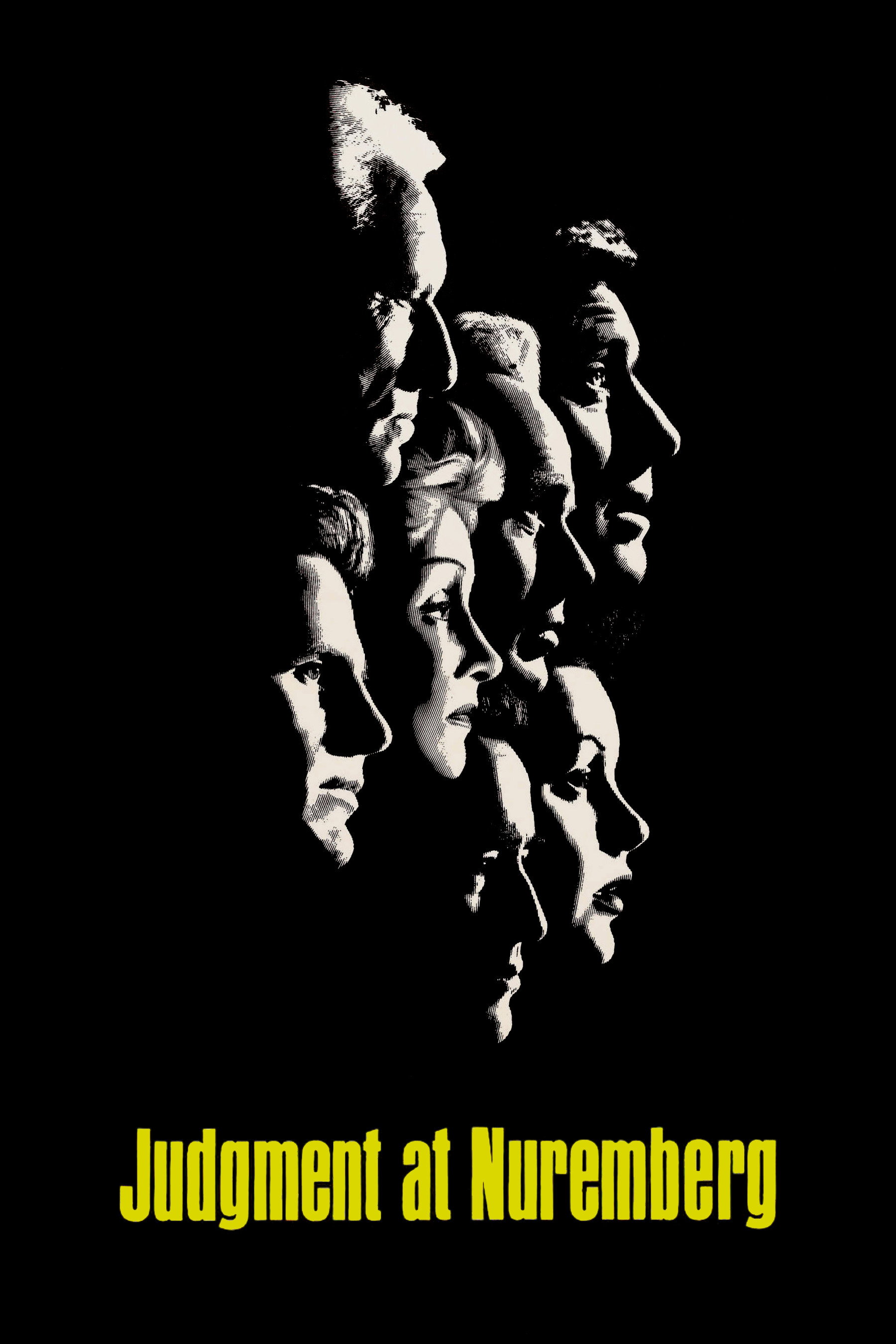
Shanghai Express (1932) also shows the risk of that approach: the performance can seem too posed, with more attention paid to visual effect than to natural behaviour. The Western comedy Destry Rides Again (1939), with her playing Frenchy against type, revived her career. Later supporting roles included Mrs. Bertholt in Stanley Kramer’s Judgment at Nuremberg (1961).
Wilder gives her something particularly useful in Witness for the Prosecution: a story in which the meaning of what people say matters. He allows Dietrich and Tyrone Power time to complicate our first impressions rather than fixing them at their introduction. Power’s Leonard Vole holds our attention without competing with Charles Laughton’s barrister for the largest performance, while Christine invites still closer inspection. That patience with the actors supplies suspense, because we have reasons to keep listening beyond finding out what happens next.
The plotting sometimes asks too much of the characters, and Dietrich cannot remove that reservation. But this is a sharply acted, consistently entertaining film, with her contribution worth attending to beside Laughton’s more expansive work. Start with Witness for the Prosecution for the pleasure of hearing a line and reconsidering it.
Biography
Marlene Dietrich was a German-American actress and singer. Born Marie Magdalene Dietrich on 27 December 1901 in Berlin, Germany, she began performing on stage and in silent films in 1920s Berlin. She married film professional Rudolf Sieber in 1923. Her breakthrough came with the role of Lola Lola in The Blue Angel (1930), directed by Josef von Sternberg.
She moved to Hollywood under contract to Paramount Pictures and appeared in further films directed by von Sternberg, including Morocco (1930) and Shanghai Express (1932). Later credits include Destry Rides Again (1939), Stage Fright (1950), Touch of Evil (1958), Witness for the Prosecution (1957) as Christine, and Judgment at Nuremberg (1961) as Mrs. Bertholt. She became a United States citizen in 1937 and entertained Allied troops during the Second World War.
Dietrich continued to perform as a cabaret singer into the 1970s. She died on 6 May 1992 in Paris, France.