Stanley Kramer’s courtroom drama is worth its 191 minutes, despite speeches that labour points already made. Spencer Tracy and Montgomery Clift make its questions about responsibility difficult to put aside.
Stanley Kramer asks a great deal of our patience in Judgment at Nuremberg, and earns most of it. At 191 minutes, this courtroom drama about Nazi war guilt has room to consider individual responsibility seriously, and enough room left over to repeat itself. We recommend it for the performances and for its willingness to make moral reasoning the substance of a long film. Abby Mann’s screenplay can be over-explicit, but it rarely lets the subject become merely respectable background for a gathering of stars.
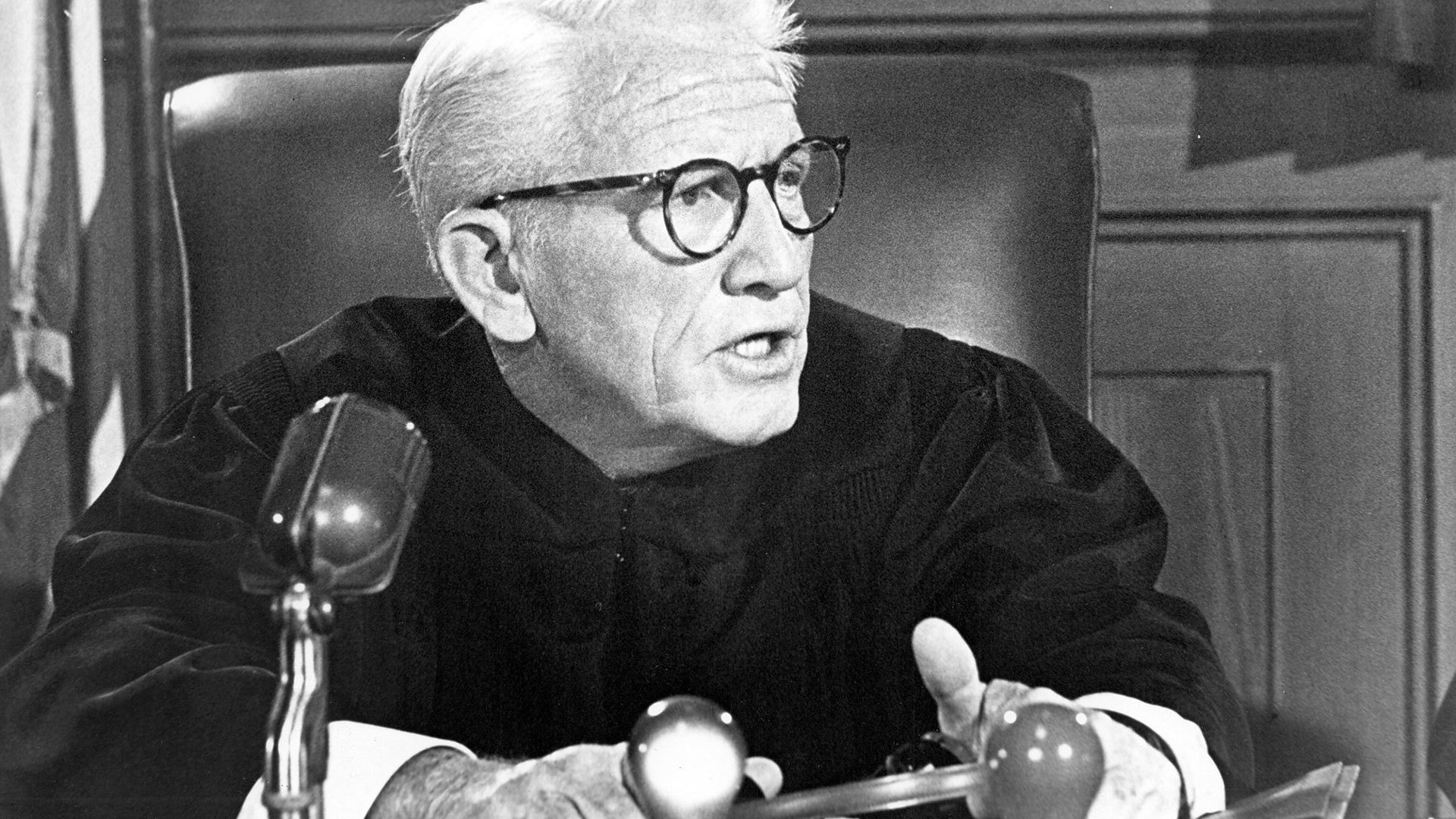
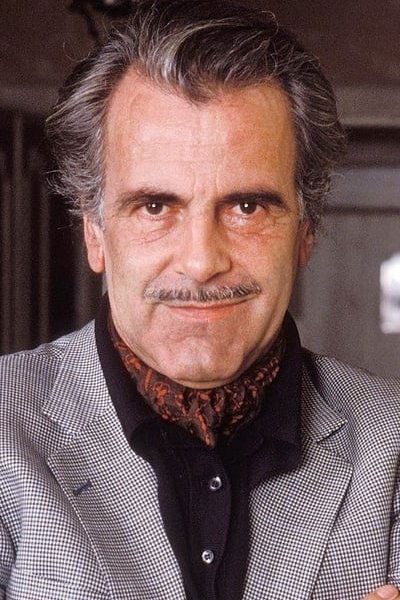
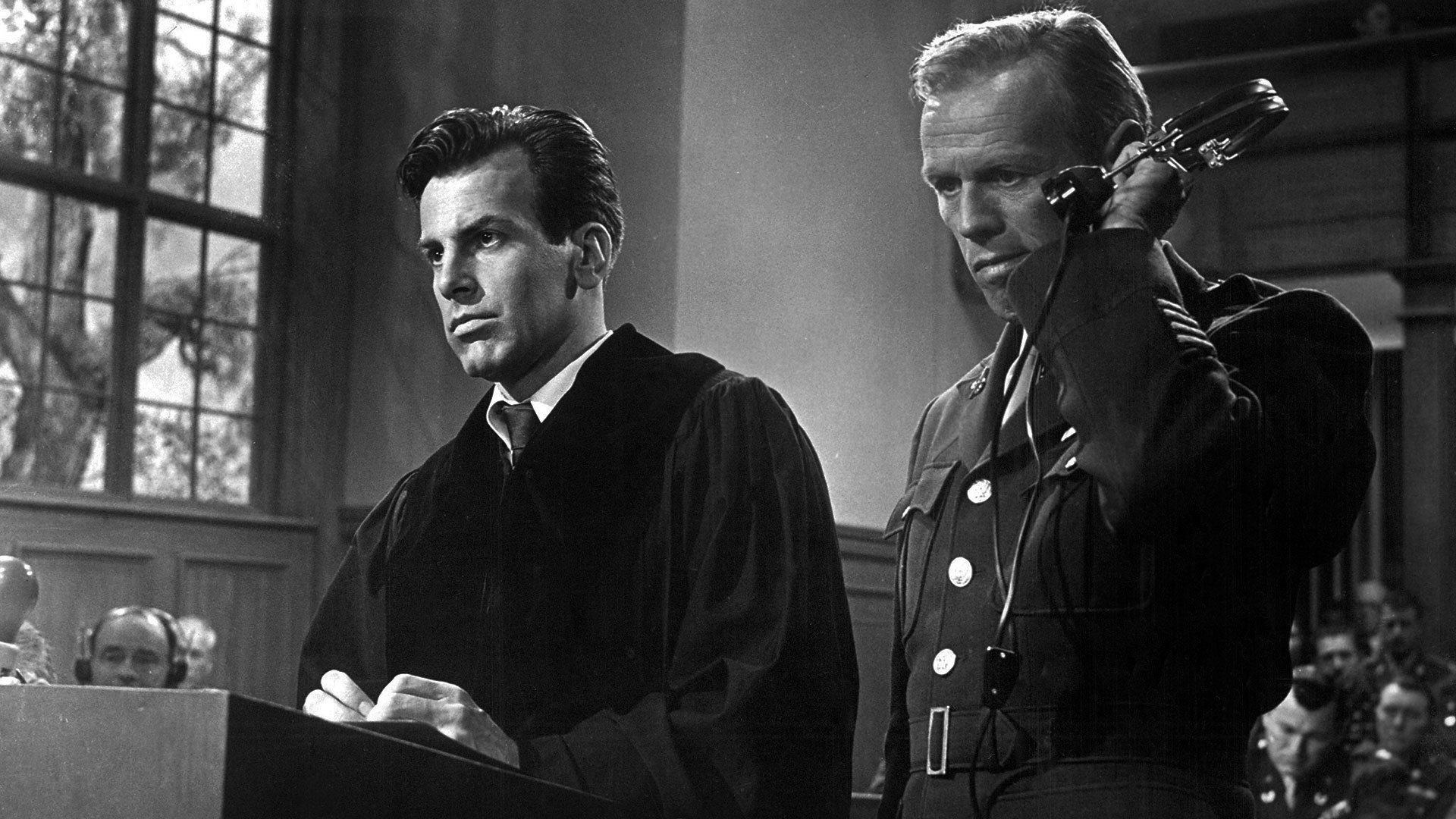
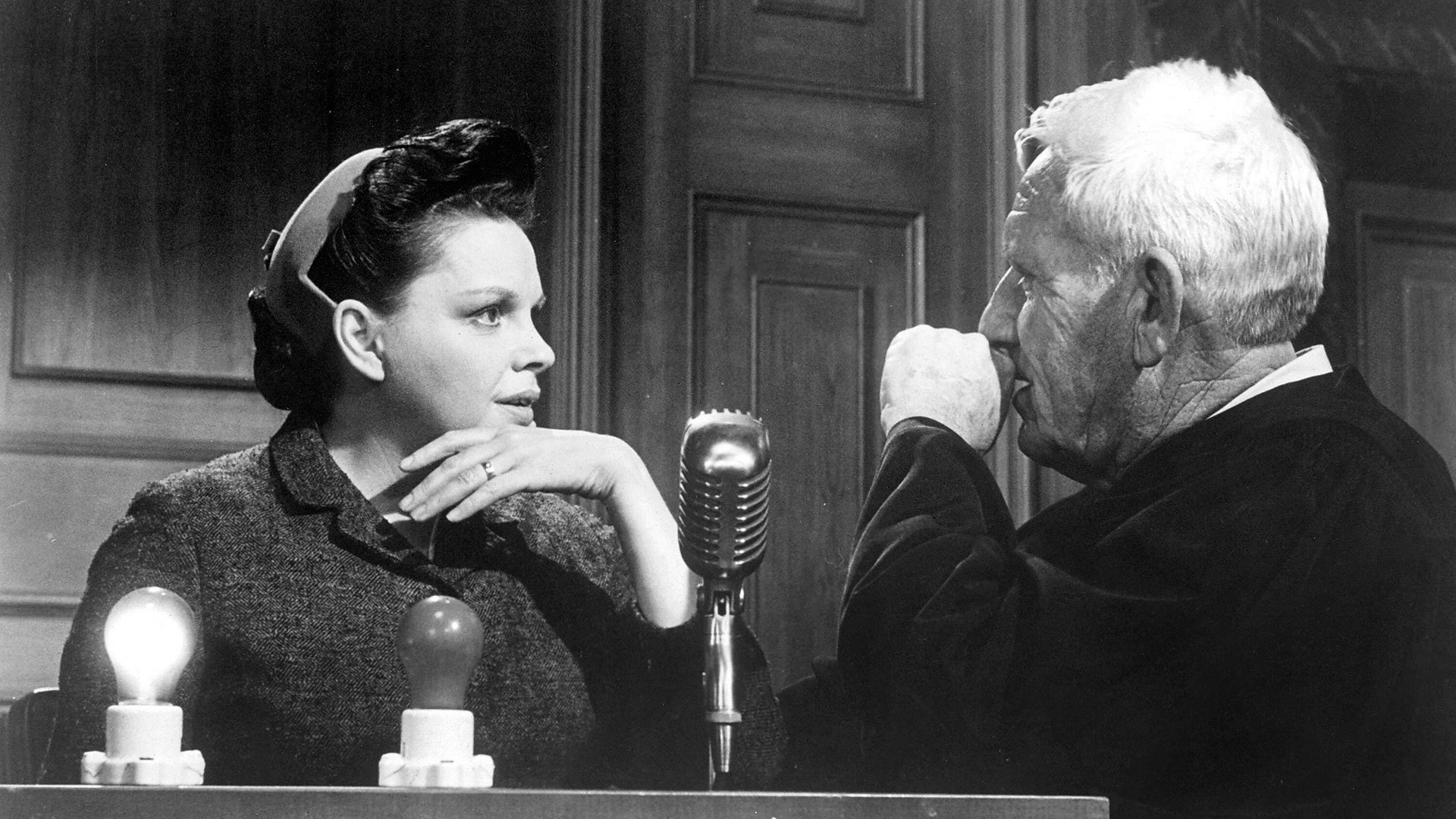
Spencer Tracy’s Dan Haywood is the chief reason the proceedings remain absorbing. Tracy gives the judge an intelligence that does not need constant advertisement; we believe he is listening, which makes us listen more closely too. Maximilian Schell’s Hans Rolfe supplies a more forceful presence, and the difference gives the courtroom exchanges a useful tension. Tracy’s restraint also gives us somewhere to rest during a film in which so many people are making emphatic points.
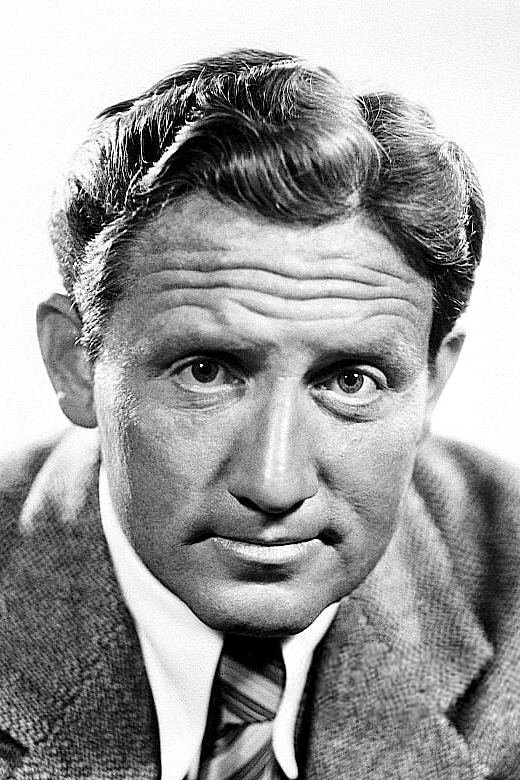
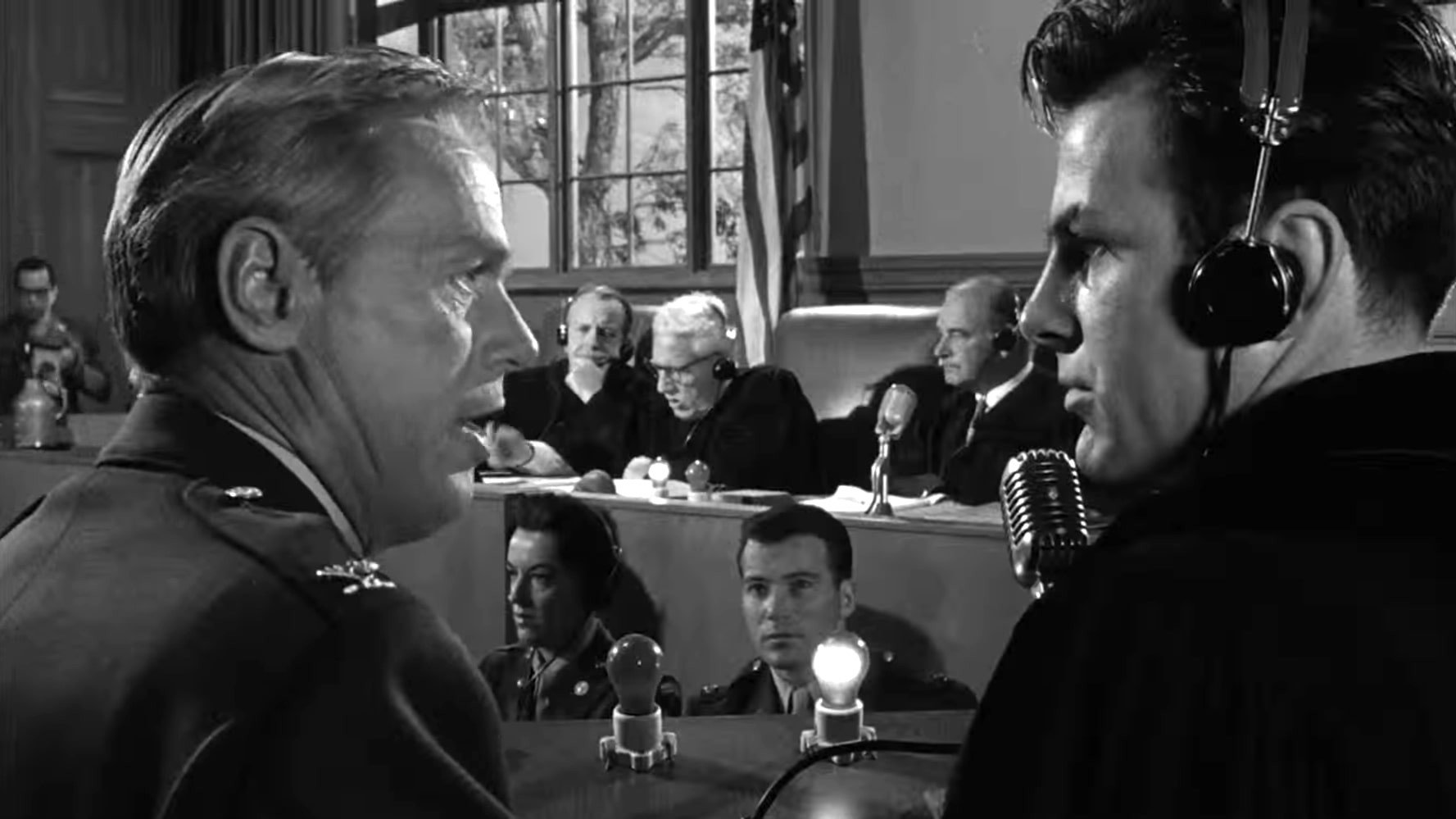
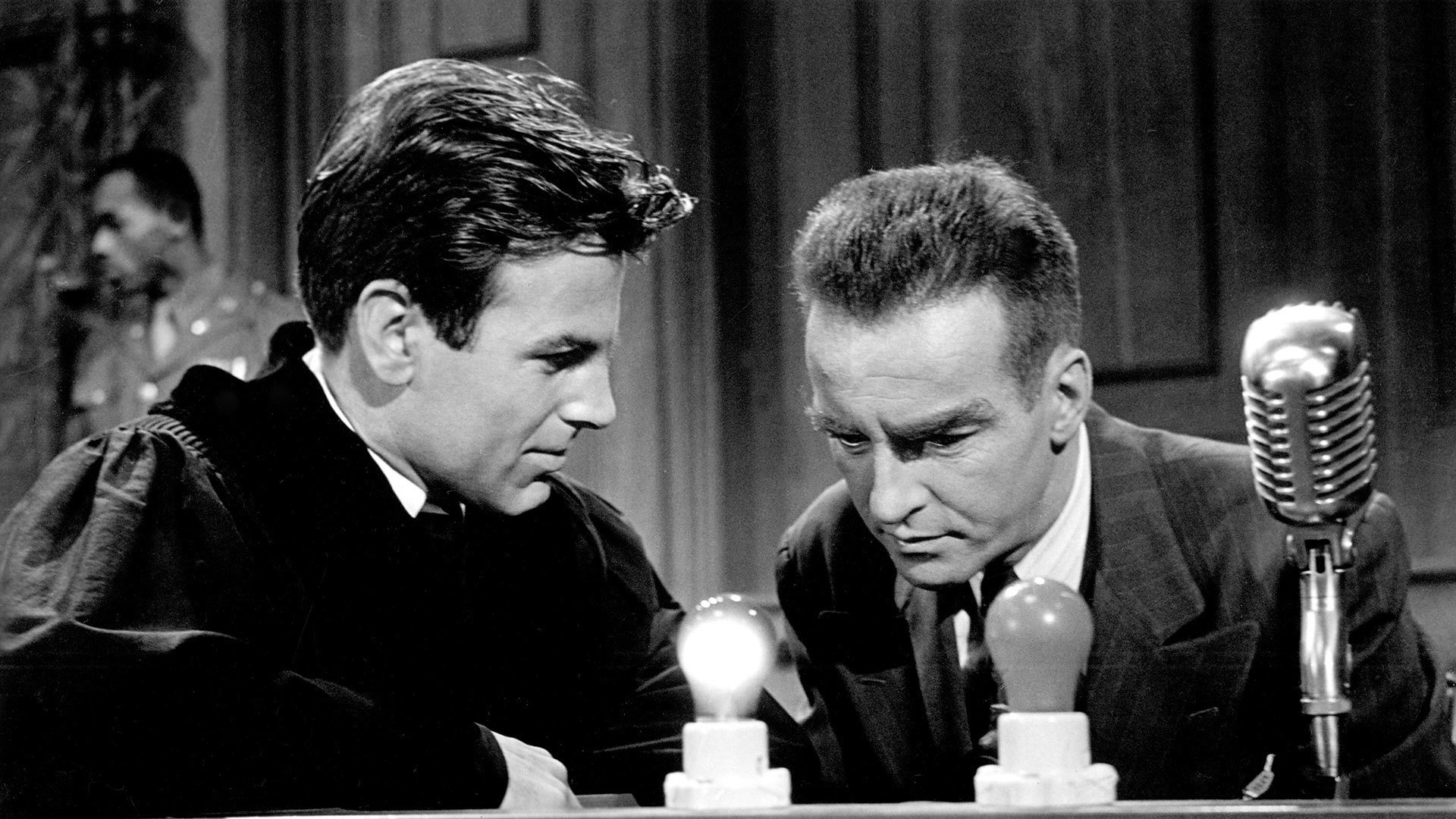
Montgomery Clift’s Rudolph Petersen makes such composure harder to sustain. We were distressed by his emotional collapse, because his difficulty holding himself together makes the court’s orderly discussion of guilt feel almost unbearable. He makes it impossible to forget that the legal arguments concern things done to individual people. The presence of Burt Lancaster, Marlene Dietrich and Judy Garland contributes to the film’s appeal, although the succession of prominent performers occasionally makes us too conscious of the casting.
Ernest Laszlo’s cinematography feels properly attentive to the performers, while Rudolph Sternad’s production design gives the courtroom considerable dignity. That formality helps us take the proceedings seriously, although it sometimes makes the film too comfortable to look at. Frederic Knudtson’s editing allows the actors room, but is too indulgent of the repeated arguments. Ernest Gold’s music adds to the solemnity, with mixed results. The subject has enough weight already, and the acting needs little assistance.
Mann is strongest on the ease with which people can explain away their own responsibility. He takes those explanations seriously enough to make us examine them, and Kramer has the conviction to hold our attention through discussions that could readily become a lecture. Sometimes they do. The writing can be glib when it tidies a difficult question into a point we are expected to accept, and the film’s confidence in its own decency occasionally feels too easy.
The question worth carrying through the long speeches is a plain one: how much responsibility can a person hand over to the state? Kramer makes it difficult to dismiss as somebody else’s problem. That is enough to distinguish the film from courtroom dramas built chiefly around a clever reversal, even if the distinguished cast makes the encounter more comfortable than it ought to be. Give it an evening when nobody is hoping for an early night.