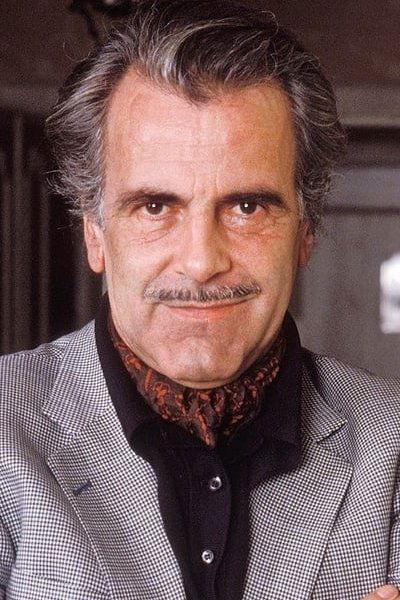
Maximilian Schell makes a courtroom speech feel like a confrontation. We value his force and rhetorical skill, especially opposite a quieter actor, though the emphasis can become tiring when the writing is already making its points too heavily.
Fi1m perspective
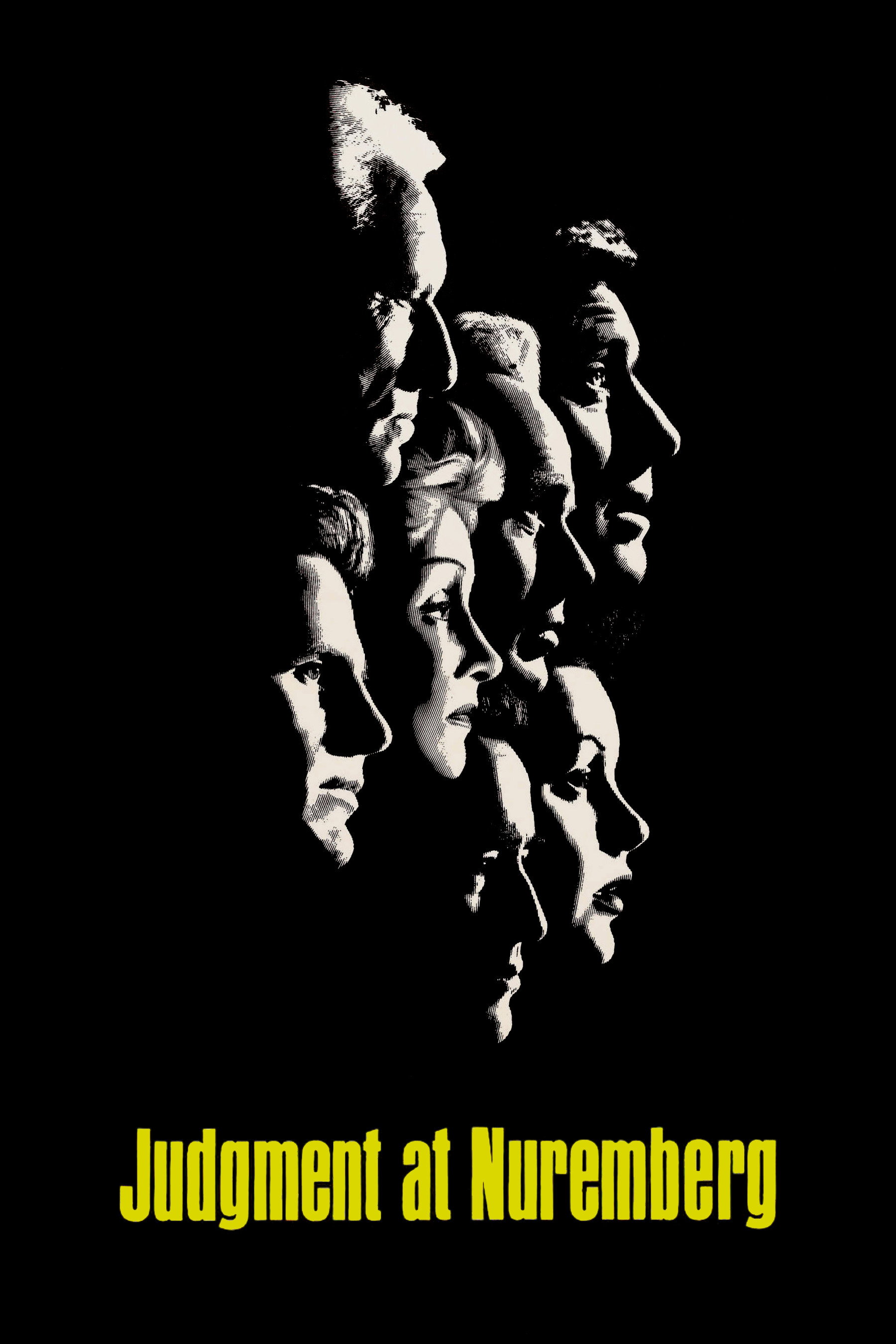
In Judgment at Nuremberg (1961), Maximilian Schell’s Hans Rolfe presses his points while Spencer Tracy’s Dan Haywood listens. Schell’s forcefulness makes the exchanges tense; Tracy’s restraint gives us a rest from the emphasis. We were absorbed by the two of them because the difference in their acting made us attend more closely to what was being said. Schell can make a speech feel confrontational without needing an equally emphatic reply.
His Hollywood debut in The Young Lions (1958) preceded the international recognition of Judgment at Nuremberg. He continued to work across Hollywood, European cinema and theatre, with Hamlet among his stage roles. That theatrical intensity suited the legal and confrontational scenes for which he became known. It also made for a recurring difficulty: beside a more naturalistic actor, his emphasis could look excessive.
Stanley Kramer gives that difference a useful purpose in Judgment at Nuremberg, though Schell does not escape the film’s fondness for making a point twice. His rhetorical skill is well suited to a courtroom drama about responsibility. But when the speeches labour matters already established, we need the relief of Tracy’s quieter presence. We rate Schell here, but Tracy is the chief reason we keep listening.
The repeated casting in stories about the Nazi era could make his work seem narrower than it was. Topkapi (1964), with Schell as Walter Harper, offered an international caper instead. He also wrote, directed and starred in The Pedestrian (1973), while Julia (1977) gave him the supporting role of Johann, an anti-Nazi activist. These are reasons to look beyond the forceful defence counsel, even if roles concerned with guilt and resistance remained a recurring part of his work.
His wish to play a quieter part is worth remembering: of Judgment at Nuremberg, he said, “I wanted to do Burt Lancaster’s role as the Nazi judge who doesn’t say much.” We would have been interested to see that restraint. Start with the role he did play, and watch how much tension he creates against Tracy’s patience.
Biography
Maximilian Schell (8 December 1930 – 1 February 2014) was a Swiss actor of Austrian birth. Born in Vienna, his family fled to Zürich in 1938 following the Anschluss. He began acting in West German films and theatre before moving to Hollywood, where his sister Maria Schell was already established.
Schell won the Academy Award for Best Actor for his performance as defence counsel Hans Rolfe in Judgment at Nuremberg (1961). He received further Oscar nominations for The Man in the Glass Booth (1975) and Julia (1977). He appeared in numerous films exploring the Nazi era and its aftermath, including Topkapi (1964), Cross of Iron (1977), A Bridge Too Far (1977) and Deep Impact (1998). On television he earned Emmy nominations for Miss Rose White and Stalin (1992), the latter bringing him a Golden Globe Award.