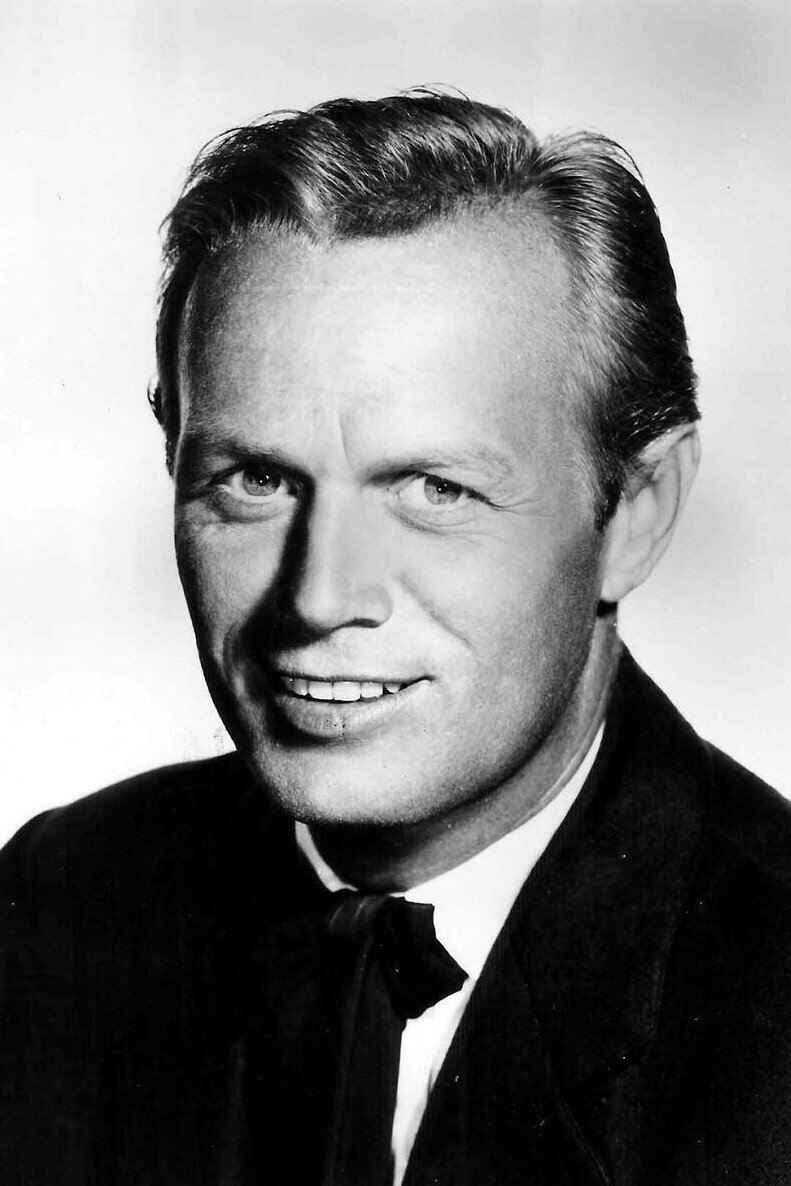
Richard Widmark made authority look tense and villainy disturbingly amused. We value the hardness he carried between those parts, though the giggling menace of his debut can obscure how much he did afterwards.
Fi1m perspective
An angled stance and an insolent way of moving make Richard Widmark difficult to relax around. The giggling Tommy Udo in Kiss of Death (1947), his film debut, made that discomfort explicit. We value him just as much when he takes it into respectable company, playing men whose authority comes with an uncomfortable degree of tension. The debut made him memorable, but the persistent association with villains can obscure how useful that same hardness became in other parts.
His early noir roles gave way to heroic leads, Westerns and supporting parts in the 1950s and 1960s. Harry Fabian, the desperate hustler of Night and the City (1950), and Skip McCoy in Samuel Fuller's Pickup on South Street (1953) belong to the earlier stretch. Then came Captain Eric Finlander in The Bedford Incident (1965), which Widmark produced and starred in alongside Sidney Poitier. The shift towards authority did not require him to become reassuring.
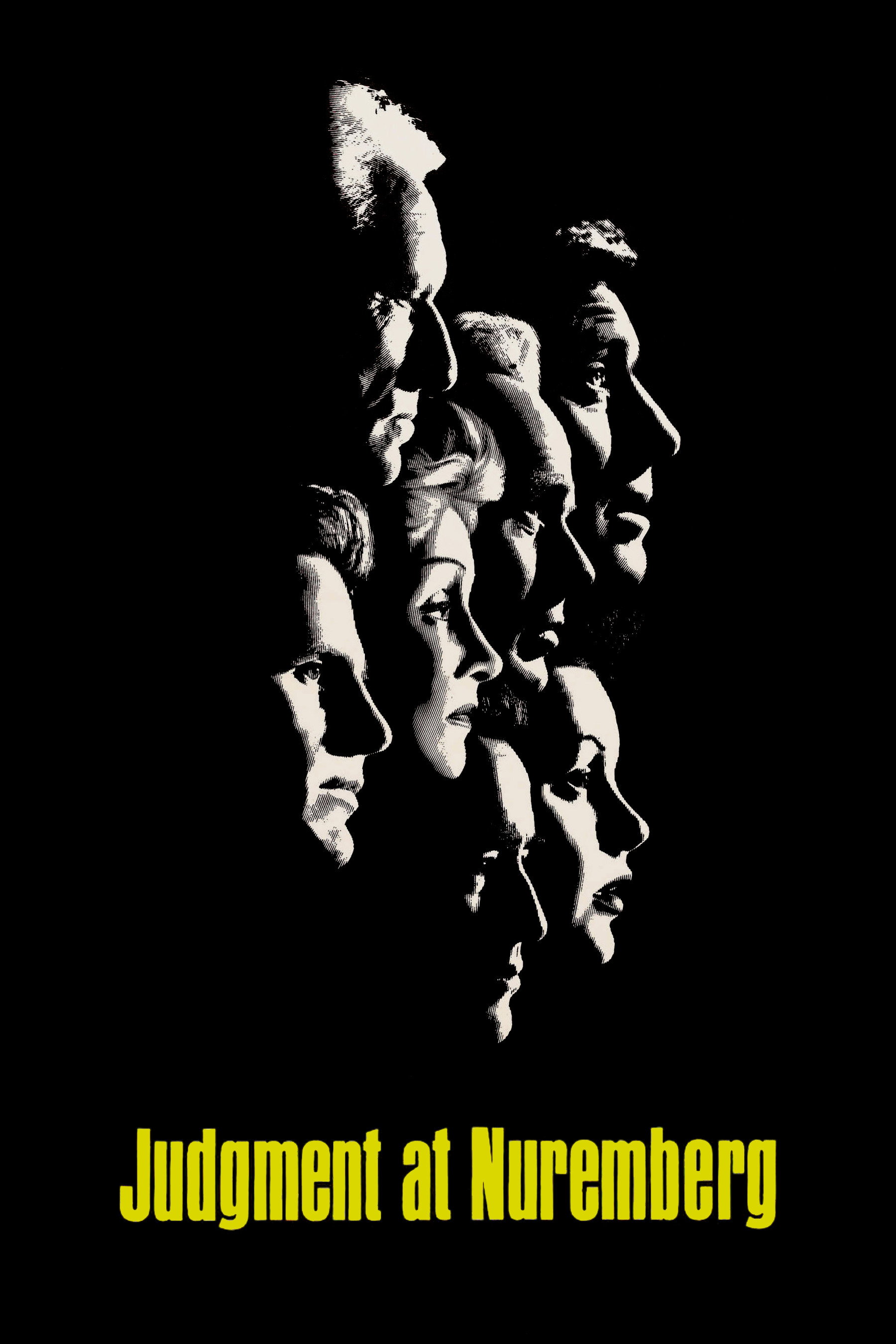
In Judgment at Nuremberg (1961), Stanley Kramer puts that tension to work in Colonel Tad Lawson, the American prosecutor. We found Widmark's determination stirring, because Lawson gives the film's questions about responsibility someone prepared to press them. His toughness suits a part that needs persistence, and there is no need to make the man ingratiating. Within Kramer's ensemble, this is a useful distinction: Widmark can give the prosecution force without making the entire drama adopt his certainty. It is strong supporting work, with a clear task and an actor who knows how firmly to pursue it.
Spencer Tracy and Montgomery Clift are the chief reasons the film's questions remain difficult to put aside. That leaves Widmark free to keep Lawson determined rather than supply every shade of doubt himself. The speeches do sometimes labour points already made, a weakness Widmark's forcefulness cannot fix. Give Judgment at Nuremberg its full 191 minutes, but choose an evening when there is some patience to spare.
Biography
Richard Widmark was an American actor and producer. Born on 26 December 1914 in Sunrise Township, Minnesota, he began his career in radio and on the stage before making his film debut in 1947.
He received an Academy Award nomination for Best Supporting Actor for his role as the psychopathic killer Tommy Udo in Kiss of Death (1947). Early in his career he was frequently cast in villainous or anti-hero parts in film noirs such as Night and the City (1950) and Pickup on South Street (1953), later taking on a wider range of leading and supporting roles in westerns, dramas and other genres. Notable credits include Judgment at Nuremberg (1961), in which he played Col. Tad Lawson, How the West Was Won (1962) and The Alamo (1960).
Widmark received a star on the Hollywood Walk of Fame and was inducted into the Western Performers Hall of Fame in 2002. He died on 24 March 2008 in Roxbury, Connecticut.