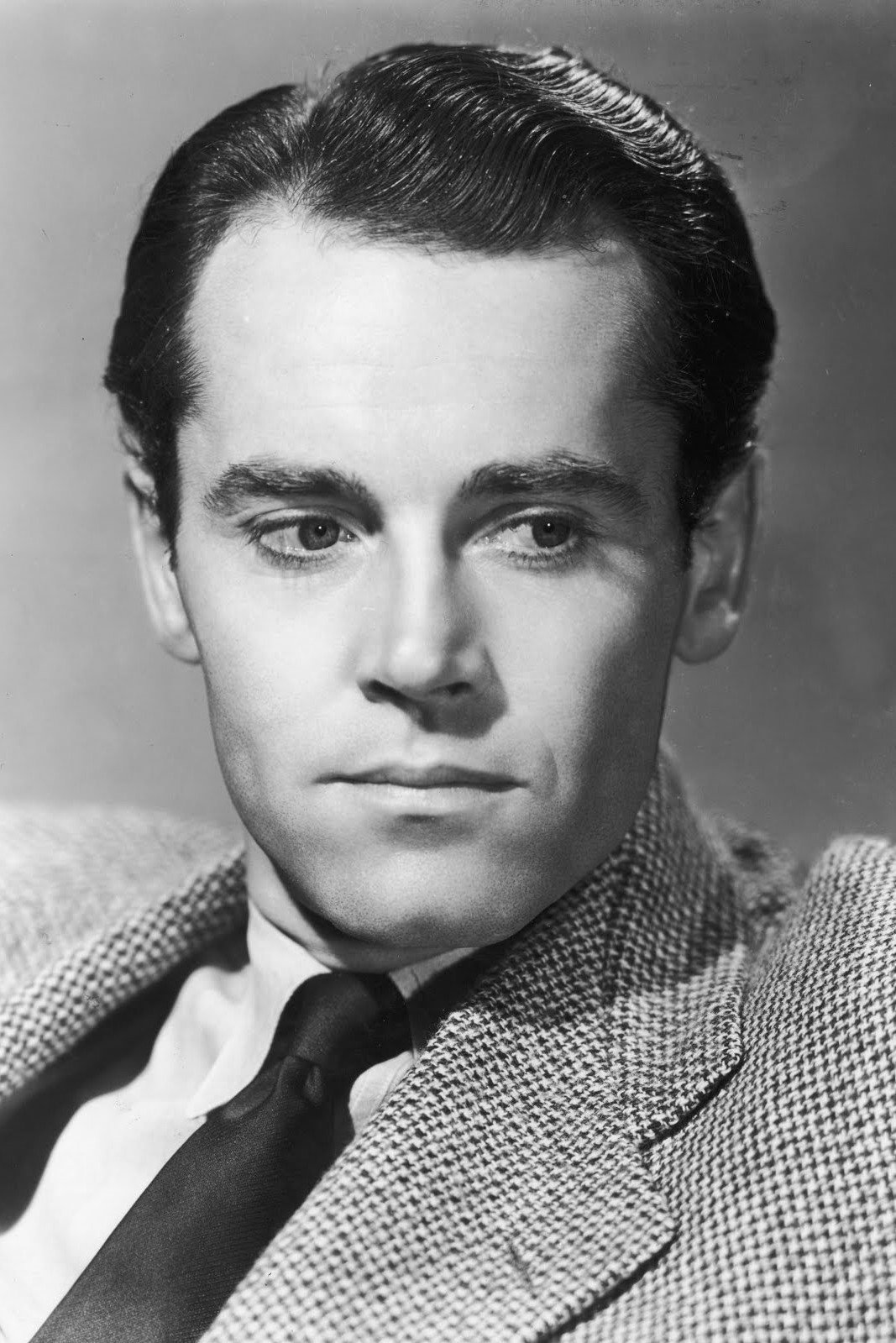
Sidney Lumet makes a jury’s deliberations gripping enough to recommend to almost anyone. The writing sometimes arranges its disagreements too neatly, but Henry Fonda and the ensemble make the responsibility of listening feel urgent.
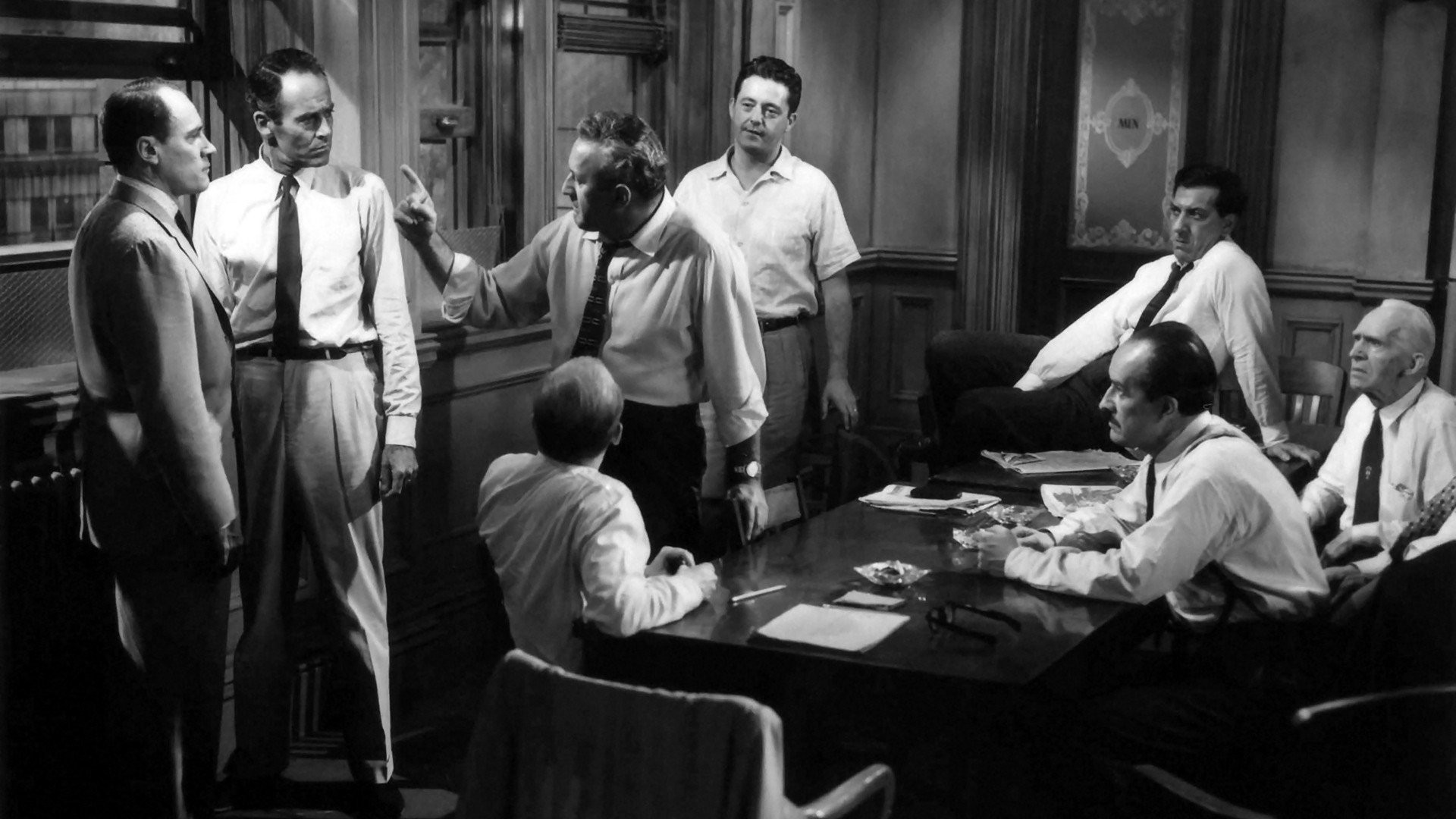
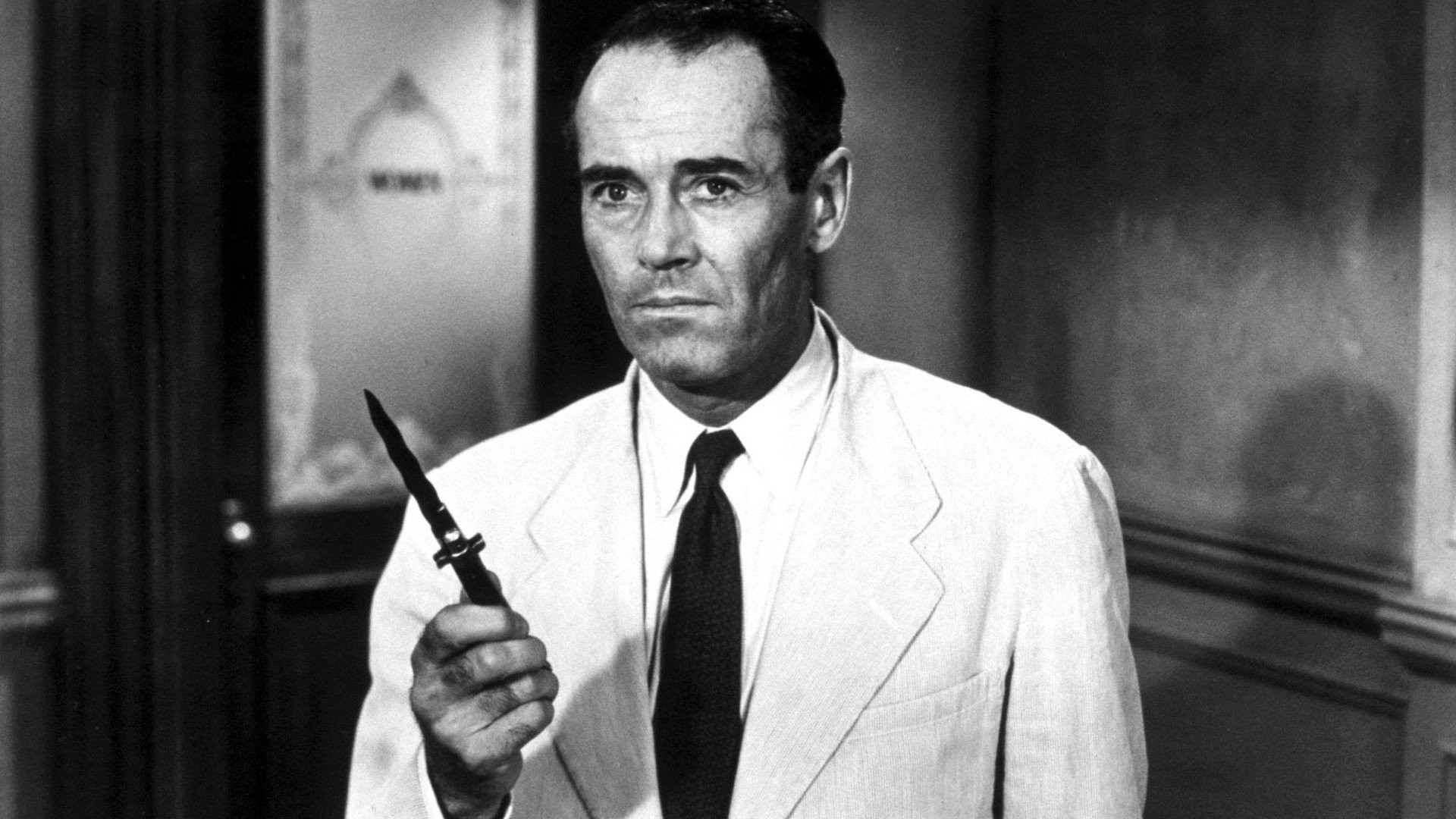
We would recommend 12 Angry Men even to anyone who usually avoids legal dramas. Sidney Lumet understands how much tension can come from asking people to explain an opinion they thought would go unchallenged. Eleven jurors vote guilty in a murder case; Henry Fonda’s Juror 8 asks them to think again. Reginald Rose’s screenplay makes reasonable doubt something these men have to practise under pressure, rather than merely approve of in principle.
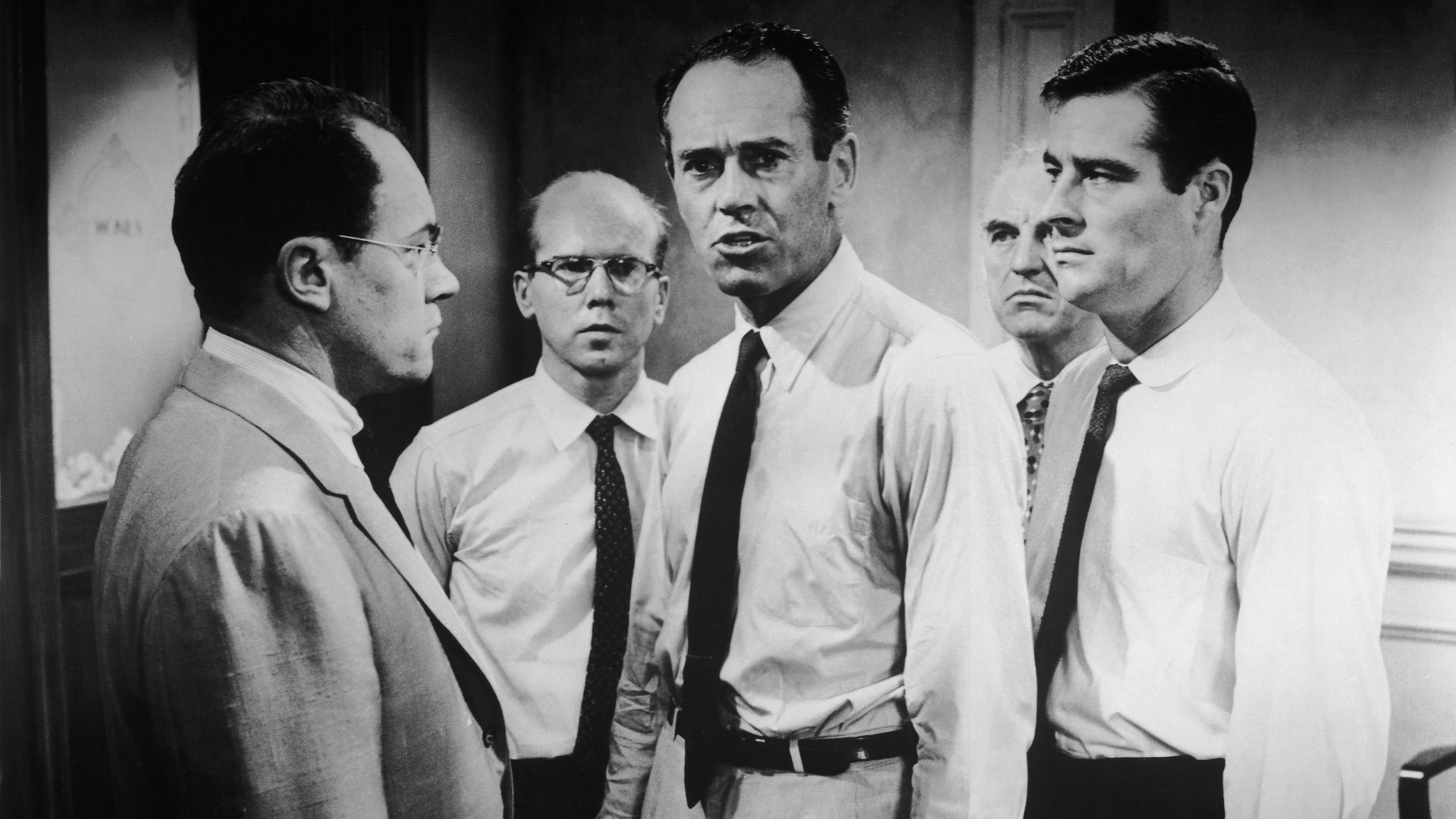
We were unsettled by how easily those eleven guilty votes could have ended the discussion. It is the casual readiness to finish that does it: Fonda’s insistence on talking makes the others’ certainty look suddenly careless. His performance gives each question enough weight to hold our attention without making patience seem effortless. Lumet trusts him to sustain interest through the difficult business of getting other people to listen.
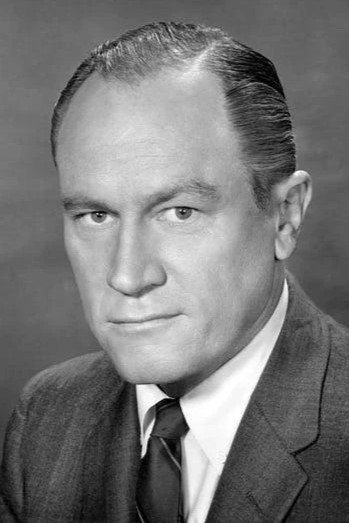
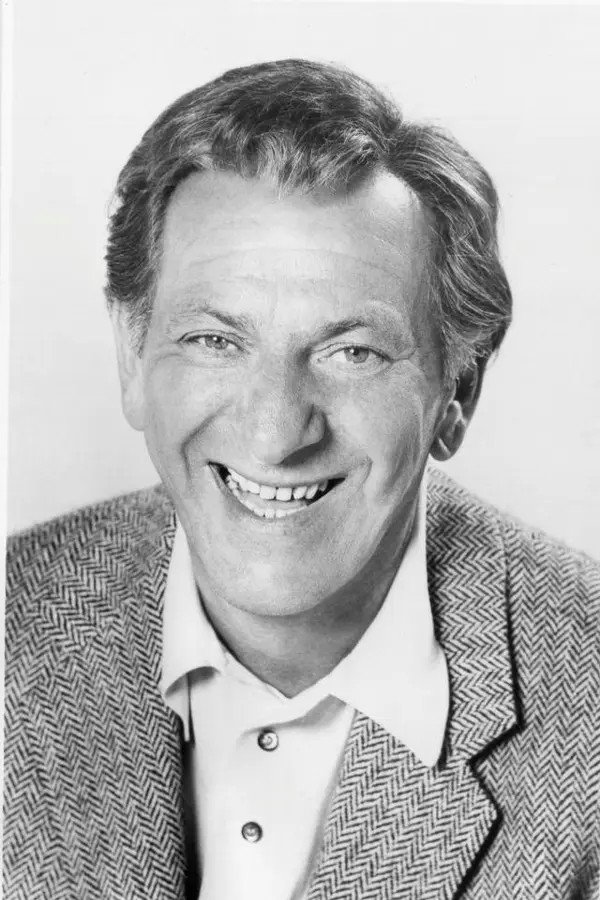
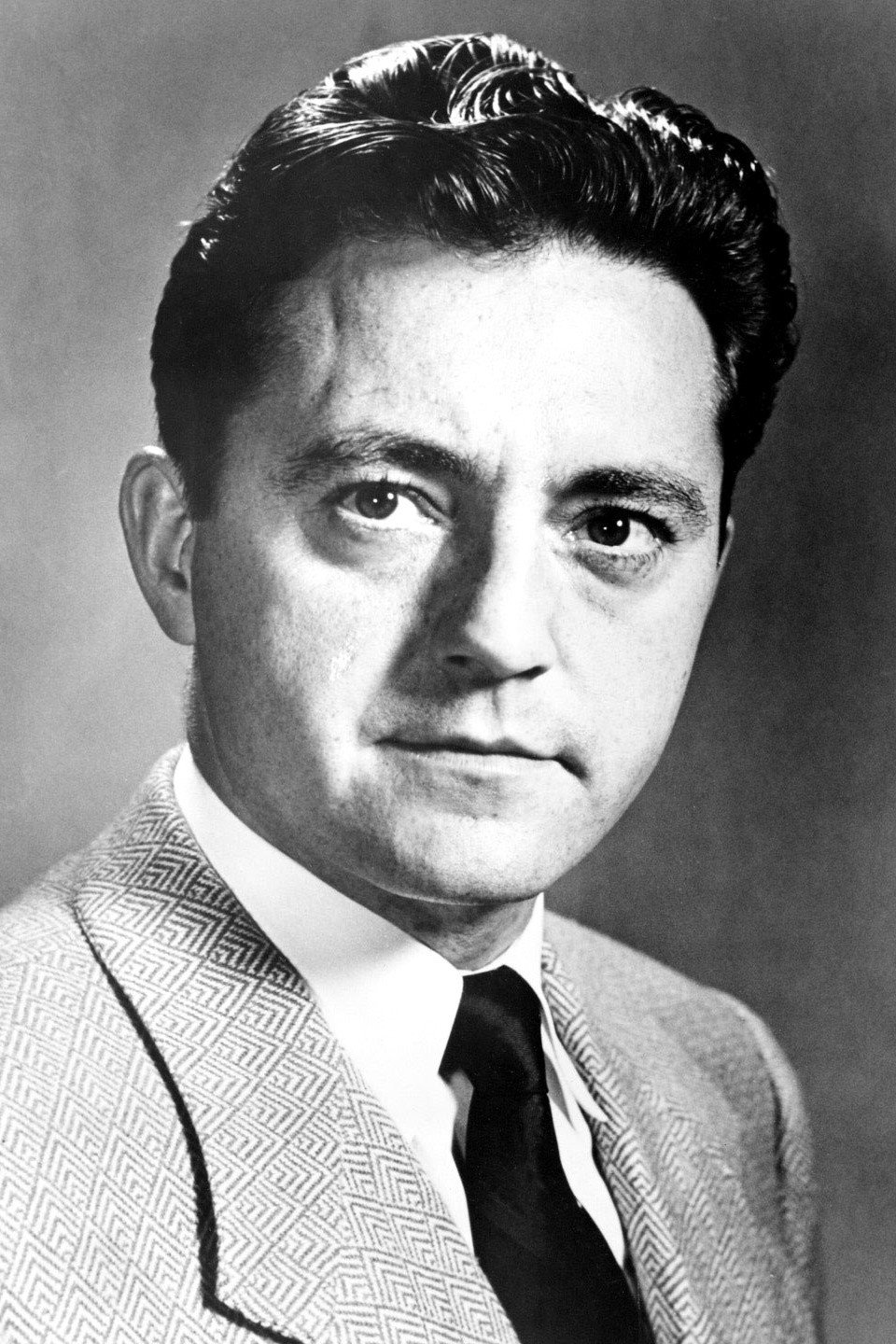
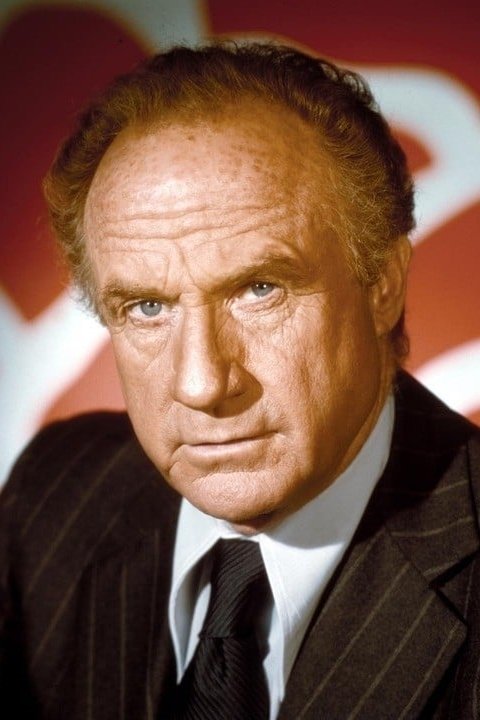
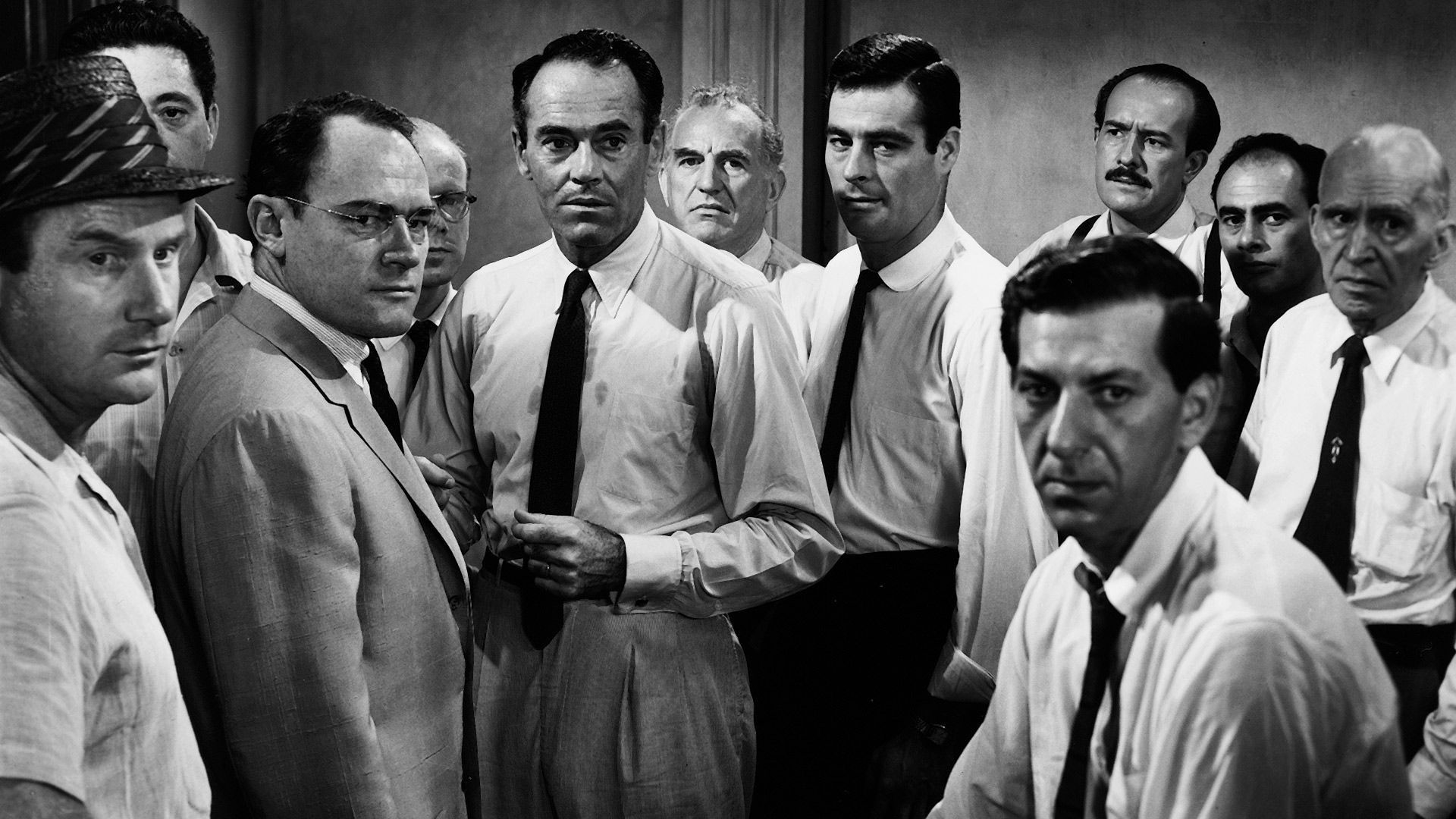
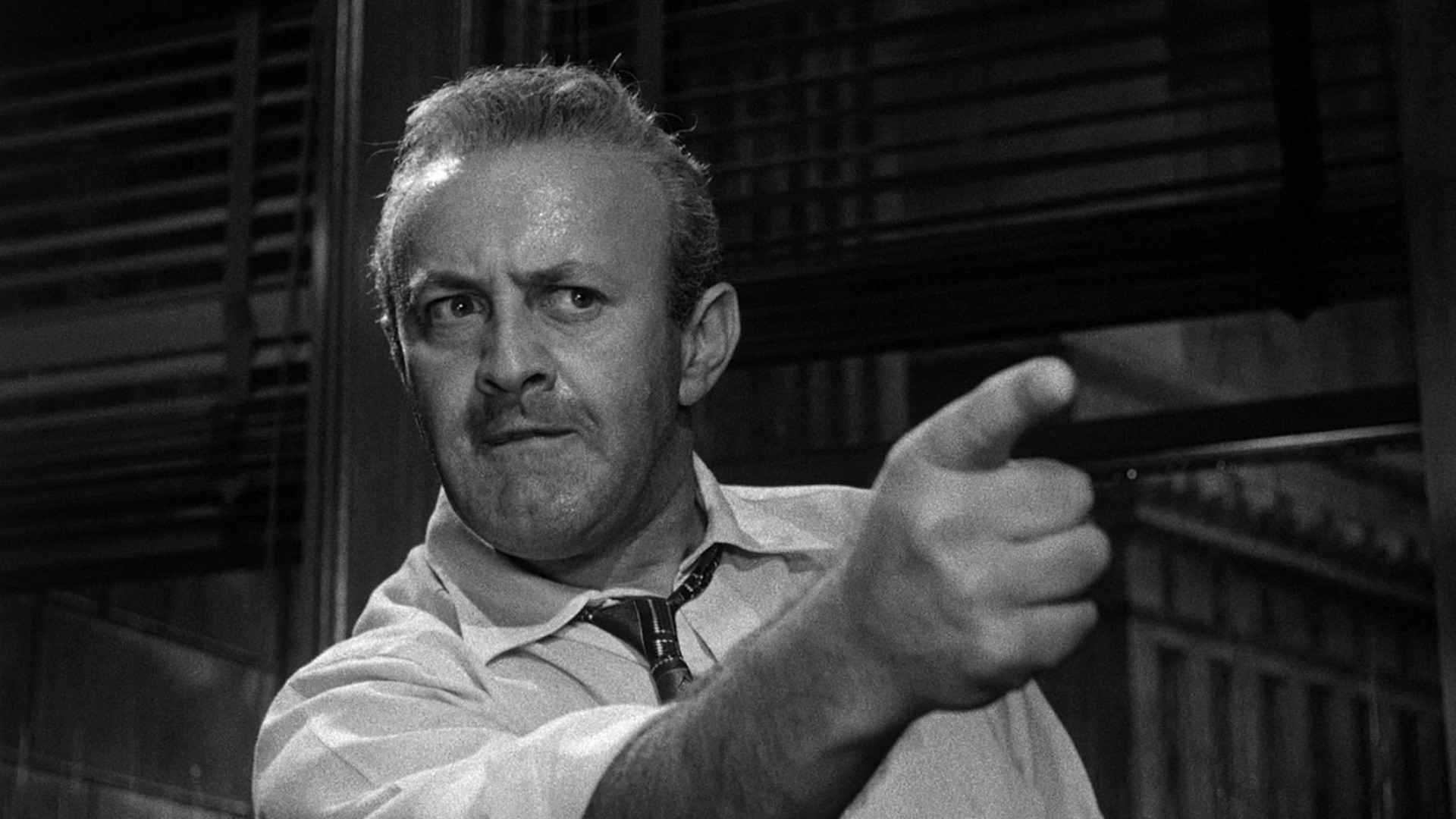
Lee J. Cobb gives the argument a force that makes Fonda’s patience look like hard work. E.G. Marshall is just as valuable for the impression of certainty he brings to the discussion. Ed Begley makes the film’s treatment of prejudice uncomfortable to watch, even within a cast this forceful. Lumet allows the differences between the actors to matter, so that a roomful of jurors never becomes a row of interchangeable speakers. We can follow the changing balance without needing everybody to announce what they represent.
Boris Kaufman’s cinematography makes the jury’s surroundings feel oppressively hot without making the geography difficult to follow. Lumet’s long takes allow us to watch several men sharing the space; the close-ups then make individual reactions harder to overlook. The camera keeps finding useful new ways to frame the men together, and the variety never looks like a director trying to distract us from the confined setting. For a film built around talk, it gives us plenty to watch.
Carl Lerner’s editing gives the exchanges a pace that lets us follow the reasoning without losing the strain of listening. That clarity matters, because we need to understand what is being disputed even when the men become angry. Kenyon Hopkins’s music is modest beside the voices. That balance suits a film so concerned with the damage people can do by speaking carelessly. At 97 minutes, it allows plenty of room for discussion without letting the pace slacken for long.
Rose does arrange some of the disagreements too helpfully. Motives occasionally return after we have understood them, and Fonda is sometimes so plainly the voice of good sense that the others seem assembled to provide errors for him to correct. The film belongs to a hopeful strain of legal drama, in which patient scrutiny can overcome an easy answer. We accept that hope here, though a little more difficulty in distinguishing the reasonable man from the unreasonable one would have helped. The actors make these arranged disagreements easier to accept.
No legal knowledge is needed to recognise the impatience, pride and reluctance to admit an error. Anyone who has endured a meeting will recognise some of the obstacles to getting a fair hearing. Watch it without interruptions; the small changes in attention are worth catching.