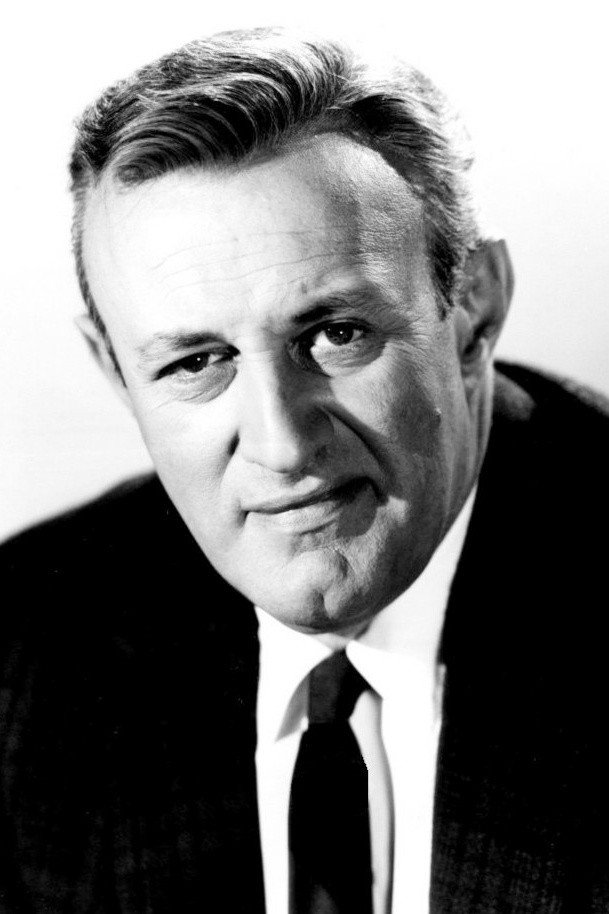
Lee J. Cobb makes bullying authority feel like something other people have had to live with for years. He can be broad, but we believe the effort it takes to stand up to him.
Fi1m perspective
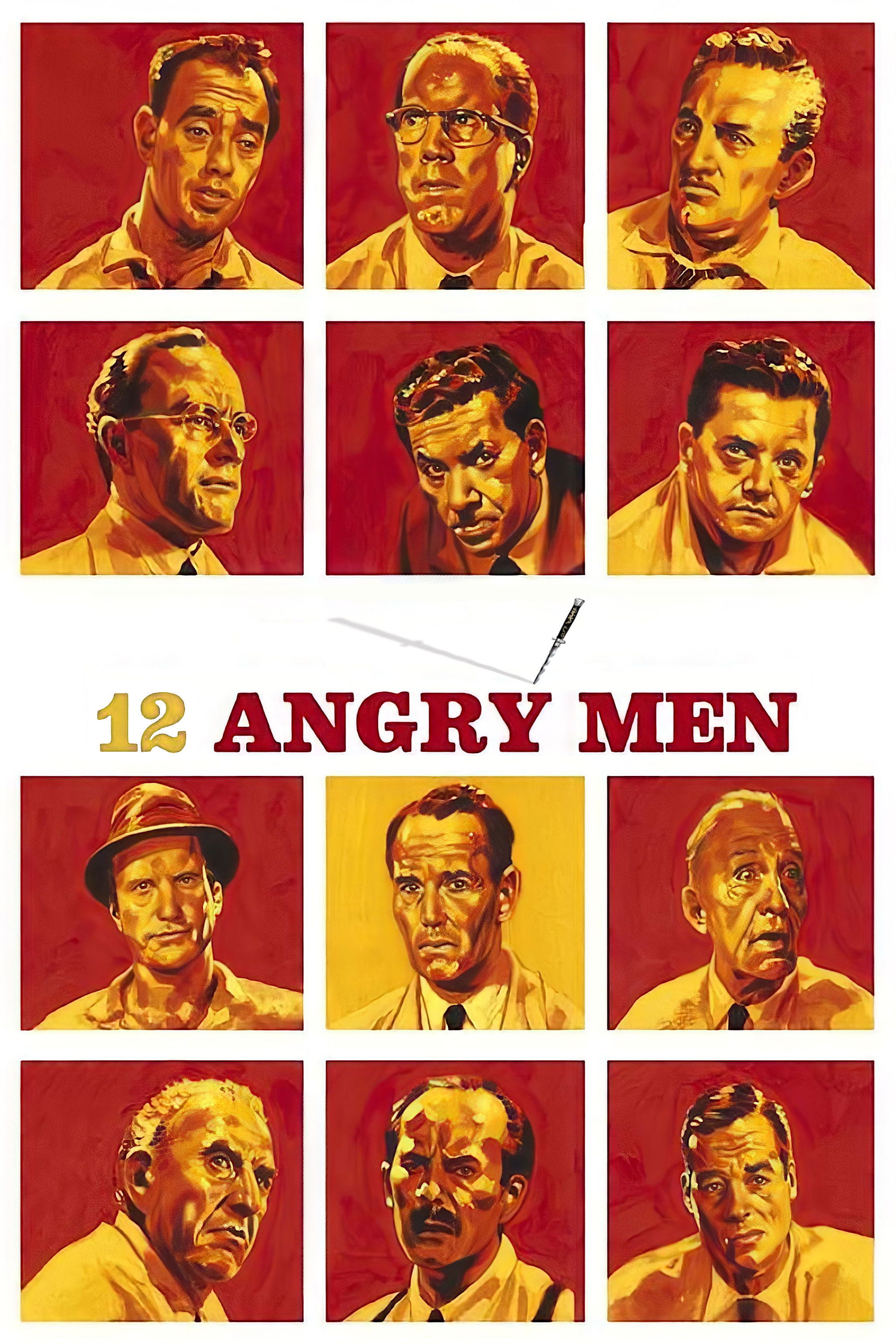
In 12 Angry Men (1957), Lee J. Cobb makes Henry Fonda’s patience look exhausting. His Juror 3 argues with enough force to make listening seem an unreasonable request, which is why the performance matters so much. We felt worn down by him, because Cobb makes each disagreement cost the other men another effort to remain civil. Sidney Lumet gives the jurors distinct ways of holding their ground rather than letting the loudest actor settle the scene.
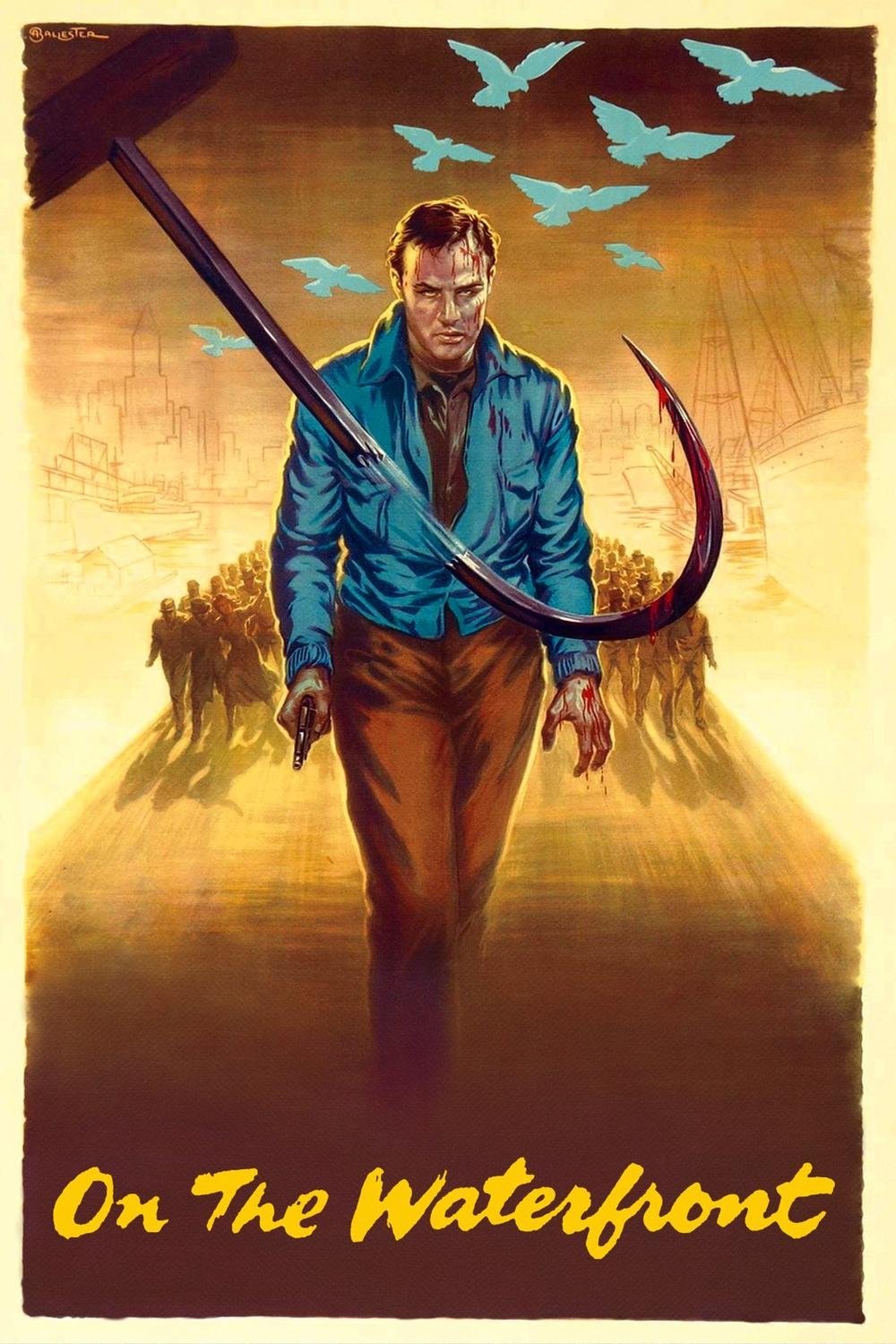
That force had already found a useful setting in Elia Kazan’s On the Waterfront (1954). As Johnny Friendly, the union boss, Cobb is broader than Marlon Brando, whose Terry struggles to get his words out. The difference works: Cobb makes the power Terry has grown accustomed to painfully credible. We have reservations about the film’s moral lecturing, but the acting needs little explanation; the difficulty of challenging this man is clear.
Before those films, Cobb had originated Willy Loman in Death of a Salesman (1949), directed by Kazan. The tormented man belongs in an account of his work alongside the bully. His physically imposing presence and reedy baritone made authority figures a natural fit, though later supporting parts risked repeating the abrasive manner. Johnny Friendly works because we can see what his bullying does to Terry.
Cobb benefits from partners who do not try to match his force. Fonda’s patience and E.G. Marshall’s certainty give 12 Angry Men several kinds of resistance, and Lumet lets each remain recognisable. Cobb can press hard without making the ensemble seem to exist solely for him to argue with. The writing sometimes arranges its disagreements too neatly; the actors are more individual than that.
The later work did not consist entirely of such confrontations. Cobb had a regular television role in The Virginian (1962–66), while The Exorcist (1973) gave him the sympathetic detective Lieutenant Kinderman. His more restrained authority there makes a useful next stop for anyone who knows only the belligerence. Start with 12 Angry Men, though, and notice how hard he makes everyone else work.
Biography
Lee J. Cobb was an American actor. Born Leo Jacoby on 8 December 1911 in New York City, he studied at New York University and made his film debut in The Vanishing Shadow (1934). He performed with the Group Theatre in New York and originated the role of Willy Loman in the original 1949 Broadway production of Arthur Miller's Death of a Salesman, directed by Elia Kazan. He served in the First Motion Picture Unit of the US Army Air Force during World War II.
Cobb played Johnny Friendly in On the Waterfront (1954), for which he received an Academy Award nomination for Best Supporting Actor, and Juror 3 in 12 Angry Men (1957). He was accused of being a Communist in 1951 testimony before the House Un-American Activities Committee and testified in 1953, naming former members of the Communist Party USA. His other film roles include those in The Exorcist (1973) and How the West Was Won (1962). On television he co-starred in the first four seasons of the series The Virginian. He died on 11 February 1976 in Woodland Hills, California.