William Friedkin’s horror film is frightening because Ellen Burstyn makes a mother’s helplessness so hard to bear. Some shocks are overworked, but we recommend it strongly for the acting and the sustained unease.
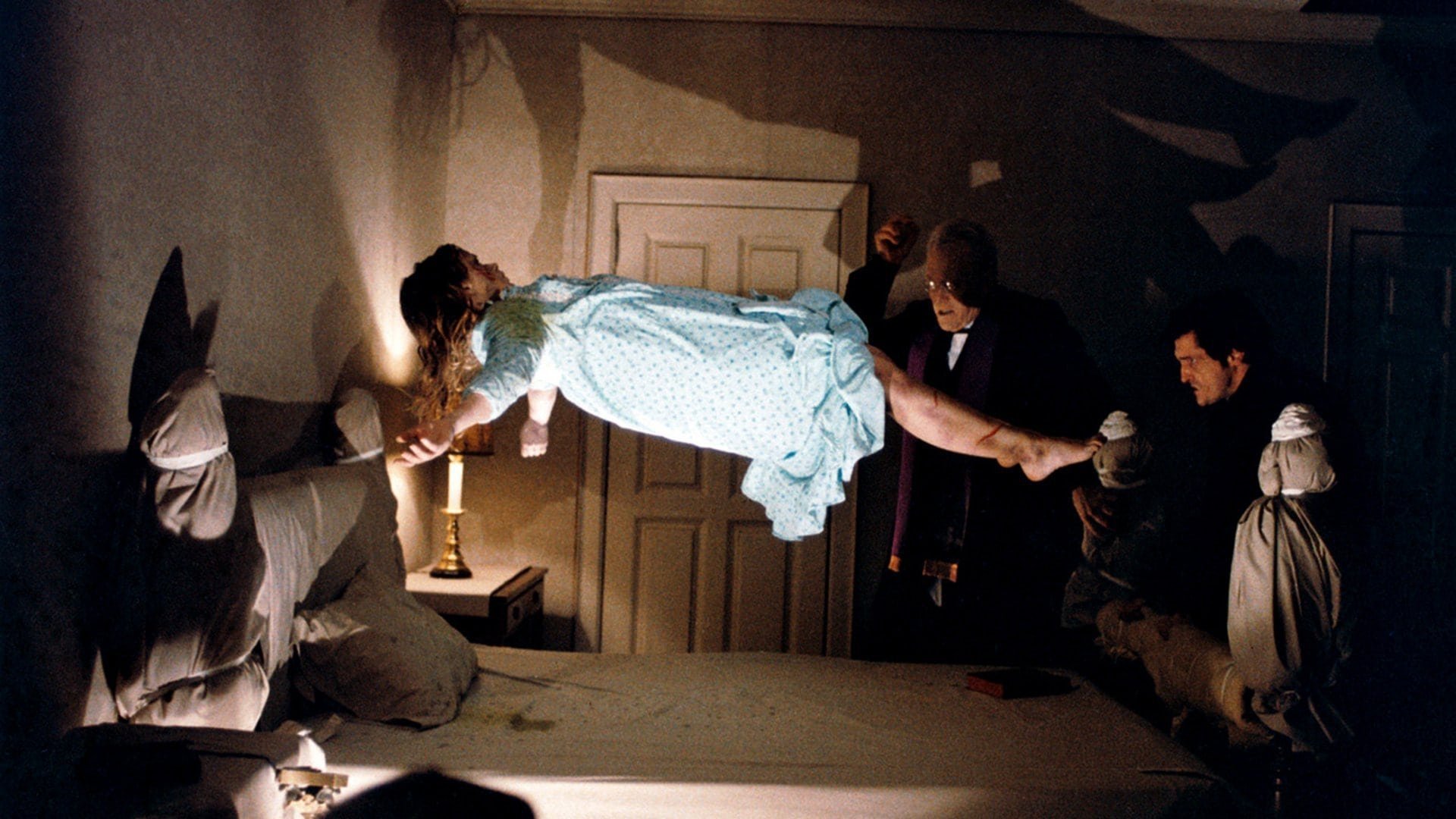
William Friedkin makes The Exorcist frightening by taking the people in it seriously before asking us to accept what happens to them. It is an exceptional horror film, though its determination to upset us sometimes makes the shocks feel overworked. William Peter Blatty, adapting his own novel, builds the terror around a mother who cannot protect her daughter and the possibility that religion might offer help. Friedkin gives that helplessness the attention a family drama would, allowing the performances to establish what the extreme imagery could otherwise obscure.
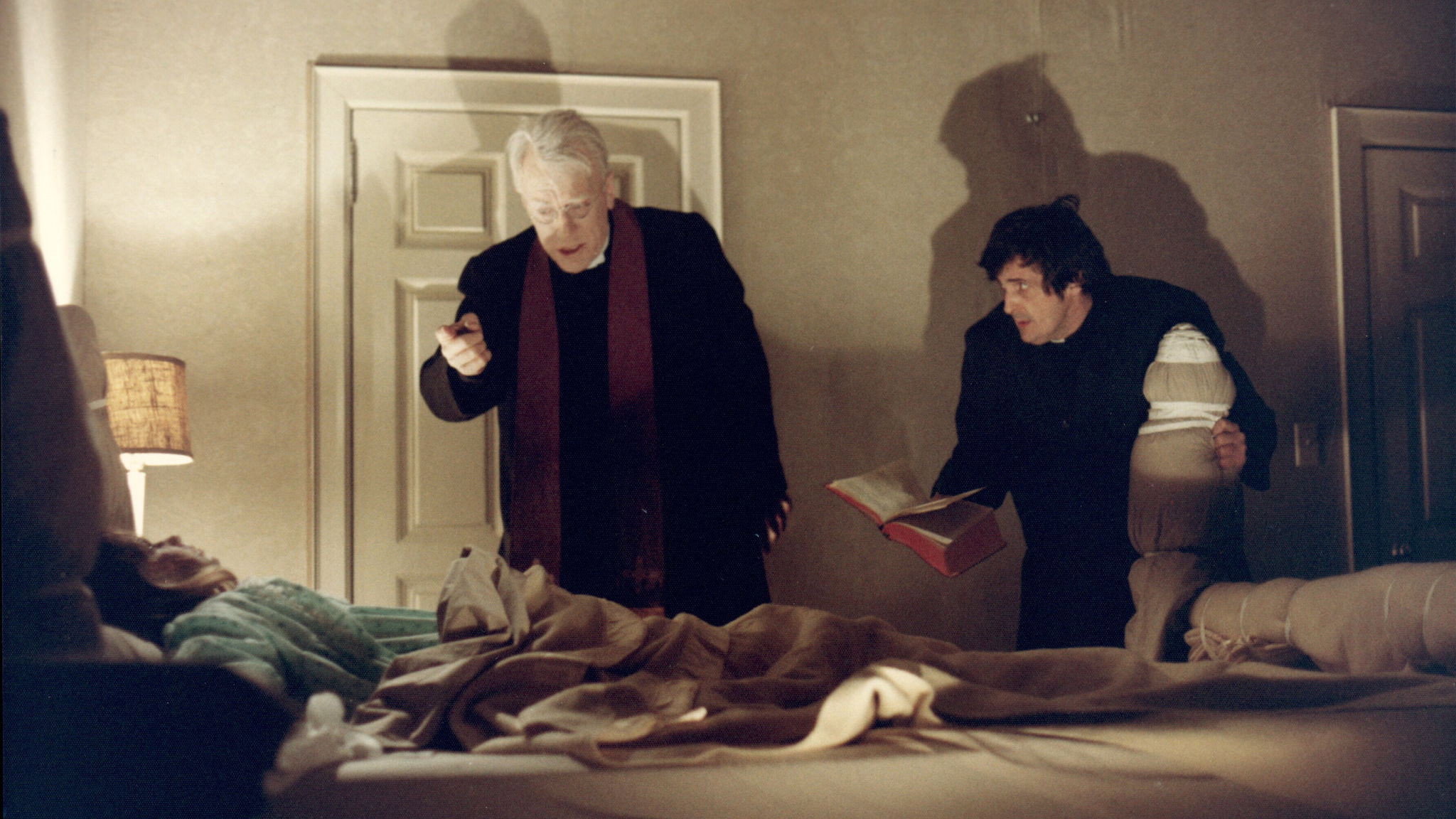
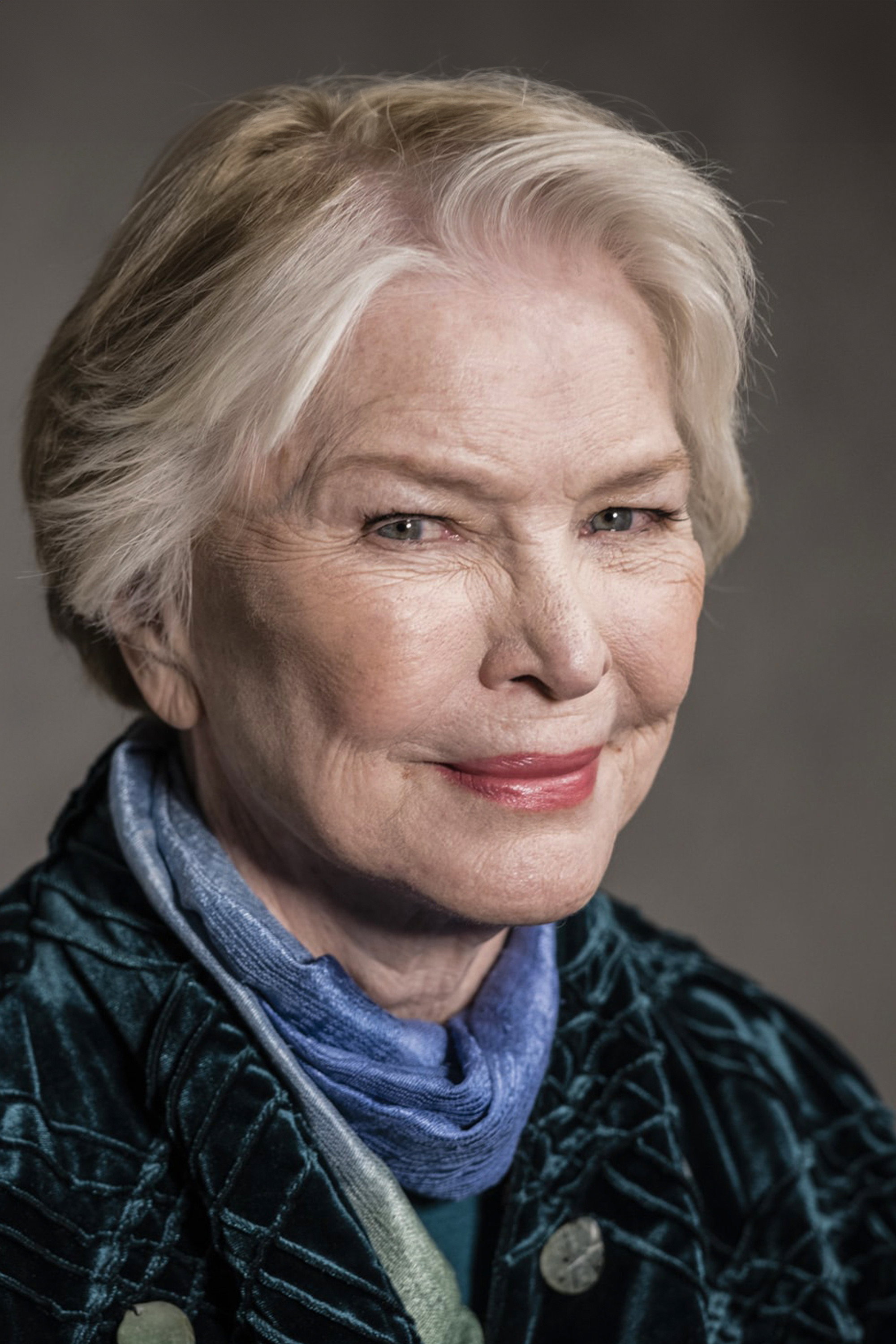
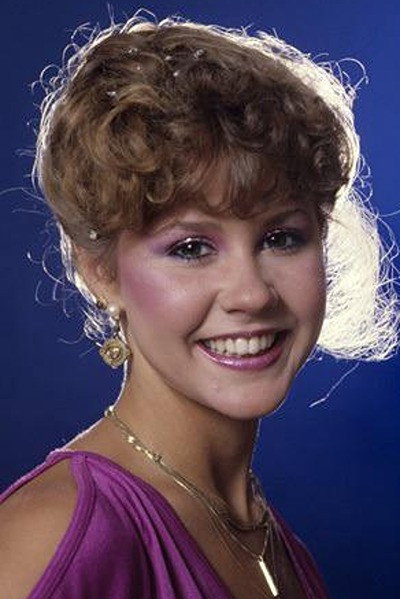
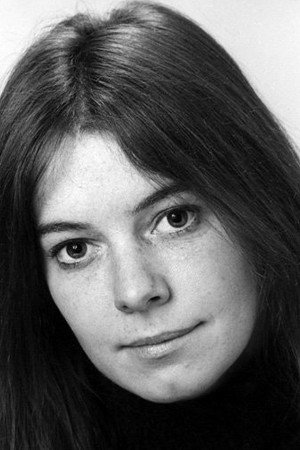
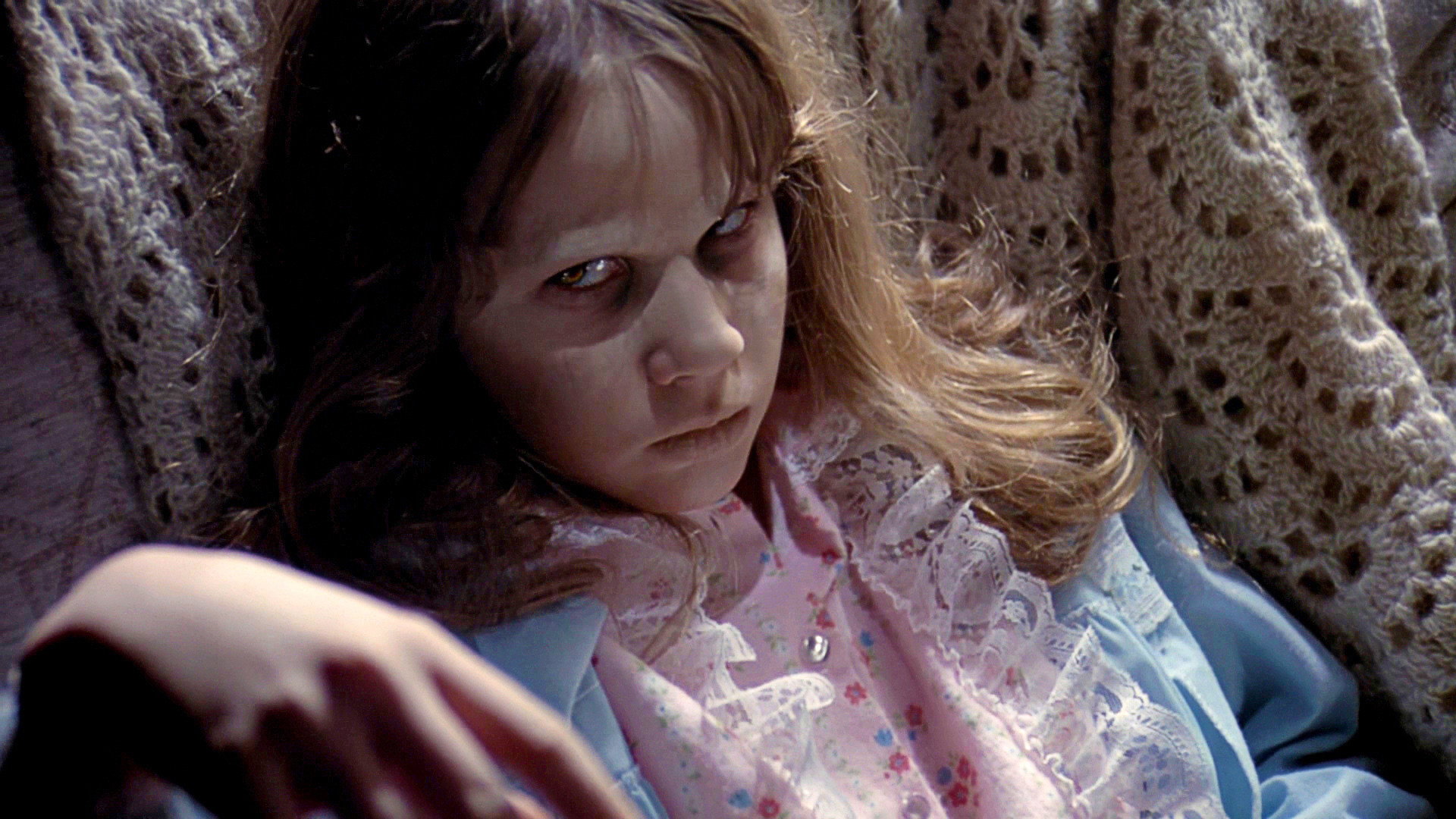
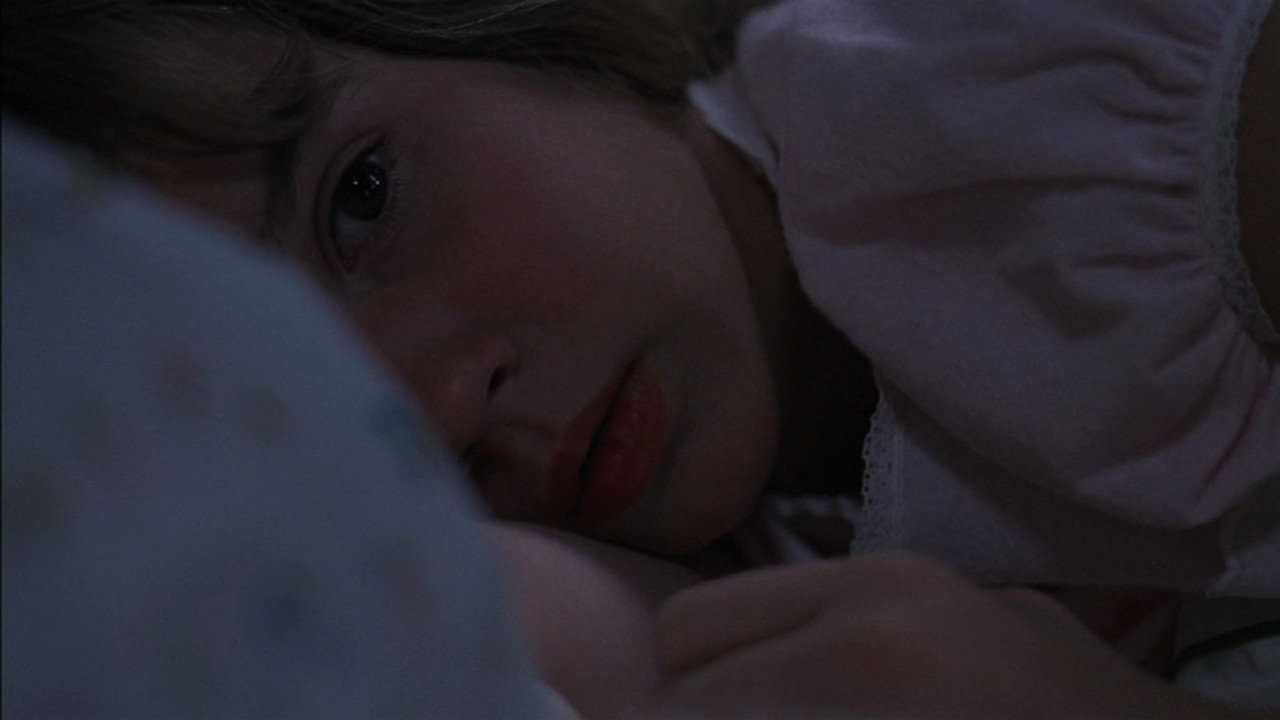
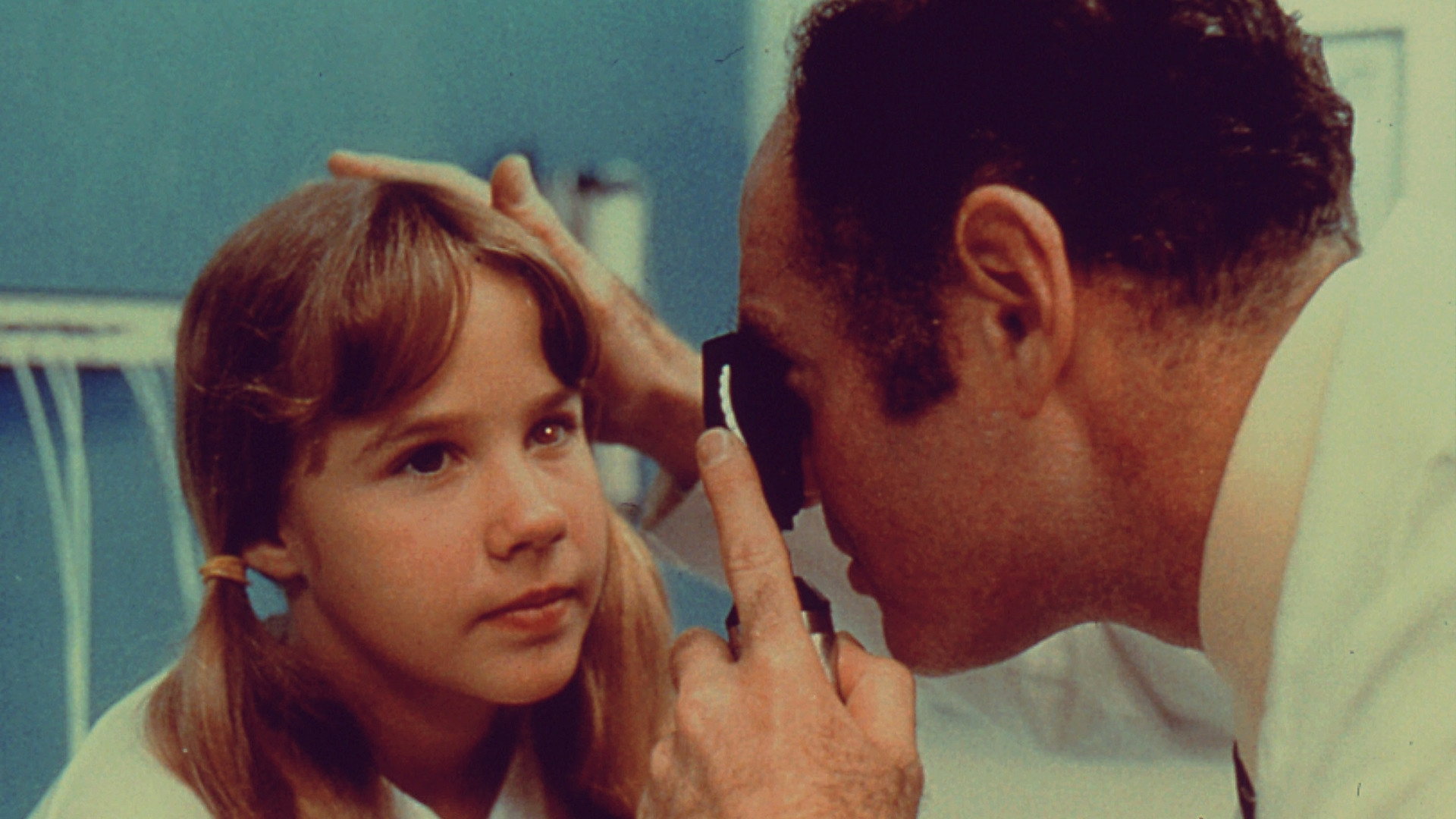
That begins with Ellen Burstyn’s Chris MacNeil, whose distress never feels like a convenient instruction to the audience. Burstyn makes the need to find help urgent enough that arguments about what we personally believe become secondary. We were frightened by her helplessness: there is a child in trouble, and the adult responsible for her cannot make it stop. Linda Blair’s Regan matters as that child, with the performance keeping a person before us when the effects threaten to become the main attraction.
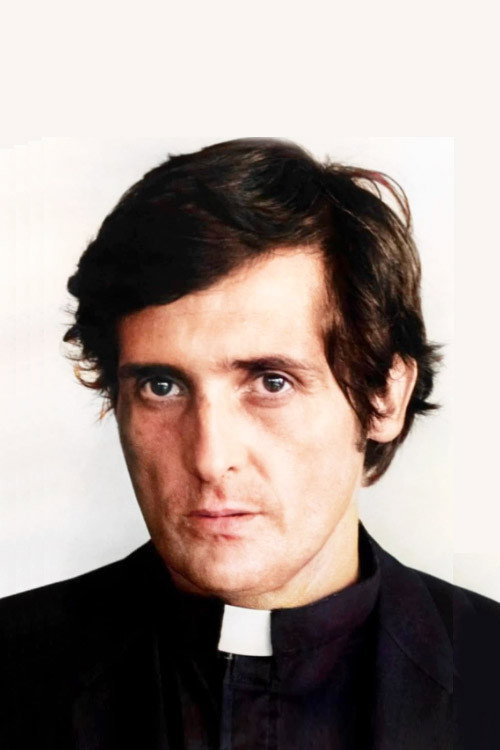
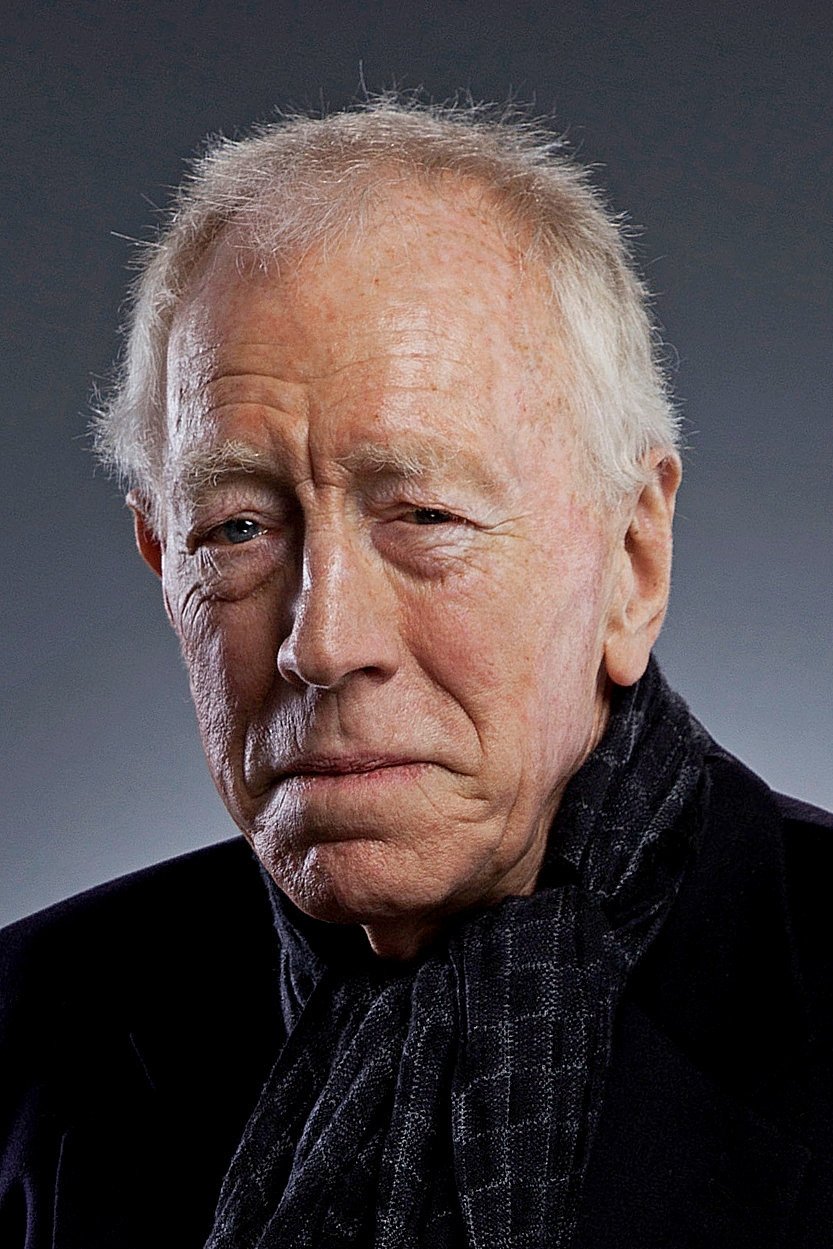
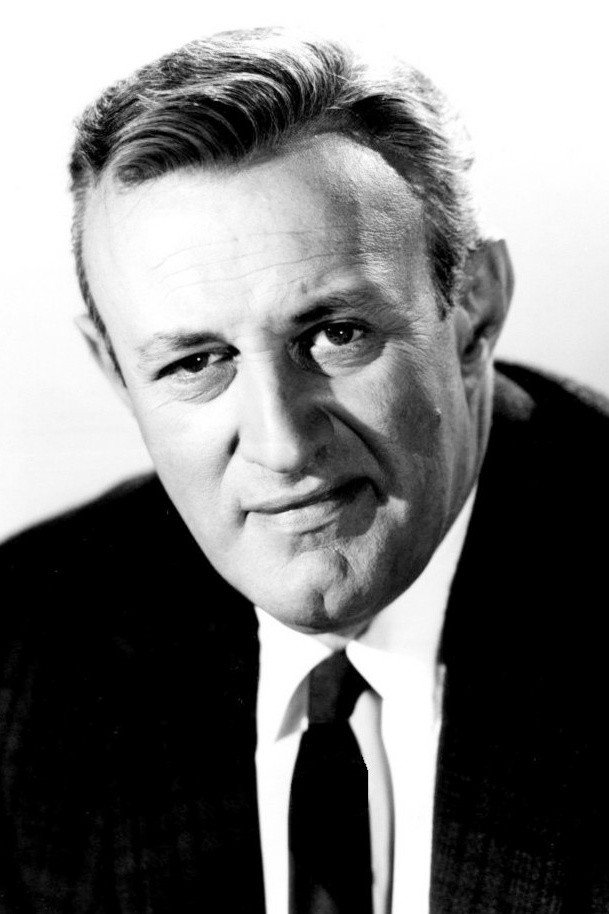
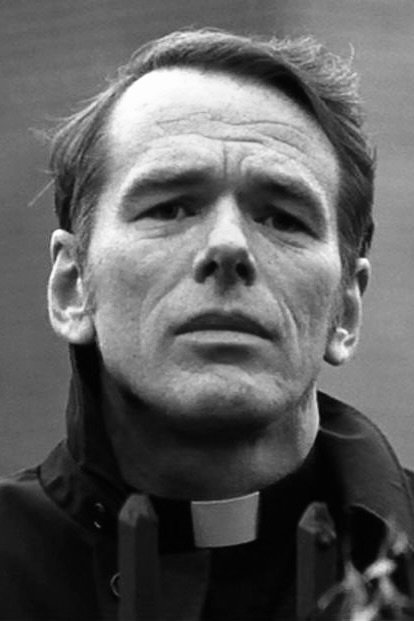
Jason Miller gives Father Damien Karras a seriousness that makes the questions of faith worth listening to, even for viewers with no interest in religious answers. He suggests the strain involved in being someone from whom others expect reassurance. Von Sydow, as Father Lankester Merrin, brings enough authority to keep the religious material from becoming merely decorative. These performances are crucial to a film whose premise is easy to dismiss when reduced to a plot description.
Owen Roizman’s cinematography treats the domestic setting plainly, letting familiar surroundings remain familiar even as the behaviour within them becomes intolerable. Bill Malley’s production design supports that choice: the house feels habitable, which gives the horror somewhere credible to happen. We are allowed to recognise an ordinary home before being asked to fear it. The lack of fuss in the surroundings also leaves us looking at the actors, where Friedkin needs our attention.
Editors Evan A. Lottman, Norman Gay and Bud S. Smith give the ordinary passages room, so the film has something to disrupt when the shocks arrive. At 122 minutes, it requires a willingness to spend time with the people as well as endure what frightens them. Jack Nitzsche’s music adds unease without making every moment sound equally threatening. The quieter stretches matter because the harsher ones would become exhausting without them.
The reservation is Friedkin’s occasional insistence on pushing the grotesque beyond the point where it has done its work. Some effects draw attention to the ingenuity required to produce them, briefly distracting us from the suffering they are supposed to convey. We can understand finding these passages ridiculous; the film takes a risk each time it asks us to accept another outrage. Yet the performances keep bringing us back to the distress of people who have run out of ordinary ways to help.
For anyone sceptical about religious horror, concern for this child provides a way into the film. There is no need to resolve the theological questions before responding to that. Give it your attention rather than waiting for the next shock. The acting makes that a considerably less comfortable evening.