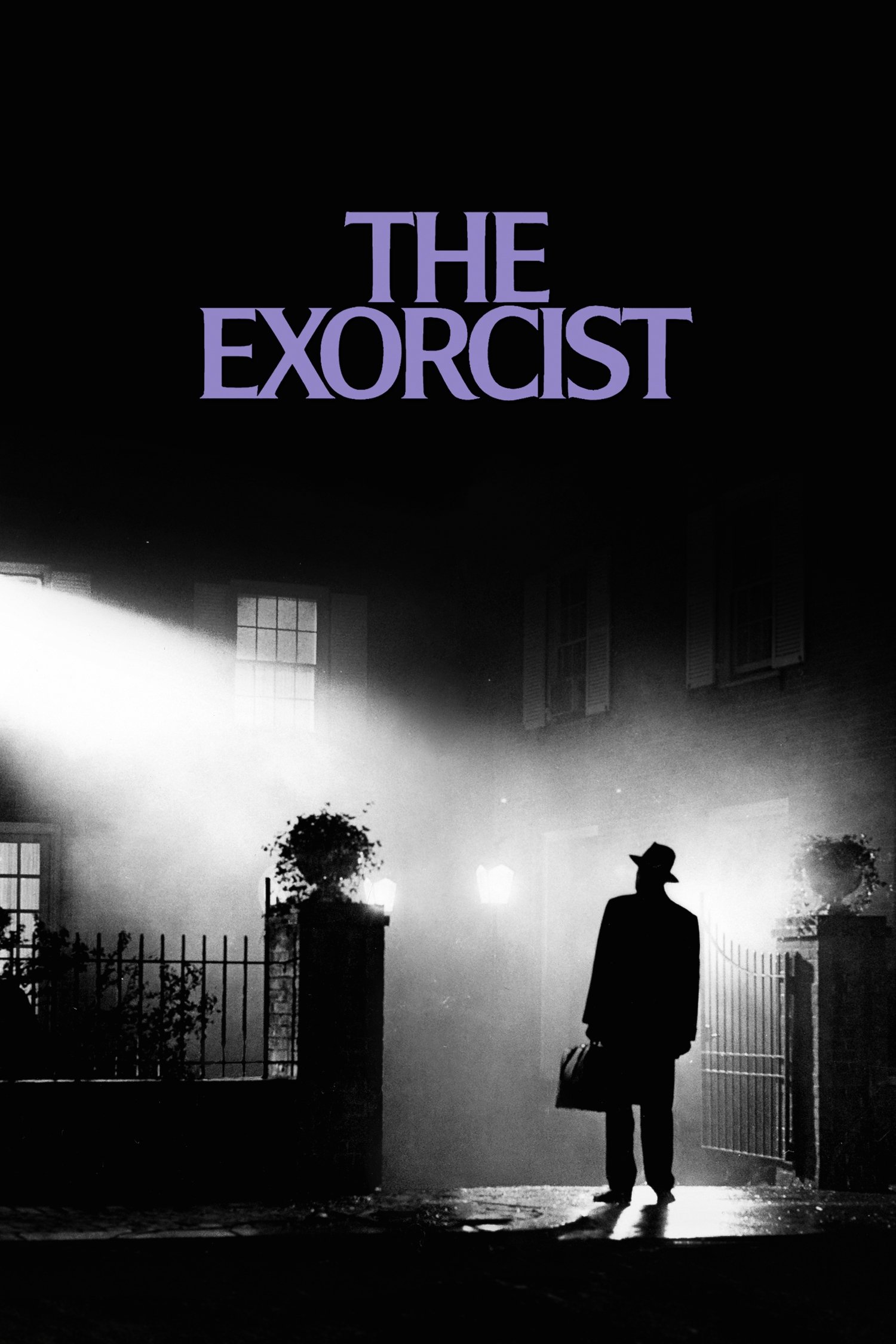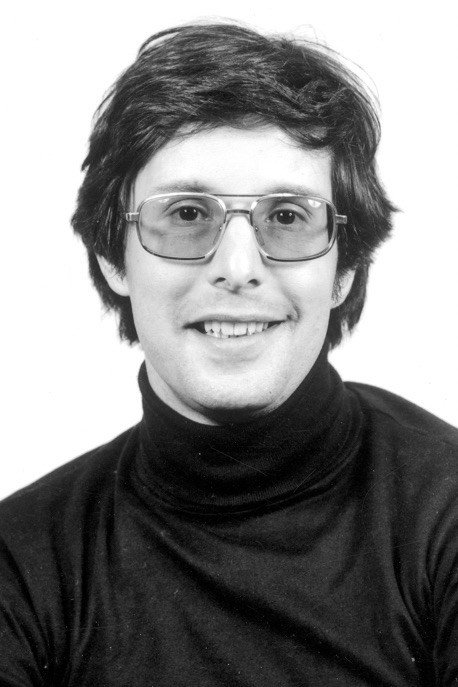
William Friedkin makes fear convincing by giving it recognisable places and people we believe in. We rate him highly, especially when he trusts the actors; his determination to shock can sometimes distract from their suffering.
Fi1m perspective
In The Exorcist (1973), a mother cannot help her daughter, and the house around them remains an ordinary home. William Friedkin allows the actors to make us afraid for the family, rather than relying on the grotesque imagery to do everything. We found Ellen Burstyn’s distress hard to bear because she makes a mother’s inability to protect her child painfully credible. This is the Friedkin we rate most highly: a director who gives people in a horror film the attention they would receive in a family drama.
The documentary habits matter. Friedkin favoured hand-held photography, real locations and sound recorded on the spot, all of which helped events feel immediate. The French Connection (1971) established his reputation for gritty police thrillers and forceful action. The chase offers an obvious way into his work, but we would begin with the slower accumulation of fear in The Exorcist.
Owen Roizman’s cinematography keeps its domestic surroundings plain, and Bill Malley’s production design makes the house seem habitable. Neither gives us permission to dismiss it as a place built solely for horrors to happen in. William Peter Blatty’s adaptation of his own novel supplies the possibility of religious help when a mother has exhausted the ordinary kind. Friedkin keeps our attention on the performances, so that the question of what might help remains urgent.
He does sometimes push too hard. In The Exorcist, effects can become so elaborate that we start noticing how they were achieved, briefly losing sight of the distress. The reviews of his subsequent films were less consistent, with Sorcerer (1977) later finding more sympathetic attention. To Live and Die in L.A. (1985) gave him another car chase through which to exercise his skill at building tension.
The late turn to Tracy Letts’s plays brought Bug (2006) and Killer Joe (2011). Their claustrophobic settings and strong ensembles suited his appetite for psychological distress. Try those after The Exorcist, on a night when being made uncomfortable is part of the attraction.
Biography
William Friedkin was an American film, television and opera director, producer and screenwriter. Born in Chicago, he began his career directing documentaries and live television in the early 1960s before moving to feature films.
He is best known for the crime thriller The French Connection (1971), which won five Academy Awards including Best Picture and Best Director, and the horror film The Exorcist (1973), for which he received a further Academy Award nomination for Best Director. Other notable works include Sorcerer (1977), Cruising (1980), To Live and Die in L.A. (1985), Bug (2006) and Killer Joe (2011). His final feature, The Caine Mutiny Court-Martial (2023), was released after his death.
Friedkin directed operas from 1998 onwards and episodes of television series including CSI: Crime Scene Investigation.