William Friedkin turns street surveillance into a gripping thriller, with Gene Hackman making Doyle’s obsession frighteningly plausible. We recommend it, with reservations about how readily the excitement lets his brutality pass.
William Friedkin makes the work of watching people tense enough to carry The French Connection. The narcotics case gives Jimmy “Popeye” Doyle something to pursue, but the film is just as interested in how much the policeman needs the pursuit. Gene Hackman makes that need disturbing without making it difficult to understand. This is a gripping police thriller, with a serious reservation about how readily its excitement can excuse the man supplying it.
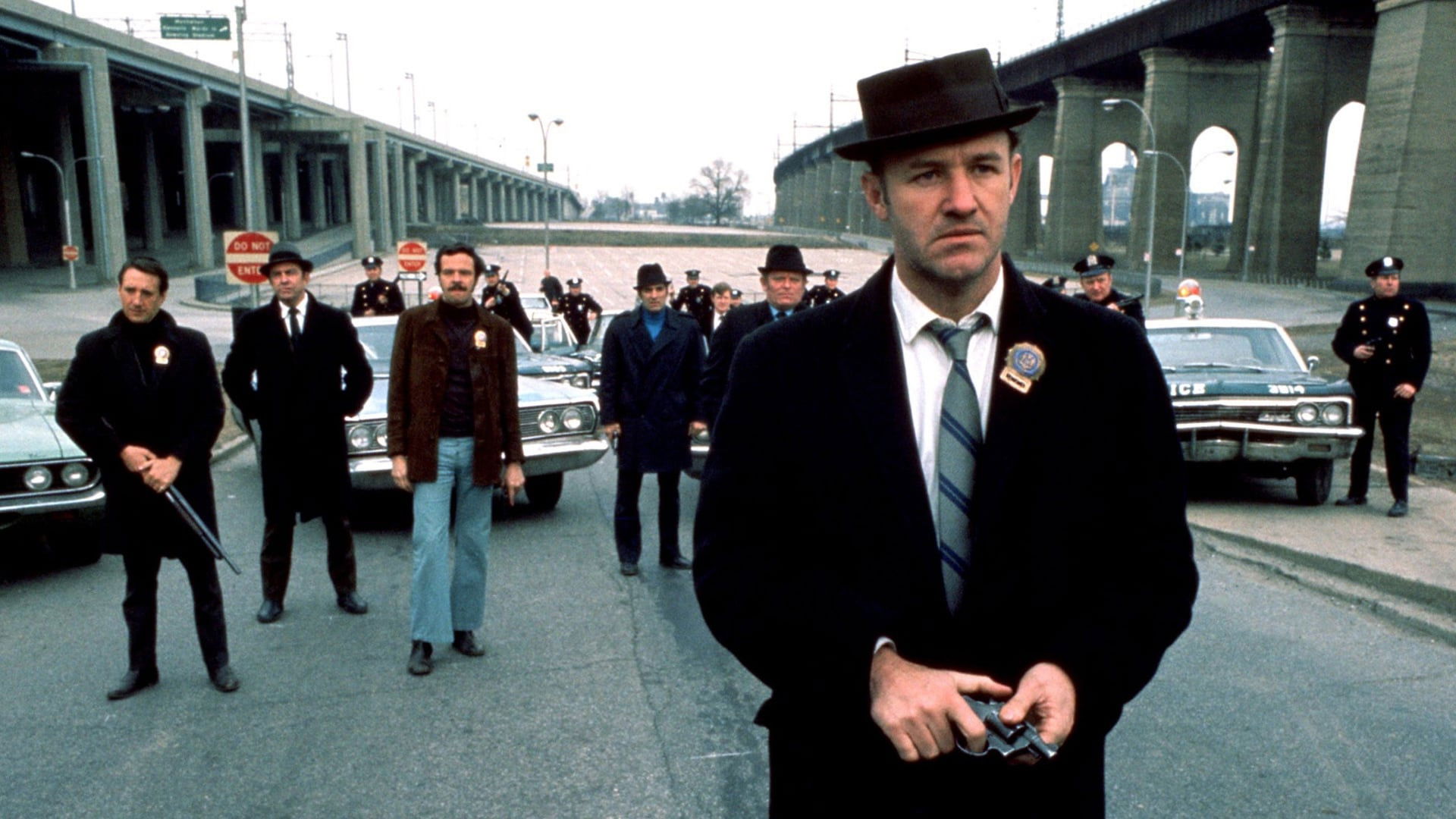
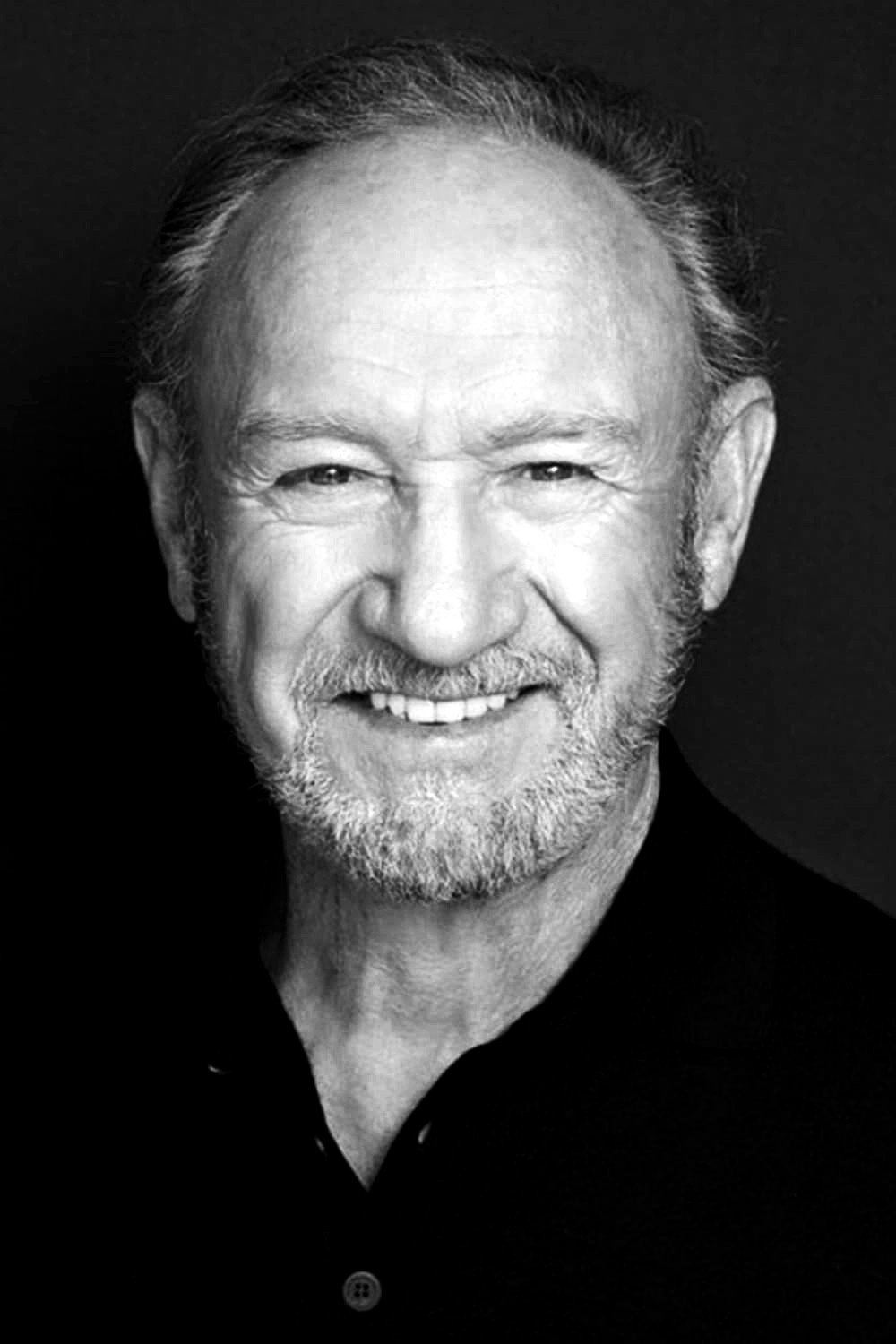
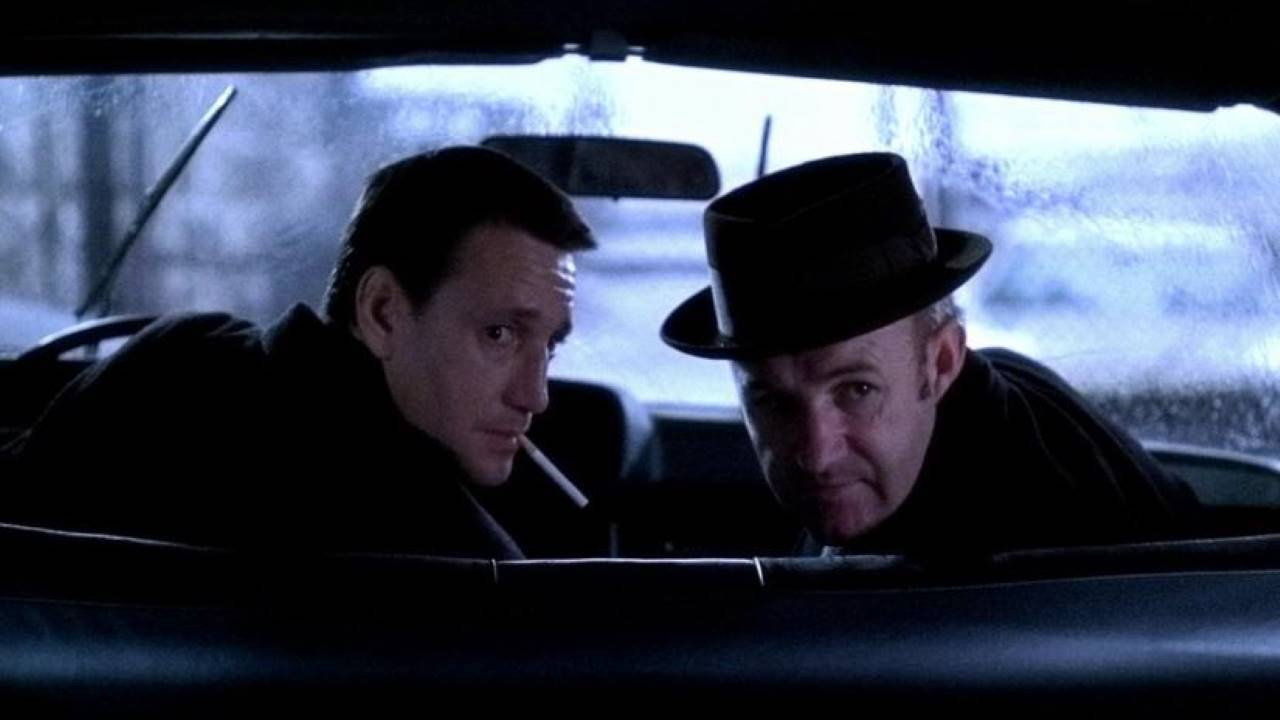
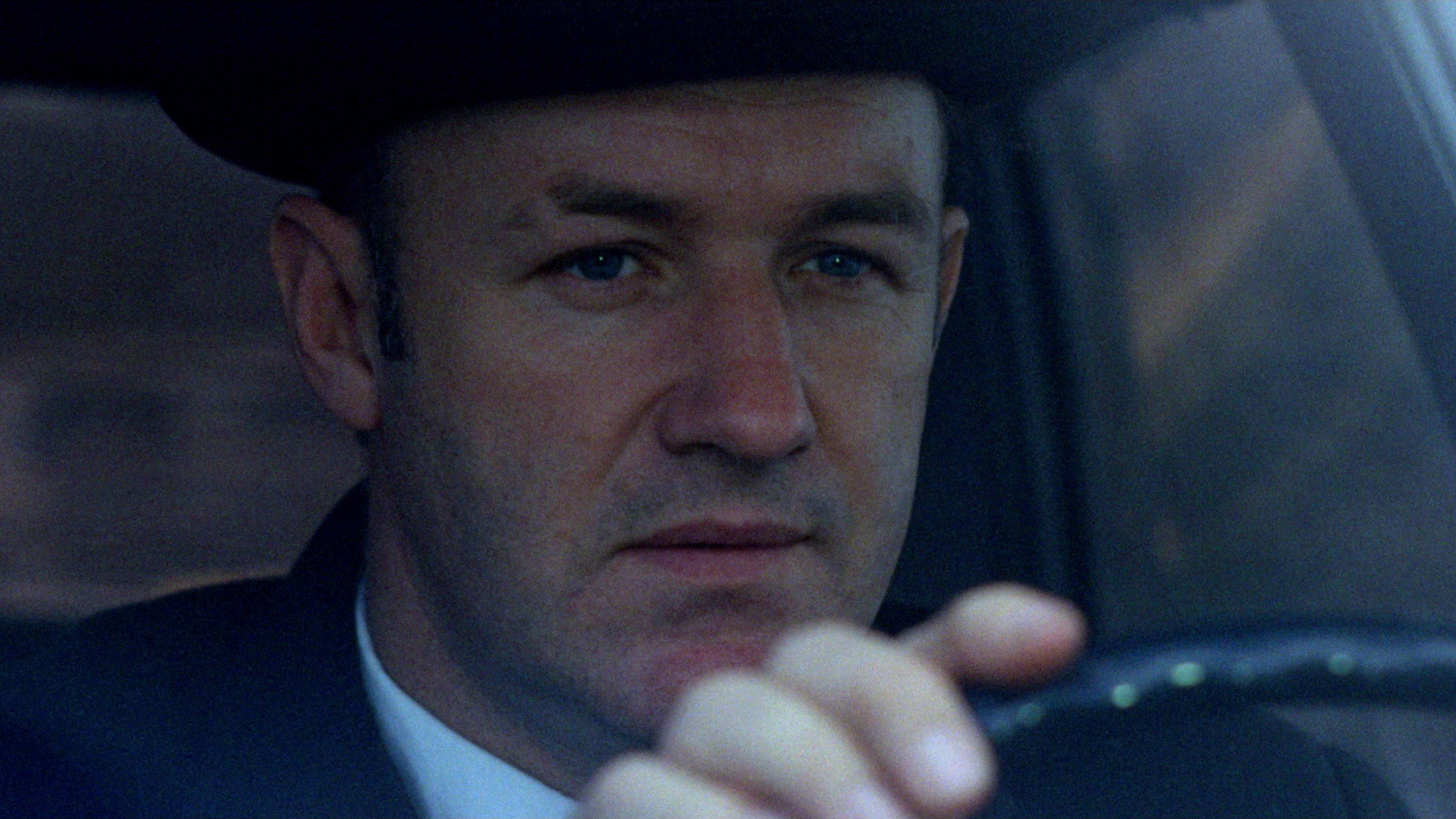
Gene Hackman gives Doyle a stubbornness that can pass for professional commitment until it starts to look alarming. There is little invitation to enjoy his company, but his concentration keeps us watching him, which is an uncomfortable position for a police thriller to put us in. We felt uneasy during the street surveillance, because he makes the simple act of following a suspect feel aggressive. A more agreeable performance would make these stretches much less tense.
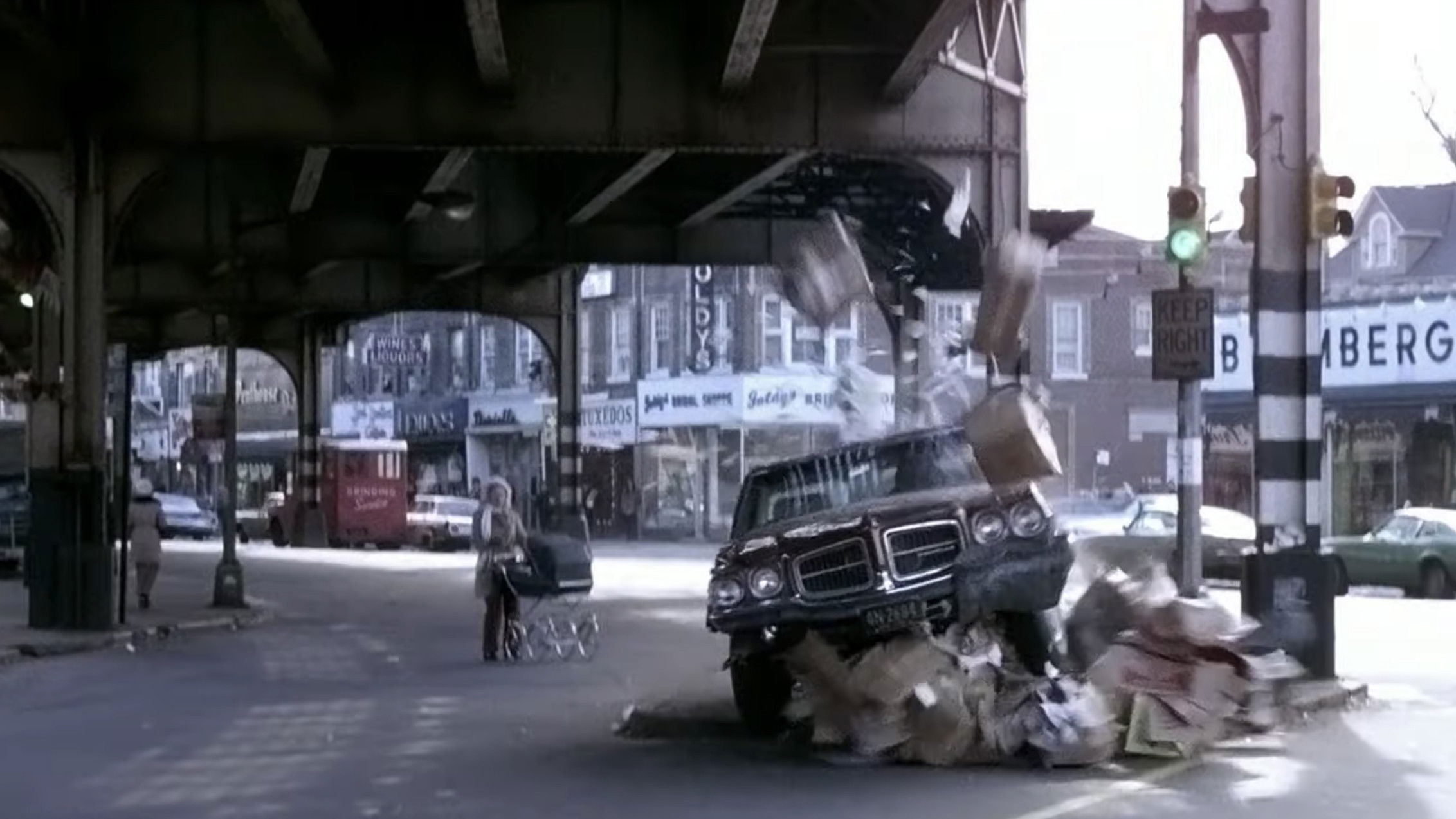
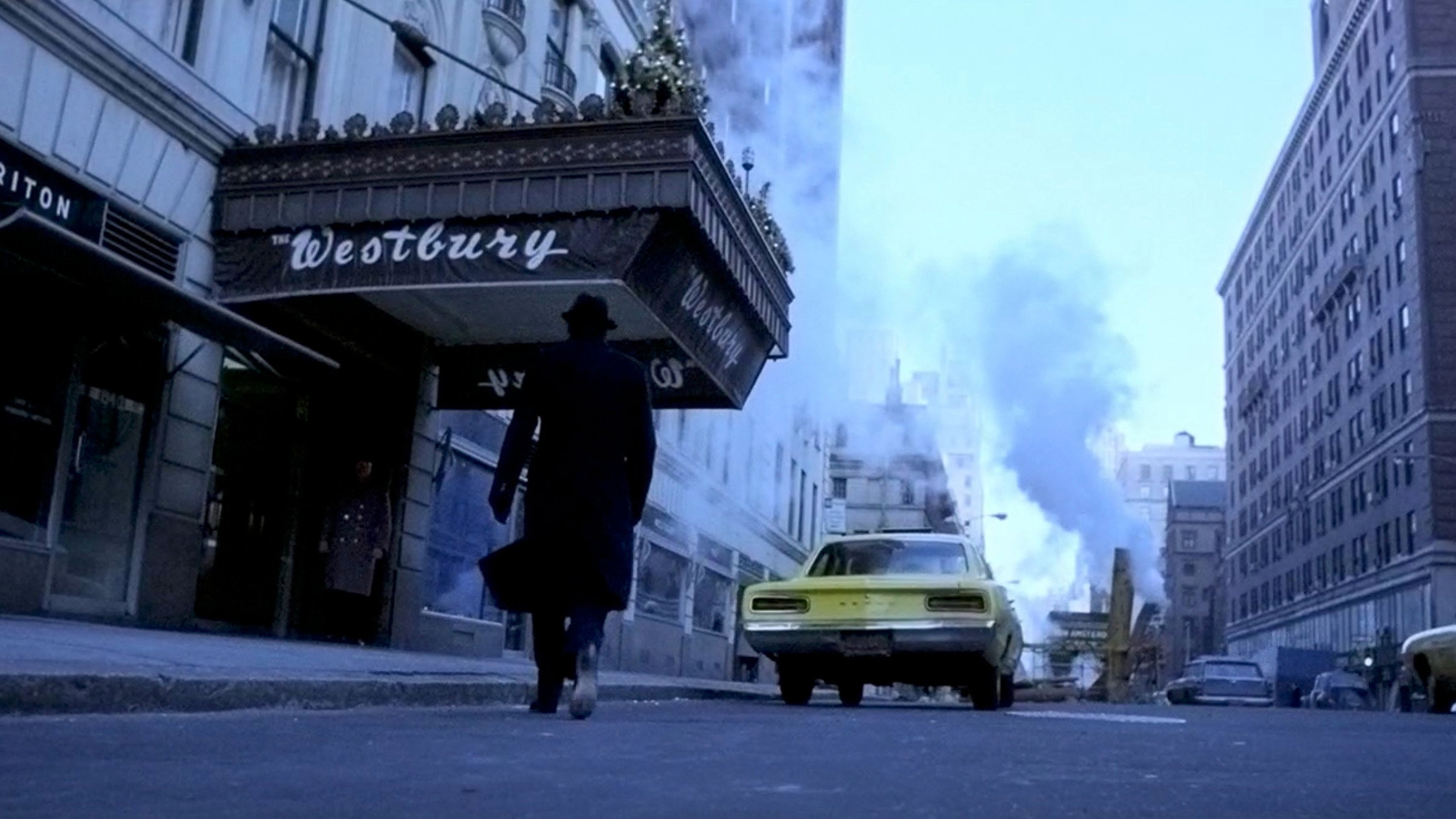
Owen Roizman’s cinematography gives New York the untidiness of a place where police work happens among other business. The documentary manner makes the streets feel indifferent to Doyle, and that helps: nobody appears to have cleared a space for the leading man. It is a persuasive setting for someone whose attention has narrowed to the people he is following. The urban decay needs little explanation, and the pictures make his aggression seem disturbingly at home there.
Gerald B. Greenberg’s editing earns the chase by taking the surveillance seriously. Waiting is allowed to become tense, so the violence feels connected to the police work that precedes it. Once the car chase is under way, the cutting keeps the pursuit urgent without letting sheer speed become the only thing worth noticing. Don Ellis’s score sounds impatient, which suits Doyle, though the film hardly needs musical encouragement when watching this man persist is already so unsettling.
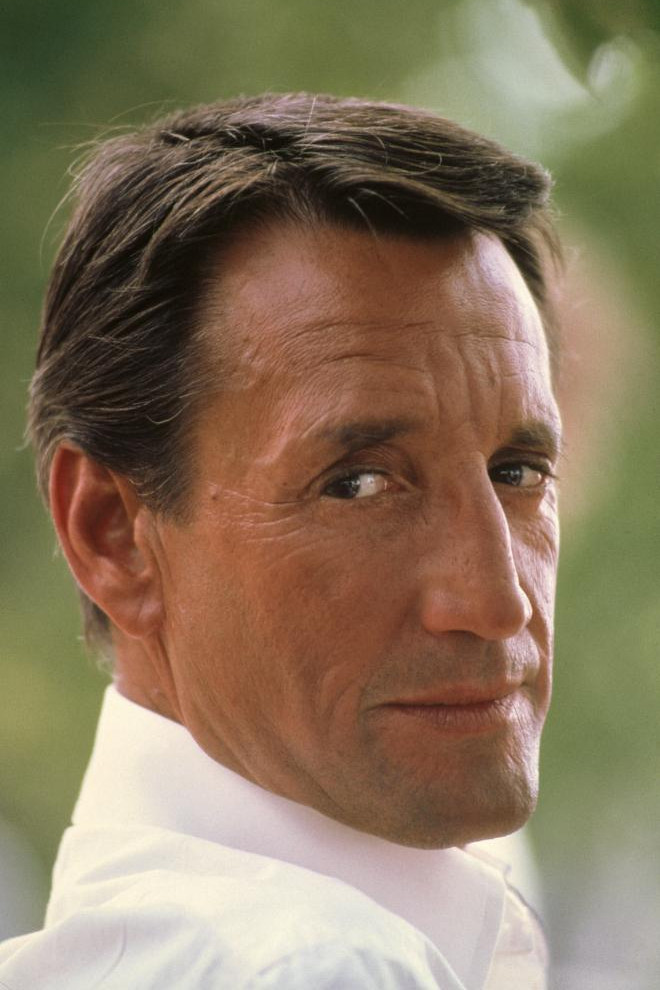
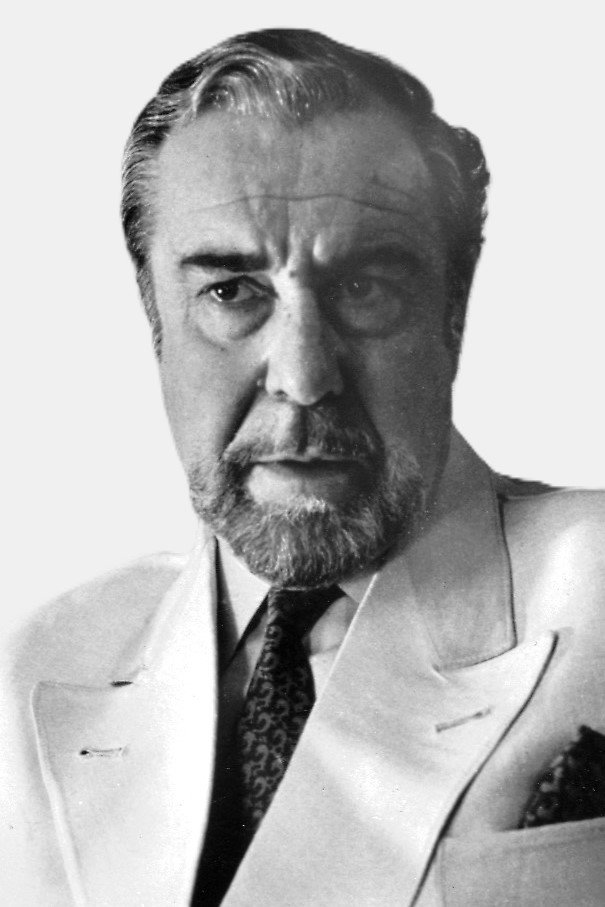
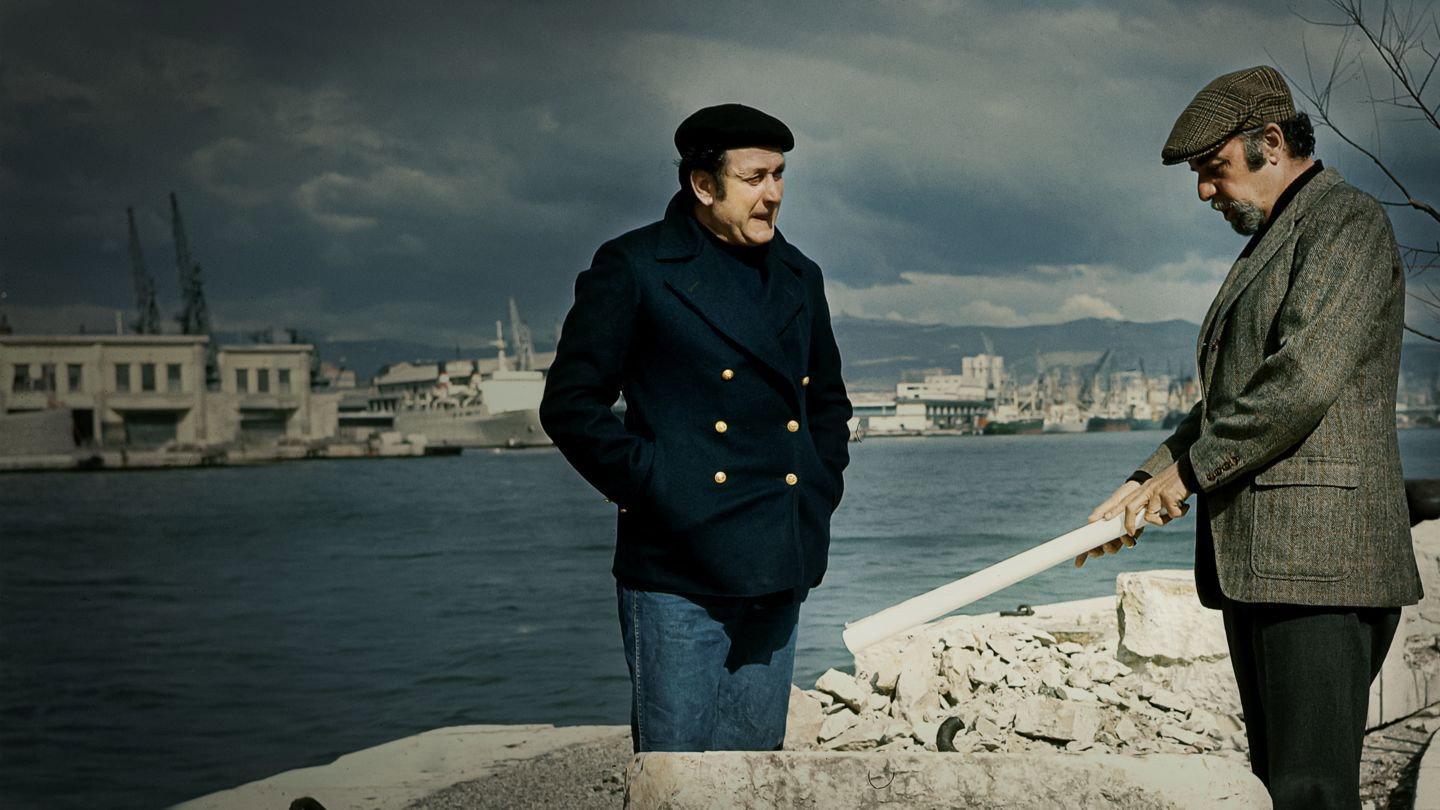
Ernest Tidyman’s screenplay is strongest when it allows the investigation to reveal Doyle, leaving Gene Hackman to supply the psychology. The repetitive work gives his persistence somewhere to become troubling, and the case remains clear enough to sustain the pursuit without explaining every motive. Roy Scheider and Fernando Rey provide useful contrasts to his force; their performances give us a welcome break from Doyle’s intensity. At 104 minutes, the film has time for the work without making patience feel like an obligation.
The reservation is the treatment of police brutality. Doyle’s unpleasantness is clear, but the film is less consistent about questioning the authority that allows him to act on it. That is where we part company with the more generous readings of its moral ambiguity: the thrill of staying with him can crowd out scrutiny of what he does. His roughness belongs in the film; the occasional suggestion that it demonstrates his fitness for the job is harder to defend.
For a police thriller, it places an unusual amount of trust in our willingness to watch people work. That patience makes the action more forceful, and it keeps us interested without depending on the chase alone. The reservation matters most if the appeal of a brutal detective has already worn thin. Watch it for Gene Hackman, and keep some distance from Doyle.