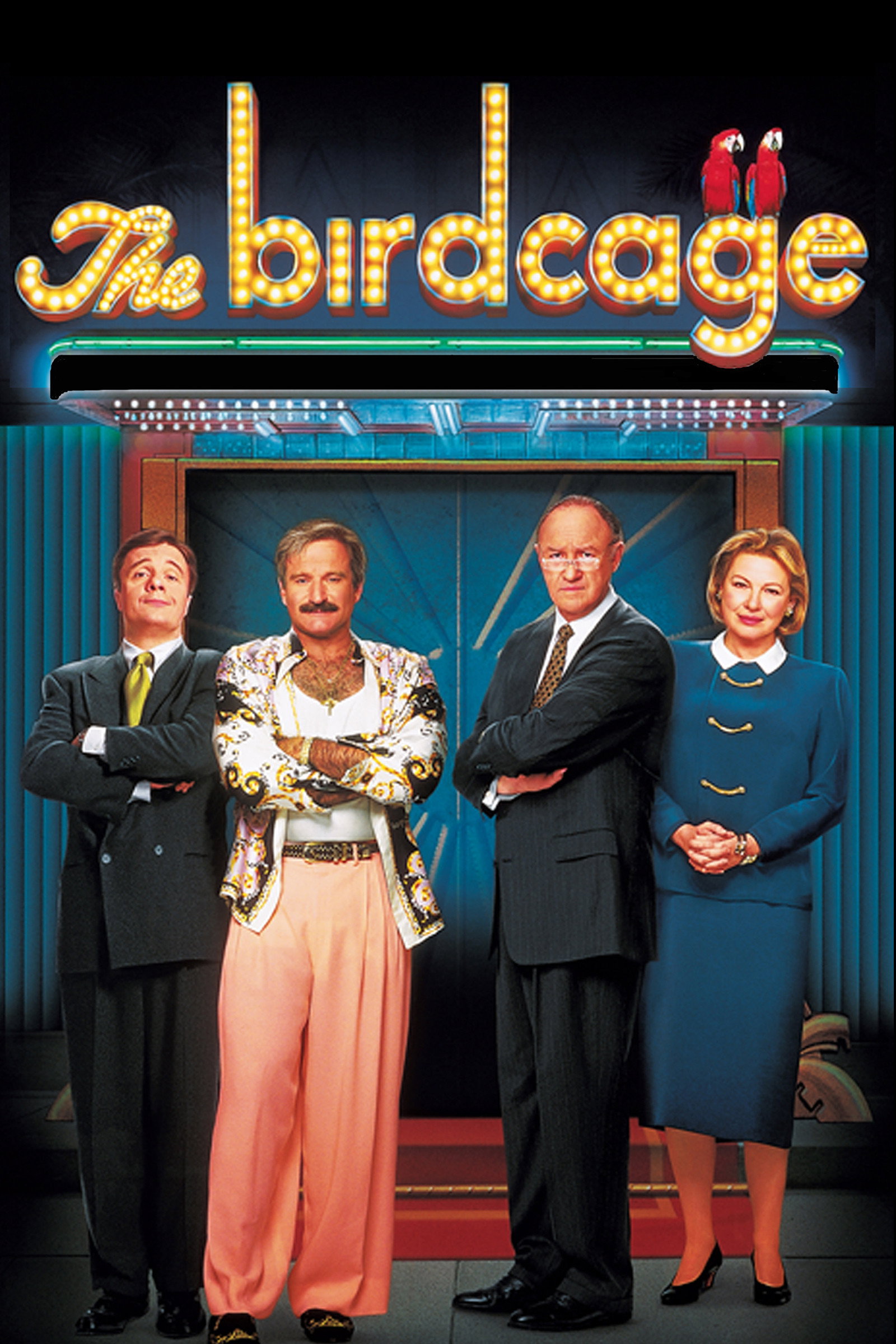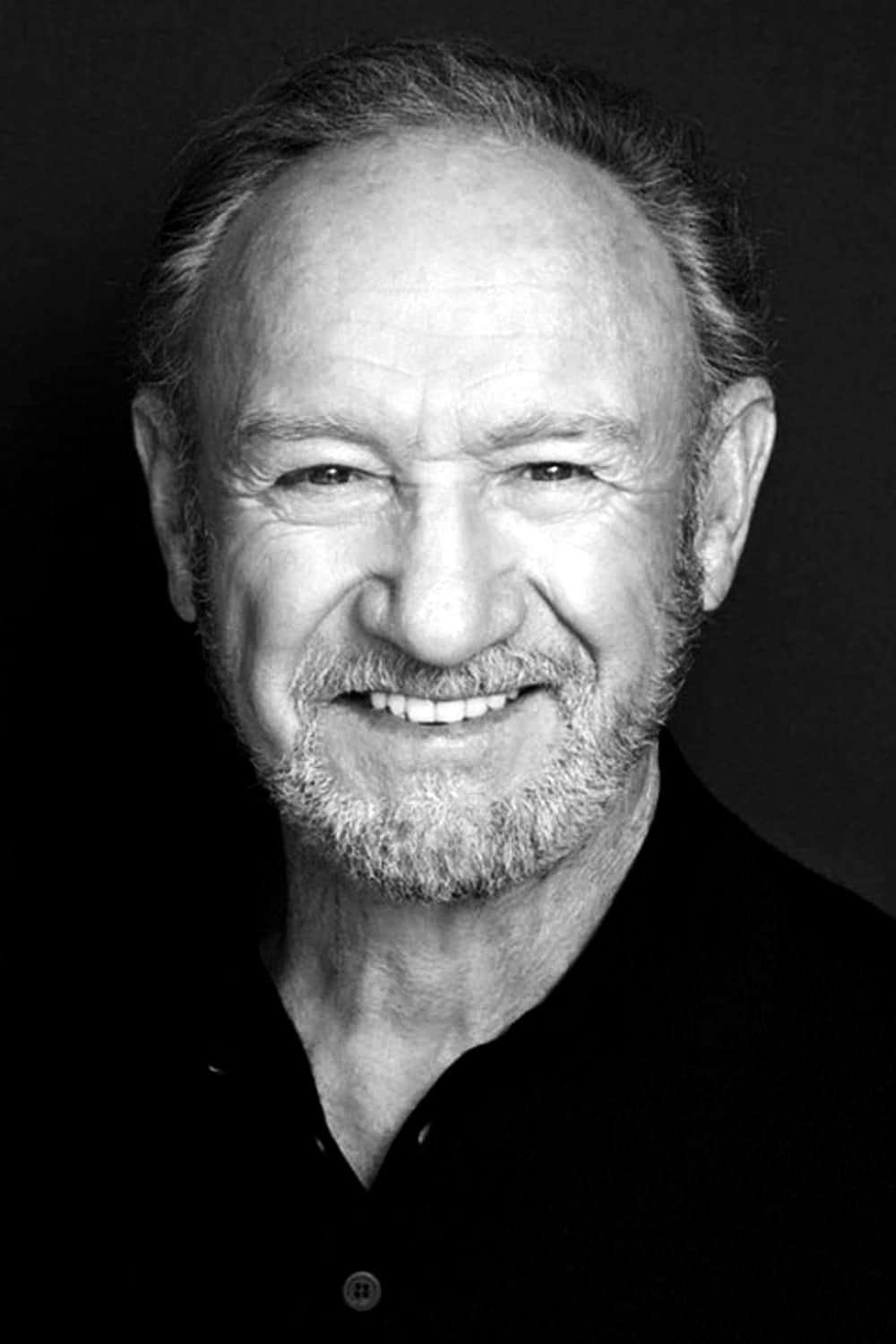
Gene Hackman could make a man seem dangerous, then expose how hard he was working to look important. We value the economy of his acting, and the comedy he found in people who expected to be obeyed.
Fi1m perspective
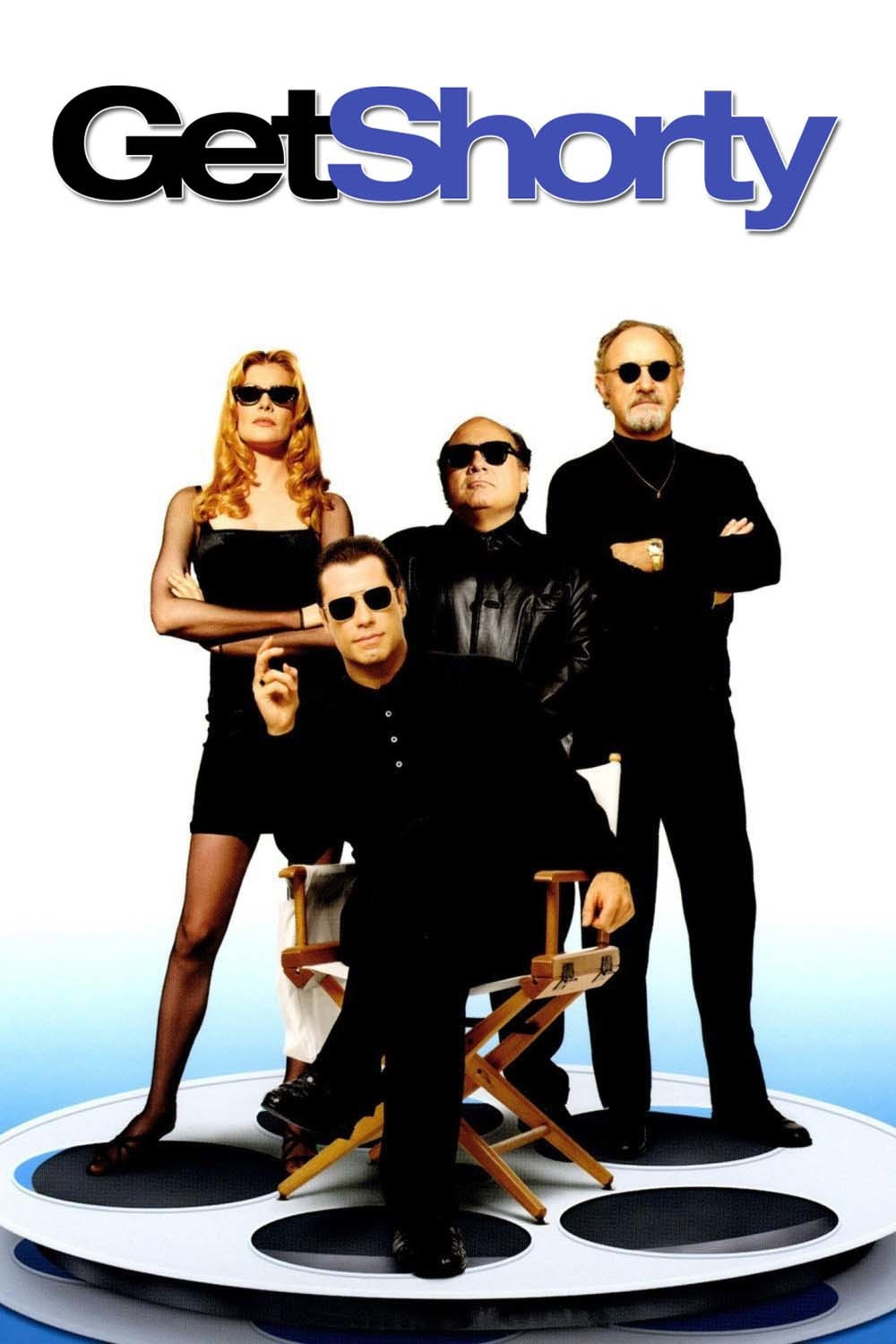
Gene Hackman’s Harry Zimm is busy trying to sound important in Get Shorty (1995), and Hackman lets us notice the work. The bluster takes effort; Harry cannot quite relax into his own importance. We laughed because Hackman makes that effort visible without making Harry a fool who knows he is funny. It is an excellent comic performance, with enough strain in it to keep the man recognisable. We can enjoy his company while remaining unconvinced by his claims to importance.
That ability to suggest more than a character wants to admit runs through the work. Buck Barrow in Bonnie and Clyde (1967) established him as a character actor; Popeye Doyle in The French Connection (1971) brought him to the centre. Doyle gives us the intense, physical Hackman, but that is only part of what he could do. Harry Caul in Francis Ford Coppola’s The Conversation (1974) turns towards introspection and paranoia. The economical acting suits both: he can make a character’s unease apparent without having to explain it.
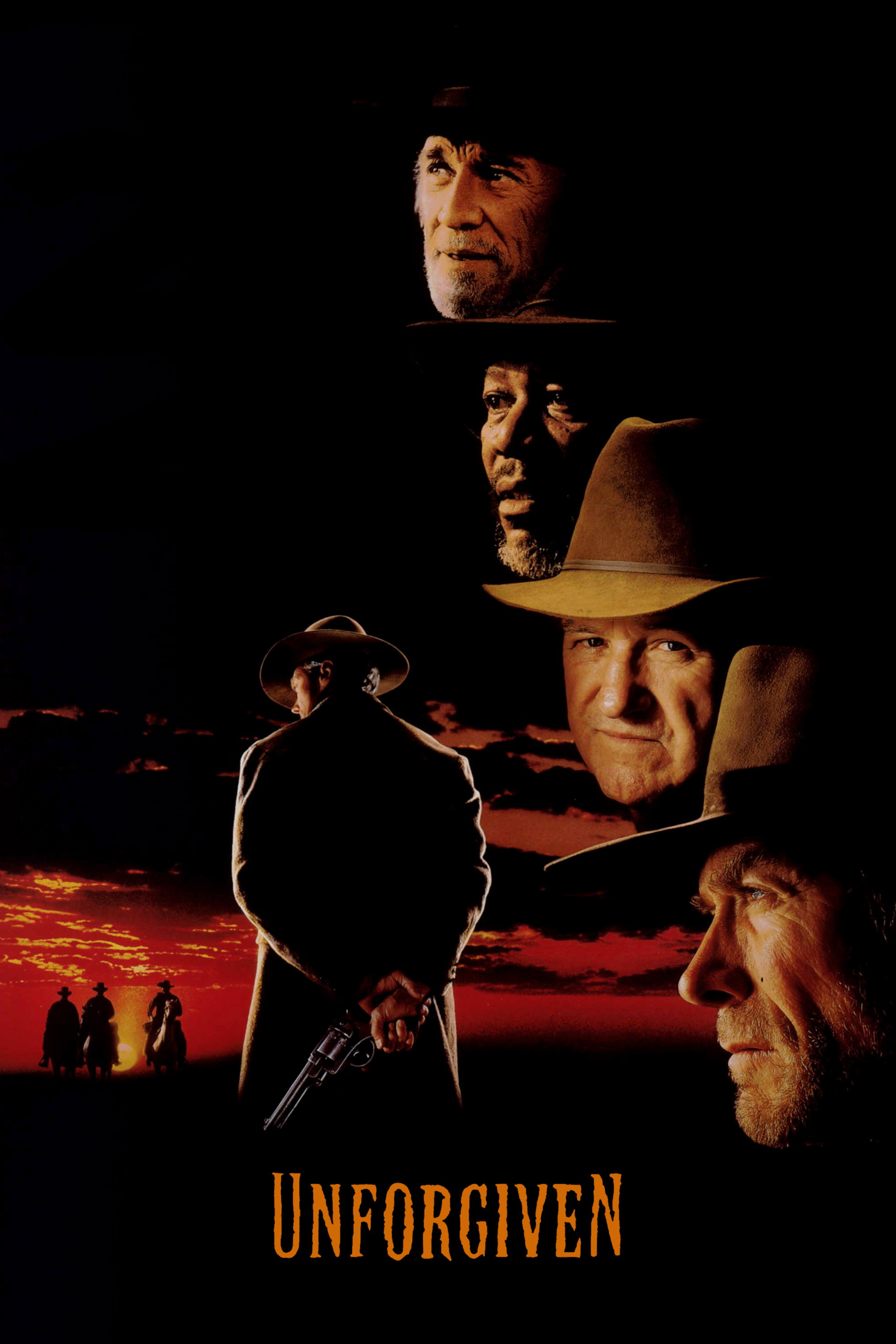
His authority figures are especially persuasive because menace and vulnerability can sit so close together. In Unforgiven (1992), the brutal sheriff Little Bill Daggett gives that authority an ugly use, without requiring Hackman to abandon restraint. Across his performances, a smile can offer reassurance or make us suspicious, and the quick change between the two keeps us attentive. Late in his career, he played Royal Tenenbaum in The Royal Tenenbaums (2001), but comedy was hardly a departure.
For a particularly enjoyable example, return to Barry Sonnenfeld’s Get Shorty. Sonnenfeld lets Hackman’s strained self-importance rub against John Travolta’s composure and Danny DeVito’s easy entitlement, rather than asking everyone to be funny in the same way. Harry does not have to match the other men’s ease, and the comedy is better for it. The Hollywood jokes can be easy and there is little suspense, so the performances matter in a crime comedy whose pleasures are chiefly in its conversations. Watch it for Hackman trying to look important among people who are rather busy doing the same.
Biography
Gene Hackman was an American actor. Born in San Bernardino, California, he made his credited film debut in Lilith (1964) and went on to appear in more than 80 films over four decades.
He won two Academy Awards: Best Actor for his role as Jimmy "Popeye" Doyle in The French Connection (1971) and Best Supporting Actor for Sheriff "Little Bill" Daggett in Unforgiven (1992). He received further Oscar nominations for Bonnie and Clyde (1967), I Never Sang for My Father (1970) and Mississippi Burning (1988). Among his other notable performances were roles in The Conversation (1974), Superman (1978), The Firm (1993), Get Shorty (1995) and The Royal Tenenbaums (2001).
Hackman retired from acting after the early 2000s.