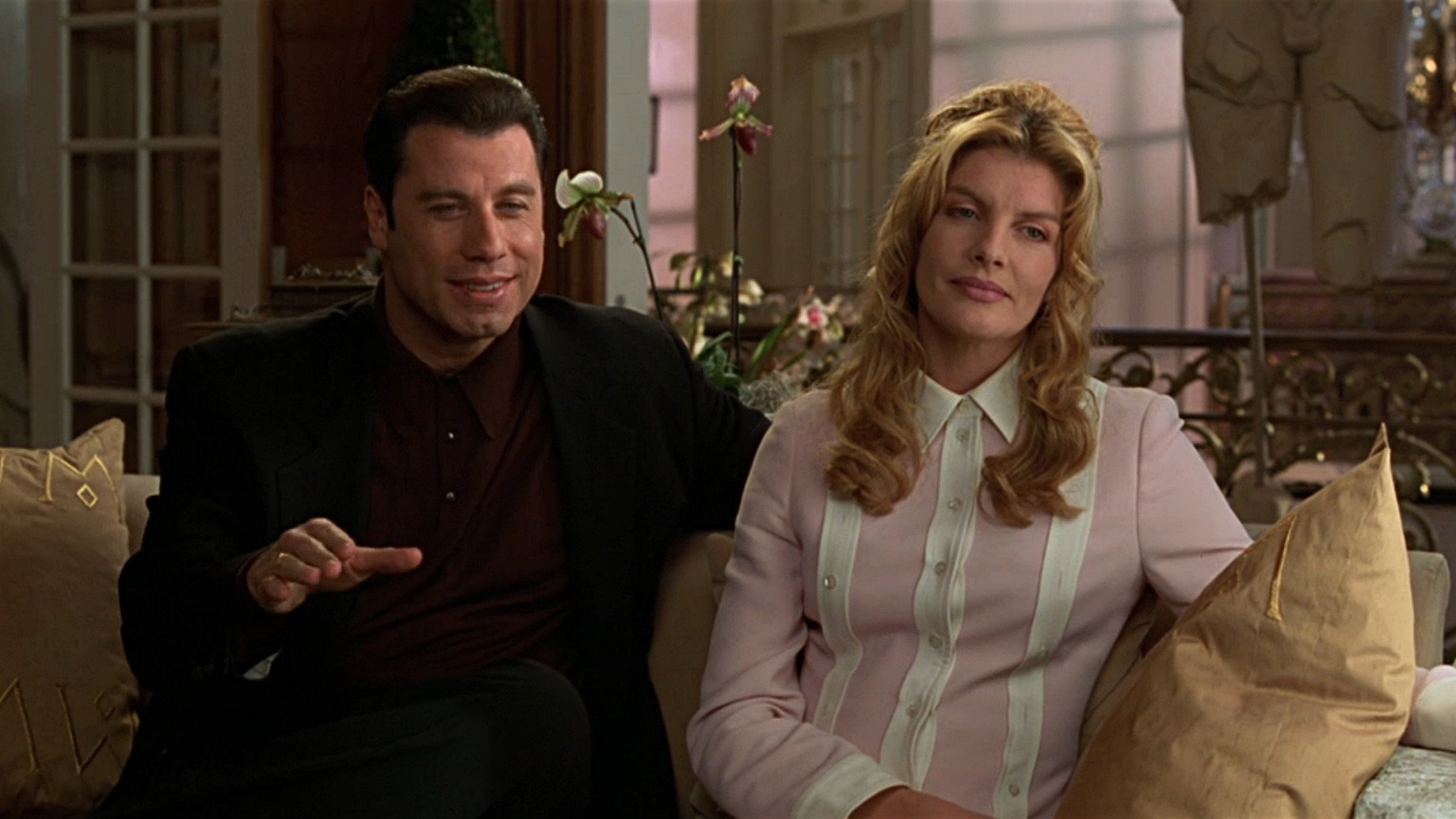
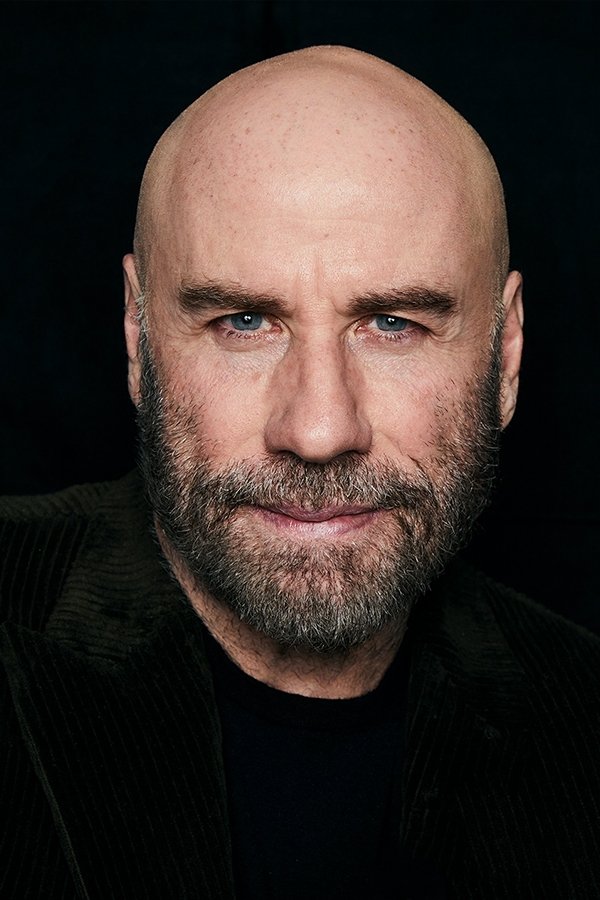
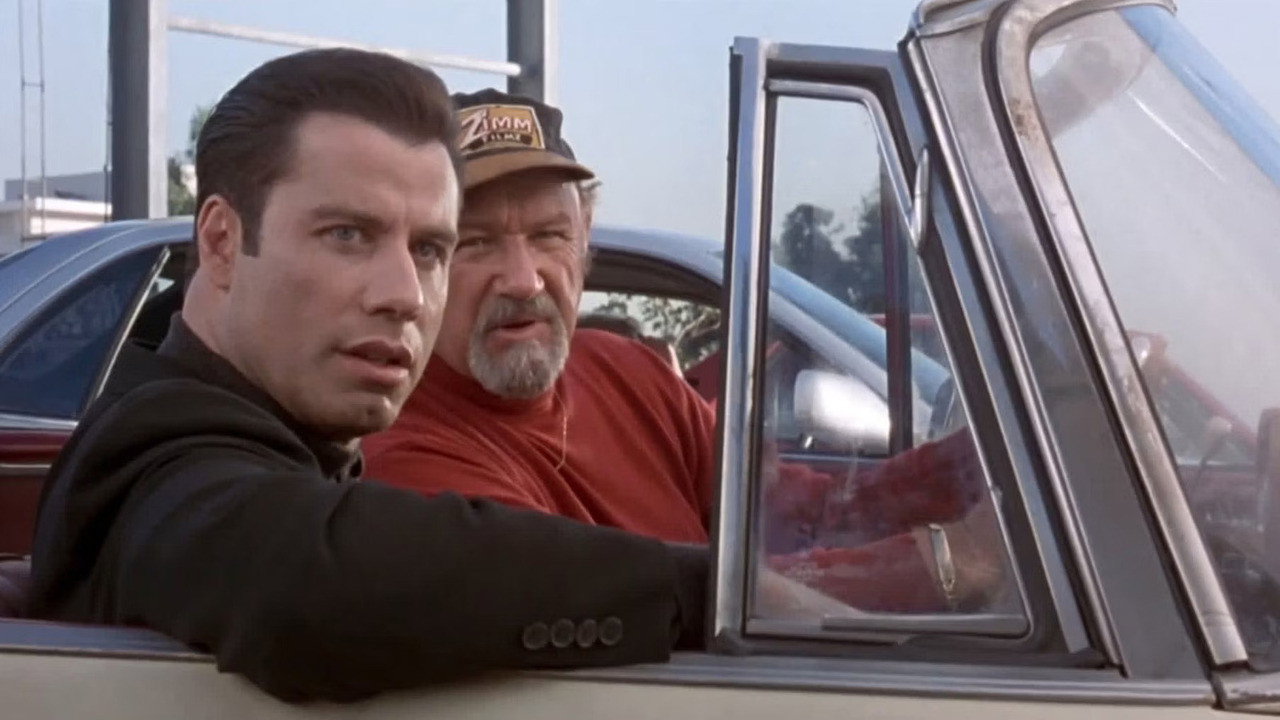
John Travolta makes Barry Sonnenfeld’s Get Shorty a crime comedy worth watching for the conversations alone. The Hollywood jokes are sometimes easy and there is little suspense, but the cast makes the familiar business of intimidation funny.
Barry Sonnenfeld’s Get Shorty is a funny, well-judged crime comedy whose chief pleasure is watching people try to sound more important than they are. Palmer, the Miami loan shark played by John Travolta, arrives in Hollywood with habits that prove useful in film production. Scott Frank, adapting Elmore Leonard’s novel, keeps the emphasis on conversation: who interrupts, who listens and who assumes a threat needs explaining. We recommend it, provided a gathering of good talkers is enough of an event for the evening.
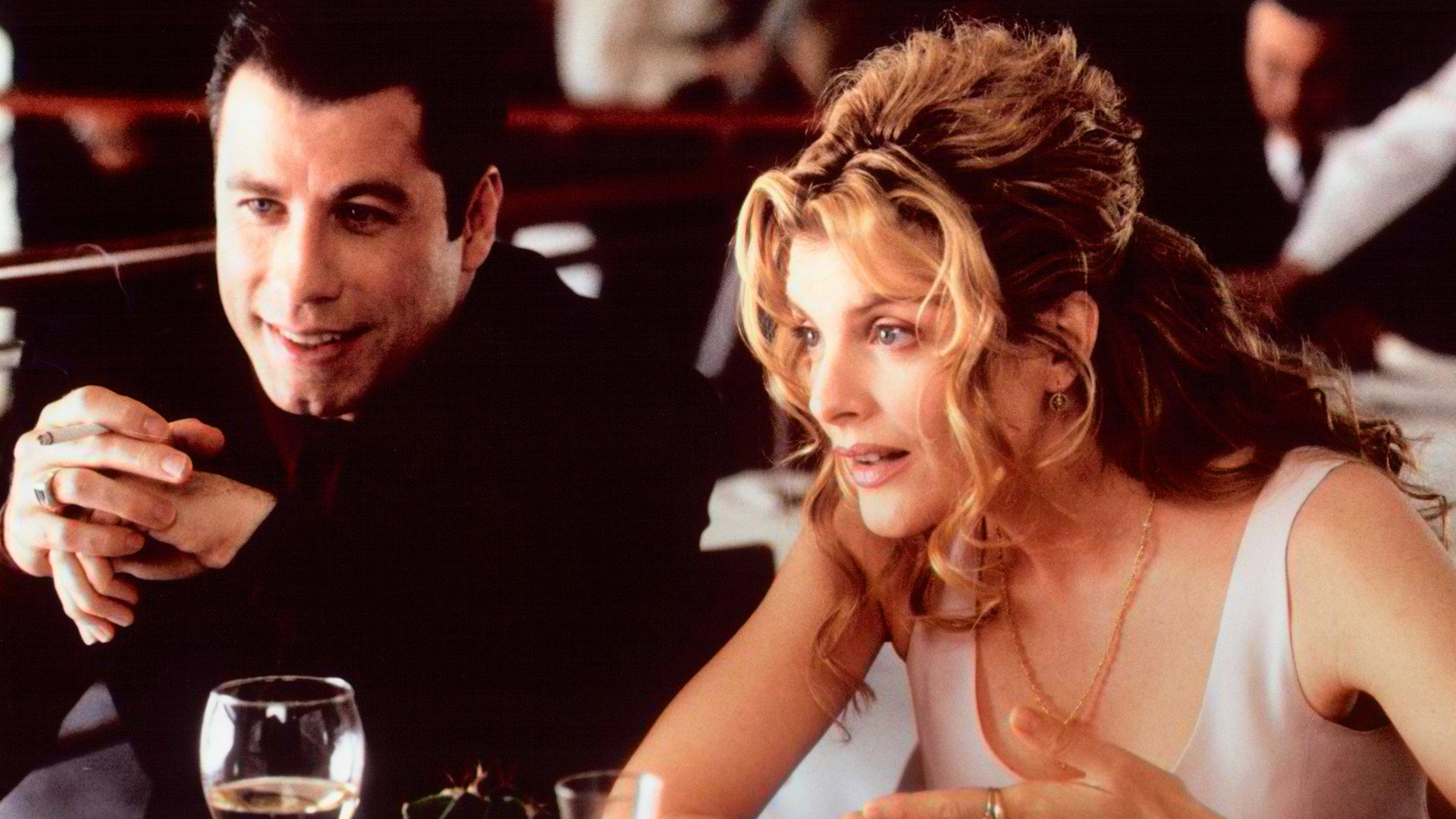
Travolta gives Palmer a confidence that does not depend on raising his voice. He listens as though he has already worked out what the other person wants, and is waiting politely for them to catch up. We laughed at his patient listening, which makes the surrounding bids for importance look faintly desperate. The menace survives because he never appears to be asking for approval, even when he is being agreeable.
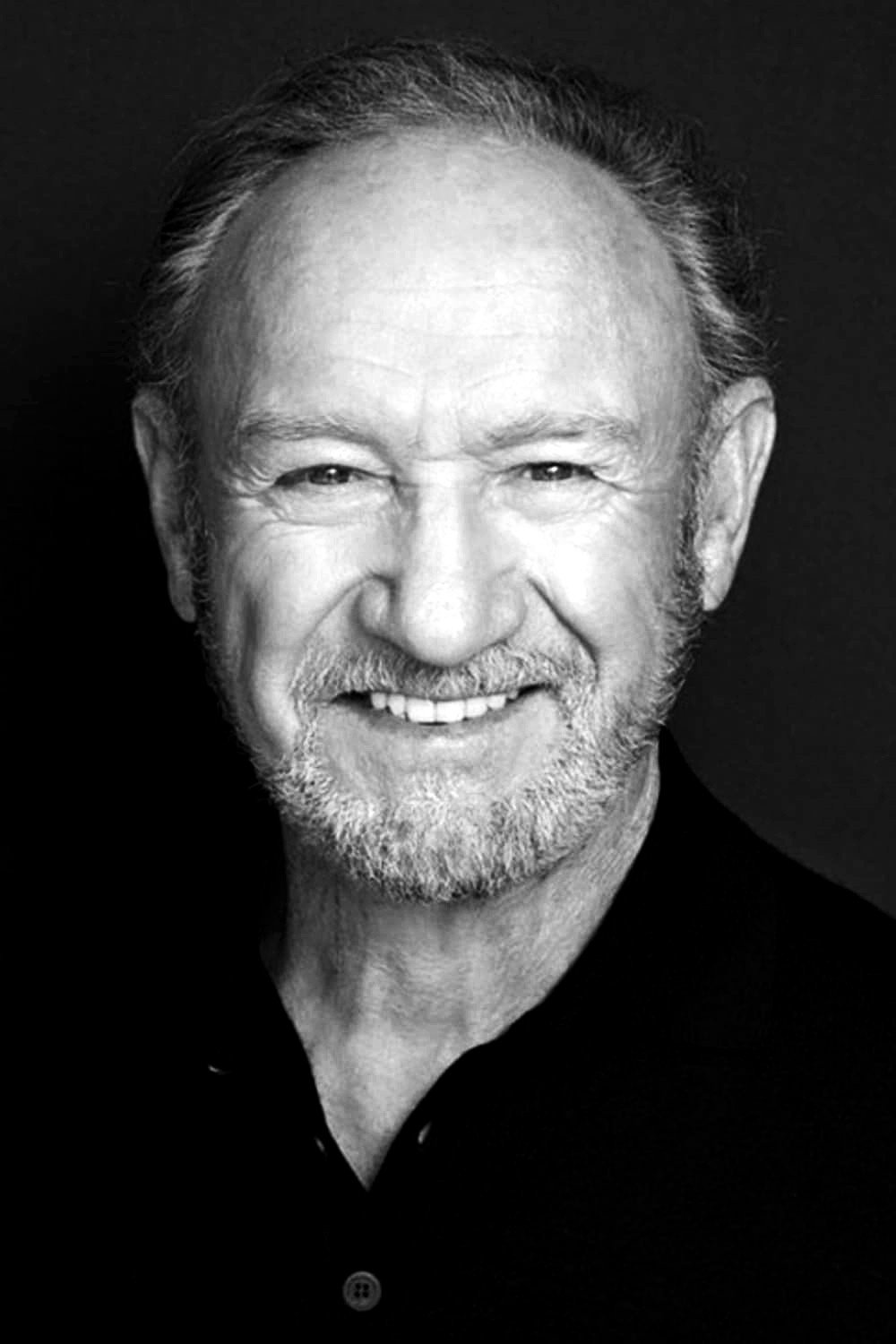
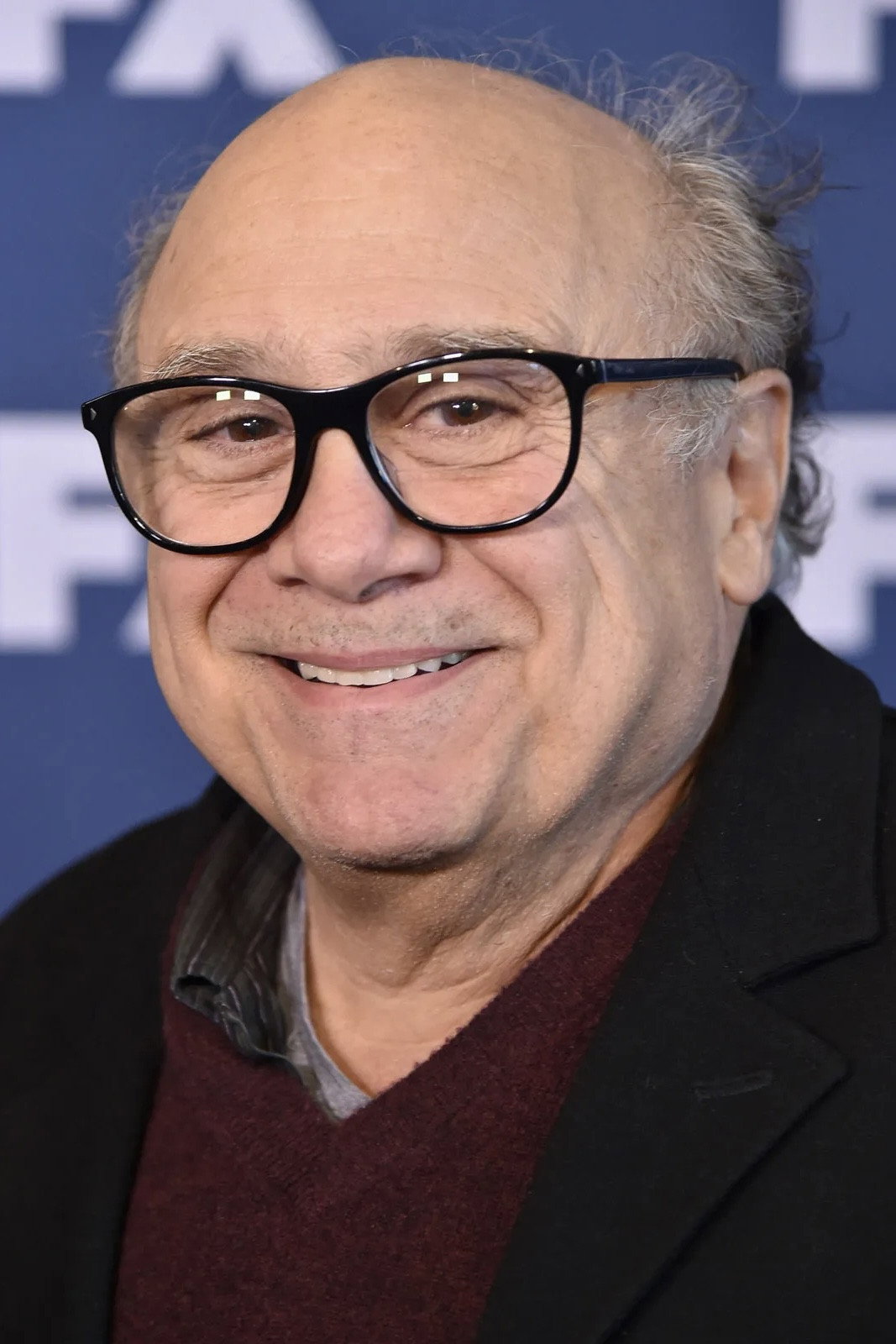
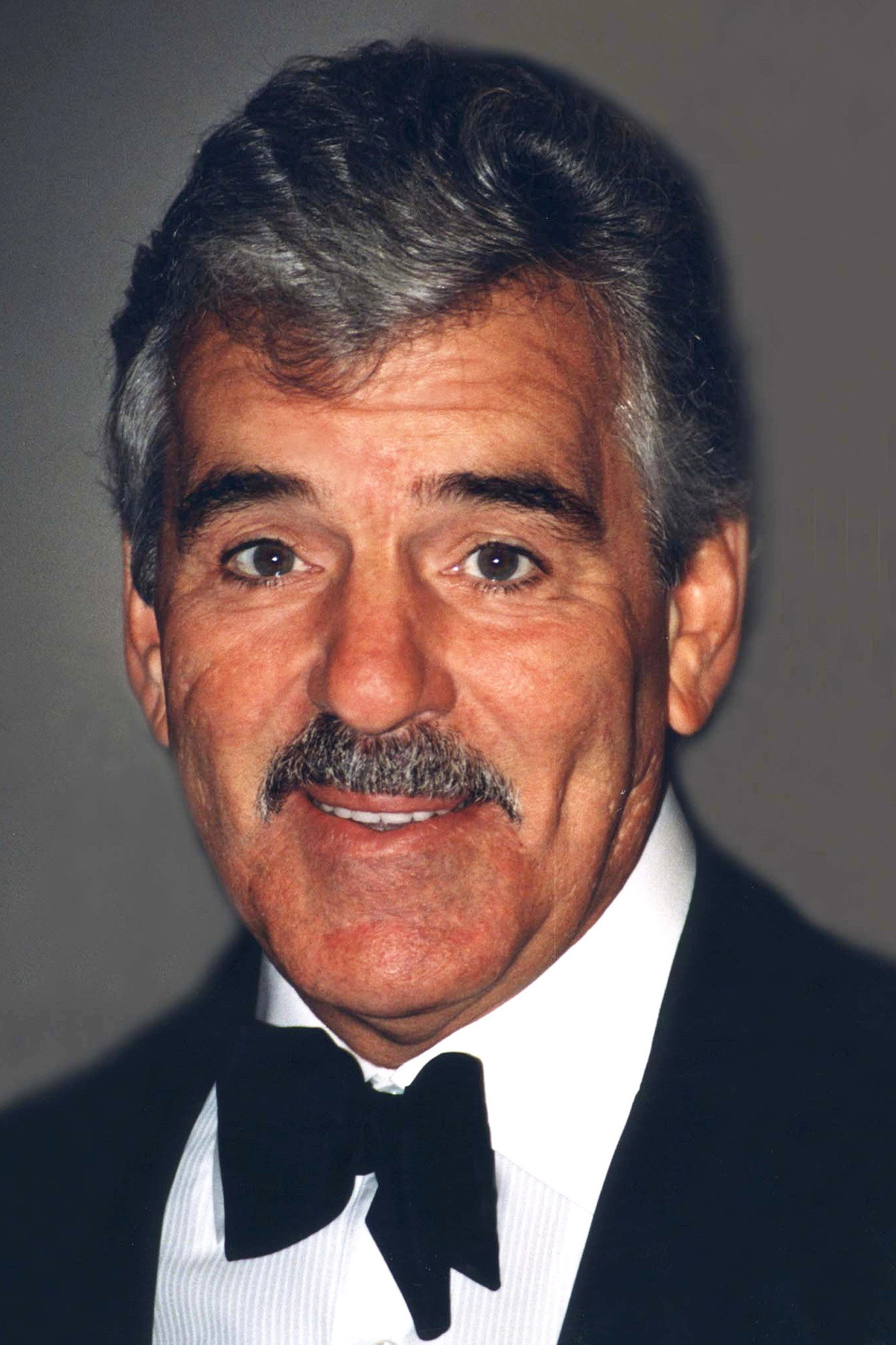
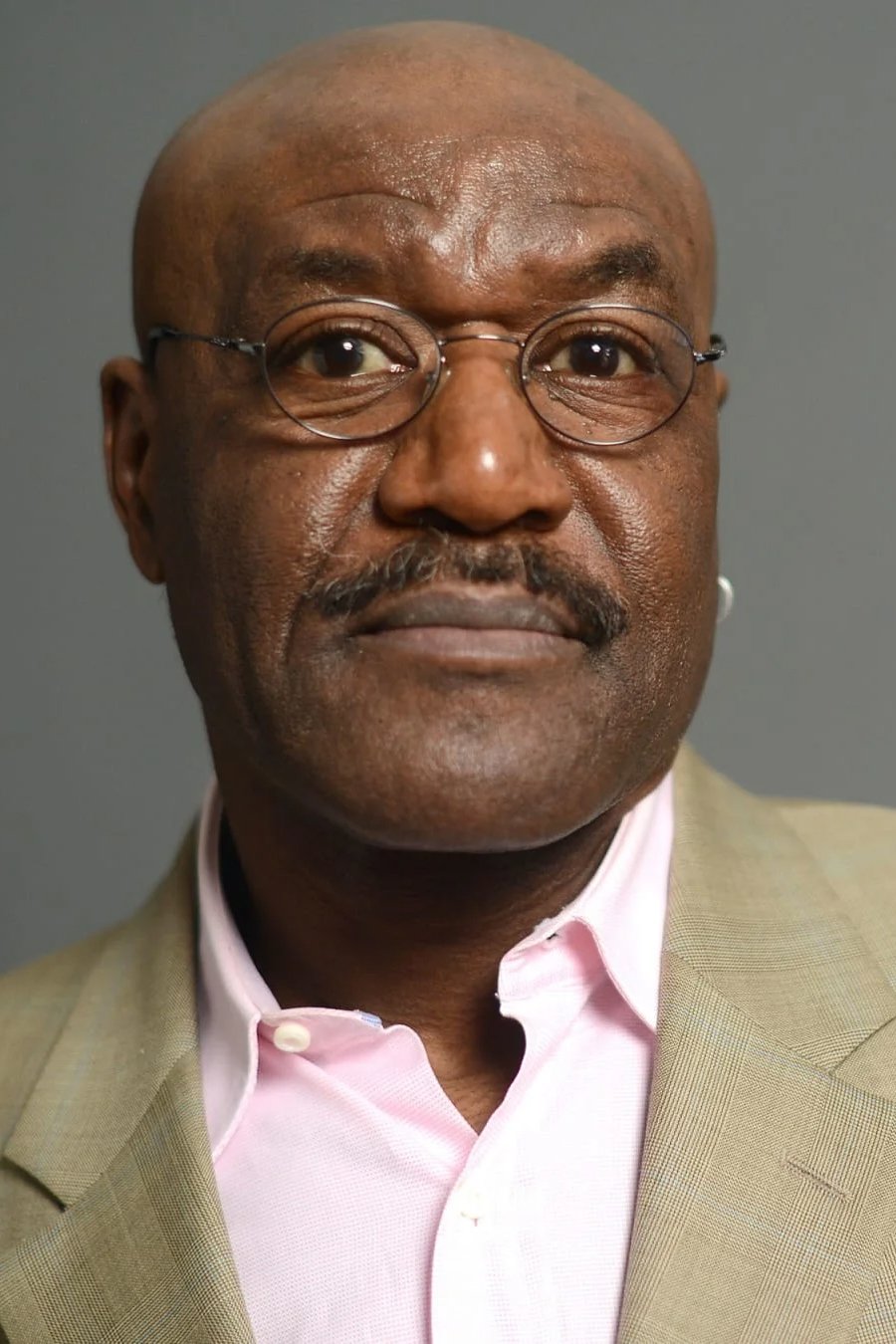
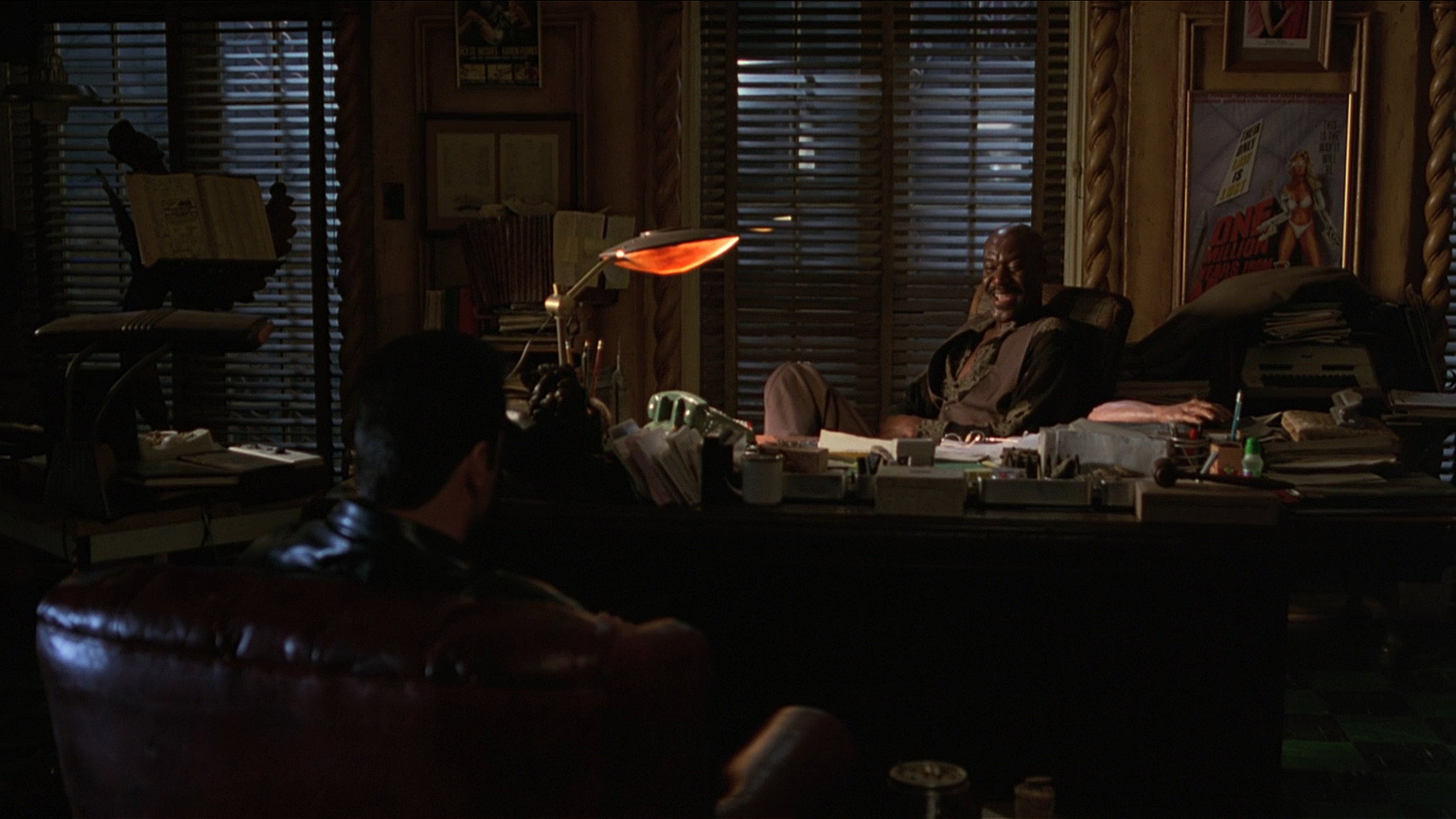
Gene Hackman’s Harry Zimm is especially good company because Hackman lets the bluster show its effort. He makes self-importance look like tiring work, and the comedy benefits from the strain. Danny DeVito gives Martin Weir the easy entitlement of a star who expects every conversation to concern him, while Rene Russo’s Karen Flores brings steadiness to the competing egos. Delroy Lindo, Dennis Farina and James Gandolfini fill out the cast with distinct varieties of swagger. Sonnenfeld gets laughs from the differences between these performers without making them all chase Travolta’s composure.
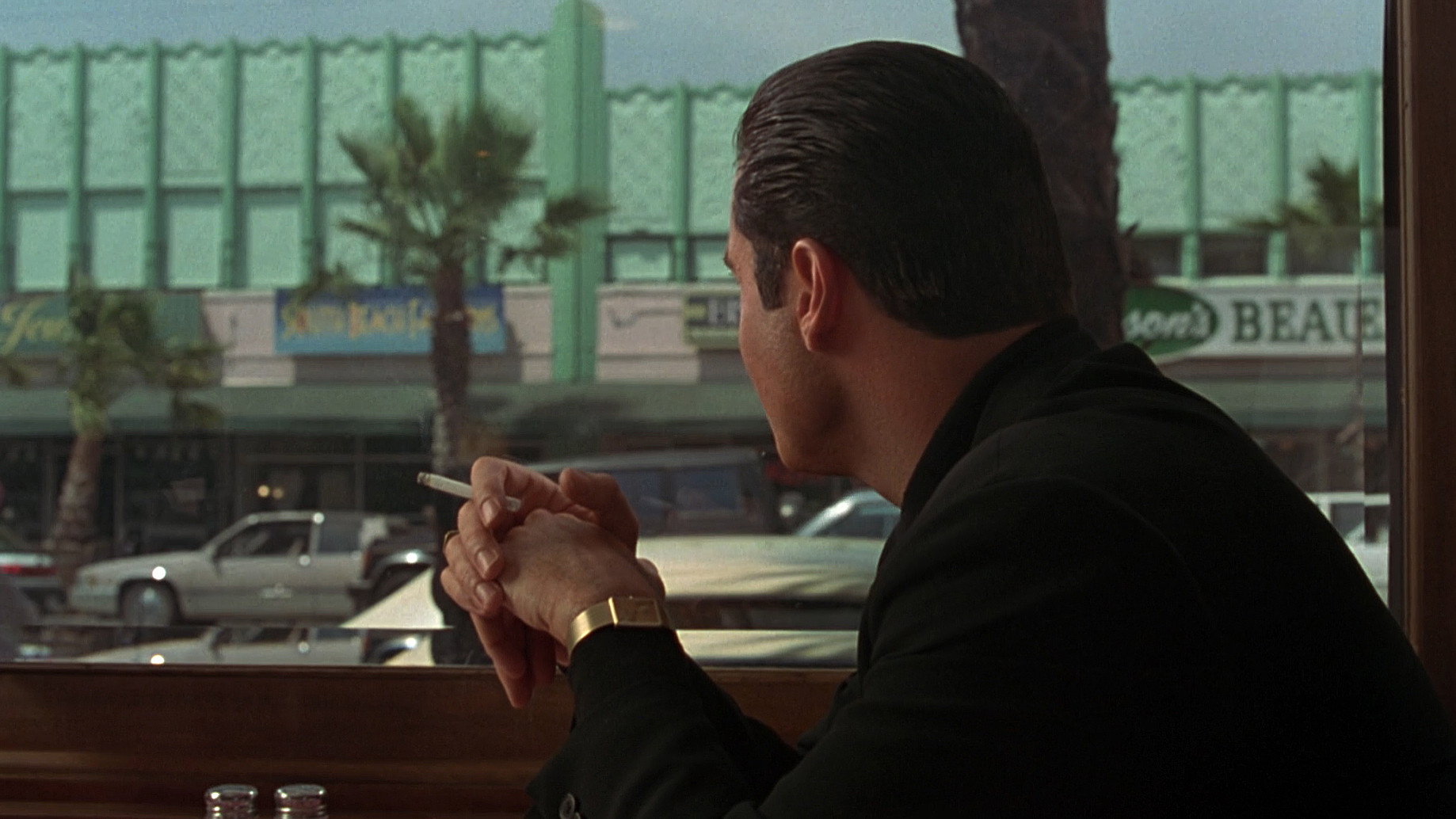
Donald Peterman’s cinematography has a polish that suits people so keen to have their importance recognised. The controlled images let us enjoy Palmer’s composure without turning every exchange into an occasion to admire the camera. Peter S. Larkin’s production design makes Hollywood look comfortably established; Palmer never seems to be trespassing in surroundings that ought to intimidate him.
Jim Miller’s editing is particularly alert to the point at which a conversation has delivered its joke. He keeps the exchanges moving without trimming away the time an actor needs to size somebody up. John Lurie’s score keeps the tone light and brisk, a sensible accompaniment to a film where a threat may also be a bid for attention. At 105 minutes, it moves along easily, although the pace can disguise how little the tension changes.
The reservation is that the threats rarely make us anxious. Frank has plenty of fun with the resemblance between organised crime and film production, but the joke is recognisable early and does not develop much. Sonnenfeld occasionally presses harder for a laugh than the dialogue needs, letting a performance become broader when a smaller reaction would be enough. A crime comedy can remain light and still make us worry about somebody; here, we are usually too comfortable for that.
Crime comedies often let their gangsters shout their way through a scene until the noise becomes tiresome. Sonnenfeld gets more out of people listening, judging and quietly deciding they know better, which leaves room for Travolta’s particular ease. Choose it for the talk, and do not expect the threats to keep anybody awake.