Francis Ford Coppola turns repeated listening into gripping suspense, with Gene Hackman making the loneliness hurt. A few plot decisions feel over-arranged, but this is a thriller we would recommend without hesitation.
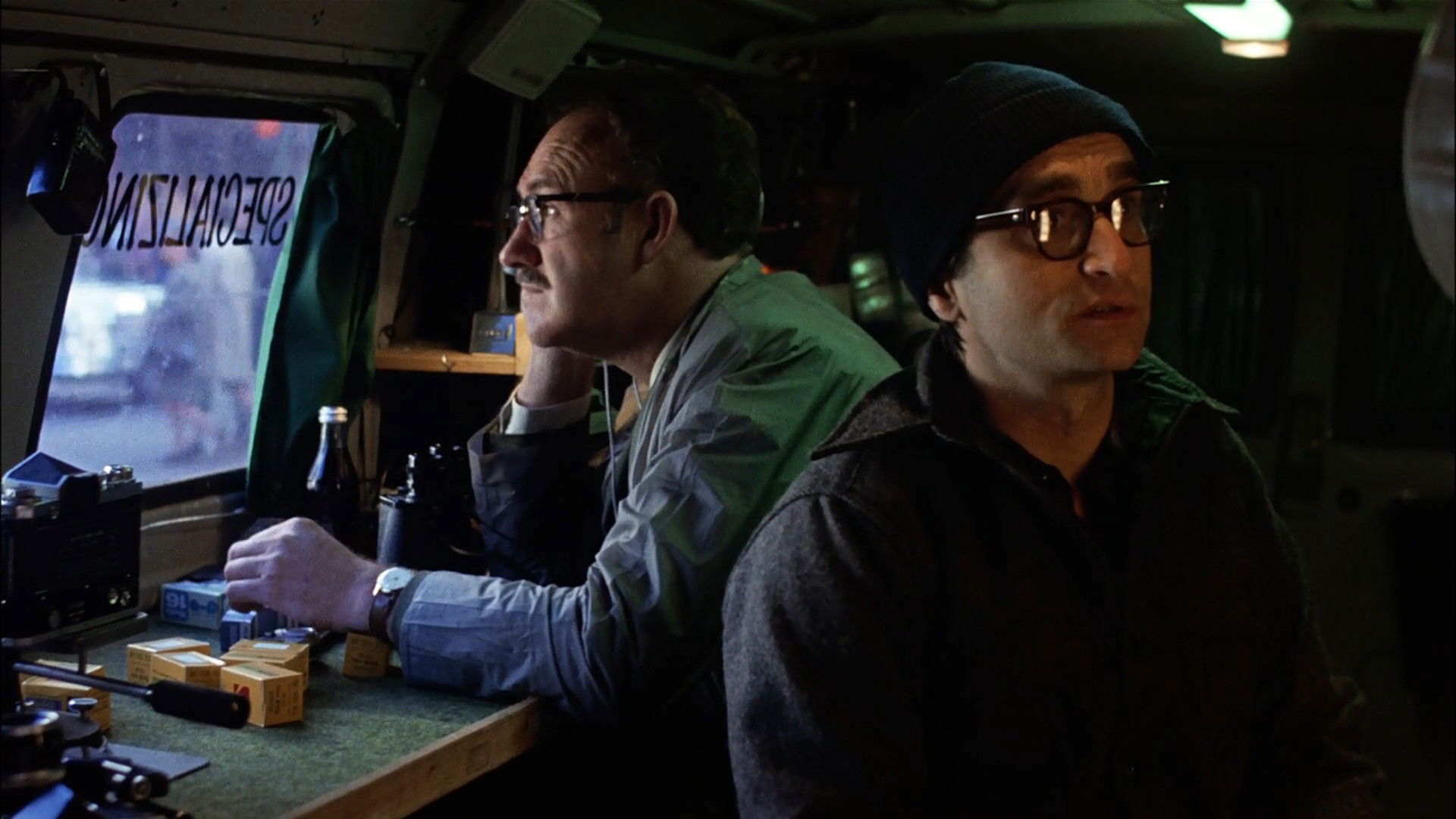
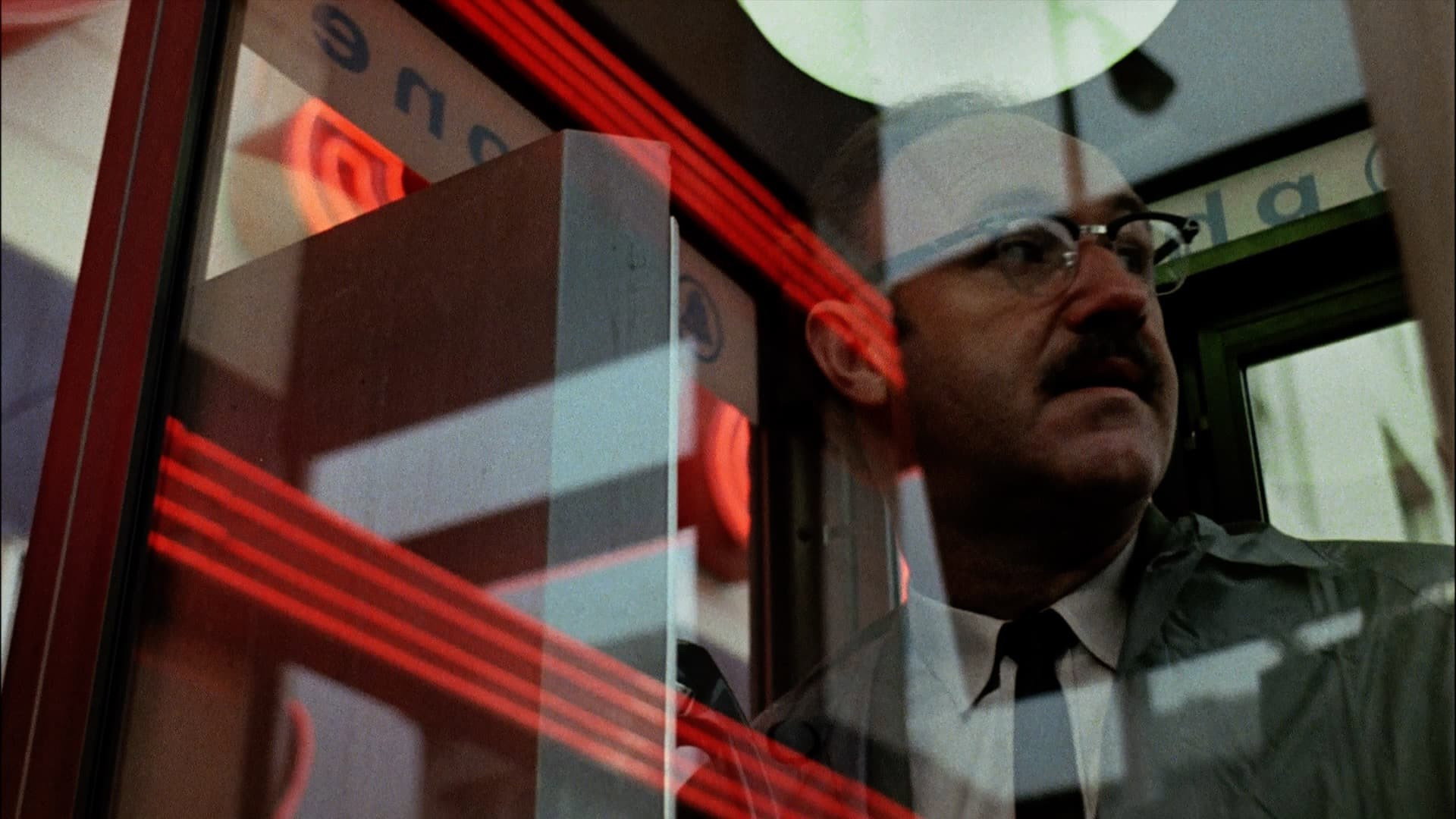
Francis Ford Coppola’s The Conversation is a patient, frightening thriller about a surveillance expert who cannot keep his conscience out of his work. We would recommend it even to someone who thinks a man listening to tapes sounds like an evening to avoid. The equipment matters, and the film takes the job seriously, but the suspense comes from watching Harry Caul try to decide how much responsibility he has for what he hears. Gene Hackman gives that problem a stubborn, unhappy face.
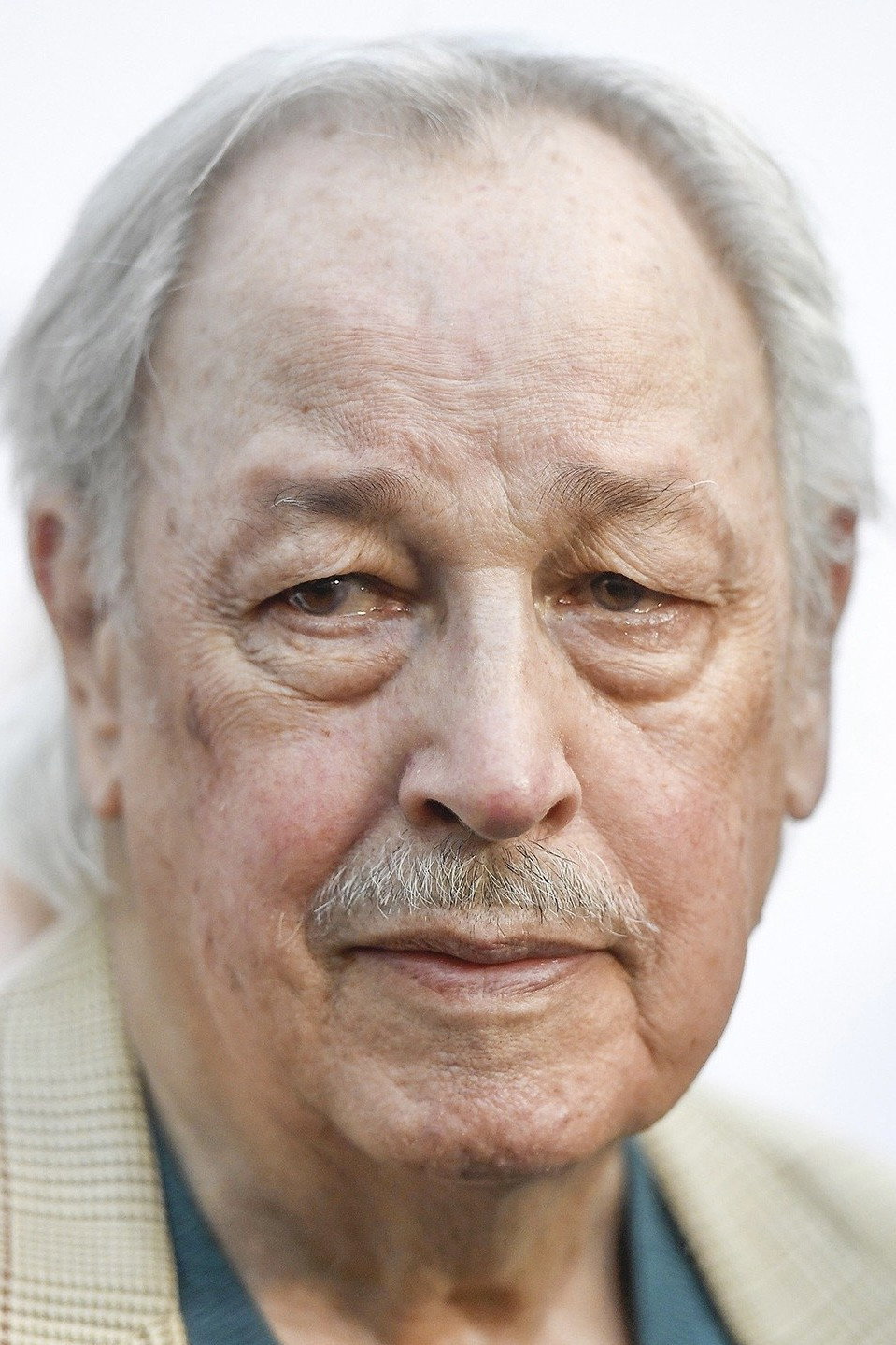
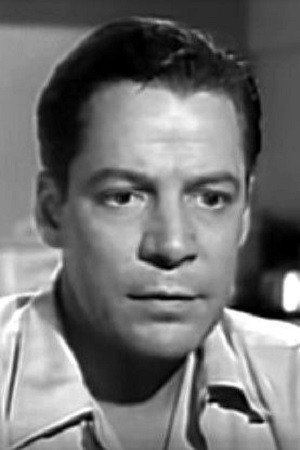
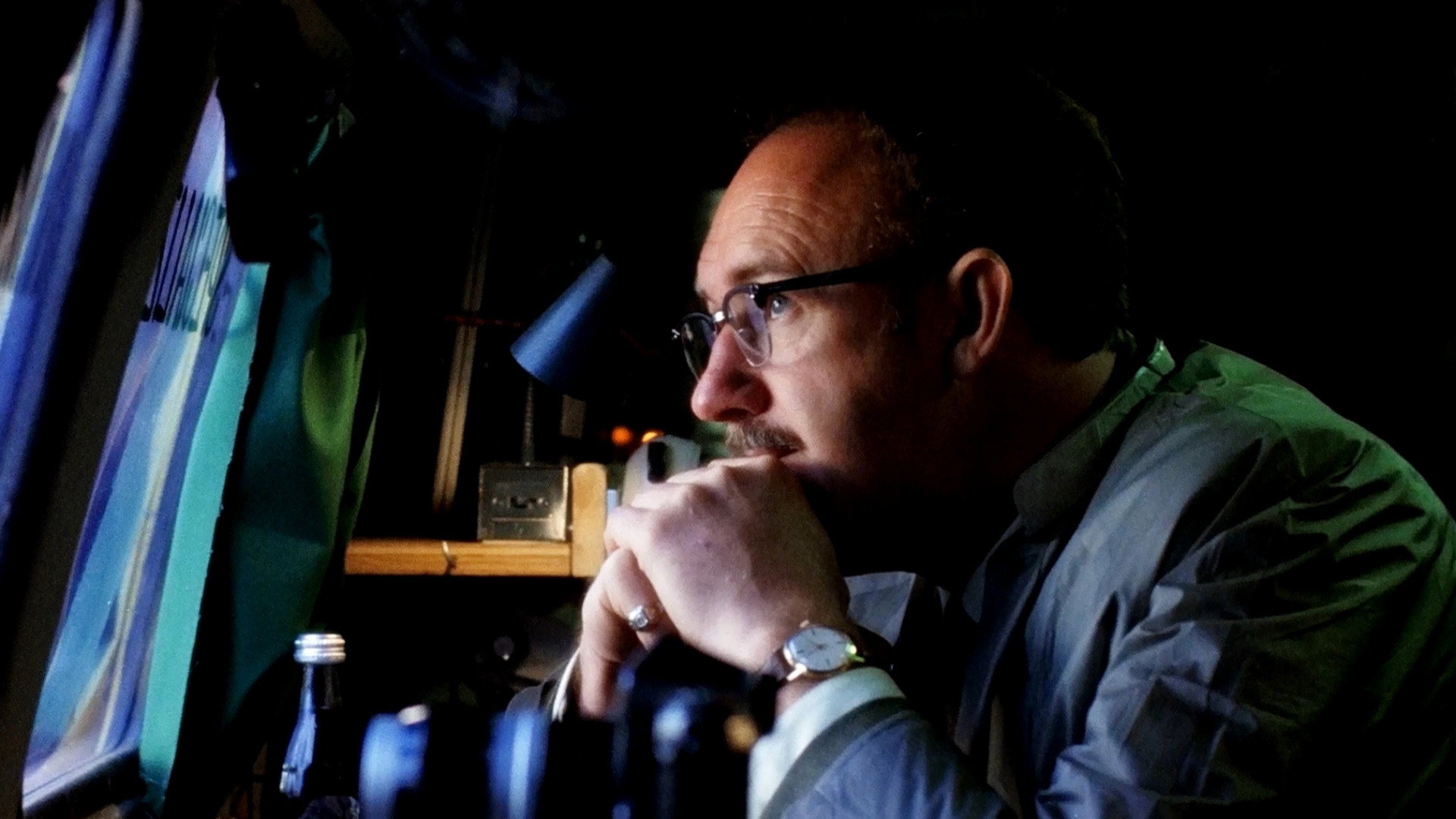
Gene Hackman makes Harry’s solitude difficult company, which is exactly right for the film. He keeps the performance controlled enough that we have to attend to small changes, and there is no comfortable invitation to find this guarded man endearing. His guilt makes him harder to reach, even when we can understand what is troubling him. We understand why he retreats into his work, and we can also see how little good it does him.
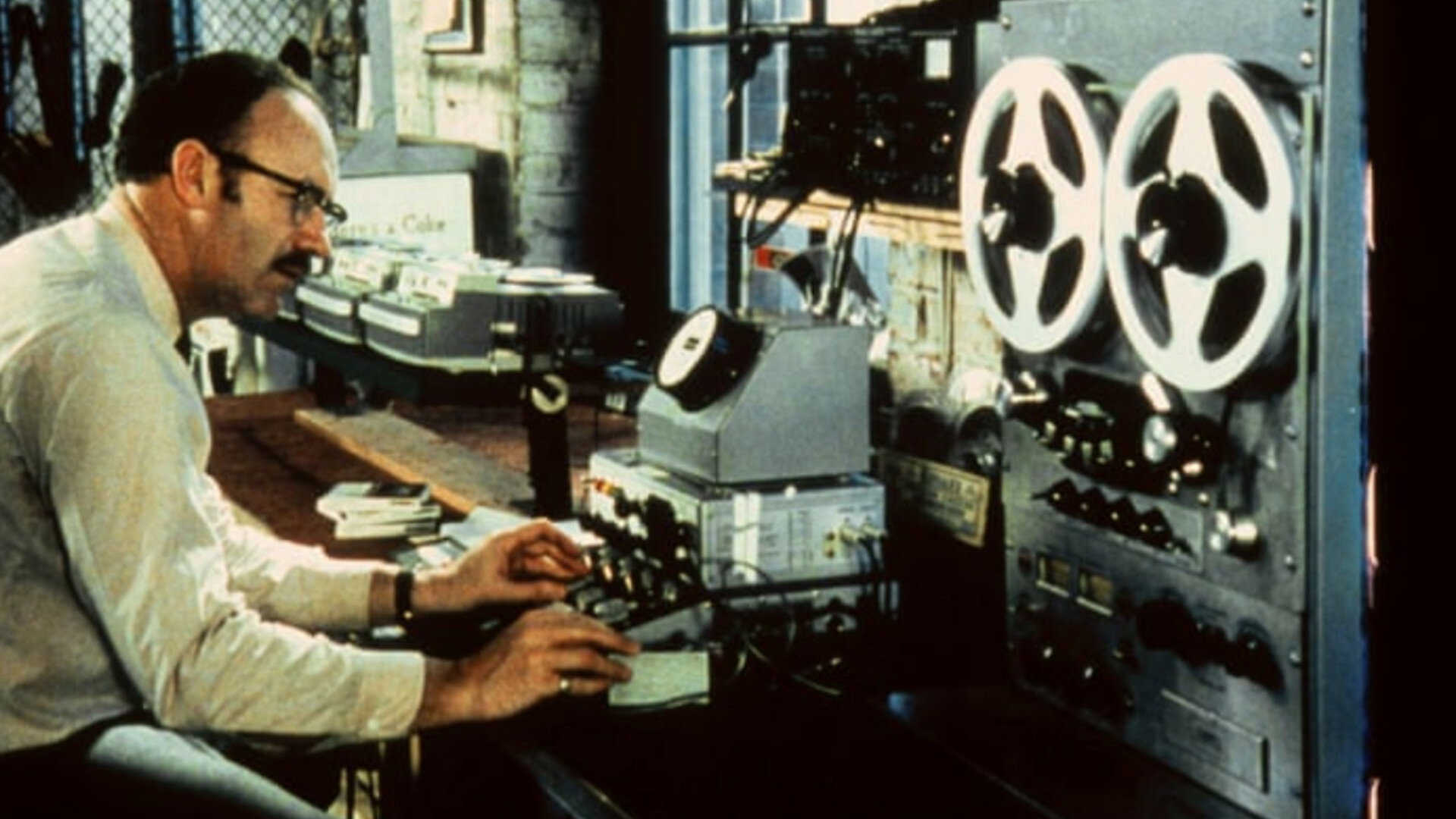
The tape-listening scenes are where the film gets at us. We felt anxious as Harry returned to the distorted voices, because we began listening for reassurance and could not find it. The distorted sound demands concentration, making us share the effort of his work rather than simply receive a piece of information. We keep listening even as the film makes us uncomfortable about this intrusion into other people’s lives.
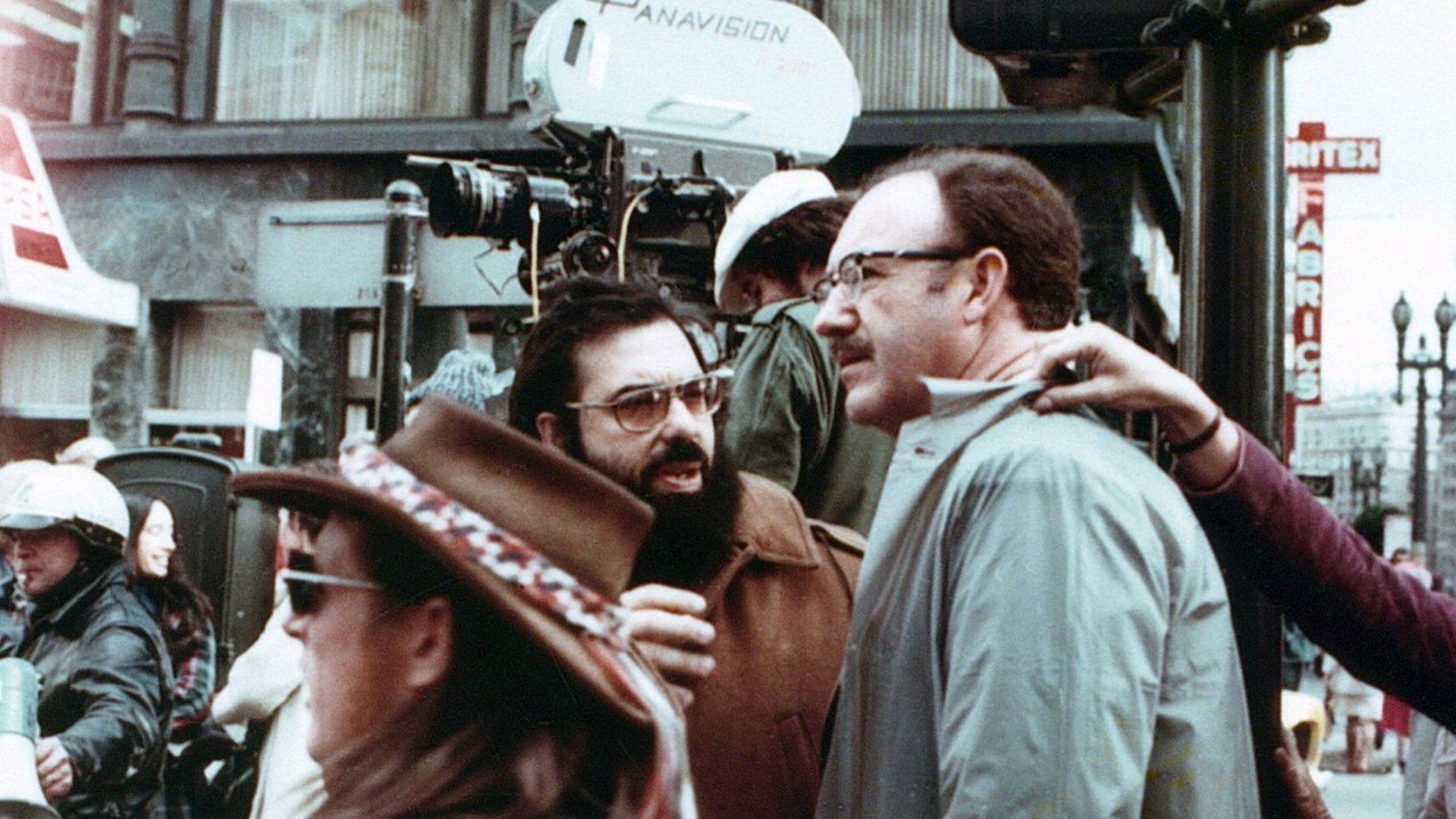
The cinematography by Haskell Wexler and Bill Butler makes watching Harry feel intrusive too. The framing encourages us to examine him, an uncomfortable position to occupy while worrying about what his work does to other people. Dean Tavoularis’s production design gives the surveillance equipment a practical, unromantic presence, so that the technology never becomes a collection of toys to envy. The equipment holds our attention without making Harry seem glamorous.
Richard Chew’s editing allows the repetitions to become oppressive without making the film feel stalled. We stay with the act of listening long enough to notice how badly Harry needs a reliable answer, and how little relief the machinery provides. David Shire’s music keeps us aware of Harry’s unhappiness even when we are concentrating on the mystery. It does not insist that we pity him, which leaves room for the less agreeable parts of Gene Hackman’s performance.
There is a small reservation about Francis Ford Coppola’s screenplay. Keeping so close to Harry’s understanding sometimes makes the plotting feel too carefully arranged, and we occasionally notice the writer deciding how much we are allowed to know. That slightly weakens the sense that these people exist beyond Harry’s suspicions, though it never breaks the suspense. A little more freedom to judge them for ourselves would have helped.
The usual pleasure of a surveillance thriller is watching somebody do a difficult job well, and there is enough attention to the equipment here to satisfy that appetite. The film also makes us sit with the distress that accompanies Harry’s skill, without promising that being good at his work will help him. At 115 minutes, it asks for sustained concentration, especially when we think we have already heard enough. Give it a quiet evening and put the other screens away.