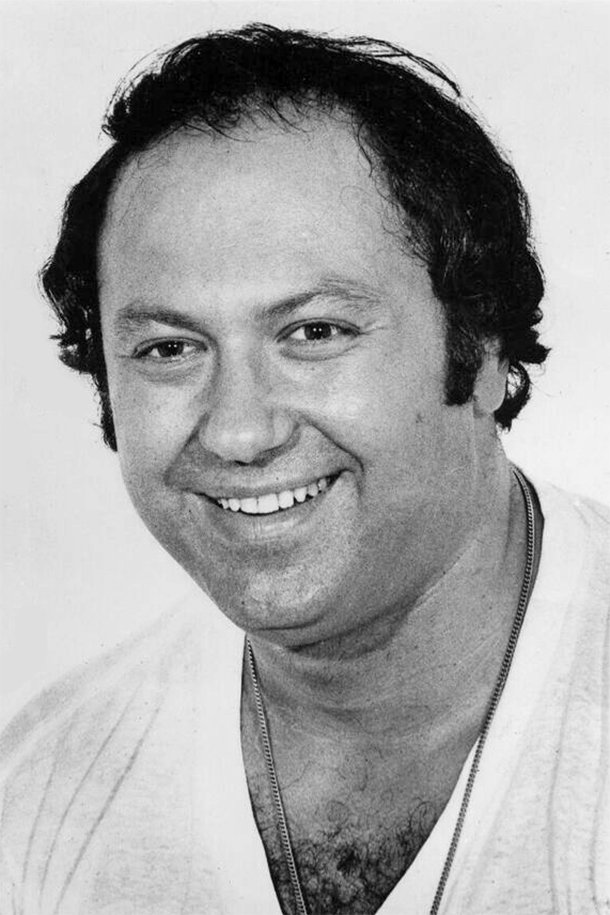
Allen Garfield made pushy men convincing by letting their nerves show. We value the unease he brings to The Conversation: he makes an unsavoury professional recognisable without making him agreeable.
Fi1m perspective
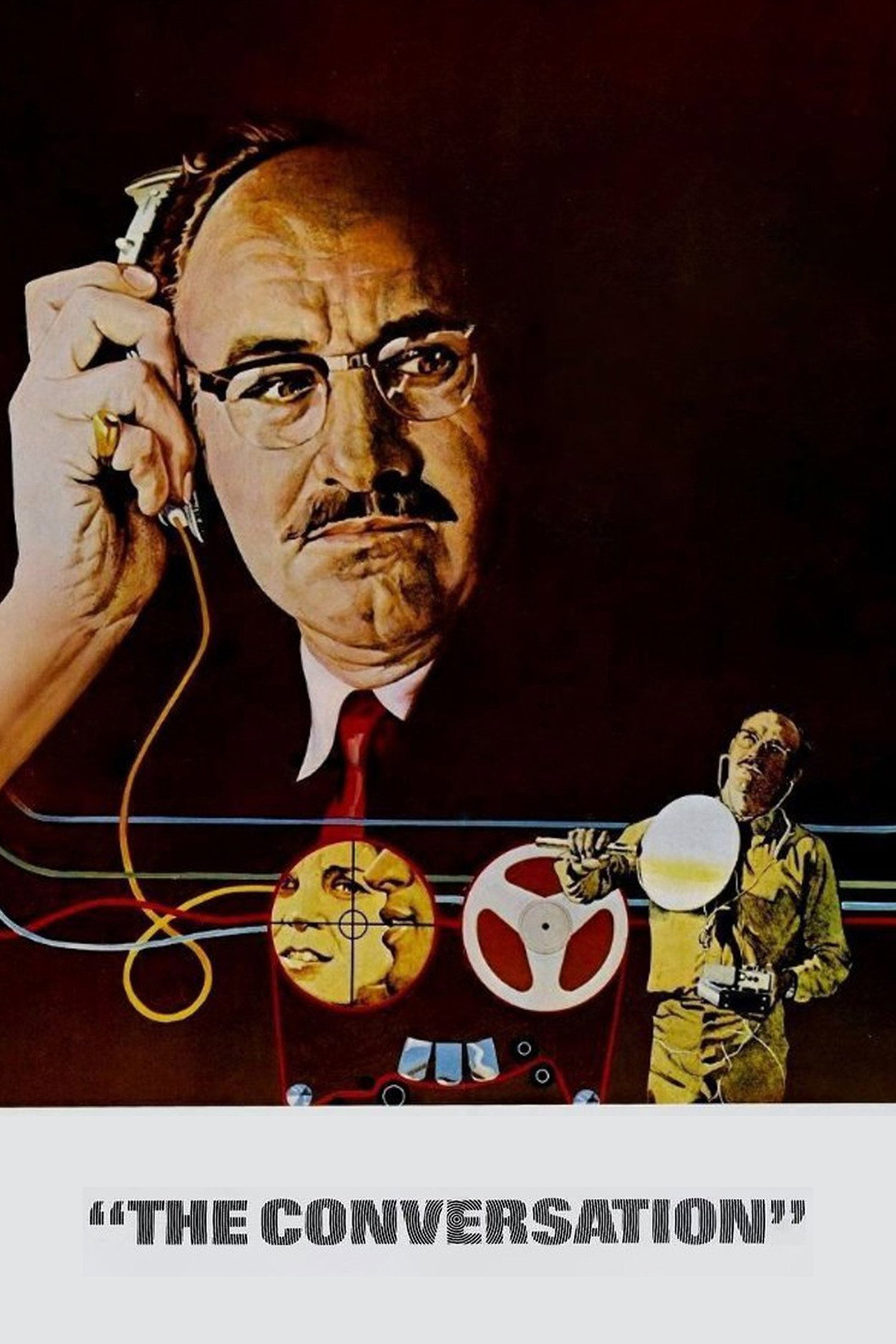
Allen Garfield's talkative men never seem entirely settled, even when they are trying to take charge. A salesman or an official played by him can be both overbearing and visibly anxious, and the anxiety makes the bullying more convincing. We rate that ability to make an unpleasant supporting character seem like someone who has a working day beyond the scene. In Francis Ford Coppola's The Conversation (1974), his surveillance rival Bernie Moran is just such a man: professionally opportunistic, uncomfortable company, entirely plausible.
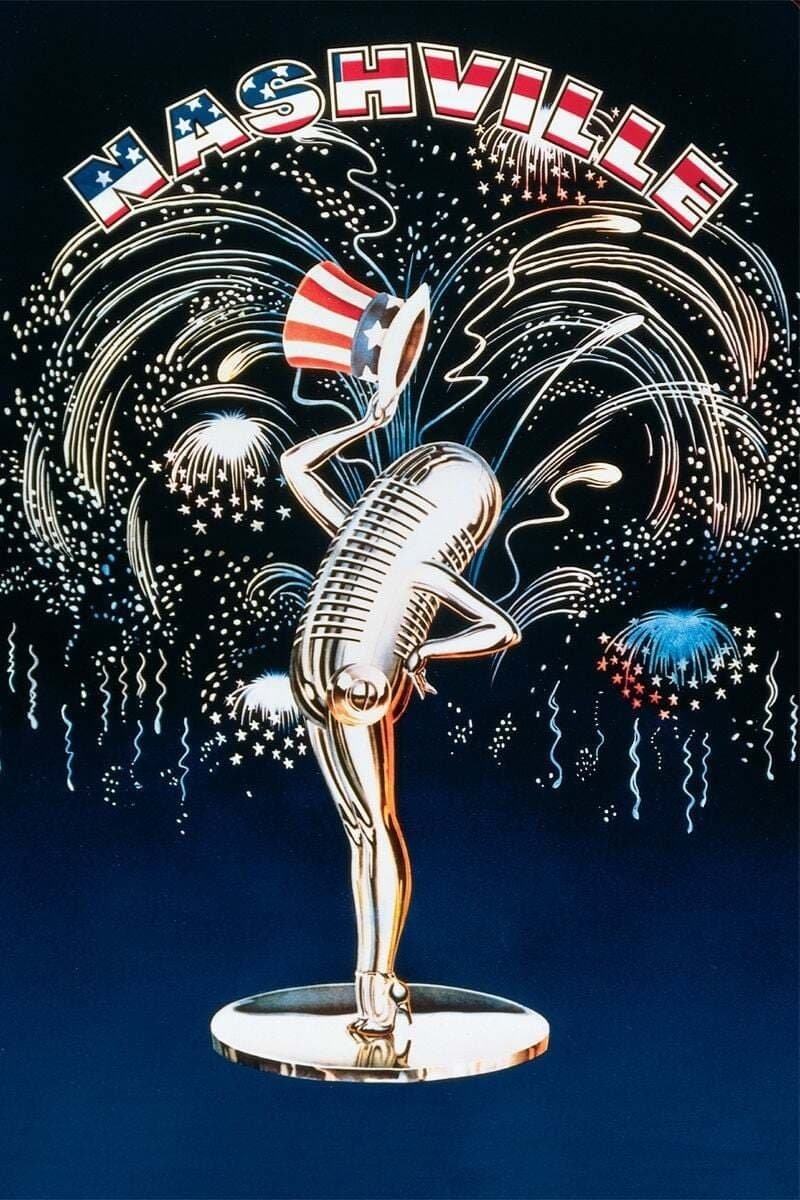
Garfield's early-1970s supporting parts established how useful that mixture could be. In The Candidate (1972), he plays the brash advertising expert Klein; in Robert Altman's Nashville (1975), he is Barnett, the husband-manager of Ronee Blakley's character. These are men whose work gives them reasons to interfere, and Garfield's intensity makes that interference feel habitual. The casting could be repetitive; there is only so much surprise in another anxious man with a little authority. He plays their unpleasantness plainly enough to keep them credible.
The Conversation gives those habits a particularly good setting. Coppola builds the thriller around repeated listening, while Gene Hackman makes its central loneliness hurt; Garfield supplies a rival whose nervous pushiness makes professional contact feel no more reassuring than solitude. We felt uneasy watching Bernie because Garfield makes his opportunism so ordinary and recognisable. He does not need to make the man grandly sinister for us to dislike the prospect of doing business with him. The film has a few over-arranged plot decisions, but this is the Garfield performance we would send someone to first.
The Stunt Man (1980) offers a useful change, casting him as Sam, a screenwriter resisting a domineering director. The anxiety makes sense here without requiring Garfield to be the person throwing his weight about. Later came the mob accountant Otto 'Abbadabba' Berman in Coppola's The Cotton Club (1984) and the bombastic police chief Harold Lutz in Beverly Hills Cop II (1987). For a second encounter after Bernie, choose Sam; it is worth seeing what Garfield does when someone else is giving the orders.
Biography
Allen Garfield (born Allen Goorwitz) was an American character actor. He was born on 22 November 1939 in Newark, New Jersey, and died on 7 April 2020 in Los Angeles from complications of COVID-19. A graduate of Weequahic High School, he worked as a sports reporter and was a Golden Gloves boxer before training at the Actors Studio in New York with Lee Strasberg and Elia Kazan. He appeared on stage before making his film debut in 1968.
Garfield appeared in more than 100 films and television productions, often playing anxious or venal supporting characters such as corrupt businessmen and politicians. His credits include William P. 'Bernie' Moran in Francis Ford Coppola's The Conversation (1974) and Barnett in Robert Altman's Nashville (1975). He also appeared in The Candidate (1972), The Stunt Man (1980), Beverly Hills Cop II (1987) and The Majestic (2001), and worked with Wim Wenders on Der Stand der Dinge (1982) and Bis ans Ende der Welt (1991). He used the credit Allen Goorwitz for some films in the late 1970s and early 1980s.
Garfield suffered strokes in 1999 and 2004; the latter led to his residence at the Motion Picture & Television Fund home in Woodland Hills, California. He had one sister, Lois Goorwitz.