Robert Altman’s country-music drama rewards close attention with sharp comedy and an unexpected tenderness towards people desperate to be noticed. A few stretches dawdle, but we recommend giving its crowded conversations and unhurried songs the full evening.
Nashville asks us to spend time among people who want attention, then makes the business of paying attention unusually demanding. Robert Altman puts country music beside political ambition and lets conversations overlap until following one person means missing part of another. This is a funny, patient and occasionally painful film, and we recommend it despite a few stretches that take too long. Even when someone is being ridiculous, the director remains interested in what they hope to achieve.
Joan Tewkesbury’s screenplay follows several lives without giving any one person charge of the story. We have to learn how to watch it, and the first adjustment is to stop treating every interruption as something to be solved. The overlapping dialogue can be comic before any individual line registers. It also catches the familiar frustration of speaking to somebody who is waiting for their own turn. The jokes grow out of that inattention.
Paul Lohmann’s cinematography gives the crowded scenes enough detail to reward a wandering eye. We can look beyond whoever is speaking and find somebody else worth watching, which helps these gatherings feel occupied by people with their own concerns. Editors Dennis M. Hill and Sidney Levin keep the separate lives in circulation without making every return feel like an appointment. The cutting can seem casual, but the ease with which we recognise a person or pick up a conversation is hard-earned.
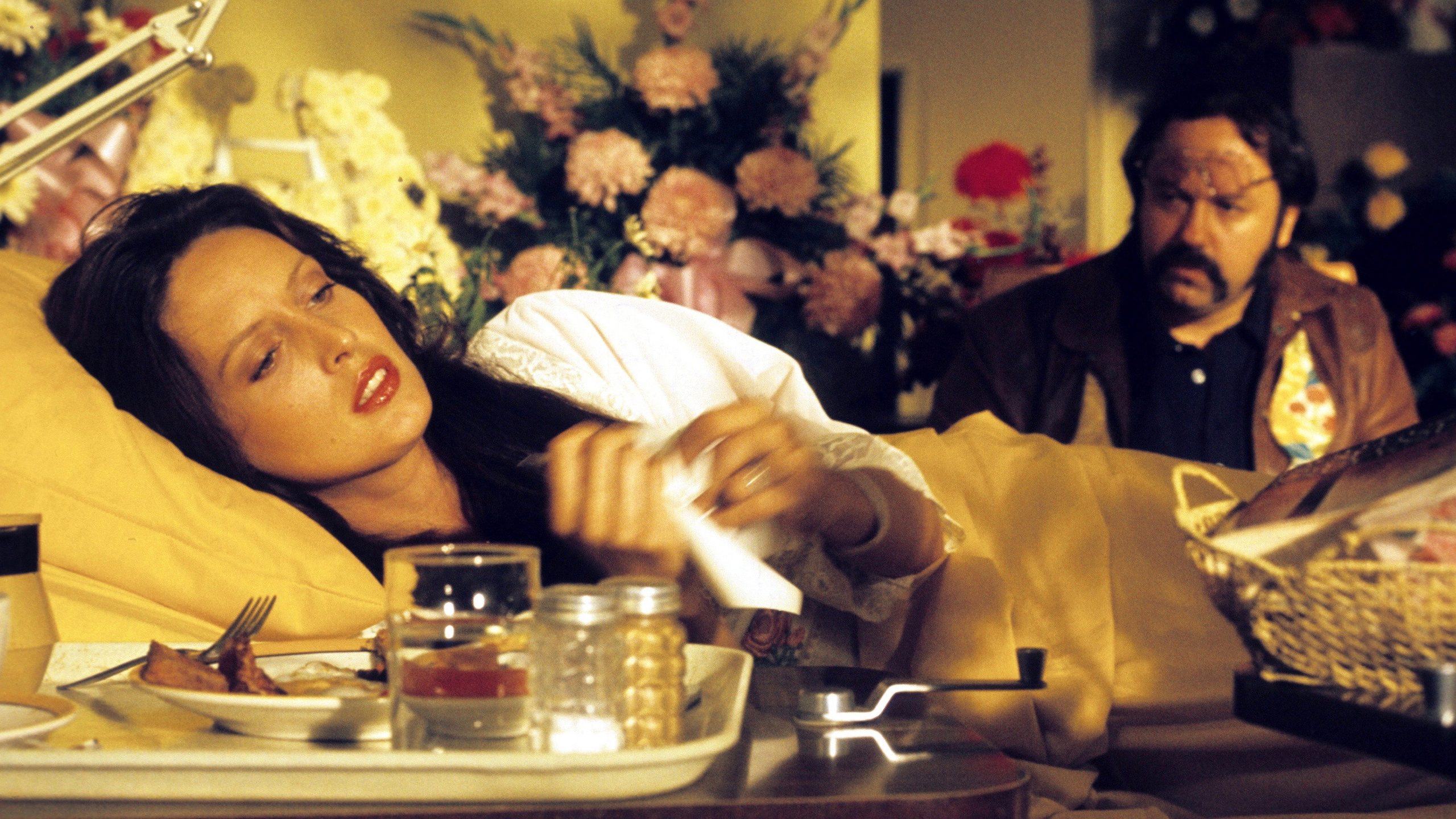
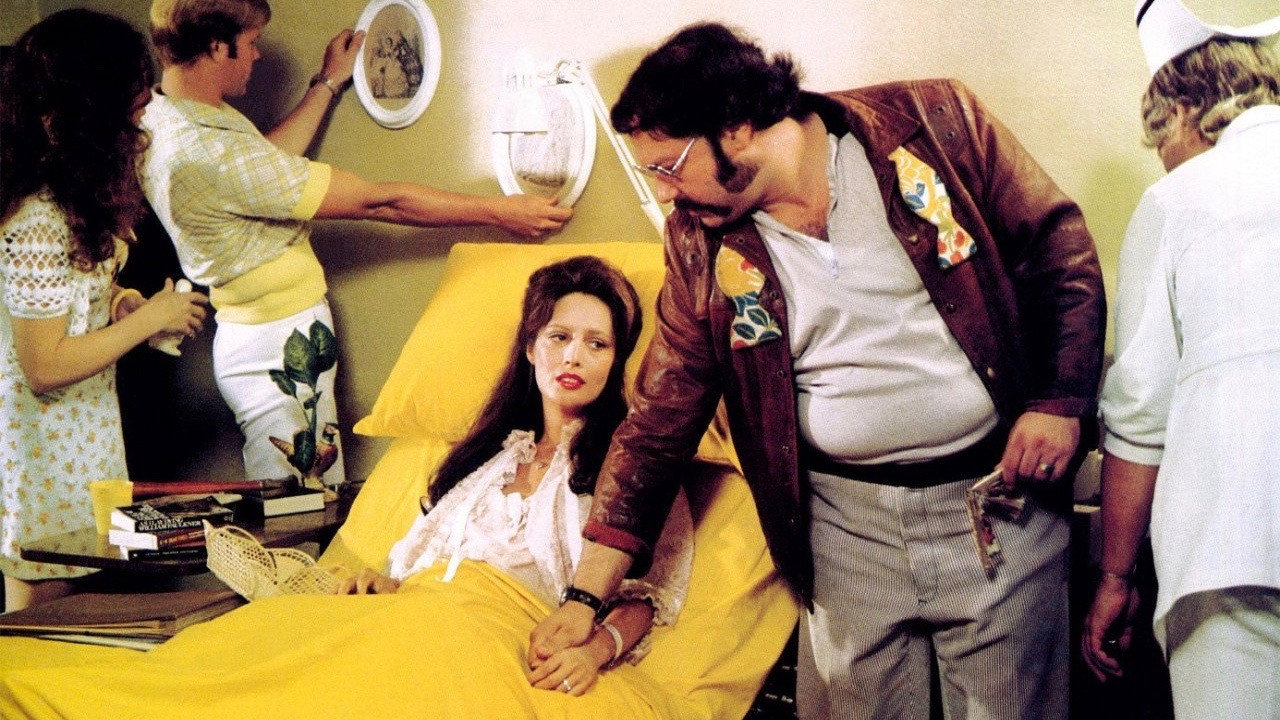
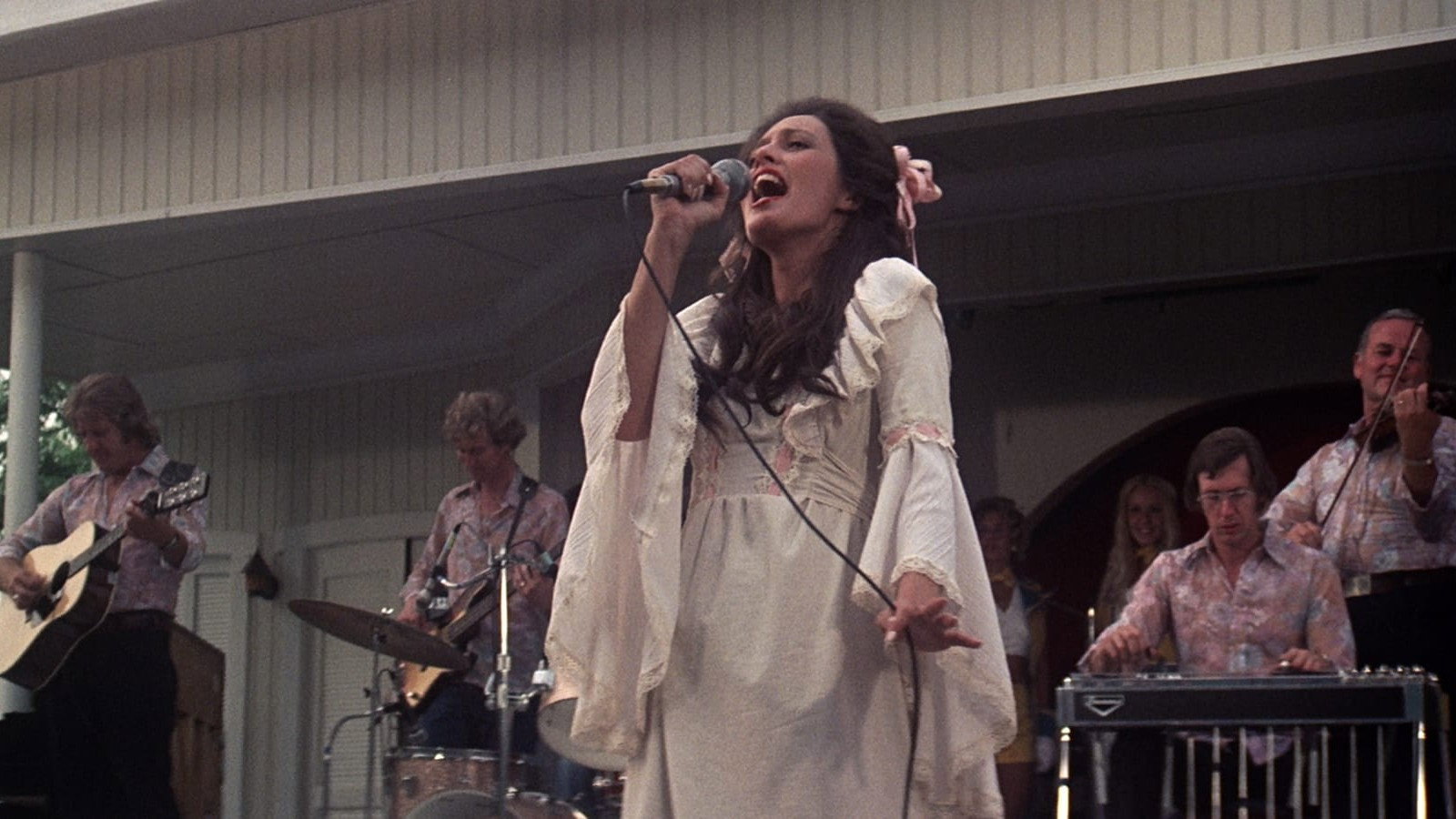
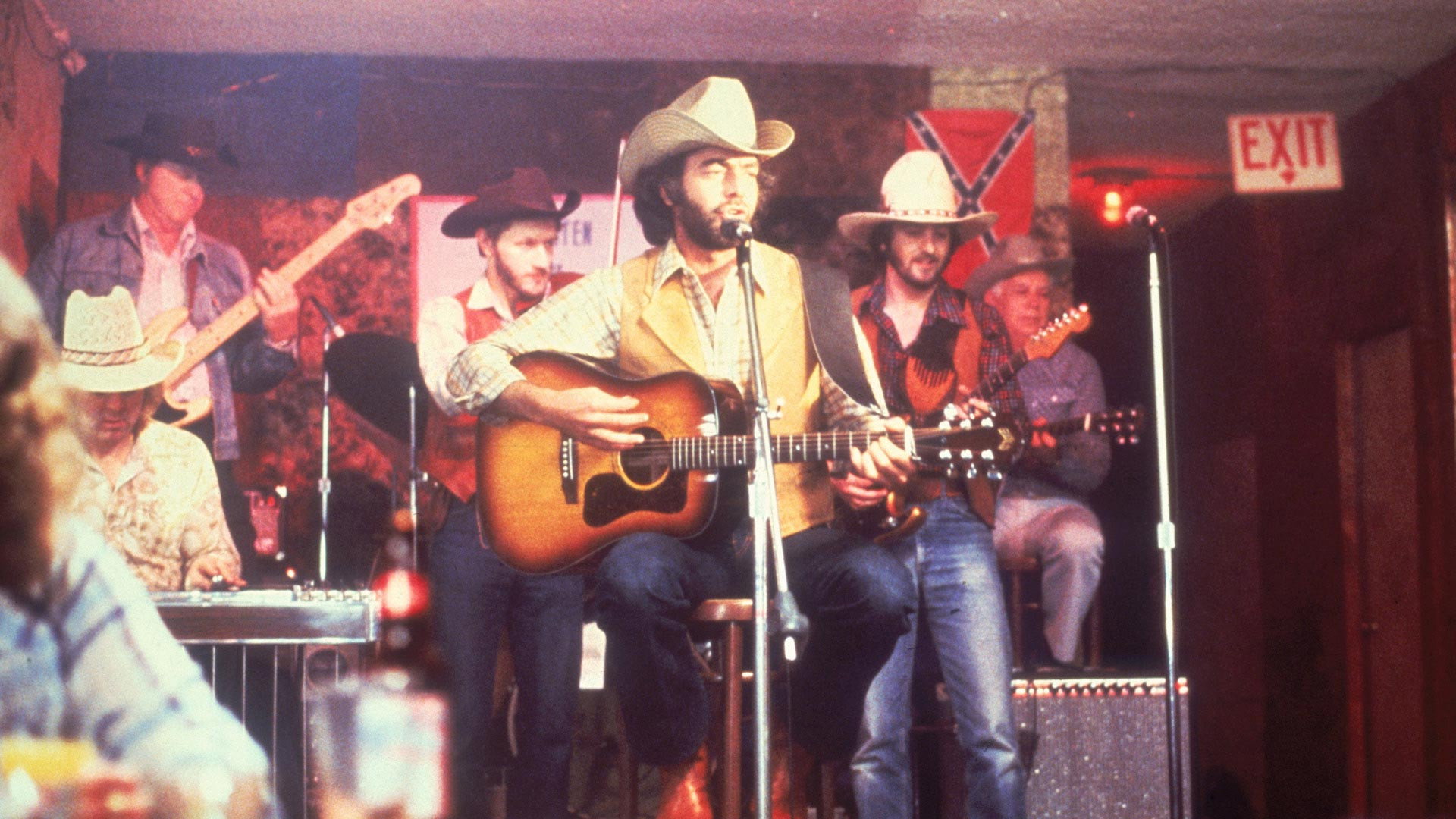
The music is given room to hold our attention on its own terms, with Karen Black and Ronee Blakley among its credited contributors. We were moved by Ronee Blakley’s singing in Dues. The hurt in her delivery makes Barbara Jean feel close to us, even within a film that keeps moving between people. The performance carries that feeling without making a joke of the country style. We can laugh at the hunger for applause and still understand why somebody would want to sing.
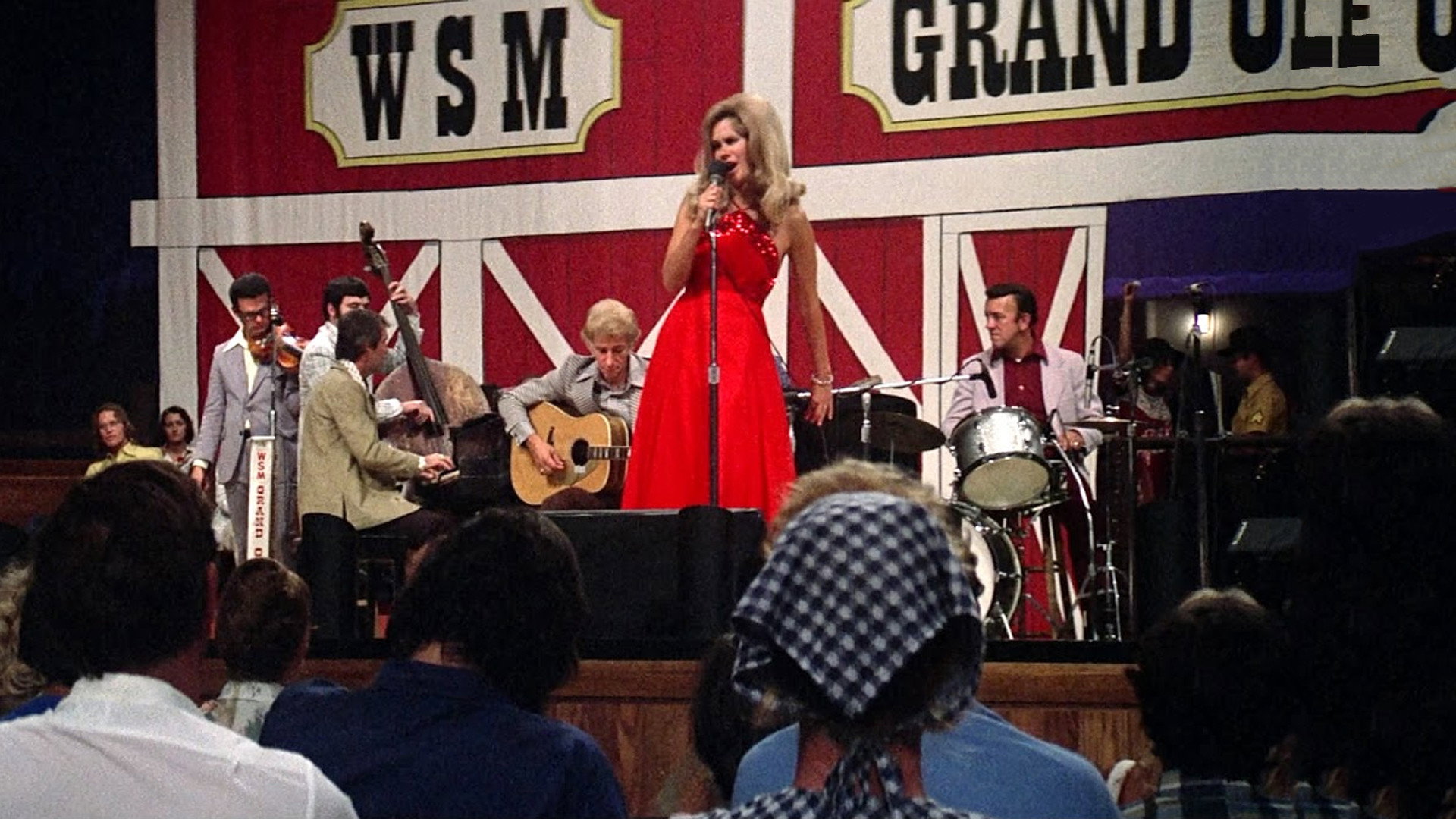
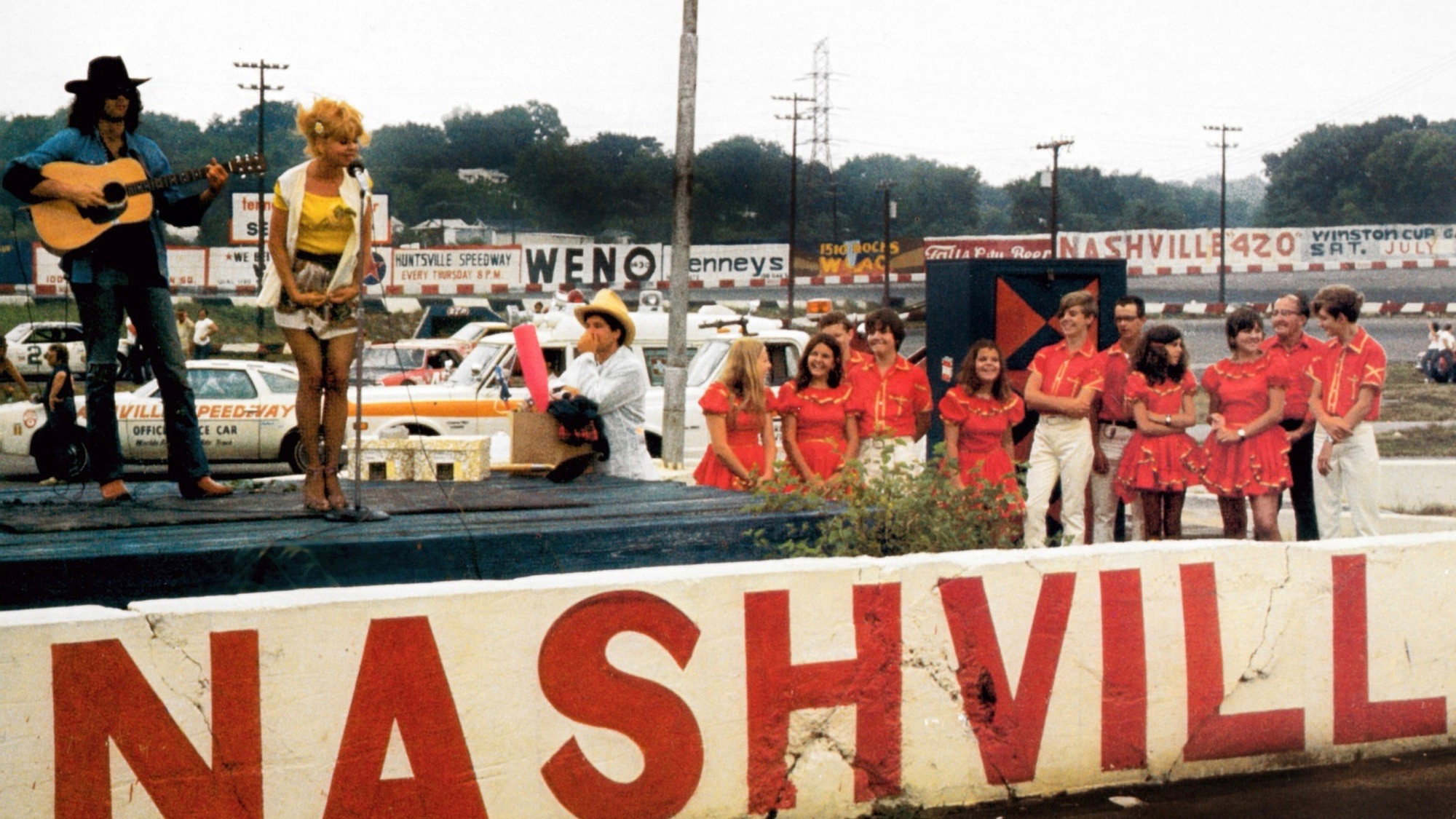
The political material works because it belongs alongside the entertainers’ scramble for attention. A crowd ready to listen to a singer is also a crowd somebody else would like to address. The film does not need to stop and explain the attraction. Having enjoyed the music ourselves, we are less comfortable dismissing the audience’s enthusiasm as foolishness, even when political interests are trying to take advantage of it.
There are costs to this much company. At 160 minutes, the film sometimes lets a sideline continue after we have understood what it offers, and the movement between people does not always disguise that slackness. Geraldine Chaplin’s Opal is a case in point: we tire of her sooner than the director does. Nor does the sound make allowances for divided attention; the voices can become tiring. These are real irritations, though they never outweighed our pleasure in spending time here.
Anyone expecting a musical in which songs neatly advance a central story will need to adjust. Performances take up time here, and allowing us to hear them properly helps explain why these people care so much about being heard. Give the film an evening without trying to keep up another conversation on the sofa. It has quite enough of those already.