Jean Renoir’s comedy of romantic intrigue is funny, unsettling and worth the concentration it demands. The busy opening can make its people hard to distinguish; once they settle into view, their small evasions become painfully recognisable.
The Rules of the Game asks us to keep liking people while watching them behave selfishly. Jean Renoir writes and directs with enough affection to make that an uncomfortable request, and the result is funny, troubling and worth the effort. In this pre-war French society, romantic intrigue occupies people who take their own position for granted. The servants have competing desires too. The film lets us enjoy the confusion, then gives us time to consider who can afford to make a fool of themselves.
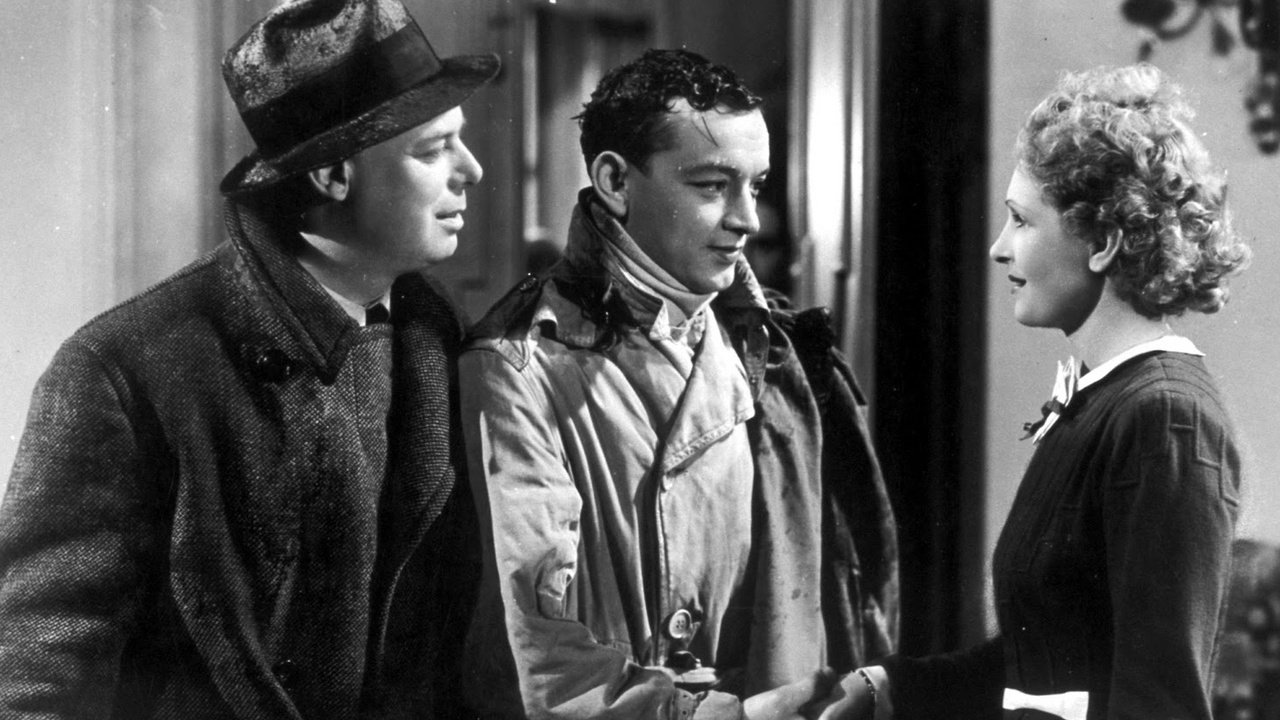
Marcel Dalio gives Robert de la Cheyniest an ease that makes his failings more uncomfortable, because we can understand why people would welcome his company. Nora Gregor’s reserve gives Christine de la Cheyniest a different pace from the people around her. Jean Renoir, playing Octave as well as directing, brings a warmth that stops the gathering becoming merely a collection of bad examples. He makes it possible to like someone here without forgetting how much trouble that person can cause.
The cinematography, credited to Jacques Lemare, Jean Bachelet, Jean-Paul Alphen and Alain Renoir, is crucial to that sense of a gathering we are allowed to observe. Deep focus keeps people at different distances in play, while long takes give us time to choose where to look. We are not hurried from one significant face to the next. Paying attention to one person does not require everyone else to cease existing, which makes the social comedy unusually absorbing. It also demands more concentration than a comedy of romantic mishaps might suggest.
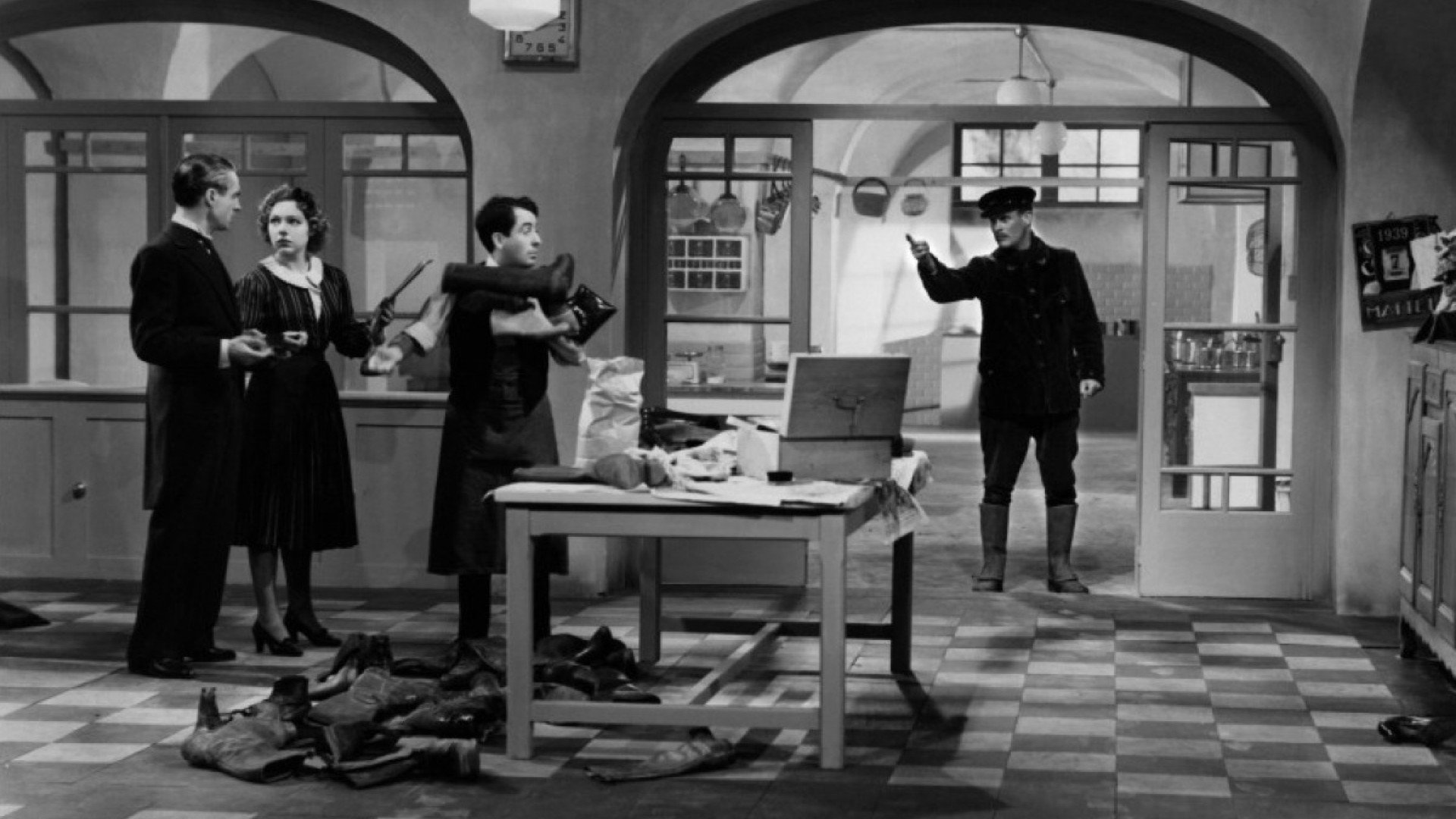
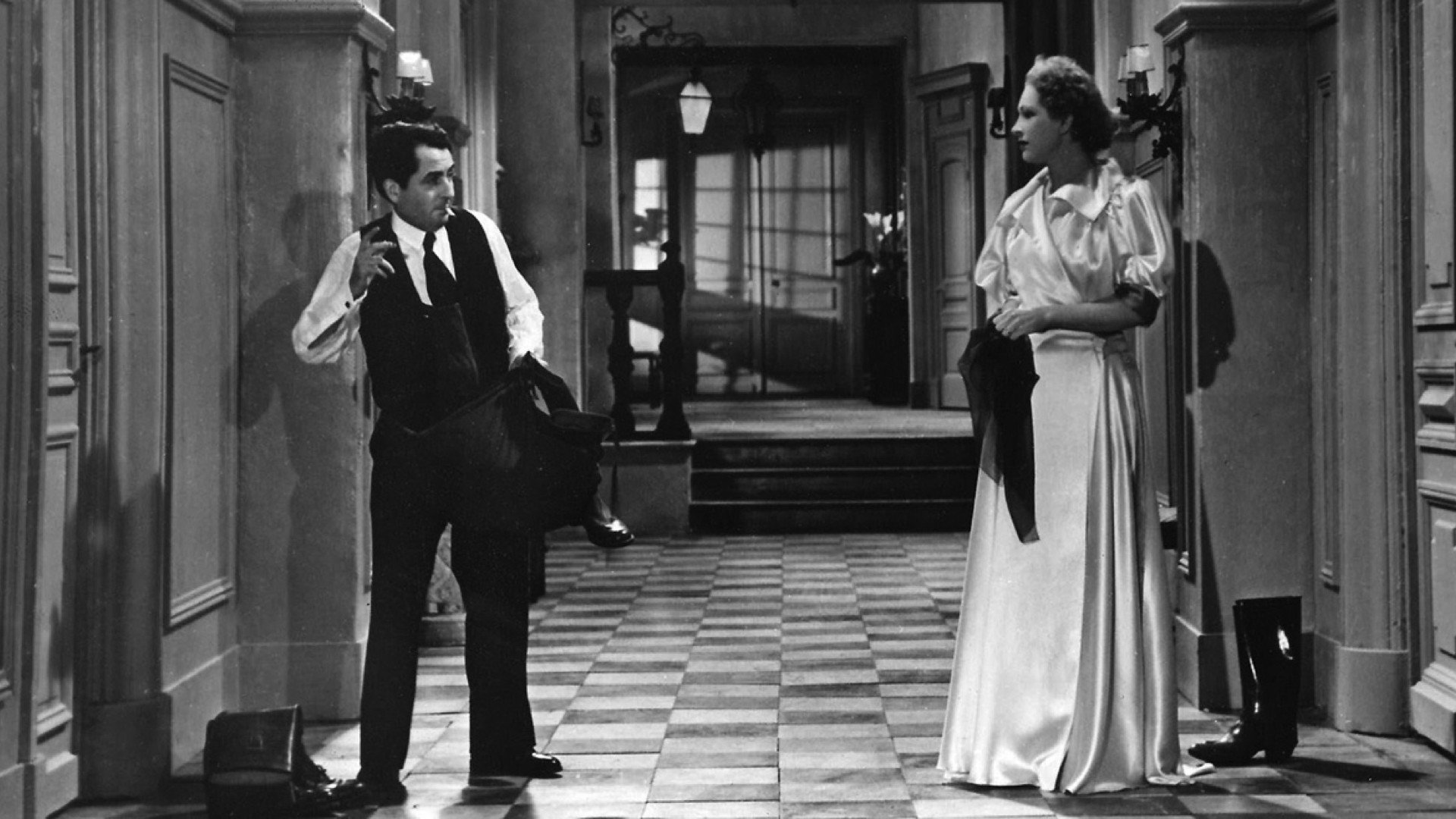
Eugène Lourié’s production design makes the upstairs-downstairs division readable, so a busy scene need not become an incomprehensible one. The spaces help us understand who belongs where and who is likely to be noticed. Editors Marthe Huguet and Marguerite Renoir give the long takes room without letting every exchange expand indefinitely. Their handling of the crowded intrigue is patient, though it takes a while to recognise whose disappointment matters to whom. The opening is the stretch where keeping track of everyone can become a chore.
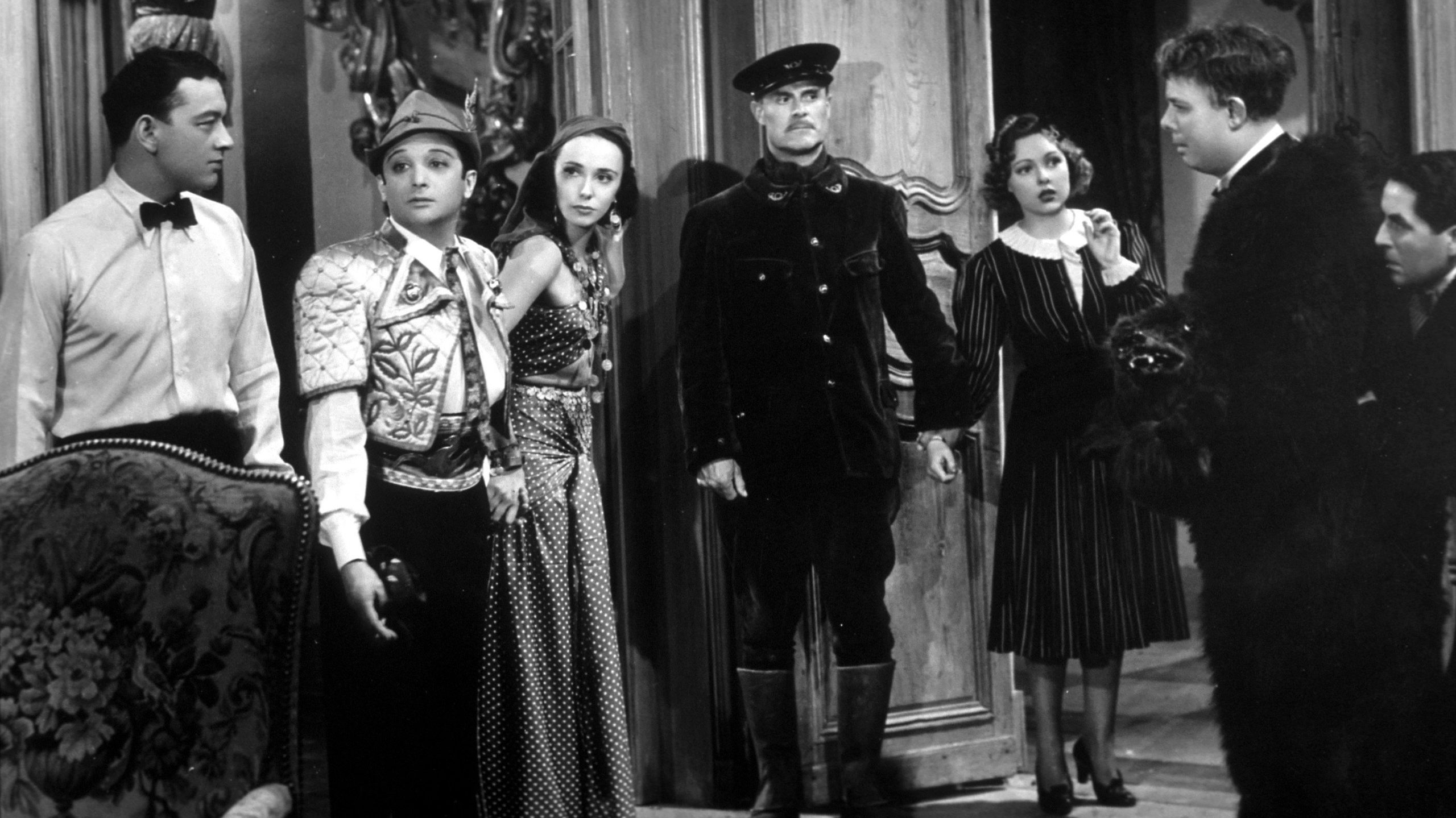
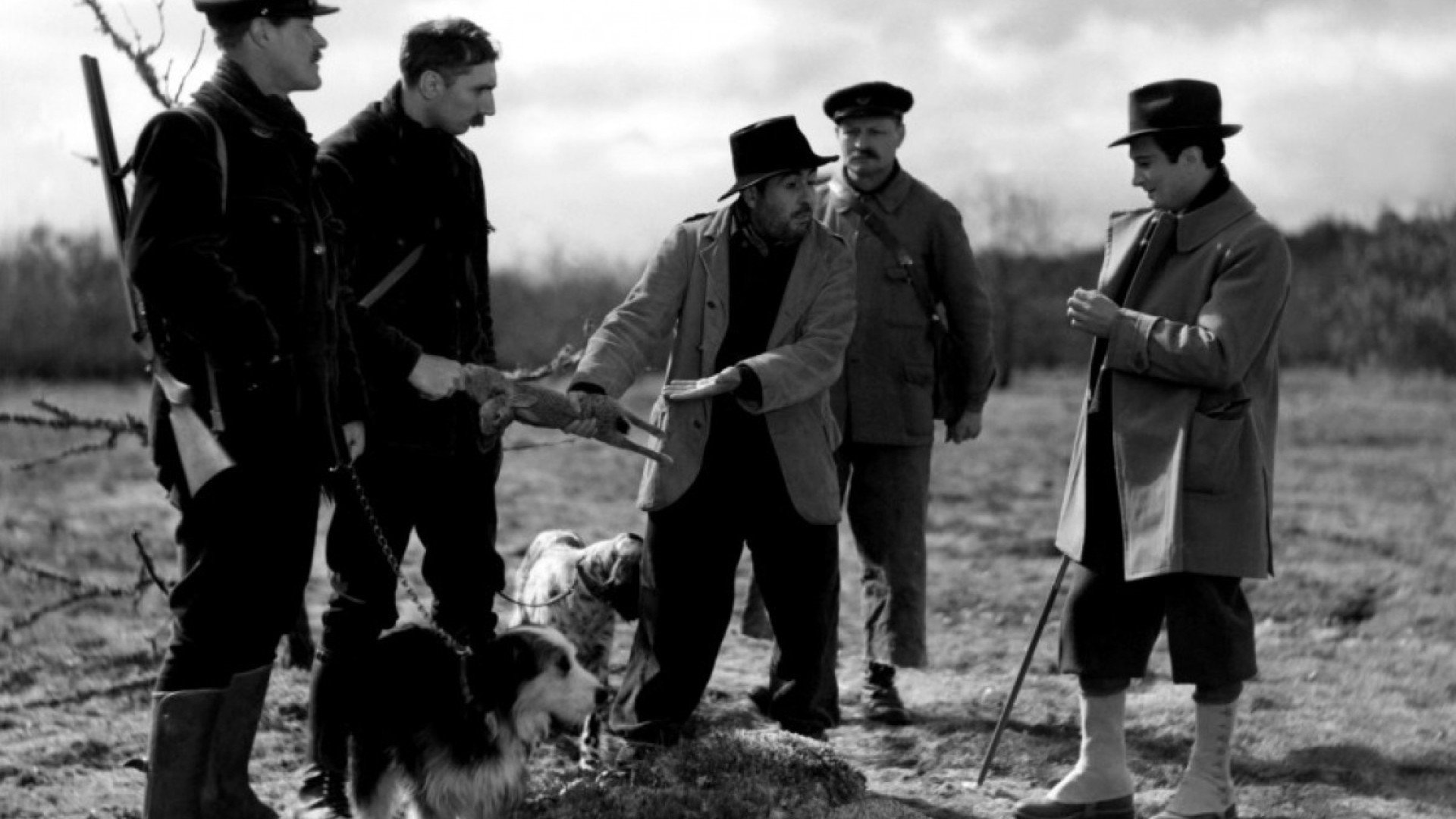
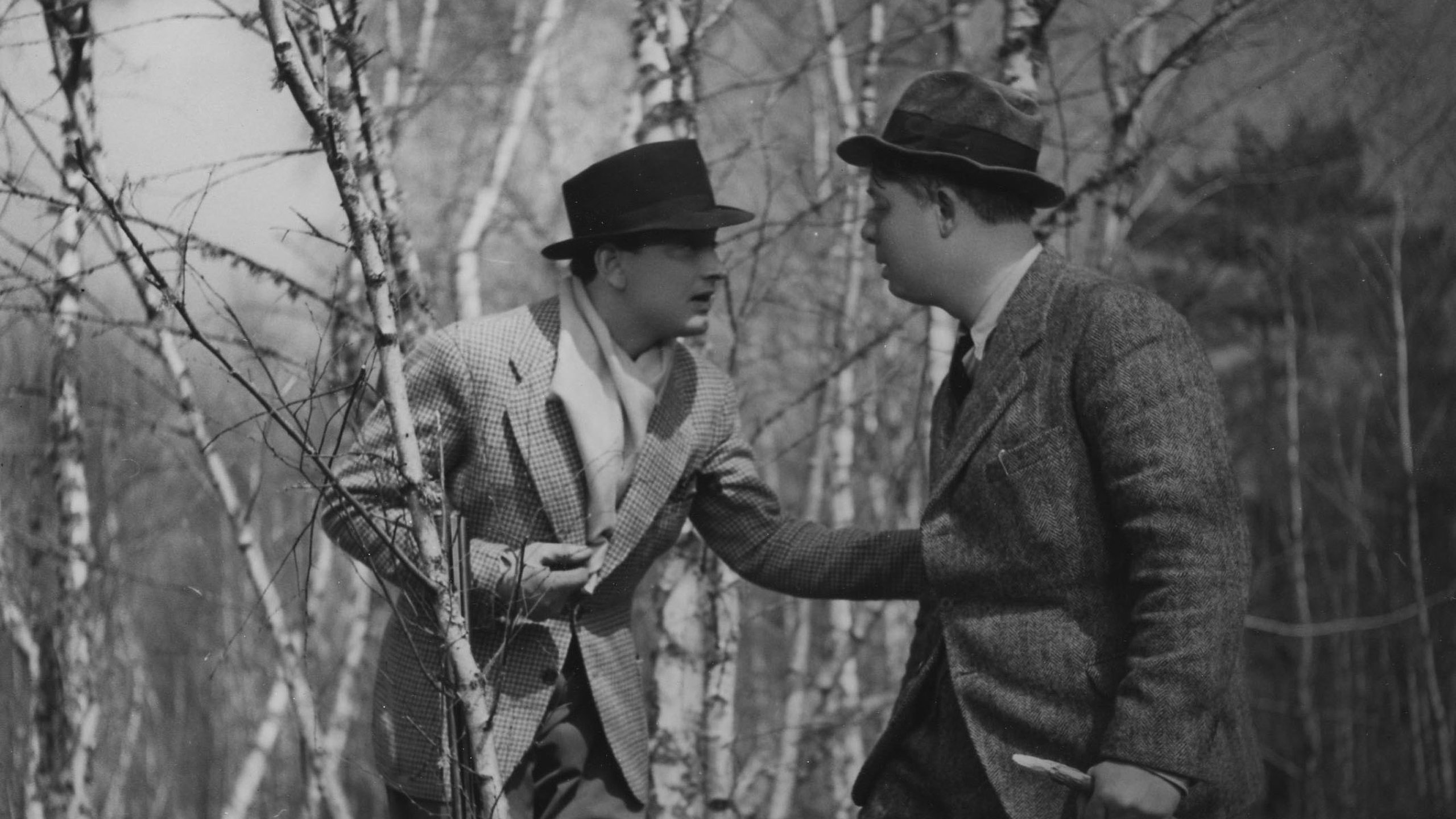
The rabbit shoot made us feel sick. Hunting sits among the gathering’s pleasures, and that association makes the guests’ composure harder to enjoy. Jean Renoir does not have to turn them into monsters for their behaviour to become disturbing. Joseph Kosma’s music helps sustain the lightness around these changes of tone, rather than making the comedy sound guilty from the start. The after-dinner entertainment brings a related discomfort: we are watching people put considerable effort into amusing one another, and the pleasure is difficult to separate from embarrassment.
There are costs to keeping so many people in circulation. Nora Gregor’s reserve sometimes makes Christine de la Cheyniest seem less involved than the intrigue requires, particularly while we are still learning how everyone fits together. A tidier farce would probably give us a clearer favourite and fewer reasons to reconsider our first impressions. Jean Renoir keeps finding room for people to be foolish, hurt and occasionally decent within the same passage. That generosity extends across the upstairs-downstairs divide without pretending that everyone has the same freedom to misbehave.
We would recommend it even to someone wary of drawing-room comedy. Choose an evening when the conversations will not have to compete with another screen, and give the introductions your attention. The guests already have enough trouble keeping track of one another.