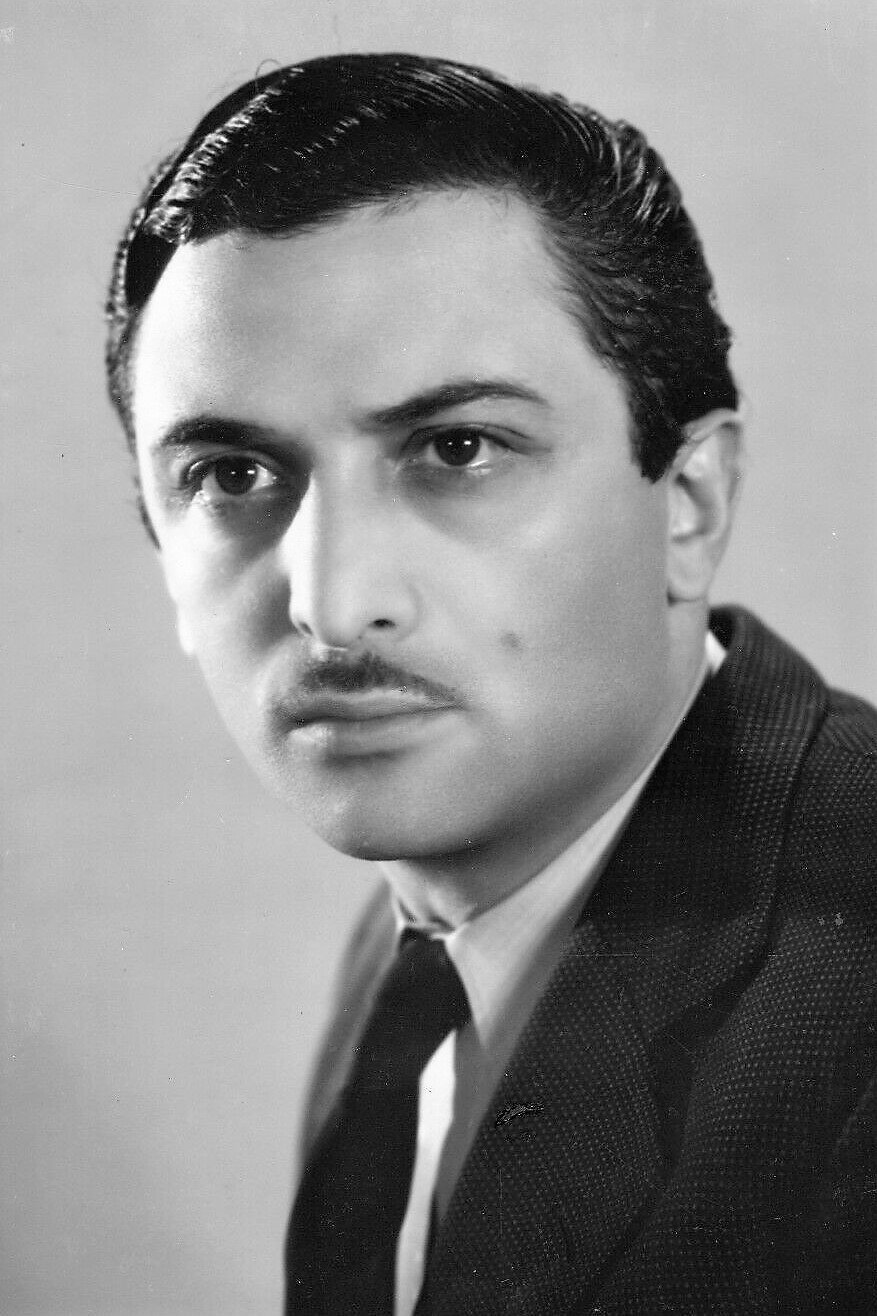
Marcel Dalio could make a man’s failings harder to excuse by making him such agreeable company. We would start with Jean Renoir, who gave him more to play than the superior manners Hollywood so often required.
Fi1m perspective
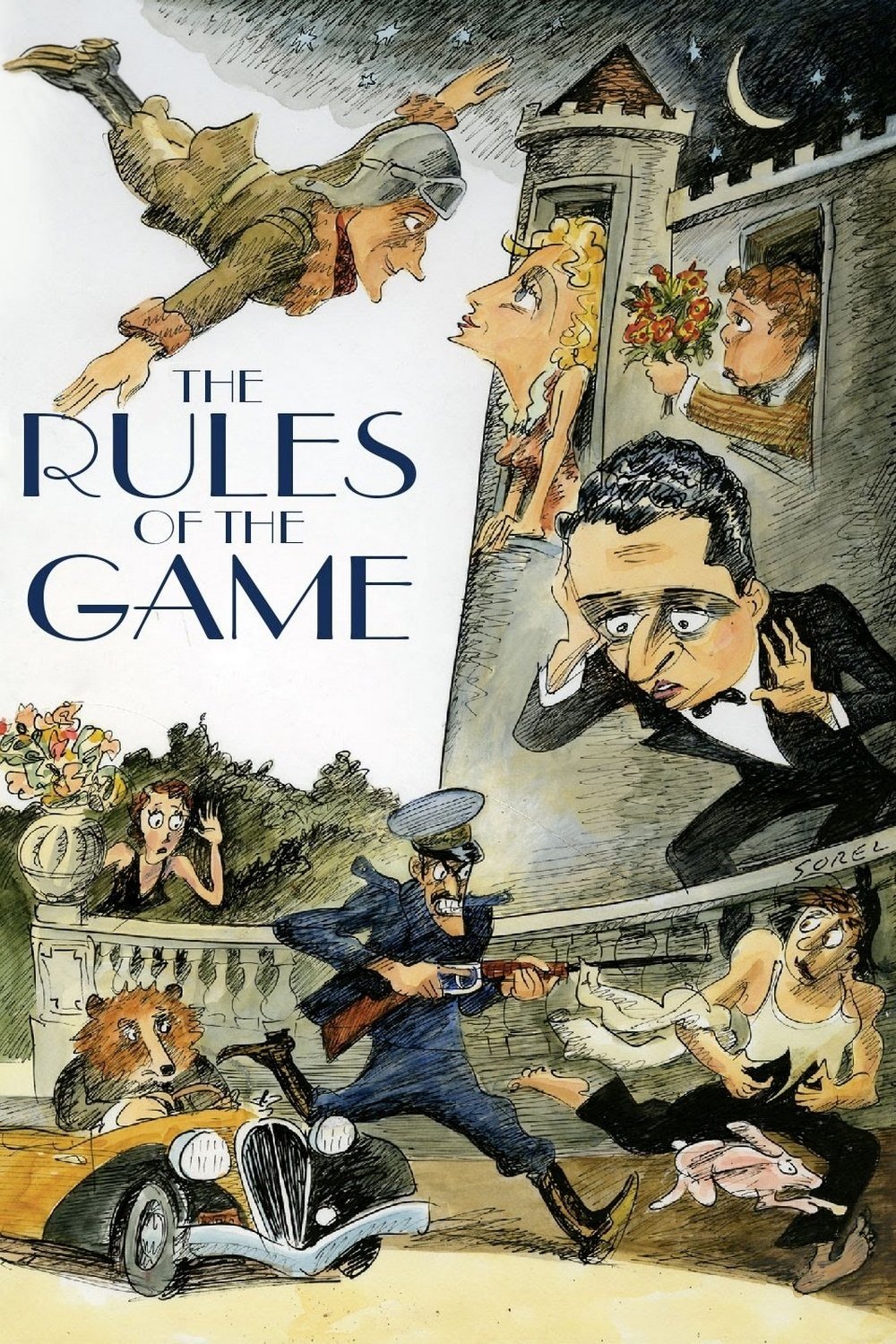
In The Rules of the Game (1939), Marcel Dalio makes Robert de la Cheyniest seem like someone whose company we would enjoy. We were unsettled by how readily we warmed to him, because Dalio makes his failings plain without making his company unpleasant. His cultivated, insecure Robert is quite at home among people who have plenty of evasions of their own. Dalio makes it harder to pretend we would have spotted the trouble with this man and kept our distance.
His early prominence came through supporting work in Pépé le Moko (1937) and two leading parts for Jean Renoir. The first was Lieutenant Rosenthal in Grand Illusion (1937); Robert followed two years later. These are the roles to put beside the smaller parts for anyone who knows Dalio chiefly as a familiar French face. In Robert, the cultivated manners come with insecurity, giving him something more specific to play than nationality.
The Rules of the Game needs that specificity because there are so many people to follow. Nora Gregor’s reserve as Christine de la Cheyniest sets a different pace from those around her. Renoir’s warmth as Octave keeps the gathering from becoming merely a collection of bad examples, and Dalio’s agreeable manner fits comfortably into this company. His ease has more interest when there are other actors working quite differently beside him. The busy opening can be difficult to follow, but we would not trade the pleasure of getting to know these people for a tidier introduction.
Hollywood narrowed the opportunities, repeatedly casting him as waiters, croupiers and other French types. In Casablanca (1942), he is Emil, the croupier at Rick’s, a small part suited to his ability to convey superiority while serving someone else. Such casting can leave an actor doing little beyond supplying the expected manner, however neatly he supplies it. Later work took him across French and international productions, including a leading role in The Mad Adventures of Rabbi Jacob (1973). Start with Robert, though, and give that crowded opening time to sort itself out.
Biography
Marcel Dalio (born Marcel Benoît Blauschild, also known as Israel Moshe Blauschild) was a French actor. He trained at the Conservatoire de Paris and began performing in revues and stage plays in the 1920s, moving into films in the early 1930s. He appeared in major French productions of the decade, including Julien Duvivier's Pépé le Moko (1937) and two films directed by Jean Renoir: Grand Illusion (1937), as Lieutenant Rosenthal, and The Rules of the Game (1939), as Robert de la Cheyniest.
During the Second World War he fled France and worked in Hollywood, where his credits included Casablanca (1943) and To Have and Have Not (1945). He continued acting in both American and French films into the 1970s, with later roles including appearances in Gentlemen Prefer Blondes (1953), Sabrina (1954), Catch-22 (1970) and The Mad Adventures of Rabbi Jacob (1973). His career spanned nearly 200 productions between 1931 and 1982.