Howard Hawks makes a courtship feel like a contest nobody can afford to lose. We rate his precise comedy and unfussy handling of actors highly, though he can keep a scene moving long after we want a breath.
Fi1m perspective
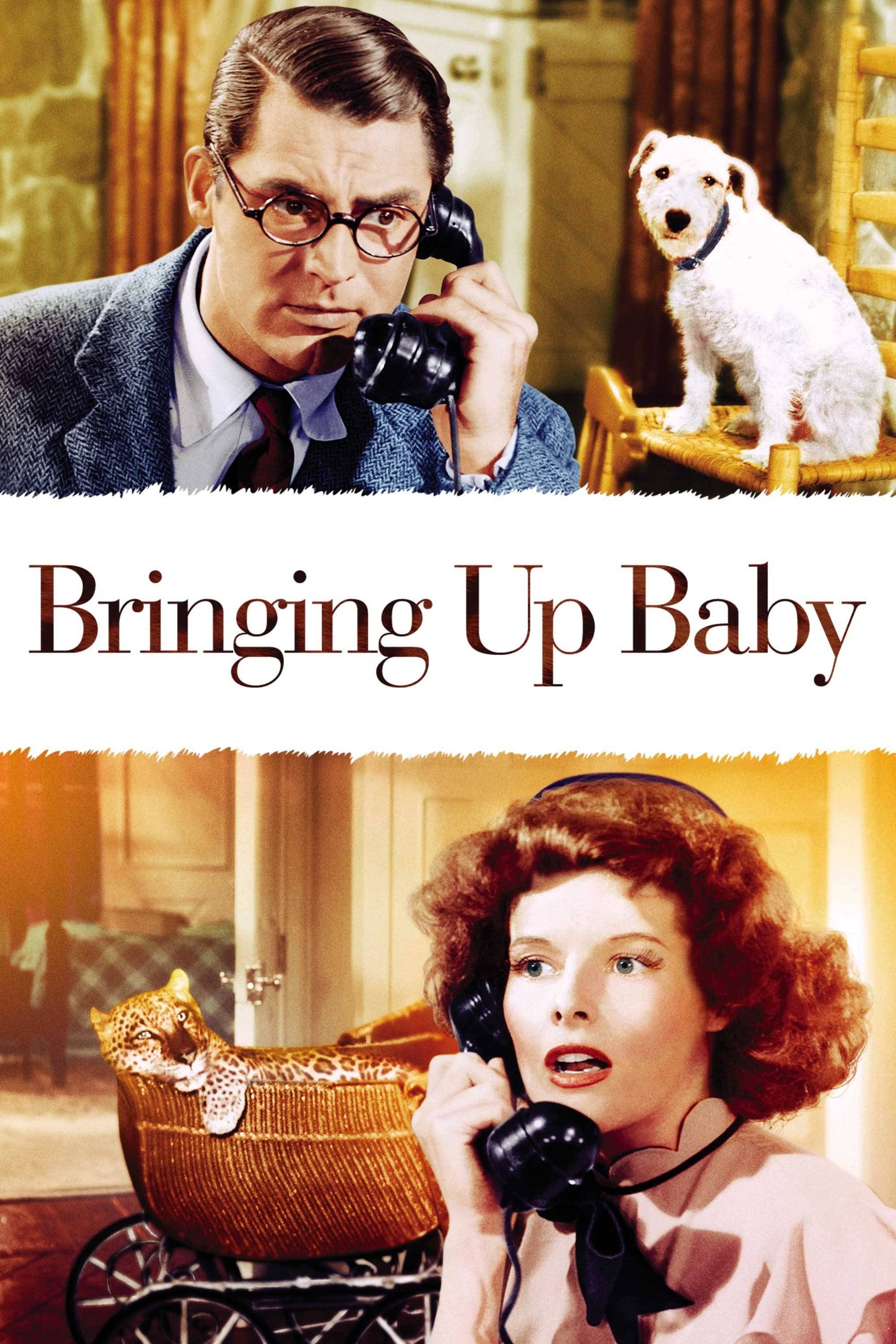
A scientist trying to cope with an heiress and her leopard has little chance of a quiet courtship in Bringing Up Baby (1938). Hawks keeps the romance moving through interruptions, misunderstandings and physical mishaps, leaving little time to ask why these two belong together. Cary Grant and Katharine Hepburn make the confusion precise. We laughed at the scientist's multiplying difficulties, then began to wish somebody would let him finish a thought.
The pleasure is in watching two performers keep their timing while everything around them becomes less manageable. Hawks is ruthless about romantic pursuit here, and the speed makes behaviour funny that might seem less tolerable with time to consider it. Our reservation is that he scarcely pauses to let the performances breathe. It remains a film we recommend warmly, with fair warning that quiet companionship is not on offer.
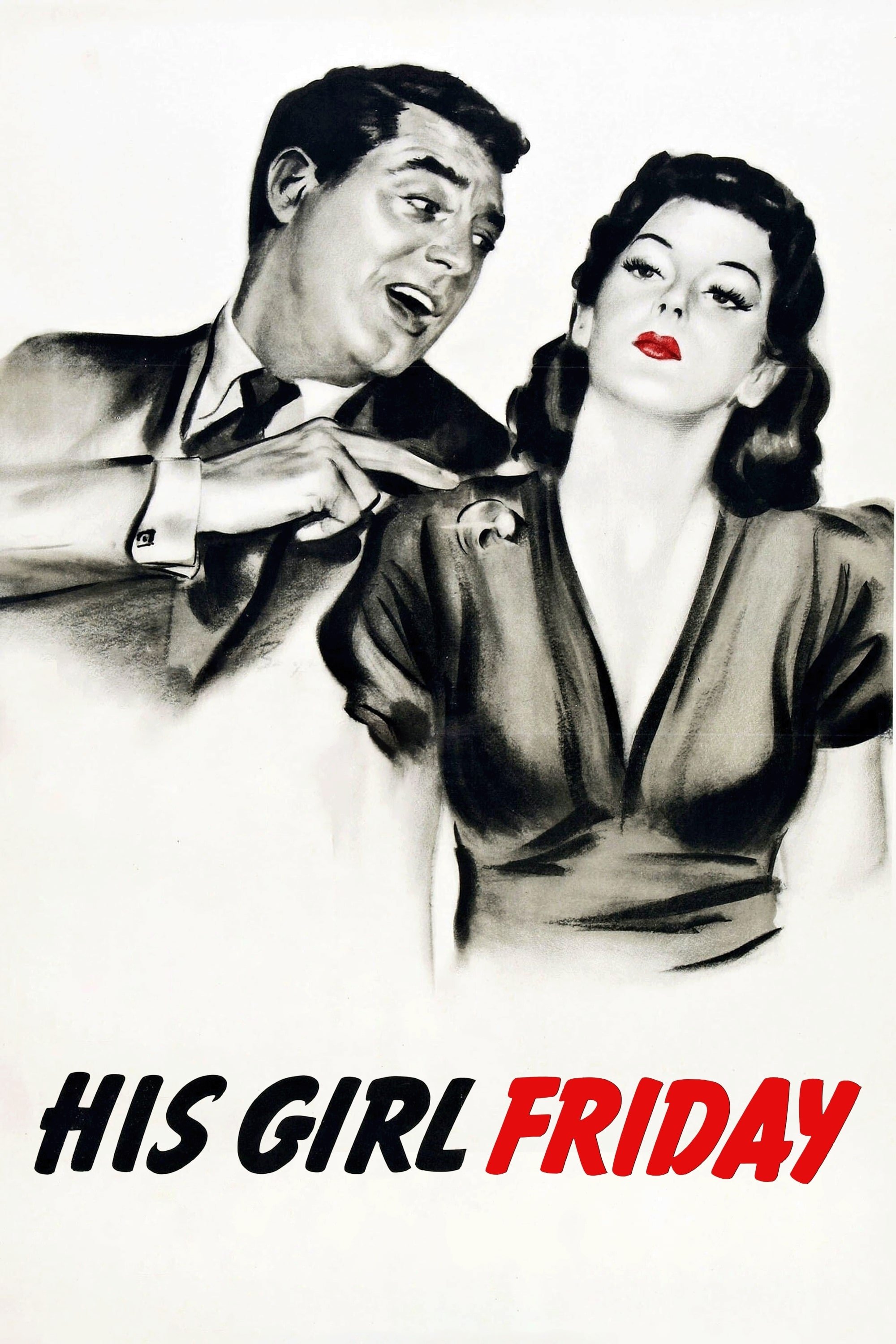
Hawks worked across genres rather than settling into one speciality. Scarface (1932) was the gangster-film breakthrough; His Girl Friday (1940) brought the overlapping talk into newspaper comedy. Later, Rio Bravo (1959) placed the emphasis on a professional group and the loyalty holding it together. The shift from frantic courtship to men under pressure is substantial, but the attention to how people work together persists. Hawks wants to see how they behave when someone else depends on them.
His economical visual style gives the actors room to do that work. Eye-level medium shots keep attention on people dealing with one another, while the rapid, overlapping dialogue makes listening as important as speaking. Grant's recurring partnership with Hawks is worth noting here: in Bringing Up Baby, the performance stays precise even when the courtship becomes exhausting. The actor gives us someone to follow through the confusion without Hawks having to slow things down and explain.
The risk is repetition, particularly in the later Westerns, El Dorado (1966) and Rio Lobo (1970), where the familiar situations can feel short of fresh energy. Returning to trusted working methods does not guarantee another good evening. Start with Bringing Up Baby, but choose it for a night when being interrupted sounds entertaining.
Biography
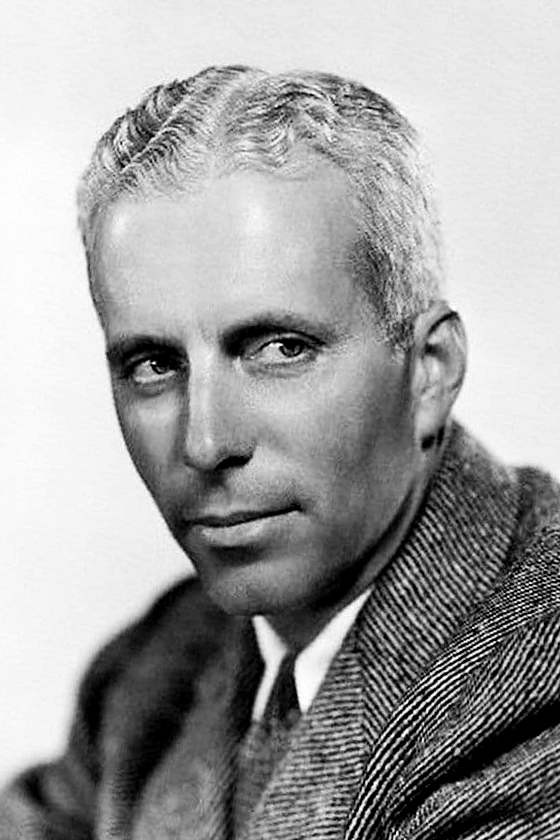
Howard Winchester Hawks was an American film director, producer and screenwriter. He was born on 30 May 1896 in Goshen, Indiana, and died on 26 December 1977 in Palm Springs, California.
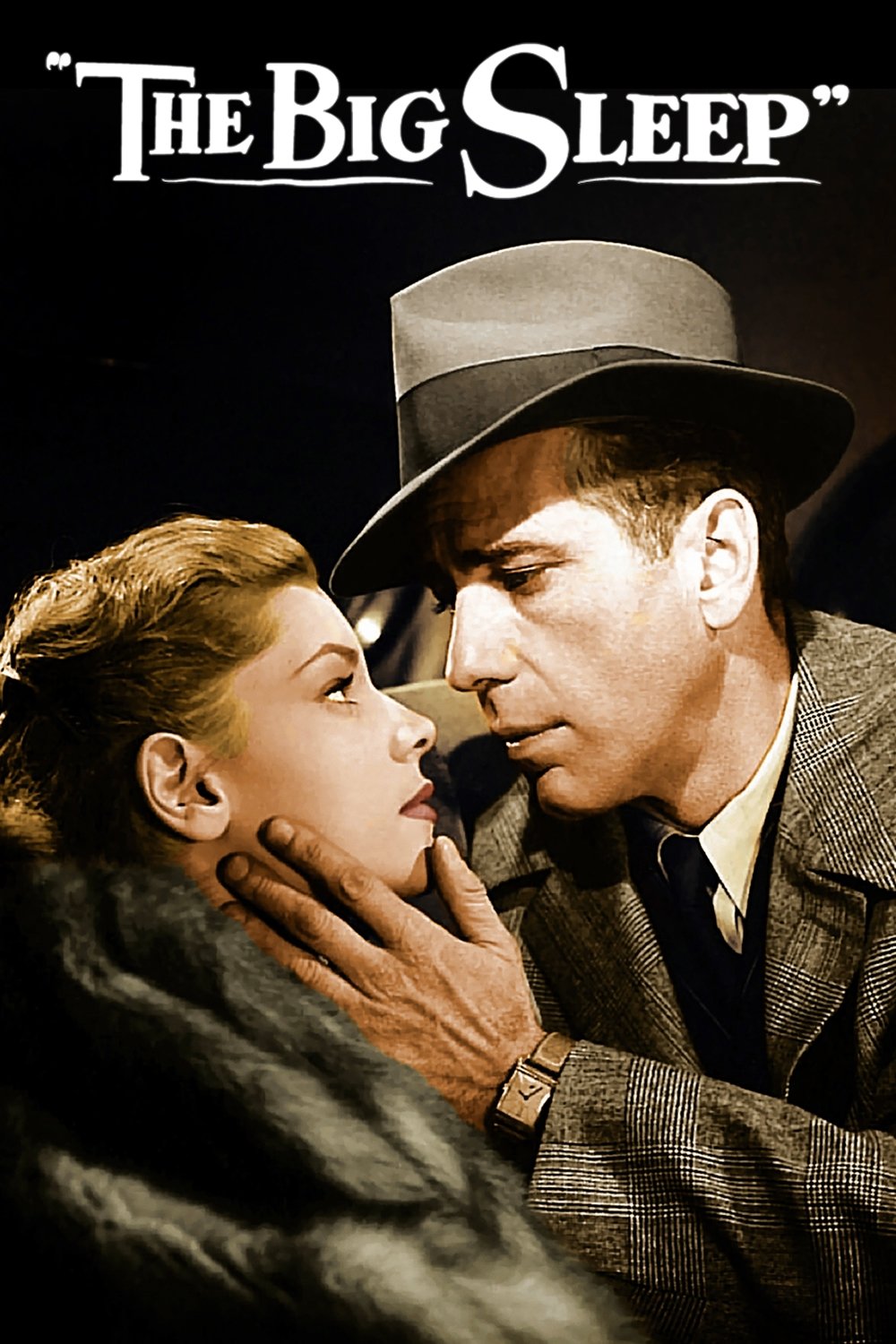
Hawks directed and produced Bringing Up Baby (1938) and His Girl Friday (1940). Other films he directed include Scarface (1932), Sergeant York (1941), The Big Sleep (1946), Red River (1948), Gentlemen Prefer Blondes (1953), Rio Bravo (1959) and El Dorado (1966).
He received an Academy Award nomination for Best Director for Sergeant York and was awarded an Honorary Academy Award in 1975.