Film review

His Girl Friday

1940 · Directed by Howard Hawks · 1h 32m · MPA NR

In a sentenceCary Grant and Rosalind Russell make interrupting each other seem a reasonable basis for marriage

ComedyRomanceCrime

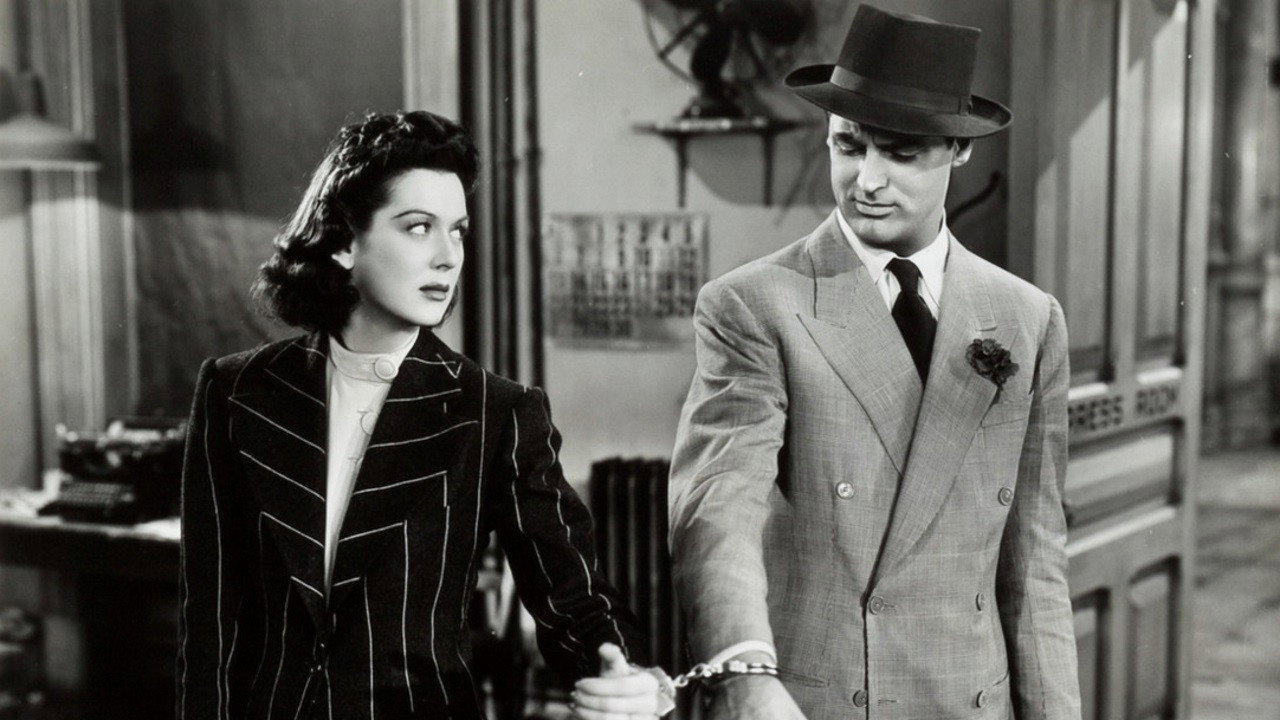
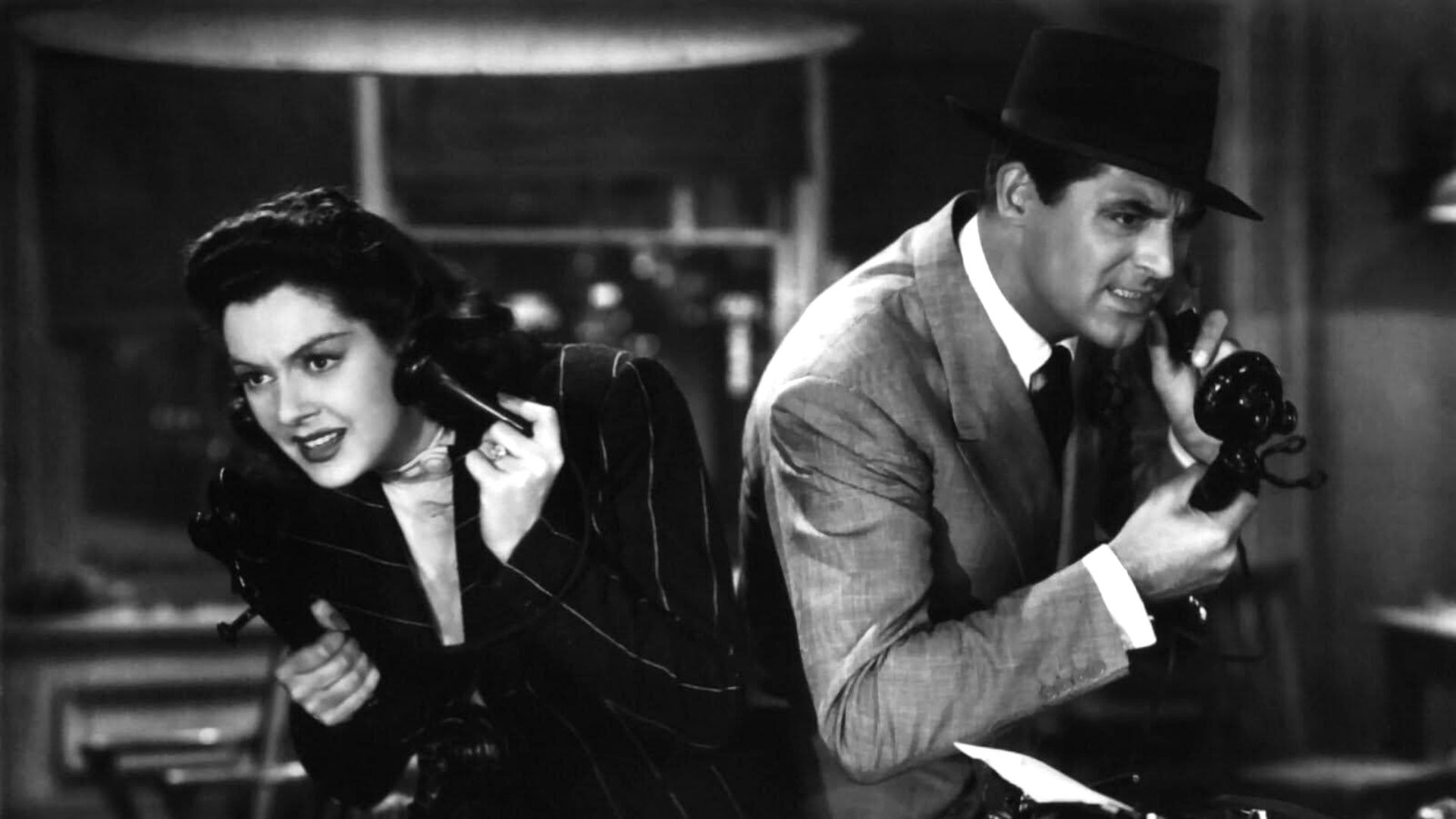
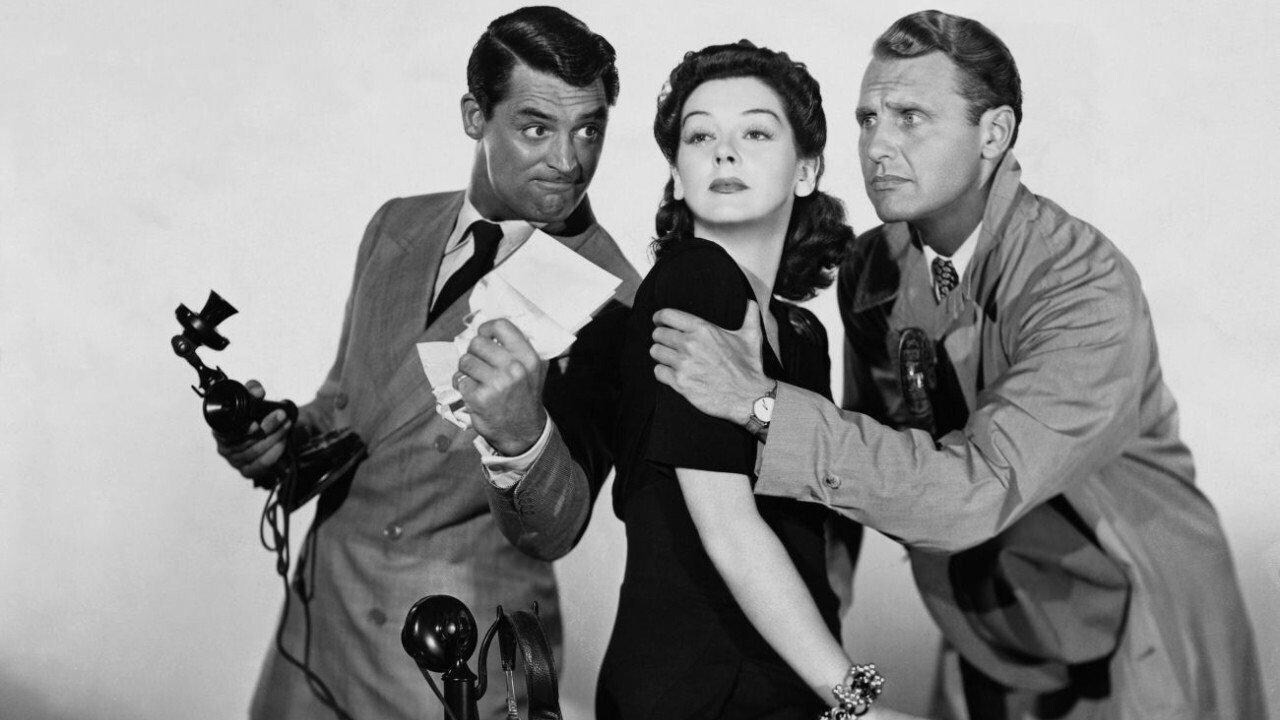
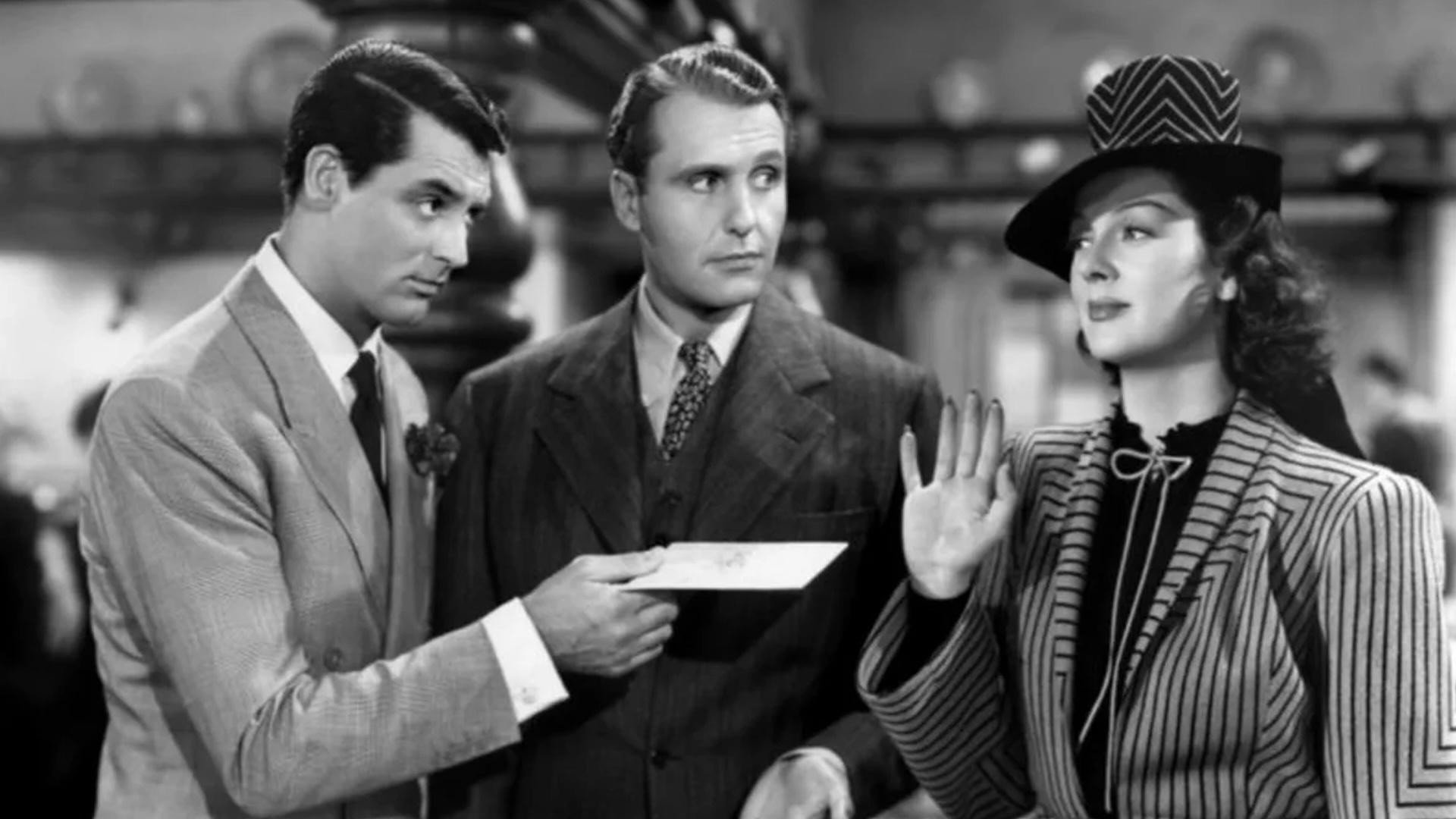
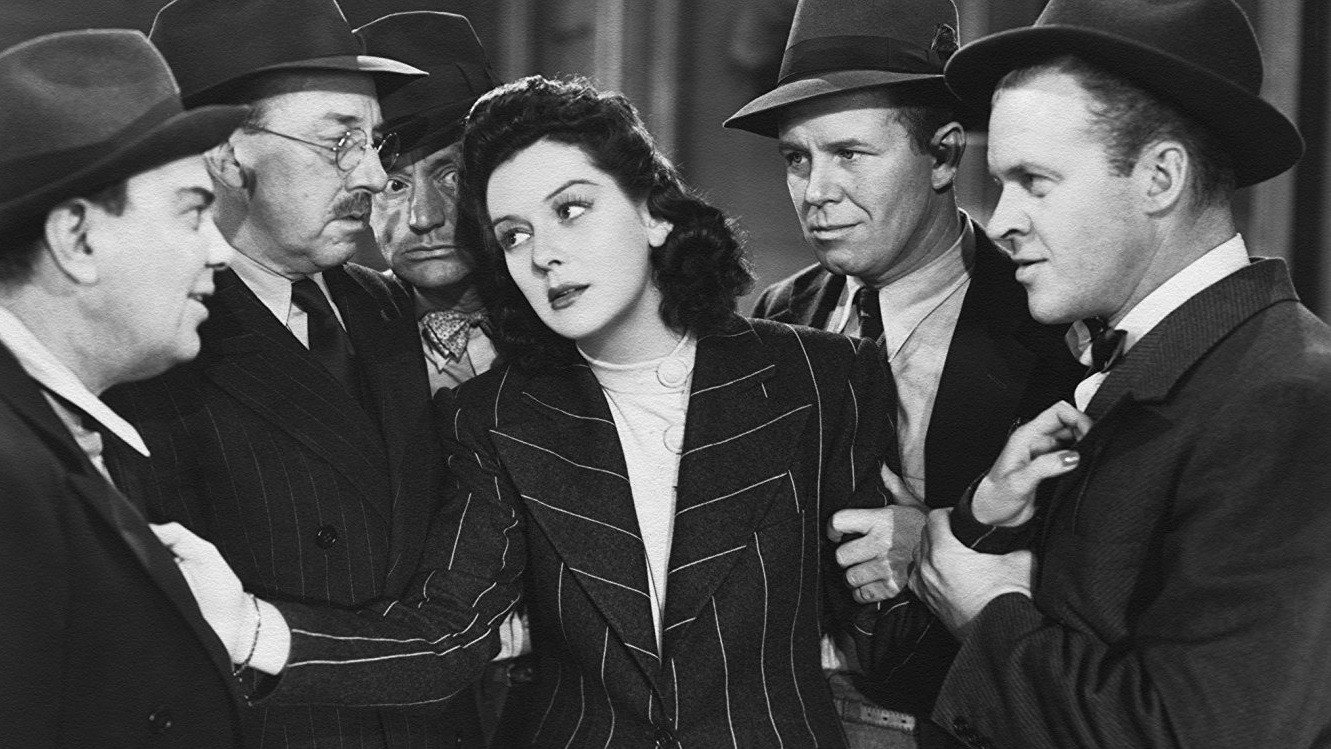
Walter Burns (Cary Grant) is a newspaper editor; Hildy Johnson (Rosalind Russell) is a reporter and his ex-wife. Their arguments run through a pressroom caught up in a gallows story, mixing newspaper work with unfinished marital business. Walter wants his own way; Hildy answers him at speed. The surrounding company includes Bruce Baldwin (Ralph Bellamy) and Sheriff Hartwell (Gene Lockhart), alongside reporters competing to make something of the case. With a man’s fate supplying the copy, professional rivalry and personal sparring happen at once, and scarcely anyone waits for someone else to finish speaking.

Plays from YouTube when you press play; nothing loads from them until then.

Fi1m review

Howard Hawks makes newspaper work look irresistible without pretending its practitioners are decent. Cary Grant and Rosalind Russell give the romantic sparring extraordinary precision; the constant clamour is the price of an unusually sharp comedy.

His Girl Friday is a sharply funny romantic comedy that makes us believe two combative ex-spouses might belong together. Howard Hawks lets a newspaper editor and his reporter ex-wife argue at speed, and makes their pleasure in the fight more convincing than any declaration of love could be. We recommend it without much hesitation, though its appetite for noise can be tiring. The attraction lies in watching two people who know exactly how the other works and still choose to engage.

Cary Grant makes Walter Burns’s scheming enjoyable enough to cause a small moral problem: we keep wanting him to get another sentence in. Rosalind Russell gives Hildy Johnson the speed to answer and the assurance to refuse to be impressed. Neither performance would be half as funny without the other listening so competitively. Even when the words overlap, there is a clear contest for control. Their shared profession gives that contest something more substantial than a string of insults.

Ben Hecht and Charles Lederer are credited with the screenplay, and the writing lets an argument serve several purposes at once. A professional exchange can carry resentment, attraction and an attempt to get an advantage without stopping to explain any of them. Howard Hawks trusts us to follow the important thread rather than gather every syllable. We occasionally miss a line, but rarely lose track of who is winning. That is what distinguishes the speed here from actors simply speaking quickly.

The reporters’ excitement over the gallows story made us laugh, and we felt grubby about it. A man’s possible execution is something for these people to turn into copy, and their briskness makes the callousness funny before it has time to become appalling. Howard Hawks does not make them less entertaining to help us disapprove. The ugliness matters because it stops the pleasure of newspaper work becoming a simple excuse for everything done in its name.

Joseph Walker’s cinematography gives the actors space to compete without making the competition difficult to read. Gene Havlick’s editing is similarly useful: with so many voices demanding attention, we need to understand who has gained ground. We notice the timing of the performances before the work of either man, which suits this comedy. Music is credited to Felix Mills and Sidney Cutner, but it is the collision of voices that supplies the memorable rhythm. The pressroom works as a setting because nobody’s personal business can remain separate from the job for long.

The same relentlessness is also the film’s limitation. At 92 minutes, it is compact, yet there are passages when another interruption feels like another demand rather than another joke. Howard Hawks is so committed to the leading pair’s pace that a gentler response can seem beside the point. The black comedy sometimes moves past other people’s discomfort too briskly, even allowing for its deliberate callousness. Anyone who finds the volume wearing will not necessarily be rescued by the romantic chemistry.

As screwball romance, it earns its reputation through the precision of the partnership. The work gives these ex-spouses a convincing reason to find each other interesting, however poorly either might qualify as a sensible choice. We believe in their attraction because we can hear how much they enjoy the argument. Watch it when there is enough attention left in the evening for two people determined to talk over each other.
Critical consensus AI synthesised

88
Positive
12
Mixed
1
Negative
0

Most critics greet His Girl Friday with enthusiasm, with praise clustering around Howard Hawks’ brisk direction, the overlapping dialogue and the chemistry between Cary Grant and Rosalind Russell. The reviews repeatedly single out Russell’s forceful Hildy and Grant’s comic timing, finding that making the reporter a woman gives the professional sparring and romantic tension fresh energy. Several also stress the comedy’s darker side: its sharp treatment of journalism and gallows humour keep the verbal speed from being its only attraction.

The disagreement centres on whether that pace helps or hinders the comedy. The New York Times finds the noise and frenzy hard to follow, providing the lone mixed assessment. Variety is more measured than most, describing a close reworking of The Front Page while still praising the casting and pressroom action. The spread is therefore largely between approval and enthusiasm, with little resistance to the leads.

Radio Times
★★★★★ · Tony Sloman
100

This is the fastest-talking comedy in Hollywood history and an ideal showcase for Cary Grant and Rosalind Russell. The interplay between the ex-spouses and the black comedy of the gallows situation make it clever, witty and satisfying.

Read the full review →
The Times
5 December 2025 · ★★★★★
100

The critic praises this gender-flipped adaptation of The Front Page as a dizzyingly accomplished screwball comedy masterpiece, highlighting the propulsive, rapid-fire dialogue and the crackling romantic tension between Rosalind Russell and Cary Grant.

Read the full review →
Time Out
15 December 2009 · ★★★★★ · Joshua Rothkopf
100

The film is a masterpiece of rapid banter and screwball energy that makes journalism seem thrilling. Hawks' direction, the sparkling script and the perfect chemistry between Grant and Russell are singled out for praise.

Read the full review →
Empire
1 January 2000 · Colin Kennedy
90*

The critic hails Howard Hawks' timeless screwball comedy as the finest example of its genre, elevated by the gender-swapped adaptation of The Front Page that turns it into a classic battle-of-the-sexes romp. Grant's comic timing and Hawks' dynamic direction are singled out for particular praise.

Read the full review →
Slant Magazine
11 January 2017 · Chuck Bowen
90*

The critic hails the Criterion restoration of one of the greatest American comedies, praising Hawks’ perfect realization of professional camaraderie and verbal warfare between Russell and Grant, the film’s alive and electric quality, and its tart, unsentimental edge beneath the acclaim.

Read the full review →
The AV Club
11 September 2020 · Caroline Siede
90*

The critic celebrates the film as a dense, rapid-fire screwball classic that redefined the genre with its overlapping dialogue at record speed, morally complex take on journalism, and iconic Hawksian woman in Russell’s Hildy, while noting its enduring influence on rom-coms and TV.

Read the full review →

Cast

Stills

If you liked this, try…