Film review

The Lady Eve

1941 · Directed by Preston Sturges · 1h 37m

In a sentenceHenry Fonda has no defence against Barbara Stanwyck, and we cannot think of a sensible reason to help him

ComedyRomance

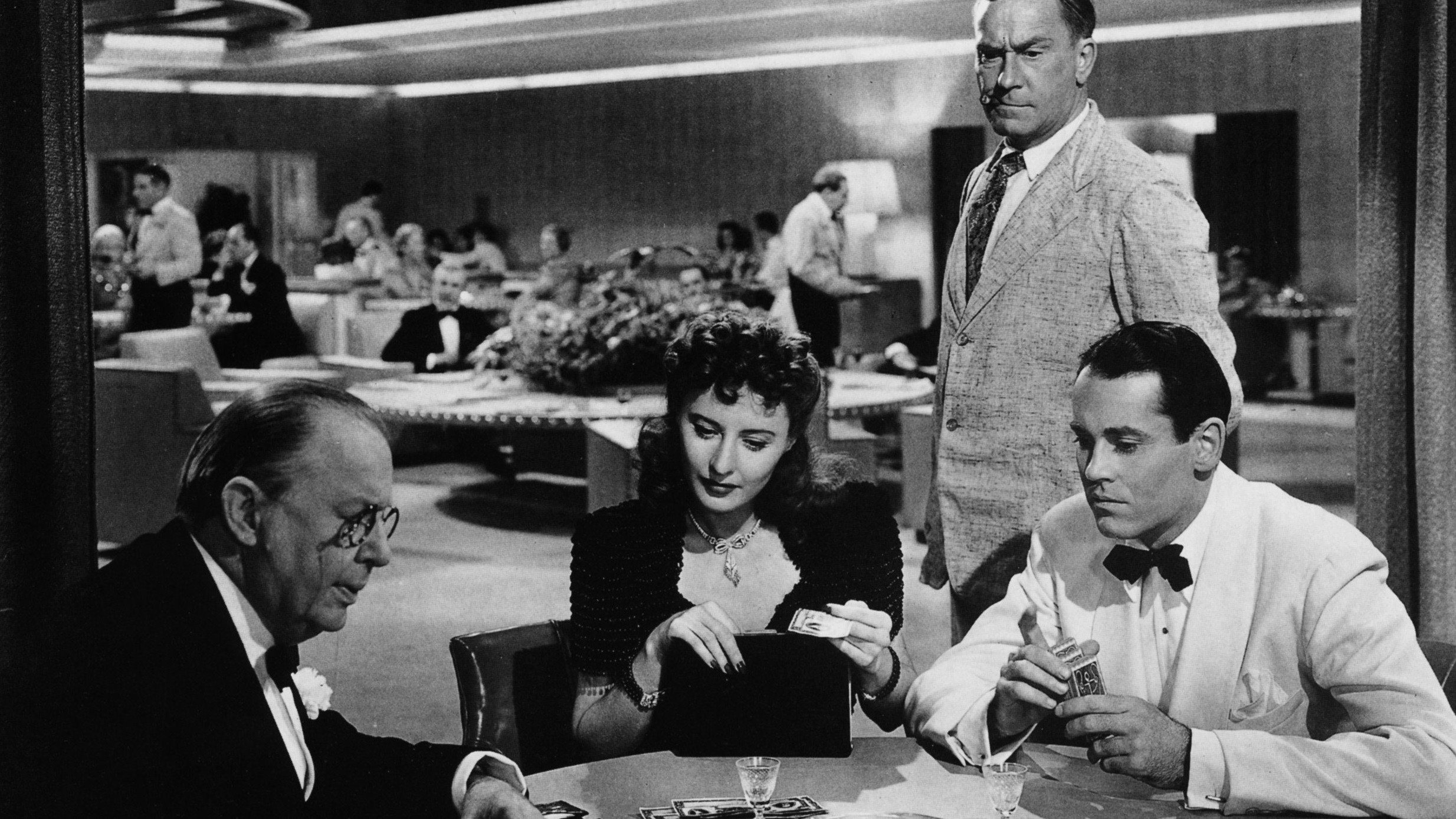
Jean Harrington (Barbara Stanwyck), a card-sharp, finds a promising prospect in Charles Pike (Henry Fonda), a wealthy and guileless heir. She wants to draw him into her confidence, but attraction complicates her calculations. Around the pair are ‘Colonel’ Harrington (Charles Coburn) and Muggsy (William Demarest), as con artistry and courtship begin to overlap. Jean sets the pace, Charles struggles to keep up, and questions of money and social standing enter their exchanges. She is used to understanding the people she deals with; her own feelings are becoming harder to judge.

Plays from YouTube when you press play; nothing loads from them until then.

Fi1m review

Preston Sturges makes a sharp, funny romance that trusts Barbara Stanwyck to be clever, calculating and vulnerable at once. Henry Fonda is a fine partner, even when the slapstick gets a little insistent.

Preston Sturges makes The Lady Eve funny enough to recommend for the dialogue alone, then gives the courtship enough feeling to matter. It is an excellent romantic comedy, including for those of us who sometimes find the business of bringing couples together exhausting. Barbara Stanwyck plays Jean Harrington, a card-sharp with her eye on Charles Pike, Henry Fonda’s guileless heir. Sturges writes and directs their encounters with an evident enjoyment of Jean’s ability to get ahead of Charles.

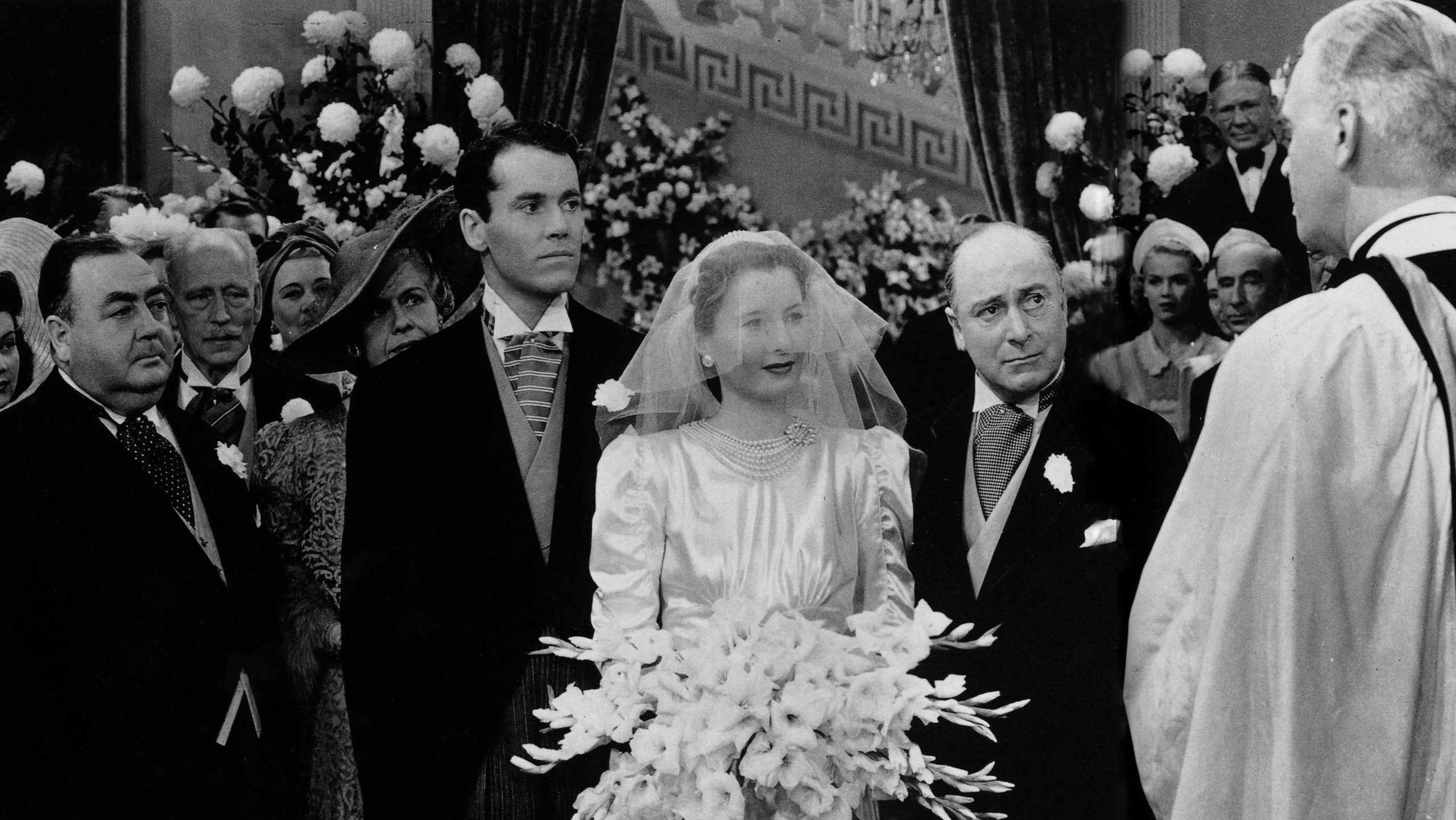
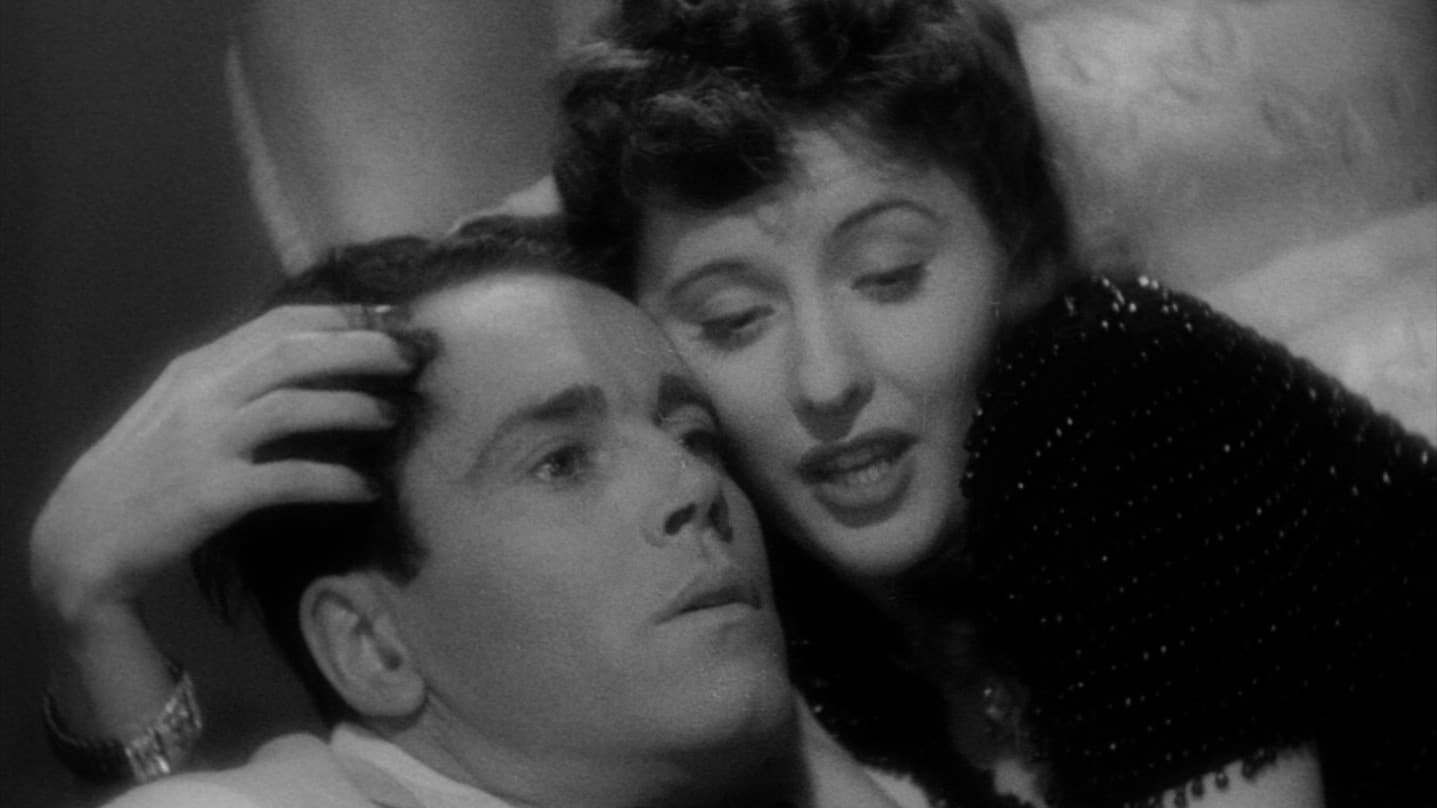
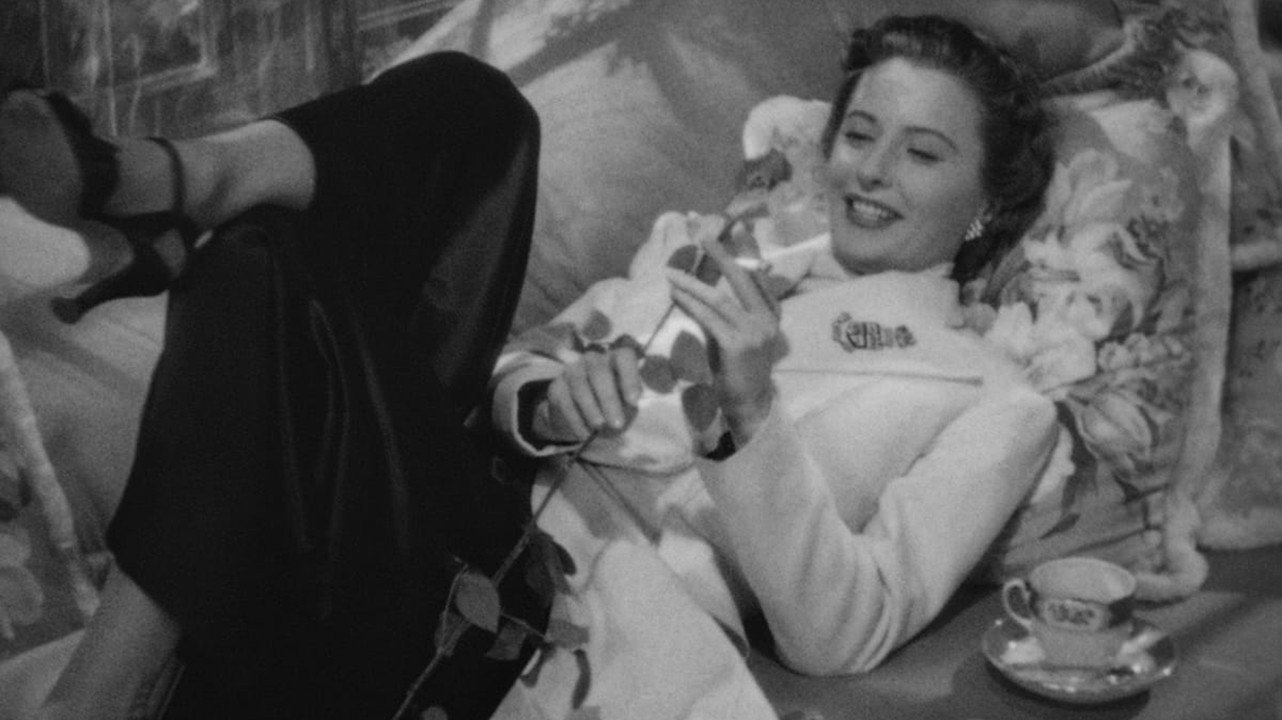
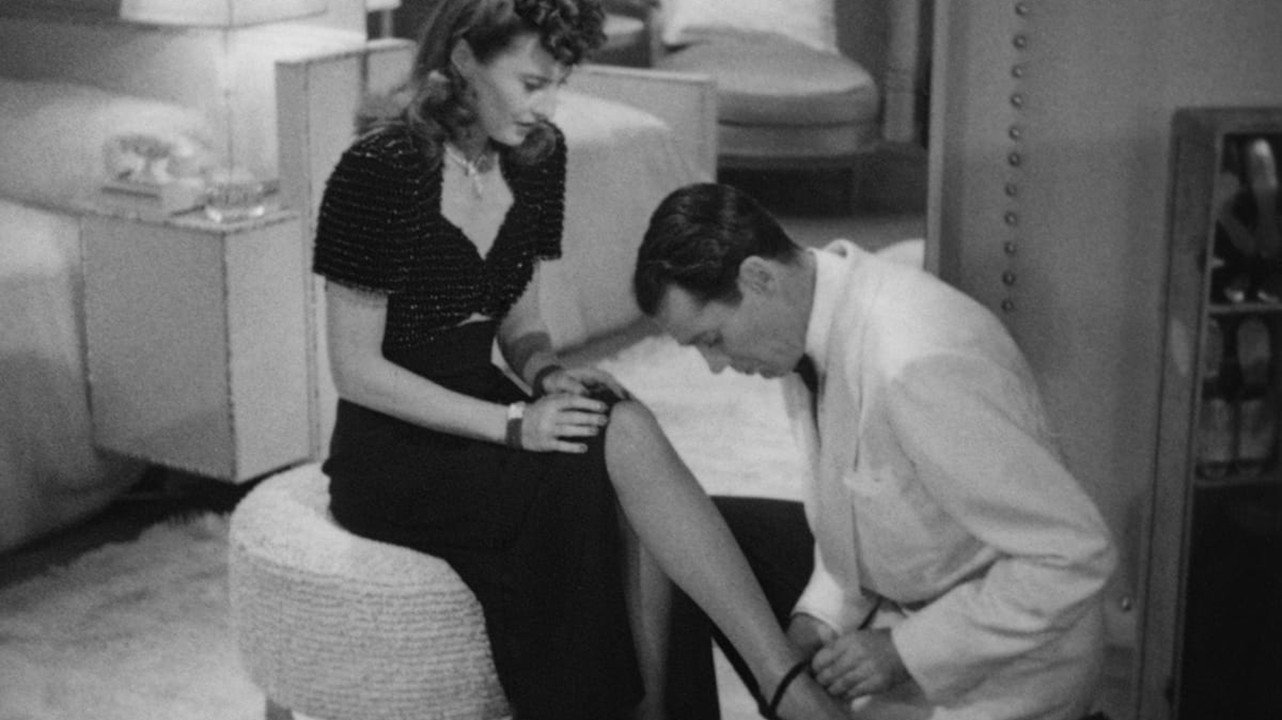
Stanwyck makes Jean’s quickness pleasurable rather than exhausting. She can suggest that a remark has been carefully prepared while making it sound as though it has only just occurred to her, and there is warmth beneath the calculation. We laughed aloud at the mirror scene because she seems to be directing the comedy herself, with everyone else a little behind. Stanwyck gives Jean an amused confidence that makes her control of these encounters convincing, while leaving room for uncertainty about her own feelings.

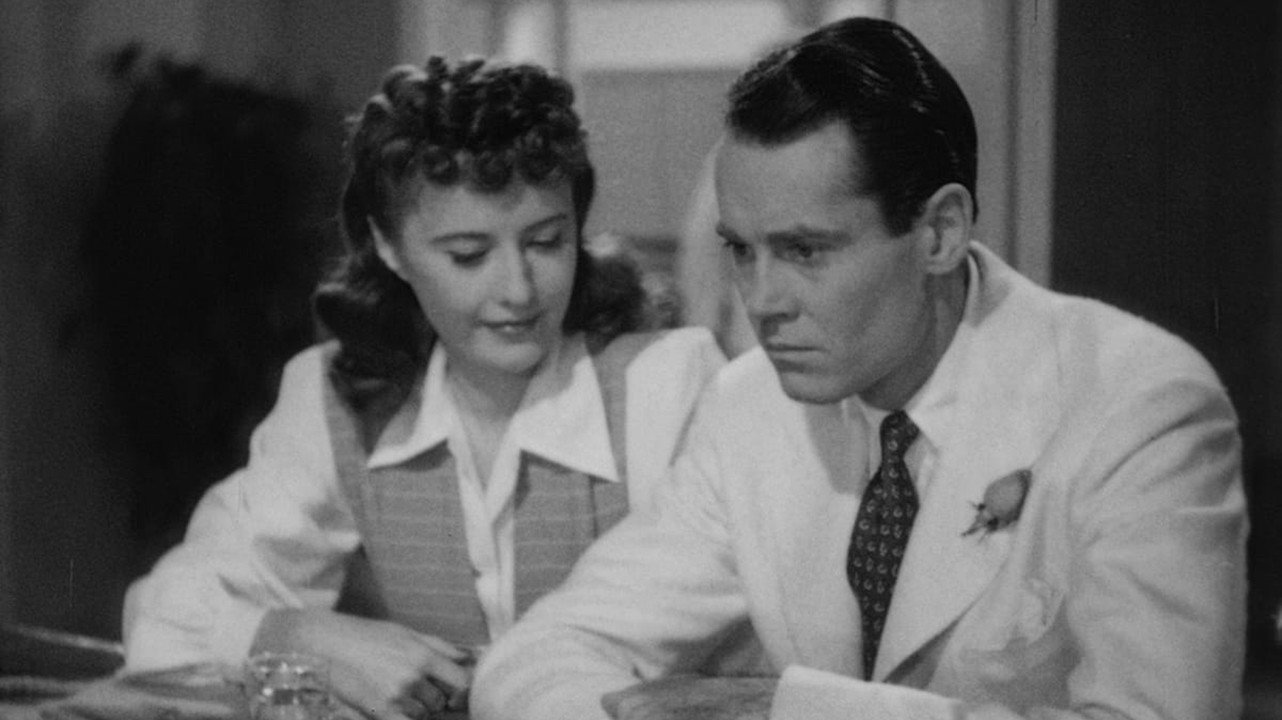
Fonda is essential to this. His Charles is slow to understand what she is doing, yet Fonda makes that slowness touching: there is an openness here that would be easy for a less patient performance to turn into simple stupidity. Their exchanges stay funny because his embarrassment never feels like an actor waiting for the next joke. We want Jean to enjoy herself, but we also want her to be careful with him, and Fonda earns that concern through the hesitations in his performance.

Victor Milner’s cinematography gives Stanwyck space to do that work. In the mirror scene, the framing makes the act of watching someone funny, and we share Jean’s pleasure in being quicker than everyone else. Edith Head’s costumes help make Jean’s confidence persuasive; she looks accustomed to being noticed, which suits the way Stanwyck plays her. These are useful contributions to a comedy in which so much depends on how one person looks at another.

Stuart Gilmore’s editing keeps the dialogue and the physical comedy in the same rhythm, which is harder than the film makes it appear. We have time to register a reaction without feeling the actors hold for applause. The music, credited to Gil Grau, Sigmund Krumgold, Phil Boutelje, Leo Shuken, John Leipold and Charles Bradshaw, works best when it supports the lightness without pressing the romance. Much of the attraction is carried by the voices, and the accompaniment wisely gives them room.

Not every physical joke earns its place. Sturges occasionally sends Fonda through another pratfall when his expression has already done enough, and those repetitions can make Charles seem less interesting than he is in conversation. The lapse is small, but noticeable in a film whose dialogue is so alert to differences between people. Charles Coburn, as ‘Colonel’ Harrington, supplies another kind of comic assurance: he has the ease of someone who expects to be listened to, and Sturges sensibly lets him speak.

Screwball comedy can become a competition to see who can remain least affected by anyone else. Here the possibility of hurt keeps the clever talk from becoming tiresome, and Stanwyck lets Jean’s confidence falter without making her seem helpless. At 97 minutes, the film has room for that uncertainty as well as the business of making us laugh. Watch it for the flirting, and forgive the occasional extra fall.

Critical consensus AI synthesised

87
Positive
15
Mixed
0
Negative
0

The consensus is warmly positive, with all 15 reviews praising The Lady Eve. Most critics centre their enthusiasm on Preston Sturges’s sharp dialogue and the ease with which the film combines slapstick, sexual comedy and romance. Barbara Stanwyck draws particular praise for her intelligence, confidence and vulnerability, while her pairing with Henry Fonda is a recurring source of delight. The reviews also value the satire of class and courtship, finding bite beneath the comic mishaps.

The differences are chiefly in emphasis rather than substantive reservations. Enthusiasm varies, but none of these reviews amounts to a dissent. Collider gives particular attention to Fonda’s against-type casting, vulnerability and comic timing, where many others foreground Stanwyck. Sight and Sound concentrates on Sturges’s enduring comic invention and the film’s thematic connections. Across the reviews, neither the broad physical comedy nor the wayward plotting becomes a recurring complaint.

Radio Times
★★★★★ · Tony Sloman
100

Hails it as a wonderfully witty masterpiece and unequalled sparkling combination of romance and screwball comedy. Praises the perfect casting of Fonda and Stanwyck in near career-best roles.

Read the full review →
IndieWire
25 February 2015 · Max O'Connell
90*

The critic presents the film as a classic screwball comedy highlighting Sturges's sharp wit and the sparkling chemistry between Stanwyck and Fonda. It singles out the battle-of-the-sexes dynamics and Stanwyck's masterful performance for particular praise.

Read the full review →
Los Angeles Times
13 July 1990 · Mark Chalon Smith
90*

The 1941 classic showcases Sturges at his peak with nervy energy, impudent humor, and expert construction like a practiced card trick. Stanwyck shines as the spirited con woman whose performance, alongside Fonda’s, gives the film its luster and bracing verve.

Read the full review →
The AV Club
19 April 2002 · Scott Tobias
90*

The review calls the film a masterpiece of romantic comedy that uses the Garden of Eden myth to explore equality in relationships through pratfalls and sharp dialogue. It singles out Stanwyck's versatile performance, blending intelligence, wit, and vulnerability, as a standout element.

Read the full review →
The Guardian
14 February 2019
90*

The critic praises this glorious 1941 screwball comedy (revived in UK cinemas) for its childlike fantasy innocence and tremendous dialogue, with Stanwyck delivering a bravura double performance as the card-sharp who upstages everyone.

Read the full review →
The New York Times
2 March 1941
90*

Sturges is hailed as a comic master whose new film is among the most delightful and amusing in years, full of civilized adult humor and mischievous gibes. It offers a sly, satiric take on gullible males and treacherous females, with sharp character work and sparkling dialogue.

Read the full review →

Cast

Stills

Awards

Academy Awards, 1942

Nominated
Best Story

If you liked this, try…

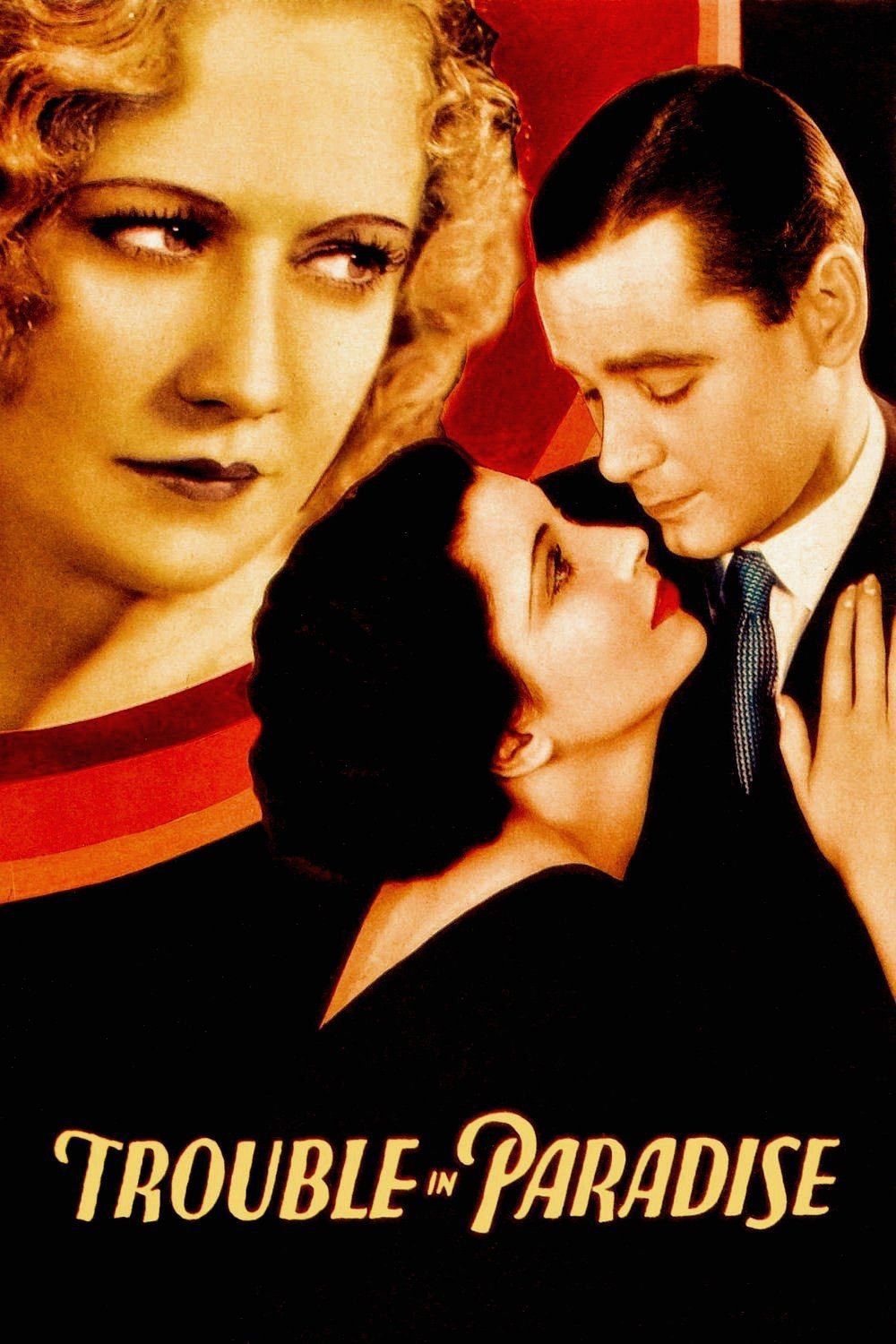
Trouble in Paradise poster

Trouble in Paradise

1932 · Another calculating romance where theft complicates feelings that were inconvenient enough already.

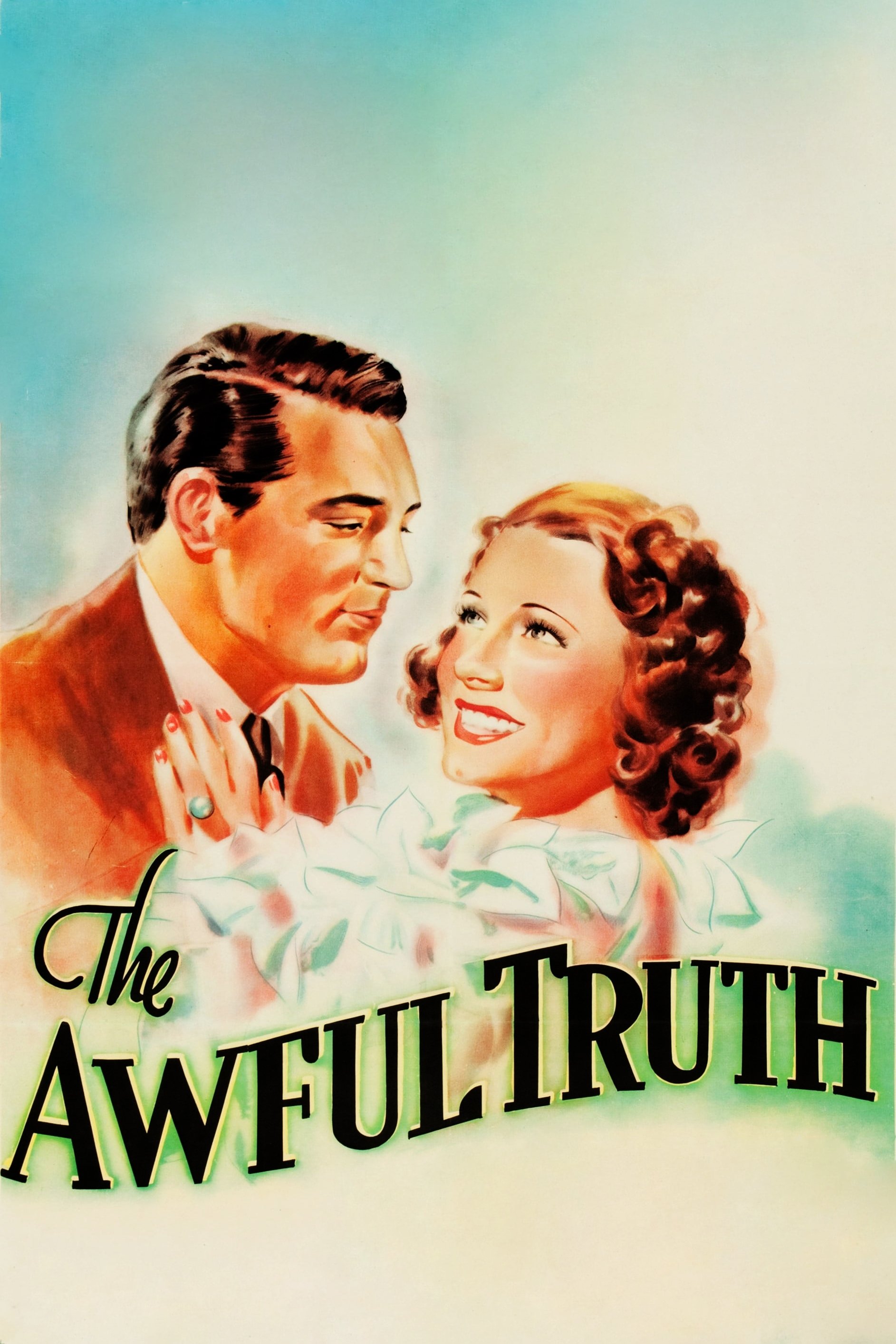
The Awful Truth poster

The Awful Truth

1937 · A sparring couple make reconciliation harder than it needs to be, delightfully.

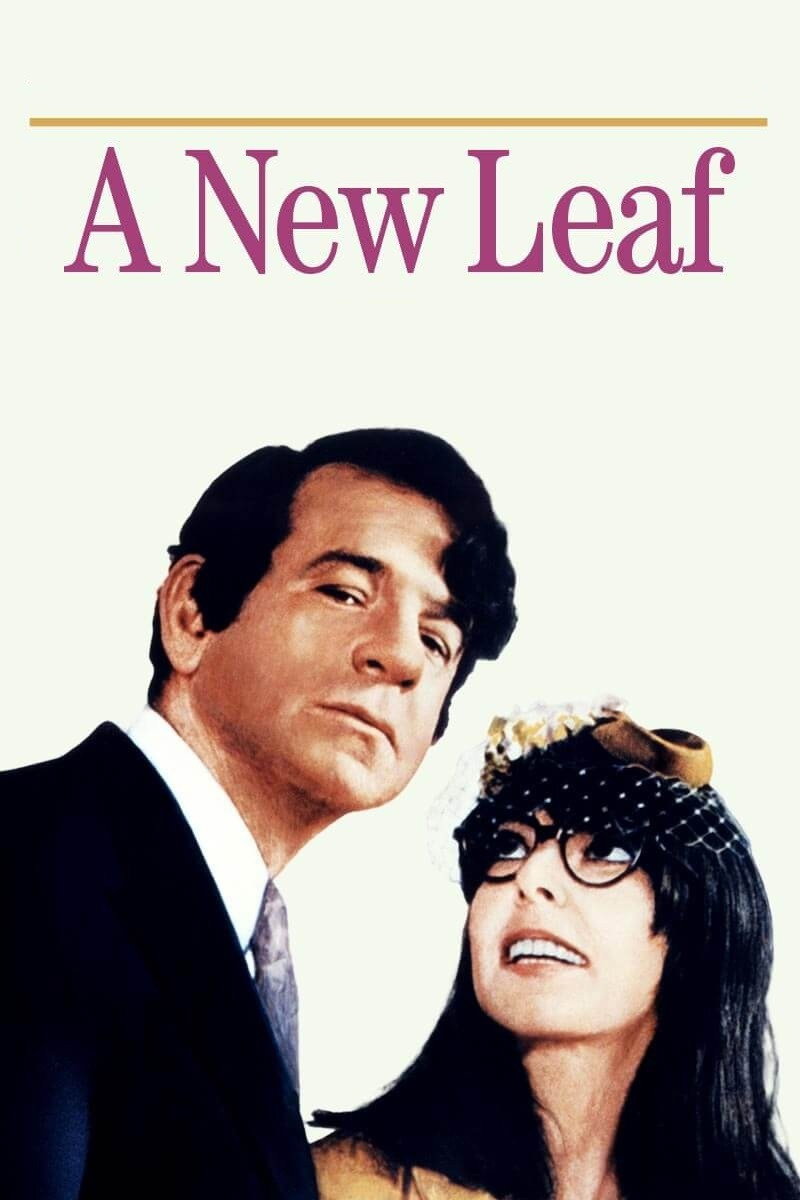
A New Leaf poster

A New Leaf

1971 · For another courtship where money comes first and affection proves awkwardly persistent.

Priceless poster

Priceless

2006 · A French comedy of expensive tastes, mistaken assumptions and professionally practised charm.

The Lunchbox poster

The Lunchbox

2013 · For the quieter pleasure of watching guarded people become unexpectedly open to affection.