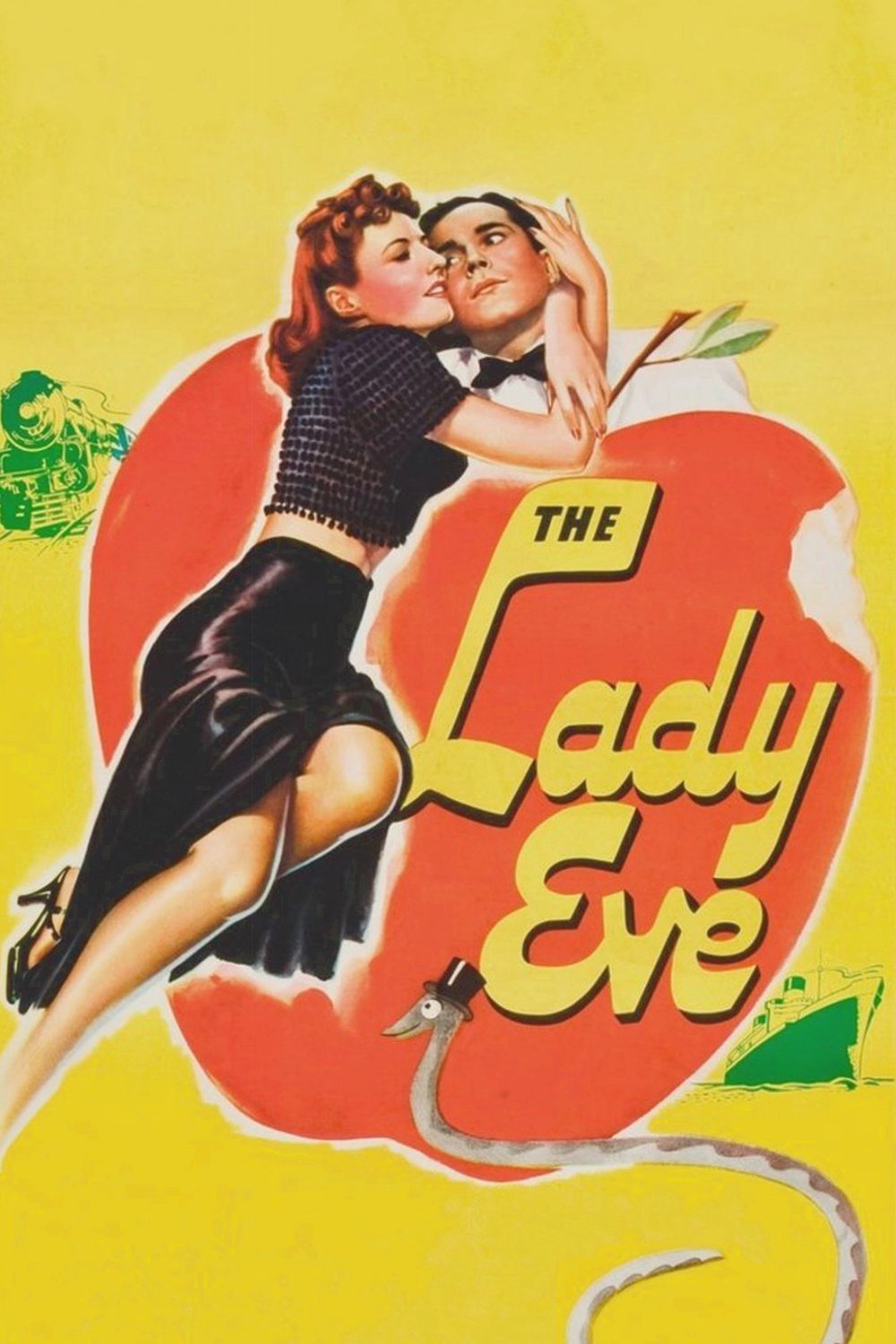
The consensus is warmly positive, with all 15 reviews praising The Lady Eve. Most critics centre their enthusiasm on Preston Sturges’s sharp dialogue and the ease with which the film combines slapstick, sexual comedy and romance. Barbara Stanwyck draws particular praise for her intelligence, confidence and vulnerability, while her pairing with Henry Fonda is a recurring source of delight. The reviews also value the satire of class and courtship, finding bite beneath the comic mishaps.
The differences are chiefly in emphasis rather than substantive reservations. Enthusiasm varies, but none of these reviews amounts to a dissent. Collider gives particular attention to Fonda’s against-type casting, vulnerability and comic timing, where many others foreground Stanwyck. Sight and Sound concentrates on Sturges’s enduring comic invention and the film’s thematic connections. Across the reviews, neither the broad physical comedy nor the wayward plotting becomes a recurring complaint.
R
Radio Times
★★★★★ · Tony Sloman
100
Hails it as a wonderfully witty masterpiece and unequalled sparkling combination of romance and screwball comedy. Praises the perfect casting of Fonda and Stanwyck in near career-best roles.
Read the full review →I
IndieWire
25 February 2015 · Max O'Connell
90*
The critic presents the film as a classic screwball comedy highlighting Sturges's sharp wit and the sparkling chemistry between Stanwyck and Fonda. It singles out the battle-of-the-sexes dynamics and Stanwyck's masterful performance for particular praise.
Read the full review →L
Los Angeles Times
13 July 1990 · Mark Chalon Smith
90*
The 1941 classic showcases Sturges at his peak with nervy energy, impudent humor, and expert construction like a practiced card trick. Stanwyck shines as the spirited con woman whose performance, alongside Fonda’s, gives the film its luster and bracing verve.
Read the full review →A
The AV Club
19 April 2002 · Scott Tobias
90*
The review calls the film a masterpiece of romantic comedy that uses the Garden of Eden myth to explore equality in relationships through pratfalls and sharp dialogue. It singles out Stanwyck's versatile performance, blending intelligence, wit, and vulnerability, as a standout element.
Read the full review →G
The Guardian
14 February 2019
90*
The critic praises this glorious 1941 screwball comedy (revived in UK cinemas) for its childlike fantasy innocence and tremendous dialogue, with Stanwyck delivering a bravura double performance as the card-sharp who upstages everyone.
Read the full review →N
The New York Times
2 March 1941
90*
Sturges is hailed as a comic master whose new film is among the most delightful and amusing in years, full of civilized adult humor and mischievous gibes. It offers a sly, satiric take on gullible males and treacherous females, with sharp character work and sparkling dialogue.
Read the full review →T
Time Out
28 January 2016 · TM
90*
Calls it a beguilingly ribald sex comedy that is very nearly perfection and quintessential Sturges. Praises the superb pairing of Fonda and Stanwyck and the mix of slapstick, wit and moving romance.
Read the full review →V
Variety
31 December 1940 · Variety Staff
90*
The film is top-tier laugh entertainment thanks to its slick situations, spontaneous dialogue, and slapstick elements. Stanwyck, Fonda, and Coburn deliver strong performances in this well-paced screwball comedy.
Read the full review →E
Empire
1 January 2000 · Kim Newman
85*
The review calls it a wonderful picture whose left-field plot kinks are part of the fun, praising Sturges's ability to send up both wealthy snobs and con artists while highlighting Barbara Stanwyck's devastating, charming performance as Jean/Eve.
Read the full review →S
Slant Magazine
23 July 2020 · Budd Wilkins
85*
The critic praises the film's urbane take on the battle of the sexes, with Stanwyck's Jean/Eve in control and Fonda's character hapless yet endearing. It highlights the verbal pyrotechnics, postmodern elements like the mirror scene, and the psychological acuity in the con and romance plot.
Read the full review →I
The Independent
22 July 1993 · Kevin Jackson
85*
The critic argues it is Preston Sturges's real triumph and one of the best film comedies ever, comparing its plot to Vertigo as farce and praising the erotic charge of the courtship scenes, the wit of even minor characters, and the improvisatory storytelling style.
Read the full review →E
Evening Standard
30 April 2020 · Charlotte O'Sullivan
80*
The piece hails the 1941 screwball comedy as a swoon-worthy indictment of the class system that mixes zip, sparkle and cruel truths about gender and social climbing, singling out Barbara Stanwyck's sublime, sexually confident performance as Jean/Eve and the match with Henry Fonda's character.
Read the full review →S
Sight and Sound
1 September 2005 · Brad Stevens
70*
Praises the Preston Sturges Paramount films for their enduring comic invention and modern resonance. Singles out The Lady Eve for its unexpected thematic parallel to Vertigo as a comic variation on similar material.
Read the full review →E
Eye for Film
16 June 2005 · Caro Ness
90*
The critic calls it a masterpiece and one of Preston Sturges' cleverest and best-beloved romantic comedies, balancing broad slapstick with sophisticated sexiness. She singles out the perfect script, sharp dialogue, and stellar cast led by Barbara Stanwyck and Henry Fonda for particular praise.
Read the full review →C
Collider
10 February 2024 · Thomas Butt
70*
The critic praises Henry Fonda's against-type performance as a naive, bumbling heir in this Preston Sturges screwball comedy, noting how it subverts his usual everyman image while highlighting his vulnerability and comedic timing. The review singles out the sparkling chemistry and witty banter between Fonda and Barbara Stanwyck as the film's greatest strength.
Read the full review →Ordered by the weight we give each publication, then by score. Scores are normalised to 100; * means inferred from an unrated review. Summaries are ours, not quotations; follow the links for the reviews themselves. How we rate